From over 100,000 films, discover the handful you'll love.
Free or premium access to the world's largest documentary library.
4759 films(Page 31 of 100)
The Cat Ba langur, one of the world's most endangered primate species with only 50 individuals remaining, is the focus of an international rescue operation to ensure its survival.
In the Sonoran Desert, summer monsoons from the nearby Sea of Cortez support a rich biodiversity, including iconic saguaros and diverse marine life like blue whales.
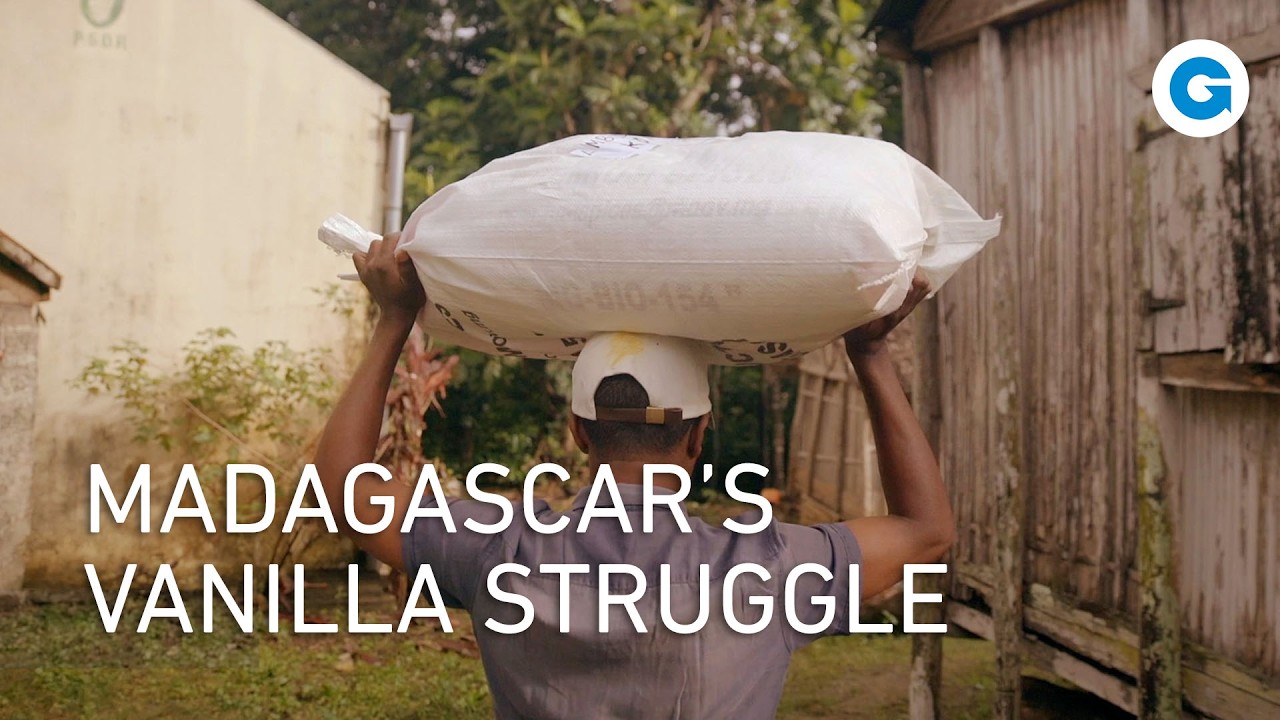
Madagascar's bourbon vanilla trade, valued at up to 700 euros per kilogram, has ignited fierce competition and crime, impacting local farmers and the global market.
Parque Natural da Ria Formosa, one of Europe's largest lagoon conservation areas, hosts over 20,000 wintering birds and a significant seahorse population.
The total value of the pollination service provided by bees is estimated at $200 billion, nearly eight percent of the total agricultural output on Earth.
Quentin travels 2,924 miles across India, meeting a snake catcher in Mysore and a healer in the Malnad region who claims to treat cancer with traditional medicine.
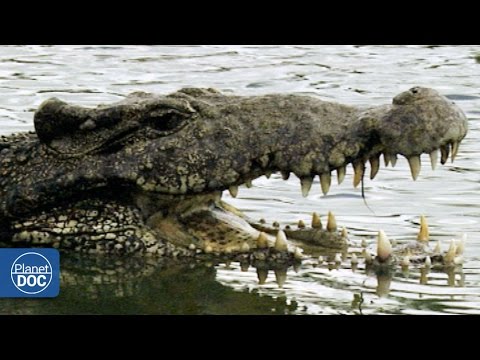
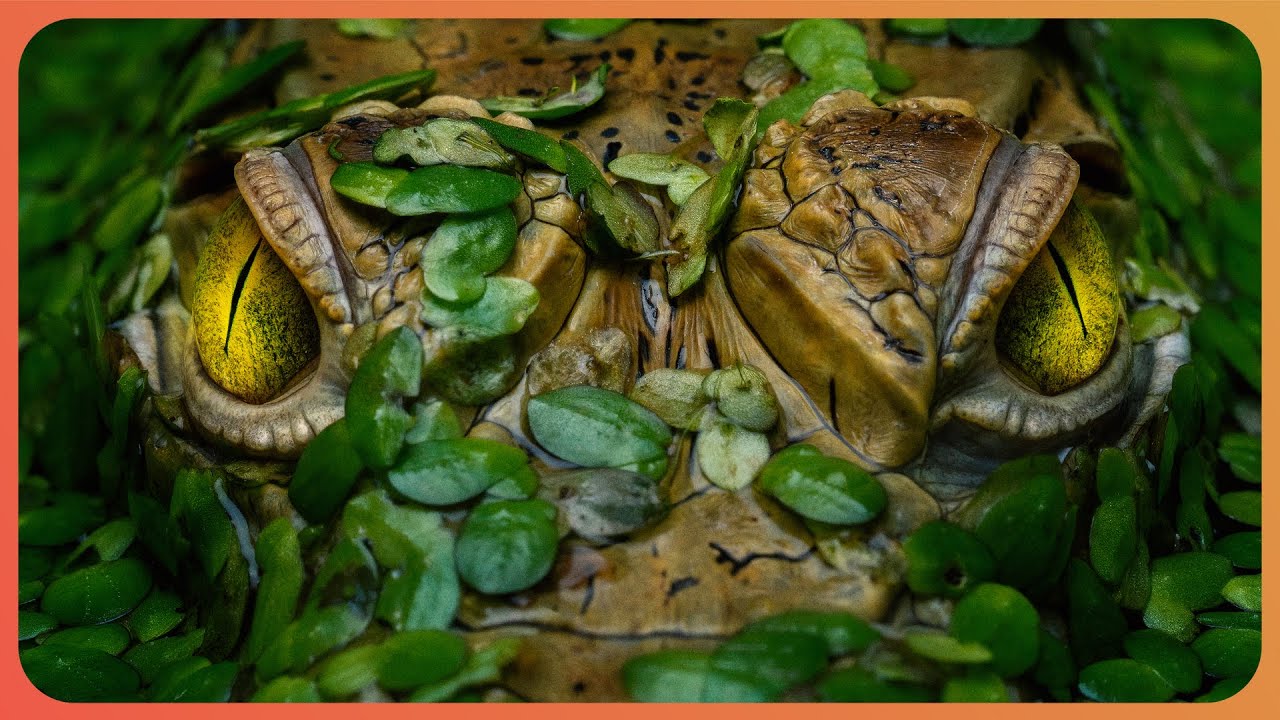
In Guyana, reptile hunter Mark O'Shea explores the dangers posed by the endangered black caiman while promoting coexistence with local communities.
Arctic fox pups, born blind and deaf, must learn to hunt within nine weeks to survive in one of the harshest environments on Earth.
A hairy scorpion can travel up to 100 meters in a single night while using its sensory hairs to detect vibrations from several meters away.
From Arctic waters to tropical forests, various animals like walruses, cobras, and jellyfish exhibit unique adaptations for survival and defense.
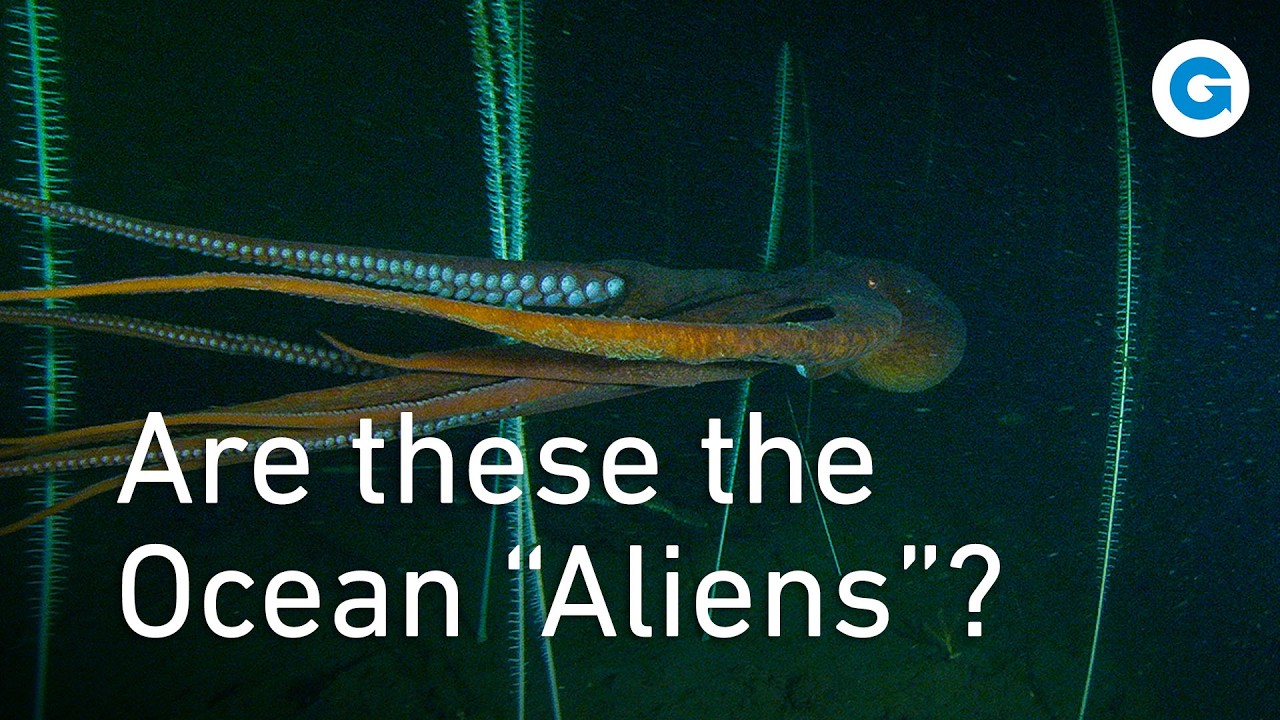
A giant Pacific octopus can weigh up to 600 pounds and reach lengths of 30 feet, making it the largest octopus species in the world.
Only 2,500 manatees remain in the West Indies, including Cuba, where the mangrove forest conceals biological mysteries and dangerous wildlife.
Eric Bairao Ruivo leads Beauval Nature's global efforts to reintroduce endangered species, including giant pandas in China and Andean condors in Argentina.
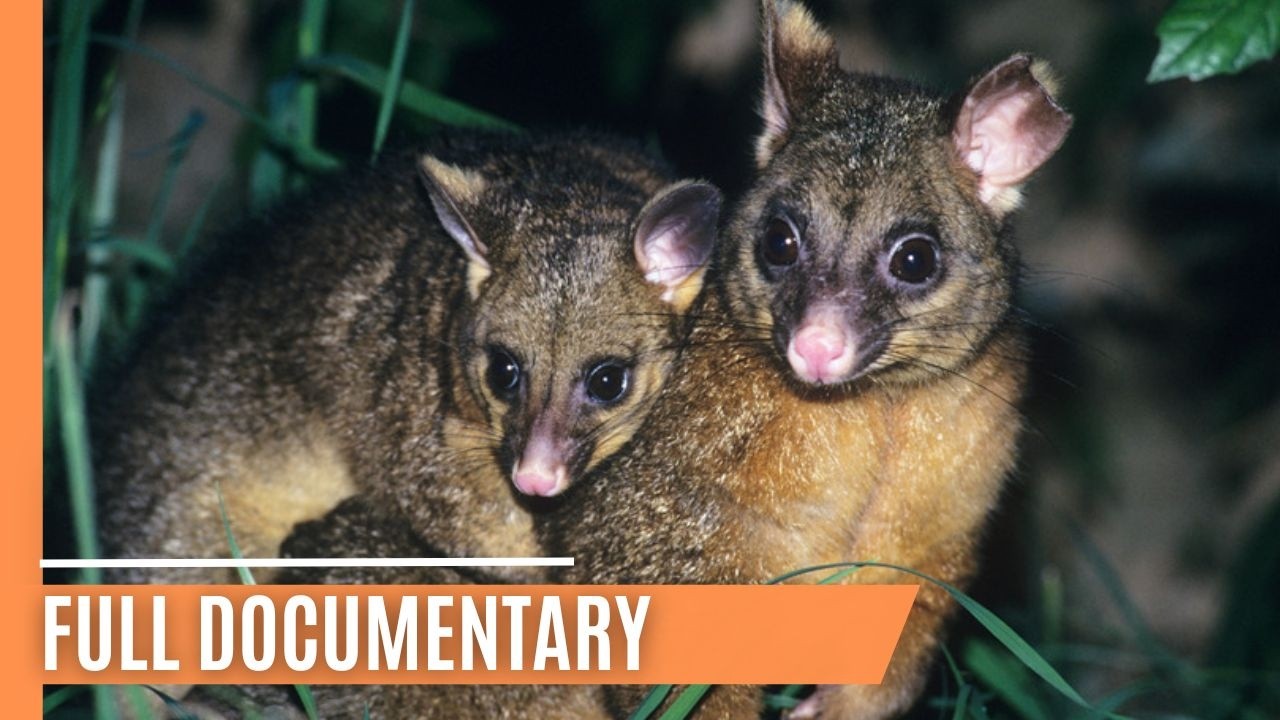
In the Australian wilderness, brushtail possums, sugar gliders, and mountain pygmy possums exhibit complex social behaviors and survival strategies against predators.
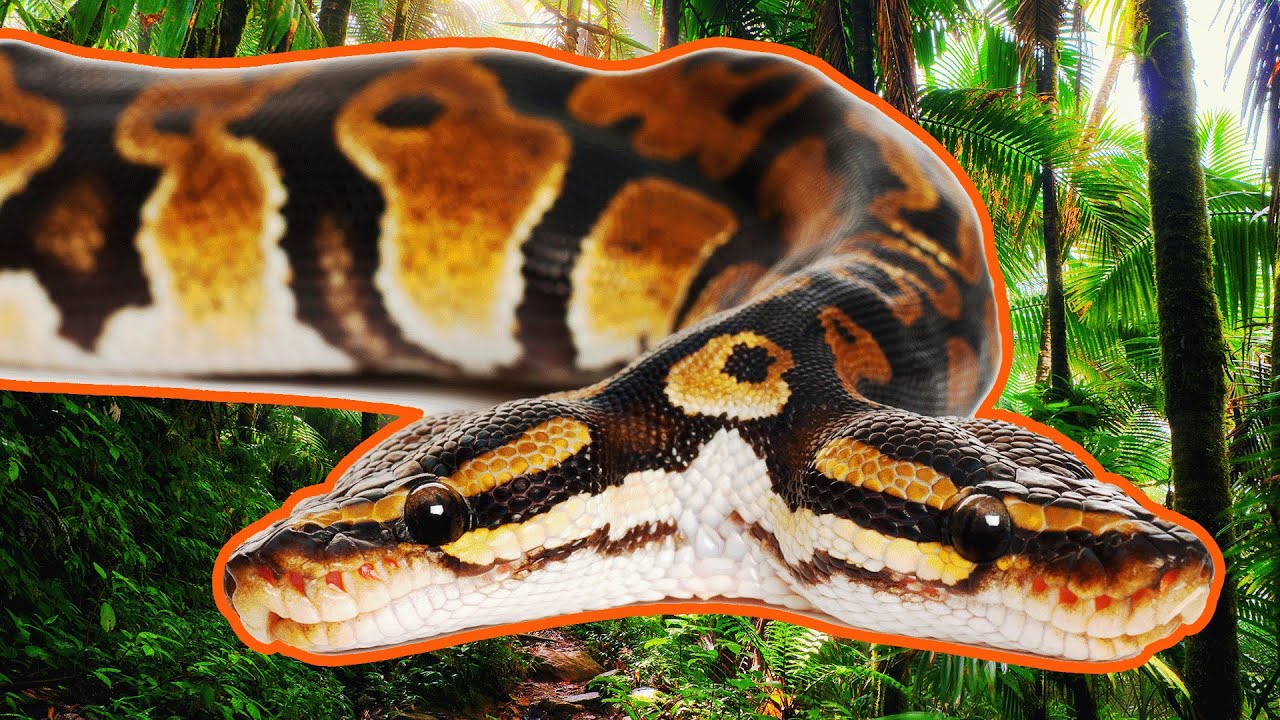
Florida's Everglades face ecological threats from invasive Burmese pythons, as biologist Sean Halleck and experts Greg Graani and Michael Cole work to control their population.
Shark populations have declined by over 90% globally due to overfishing, yet the Bahamas remains a sanctuary where killing sharks is illegal.
Lions in Africa exhibit complex social dynamics and natural behaviors, while conservation efforts aim to protect their habitats amid human-wildlife conflicts.
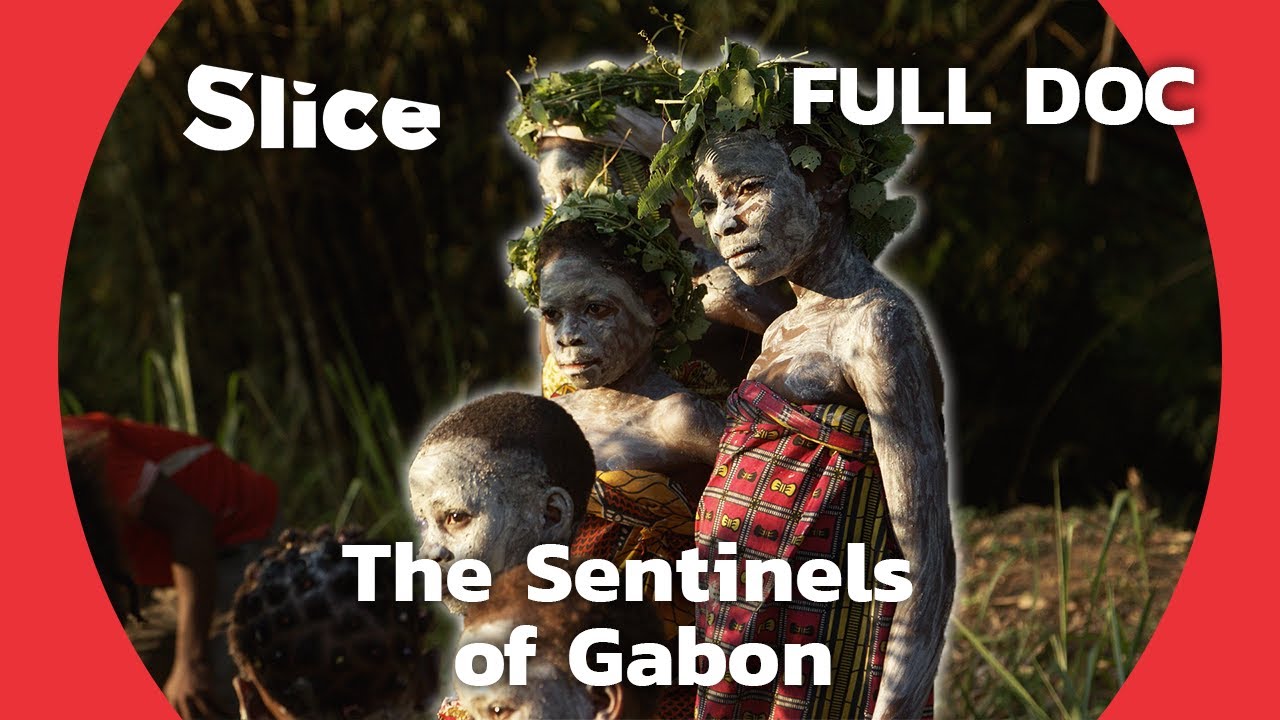
Gabonese sentinels protect their culture and rainforest from modern challenges.
Nero and Brutus, two crocodiles, battle for supremacy in a deadly wetland every week.
In Brazil, vibrant macaws and other intelligent bird species are examined for their behaviors and interactions within diverse ecosystems.
Manny Puig works with dog experts on Florida farmland to control the feral hog population using specialized hunting techniques.
Martin Johnson and Osa Johnson capture giant orangutans and document headhunter tribes during their 1937 expedition to British North Borneo.
In Malaysia, snake guardian Osman and his family work to change perceptions of the reticulated python and king cobra while protecting them from threats.
People in Indonesia and India adapt their lifestyles for survival in a world of water.
In the forests and meadows of Allenstein, Austria, diverse wildlife such as deer, foxes, and various bird species thrive in a delicate ecosystem.
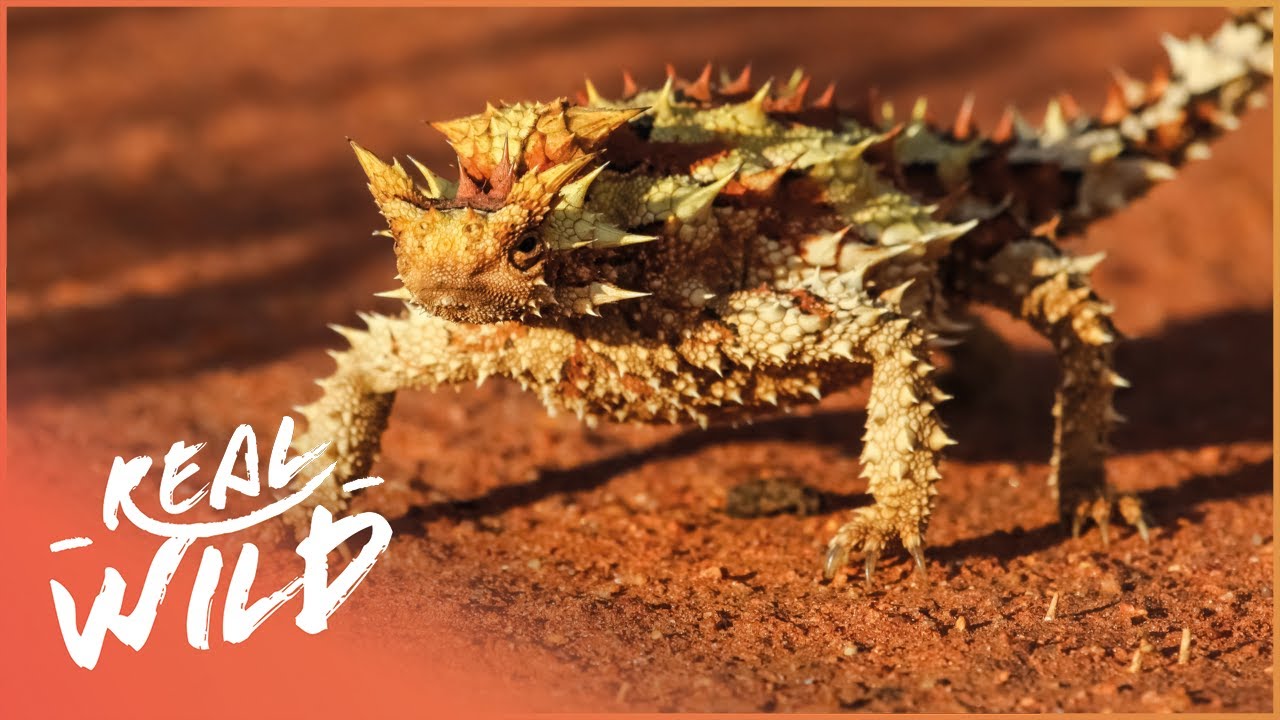
In New Zealand, wildlife such as the Thorny Devil and intelligent parrots must adapt to survive in environments shaped by volcanic activity and earthquakes.
The Kinabatangan River stretches 560 kilometers from its source in the highlands of Sabah to the Sulu Sea, supporting a diverse range of wildlife.
Lions and tigers compete for dominance in changing landscapes, showcasing their unique hunting tactics and social structures amid emerging human threats.
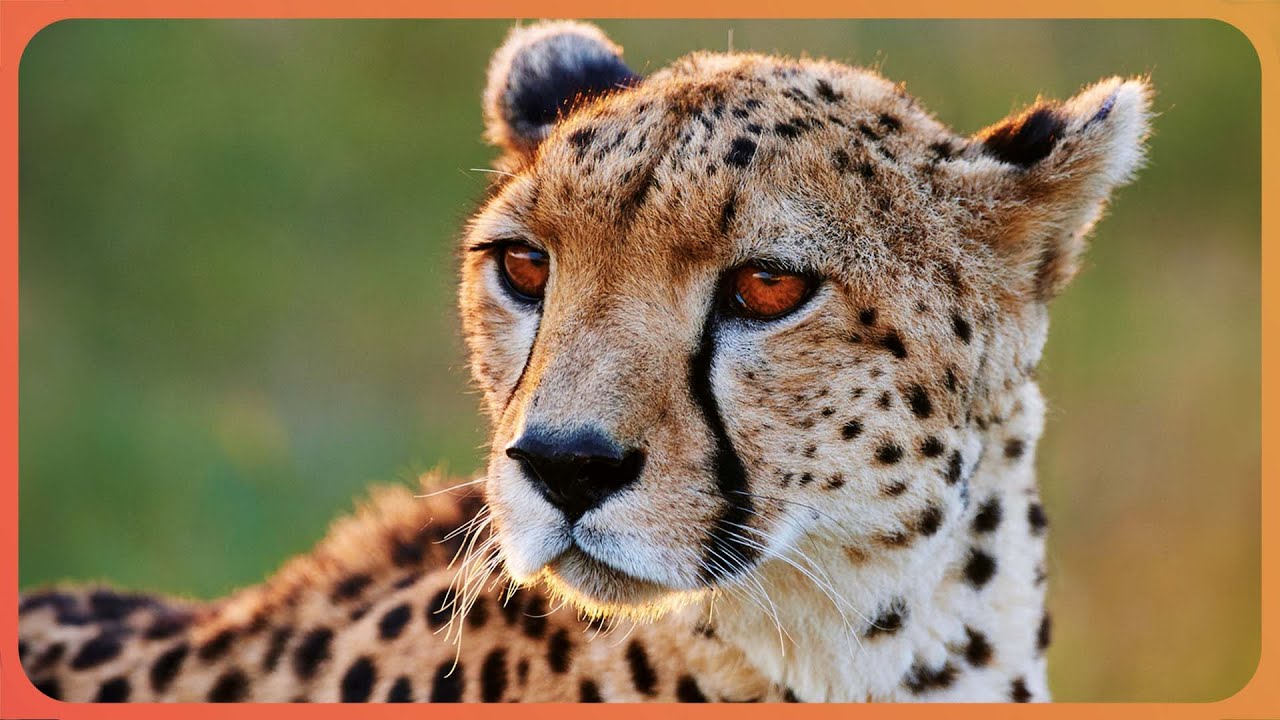
Cheetahs exhibit remarkable adaptations, including exceptional speed and acute sensory abilities, that enhance their effectiveness as predators in the wild.
Society's Explorers Festival on June 16, 2017, featured presentations on conservation, citizen science, and the impact of human conflict on wildlife.
In the United States, more tigers are kept in captivity than in the wild, raising concerns about the implications for wildlife conservation and human-animal relationships.
Nearly 2,000 years ago, a population of salmon was forced to abandon their natal river due to volcanic eruptions that poisoned their habitat.
Miss Marple, a rat, detects land-mines in Mozambique after training in Tanzania.
Dolphins coordinate in groups of three or four to increase their chances of catching prey, demonstrating the role of mutual aid in animal survival.
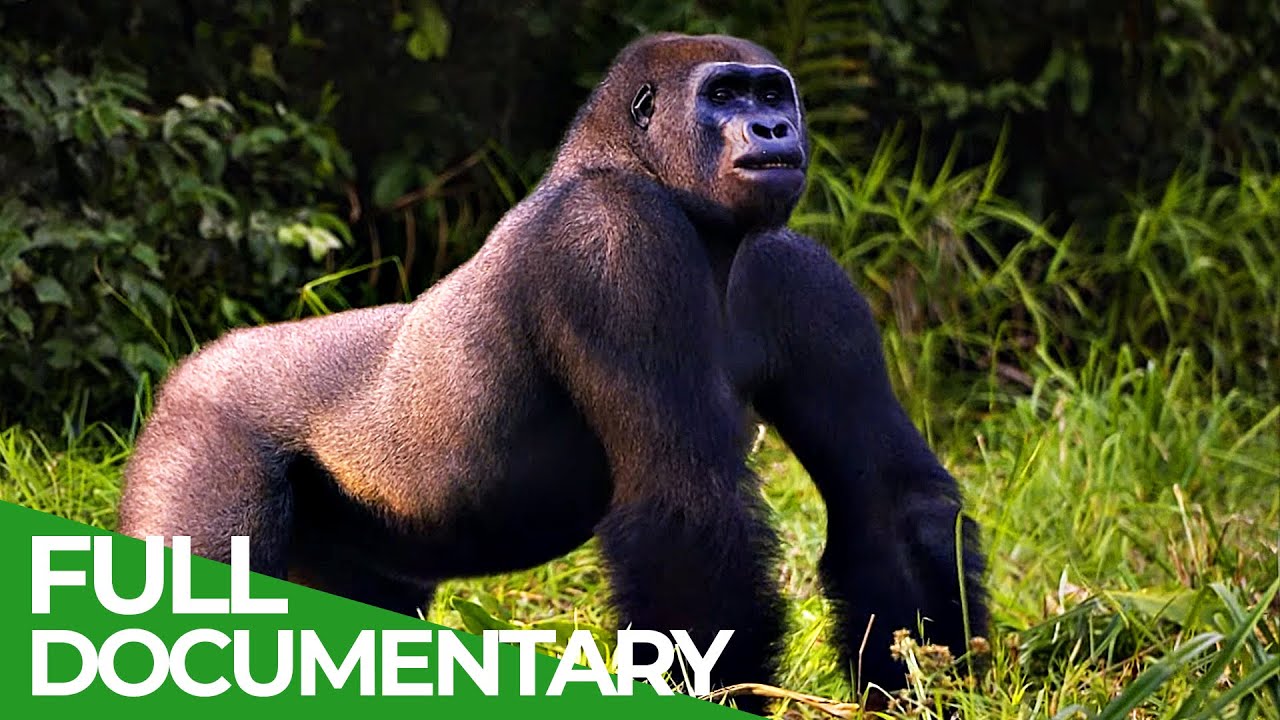
Africa's diverse ecosystems, from the Sahara Desert to the Serengeti, showcase iconic wildlife such as elephants and gorillas in their natural habitats.
A 20-square-kilometer Mayan city, Palenque, thrived during the 7th and 8th centuries, featuring a temple built as a tomb for King Pakal.
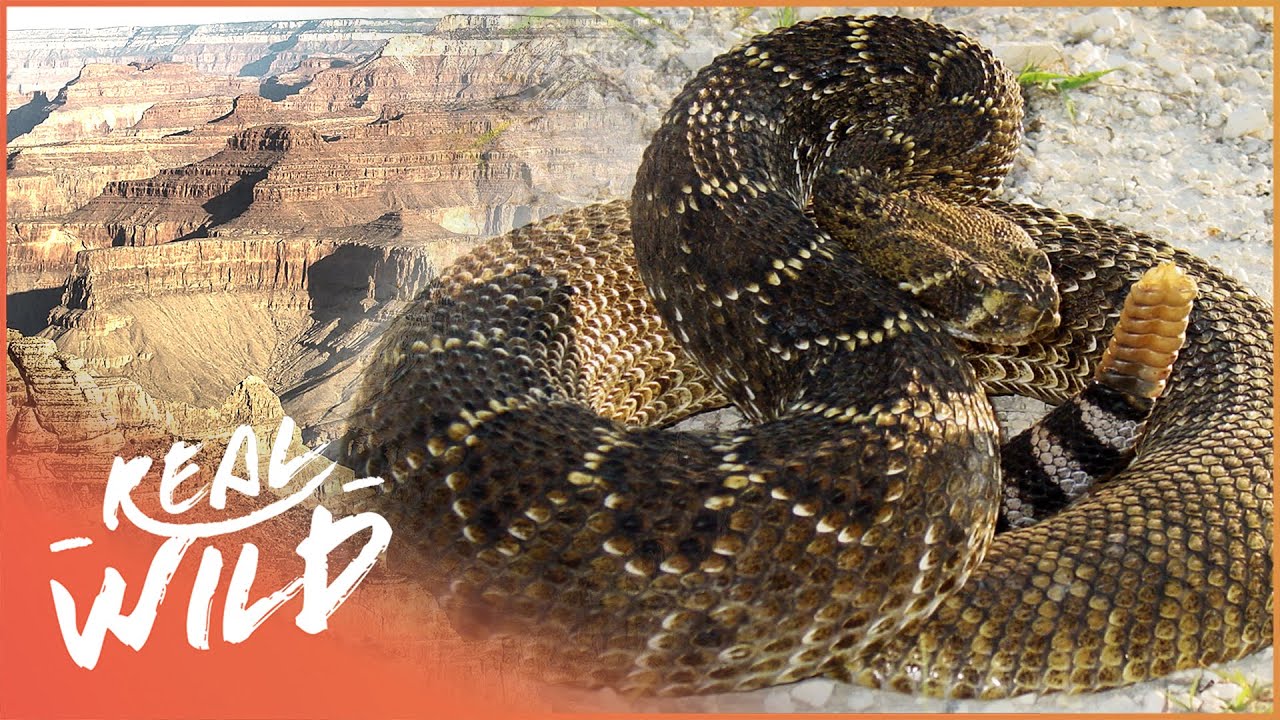
In the Grand Canyon, diverse wildlife, including elusive species, thrives in the unique desert ecosystem shaped by its ancient oceanic past.
Over 200 species of animals live in Berlin, including beavers that eat up to a kilo of greens every day while adapting to urban life.
Flames soar more than 100 meters high in Canadian wildfires, threatening thousands of acres and prompting urgent firefighting efforts.
In Southwestern Europe, the Atlantic's warm currents foster a unique climate that supports diverse wildlife, including Chamois Mountain Goats and Grey Seals.
In the wild, Japanese macaques enjoy hot springs, while olive baboons exhibit complex social structures and young primates learn survival skills through play.
In South Africa's Kruger National Park, male lions hunt buffalo while a male ostrich guards its nest, illustrating the daily cycle of life and death in Africa.
In the Northern Territory's Litchfield National Park, Ben Cropp captures the vibrant ecosystem of a billabong, highlighting predator-prey dynamics among its diverse wildlife.
World-renowned naturalist Brian Keating explores the wildlife of Antarctica, featuring elephant seals and a large colony of king penguins at Gold Harbour, South Georgia.
Earth's diverse ecosystems are showcased through extraordinary animals like cheetahs, elephants, and octopuses, highlighting their unique abilities and characteristics.
True rainforests along the Equator, from Africa's gorillas to Borneo's orangutans and Ecuador's jaguars, highlight critical conservation efforts amid biodiversity loss.
Frogs can jump 20 times their own length, and they play a crucial role in the ecosystems of North America's lakes and ponds.
Two thousand miles is the distance that demoiselle cranes fly from India to Mongolia, returning each spring to breed in their native valley.