From over 100,000 films, discover the handful you'll love.
Free or premium access to the world's largest documentary library.
4759 films(Page 58 of 100)
One thousand kilometers of the Essequibo River feature treacherous rapids, massive waterfalls, and diverse wildlife.
Beavers near Neuschwanstein Castle build dams and cut trees in their busy habitat.
Horses can identify other herd members from as far as 400 feet away, aided by pheromones they produce throughout the year.
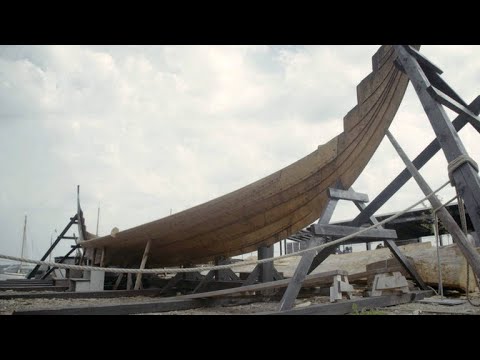
A single 210-year-old oak tree can yield approximately 25 planks for constructing Viking longships, demonstrating their efficient use of resources.
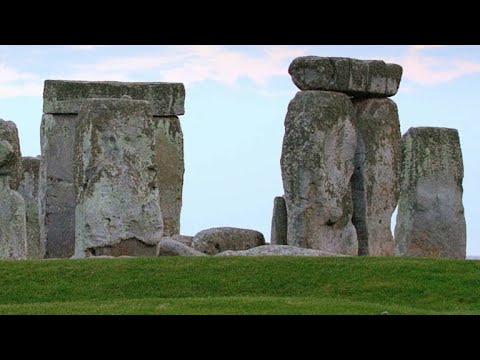
Scientists have confirmed Stonehenge was a Neolithic cemetery with peaceful burials.
Is Paris a green capital? Today, green spaces are essential in the French capital.
Patrick Aryee explores nature's solutions to humanity's challenges in this docu-series.
This island in Papua New Guinea showcases stunning volcanoes and unique biodiversity.
Dr. Susanne Lockhart descends 600 meters into the Weddell Sea to study its ecosystems and advocate for marine-protected areas against climate threats.
Wildlife cameraman Jean-François Barthod captures charming 16mm footage of king penguins in their natural habitat, showcasing their playful behavior.
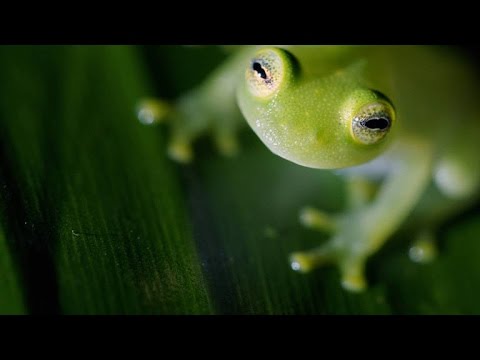
More than 200 species of frogs inhabit Panama, where male glass frogs call for mates during the rainy season's intimate mating rituals.
In Harar, Ethiopia, local human whisperers engage in the controversial practice of mouth feeding wild hyenas, raising ethical questions about animal taming.
Snowy Owls in the Arctic face significant survival challenges, as a mother owl struggles to care for her young amidst the harsh realities of their environment.
Female praying mantises eat their suitors before mating in a brutal courtship ritual.
A feral cat in Europe waits for the right moment to launch its lethal attack on a pigeon.
The Cuban iguana, one of the largest lizards in the Caribbean, thrives in the Jardines de la Reina without natural predators.
The Bioko black colobus monkey is critically endangered and rarely seen in the wild.
Suruga Bay is home to 124 different shark species, including the critically endangered Japanese angelshark, which faces threats from overfishing and habitat loss.
Fire ants, prevalent in the southern United States, exhibit complex social structures and aggressive behaviors that significantly impact local ecosystems.
Fire ants use complex nest-building and cooperative defense strategies to adapt and thrive in various environments, showcasing their ecological importance.
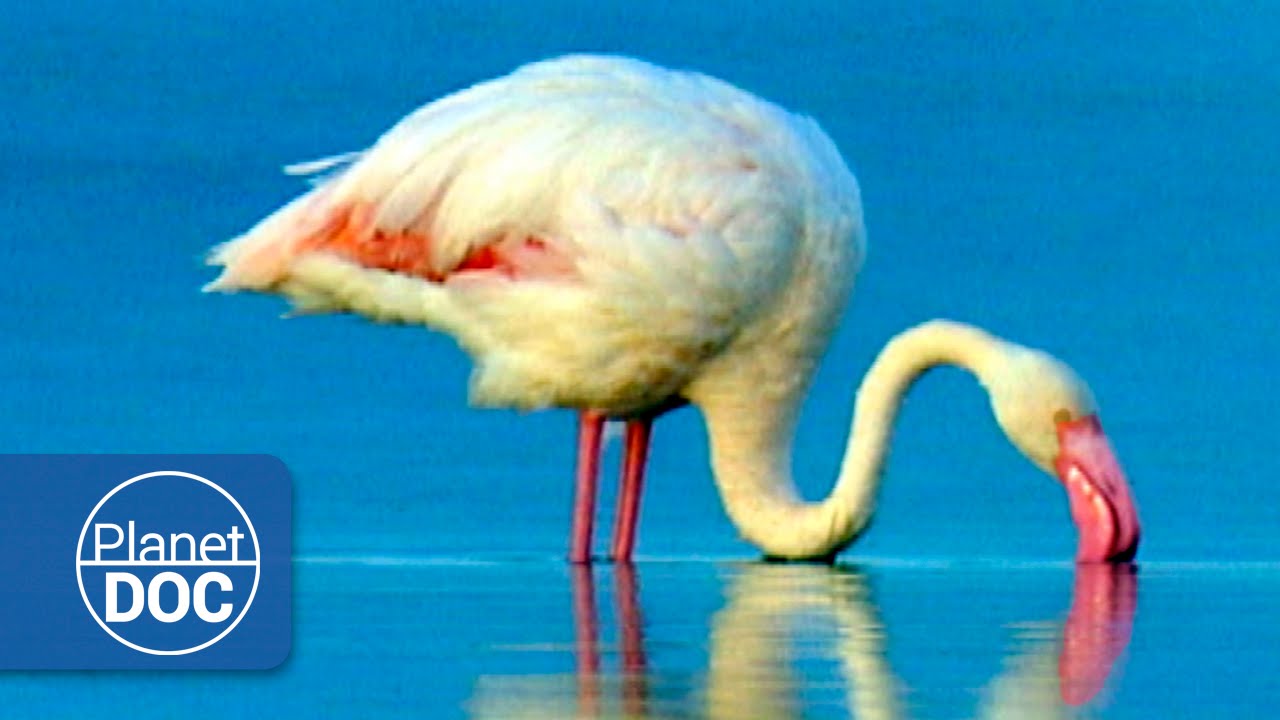
Baby flamingos are not born pink; they develop their characteristic color from microorganisms in their food as they grow.
Flamingo chicks join a crèche after 10 days, highlighting their family dynamics in Animal Empires.
A Neanderthal murder case highlights the broader implications of species disappearance, connecting ancient history to contemporary ecological challenges.
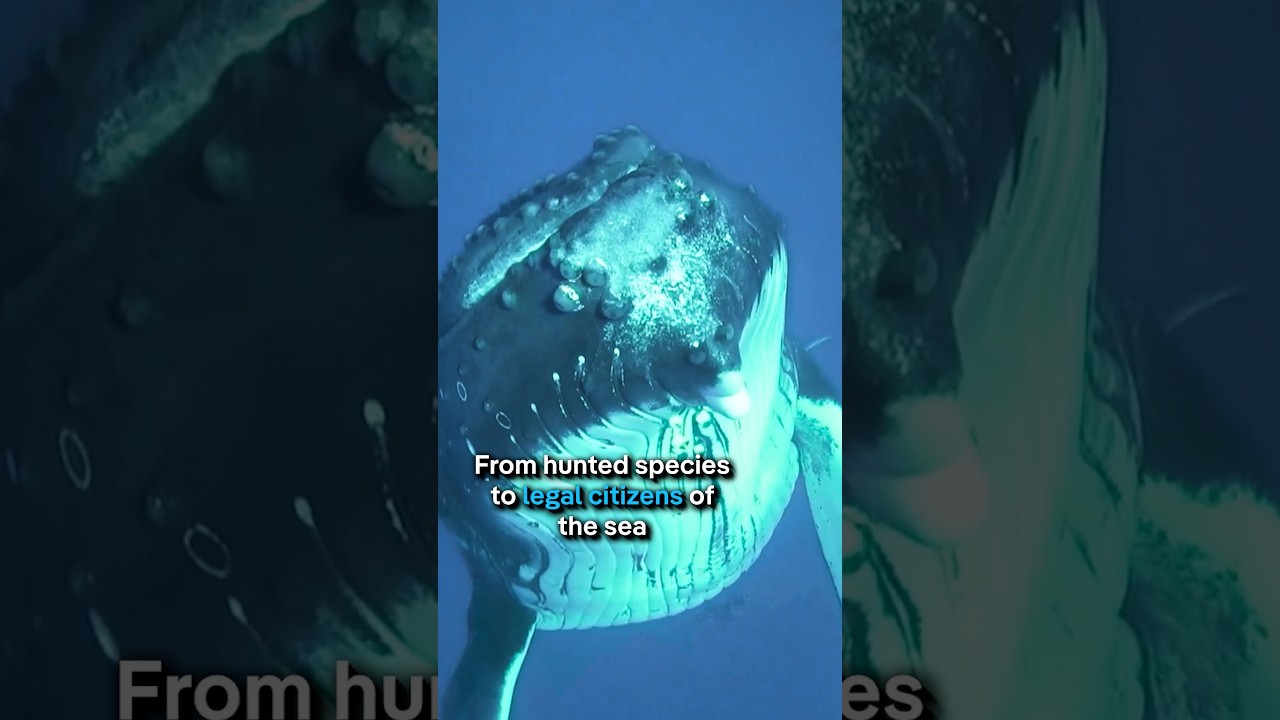
In 2024, indigenous leaders from Polynia signed a declaration recognizing whales and dolphins as legal persons with inherent rights.
Young storks along the Danube River in Serbia prepare for their migration to Africa, facing various challenges during their critical two-month preparation period.
The Wright brothers' invention remains the foundation of all propeller planes, with engines turning propellers to pull aircraft through the air.
The Cape Gannet dives into the ocean, showcasing its unique hunting skills in Nature's Dive Bombers.
Villafáfíla lagoon in Spain serves as a vital stopover for approximately a thousand cranes migrating to Extremadura and Andalusia each autumn.
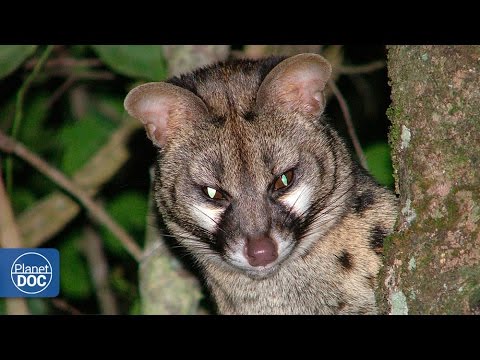
The genet cat is a nocturnal predator known for its keen senses, agility, and climbing skills, primarily feeding on small mammals, birds, and insects.
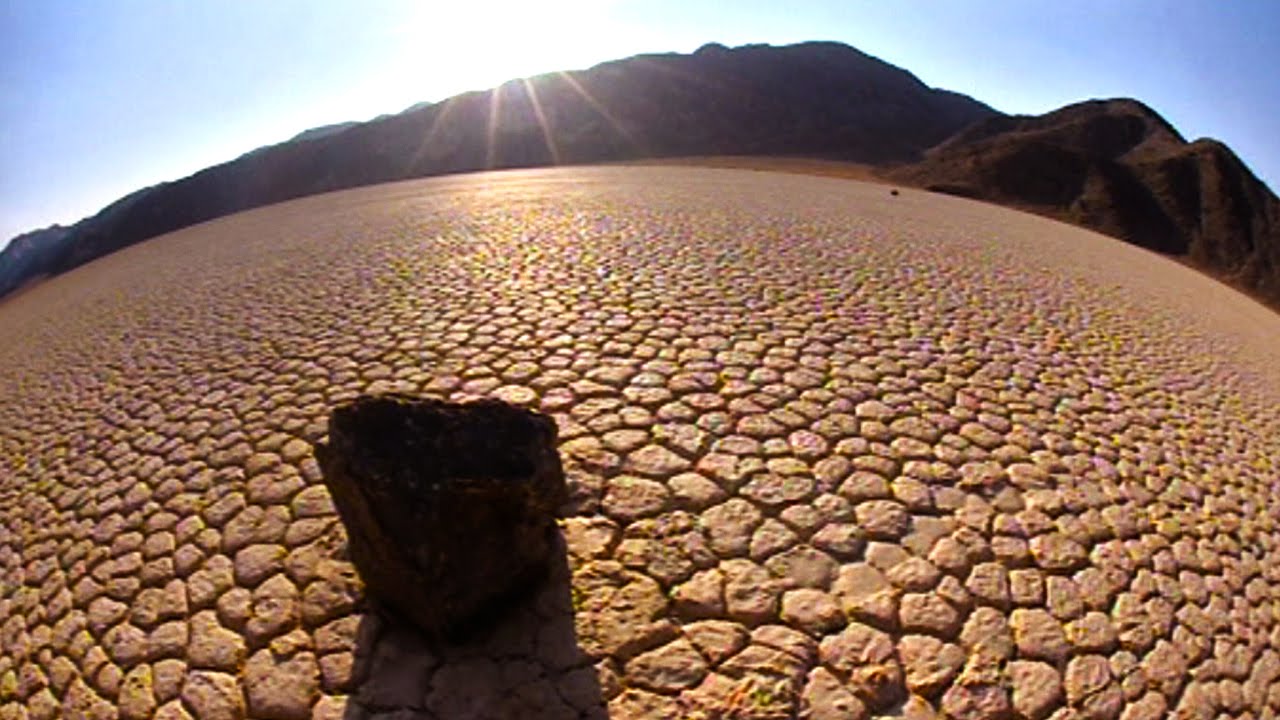
A geologist and students from Hampshire College study the Riddle of the Moving Stones in Death Valley.
Gerenuks thrive in Shaba Reserve, adapting to drought with unique feeding habits.
EARL, a giant whale carcass decoy, offers an immersive experience for two people to explore its innovative design and learn about marine life and shark behavior.
The goal is to reach the end of a river that is so difficult it challenges even the most skilled paddlers.
The Bajau of Sulawesi live their entire lives on boats, feeling like fish out of water on land.
Cuba's largest hutia faces threats from predators like the boa constrictor in its habitat.
Field biologist and conservationist O'Neill Wildlife presents a five-episode series on the largest living examples of animals, including the African Bush Elephant and Whale Shark.
The golden eagle hunts on mountain slopes, targeting prey like rabbits and deer.
The Goliath tigerfish is a terrifying predator, likened to a shark crossed with a piranha.
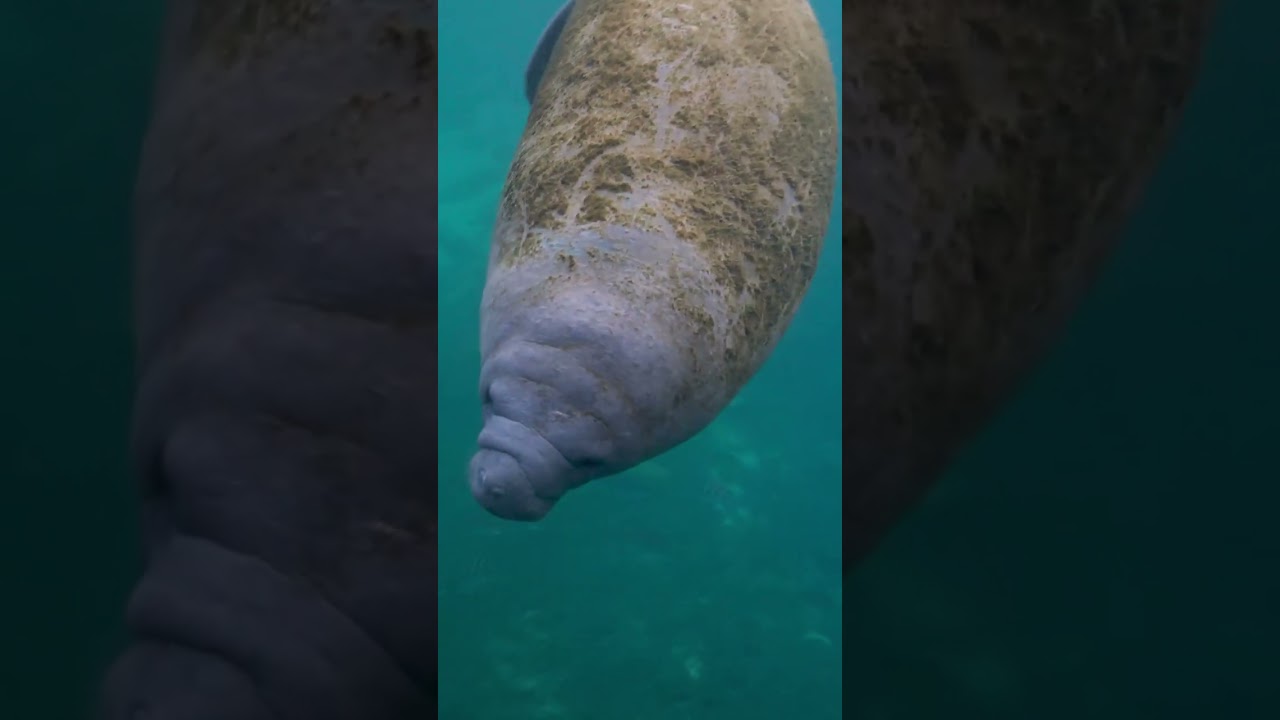
Manatees are shown in their natural habitat, interacting with humans and seeking fresh water, while grazing on seagrass in a serene marine environment.
The goshawk, or Ghost Hawk, hunts prey in lush forests with exceptional precision.
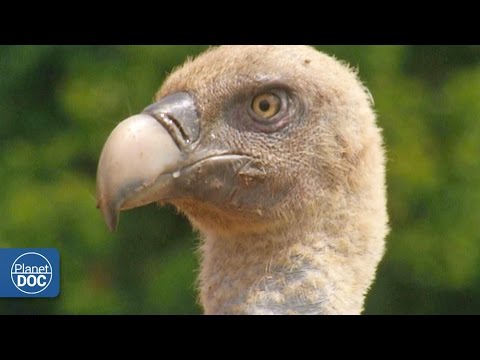
The Griffon vulture uses thermals to fly efficiently, showcasing its impressive adaptation.
Griffon vultures gather to feed on carcasses, creating impressive displays and disputes.
A manatee can live for over 50 years and is often injured by motorboats, contributing to its status as an endangered species.
A 2,000-pound Great White Shark named Bruce is closely observed by scientists who aim to challenge misconceptions about shark behavior and intelligence.
Cheyenne Bottoms is the largest inland marsh and a key stop for migrating shorebirds.
A hammerhead shark locates a hiding stingray, prompting a frantic escape attempt.
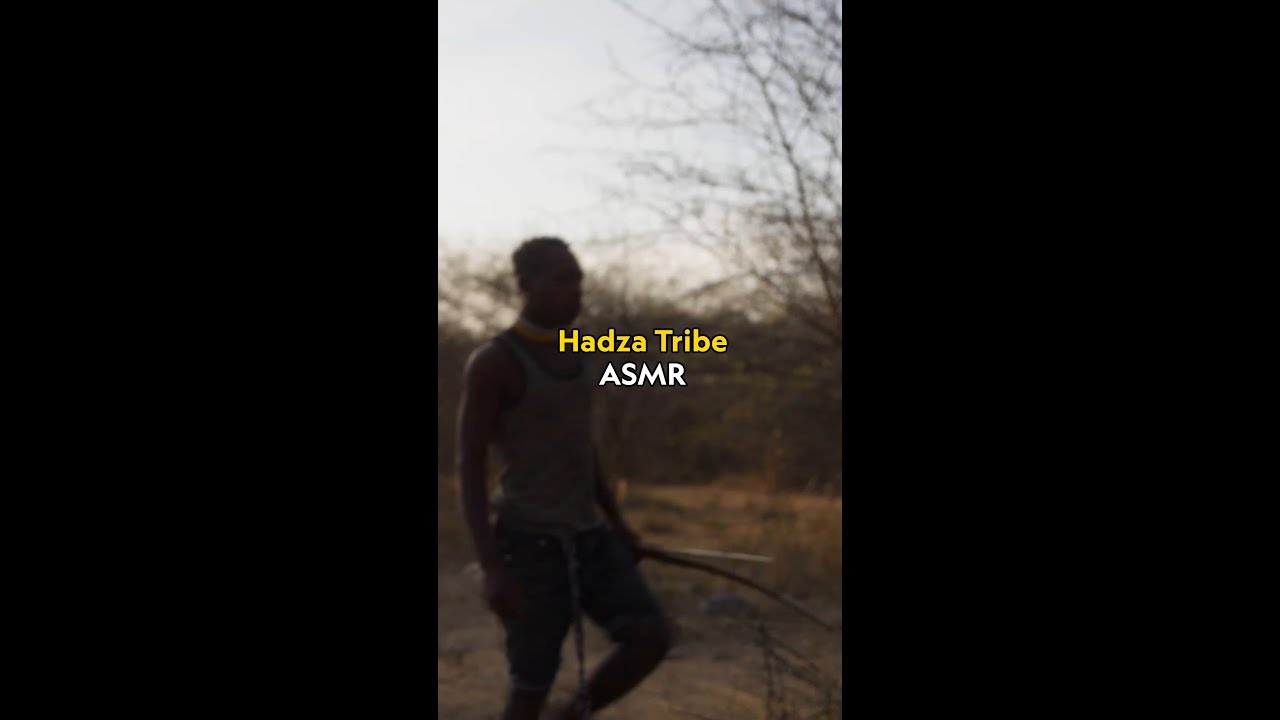
Eva zu Beck travels to Tanzania to meet the Hadza, one of the last hunter-gatherer tribes, highlighting their unique lifestyle and survival skills.
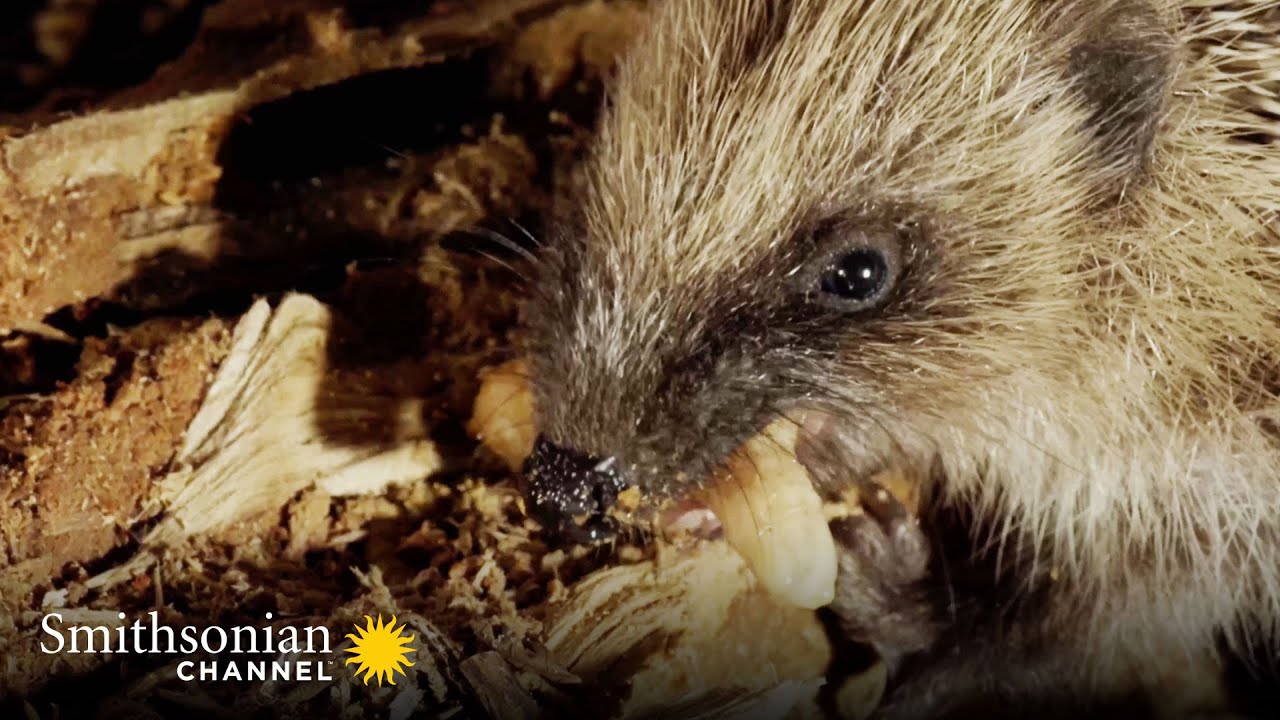
A hedgehog in New Zealand travels nightly for food to prepare for winter hibernation.