From over 100,000 films, discover the handful you'll love.
Free or premium access to the world's largest documentary library.
4759 films(Page 22 of 100)
Over 1,000 species of plants and animals thrive in Slovakia's national parks, including Tatra National Park and Slovak Paradise National Park.
Tiger sharks, notorious for their aggressive nature, account for a significant number of shark attacks in tropical waters globally.
Al Foul travels Arizona, while Richard Fox upholds cowboy traditions in Wyoming.
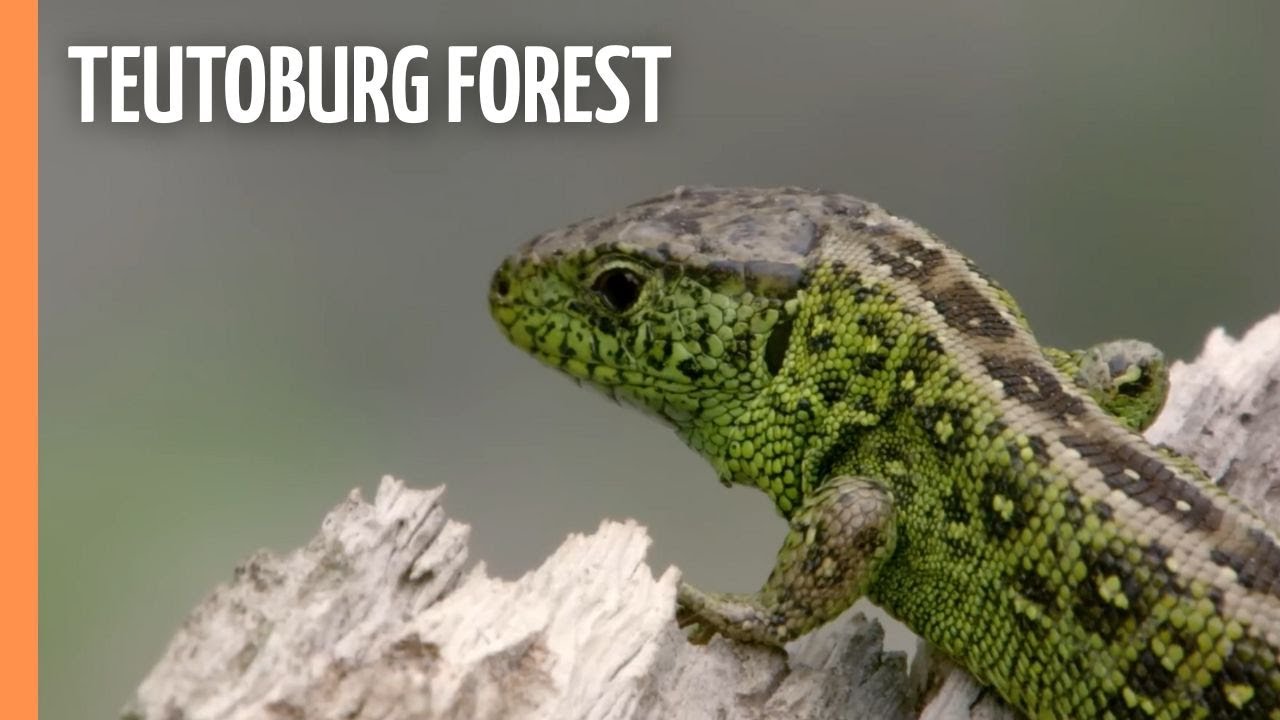
In Germany's Teutoburg Forest, the site of the 9 AD Varus battle, diverse wildlife thrives alongside unique winter phenomena at the Extern Stones.
In Sumatra, Indonesia, critically endangered orangutans face extinction due to rampant deforestation for palm oil, prompting volunteers to rehabilitate survivors.
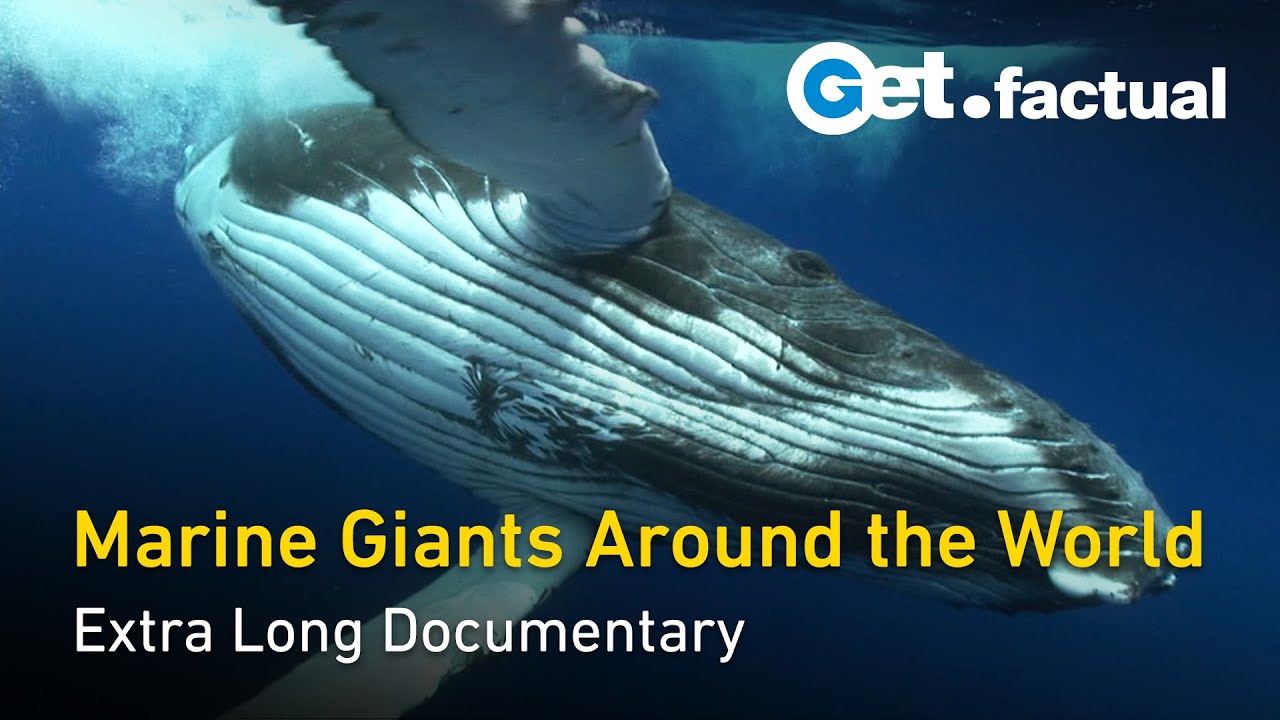
Each year, humpback whales feed off Newfoundland's Atlantic Coast during springtime.
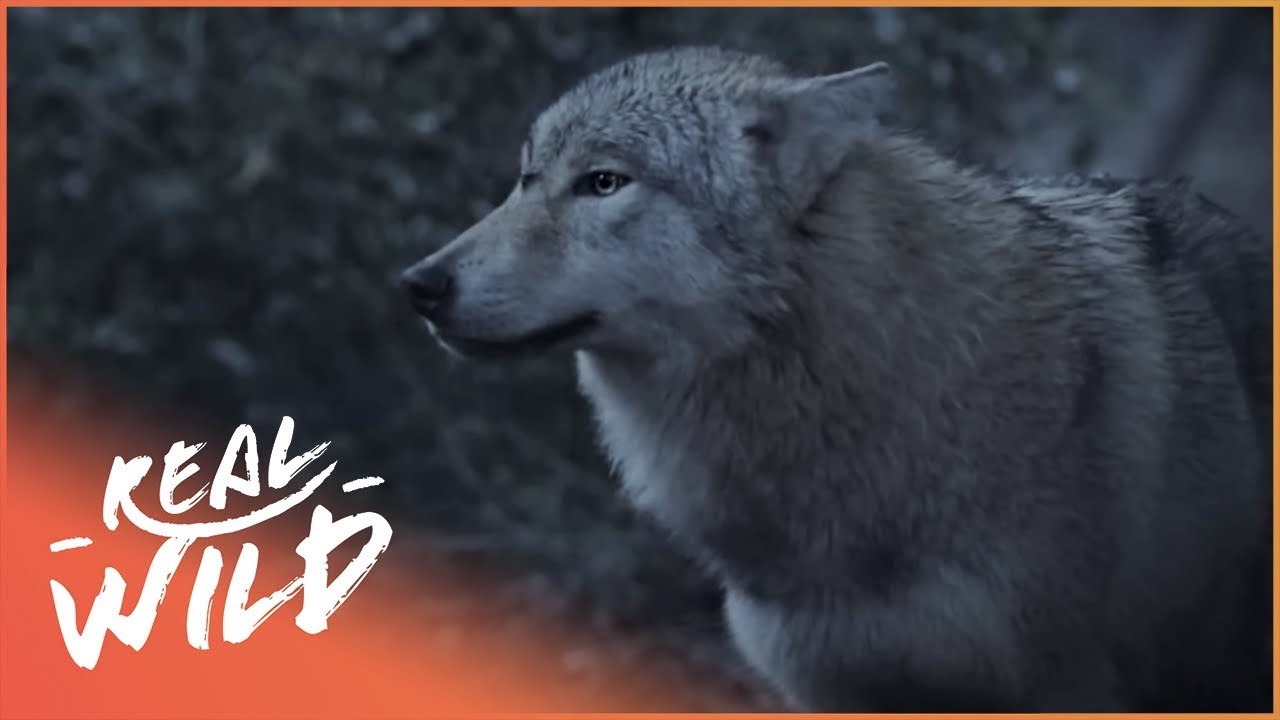
In Devon, a lone wolf faces banishment for bad behavior, while Bristol Zoo showcases the mating habits of the eastern quoll and a hedgehog hospital addresses parasite prevention.
Venom sea snakes, with venom ten times more powerful than a rattlesnake's, gather in coastal caves on the tiny island of Kudaka for fresh water.
In southern China, vibrant rice-growing cultures coexist with a diverse array of unique wildlife, showcasing the region's rich natural beauty and complexity.
In Nova Scotia's Bay of Fundy, Dr. Tim Fedak's team excavates dinosaur fossils at Wasson's Bluff while Tyler Shaw investigates ancient footprints in the Minus Basin.
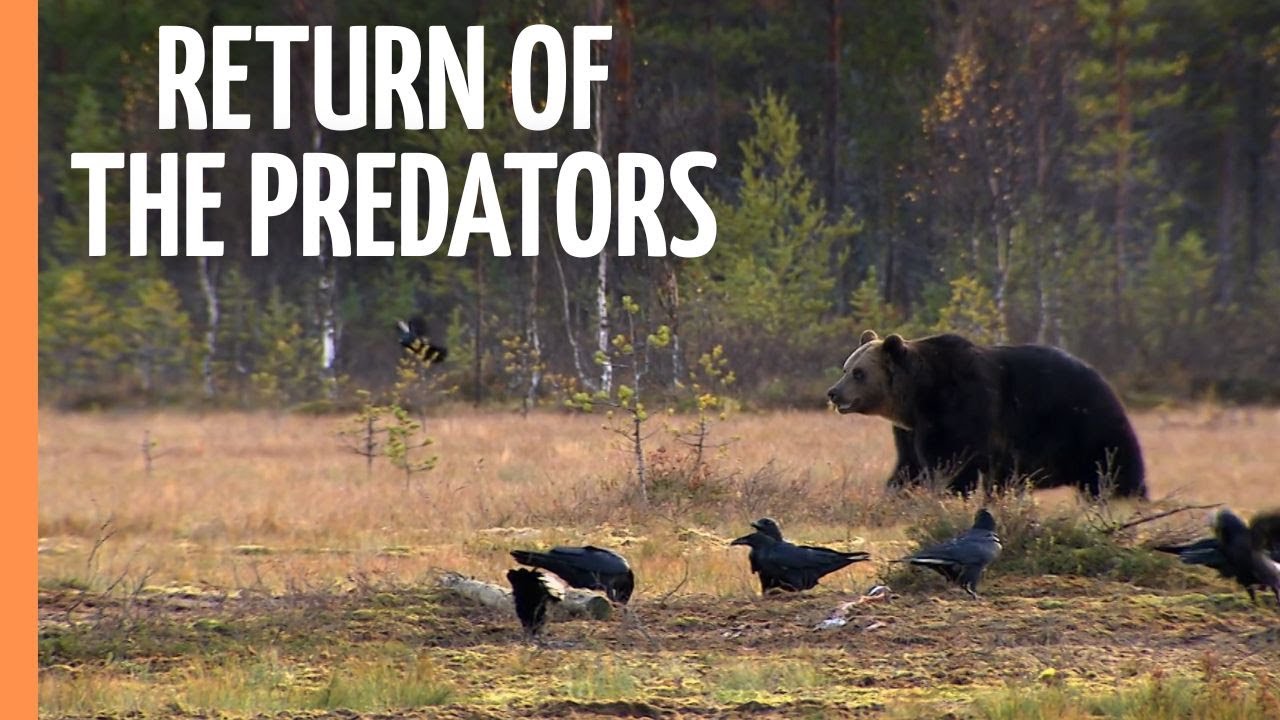
The number of wild wolves in Germany nearly doubled last year to 120, marking a significant return of large predators to the region.
Nikki Kimball plans to run 273 miles on the Long Trail in under four days and 12 hours, a record set by Jonathan Basham in 2019.
Animal rights activists along South Africa's Garden Route engage in diverse protection projects for endangered species, including penguins, lemurs, and great white sharks.
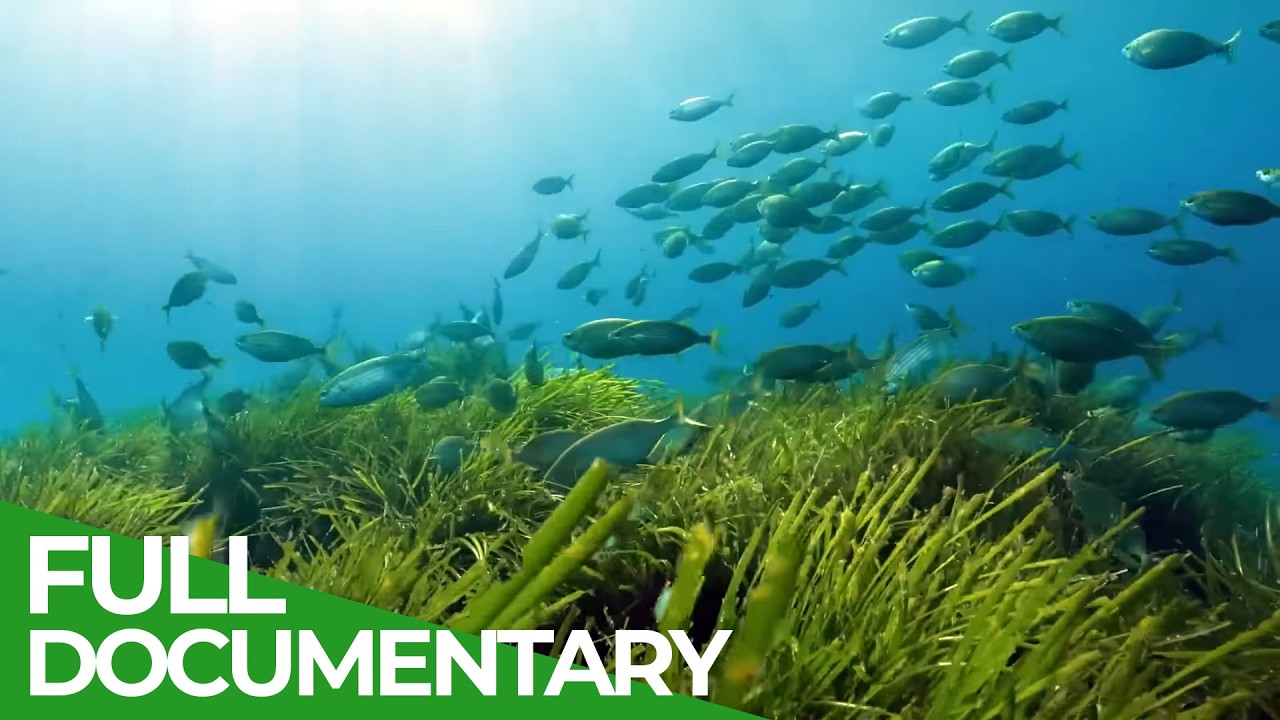
Menorca, a Spanish island designated as a biosphere reserve over 25 years ago, showcases its unique wildlife and landscapes that are home to endemic species.
The Cat Ba Langur Conservation Project helps increase the critically endangered langur population.
Wildlife filmmakers encounter a range of experiences, from polar bears in Siberia to sharks off South Africa, highlighting the dangers and emotions of nature.
Eight million people live in New York City, where thousands of species have adapted to urban life, often unnoticed amid the bustling metropolis.
A humble river in north-west Germany showcases the vibrant Banded Demoiselle dragonflies and the unique hunting techniques of kingfishers and dippers.
The compilation features a baby penguin's first steps in Antarctica and crocodiles attacking thirsty bats in Africa, highlighting diverse animal behaviors.
12,000 chamois now thrive in the Tatra Mountains, a significant recovery from just 200 at the turn of the millennium due to strict conservation efforts.
Freediver Frederic Buyle holds several world records and collaborates with cameraman Christian Pétron and scientist Dr. Johan Mourir to study hammerhead sharks in French Polynesia.
Monkeys, ranging from Pygmy Marmosets in the Amazon Basin to Mandrills in Africa, exhibit unique behaviors such as grooming for peacemaking and using cheek pouches for food storage.
A sooty tern can spend the first four years of its life entirely on the wing, avoiding water to prevent drowning in the Pacific Ocean.
Sperm whales, dolphins, sea otters, and sea birds illustrate the intricate relationships and resilience of marine life, while coral reefs and the Komodo dragon highlight vital ecosystems.
Life couldn't survive without water, and creatures here are born to swim and thrive underwater.
Human-leopard conflict in Sri Lanka is examined through historical cases of man-eating leopards, including the infamous 'Man-eater of Punanai' from the 1920s.
In Indonesia, the Sedna 4 team collaborates with biologists Achmad and Denny to conduct a population census of Komodo dragons while exploring local coexistence.
A 300-liter stomach allows the Pacific sleeper shark to consume large amounts of food, illustrating the scavenging habits of marine life in the ocean.
In the Maasai Mara, experts guide a live safari experience focused on observing wildlife, including a new baby elephant, lions, and buffalo.
Colombia's Chocó region and Serranía de la Macarena showcase some of the planet's most biodiverse ecosystems, featuring species like leatherback turtles and jaguars.
The Mediterranean Basin, a biodiversity hotspot, showcases unique ecosystems and highlights the urgent need for conservation amid human impact over 8,000 years.
Christopher Clark visits Venice to see its grand squares and churches, then travels the Way of St James to Santiago de Compostela in Spain.
More than 2 million visitors marvel at the ancient walls of the Angkor temples each year, a UNESCO World Heritage site in Cambodia.
In the Maasai Mara, experts guide a live safari experience, showcasing the region's diverse wildlife, including lions, elephants, and buffalo.
Iceland sits on the world's most active hotspot, where scientists observe the formation of the planet in real-time.
Japanese macaques in the temperate forests of Japan exhibit complex social dynamics and remarkable adaptability to seasonal changes.
In Uruguay, diverse ecosystems such as the Pampas, Atlantic Forest, and Gran Chaco host a variety of wildlife, including giant rheas, river otters, and endangered pampas deer.
David Diley traveled over 10,000 miles from England to Fiji to film the thriving population of Bull Sharks at Shark Reef and promote marine conservation.
In Newfoundland, moose collisions cause more fatalities and injuries than all other wildlife species combined, marking them as a significant danger in Canada.
The Gulf of California was created 6 million years ago, splitting the Sonoran Desert into two and generating a unique ecosystem rich in biodiversity.
Crowned lemurs, unique to Madagascar, live in family groups led by a female, with one-eyed queens guiding their troops through a harsh environment.
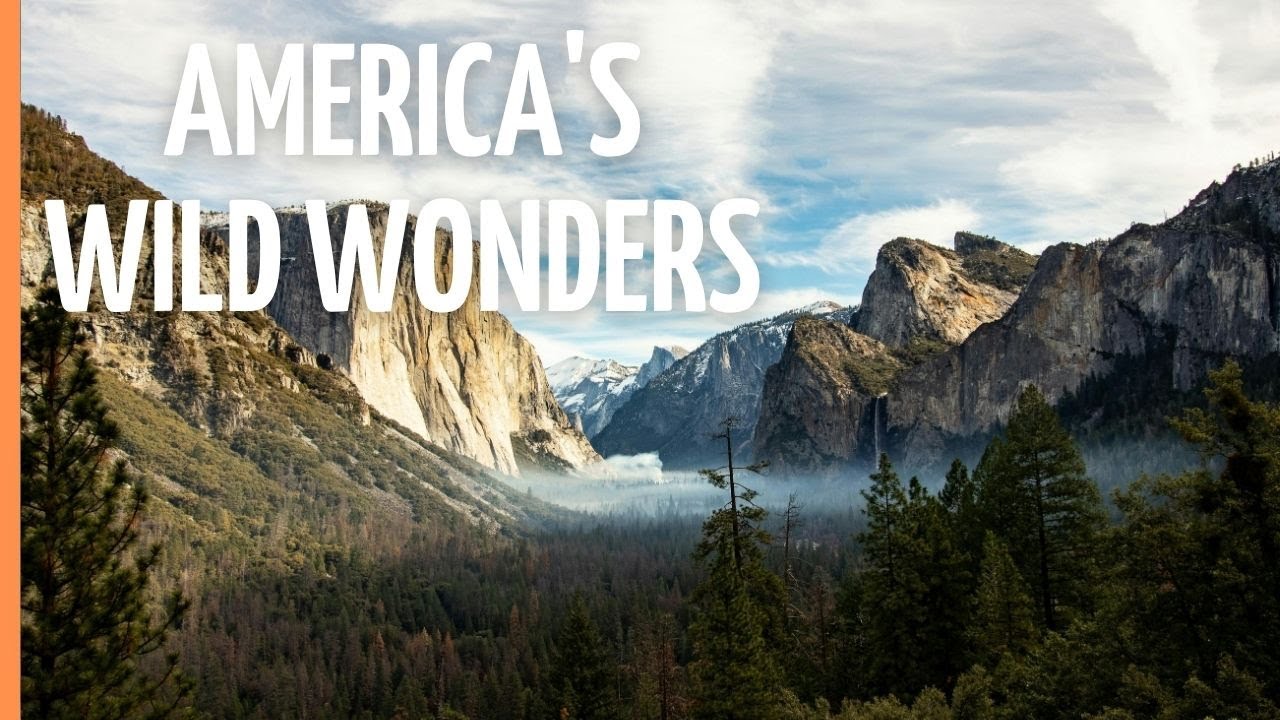
Hans Jöchler's team explores America's national parks, including Yellowstone, Glacier, and the Grand Canyon, while Dr. Robert Darga discusses their geological history.
Sloth bears in India, inspired by Baloo from the Jungle Book, are explored through over three years of fieldwork by filmmakers Oliver Goetzl and Ivo Nörenberg.
Temperatures on Ellesmere Island can dip down to minus 50 degrees Celsius, challenging the survival of the Eureka pack of Arctic wolves.
A hunting vacation at Carlo Engelbrecht's private farm in South Africa costs between 5,000 and 70,000 euros, attracting many German hunters each year.
The Sava floodplains in Croatia represent a rare ecosystem where natural river landscapes coexist with cultivated land, covering approximately 100,000 hectares.
Brazil's coast stretches nearly 7,500 kilometers and is home to humpback whales, spinner dolphins, and unique tropical reefs.
Lions, venomous snakes, scorpions, spiders, and crocodiles exhibit unique hunting strategies and lethal capabilities that establish them as apex predators.