From over 100,000 films, discover the handful you'll love.
Free or premium access to the world's largest documentary library.
4759 films(Page 25 of 100)
Pittsburgh has nearly 450 bridges, more than any other city in the world, as it shifts from an industrial past to a focus on climate solutions.
In Florida's Everglades, biologist Sean Heflick, cop Greg Graziani, and python expert Michael Cole track a prolific Burmese python threatening local ecosystems.
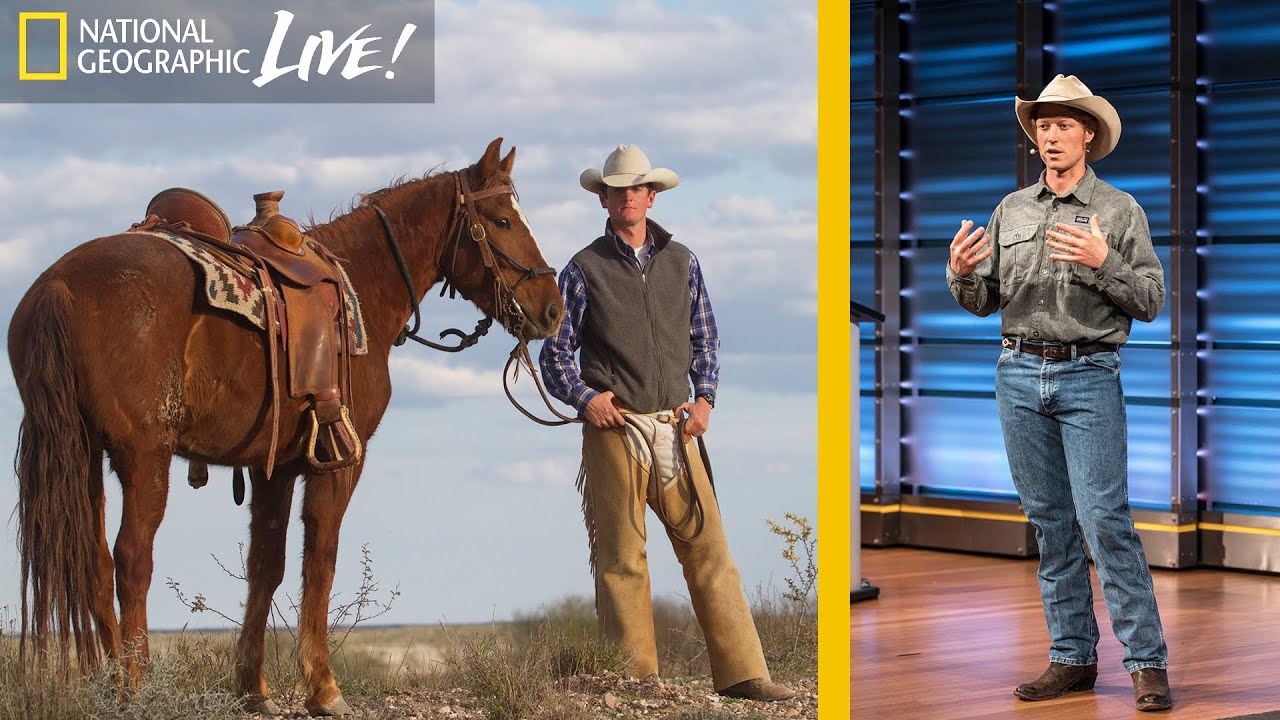
On April 1, 2013, four cowboys began a 3,000-mile ride across America on wild mustangs to raise awareness for the adoption of wild horses and burros.
Glacier Bay National Park in Alaska features snow-capped mountains, fjords, forests, beaches, and diverse wildlife in its unspoiled wilderness.
Stephen Wilkes documented sea stacks over 100 feet tall at Shi Shi Beach, a remote location in Olympic National Park, in May 2022.
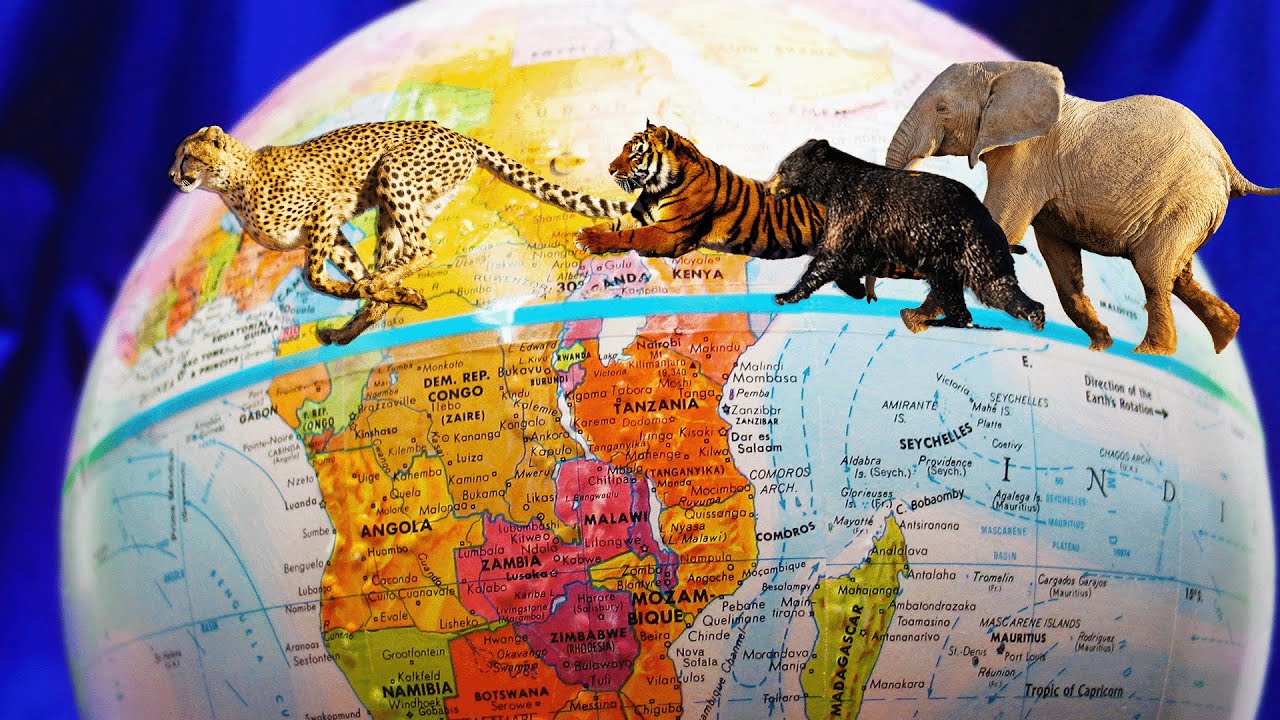
The equatorial wilderness, spanning the Amazonian jungles, Andean cloud forests of Ecuador, and Kenyan savannahs, is home to diverse wildlife like anacondas, spectacled bears, and cheetahs.
In the French Alps, Roï, the last wild sea eagle, forms a bond with Kaaba, a captive eagle, as she learns to reclaim her freedom.
Ching Shi led a fleet of up to 70,000 pirates in the early 19th century, challenging the male-dominated image of piracy in history.
Ten miles of trails wind through Bothe-Napa Valley State Park, offering access to redwood groves and diverse wildlife habitats.
More than a million pangolins have been poached from the wild since 2000, pushing the species to the brink of extinction.
The Falkland Islands serve as a vital habitat for diverse wildlife, including rockhopper penguins, albatrosses, and sea lions, amidst their rugged coastal landscapes.
Moor habitats showcase a rich biodiversity, featuring carnivorous plants, unique wildlife behaviors, and vital ecological functions that highlight the need for conservation.
Nearly 3 billion years ago, molten rock from the Earth's interior solidified to form the ancient fells of Lapland, the oldest mountains on Earth.
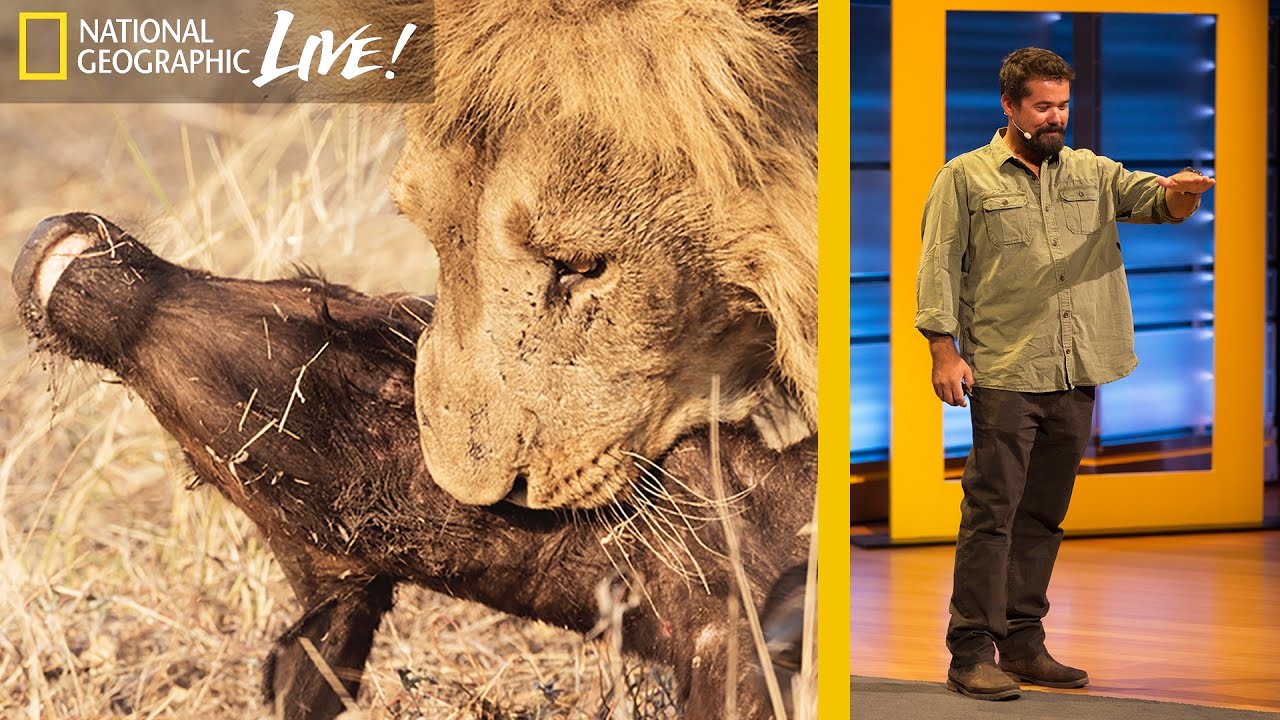
Ten lions make up the Marsh pride in Savute, Botswana, where they compete for survival against other apex predators in a harsh environment.
Roughly 8 million rats inhabit Berlin, creating a virtual paradise for urban foxes that adapt to city life and thrive in the government district.
In March 2011, British pilot David Simpson is arrested for mass murder while working for a safari company in the conflict-ridden Central African Republic.
Madagascar and the South Pacific showcase some of the world's most extraordinary island wildlife, highlighting unique ecosystems and species.
Shark finning remains a critical threat to various shark species in South Africa, fueled by the high demand for shark fin soup in Asian markets.
Zambian-born rapper Sampa The Great discusses her return to Zambia, the impact of language, and mental health therapy through nature with wildlife biologist Danielle Lee.
Around 260 cubic kilometers of water flows down from the Alps every year, supplying vital resources to millions across Europe.
Wood ducklings leap from tree nests more than 15 meters above the ground, facing the dangers of predators as they follow their mother to safety.
The pygmy three-toed sloth, one of the rarest mammals with only 60 individuals remaining, is the focus of a conservation quest by the Sedna IV crew on Barro Colorado Island.
JUST SHARKS showcases the diversity of over 500 shark species, including Great Whites and Wobbegongs.
In Costa Rica, scientists study endangered jaguars using photo-identification while addressing the threat of a deadly fungus affecting local frog populations.
Animal species in mountains, oceans, polar regions, grasslands, jungles, and deserts exhibit unique adaptations to survive Earth's extreme climates.
Hippos and rhinos, once classified as pachyderms, are examined for their distinct features, behaviors, and the ecological roles they play in their habitats.
Brazil's Atlantic Rain Forest, home to unique wildlife such as the largest South American monkey and intricate ecosystems, showcases the country's unparalleled biodiversity.
A pair of young male lions loll in the grass while conservationist Paula Kahumbu discusses the challenges of wildlife preservation in Kenya.
Zanzibar's stunning landscapes and rich cultural narratives are captured through the aerial photography of five renowned artists in a series exploring Africa's islands.
Blue whales can grow to 30 metres in length and weigh about 180 tonnes, making them the largest living creatures on the planet.
Baby animals across North America are highlighted in charming moments narrated by wildlife expert Marty Stouffer in this episode of Wild America.
Wild animals from around the globe, including monkeys, dogs, and birds, are highlighted through valuable footage in this episode of Amazing Animals.
Baka Ali, a 48-year-old fisherman from Pate Island, uses a 150-meter net to catch various fish species in the waters off Kenya's coast.
Ramón Navarro's surf trip to the Kawésqar territory reveals the environmental impact of the salmon industry and the urgent need for conservation efforts.
Five hyacinth macaws, once nearly extinct, thrive in the Pantanal, where behavioural biologist Lydia Möcklinghoff studies giant anteaters.
Around 90 lynx live in Germany's northernmost mountain range, where they stalk deer as their main source of food.
The Ruhr Area in Germany transforms as wildlife returns to abandoned industrial sites.
One hundred sixty-six million square kilometers make up the Pacific Ocean, a region marked by violent clashes among its diverse wildlife.
Eighteen species of North American owls exhibit exceptional night vision, acute hearing, and silent flight, making them formidable predators in their ecosystems.
In northern Brazil, where the River Negro meets the Amazon, rare species such as jaguars, ocelots, giant otters, and river dolphins inhabit the pristine rainforest.
In Bwindi Impenetrable Forest, the Kyagurilo group of mountain gorillas is observed, revealing insights into their behavior and the diverse Ugandan landscape.
Jon and his family live as reindeer herders in Northern Scandinavia above the Arctic Circle.
Jacques Cousteau calls Baja California the 'aquarium of the world' for its rich marine life.
Marine iguanas in the Galapagos Islands are facing a mysterious decline in population, prompting experts to investigate the causes and potential solutions.
A man chants in a local language, calling for the carving of a Nkashi pole to navigate the flood plains of Botswana's Okavango Delta.
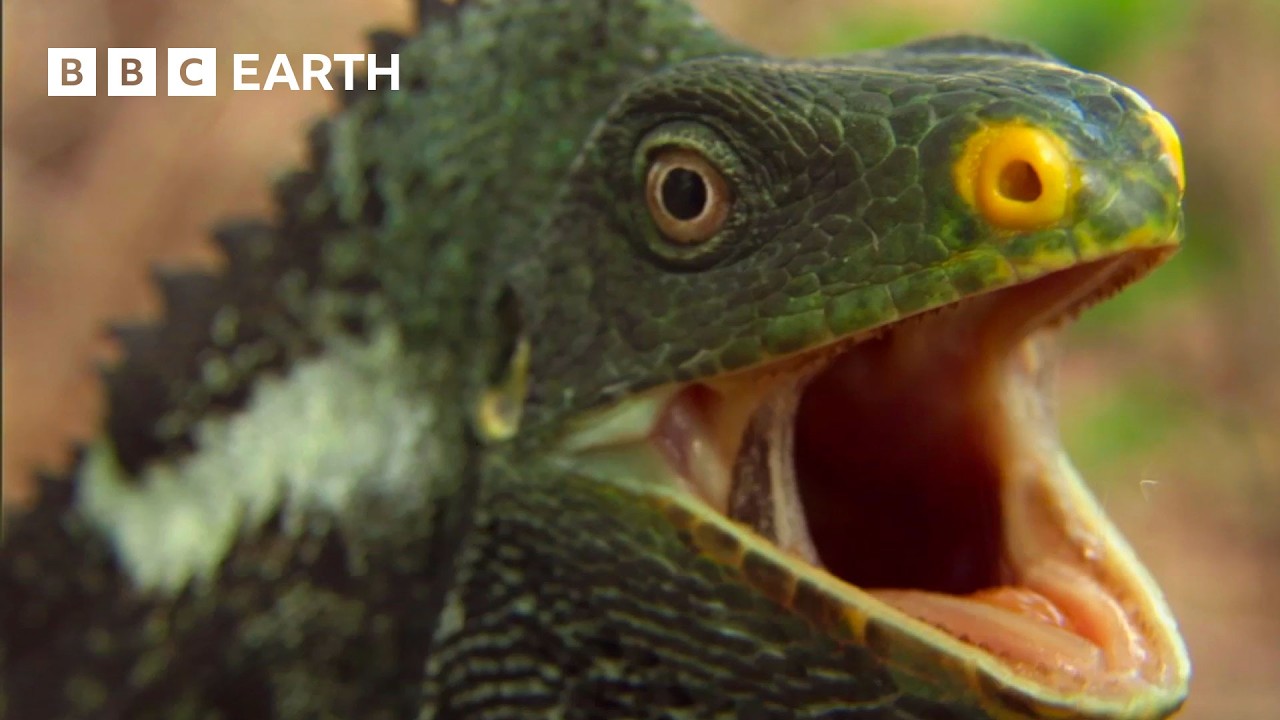
In New Zealand, the Tuatara, a unique reptile that survived the mass extinction event 65 million years ago, is studied by scientists exploring its origins and relatives.
In extreme climates like deserts and polar ice caps, animals such as meerkats and musk oxen exhibit remarkable adaptations for survival.
In Antarctica, the Falkland Islands, and South Georgia Islands, Art Wolfe documents the diverse wildlife, including Gentoo and King penguins, and Wandering Albatrosses.












![Documentary backdrop image for World's Biggest Penguin Colony In Antarctica [4K] | Art Wolfe's Travels To The Edge (2021)](https://i.ytimg.com/vi/qU7WwGCNnF0/maxresdefault.jpg)