From over 100,000 films, discover the handful you'll love.
Free or premium access to the world's largest documentary library.
4759 films(Page 71 of 100)
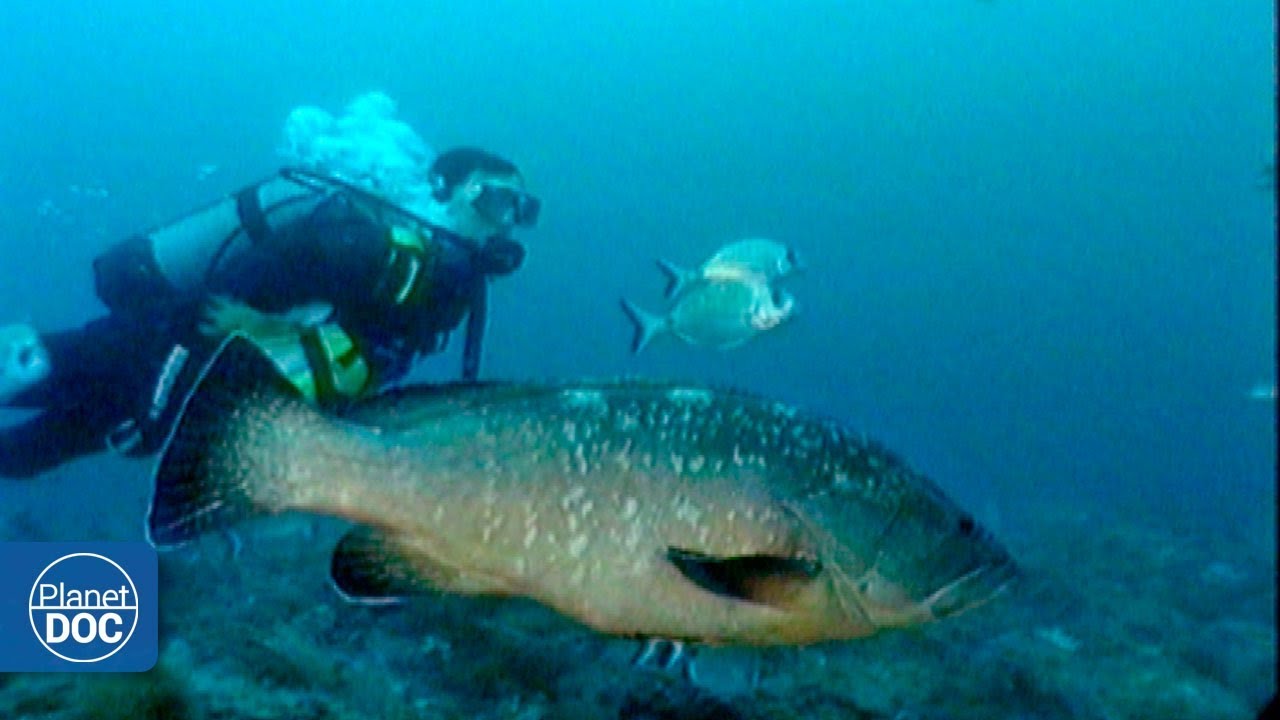
This Spanish documentary showcases The Cabrera Archipelago National Park and its unique biodiversity.
More than 200 fish species inhabit the waters of the Cabrera archipelago, ranging from 5-centimeter white bait to 12-meter sharks.
This Spanish documentary showcases The Cabrera Archipelago National Park and its unique marine life.
Six baby chimpanzees and four monkeys were rescued from a crate on a flight from Cairo in January 2005, after being deprived of food and water for days.
Bill Booth and Tess Lee confront alligators threatening Jake's cattle ranch near the Everglades.
In the Costa Rican Cloud Forest, calming sounds of wildlife and nature create a serene atmosphere, highlighting the region's rich biodiversity.
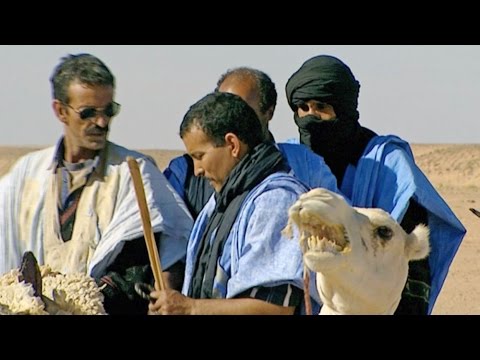
Nomads in the Sahara efficiently slaughter camels for very special occasions and delicacies.
Recent rains in the Sahara revive dromedaries and goats for nomadic herders.
Abdurahim and his grandfather search for a lost young camel in the Ennedi Massif, a region in Chad where water is scarce and vital for survival.
A tower in Cameroon can collect and filter up to 25,000 liters of rainwater, providing clean drinking water to vulnerable communities.
Petunia, a wild-raised Mustang at the Horse Protection Association of Florida, faces rehabilitation efforts by expert Pat Parelli to overcome her fear of humans.
Cuban crocodiles in Zapata Swamp face extinction due to poaching and American crocodile invasion.
Dr. Andrew Pask's team at the University of Melbourne has sequenced the entire thylacine genome in an effort to revive the extinct Tasmanian tiger.
Mark Thiessen captures Egyptian fruit bats in flight, using a camera setup that shoots 12 photos per second to get the perfect shot.
520 exclusive species make up 28% of the total flora and fauna found in the Canary Islands, shaped by their volcanic origins and isolation.
The Canary Islands, comprising Lanzarote, Fuerteventura, Gran Canaria, and Tenerife, are a unique Spanish archipelago with distinct volcanic origins and rich cultural heritage.
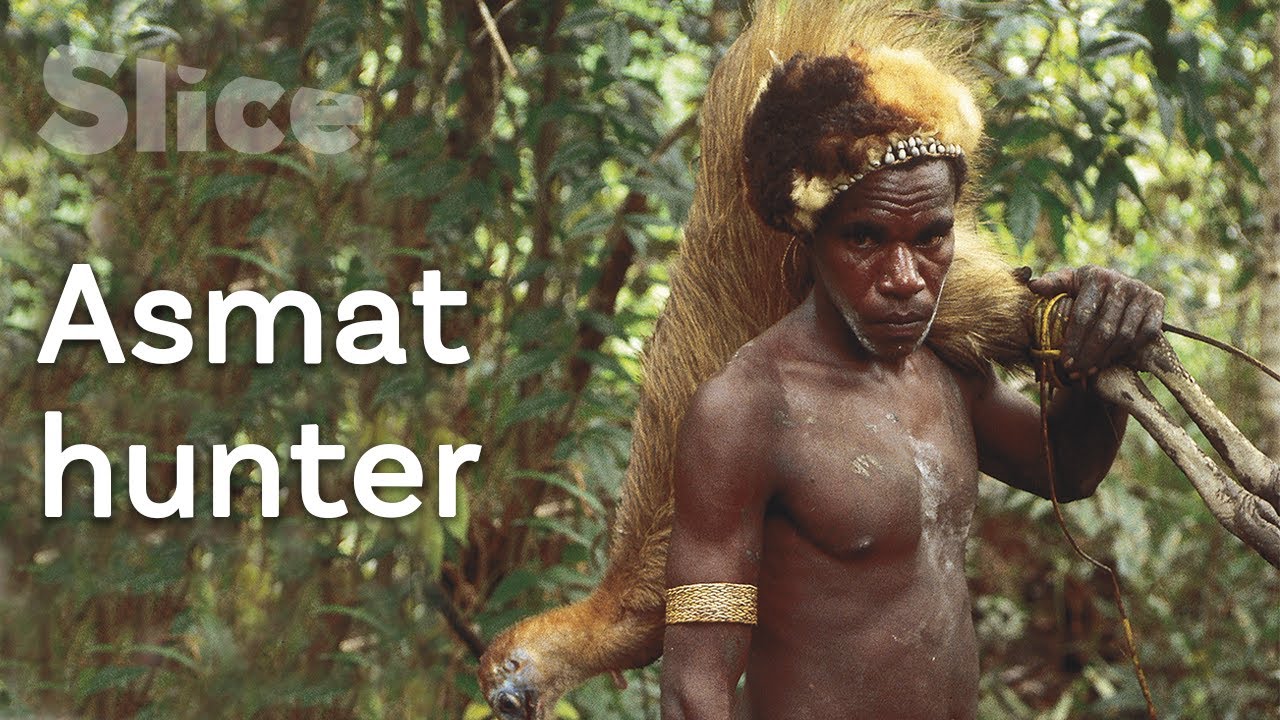
Rufinus hunts a cassowary in western Papua, marking his transition to manhood in Asmat culture.
Rufinus must hunt two animals, the cassowary and the cuscus, to prove himself as a great hunter during his wedding ceremony in the Asmat tribe.
The Enga, or Kukukuku, of the Aseki river are known for their historical cannibalistic practices, particularly towards thieves and prisoners of war.
The Cape Floral Kingdom occupies only 0.04 percent of the planet's land surface but contains more endemic species than the larger floral kingdoms.
The Cape Floral Kingdom, located at the southern tip of Africa, is recognized for its unique biodiversity and ecological significance among the world's six floral kingdoms.
Captain Sophia navigates the treacherous Bering Sea, competing with fellow fishermen for a share of the $14 million crab fishery amid extreme conditions.
Dereck and Beverly Joubert, Explorers, highlight their 30-year commitment to protecting Africa's wildlife and the urgent need to combat species extinction.
Last year, 33 orphaned elephants were rescued by the David Sheldrick Wildlife Trust, a significant increase from the usual 12 to 14.
The Mofu people in northern Cameroon catch insects for meals in the Mandaras Mountains.
Hundreds of thousands of feral cats inhabit New York City, often hunting at twilight and evading human detection.
At 4,500 meters altitude, a French photographer captures the lives of nomadic people in the Changtang region of Ladakh, India.
Each year, rancher Duke Phillips and his team gather about 1,500 bison on the Mana Ranch in Colorado to manage the herd and conserve the species.
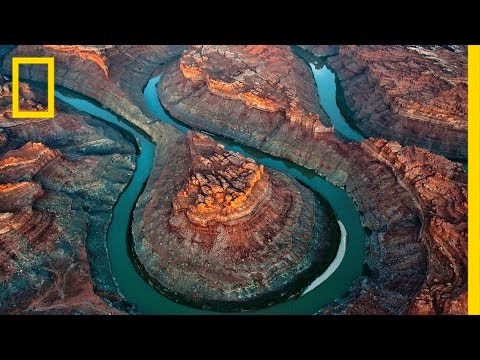
Pete McBride paddled and hiked the Colorado River Delta, capturing its temporary return to the sea as a significant conservation achievement.
A young Chihuahua's quick actions save a beaver in need, highlighting the unexpected connections between domestic pets and wildlife.
The Torres del Paine National Park showcases diverse wildlife in Chilean Patagonia's Andean range.
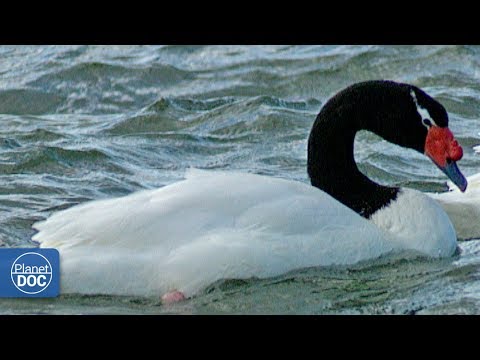
Chilean Patagonia's Torres del Paine National Park features unique salt water lakes that support diverse wildlife, including endangered coscoroba swans and flamingos.
The population of guanacos in Patagonia has dwindled to an estimated 150,000 due to hunting and competition with introduced livestock.
The Spanish video showcases the Andean condor, the largest bird of prey in the world.
Chumash canoes, integral to the Chumash people's culture for thousands of years, are celebrated through the launch of the Swordfish by the Chumash Maritime Association in 2001.
A male leopard prepares to attack a monitor lizard hiding in a tree, illustrating the constant struggle for survival on the savannah.
Every summer, about 150 members of the Alpine Club of Canada camp in the Canadian Rockies to tackle the region's rugged mountains.
In northern Myanmar, Hilaree O'Neill and her team face numerous challenges as they attempt to climb Hkakabo Razi, exploring its potential as Southeast Asia's highest peak.
At high camp on Hkakabo Razi in northern Myanmar, Hilaree O'Neill and her team face intense physical and emotional strain, leading to conflict over summit attempts.
Kilusu and his father, M’Zegobe, gather honey in the bush with the help of the honey guide bird, a partnership that has lasted for generations.
Fidel Castro enlists cocodrileros to protect the endangered Cuban crocodile from extinction.
Annual rainfall on Cocos Island reaches 8,000 millimeters, supporting a unique ecosystem of endemic species found nowhere else in the world.
Lucilla's son suffers from lung disease, which she blames on the nearby coal mine owned by international corporations.
Coca cultivation accounts for 70% of the economic output in Catatumbo, yet farmers struggle to sell their crops due to overproduction and market collapse.
Becky and Britt work to save nearly 500,000 feral cats living in New York City.
This Spanish video shows how African elephants use infrasonic calls to communicate over long distances.
This Spanish video shows how chital deer and langurs communicate in India.
Howler monkeys live in groups of 10 to 30 individuals, using their distinctive howls to communicate and defend their territory in the South American rainforests.