From over 100,000 films, discover the handful you'll love.
Free or premium access to the world's largest documentary library.
4760 films(Page 76 of 100)
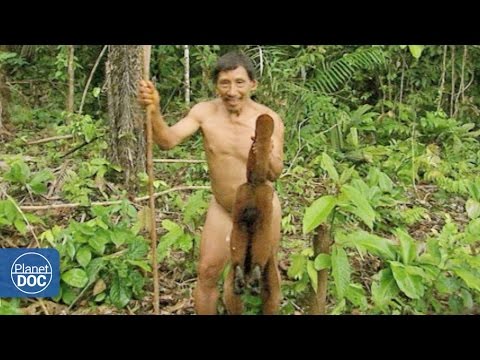
The Huaorani live in Yasuni National Park, showcasing their culture in this Spanish video.
The Orinoco Basin is home to 250 different species of mammals and over 100 reptiles, many of which face threats from habitat loss and human activity.
Komodo dragons feed on dead bodies left by locals, showcasing their predatory behavior.
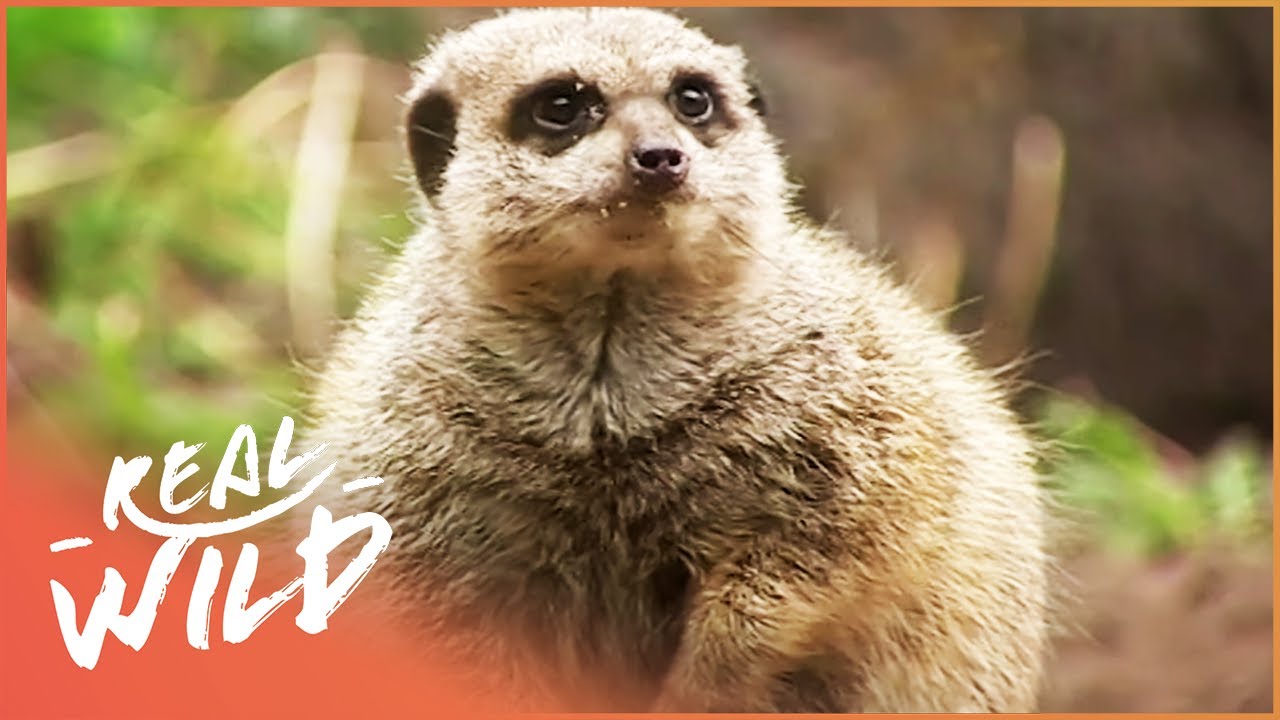
In a new pen at a British zoo, a family of meerkats playfully argues over food, highlighting their social interactions and behaviors.
Kodiak Island in Alaska is home to the largest brown bears in the world, which rely on salmon for energy during their annual coastal gathering.
In the Plains of Venezuela, over twenty bird species employ unique fishing techniques to coexist and thrive in a competitive ecosystem.
In Namibia, bushmen rely on sight to hunt large prey on the African savannah in this Spanish video.
In Shaba, young warthogs engage in playful activities like wrestling and playing football with elephant dung to develop the skills necessary for survival.
Babar and Celite navigate the caves of Aru, historically significant for 18th-century piracy, to hunt deer and celebrate with a barbecue after a challenging fishing day.
Babar and Celite navigate through caves to hunt deer on a neighboring island in Aru, a region historically linked to 18th-century piracy.
Hunters push past exhaustion in Season 5, Episode 7 while hunting pythons in panther country.
In the Dzangha-Sangha reserve of the Central African Republic, the Baka Pygmies engage in traditional hunting rituals while seeking the protection of Jengi, the forest spirit.
Purevjav captures several wolf cubs to sell their pelts, driven by the need to replace livestock lost to winter storms in Mongolia's harsh wilderness.
In the African savanna, an elephant herd fiercely defends baby Binti from a hyena clan, highlighting the challenges of wildlife survival and ecosystem dynamics.
Hyenas use distinct scents to communicate gender, rank, and dating status in their social lives.
Coyote Peterson intentionally subjects himself to the stings of some of the most painful insects in the world, including the Executioner wasp.
Thirteen people died during a 1980 crossing in the Arizona desert, one of the deadliest incidents for migrants at that time.
Chaco Canyon Park in New Mexico features significant archaeological ruins that reveal insights into ancient civilizations and highlight the importance of cultural heritage preservation.
A program approved in February 2001 aims to achieve a population of 70 Iberian lynxes in captivity for reintroduction into the wild.
Over 1,000 mammoths died at a site in Predosti, suggesting human involvement in their extinction during the late Pleistocene epoch.
Two experienced climbers scale the Crystal Pillar in Canada, demonstrating their skills against the backdrop of this impressive natural formation.
The King Crab species dominates new territories with impressive and scary abilities.
A fishing boat in the village of Eek can carry up to seven tons of fish, reflecting the Imraguen people's reliance on the sea for survival.
The Achuar people of the Amazon forest are highlighted for their unique way of life and connection to nature, reflecting Alexander von Humboldt's legacy.
Eight miles of Brooklyn's Evergreens Cemetery become the search area for Chica, a foster dog who went missing after escaping her harness.
In various natural habitats, nurturing behaviors of animal species, such as a mother hippo protecting her calf and a bear teaching her cubs, are explored.
Orangutans are showcased through a selection of the best clips from the BBC Earth archive, highlighting their behavior and habitat.
Manny encounters a manatee in murky waters, showcasing the surprising interactions between humans and wildlife in their natural environments.
In Sulawesi, Indonesia, the Toraja and Bajau ethnic groups are highlighted through their unique funeral rituals and close relationship with the sea.
The Amazon basin spans over 7 million square kilometers, accounting for 25% of South America's total surface area.
Inhabitants of the Amazon jungle include isolated tribes that thrive in the vast biodiversity of the Amazon basin, which spans over 7 million km².
In the Amazon jungle, isolated tribes navigate the challenges of their biodiverse environment, which spans over 7 million km² across South America.
Between seven and ten million Indigenous people inhabited the Amazon's tropical forests before European contact decimated their populations by 90%.
More than 400 years after the first Spaniards searched for El Dorado, illegal gold diggers continue to exploit the Amazon's resources and threaten local tribes.
Fourteen years can pass in the Namib Desert without a single drop of rain, creating a harsh environment for its unique plant and animal life.
Fourteen years may pass in the Namib Desert without a single drop of rain, creating one of the most extreme ecosystems on the planet.
Mist descends almost weekly in the Namib Desert, providing 50 liters of water per square meter per year, double the amount of rain.
Over 1 million seals gather along the Namibian coast each year to give birth, but their survival is threatened by overfishing and reduced sardine populations.
The Namib, the oldest desert in the world, showcases extreme adaptations of life in Namibia.
Ken Banks discusses FrontlineSMS, a free open-source software that empowers communities in the developing world to access vital information and services.
Manú National Park in Peru, rich in biodiversity and home to uncontacted tribes like the Mascho-Piro, is showcased through Charlie Hamilton James's photography.
Wildlife tourism accounts for 10-20% of the global tourism industry, yet many animals suffer in captivity under harsh conditions.
Bertie Gregory shares his experiences filming wildlife in extreme environments, including encounters with lions in Zambia and hammerhead sharks in Costa Rica.
People in California, Seattle, and Texas show their devotion to rescuing cats and protecting wildlife.
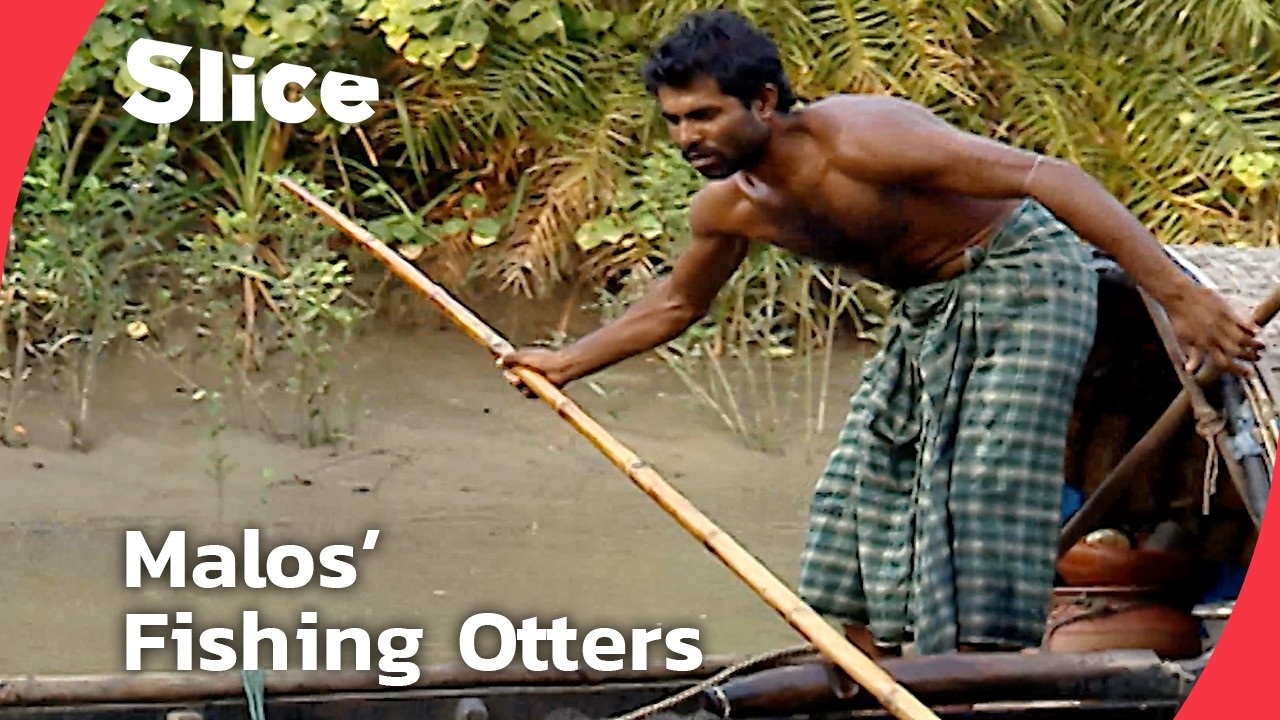
Fishermen in the Sunderbans use trained otters to catch fish, shrimp, and crabs by dragging nets across the riverbed in a centuries-old technique.
Photographer Brian Skerry discusses his career, inspirations, and memorable adventures in marine photography for National Geographic.
Farmers on Lake Inle use a unique rowing technique, wrapping one leg around the oar, allowing them to tend to their floating gardens with both hands free.