From over 100,000 films, discover the handful you'll love.
Free or premium access to the world's largest documentary library.
4759 films(Page 28 of 100)
Herds of reindeer wander from valleys to plateaus in Norway during the summer months.
The Nile River, originating in Rwanda's Nyongu National Park, supports diverse wildlife while facing threats from poaching and invasive species.
A 62-foot double-hulled canoe, the Hōkūleʻa, is used by Lehua Kamalu and her crew to navigate the Pacific Ocean without modern instruments.
Manny Puig faces life-threatening encounters with venomous snakes in Florida's marshlands while searching for the elusive Python and battling a dangerous bite.
Six months is the time it takes for oricou parents to build a cozy cradle for their rare baby, lined with down and stolen hairs from carcasses.
Australia's diverse ecosystems, from the Outback to ancient rainforests, host unique wildlife such as red kangaroos, cassowaries, and the duck-billed platypus.
Dams in the Bishes Land cover about 2% of the region, transforming rivers into still bodies of water and creating new habitats for various species.
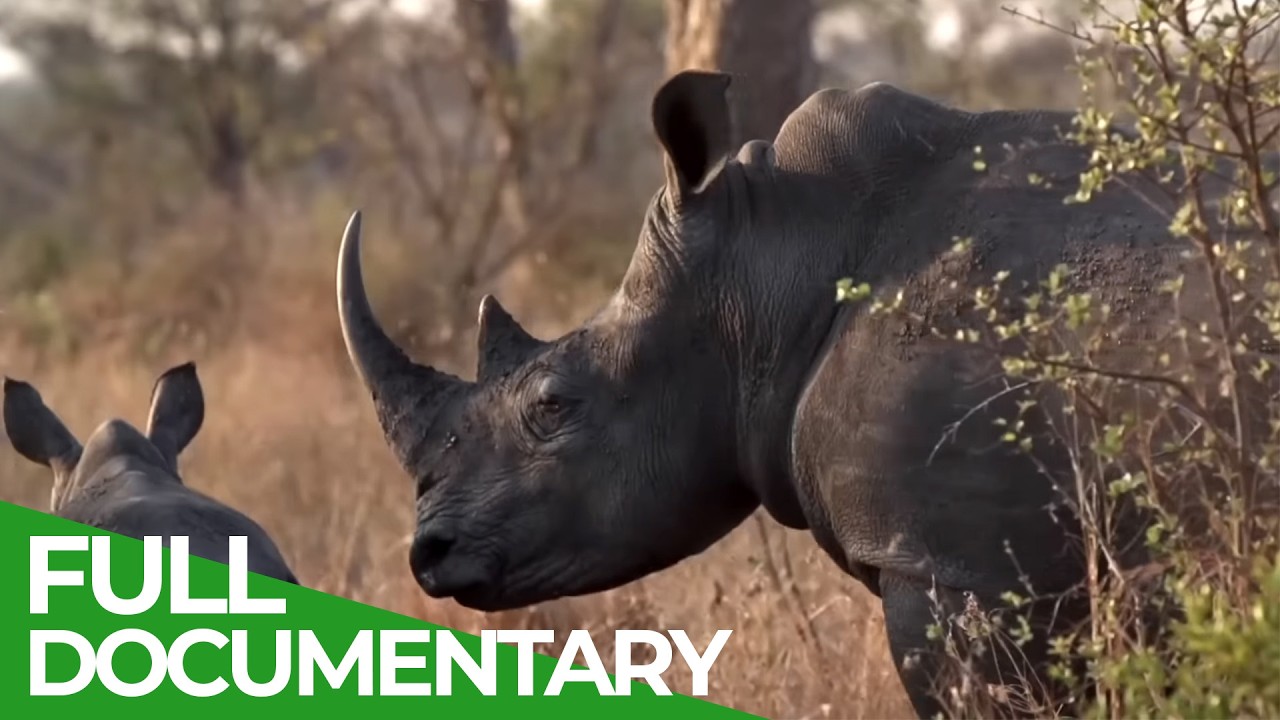
Kenya has over 50 national parks and game reserves, providing essential habitats for wildlife such as elephants, leopards, and rhinoceroses.
Mountain animals, including Golden Eagles and various Wild Sheep, exhibit unique survival adaptations to thrive in harsh alpine environments.
Humpback whales off the coast of Hawaii are studied by marine biologist Daniel Opitz, who highlights the ongoing conflict between conservationists and whalers amid rising hunting quotas.
Glacier Bears, along with other gray creatures like Stone Sheep and Gray Wolves, exemplify the diverse roles of non-color in nature as explored by Marty Stouffer.
A black caiman can grow up to seven meters long and weigh over one ton, making it one of the largest reptiles on Earth.
At the 2019 Explorers Festival, scientists present their efforts to study and protect lesser-known species from around the globe.
A Road Runner can reach speeds of over 30 kilometers per hour while hunting in the Sonoran Desert's unique ecosystem.
In the Russian Far East and Terai grasslands, two young tiger sisters navigate their territory and prey amidst a shrinking wilderness and dangerous megafauna.
Owls, eagles, falcons, and vultures are examined for their lethal hunting strategies and survival tactics in the wildlife kingdom.
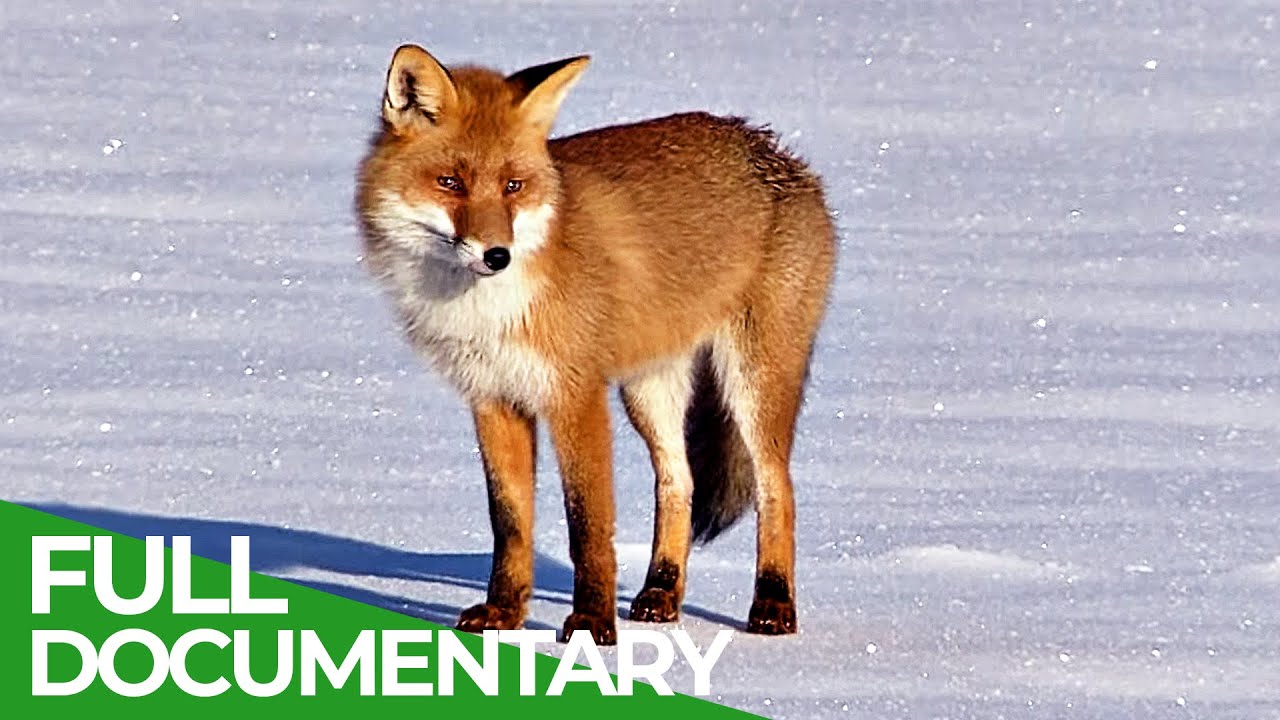
Snow covers the ground in early December, creating harsh conditions that challenge wildlife in Germany as they search for food and shelter.
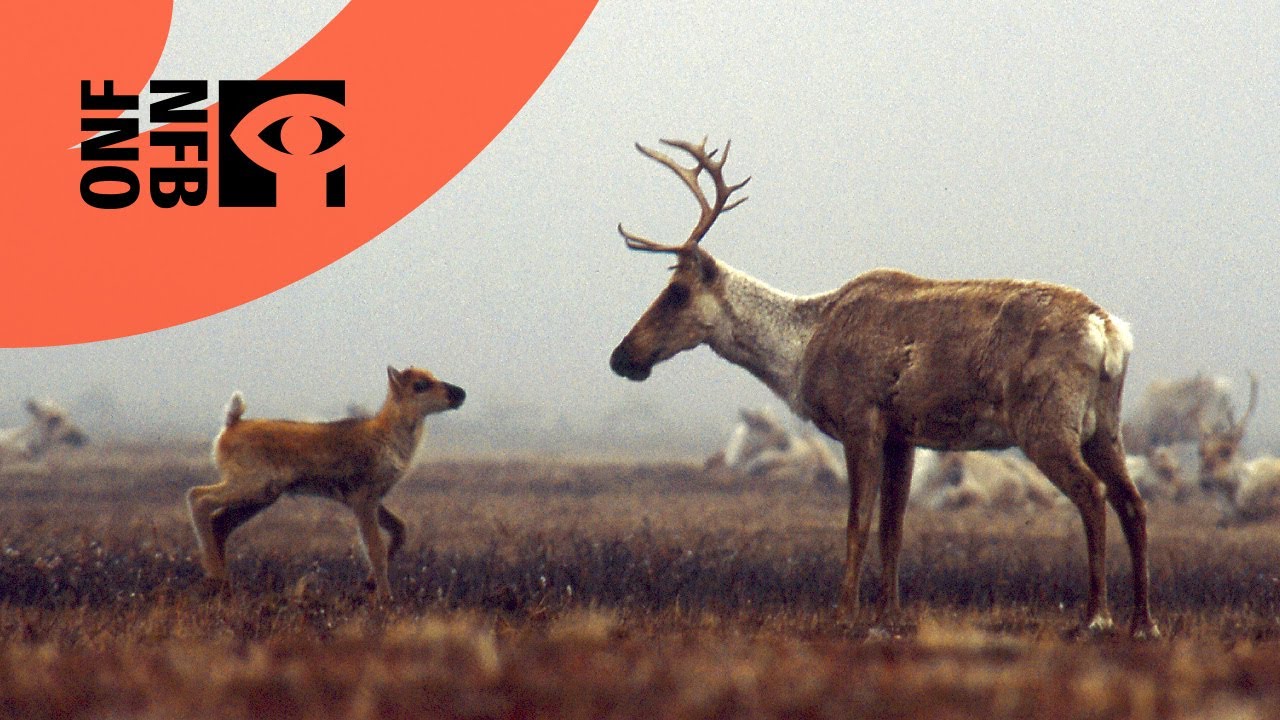
In the Arctic tundra, wildlife biologist Karsten Heuer and environmentalist Leanne Allison track a herd of 120,000 caribou, documenting the environmental threats they face.
A male marsh harrier has a wingspan of over 1.2 meters and hunts for prey in fields while adapting to environmental changes.
In the jungles of New Guinea and the waters off South Africa, wildlife filmmakers document the interactions between humans and endangered species like jaguars and gorillas.
Asian elephants are critically endangered due to habitat loss and human encroachment, necessitating urgent conservation efforts to ensure their survival.
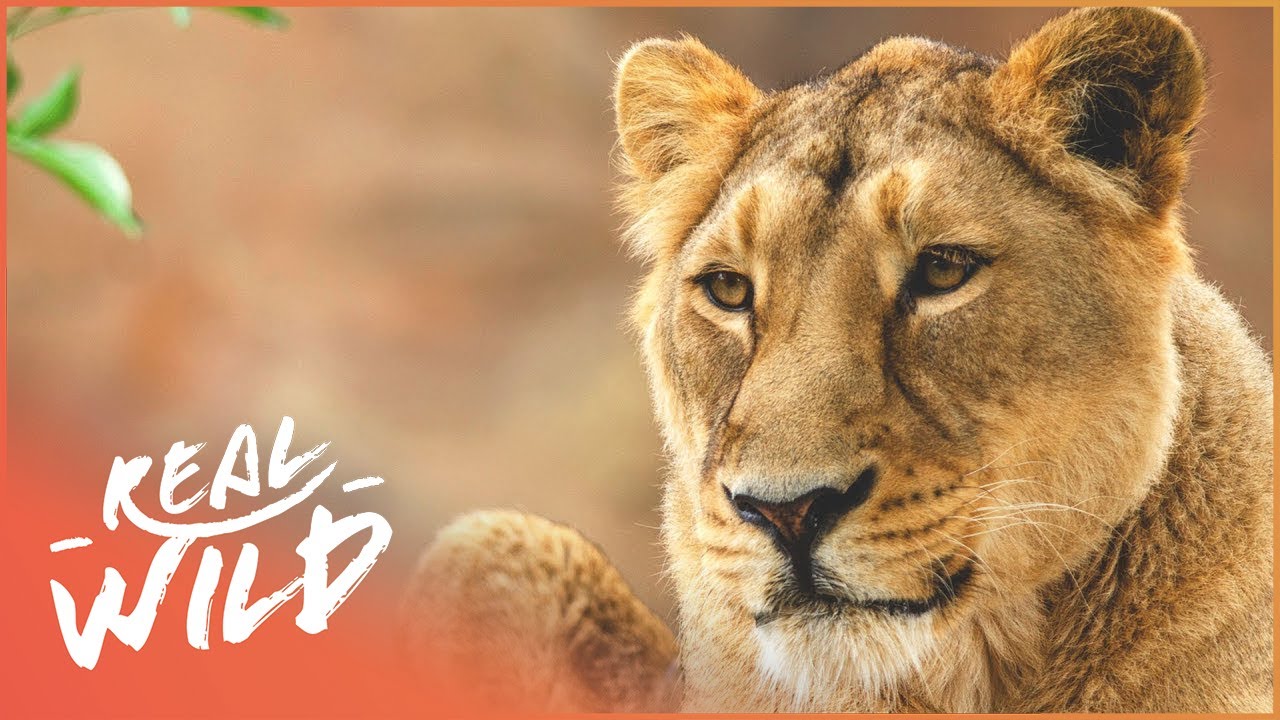
In the Maasai Mara, a pride of lions navigates the challenges of survival and social bonds as two cubs venture out to learn essential skills amidst human encroachment.
Burmese pythons in Florida's Everglades pose a significant threat to the ecosystem, prompting urgent efforts by Python Hunters to control their population.
Chester and Colchester Zoos showcase the daily lives of their animal residents and dedicated keepers, highlighting a variety of species and their care.
Tusks of some species can weigh up to 100 kg, serving as powerful weapons for defense and foraging in the animal kingdom.
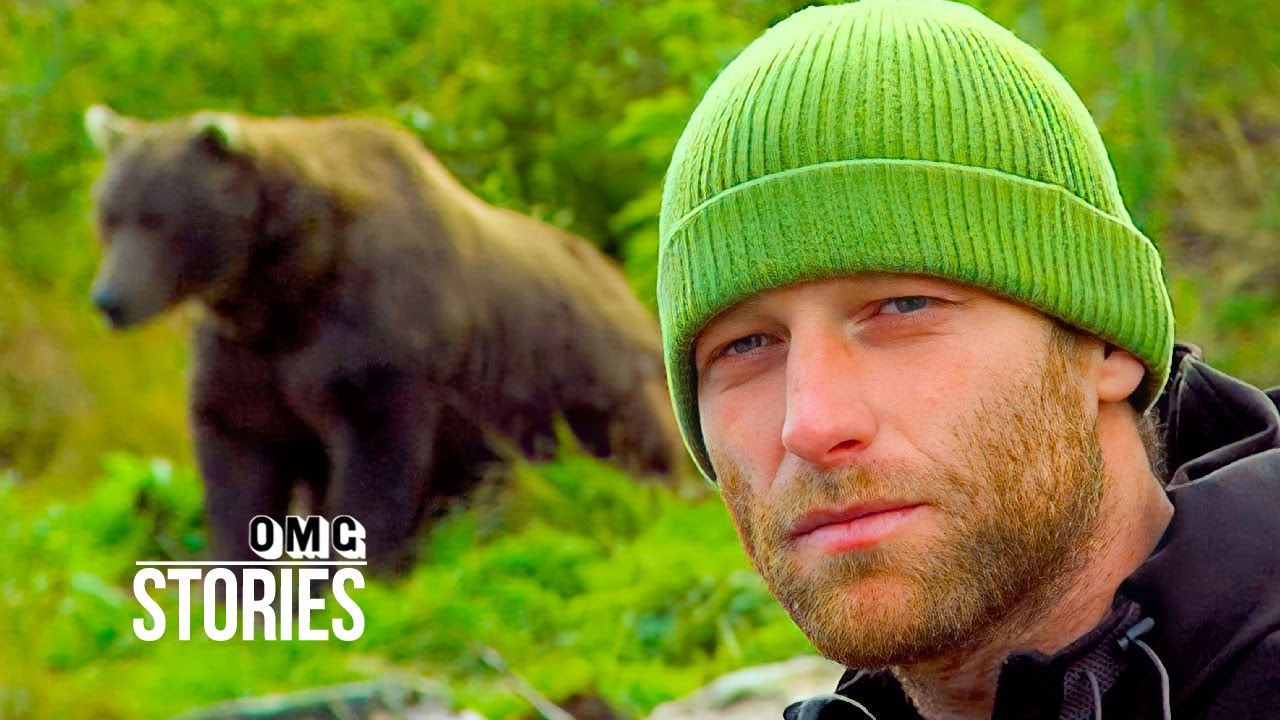
In the Alaskan wilderness, biologist David Bittner forges relationships with wild brown bears while documenting the annual salmon run amid harsh conditions.
The Nariva reserve, covering over 7,000 hectares, is the largest swampland and most important freshwater reserve in the Caribbean.
Wolves can reach speeds of up to 60 km per hour while hunting in packs of four to ten members, using teamwork to take down prey.
Rangers Céline Obadia and Hervé Bergère protect Port-Cros National Park from environmental threats.
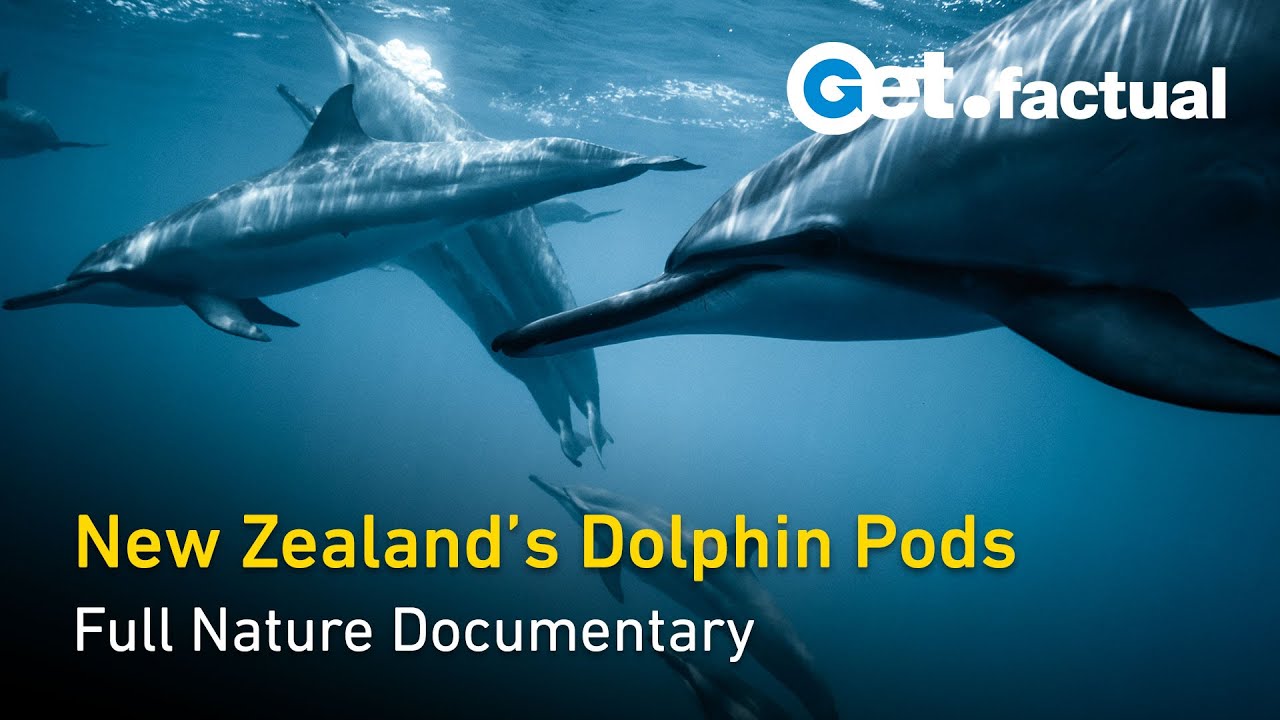
Different dolphin species in New Zealand showcase unique survival strategies and social structures.
Mark Synnott, a Explorer, attempts to retrace the ill-fated 1845 expedition of Sir John Franklin through the perilous Northwest Passage.
More than 2,000 millimeters of precipitation annually qualifies a region as a rainforest, with cold rainforests often receiving twice that amount.
Life around Masaya Volcano in Nicaragua re-emerges from volcanic ashes and harsh conditions.
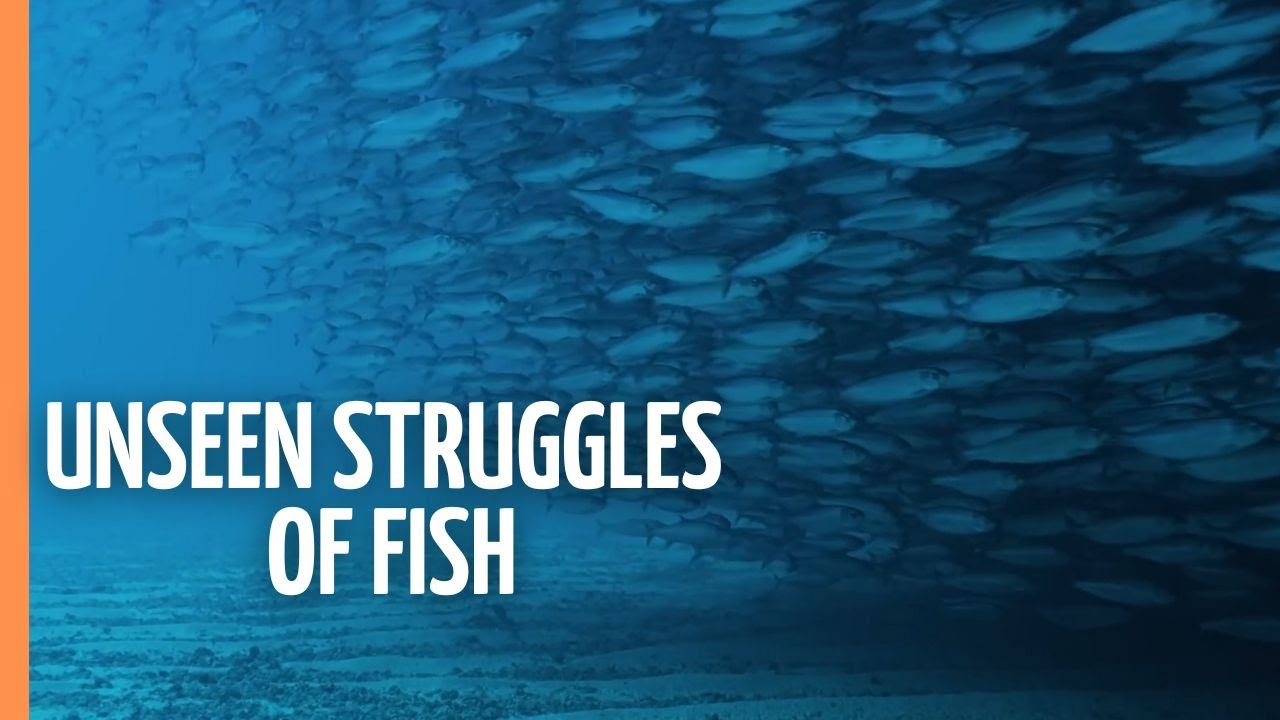
Nearly 40 million tons of fish are harvested every year, but many populations face overfishing and threats to their survival.
100 million years ago, the area of the Elbe Sandstone was part of a shallow sea, home to ancient crocodiles and sharks.
Animal behavior is explored through ten episodes showcasing survival strategies and communication among diverse species, from jellyfish to elephants.
Fewer than 300,000 chimpanzees remain in the wild, down from several million a century ago, as scientists investigate their potential for culture.
Three baby animals, including a foal and a puppy, are followed for a year as they face their first challenges in life alongside their human owners.
Deforestation in South America destroys the equivalent of 20 football fields of jungle every minute, threatening vital ecosystems and global climate health.
In Sri Lanka's scrub forests, man-made lakes support diverse wildlife, including leopards, sloth bears, elephants, and mugger crocodiles.
Animals possess extraordinary abilities, such as limb regeneration and hibernation, which scientists are studying for potential medical breakthroughs in human health.
Judge Sueli Pini has brought the state to the people for 1,333 days, sailing six times a year to deliver justice and services to remote Amazon communities.
The Great Barrier Reef, 2,300 km long and visible from space, is the largest structure on Earth built by tiny coral polyps over half a million years.
In Canada's Great Bear Rainforest, the rare Kermode Bear, also known as the Spirit Bear, symbolizes the forest's spirit alongside other wildlife like wolves.
Polyergus ants attack other ant colonies to steal their young and make them slaves, demonstrating complex social strategies in the animal kingdom.
Mireya Mayor, a former Miami Dolphins cheerleader and field biologist, shares her experiences and adventures in wildlife exploration across various ecosystems.
The Namib desert is home to unique wildlife and the Himba tribe, showcasing survival in harsh conditions.
Almost 50 young Iberian ibex are seen in a nursery on a mountain summit during their spring breeding season.