From over 100,000 films, discover the handful you'll love.
Free or premium access to the world's largest documentary library.
4759 films(Page 27 of 100)
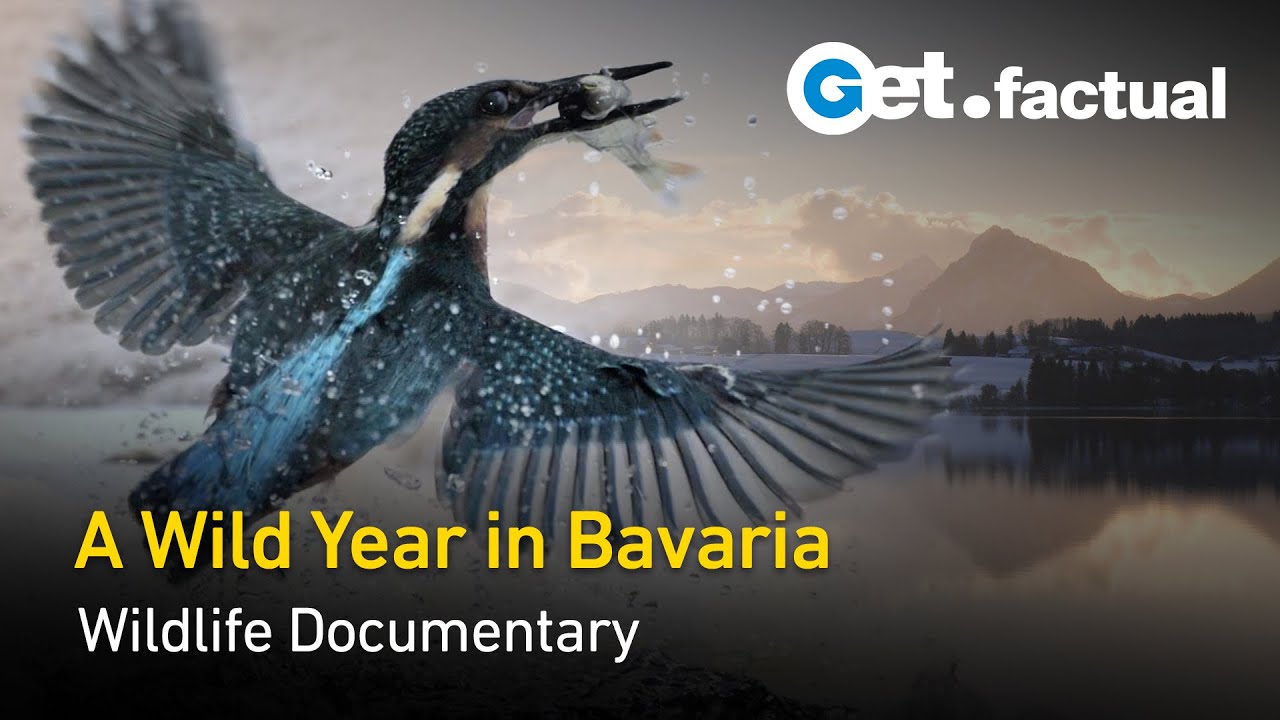
Temperatures in the Bavarian Alps can dip to minus 15 degrees Celsius, creating harsh conditions for wildlife like the Eurasian kingfisher.
At Hamburg Zoo, lion cubs and other animal babies are cared for by their keepers, showcasing their daily lives and unique challenges.
In the rare grasslands of the Chilcotin in British Columbia, declining Bighorn herds are examined alongside the filmmakers' reconnection with nature over two years.
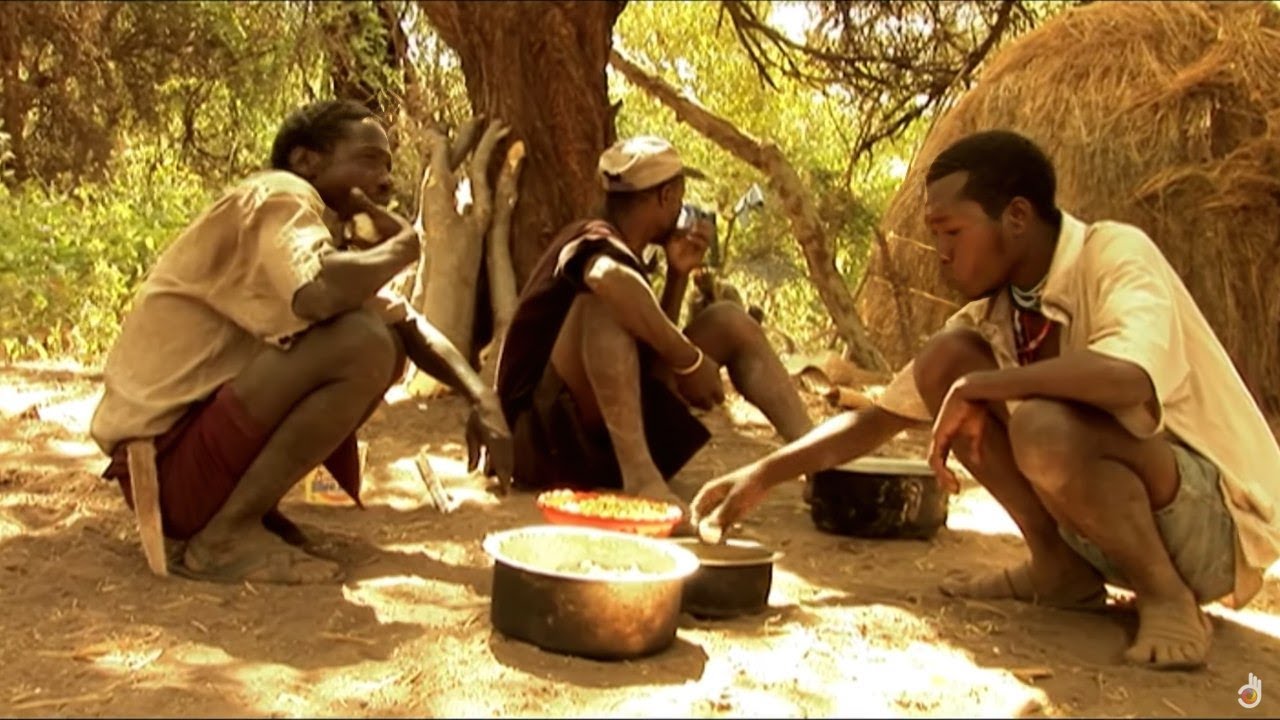
Lake Turkana, covering 6,400 square kilometers, is the largest inland body of water in Kenya and home to the El Molo, one of the country's smallest ethnic groups.
1903 marked the year when Swedish chemist Svante Arrhenius proposed the theory of panspermia, suggesting life may have originated in space.
Every June, Wapo teaches his 11-year-old nephew Jay the traditional art of kite fishing using spider webs and palm leaves on Santa Catalina Island.
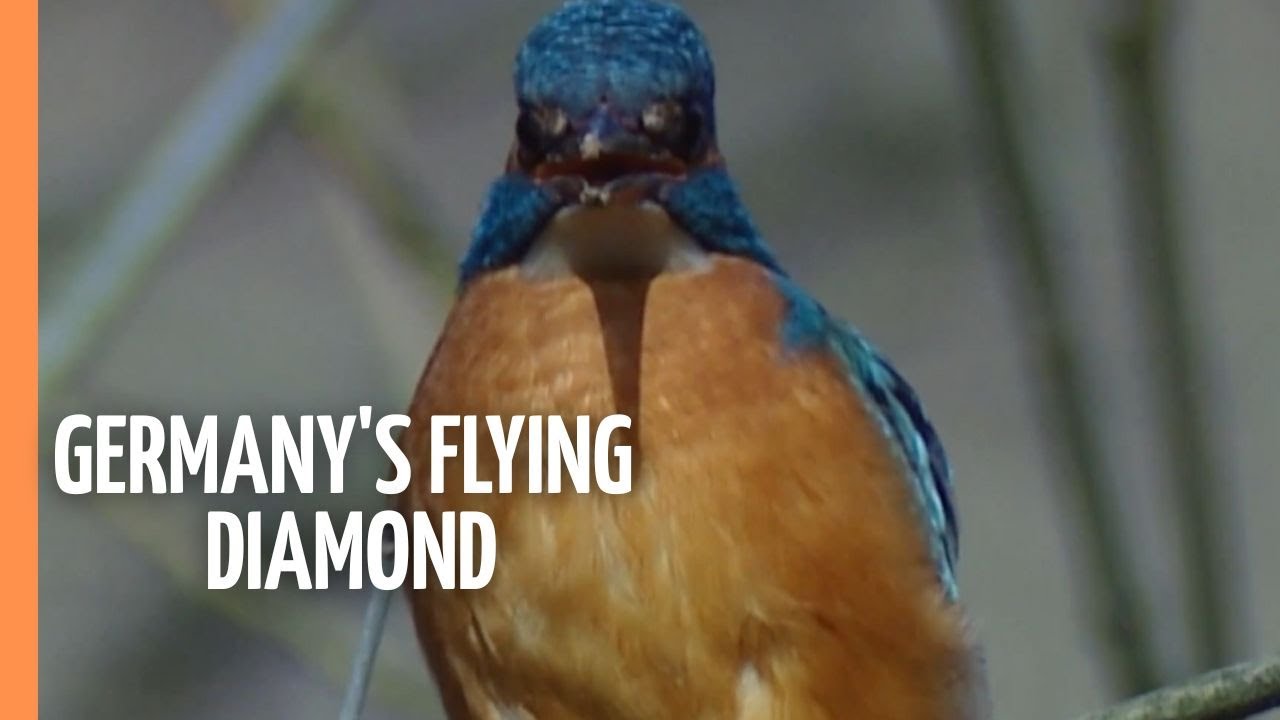
A kingfisher can dive at speeds of up to 40 miles per hour while hunting along a tributary of the Rhine in Germany.
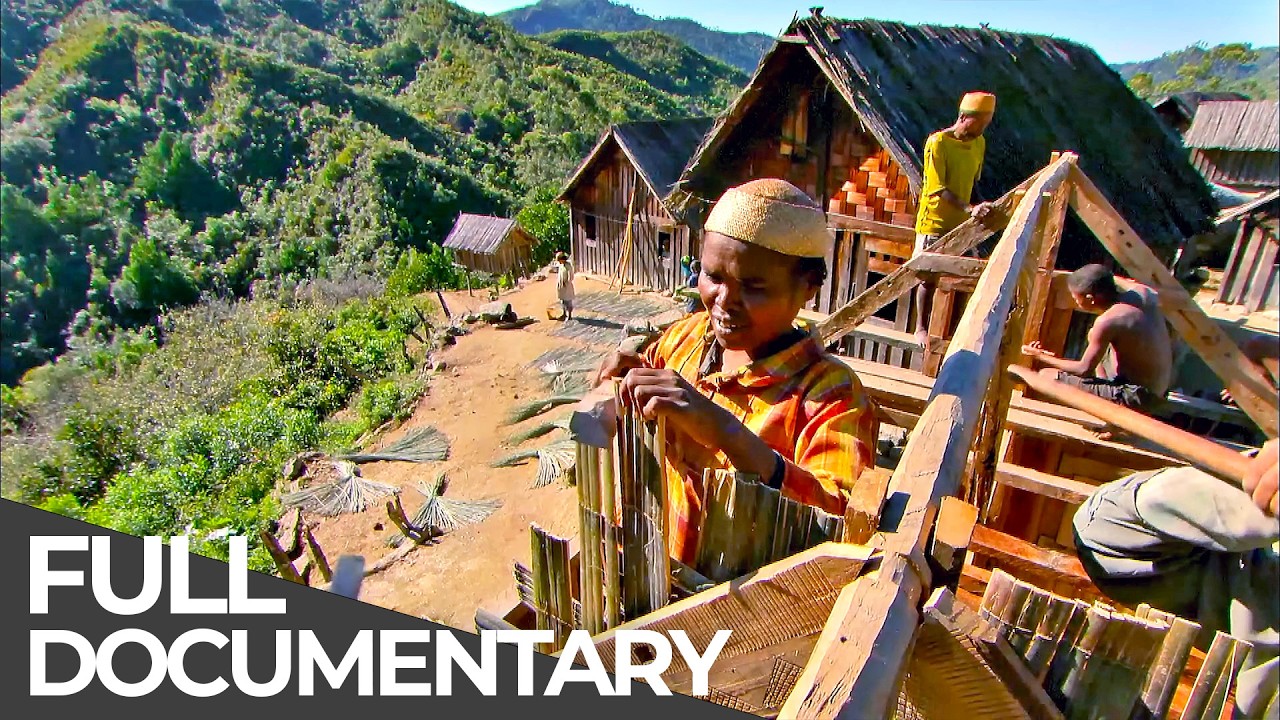
The Zafimaniry of Madagascar are master craftsmen known for their intricate woodcrafting skills.
Only 7,000 cheetahs remain in the wild, a drastic decline from 100,000 a century ago, largely due to human hunting and habitat destruction.
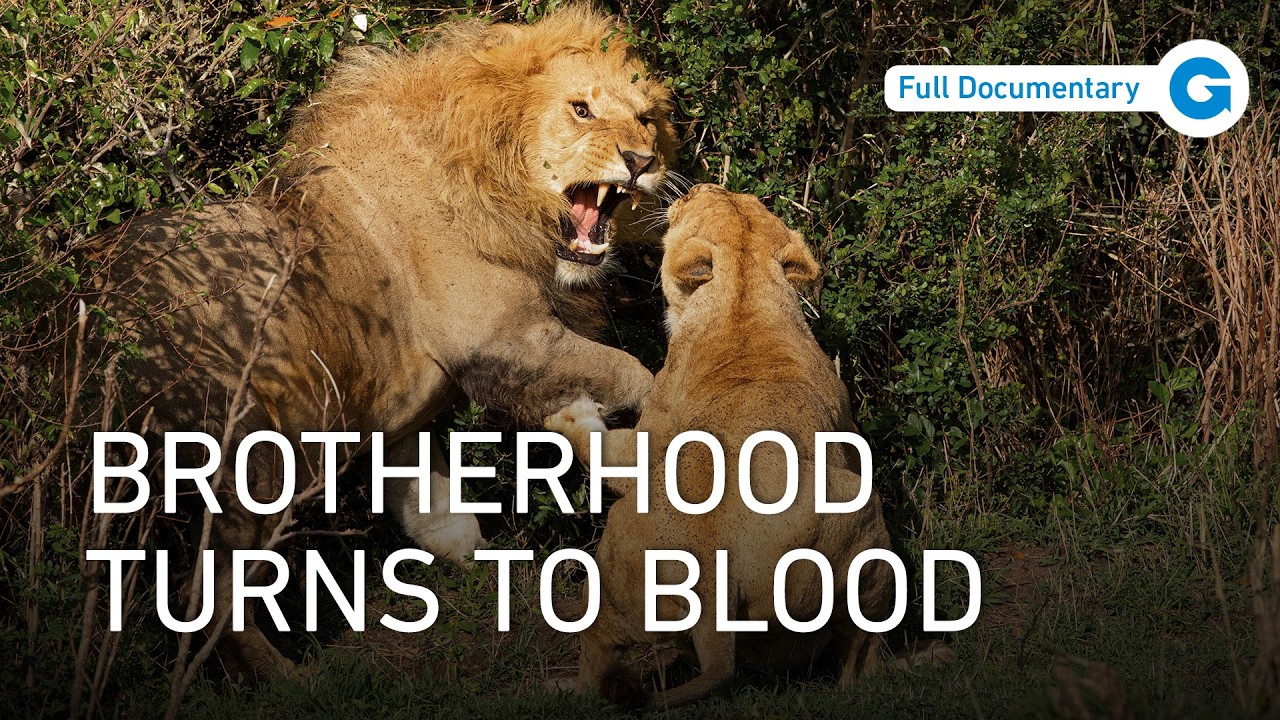
Five male lions patrol their territory in the Masai Mara, facing hunger and violence as they navigate complex family dynamics and hunting challenges.
Matsalu National Park hosts an exceptionally large moose colony thriving in rich wetlands.
Three young fire salamanders are born in the Leine Valley, where European bison have lived since 1928 and mute swans perform elaborate courtship rituals.
Koalas eat leaves from fewer than 50 of the over 700 eucalyptus species, relying on these trees for their survival in Australian forests.
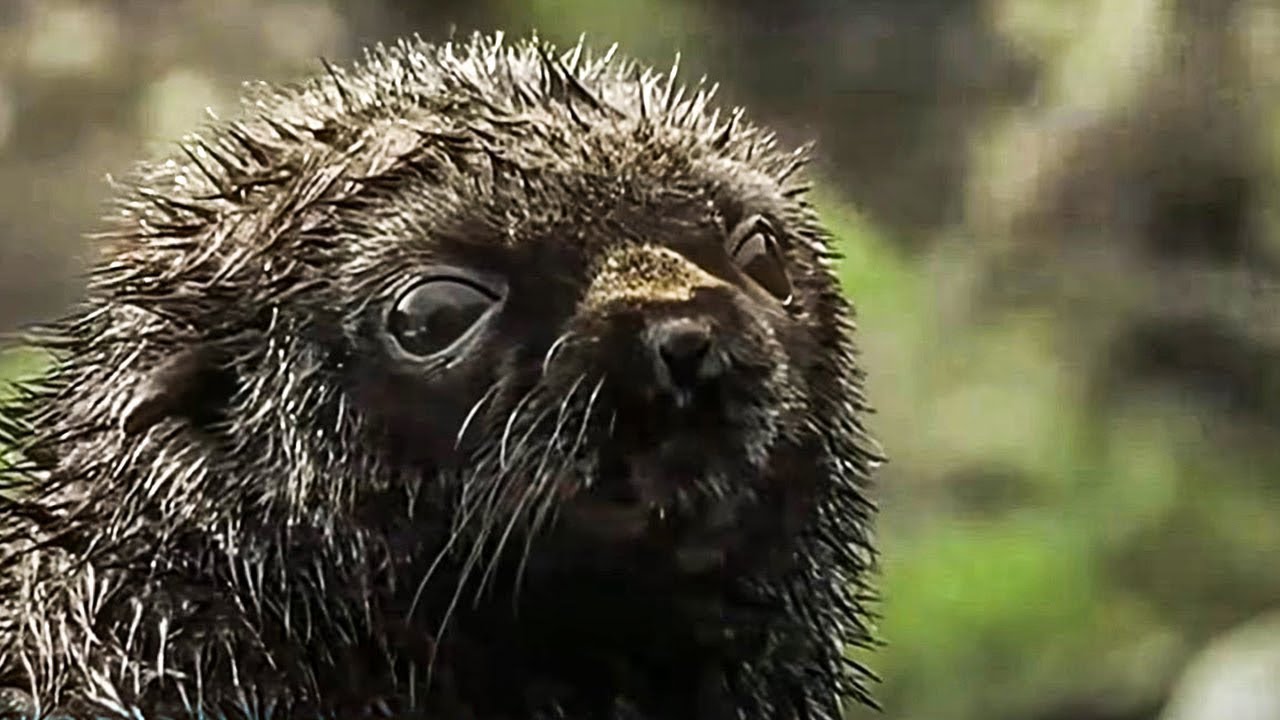
Three great oceans meet around Antarctica, where sea lions hunt macaroni penguins, revealing their harsh reality as predators in a frozen habitat.
Animals across North America engage in intense battles over food and mating rights, showcasing the fierce competition within the animal kingdom.
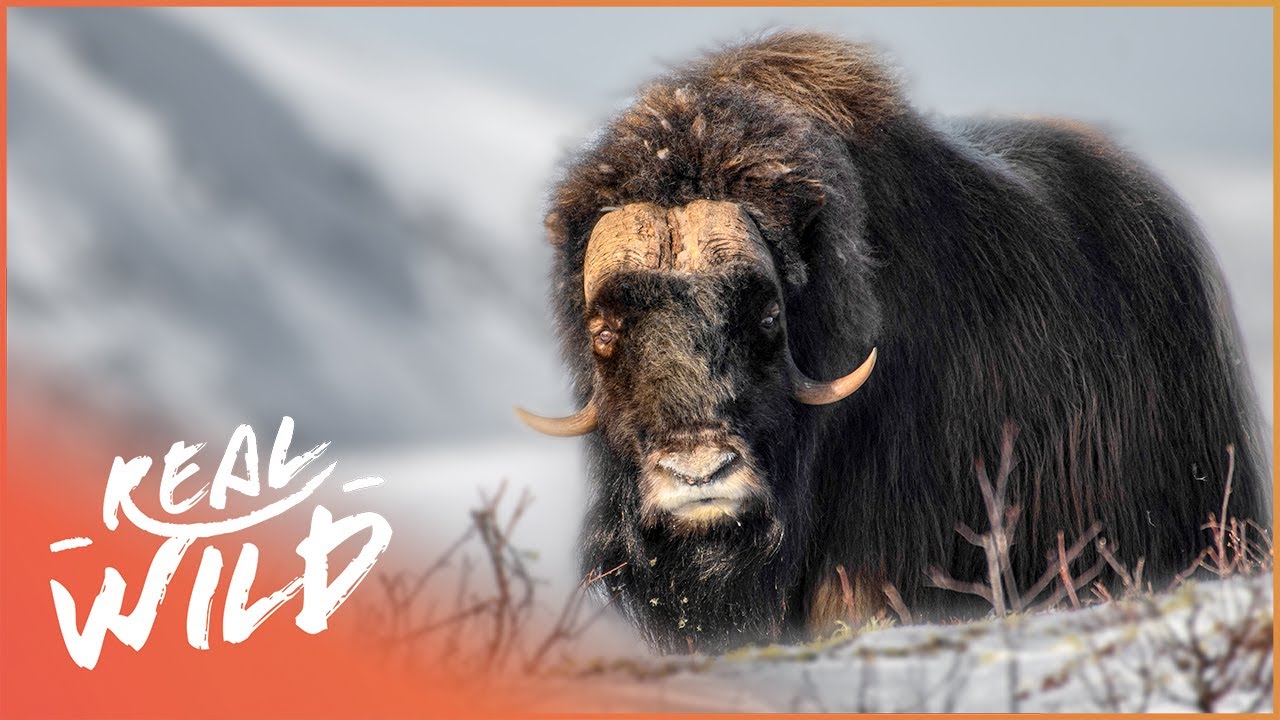
In eastern Siberia, a Canadian experiment involving Muskox is revealing insights into their reintroduction and the discovery of the Nickolai Mammoth.
Gary Cohen searches for ocean diamonds off the South African coast, risking his life for a chance to find gems worth millions.
Adult hyenas need 2 to 4 kg of meat a day, competing with vultures and lower-ranking hyenas for access to carcasses in the Maasai Mara.
Chris Sullivan suffered a leg injury to the bone after a shark bit him while he was surfing on South Africa's Cape Coast.
Maternal instinct is a universal phenomenon influencing motherhood today and its challenges.
One male gannet fights for his nesting territory, risking fatal injury in a struggle that lasts over an hour against an aggressive intruder.
Healthy desert elephants roam for up to 10,000 km a year in search of food in the Namib Desert's harsh environment.
A military training area in Germany, spanning 40,000 football pitches, has become a sanctuary for rare wildlife, including large herds of fallow deer.
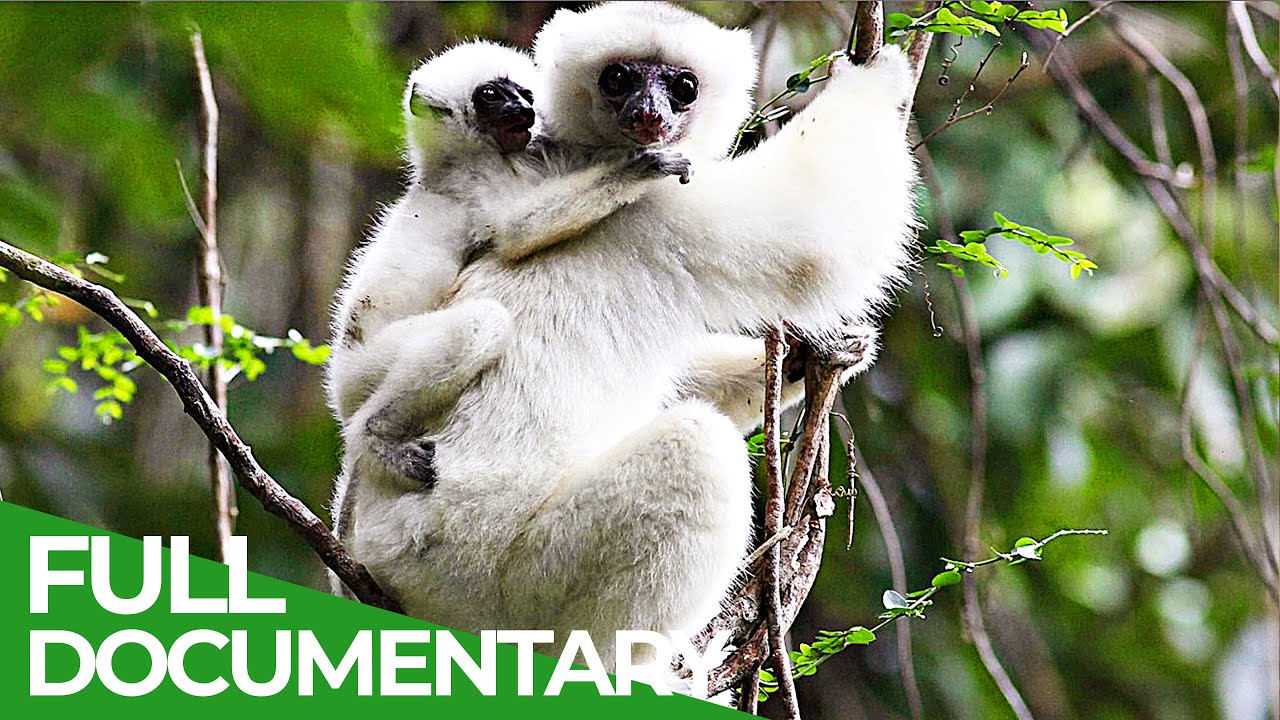
In north-eastern Madagascar, an American primatologist and a Malagasy conservationist work to protect the critically endangered Silky Sifakas from illegal logging threats.
In central Europe, scientists monitor the rare lynx, while conservationists in Africa protect lowland gorillas and manatees in Florida, highlighting global efforts to save endangered species.
Celebrating 20 years of the acclaimed series, this compilation highlights iconic moments from the BBC's Planet Earth, narrated by David Attenborough.
Steve Martin trains lions, bears, and other animals for film and television, while also exploring the Cann family's snake demonstrations in Australia and the Tasmanian Devil.
Brazil's Atlantic Forest, a global biodiversity hotspot, is explored through its unique wildlife and the challenges faced by endangered species in Serra do Mar State Park.
Humans have always been fascinated by the giants of nature, from tigers to polar bears.
Human-bear encounters are increasing as urban development encroaches on wildlife habitats, prompting ecologist Rae Wynn-Grant to share insights and safety tips.
In the Okavango Delta, a live filming camp offers an exclusive behind-the-scenes look at the daily lives of big cats and a special Q&A session.
Parque Natural do Sudoeste Alentejano e Costa Vicentina, a protected coastal region in southwest Portugal, features diverse ecosystems and rich wildlife, remaining largely untouched by tourism.
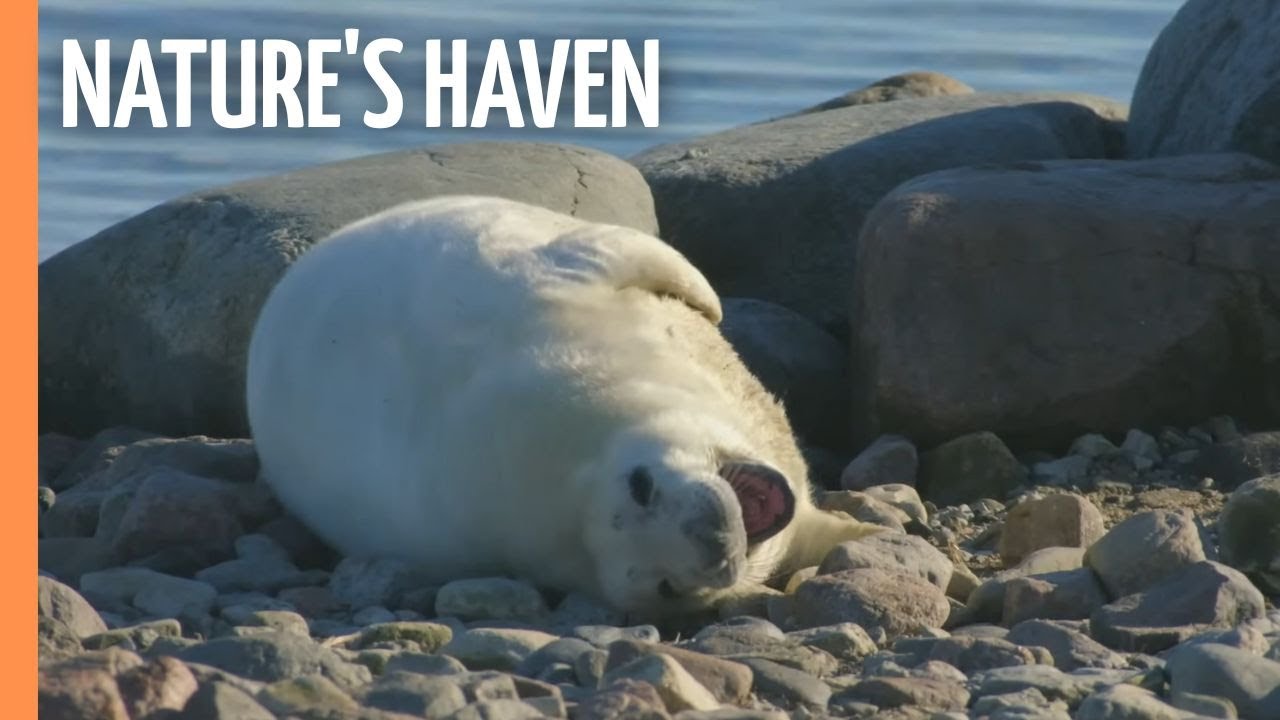
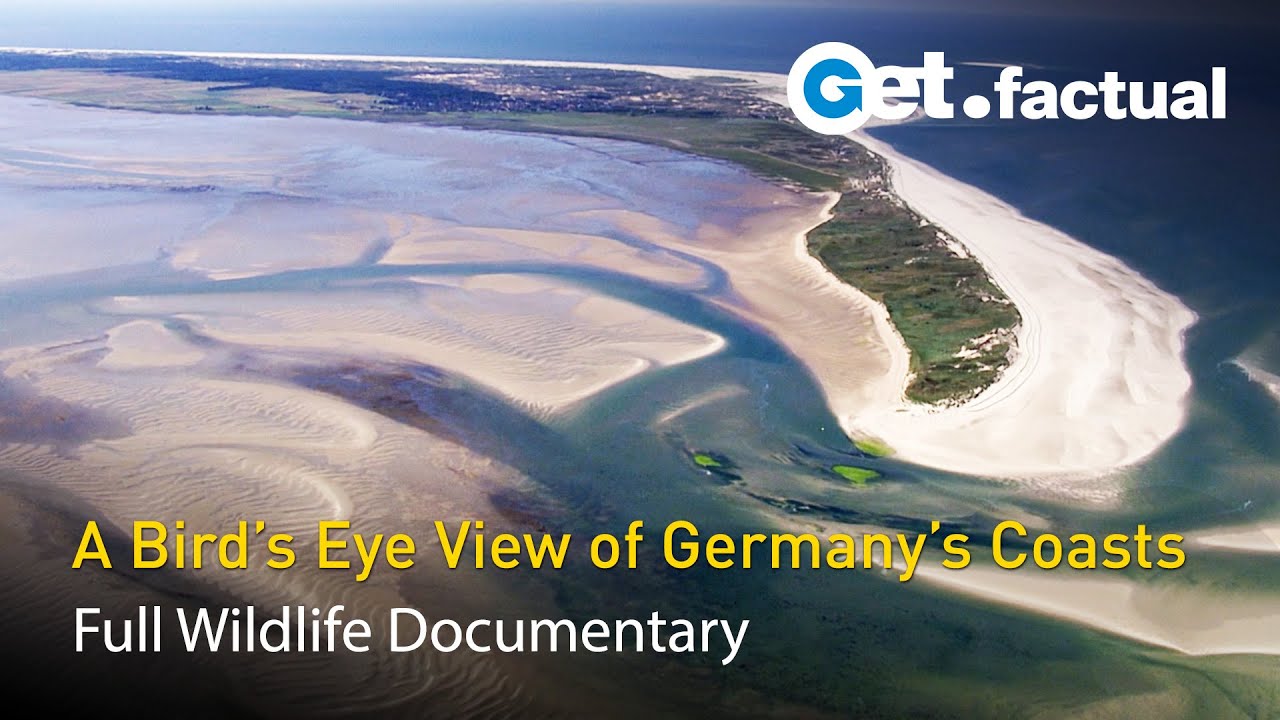
2,400 kilometers of coastline along the North and Baltic Seas host diverse wildlife, including seals, seabirds, and migratory birds.
Around 25 million square kilometers of sea ice will gradually disappear during the summer thaw, revealing islands that support diverse Arctic wildlife.
Koalas, iconic to the Australian East Coast, are showcased in their natural habitat, highlighting their unique ecosystem and laid-back lifestyle.
Yellowstone National Park, established in 1872, is home to grey wolves, grizzly bears, bison, and antelope across its vast landscapes and ecosystems.
In various natural and domestic settings, a wide range of adorable baby animals exhibit playful behaviors and interactions that highlight their charm.
Xavier, a French ornithologist, explores Ecuador's diverse ecosystems, including the Andes mountains and the Amazon Basin, in search of new wildlife species.
In Jamaica, the American Crocodile faces habitat loss due to construction and hunting, prompting efforts to preserve its cultural heritage and ensure its survival.
Photographer Ben Horton offers practical tips for capturing outdoor images, focusing on composition and lighting in Napa Valley during National Get Outdoors Day.
Over 100,000 people live in 50 nearby villages, putting pressure on the Arabuko forest, the last habitat of the endangered elephant shrew in Kenya.
The Haïda tribe, known as the Salmon People, faces cultural and environmental challenges as salmon populations decline off the northwestern coast of Canada.
Jacqueline Ripart searches for Genghis Khan's horses in Kyrgyzstan's Tien Chan mountains.
A mother hedgehog cares for her hoglets while a dragonfly hatches, revealing the intricate life in European gardens and forests.
In Huanchaco, Peru, fishermen maintain ancient traditions by crafting Caballito de Totora boats from reeds, reflecting the region's rich cultural heritage.
Christine Wilkinson studies large carnivores like spotted hyenas in Kenya, while Rüdiger Ortiz-Álvarez records soundscapes in the Canary Islands.
17,500 feet is the altitude where Sadie Quarrier faced challenges while selecting impactful photographs for National Geographic's annual issue.
In the wild, newborn predators like cheetah cubs and baby wasps employ unique survival strategies to navigate the challenges of their environments.