From over 100,000 films, discover the handful you'll love.
Free or premium access to the world's largest documentary library.
4759 films(Page 64 of 100)
Yellowstone, America's first national park, is home to grizzly bears and Old Faithful geyser.
The Tswaing Crater in South Africa is a wildlife haven formed by a meteor impact 220,000 years ago.
Many people know hippos in the Luangwa Valley can reach 115 decibels in sound levels.
Chris Hemsworth explores ways to enhance well-being while showcasing the planet's wildlife, ancient civilizations, and the expertise of Nat Geo's scientists and filmmakers.
Chickens fertilize the garden all winter, allowing for immediate planting in spring without extra chores.
Komodo dragons use stalking and venom to kill prey, showcasing their unique hunting skills.
The Tsaatan tribe in Mongolia relies on reindeer herding for their nomadic lifestyle.
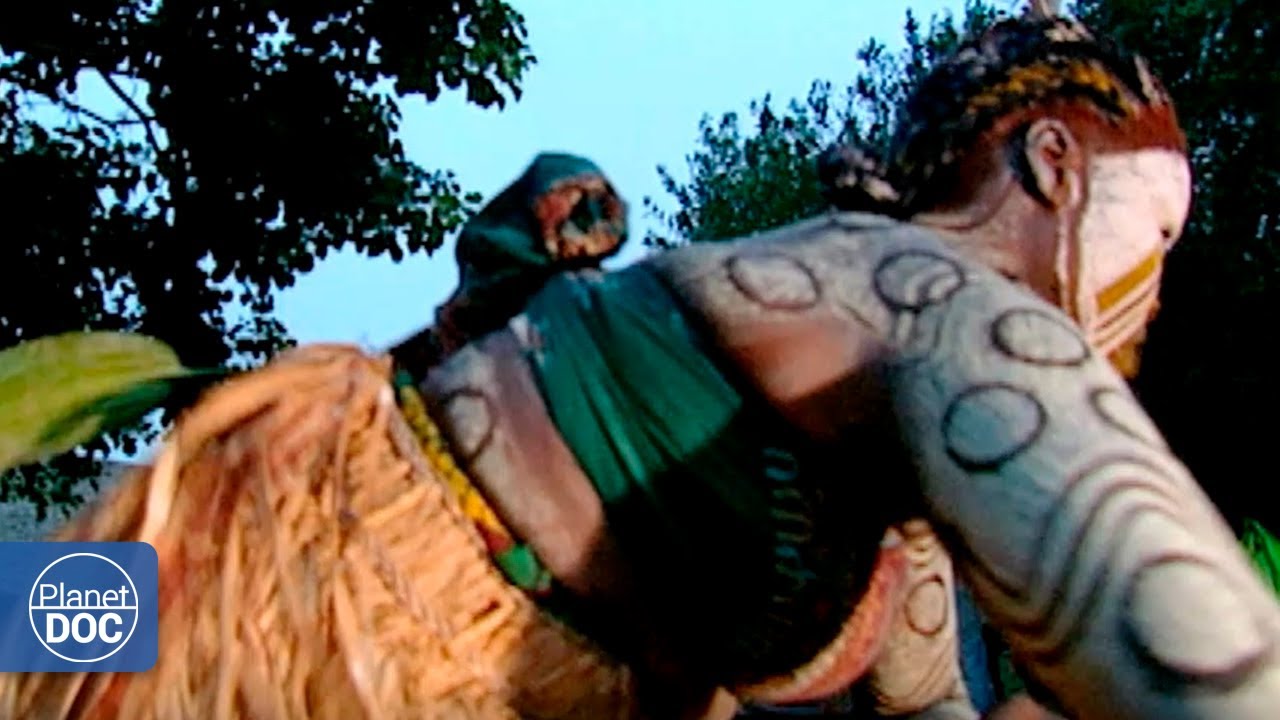
The Samburu people of Kenya live in a harsh climate, relying on milk and blood from their animals.
Myrtle Beach, South Carolina's most famous coastal town, showcases beautiful winter beach views and aerial shots of the Little River inlet and Cherry Grove.
A thermal camera captures hippos grazing at night while avoiding lions in Zambia.
Robber crabs, known for their ability to steal household items and their impressive size of up to 3 feet across, are showcased in their natural habitat in this short documentary.
Egyptians believed in Gods like Horus, represented by Animal Mummies in Ancient Egypt.
Earth's sixth mass extinction, driven by human activity, threatens biodiversity as up to 58,000 species vanish annually, prompting calls for innovative solutions like De-Extinction.
Over 20 banded mongooses gather to help warthogs by eating ticks and lice, creating a mutually beneficial relationship on the African savanna.
In a sanctuary run by the Jane Goodall Institute, rescued chimpanzees undergo 'The Snake Test' to assess their readiness for life in the wild.
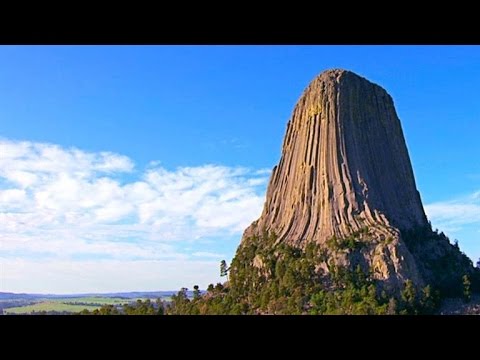
Devils Tower National Monument attracts 400,000 visitors each year, drawn in part by its connection to UFOs and its appearance in Close Encounters of the Third Kind.
Four weeks after entering her chrysalis phase, a female Cairns birdwing butterfly emerges and pumps fluid into her new wings to prepare for flight.
Victoria Falls offers extreme sports and stunning views on the Zambia-Zimbabwe border.
On an island off the east coast of Maryland, a stone spearpoint suggests that humans may have arrived in North America 5,000 years earlier than previously thought.
Giant Japanese salamanders showcase their unique features in this episode of Seriously Amazing Objects.
Female genital mutilation (FGM) persists in various cultures despite widespread awareness of its harmful effects and calls for legal action against the practice.
The Kodiak Bear, North America's Giant Bear, feeds on salmon and grasses throughout the year.
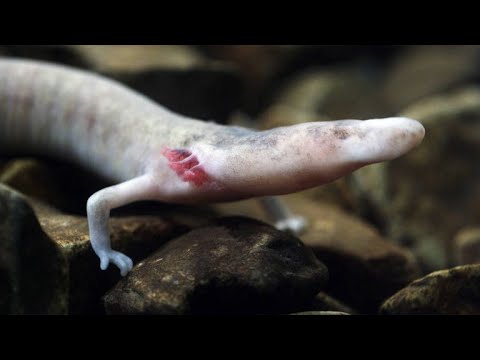
Olm salamanders can grow to almost a foot and a half long and can survive up to 10 years on a single meal in the dark caves beneath Predjama Castle.
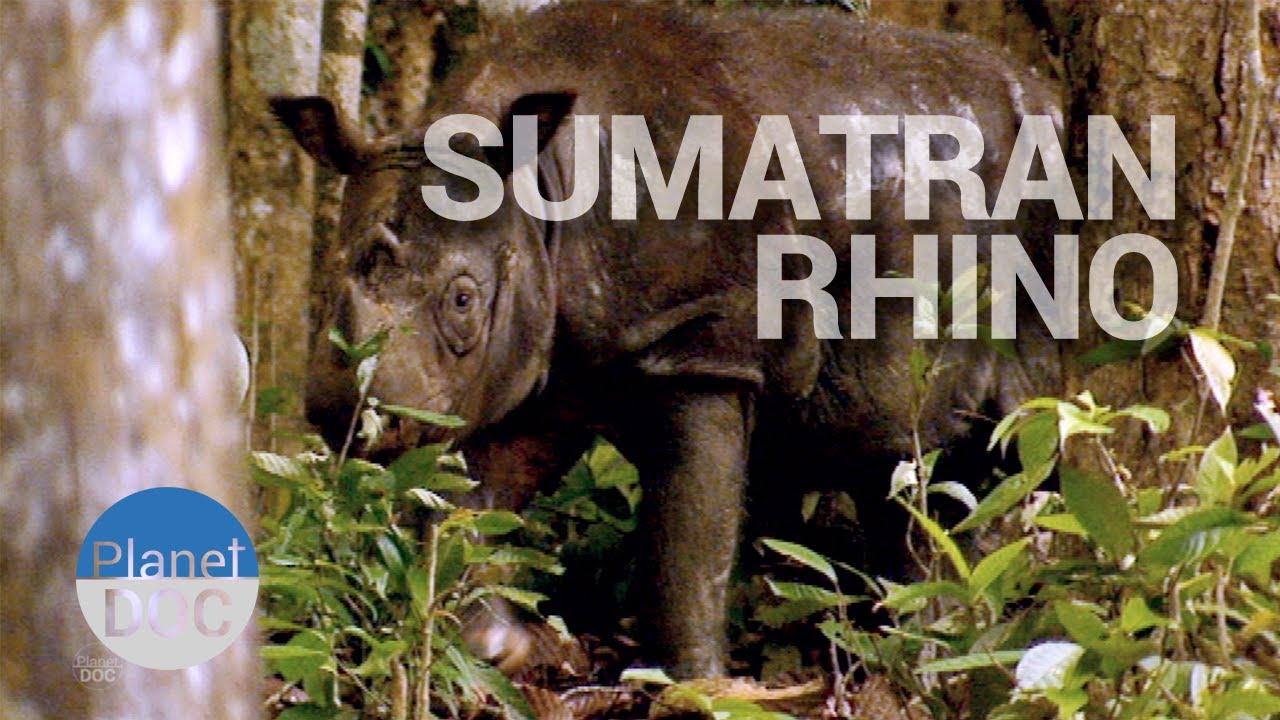
A Sumatran rhinoceros weighs about 1,700 pounds and requires four square miles of jungle space to survive, complicating its conservation.
Birds grew feathers 150 million years ago for insulation, not flight, as shown by Attenborough.
Male peacocks display vibrant feathers to attract mates, while females remain a dusty brown to avoid drawing attention during incubation.
The Yorkshire Dales cover 800 square miles and feature a patchwork of fields divided by dry stone walls, earning the nickname God's own country.
The Kunene River contrasts the barren Namib desert with its emerald green hue.
In 1788, British mariner John Meares named the Olympic Mountains in northwest Washington after Mount Olympus due to their striking, snow-capped peaks.
Hawaii, formed 40 million years ago, features the most active volcano on Earth since 1983.
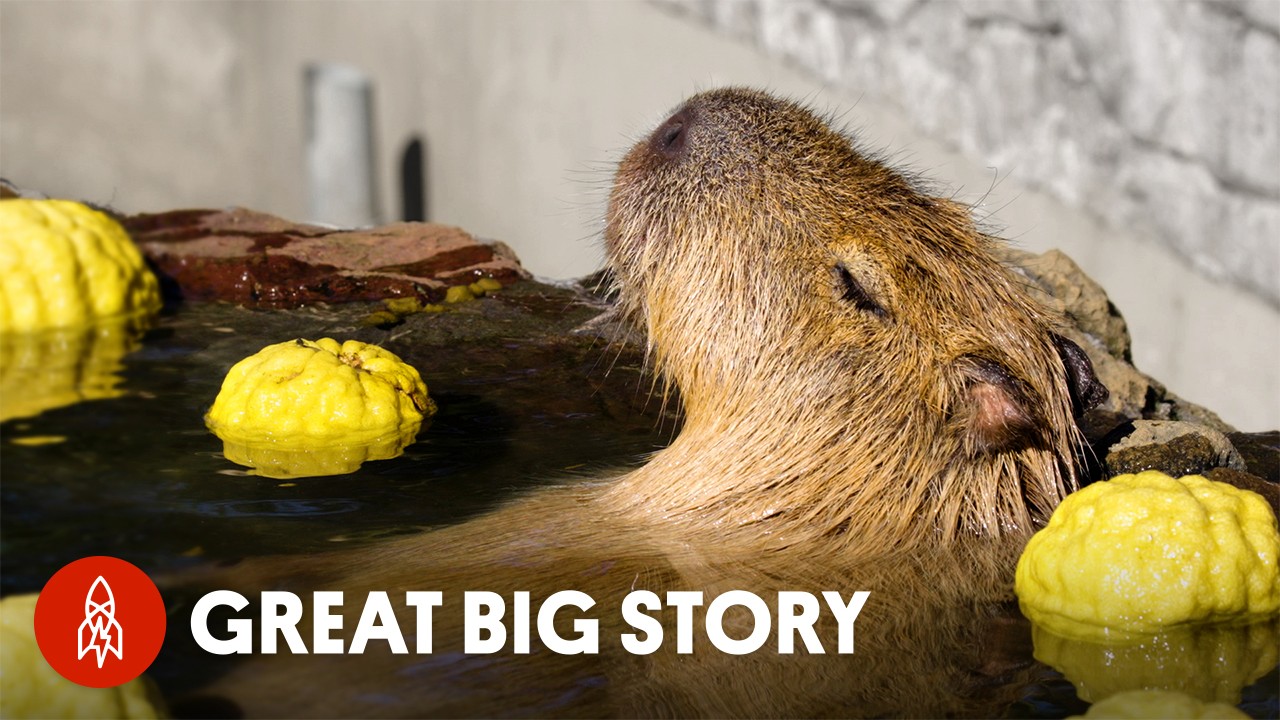
Capybaras, the largest rodent, enjoy a pampered life in Japan's Izu Shaboten Zoo.
Meet Bandar and Suuch, two cubs with distinct personalities and playful interactions.
Seven pride lands in the Aavango Delta are each as large as Manhattan, where lions defend their territory against intruders.
Yellow baboons in Kenya exhibit strong male-female bonds through extensive grooming habits, highlighting their affectionate nature year-round.
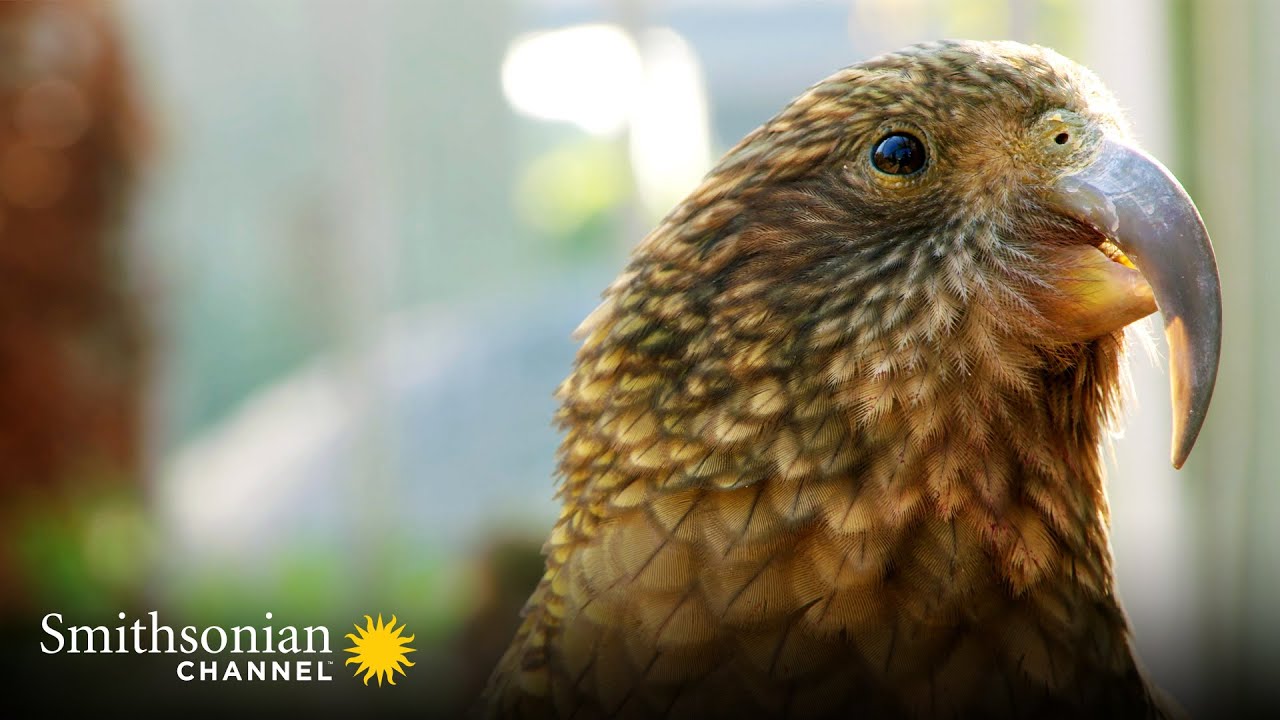
Biologist Raul Schwing studies Kia birds and their contagious playfulness through sound.
Barbets love crateva fruit and steal it from Indian mynas after they open it.
These insects have munched through Smithsonian specimens for over 70 years, aiding decomposition.
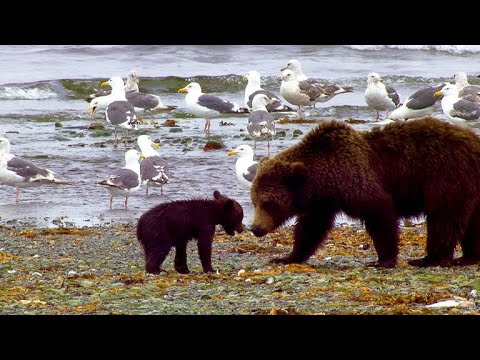
Grizzly bear cubs in Russia's Wild Seas learn to fish for slippery salmon in summer ponds.
Marabou storks thrive in finding food, featured in the Series: Tales From Zambia: Pride Lands.
Bahama feral pigs thrive in the wild, attracting tourists with their swimming skills and charm.
Female fire salamanders use a fountain in Heidelberg to give birth while evading male toads.
The wild pigs of the Bahamas swim and adapt to island life in surprising ways.
Hungry wolves trick bears to steal carrion in a clever survival tactic.
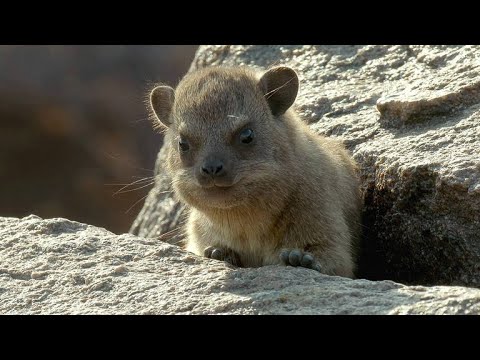
Rock hyraxes spend most of their time resting, with adults often enjoying late morning naps on warm rocks while their babies soak up the sun.
Rajan, the lion-tailed macaque, leads his troop into danger for food in this episode.
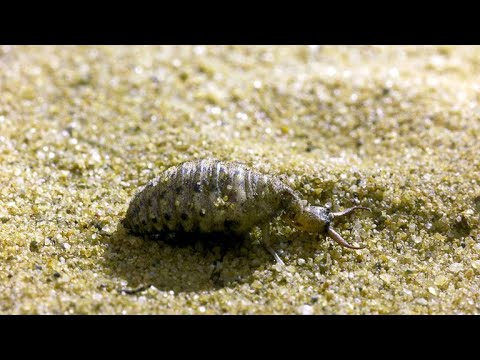
An antlion creates a funnel-shaped burrow in the sand, lying in wait to ambush insects that slip into its deadly trap.
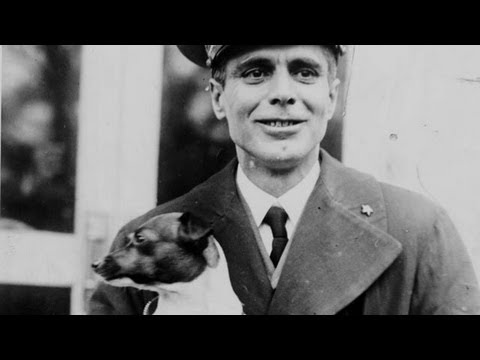
Tina became the first dog to fly over the North Pole in 1926 as a companion to Italian explorer Umberto Nobile during a historic airship expedition.
Yunnan province in China reveals 76 Lufengosaurus specimens from the Jurassic era.