From over 100,000 films, discover the handful you'll love.
Free or premium access to the world's largest documentary library.
4759 films(Page 74 of 100)
Over 20 years, Terry Masear has rehabilitated injured hummingbirds, working tirelessly to save each delicate bird that comes her way.
Capture teams aim to relocate 20 to 30 wolves to Isle Royale National Park over a three to five-year period to address declining populations.
Peregrine falcons can reach speeds of up to 400 kilometers an hour, making them the fastest animals in the world.
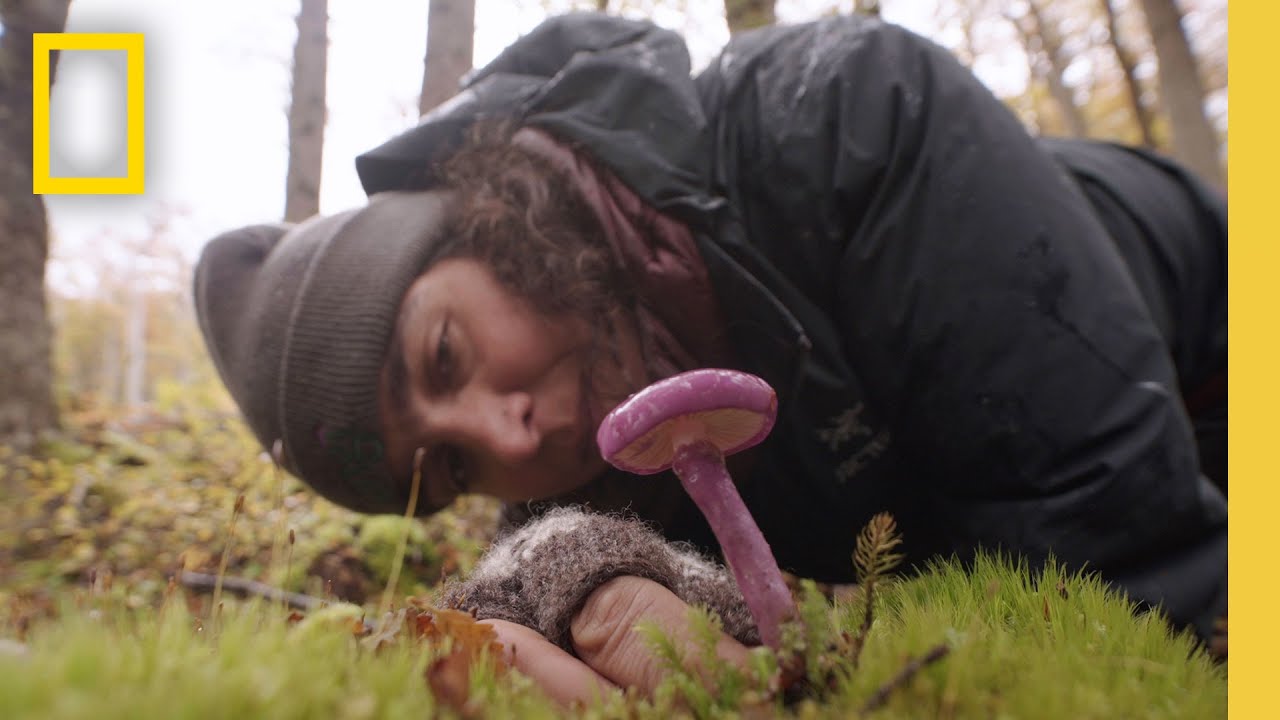
Three scientists survey fungal diversity in Tierra del Fuego, arguing that without fungi, plants and animals cannot survive.
In South Florida, black bear biologist Shelby Shiver and her all-female team from the Florida Fish and Wildlife Conservation Commission capture and tag bears to assess population connectivity and conservation needs.
Rodrigo Medellin has studied bats for 46 years and aims to document the elusive greater false vampire bat in the Yucatan rainforest.
Elephants mourning their deceased herd members and a newborn panda reuniting with its mother illustrate the emotional lives of animals and the importance of biodiversity.
A 200-year-old tree stands in Olympic National Park, where chef Melissa King and fungal ecologist Korena Mafune forage for mushrooms in an old-growth forest.
Forest fires threaten wildlife habitats and fish populations, while showcasing U.S. Bureau of Fisheries' hatcheries and proper campfire safety.
A 12-foot sleeper shark is filmed at the ocean's surface, marking a rare encounter with this elusive species during Shark Week 2023.
Cheetahs in Africa and Iran are documented by photographer Frans Lanting and filmmaker Christine Eckstrom, highlighting the challenges faced by "supermoms" raising their young.
Lolita, an orca, has performed at Miami Seaquarium up to three times a day for 43 years, drawing thousands of visitors each week.
Twenty children search for the jaglak ant, believed to be powerful enough to drive away destructive termites from a home in northern Cameroon.
Samburu National Reserve in Kenya hosts diverse wildlife from elephants to large felines.
In New Brunswick's Bay of Fundy, a national park offers eighty square miles of diverse recreational activities and natural beauty for vacationers.
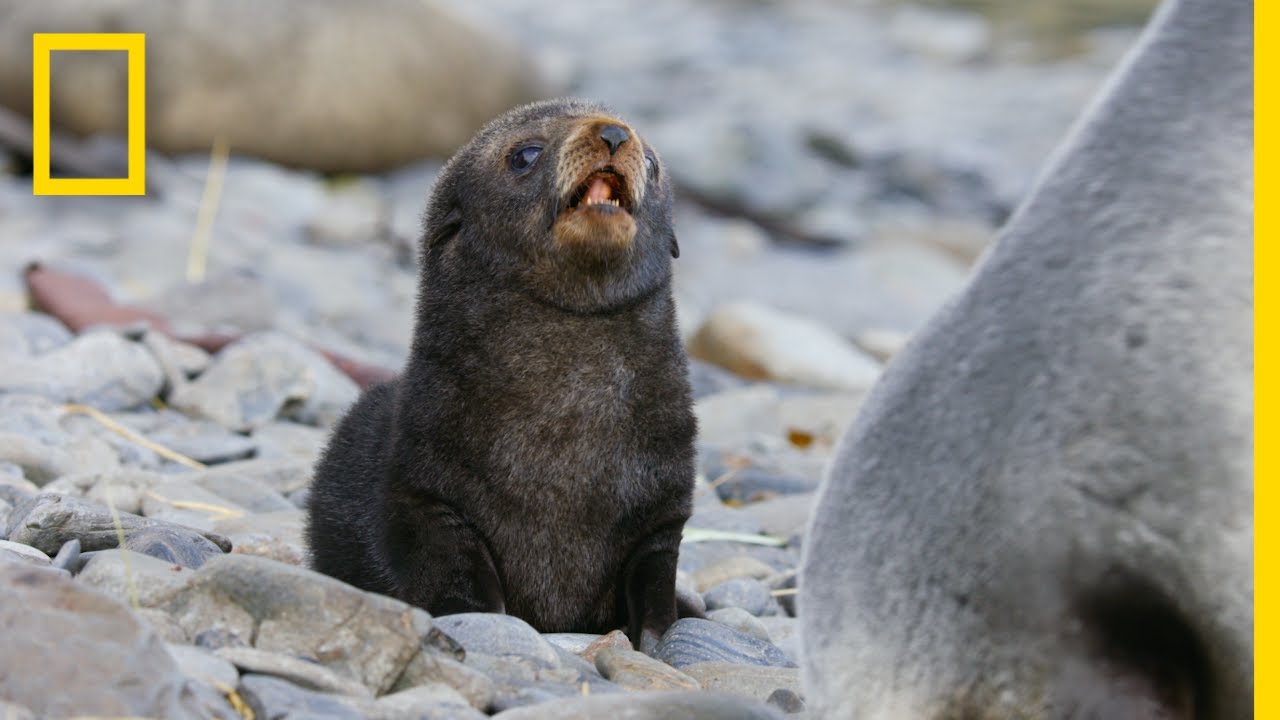
Over 3 million Antarctic fur seals now inhabit South Georgia Island, rebounding from a population of just 400 individuals due to past hunting.
A 600-meter climb leads islanders to a fertile garden where taro, a staple food, is grown and harvested year-round on the rugged island of Futuna.
Gabon’s extensive rainforests, home to Africa's largest population of forest elephants, face threats from poaching and habitat loss as conservationists work to protect this endangered species.
Five million years ago, the Galapagos Islands emerged from the sea, evolving unique species due to their geographical isolation from the continent of America.
Falconry in Pakistan demands immense dedication, as practitioners form deep bonds with their birds while navigating the challenges of training and care.
Over 35,000 people live in Ganvié, a floating village on Lake Nokoué, where canoes replace roads and fishing shapes daily life.
Fifteen million years ago, primates adapted to a fruit-based diet while also consuming insects and eggs, a behavior that continues today.
33 species of lemur survive in Madagascar, each dependent on specific plant species for their specialized vegetarian diet.
This Spanish video details the eating habits of elephants and their impact on Africa's ecosystem.
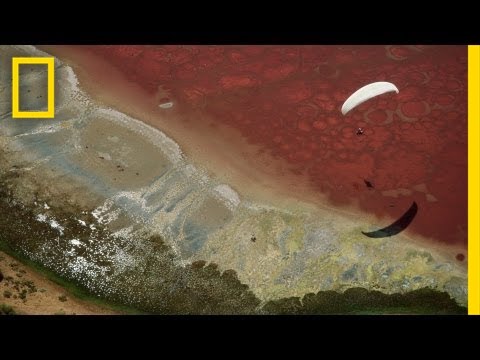
George Steinmetz showcases his aerial photography skills by exploring remote and inhospitable locations around the globe using a paraglider.
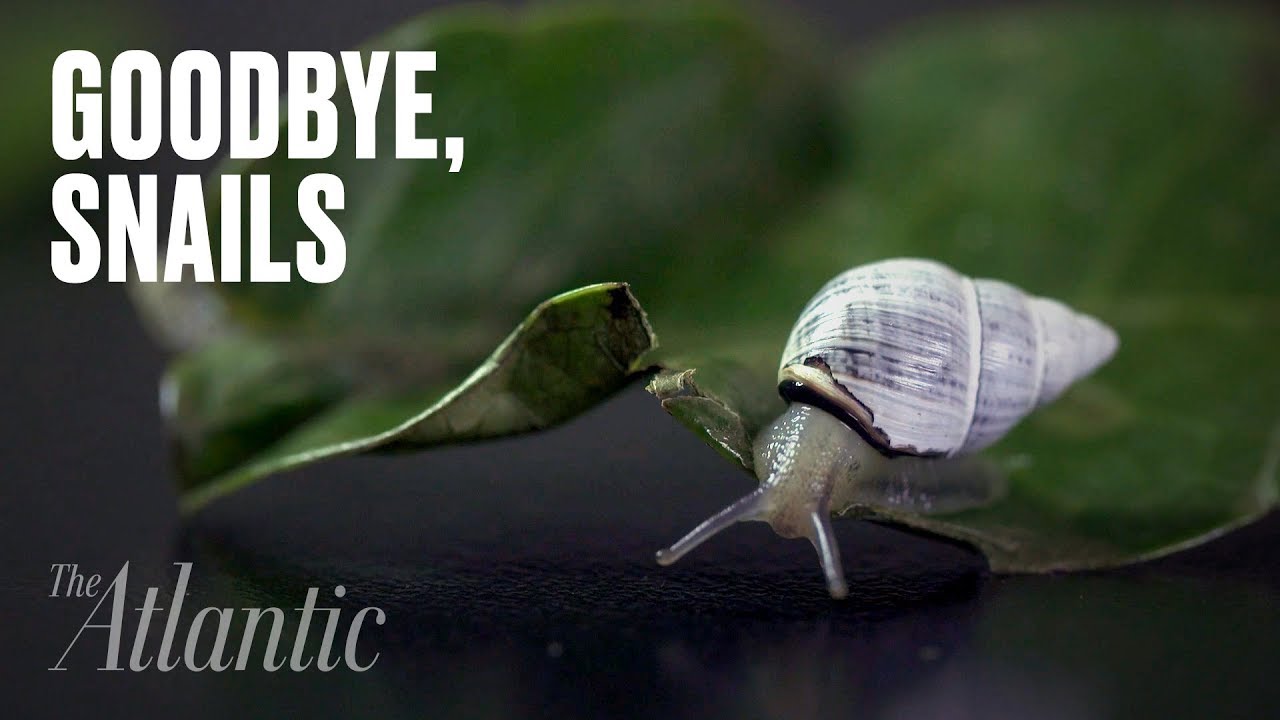
Three thousand individual snails from 38 species are housed in chambers, all either extinct in the wild or close to extinction.
In Nepal's Himalayas, a young boy joins honey hunters battling giant bees and sheer cliffs.
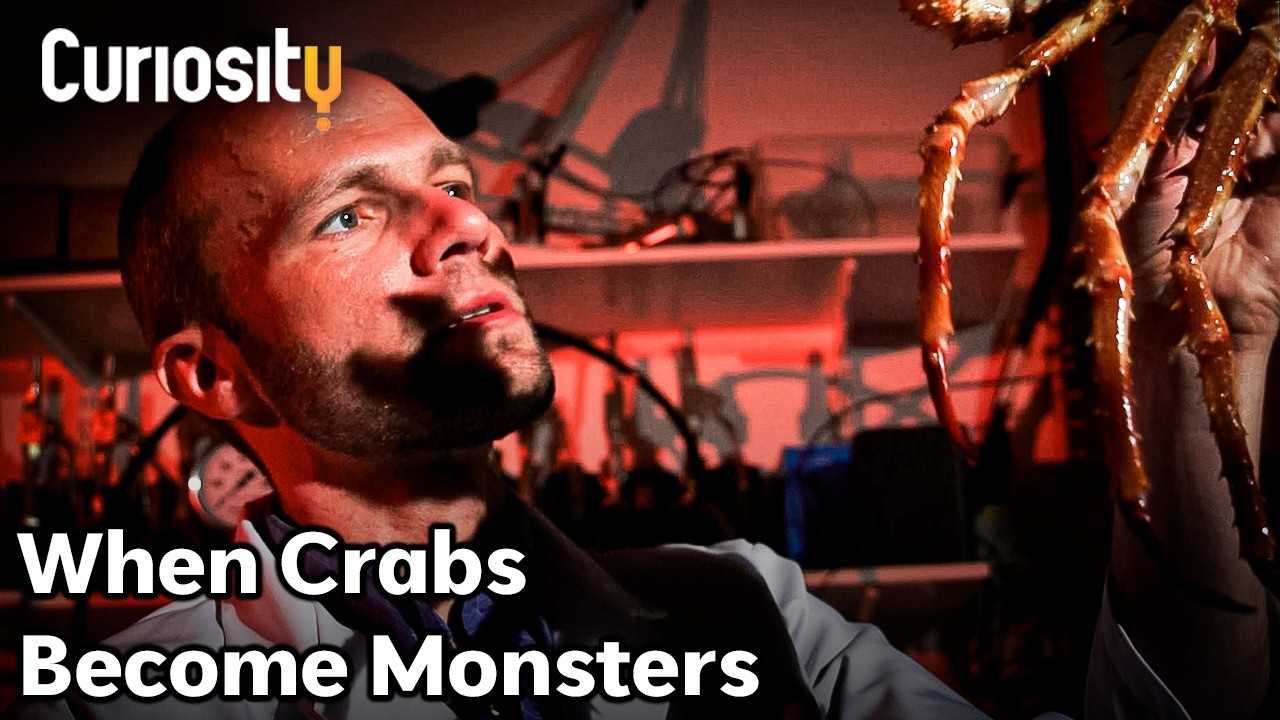
Monster crabs invade the Pacific and Atlantic, causing ecological devastation in their wake.
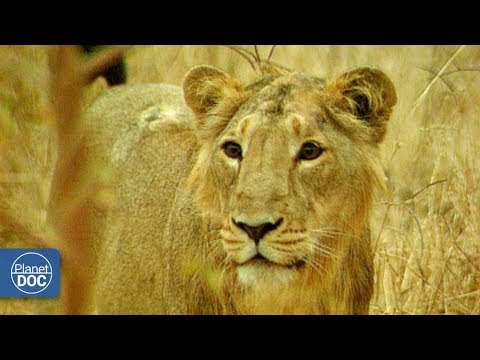
In Gujarat's Gir National Park, conservation efforts are vital for the survival of the endangered Asian lion amid increasing human encroachment.
70% of the Asian lions' diet now comes from wild herbivores, as the Maldharis adapt their livestock practices to coexist with these predators.
21,000 livestock animals grazed in the Gir region in 1965, consuming 90% of the grass and threatening the survival of wild herbivores.
From 1988 to 1990, Asian lions attacked people 100 times, resulting in 15 fatalities, primarily when livestock was threatened.
Conservationist David O'Connor navigates the complex logistics of relocating eight endangered giraffes, including a newborn calf, from an island in Africa's Western Rift Valley.
Glacier National Park in Montana, Lassen Volcanic National Park, and Sequoia National Park are highlighted through tinted travelogues showcasing their landscapes and activities.
Thousands of devotees gather each month in Tamil Nadu to worship the goddess Angalaman, with a notable participation of transgenders in the rituals.
500 meters off the coast of Cabo Pulmo, divers encounter bull sharks in a marine sanctuary that has recovered from overfishing.
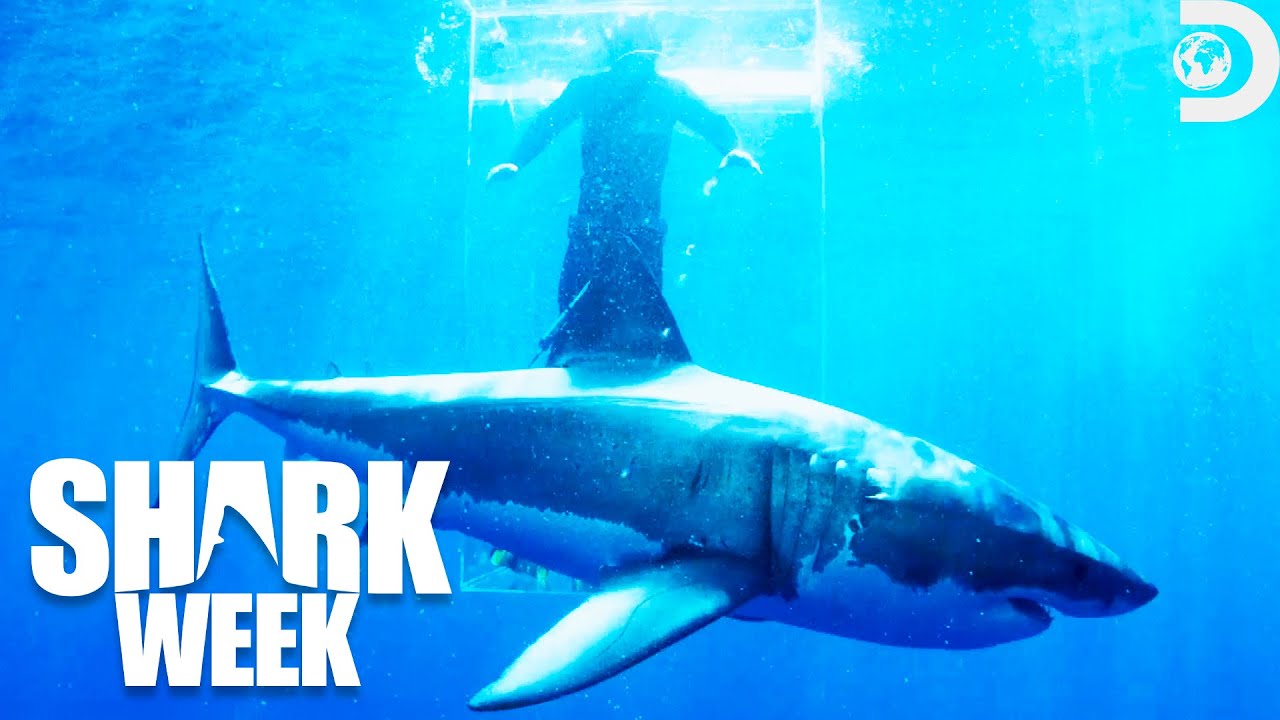
A great white shark damaged a robotic submarine at 300 feet deep during a tracking mission, marking a notable moment in Shark Week 2021.
A 3,500-foot climb along the Walter Powell Trail tests the limits of hikers Kevin Fedarko and Pete McBride in the Grand Canyon's rugged terrain.
A 750-mile hike through the Grand Canyon nearly forced explorers Kevin Fedarko and Pete McBride to abandon their mission within the first week.
99% of Oceanic Whitetip sharks have declined since the 1970s, putting them on the verge of extinction due to overfishing and habitat loss.
A 16-foot great white shark was spotted off Bali's coast, prompting researchers to investigate its hunting behavior in tropical waters.
Eight feet tall, a dominant male kangaroo defends his title against challengers in brutal fights for access to females and territory.
Orcas, crocodiles, and bears compete fiercely for territory and resources, highlighting their survival instincts and combat strategies in the animal kingdom.
In Qaanaaq, Greenland, hunters maintain ancient narwhal hunting traditions while facing the challenges of a harsh Arctic environment and communal life.
Cinematographer Greg Wilson employs innovative motion picture technology to capture slow-motion images of cheetahs, enhancing the understanding of their biomechanics.
Emerging Explorer Gregg Treinish connects outdoor enthusiasts with scientists to gather vital data from remote locations for conservation efforts.
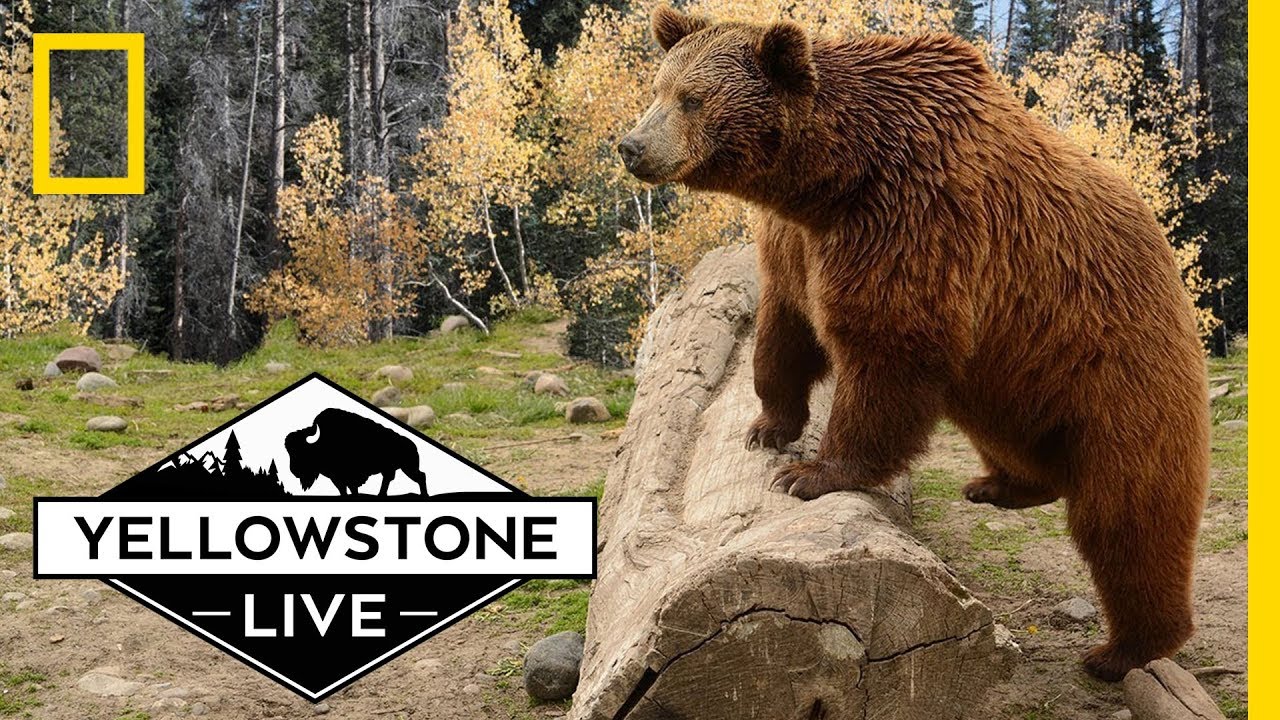
Grizzly bears at the Grizzly and Wolf Discovery Center in Yellowstone National Park are featured in a live broadcast by .
Rafflesia, the world's largest flower, grows hidden for years before blooming massively.