From over 100,000 films, discover the handful you'll love.
Free or premium access to the world's largest documentary library.
2331 films(Page 27 of 49)
NASA Heliophysics shows the sun from both sides to improve space weather forecasting for Earth.
A 3D model shows the failure of a 460HP pump and the need for a complete rebuild.
Freddy and Juan assist an Oregon miner in improving his gold-panning techniques, leading to a significant increase in his gold recovery potential.
Japan's Hitomi satellite provides detailed measurements of X-ray gas motion in the Perseus cluster of galaxies, located 240 million light-years away.
NASA Astrophysics shows a supercomputer simulating the Milky Way's formation from small galaxies.
Pilot Ace, built in the early 1950s, was the first computer capable of performing multiple tasks, based on Alan Turing's designs from the 1930s.
The Fermi Paradox raises questions about the absence of evidence for extraterrestrial life despite the vastness of the universe and the recent reach of Earth's radio signals.
By 1976, America had landed a probe on Mars, sparking global curiosity about the possibility of extraterrestrial life.
NASA simulates how alien astronomers might view our solar system's formation and dust dynamics.
Chariklo, an asteroid in South America, is discovered to have two narrow rings.
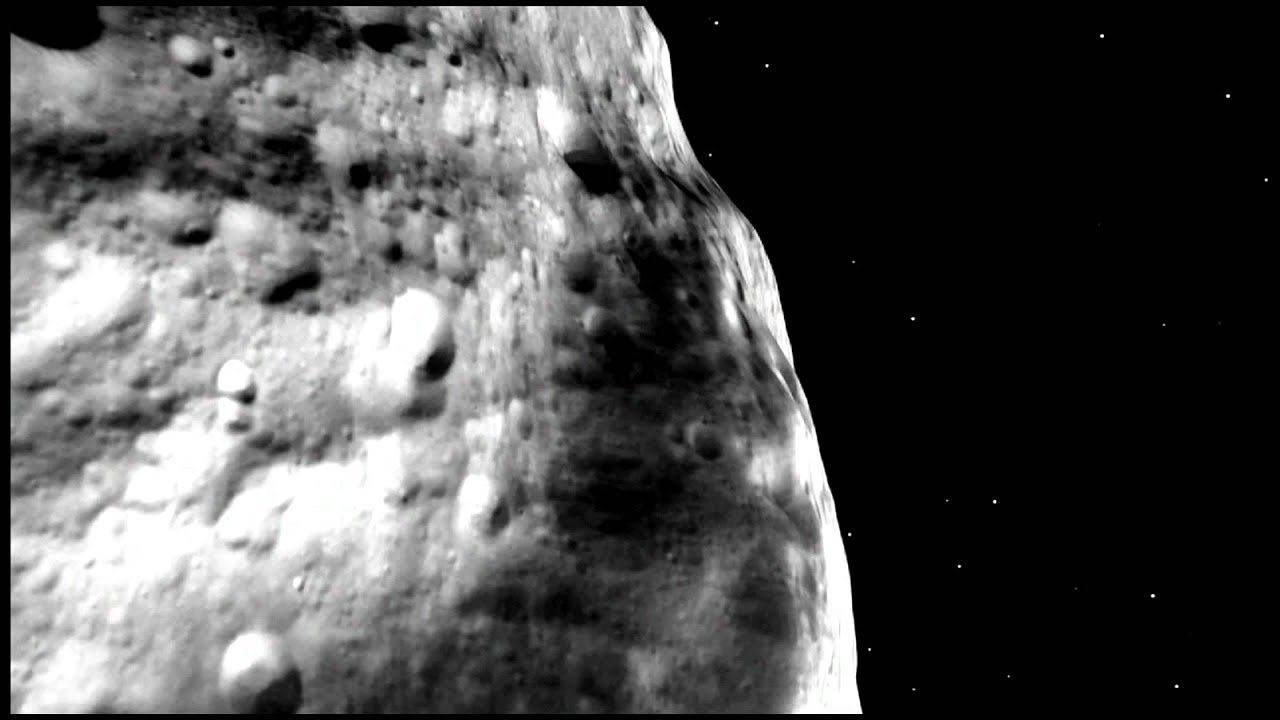
NASA's Dawn spacecraft provides a detailed flyover visualization of the giant asteroid Vesta, highlighting its unique features and formation processes.
Joe Edwards discusses the challenges of living aboard a spacecraft in zero gravity.
The video features Dr. J and showcases The Andromeda Galaxy using four Hubble Space Telescope observations to reveal its disc and surrounding halo.
On July 20, 1969, Neil Armstrong and Buzz Aldrin made history with mankind's first steps on the Moon's Sea of Tranquility, celebrated through ultra high-resolution imagery.
Peter Scott Morgan allowed surgeons to implant various chips into his body in hopes of extending his life, living for four more years until his death in 2022.
Eminent astrophysicist Fred Hoyle stated that it looks like a super intellect has manipulated physics to allow for intelligent life in the universe.
A scientist claims finger formation may indicate future cavity risk in individuals.
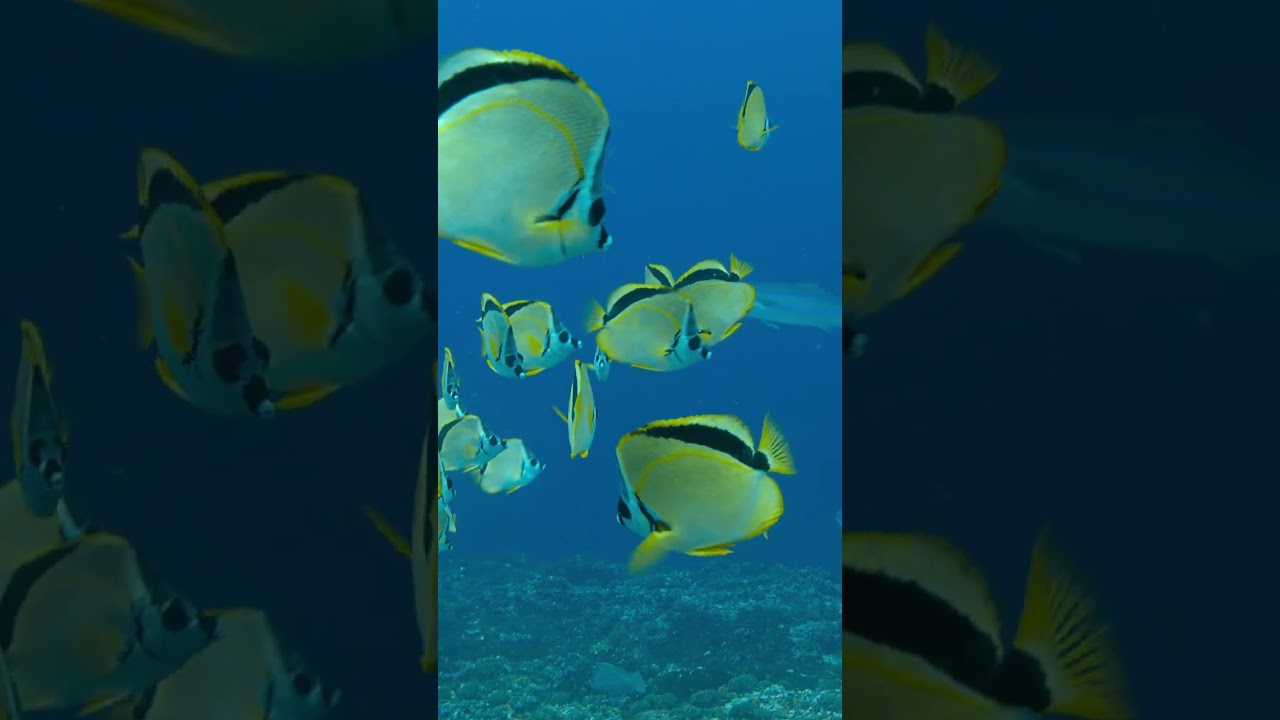
A cleaning station just a few feet in size attracts various fish, including a rainbow runner, as barberfish remove parasites from their larger counterparts.
NASA's Scientific Visualization Studio showcases the Cygnus OB2 stellar association.
Astrophysicists reveal Planet Nine's influence on Sedna's orbit in the solar system.
Dr Derek Muller visits the University of Queensland to explore SCRAMSPACE's hypersonic advancements.
In 10 million years, a cloud will collapse onto a black hole in the Milky Way galaxy.
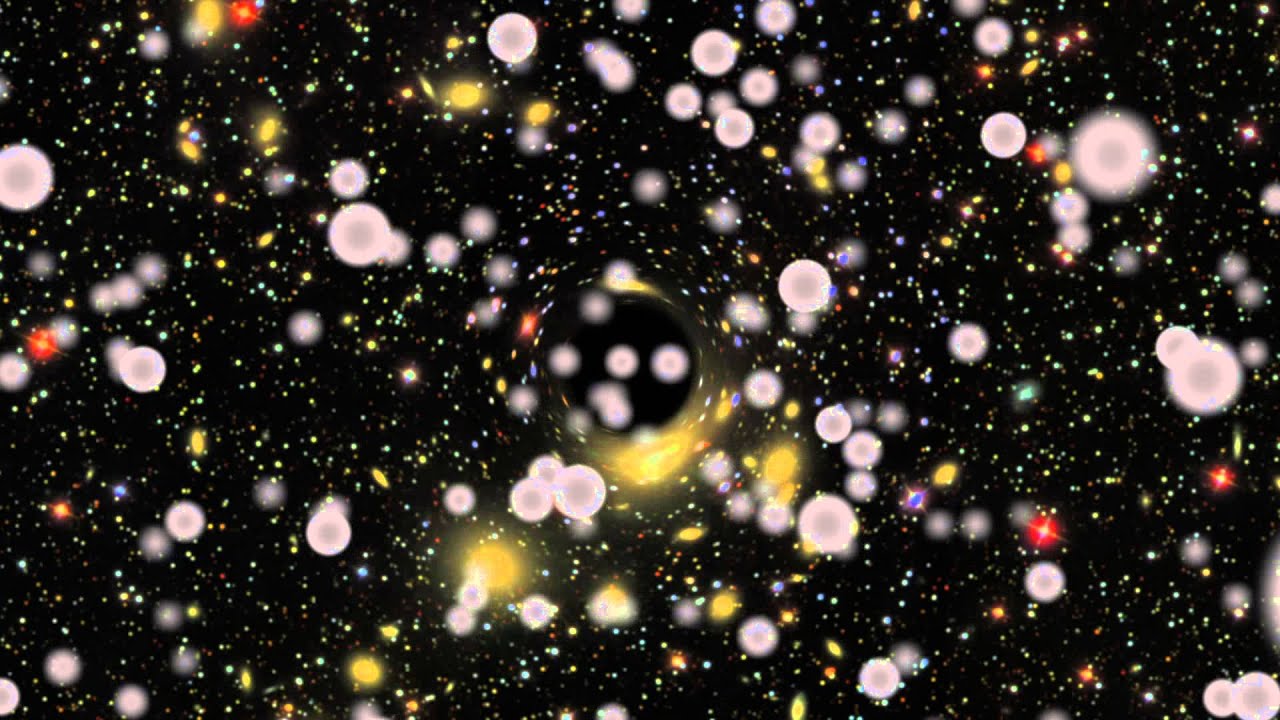
NASA shows how black holes may help find Weakly Interacting Massive Particles.
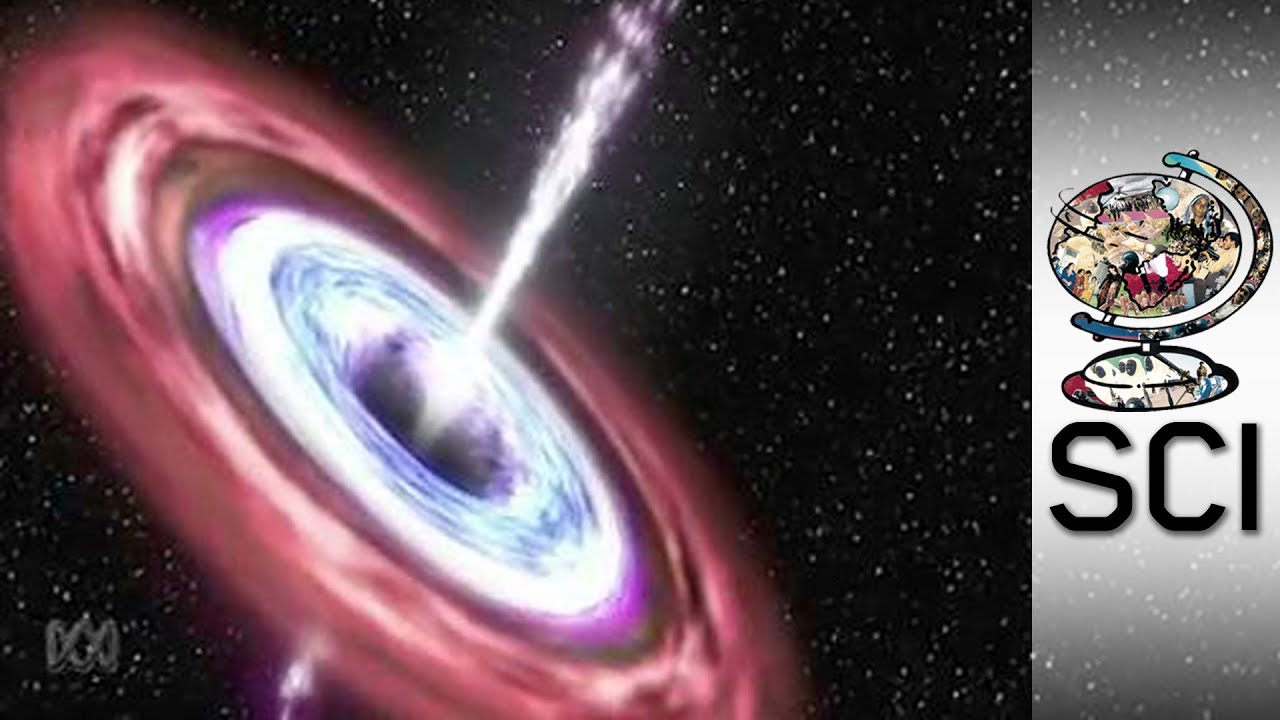
Black holes are mind-blowing objects essential to understanding our universe's fabric.
NASA's visualization studio presents enhanced images of blue-flame plasma on the sun.
Researchers reveal how emails and social networks contribute to brain overload in daily life.
Diabetes, a rapidly growing global health crisis, prompts exploration of surgical interventions as potential cures in a film by Economist Films.
Genetic testing services, such as 23andMe, claim to predict health risks and lifestyle choices, but their accuracy and reliability remain subjects of debate among experts.
Children from wealthy families hear about 30 million more words than those from poorer backgrounds in their first three years, impacting their development.
In Maryland, Josh utilizes bull sharks to aid in locating a sunken World War II boat while exploring local legends like the Chessie sea monster.
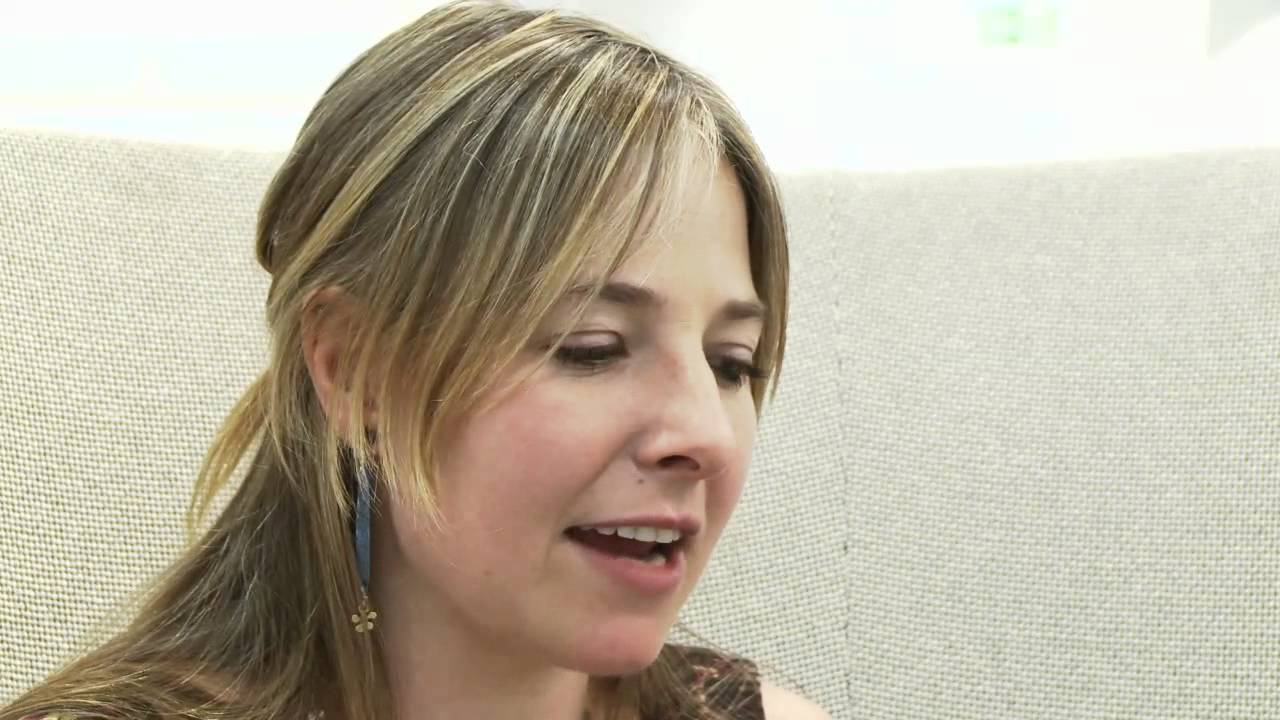
Alice Roberts discusses science as an amazing tool for global challenges and public engagement.
Mars Express, ESA's first planetary mission, maps the Red Planet and reveals its landscapes.
Carrie Smith studies pollution effects on New York City cyclists using health monitors.
Energy is exchanged and transferred across the universe, from nearly frozen atoms to the explosive forces of colliding stars and black holes.
Steve Spangler demonstrates a simple experiment to control air flow using everyday materials.
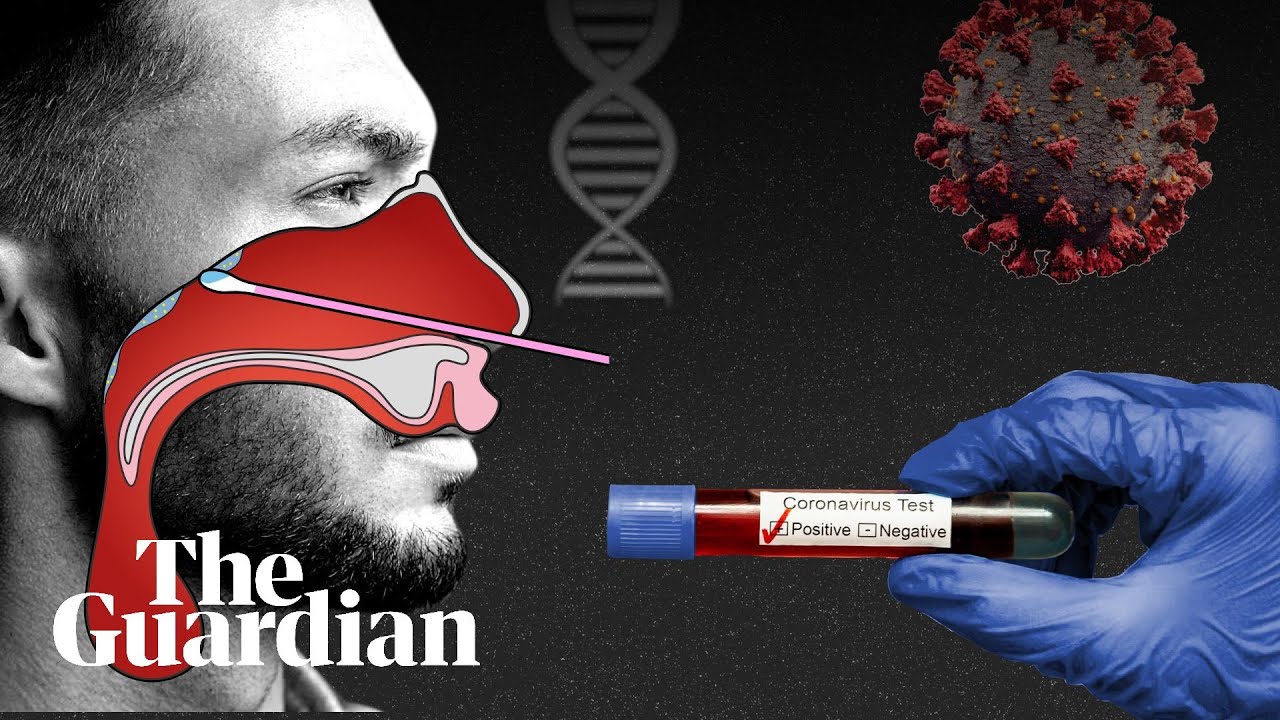
Davey Smith explains PCR tests for COVID-19 and their importance in accurate diagnosis.
Nigel, an acclaimed science populariser, explores the future of the solar system and the mysteries of the cosmos in this informative presentation.
Nigel, an internationally acclaimed science popularizer, explains the concept of a light-year as a measure of astronomical distance equivalent to about 9 trillion kilometers.
White holes, as explained by Nigel in response to a question from Willow Roberts, are hypothetical regions of spacetime that allow matter and light to escape.
In 2006, the International Astronomical Union reclassified Pluto as a dwarf planet, reducing the Solar System's recognized planets to eight and highlighting its unique characteristics.
Only 12 wild ancestors remain in the gene pool of Przewalski's horses, prompting scientists to clone Kurt to increase genetic diversity.
Michael Skinner's research at Washington State University reveals inherited DNA's impact on health.
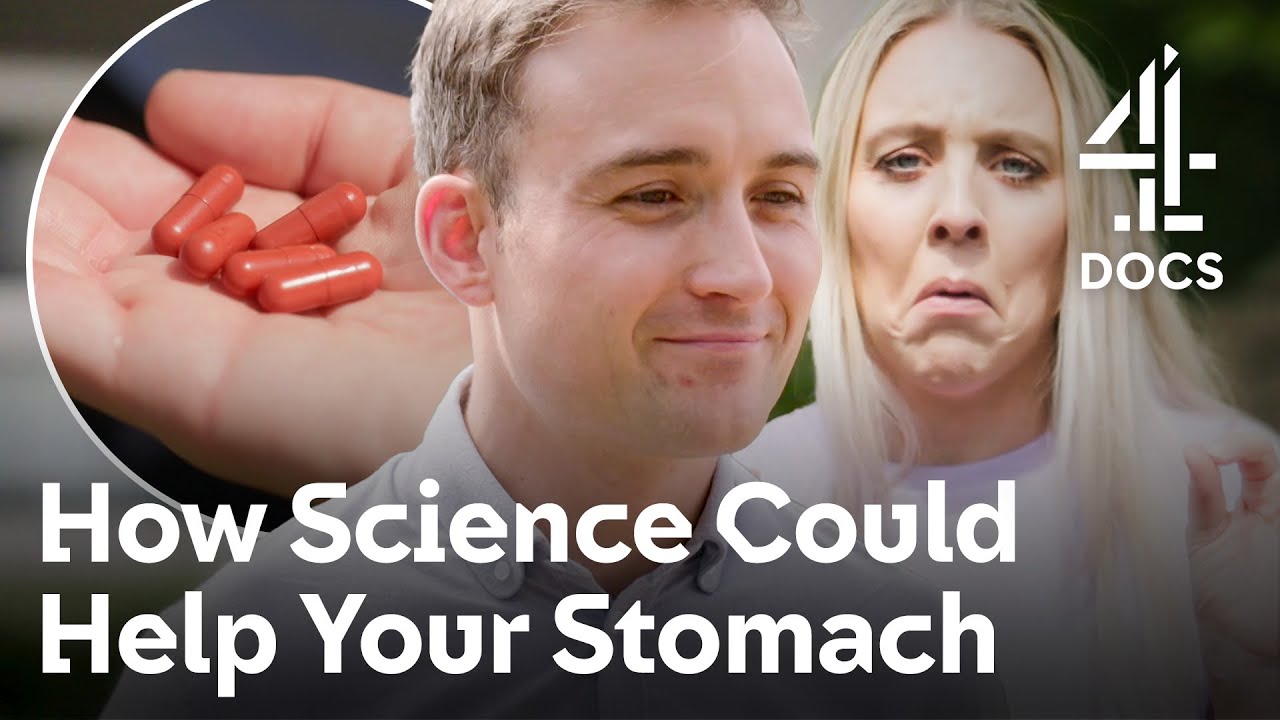
Doctors in London use innovative capsules to improve gut health and help sick individuals.
55 Cancri e, a planet composed largely of diamond, raises questions about the potential for human habitation in extreme extraterrestrial environments.
A team attempts to transport a 70-ton limestone block across the Nile using a rope-stitched boat, revealing ancient Egyptian engineering techniques.
NASA's Curiosity rover encounters various technical challenges during its mission to Mars, highlighting the complexities of space travel and engineering solutions.
Upsilon Andromedae b is a hot Jupiter with unique thermal properties observed by Spitzer Science Center.
Dark matter, which constitutes five times more of the universe than ordinary matter, remains undetected despite its significant gravitational influence on visible matter.