From over 100,000 films, discover the handful you'll love.
Free or premium access to the world's largest documentary library.
2332 films(Page 2 of 49)
Quasars, among the most powerful astronomical phenomena in the universe, are examined for their significance and impact on our understanding of cosmic forces.
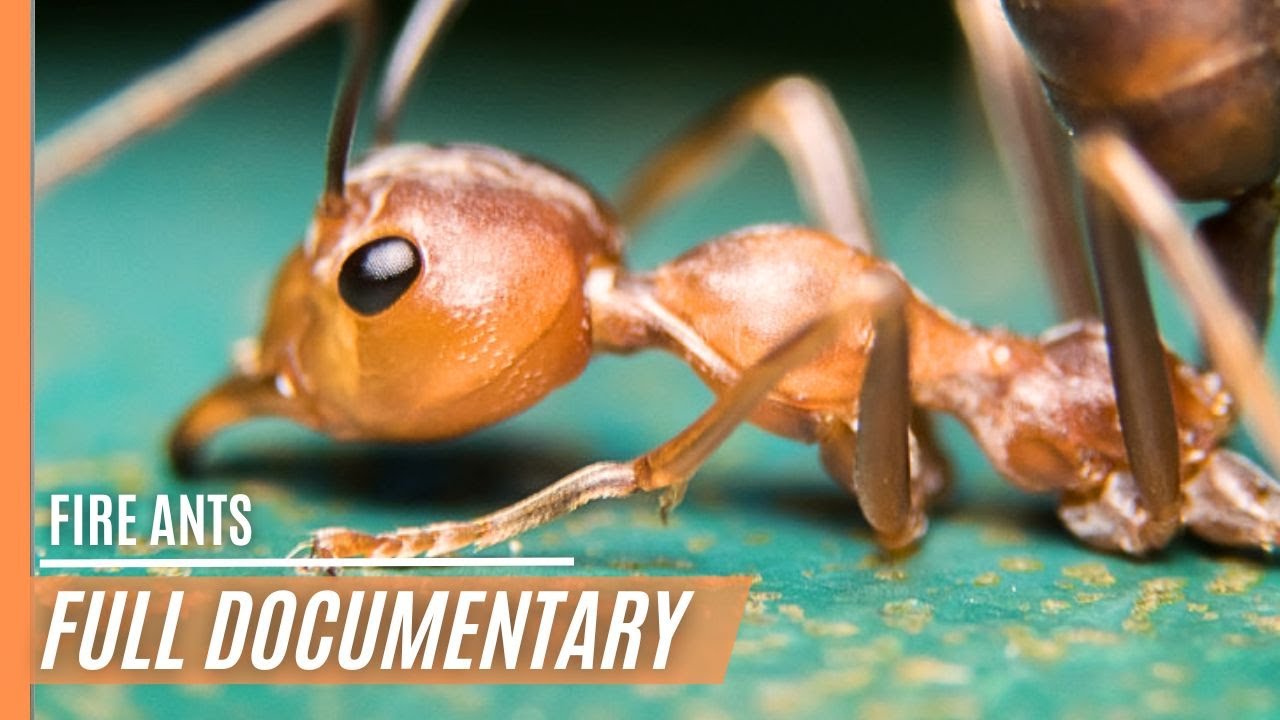
For 80 years, fire ants have caused an estimated six billion dollars in annual crop damage, equipment repair, and pest control costs across the United States.
In the late 1970s, physicist Sydney Coleman discovered a way to potentially destroy the entire universe through the concept of a false vacuum.
The Planck length measures 1.6 times 10 to the minus 35 meters, a fundamental unit that helps define the universe's physical laws.
A 4,000-foot rock face in Eastern Greenland awaits its first ascent as Alex Honnold leads a six-week expedition to study climate change impacts.
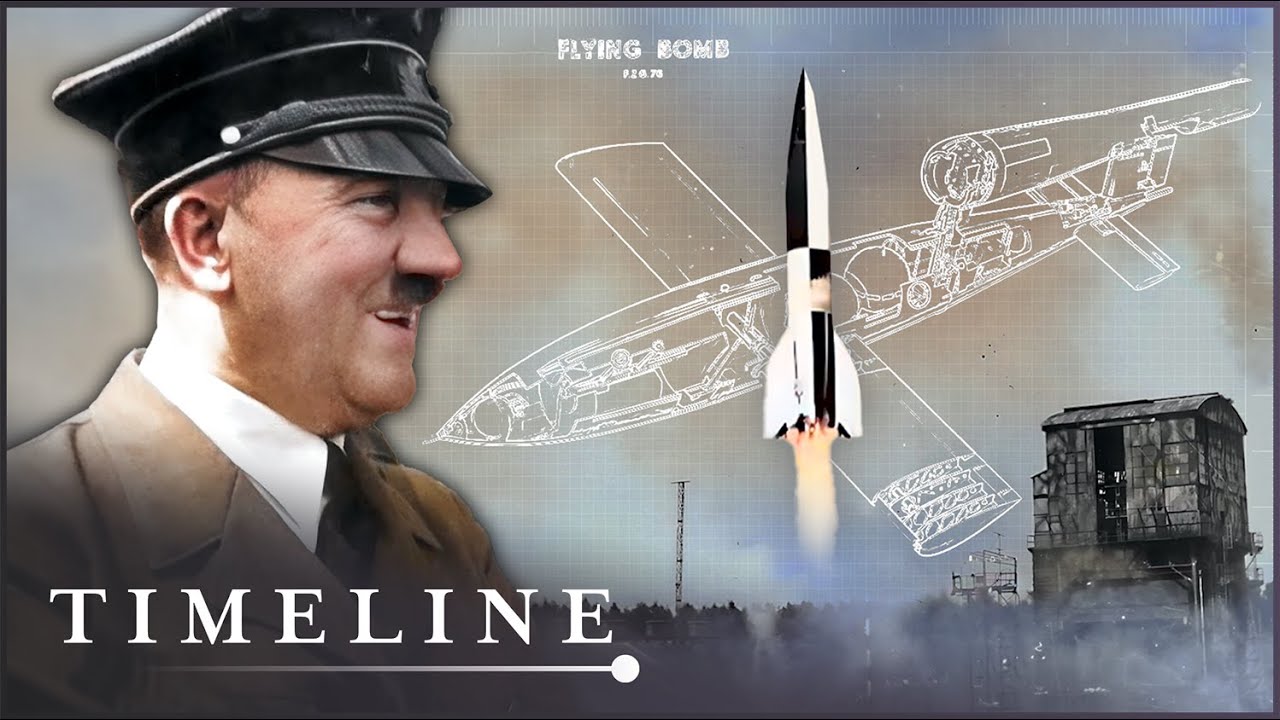
April 1945 marks a staged Nazi victory celebration in New York City, imagining a world where Germany won World War II through advanced weaponry.
Alex Honnold and glaciologist Heidi Sevestre attempt to climb the Ingmikortilaq sea wall in Greenland while researching climate change's impact on glaciers.
On December 12, 1970, NASA launched the Uhuru satellite, the first space telescope dedicated to observing X-rays from a platform off Kenya's coast.
The Grasberg and Erzberg mines, rising nearly 14,000 feet, took 20 years to build and cost over $3 billion to develop in Irian Jaya.
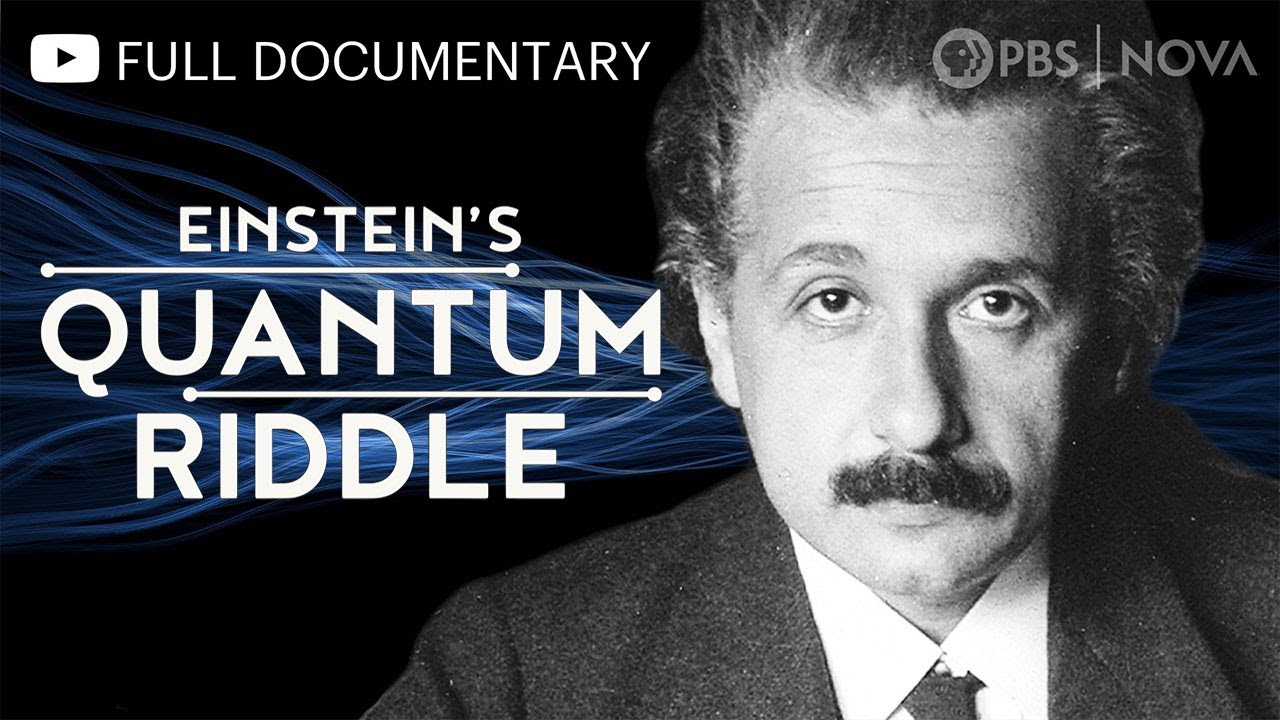
300 miles off the coast of West Africa, physicists set up an experiment to test quantum entanglement, a concept Albert Einstein dismissed as impossible.
In Greenland, scientists led by Eske Willerslev search for ancient DNA in soil to reveal the genetic makeup of long-extinct creatures from the Pliocene epoch.
Rio, a ten-year-old scarlet macaw, attempts a string pull test to retrieve a peanut, demonstrating problem-solving skills previously underestimated in birds.
Therapsids, ancient ancestors of mammals, adapted and survived multiple extinction events, leading to the diverse mammalian lineage present today.
Scientists at Rad Fest claim that aging is a curable disease and aim to end old age, with some predicting humans could regularly live to 120 by 2050.
NASA's Mariner 9 became the first probe to orbit another planet in 1971, revealing Mars' surface features after months of dust storms.
Hana and Joon Seung, key characters in the series MARS, are explored through their dramatic backstory in the lead-up to humanity's colonization of Mars.
74 stations in a gymnasium simulate the galaxies' evolution over millions of years, illustrating how the universe is already declining.
Chris Packham, diagnosed with Asperger's in his forties, reflects on his life and the challenges of social interactions while questioning the desire for a cure.
66 million years ago, dinosaurs roamed the Americas, and recent fossil discoveries are reshaping our understanding of their behavior and intelligence.
2000 miles is the distance barnacle geese travel each winter to reach a Scottish river, guided by quantum mechanics in their navigation.
One in six women and one in ten men develop dementia after age 65, prompting researchers to seek ways to combat age-related diseases.
The search for a unified Theory of Everything spans decades, exploring concepts like string theory, hidden dimensions, and the holographic principle.
Thousands of volunteers contribute gravity readings to investigate how this force affects weight, height, and aging in everyday life.
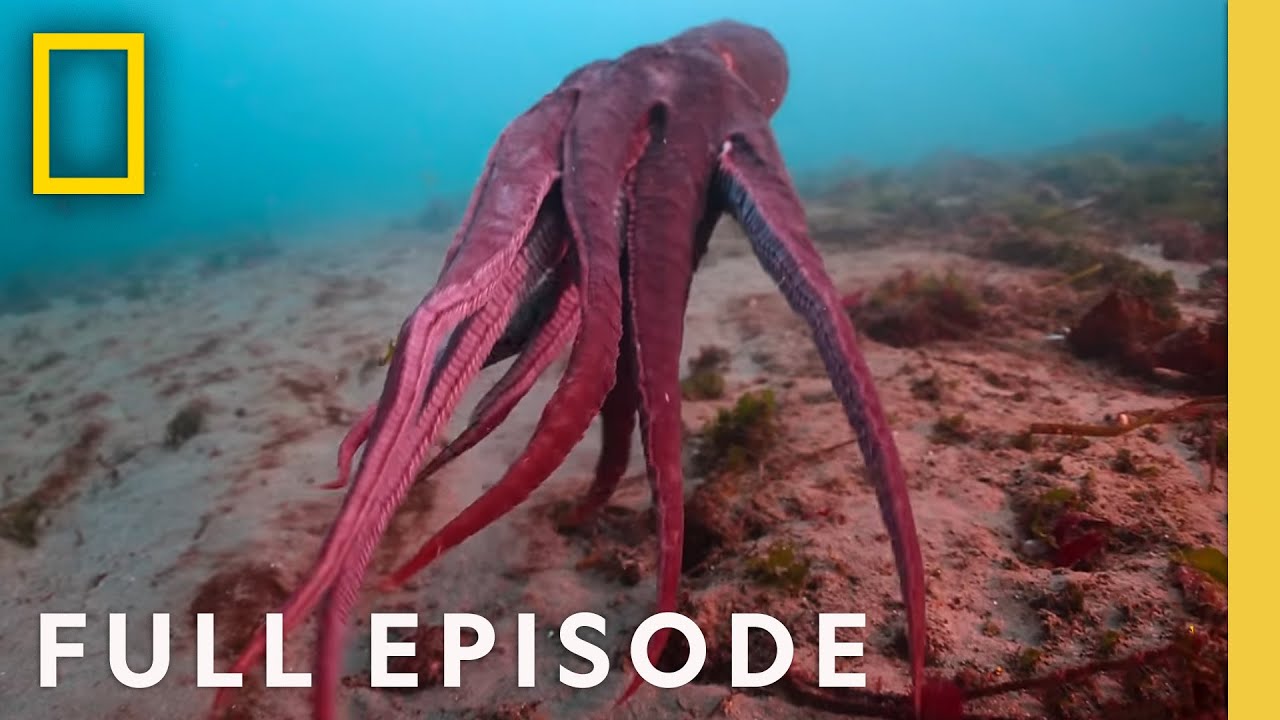
Over 12,200 meters long, the Great Barrier Reef is home to more than 9,000 species, including the highly intelligent day octopus.
Eleven climbers died during the 2024 Mount Everest season, prompting a team to investigate the mystery of George Mallory and Sandy Irvine's 1924 expedition.
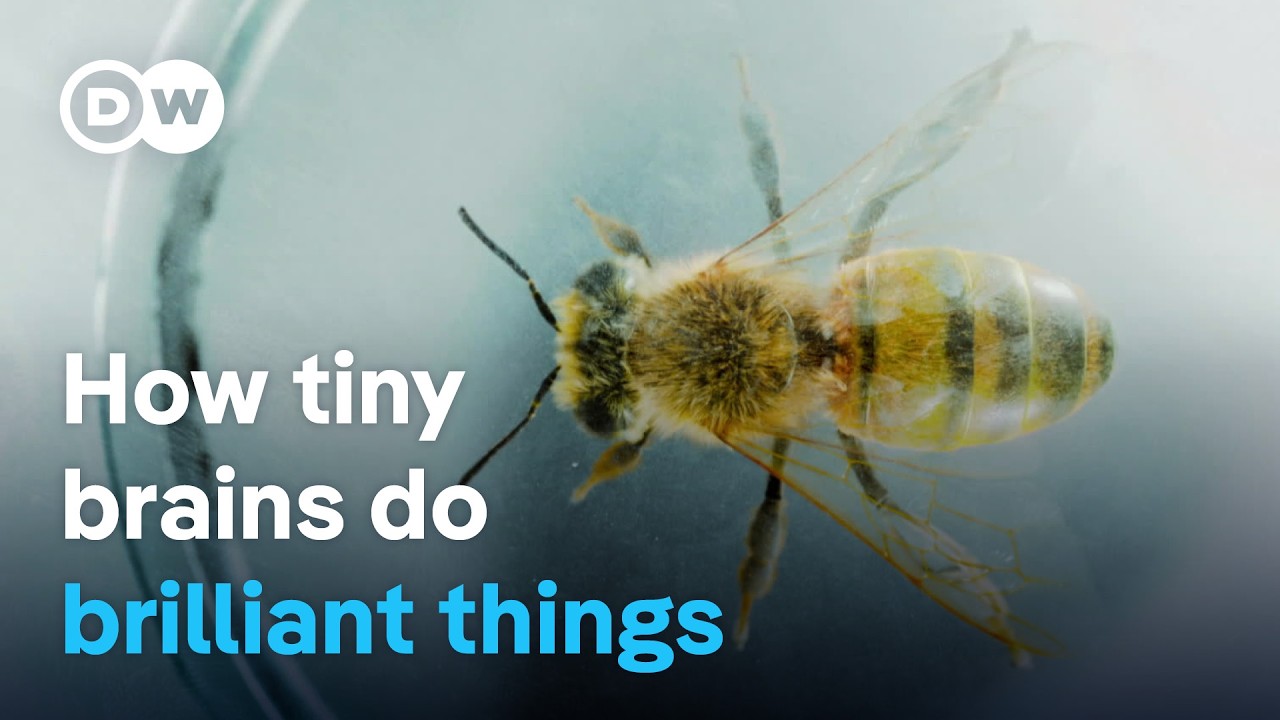
Six bumblebees learn to pull a thread to access sugar water in an experiment, demonstrating their ability to solve new tasks for rewards.
Around 300 years ago, humans developed machines capable of processing extraordinary amounts of energy to perform previously unimaginable tasks.
On September 14, scientists made a remarkable discovery by detecting black holes for the first time using a radical new experiment in Washington state.
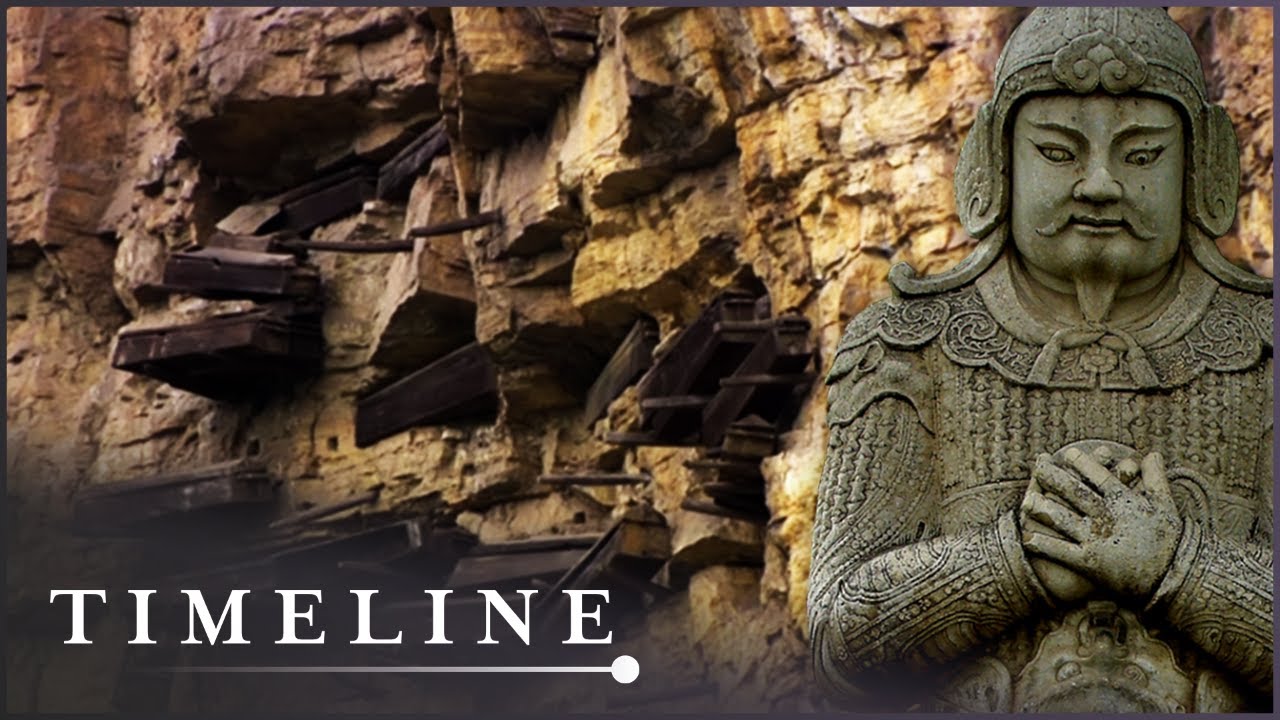
Ancient wooden coffins hang from cliffs in Sichuan Province, revealing burial mysteries in China.
440 square miles of restricted airspace surround Area 51, a military base in the Nevada desert confirmed by the CIA in 2013.
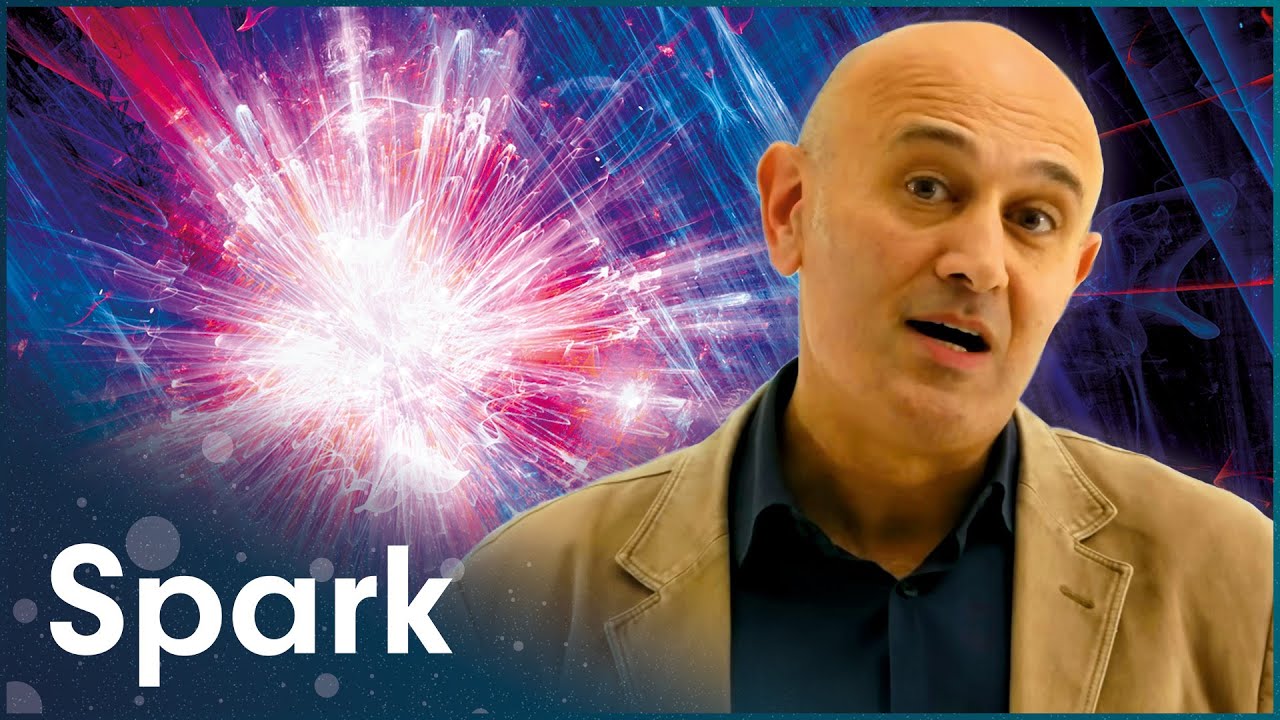
Jim Al-Khalili shows how much information remains hidden from human understanding.
Over 70 research bases built by 30 countries operate in Antarctica, where temperatures can drop to 135.8 degrees below zero.
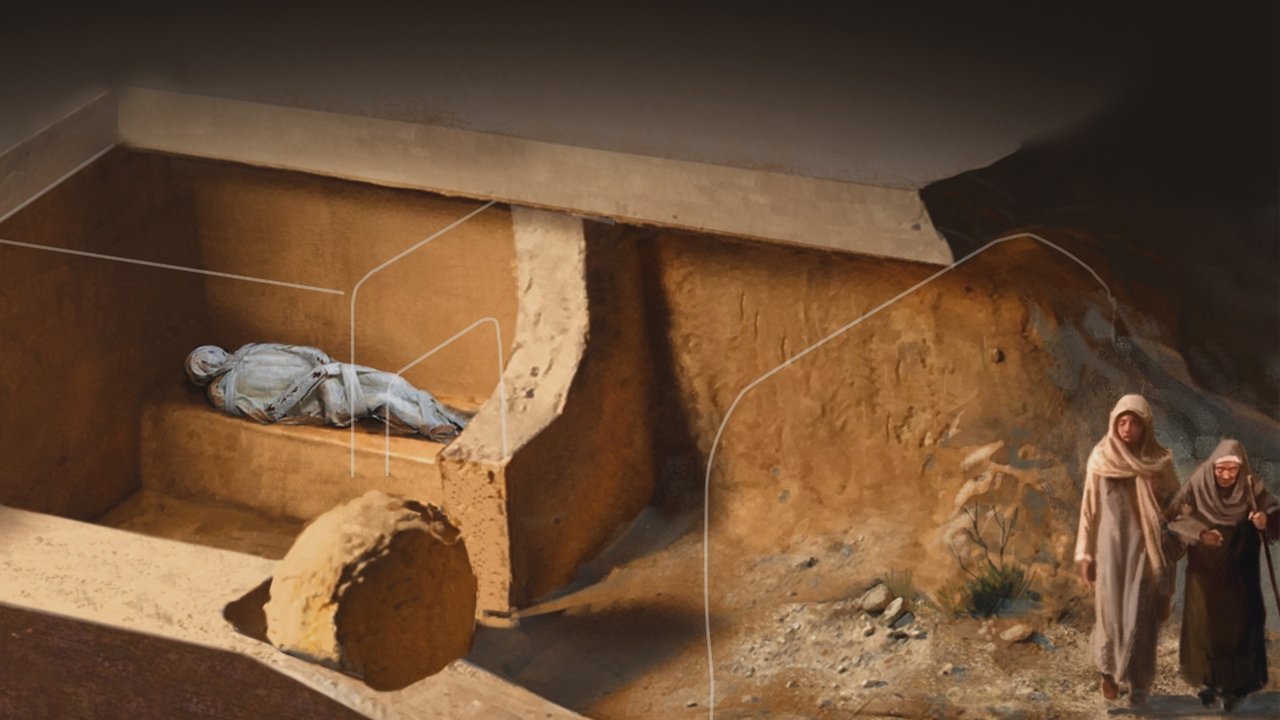
Leading experts use advanced scientific techniques to restore the Aedicula, the structure that houses the tomb of Christ, in a 46-minute investigation.
NASA's Project Gemini used the Titan 2 missile to develop techniques for orbital rendezvous, crucial for the success of the Apollo moon landing.
Most people do not understand what Bitcoin is and how it impacts money today.
Steve Arnold unearthed a record-setting 1,430-pound meteorite in Kansas in 2005, which was later dubbed the million-dollar rock.
A volcanic eruption could have generated tsunamis up to 100 feet high, potentially influencing the biblical story of the parting of the Red Sea.
Over a billion dogs live on the planet, with more than 75 million in the United States alone, reflecting their deep bond with humans.
The International Space Station weighs 460 tons, the same as about 300 cars, and requires complex systems to keep astronauts alive in space.
Radar operators on the USS Princeton detect unidentified objects off the coast of Southern California in November 2004.
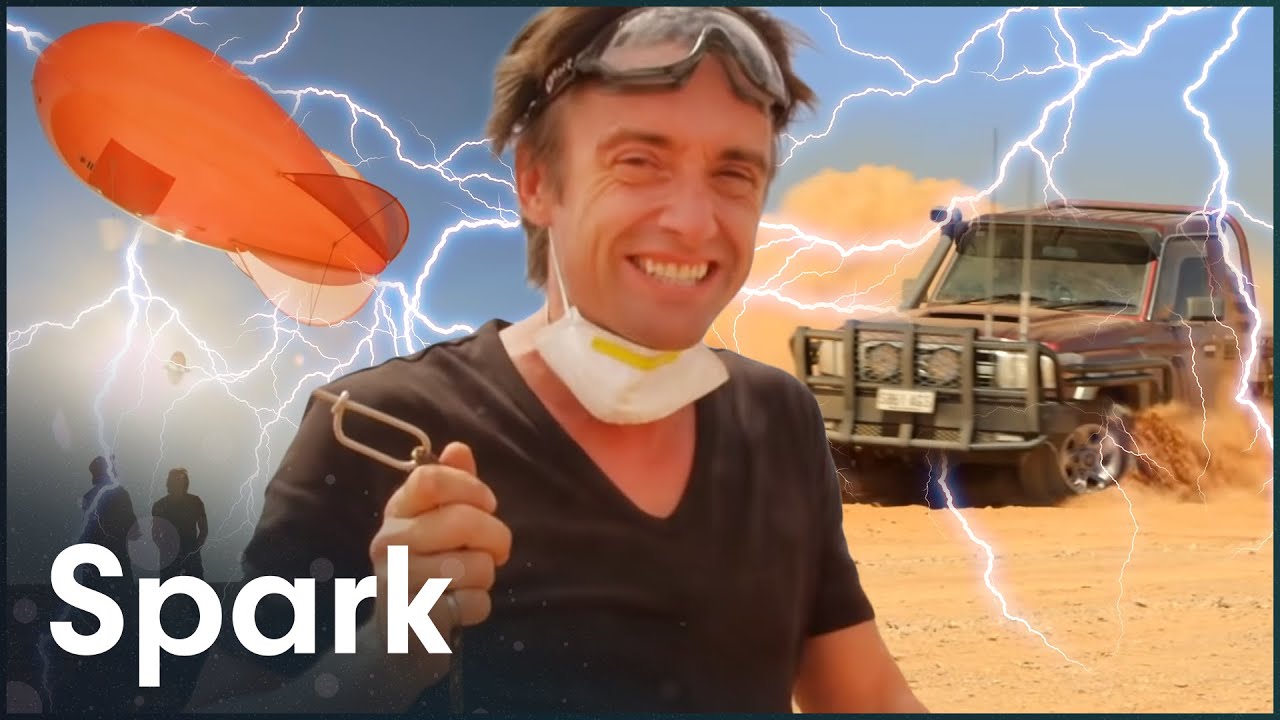
Two specially built metal tables are heated to 200 degrees Celsius to demonstrate how temperature drives weather phenomena like clouds and thunderstorms.
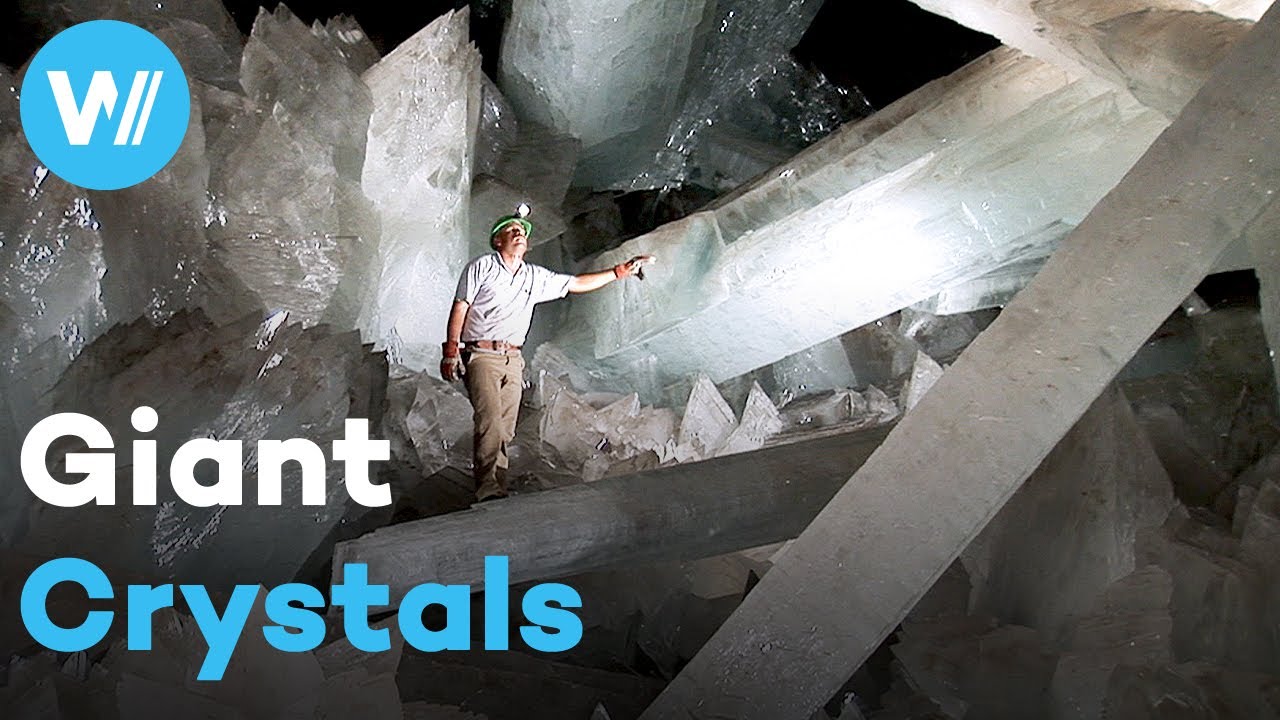
Cueva de los Cristales de Naica in Chihuahua, Mexico, is explored alongside other significant crystal formations to explain the science behind giant gypsum crystals.
Leading physicists believe new evidence shows the existence of parallel universes.
A black hole can be orbited safely from just 30 kilometers away, according to astrophysicist Janna Levin in a discussion about cosmic phenomena.
Over 13 billion years ago, the universe was so small that it could fit inside the palm of a hand before expanding to create everything we see today.
100-inch Hooker Telescope on Mt. Wilson revealed in the 1920s that distant nebulae were actually galaxies moving away from Earth, supporting the Big Bang theory.
More than 1,000 volcanoes around the world are active, with Naples at risk from two nearby: Vesuvius and the lesser-known Campi Flegrei.
Astronomers classify the sun as a population one star, born from a stellar nursery filled with gas that collapsed under gravity's power.