From over 100,000 films, discover the handful you'll love.
Free or premium access to the world's largest documentary library.
2331 films(Page 29 of 49)
Dr. Emma Liu's team uses a drone to sample gases from Villarrica volcano's lava lake.
Duct tape plays a crucial role in saving the real Apollo 13 crew during their mission.
Electric bandages created by researchers at the University of California, San Diego, utilize advanced technology to significantly enhance the healing process.
Gene editing technologies like CRISPR are being employed by scientists to create groundbreaking treatments for genetic diseases such as sickle cell anemia and cystic fibrosis.
A global study reveals that wealth does not always correlate with happiness, showing higher satisfaction in Europe and declining happiness in America despite economic growth.
Momofuku Ando's creation of instant ramen in post-World War II Japan addresses hunger and revolutionizes global eating habits.
Scientists at Big Bear Solar Observatory determine the Sun's age as 4.57 billion years.
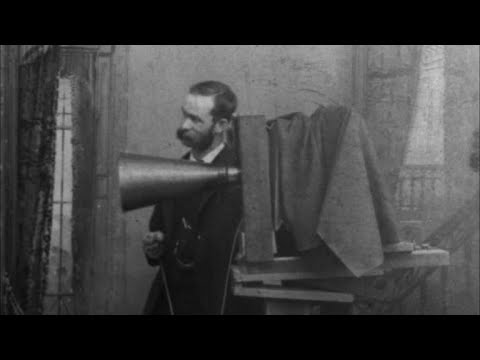
This video discusses how potatoes contributed to the development of color photography.
Almost 110,000 statues, some reaching 56 feet in height, are housed within the Longmen Grottoes along China's Yi River.
Carla Dove works to prevent bird strikes, enhancing safety for birds and planes in aviation.
An autonomous truck navigates traffic, showcasing the future of driving in the United States.
NASA's James Webb Telescope visualizes star formation in the Eagle Nebula's dense clouds.
The launch of Sputnik spurs the birth of the internet in America during the Cold War.
Superman confronts the KKK in the 1940s after fighting Hitler and Hirohito.
Nikola Tesla's vision of wireless power is being revived by companies like Why Tricity.
More than 20,000 Australians undergo androgen deprivation therapy, which stops testosterone production to treat prostate cancer.
Wilson Greatbatch's invention of the pacemaker transformed cardiac care, stemming from his commitment to help others after a near-death experience in World War II.
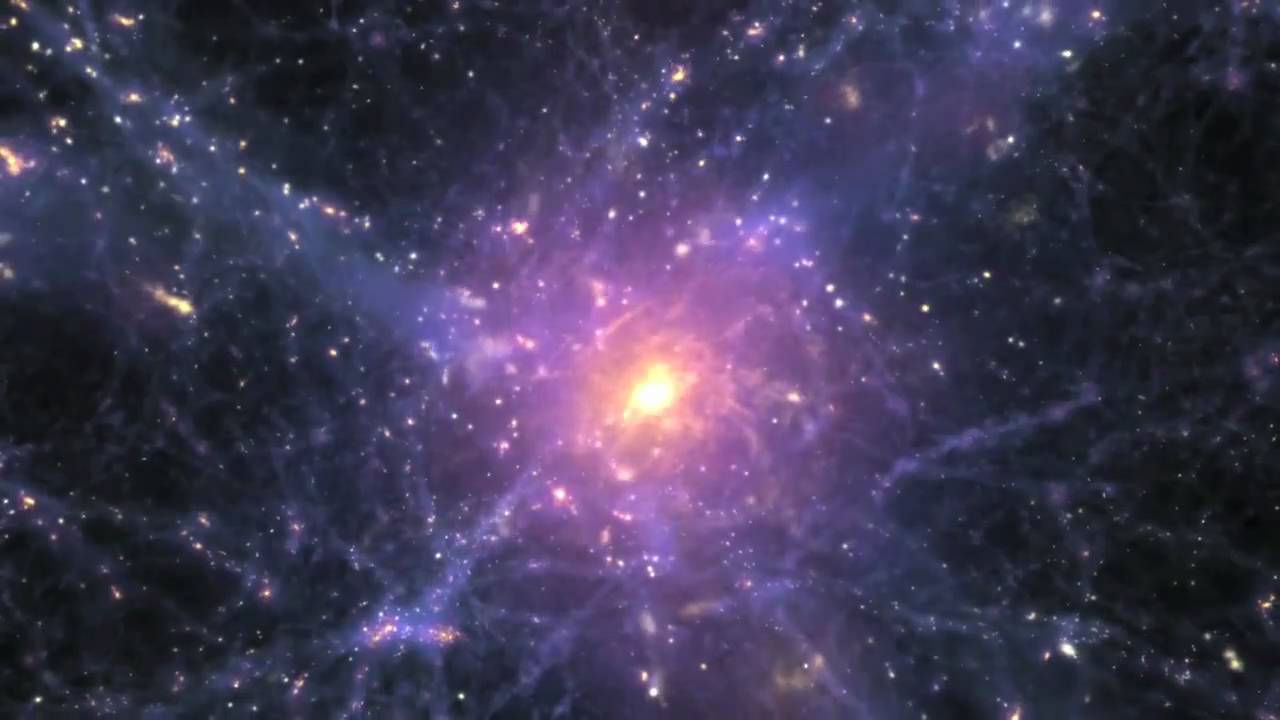
NASA's James Webb Telescope shows how gravity forms large-scale structures in the universe.
Malaria still kills 400,000 annually, but gene-editing technology offers new hope.
Katie Acosta, a non-directed kidney donor, exemplifies a rising trend in altruism, with living kidney donations to strangers increasing by 31% from 2017 to 2018.
Brain Worm discusses lethal diseases caused by parasites that invade the brain and vital organs.
By 2040, global energy use is projected to increase by 30%, necessitating a shift to cleaner energy sources to combat climate change.
Dr. Fleishman uses maggots to treat infected wounds when antibiotics fail.
Gifted children show early skills, self-starting abilities, and obsessive interests in their passions.
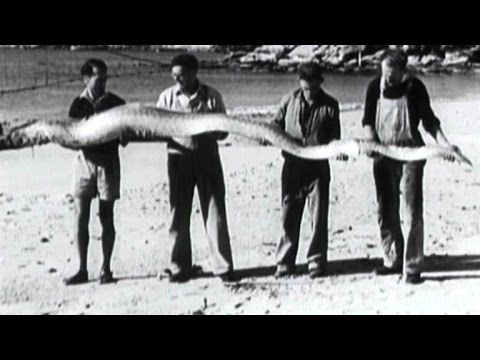
Dr. Tom Davey tests if waves create sightings of the Loch Ness Monster despite little evidence.
Professor Jim Al-Khalili explains how we could be smelling through vibrations in quantum physics.
A total solar eclipse occurs approximately once every 18 months somewhere in the world, with the last coast-to-coast eclipse in the U.S. happening in 1918.
Smithsonian scientists provide practical tips and techniques for photographing Mars, detailing necessary equipment and settings for optimal results.
The Hubble Space Telescope's first light images in HD showcase galaxies, nebulae, and other celestial phenomena, revealing intricate details of the universe.
Hubblecast reveals how light's spectrum informs our understanding of the Universe.
Astronomers capture infrared images of the Monkey Head Nebula, located 6,400 light-years away, showcasing its active star birth region.
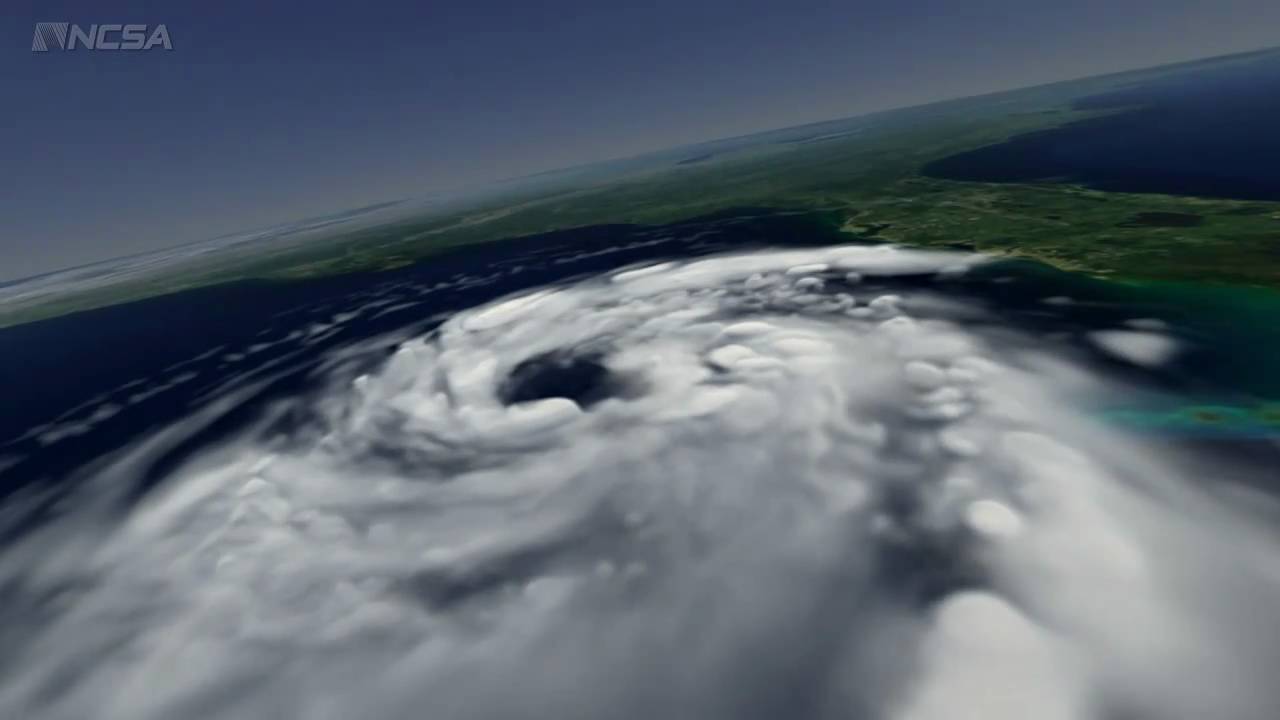
Hurricane Katrina's peak intensity in 2005 is visualized through a computer simulation created by the Advanced Visualization Lab at the University of Illinois.
An ambitious creator builds a satellite named SAT GUS, tackling thermal vacuum testing and camera integration with help from NASA and private aerospace experts.
Cassini reveals possible ice volcanoes on Titan, resembling those on Earth.
Astronomers use art to visualize over 500 distant exoplanets identified by Spitzer Science Center.
Dr. Nicolas Jaeger tests body behavior during hypoxia on Mount Everest's ascent.
Glaciologists climb Chhota Shigri in India to measure its rapid melting and climate impact.
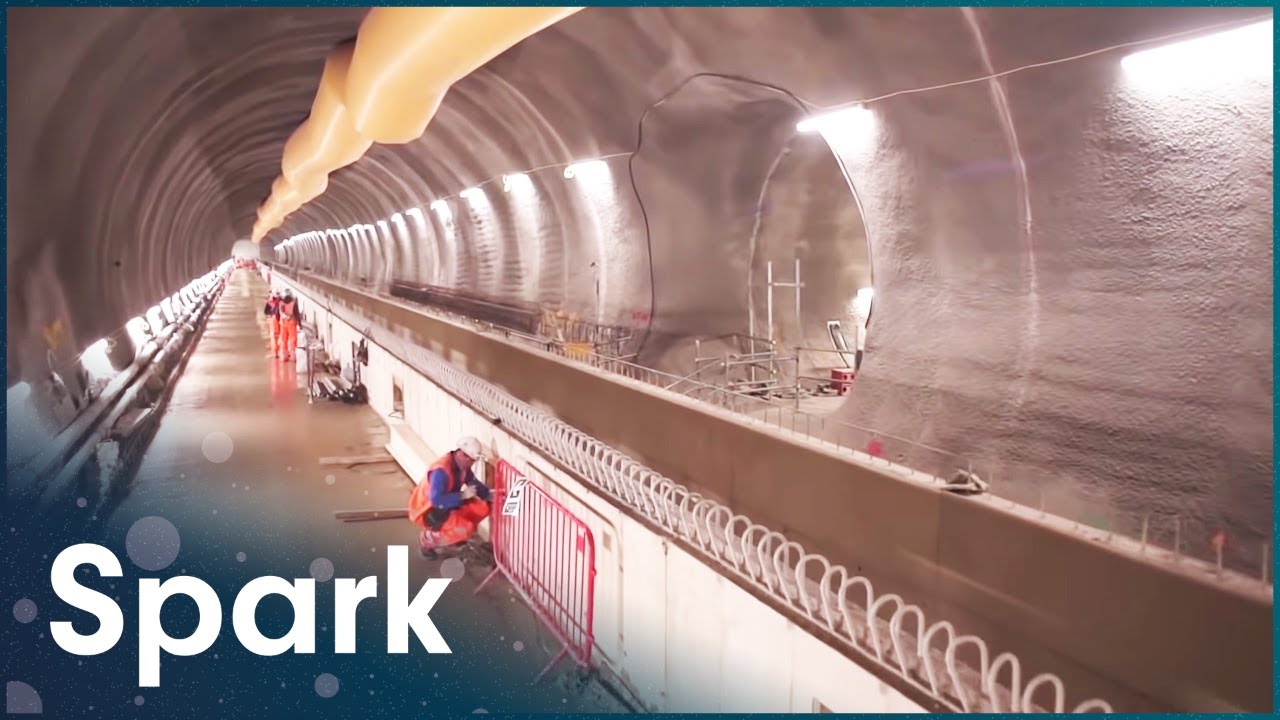
Drones reveal the unbelievable size of London's hidden Crossrail construction project.
Nora AlMatrooshi and Mohammed Al Mulla train with NASA for future space missions.
Interstellar flight presents significant challenges and technological advancements that could determine humanity's future in space exploration and survival.
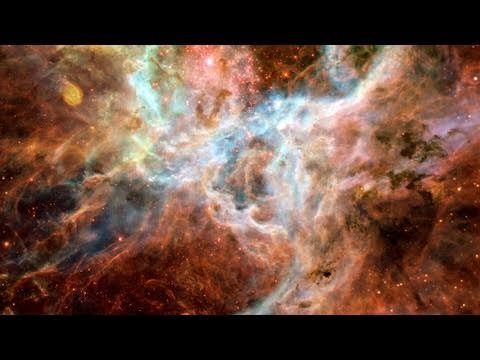
The video showcases the Tarantula Nebula in a new image from the Hubble Space Telescope.
On the north Kent coast, Dr Tori Herridge and her team investigate one of the oldest shipwrecks in the world, revealing its historical significance.
Billions are being invested in nuclear fusion development, with researchers aiming to replicate the sun's core conditions to create limitless clean energy.
James May uses Scalextric and Meccano in ambitious challenges on Toy Stories.
The Big Bang Machine questions if scientific progress could lead to global disaster.
By January 27th, Margaret Howe works with Peter the dolphin, attempting to teach him to mimic human sounds and engage in basic conversation.
Impressive Jim installs the Dual Draft Integrated Airflow System, showcasing great technology.
This clip shows Lactobacillus bacteria growing through time lapse photography.