From over 100,000 films, discover the handful you'll love.
Free or premium access to the world's largest documentary library.
2331 films(Page 7 of 49)
This episode highlights SETI's search for extraterrestrial intelligence in our vast universe.
Mariner 2 successfully transmitted data from Venus after 100 days in deep space, marking a significant achievement in early interplanetary exploration.
This episode questions if there is another planet similar to Earth in the universe.
Apollo missions from 1968 to 1972 are explored through firsthand testimonials and archival footage from the astronauts who walked on the moon.
The penultimate episode examines telescopes and their role in understanding the cosmos.
Explorer Josh Gates leads a team, including Jessica Chobot and Phil Torres, as they investigate cryptids and unexplained phenomena around the world.
Eclipse Chasers features leading eclipse scientists studying solar storms and their impact on Earth.
The search for alien life focuses on water sources in the solar system, especially Europa.
On August 14, 2018, the Morandi Bridge in Genoa collapses, sending vehicles and debris 50 meters to the ground and resulting in the deaths of 43 people.
In 1959, the Soviet Luna 3 space probe captured the first images of the Moon's far side, revealing its distinct geological features and challenging existing theories.
In Antarctica, researchers from the British Antarctic Survey and New York University face challenges as the Doomsday Glacier melts, impacting their data collection efforts.
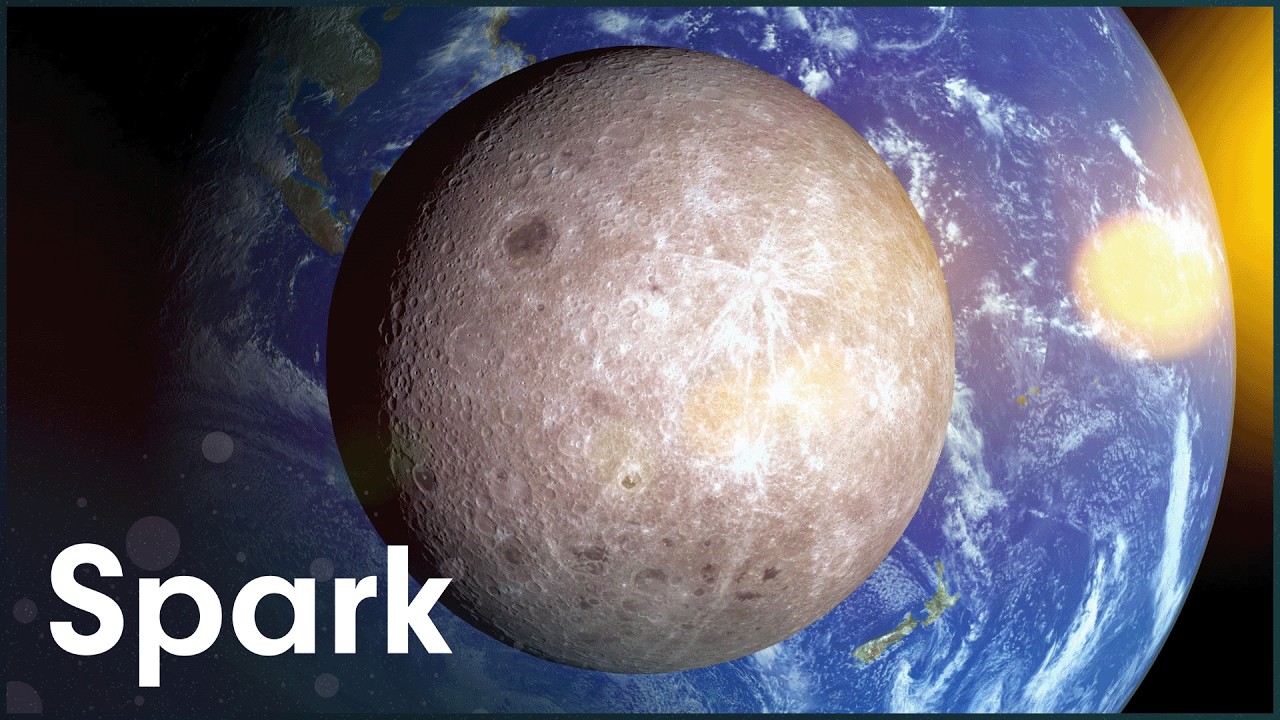
The moon, an 81 million billion ton mass, orbits nearly a million miles from Earth and has temperatures ranging from 250° to -380°.
Four episodes from the series 'Secrets of the Universe' explore the vastness of space, highlighting significant discoveries and mysteries that shape cosmic understanding.
On-orbit observation and advancements in Space Communication and Telescopes are essential for understanding Earth's climatic systems and future directions.
Volunteers take controlled doses of the highly poisonous fly agaric mushroom under medical supervision to study its effects on human perception and emotions.
NASA's Perseverance rover launched on July 30, 2020, marking a significant step towards human exploration of Mars and the return to the Moon.
In 2015, NASA telescopes identified a promising exoplanet with Earth-like temperatures and potential liquid water, prompting astrophysicists to explore similar solar systems.
Over 13 billion years of light travel reveals what the universe looked like in its infancy, providing insights into its early formation.
A newborn elephant weighs more than an average adult man, and Joyce Poole has studied their communication for nearly 50 years in Amboseli National Park.
Astronaut and scientist Ulrich Walter examines the fundamental role of gravity in shaping life on Earth and its significance in understanding the universe.
Mankind's deep curiosity drives exploration of Mars and the universe through technology like Hubble.
In the early 1940s, the Manhattan Project brought together leading scientists to develop nuclear weapons, culminating in the bombings of Hiroshima and Nagasaki.
In 1971, the Mariner 9 spacecraft transmitted over 7,000 photographs of Mars, revealing a cratered surface and suggesting past water flow.
Apollo 17 was the last manned lunar landing, with Commander Eugene Cernan and Lunar Module Pilot Harrison Schmitt collecting vital geological data.
600 species of fish inhabit the clear blue waters of the Florida Keys, where sharks hunt with an insatiable appetite for anything that moves.
The Cold War's tech race between the United States and the Soviet Union significantly influenced modern science and engineering, shaping today's technological landscape.
Nikola Tesla's development of a powerful superweapon is examined alongside the circumstances surrounding his mysterious death, raising questions about potential foul play.
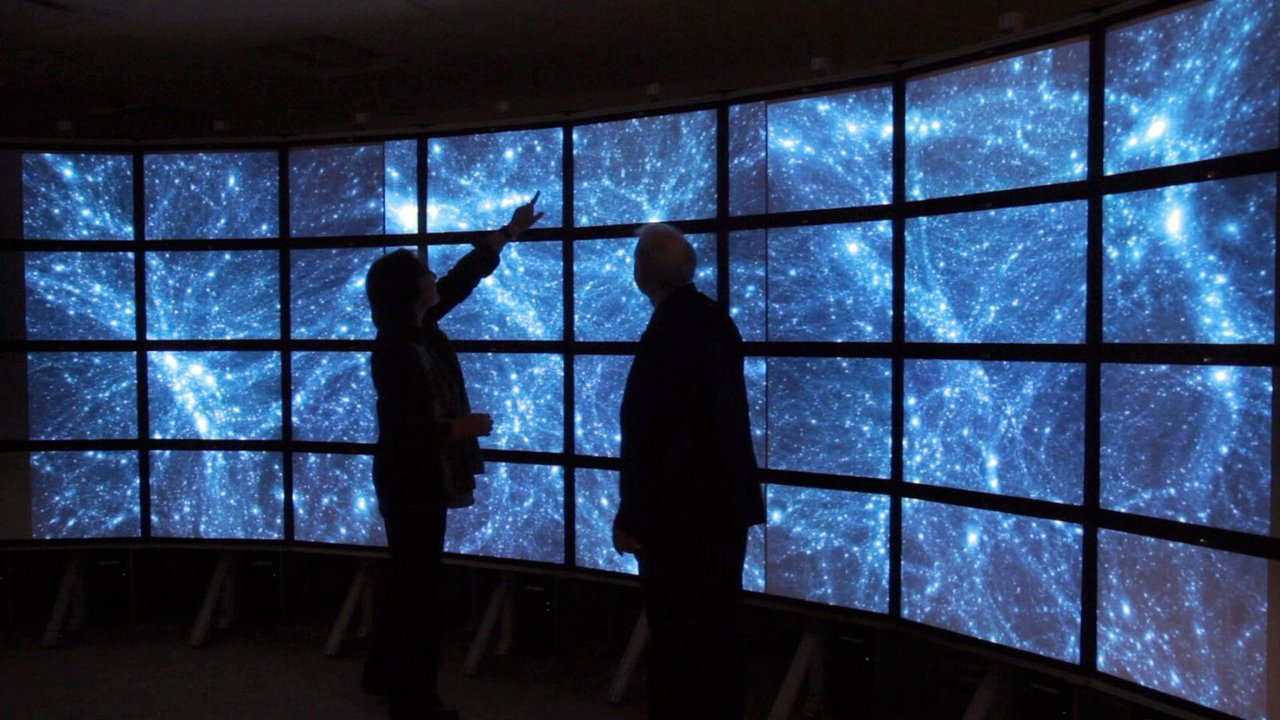
Dark matter and dark energy together account for 95% of the universe, yet scientists have only detected about 5% of this elusive mass.
Dark matter makes up about 27% of the universe, yet scientists still do not know what it is made of.
H.A.A.R.P., a U.S. military project, is scrutinized for its alleged capabilities in weather manipulation and psychological warfare, raising ethical concerns about its technology.
In the last 25 years, paleontologists have made discoveries that have changed the understanding of dinosaur evolution and their relationship to birds.
Over 50 international neuroscientists present findings that challenge the belief that the brain stops developing after childhood.
Life on Earth is argued to have originated from intelligent design rather than random processes, challenging traditional scientific materialism.
Fusion energy aims to create an unlimited and environmentally friendly power source, with recent advancements bringing the goal of a working reactor closer to reality.
Between the 9th and 12th centuries, Baghdad, Damascus, Cairo, and Cordoba were centers of a great leap in scientific knowledge.
500 years ago, a supernova visible from Earth changed the prevailing belief about the universe, leading to a deeper understanding of its size and shape.
At the edge of the solar system, astronomers investigate unusual orbits of celestial bodies that may indicate the existence of a ninth planet.
Octopuses and their relatives, including squid and cuttlefish, are examined for their intelligence and unique adaptations in the marine environment.
3,700 exoplanets have been identified so far, yet no signals from extraterrestrial civilizations have been detected in nearly 60 years of searching.
NASA scientists and former astronauts examine evidence suggesting potential extraterrestrial contact in Season 4, Episode 5 of Ancient Aliens.
Thirteen lives were lost in the 2007 I-35W bridge collapse in Minneapolis, prompting a reevaluation of safety standards in bridge engineering.
Seven astronauts, including teacher Krista McAuliffe, died when the Shuttle Challenger disintegrated 73 seconds after launch on January 28, 1986.
Since its launch in 2013, the Gaia Observatory has mapped nearly 2 billion stars, providing the most detailed overview of the Milky Way galaxy.
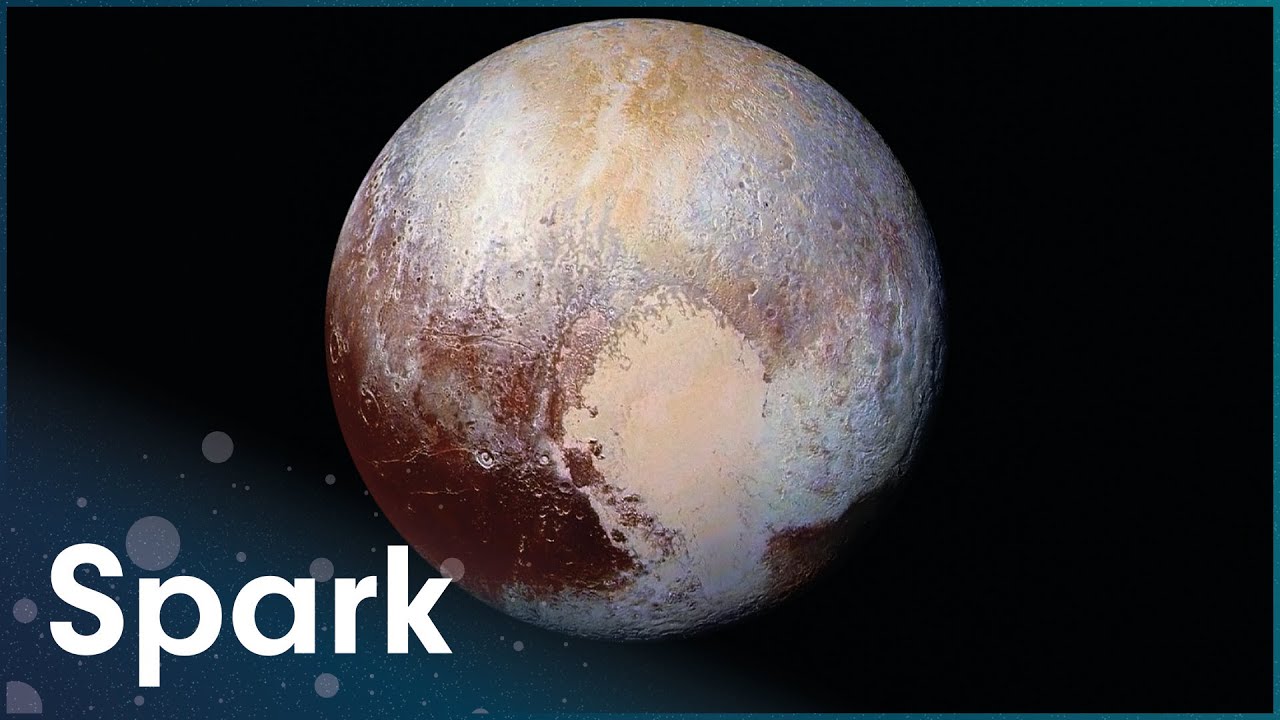
Pluto is 3.5 billion miles from Earth and has potential underground oceans and geysers.
A 13.6-kilometer tunnel under construction in Istanbul will be the deepest immersed tunnel in the world, designed to improve safety after past disasters.
A lander intended for Mars crashed 3.7 kilometers above the surface due to a false altitude reading, illustrating the challenges of space exploration.
DNA evidence from the 1986 murder of Sherri Rasmussen led to a breakthrough in a case that had remained unsolved for over 23 years.
Ice Cube, a neutrino telescope at the South Pole, consists of over 5,000 detectors spread out in a cube about a kilometer on each side.