From over 100,000 films, discover the handful you'll love.
Free or premium access to the world's largest documentary library.
2331 films(Page 49 of 49)
A variant in the TCF7L2 gene can double the risk of type 2 diabetes if inherited from both parents.
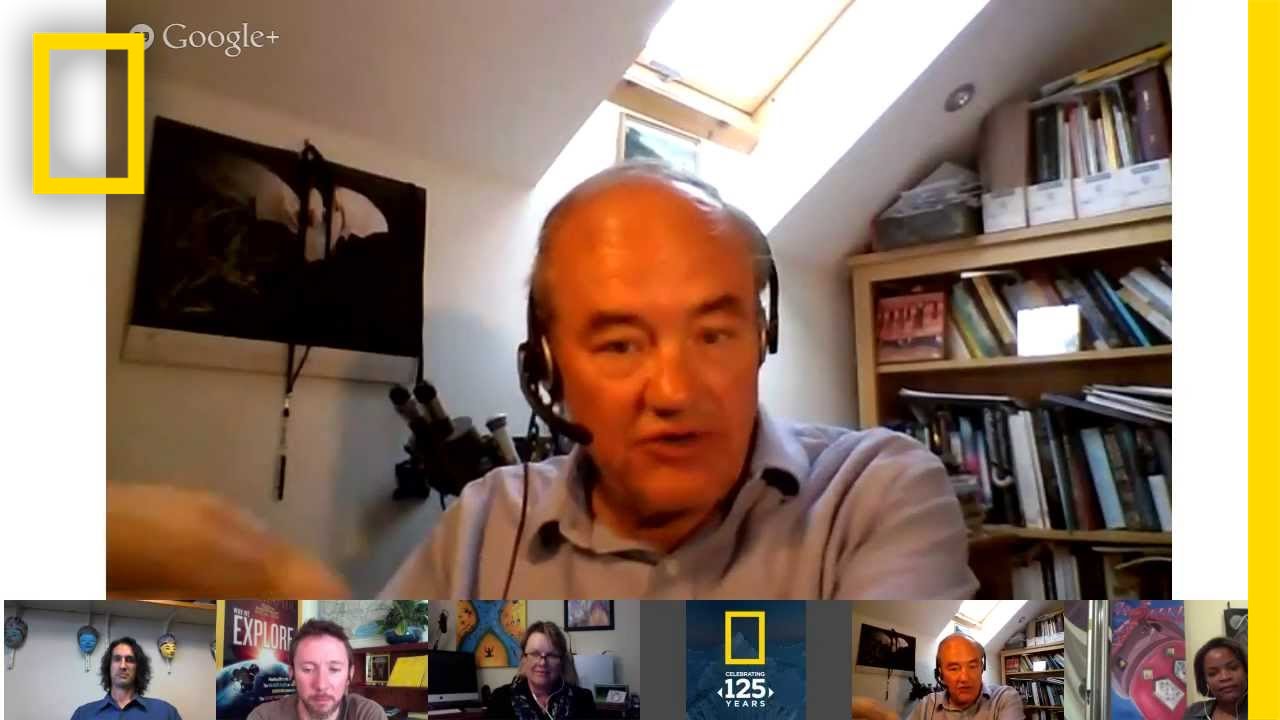
In a Google+ Hangout hosted by , deep-sea diver Jill Heinerth, primatologist Agustin Fuentes, and conservation biologist Paul Racey share stories of exploration failures.
Dr. William Underwood of the Georgia Tech Research Institute presents advancements in file format identification technologies for the National Archives' archival processes.
Dr. Nate hosts a livestream from MIT's Plasma Science and Fusion Center, where graduate students study fusion energy and plasma physics.
A blank canvas can sell for over 100 million R&B, while artists in Shenzhen face negative labels that diminish their work's value.
Dr. Eden Tanner and her team at the University of Mississippi are developing nanoparticles to enhance drug delivery systems for treating and preventing aggressive diseases.
The Higgs boson, proposed in 1964, was discovered in 2012 at CERN's Large Hadron Collider after nearly 50 years of research.
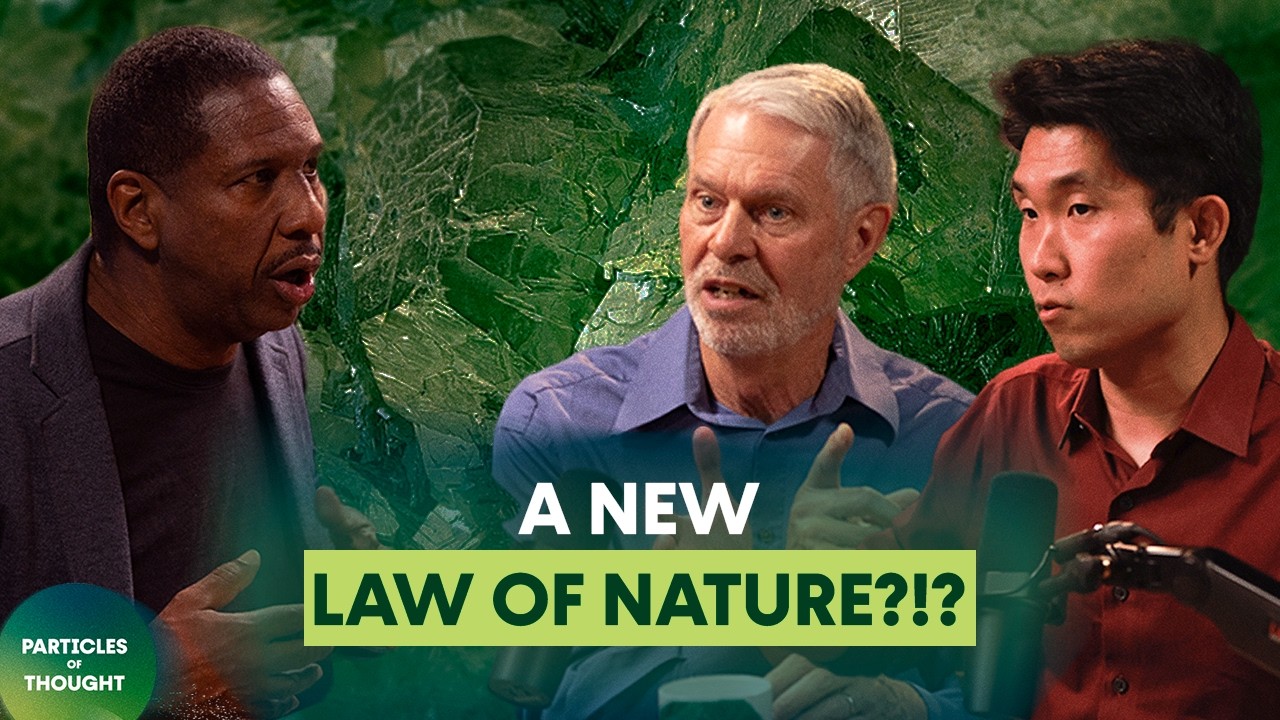
Bob Hazen and Mike Wong propose a new law of nature, the law of increasing functional information, which they discuss in their upcoming book set for release on February 10, 2026.
Romulus and Remus, two dire wolves, are approaching their first birthdays, having been born in October 2024 and January 2025, respectively.
99% of human DNA is identical to that of chimpanzees, a fact discussed by Jane Goodall in her interview with Neil deGrasse Tyson on StarTalk.
Marc Kaufman, author of "Mars Up Close," discusses the history of Mars exploration and insights gained from the Mars rovers at a Live event.
150 is the number of stable social relationships humans can maintain, according to evolutionary anthropologist Robin Dunbar.
Lord Winston discusses the dual nature of innovation and the need for better communication in science.
Ten thousand scientists collaborated on the Large Hadron Collider, which helped confirm the existence of the Higgs boson in 2012.
Ray Bradbury shares insights at Caltech during the Mariner 9 launch in 1971.
Dan Carpenter from Harvard discusses research opportunities related to North American petitions during a presentation at the National Archives in 2014.
The debate questions if enough evidence supports the safety and economic benefits of GM food.
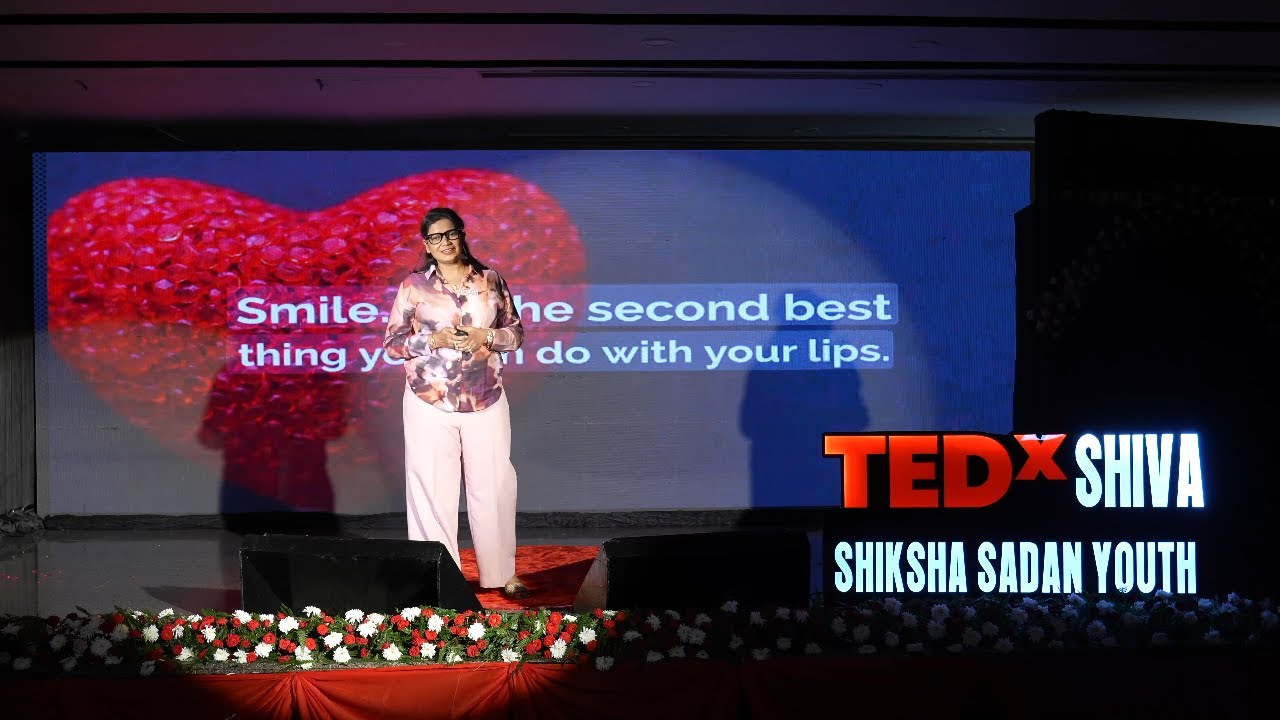
Dr. Deepti Garg's inspiring talk highlights the transformative power of a smile.
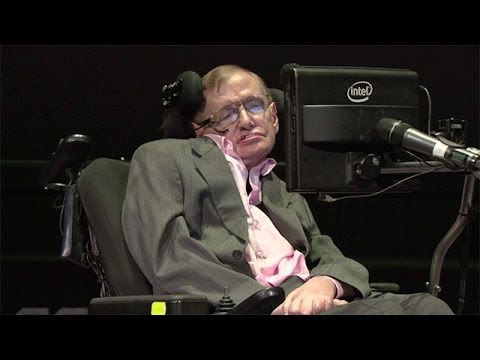
Stephen Hawking became the longest known survivor with ALS at age 71, reflecting on his life and contributions to theoretical physics during a talk on black holes.
Tad Friend discusses asteroids hitting Earth and planetary defense in this week's New Yorker.
Her Excellency Sarah Al Amiri discusses the UAE's Hope Mars Mission and space program goals.
Prof. Nasir Raza Awan discusses reality and perception through neuroscience and philosophy.
Eyad explains resilience and persistence over intelligence in his TEDx talk.
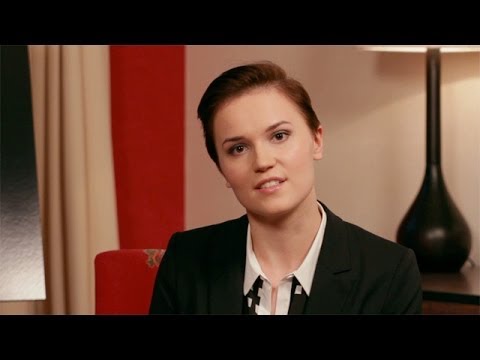
Veronica Roth discusses her trilogy Divergent and future projects in this Guardian interview.
Amir Siraj, a Harvard astrophysics student, discusses his research on panspermia and the potential for life exchange between Mars and Earth.
Krishnapriya, a Mechanical Engineering student at Mar Athanasius College of Engineering, shares her achievements and insights on curiosity's role in innovation and success.
Reading has declined significantly, with many people struggling to recall the last time they voluntarily enjoyed a book.