From over 100,000 films, discover the handful you'll love.
Free or premium access to the world's largest documentary library.
2331 films(Page 28 of 49)
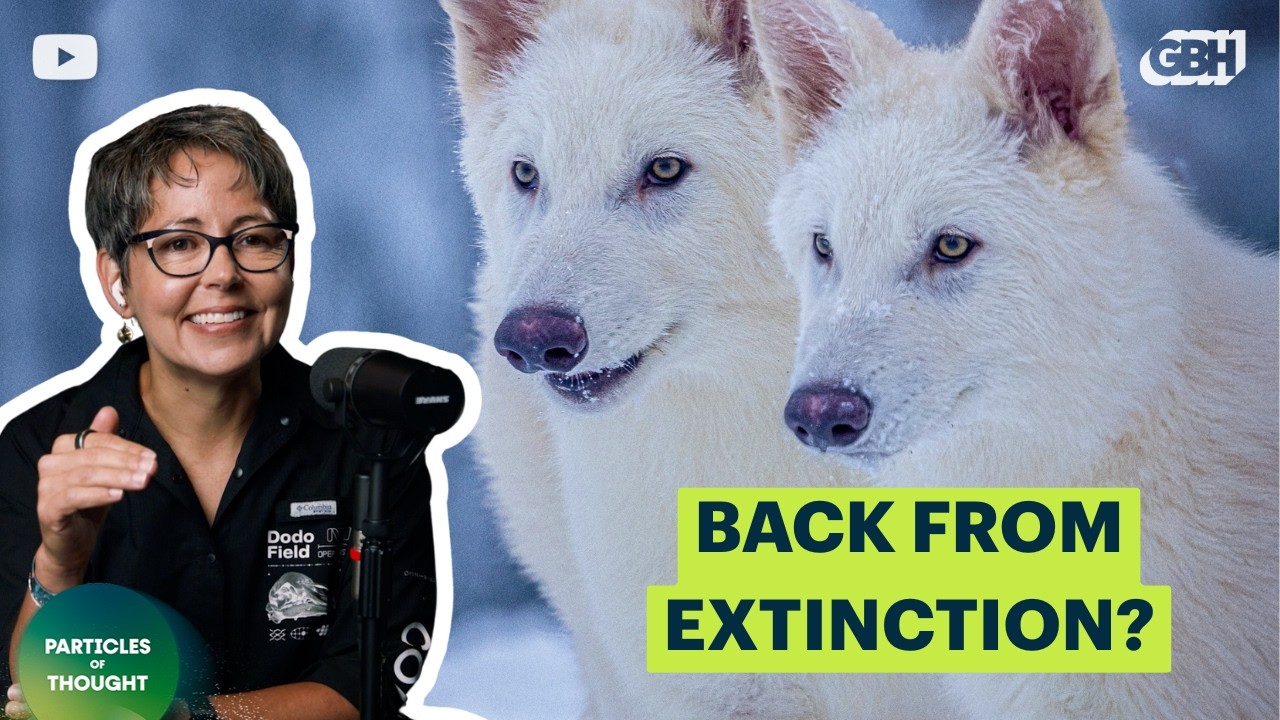
Beth Shapiro, Chief Science Officer at Colossal, explains the scientific principles behind de-extinction and why the scenarios depicted in Jurassic Park are unrealistic.
The Johnson-Sea-Link submarine finds a cold seep 2000 feet down on the ocean floor.
Astronomers use the Very Large Telescope in Chile to reveal new galaxies in the Universe.
Some researchers link Isaac Newton's genius to Asperger's syndrome in this insightful documentary.
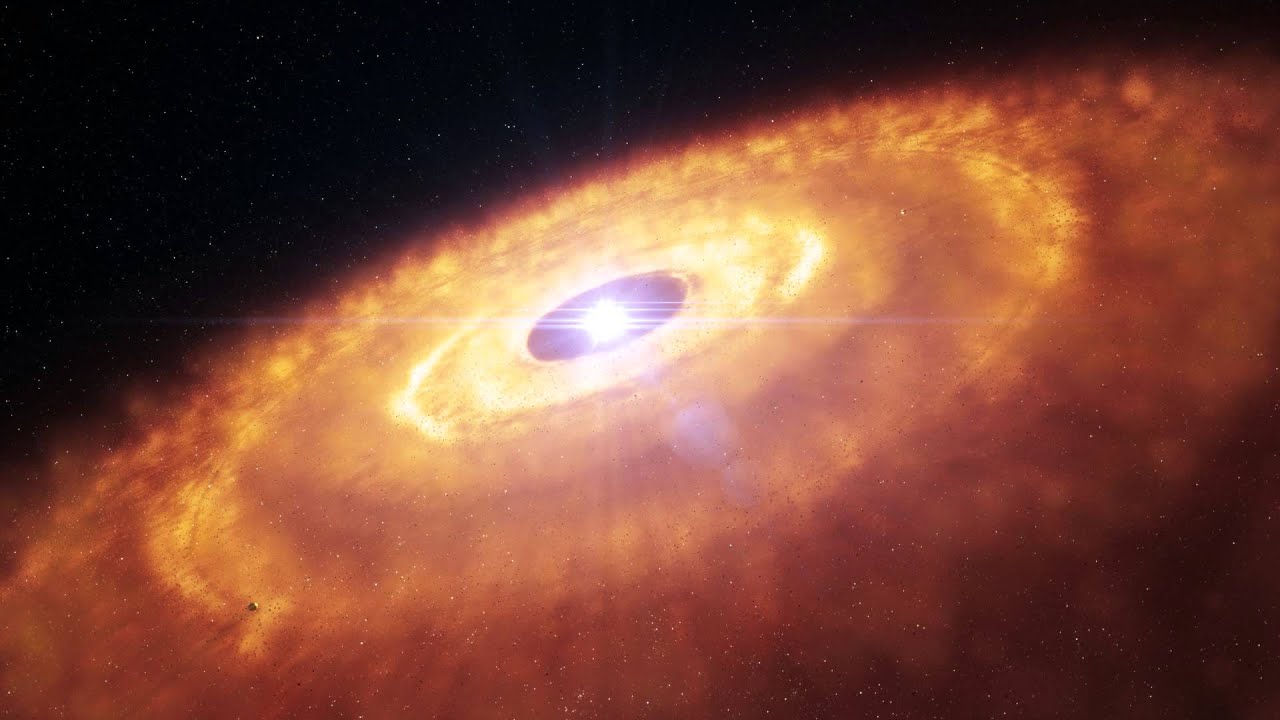
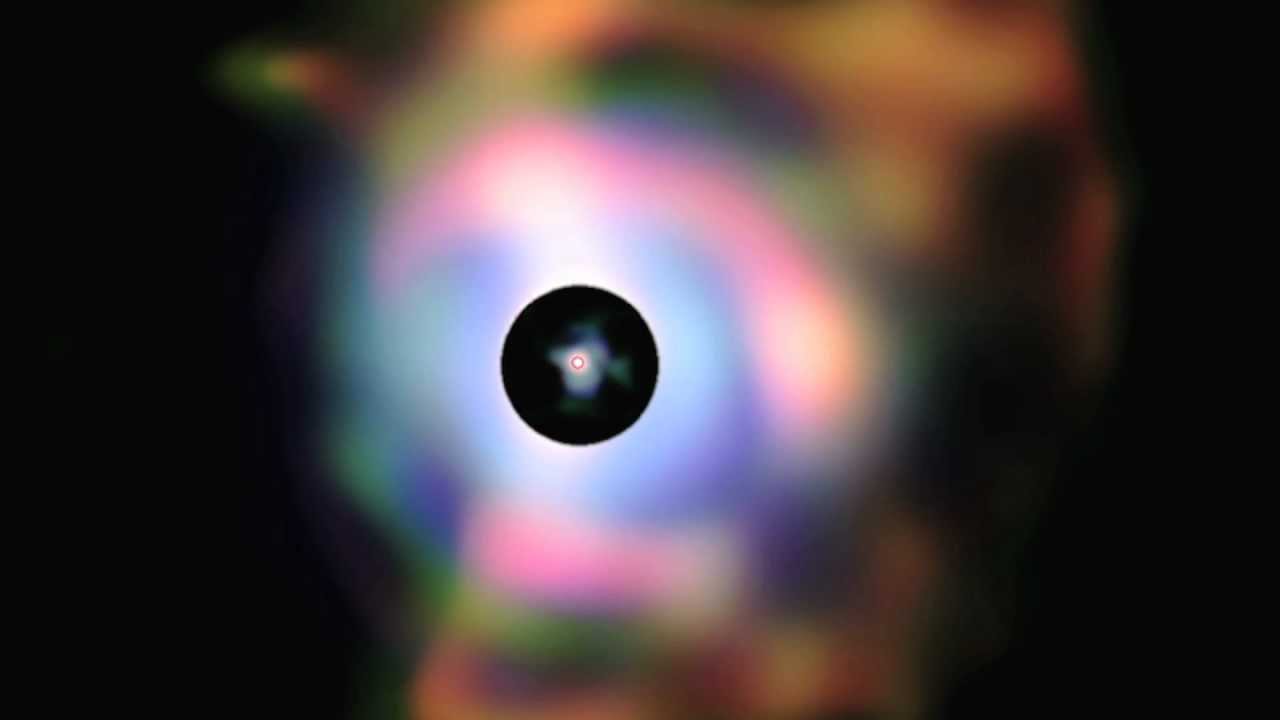
Astronomers using the NASA/ESA Hubble Space Telescope and ESO’s Very Large Telescope analyze unique wave-like structures in the dusty disc around AU Microscopii.
Dr. Austin Gallagher and Andre Musgrove utilize innovative dive technology to locate a rare great white shark pupping zone in the Shark Dome.
In 1953, James Watson and Francis Crick built a model of the DNA double helix, establishing it as the code for life and a foundation for molecular biology.
Shark experts use acoustic telemetry to study sharks' food associations with boat motors.
The ancients looked into the night sky and thought the universe revolved around Earth.
There are 180 meteor impact points scarring Earth, raising concerns about future impacts.
A single Iberian bluetail dragonfly can devour hundreds of insects each day, making it a key predator in the ponds of Alhambra.
Astronomers use ALMA to reveal how dust grows into planets around young stars.
Astronomers measure the size of Eris during a rare occultation event.
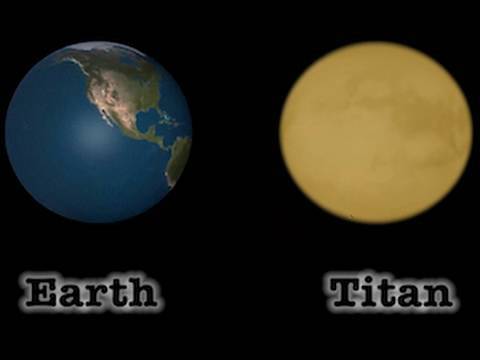
NASA scientists look for Earthly examples to understand Titan's terrain features.
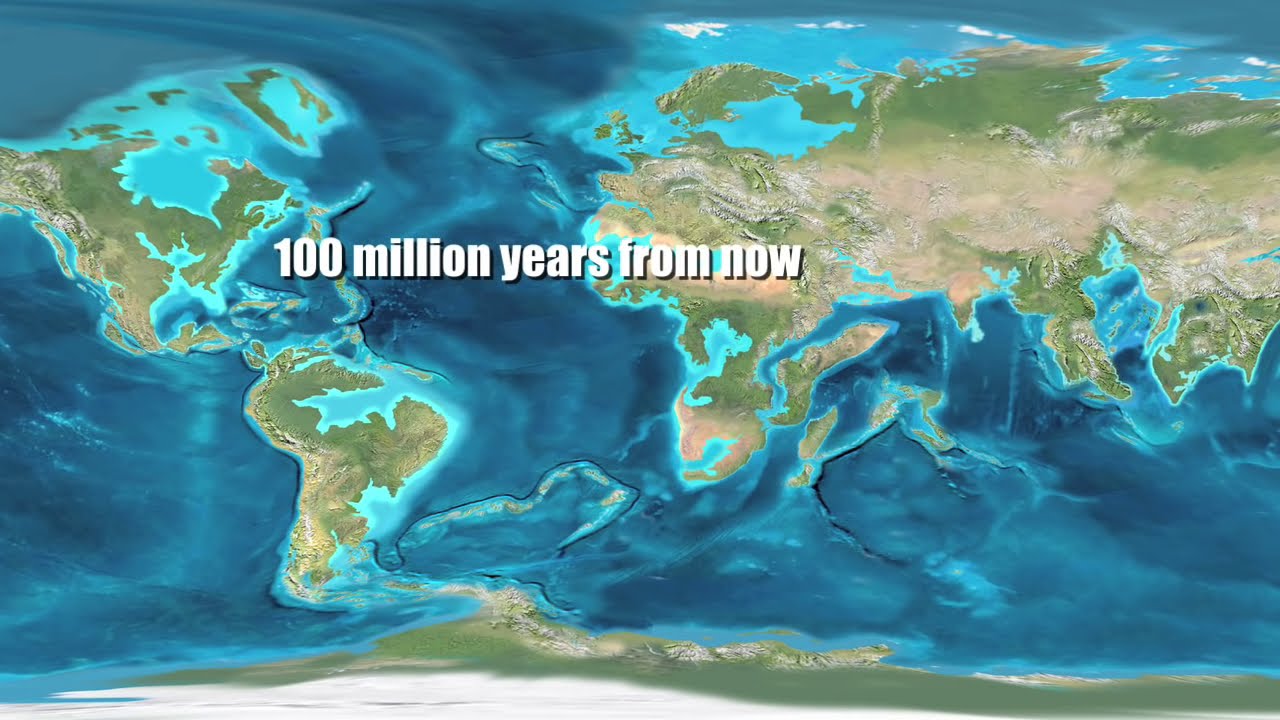
The video shows how Earth's continents evolved over 600 million years and their future in 100 million years.
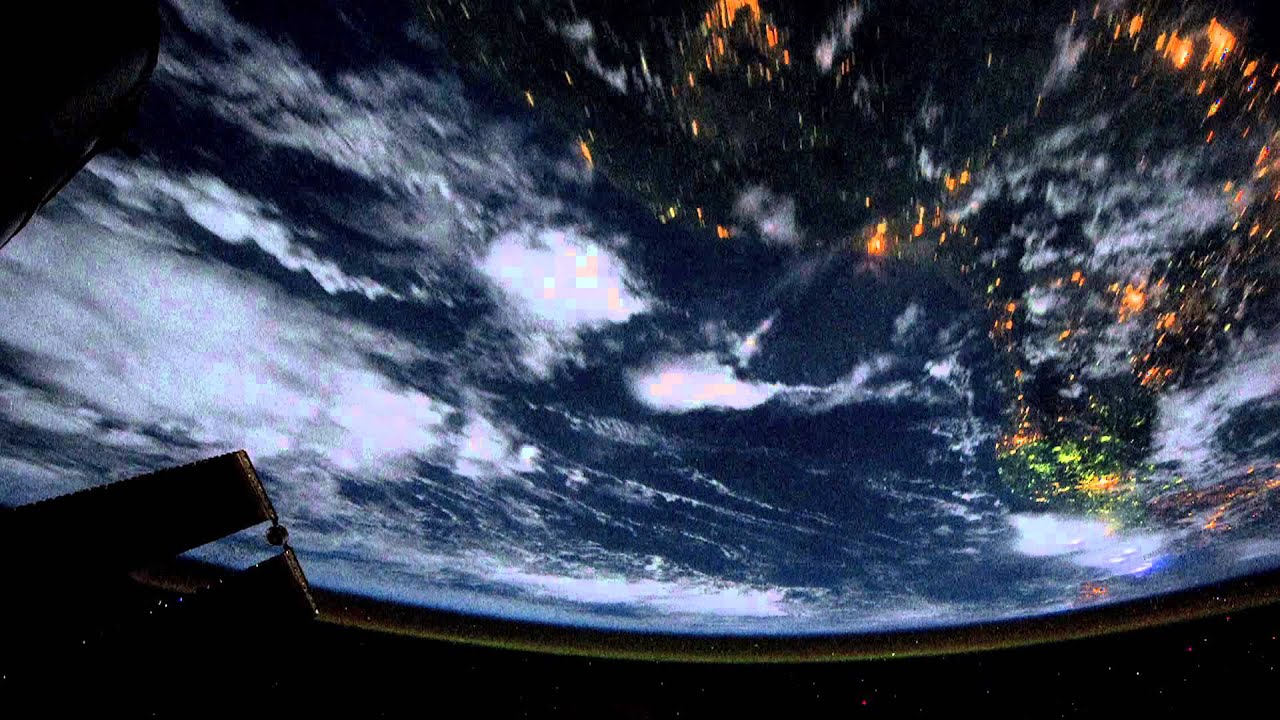
Astonishingly beautiful images from the International Space Station showcase Earth’s beauty.
NASA's Fermi Gamma-ray Space Telescope captures brief outbursts of high-energy light above Earth.
A sample clip shows an Asian elephant foetus in the womb from the David Barlow Film Archive.
Black holes, with their intense gravitational pull and warping light near the event horizon, challenge the laws of physics at their singularity.
Watch this to understand how solar flares impact Earth and technology.
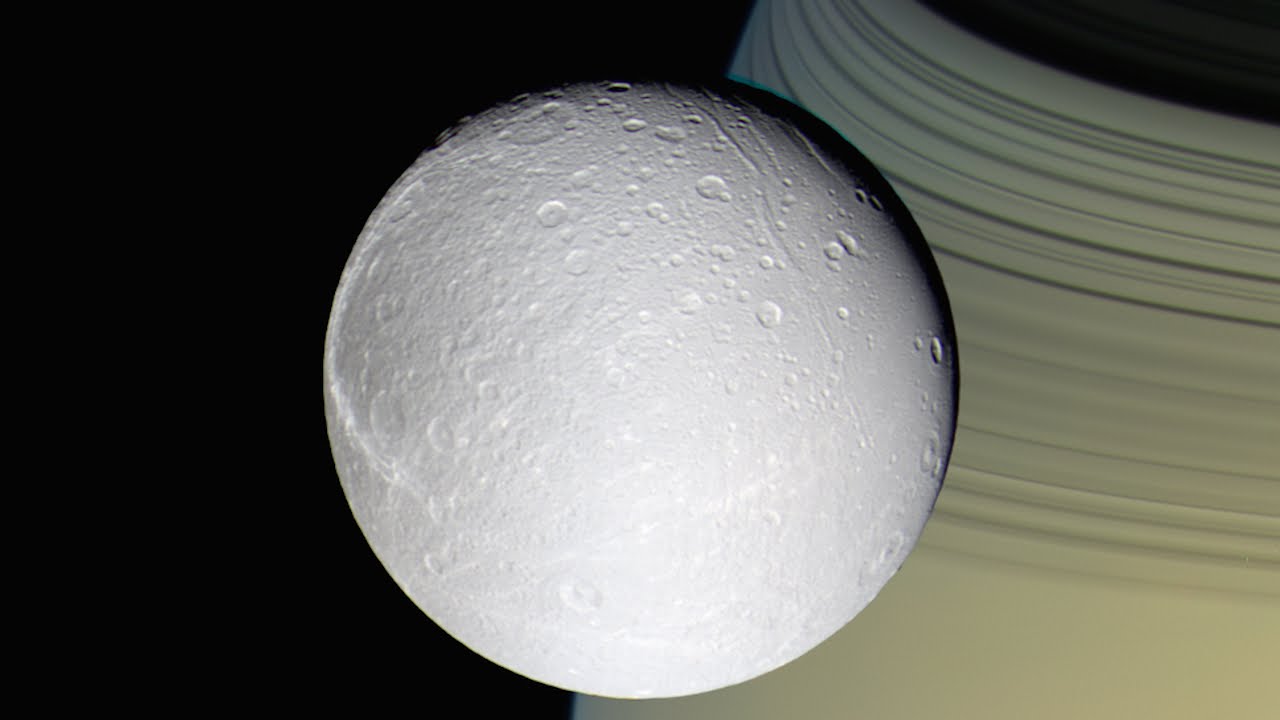
The Cassini Spacecraft conducts its last close flyby of Dione, showcasing detailed observations after over a decade of exploring the Saturn system.
NASA’s Kepler Space Telescope has utilized transit photometry to confirm over a thousand exoplanets, significantly advancing the search for planets beyond our solar system.
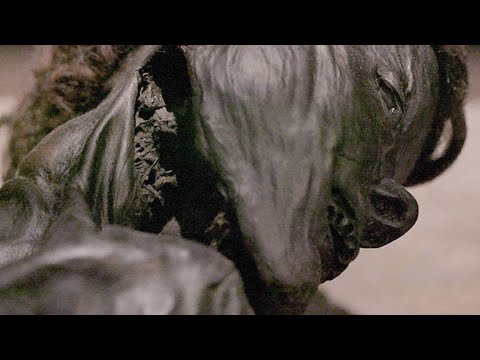
Haraldskær Woman traveled hundreds of miles from home before her death, revealing insights into ancient ritual practices through strontium isotope analysis.
In South Africa, sharkologist Michelle Jewel investigates the communication behaviors of great white sharks, focusing on their breaching patterns.
Fukushima begins removing spent fuel, marking a key step in remediation efforts after the disaster.
In 1934, physicist Ernest Rutherford achieved fusion for the first time, but the experiment consumed more energy than it produced.
Fermi Gamma Ray Space Telescope detects antimatter beams from thunderstorms on Earth.
Scientists in Sydney claim finger length ratios predict sexual orientation in men and women.
Mildred Solomon and Josephine Johnston from The Hastings Center engage in a panel discussion moderated by Jill Rosenbaum on the implications of genetic medicine.
Pierceton Charles, a 12-year-old with sickle cell anemia, has undergone 48 hospitalizations due to his painful genetic condition.
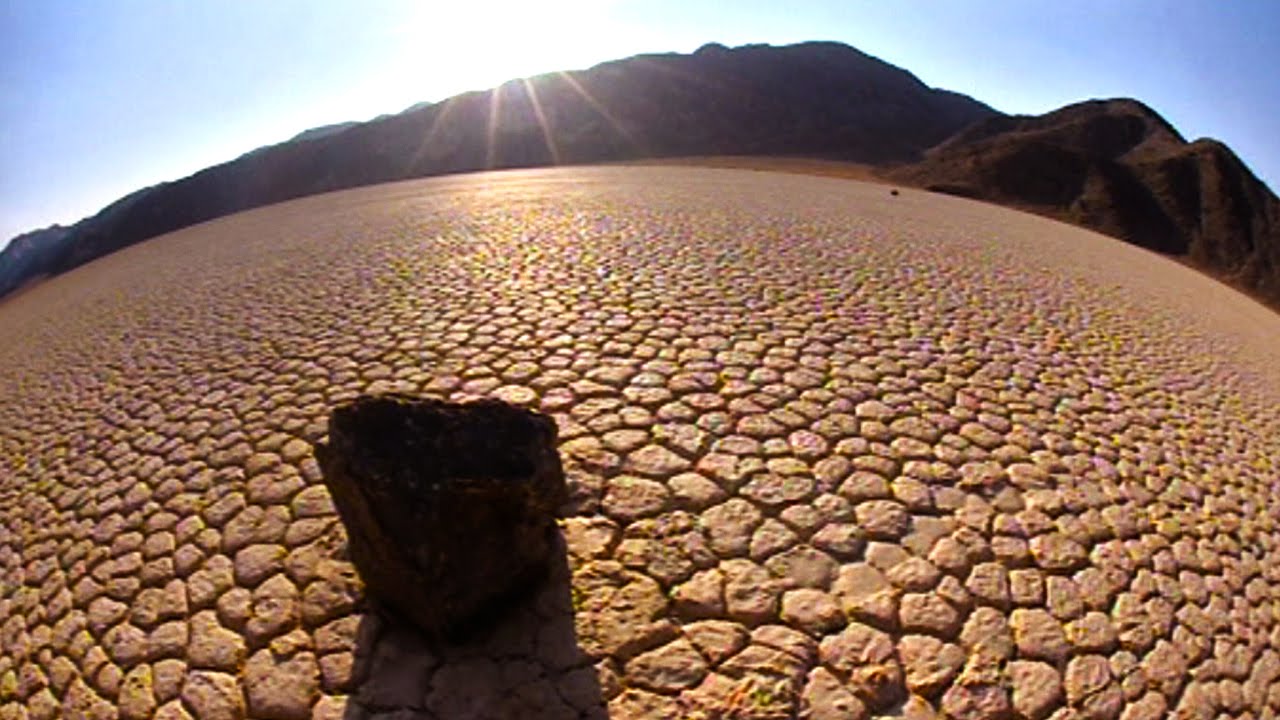
A geologist and students from Hampshire College study the Riddle of the Moving Stones in Death Valley.
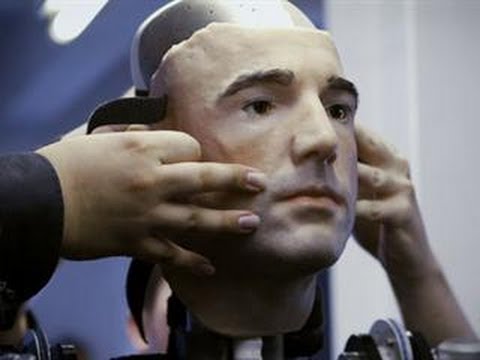
Bertolt expresses strong discomfort upon seeing the Bionic Man's new face, describing it as a "Patchwork assembly of parts" that looks horrifying.
Creating a glow-in-the-dark wall can cost between $50 and $200, depending on the materials used, such as glow-in-the-dark paint or vinyl sheets.
A 2,000-pound Great White Shark named Bruce is closely observed by scientists who aim to challenge misconceptions about shark behavior and intelligence.
Dr Jay Sanguinetti and Shinzen Young use ultrasound to enhance meditation at the University of Arizona.
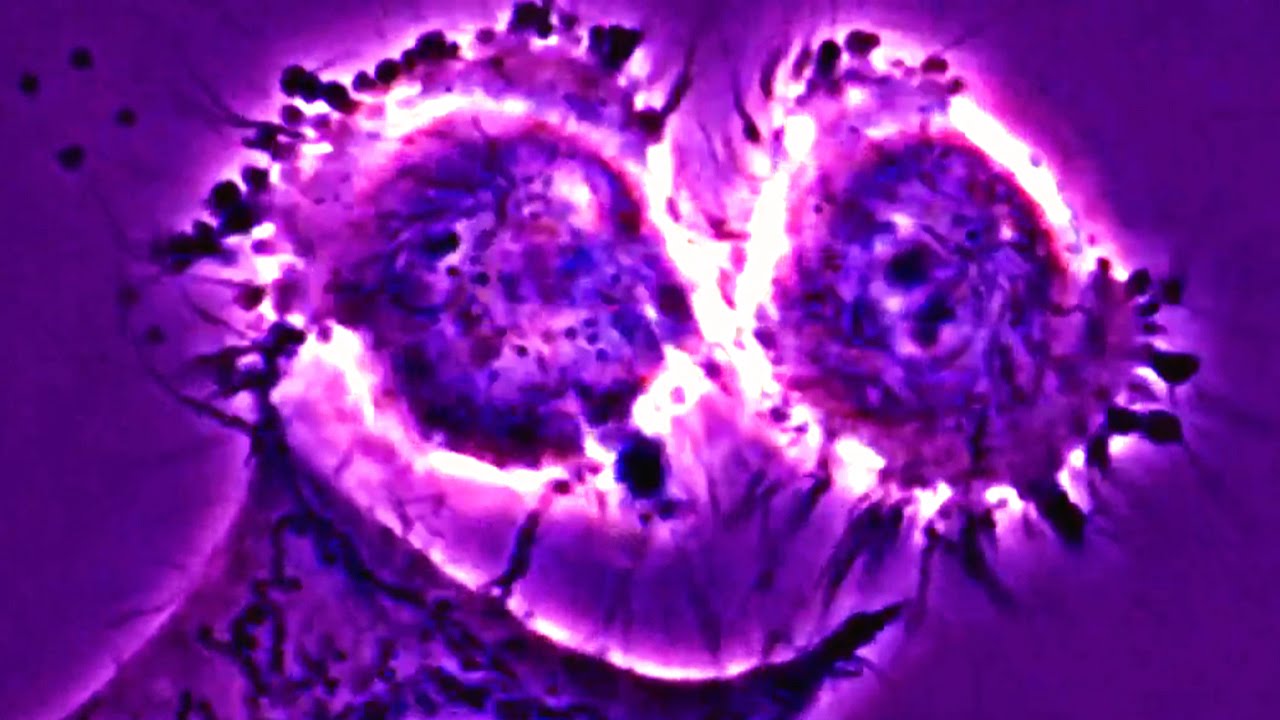
The clip shows a HeLa cell dividing using phase contrast microscopy techniques.
World-class scientists and filmmakers from National Geographic explore how science can enhance quality of life and promote sustainable living for the future.
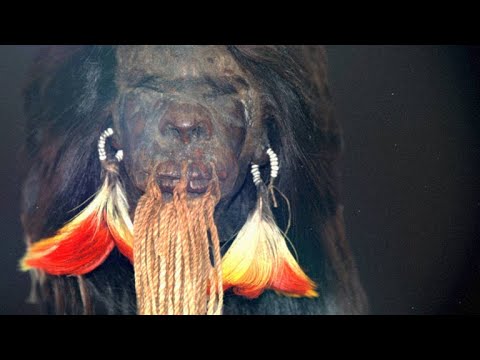
A scientist learns the secrets of head shrinking from a Shuar elder in Ecuador.
Black holes pose extreme dangers due to their intense gravitational forces, leading to two popular theories on how they would kill an unsuspecting victim.
In 1978, a rock shop owner discovered tiny bones in Montana that led to the identification of a new dinosaur species named Myasaura.
The Very Large Telescope (VLT) utilizes active optics technology to maintain mirror shape and provide astronomers with sharp images of distant celestial objects.
In 1997, Scottish scientists at the Roslin Institute successfully cloned a sheep named Dolly, igniting ongoing debates and advancements in genetic research.
Aluminum's role in the Twin Towers' collapse is examined in this Smithsonian Channel Plus episode.
Scheila's dust cloud is 10,000 times more massive than Tempel 1's from Deep Impact.
The Nimitz-class aircraft carrier's angled-flight deck revolutionizes flight operations.
Matter begins to swirl into black holes, creating powerful jets that reach the Milky Way.
Bioplastics are made from materials that reduce fossil fuel use and protect the environment.
This video explains how rockets travel from Earth to the Solar System using Newton's laws.