From over 100,000 films, discover the handful you'll love.
Free or premium access to the world's largest documentary library.
2331 films(Page 34 of 49)
Alec Wilkinson explains Yitang Zhang's significant mathematical breakthrough in this video.
Connections between rocket engines and hummingbird wings illustrate the intricate relationships between space, nature, and technology.
An international team of scientists, led by Dr Julian Bayliss, climbs a sheer rock wall in Mozambique to study an untouched forest's role in climate change.
Ten years before the Emancipation Proclamation, Frederick Douglass worked tirelessly to influence Abraham Lincoln's views on slavery and freedom.
The Hubble Space Telescope, launched in 1990, has revolutionized astronomy with its stunning images and significant discoveries over 35 years.
Christa McAuliffe and Barbara Morgan participate in training sessions at NASA's Johnson Space Center, preparing for the Space Shuttle Challenger mission.
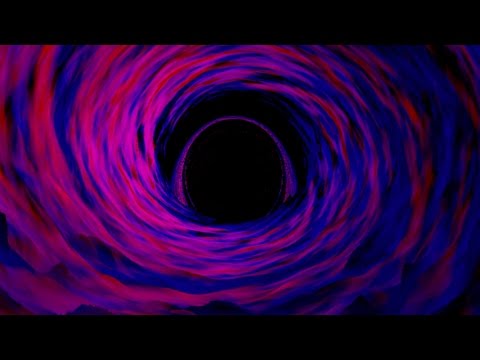
A black hole named Sagittarius A, located over 27,000 light years away, is imaged for the first time, revealing a ring of light surrounding darkness.
12 infant and juvenile great white sharks were caught and safely released during a research expedition off the coast of Baja California.
Mars has a complex natural history that parallels Earth's, revealing insights into planetary evolution and the potential for life beyond our planet.
Engineers at SpinLaunch have conducted 10 successful flight tests of a new launch system that uses a spinning arm to propel satellites into orbit.
Orangutans have an average birth spacing of seven to eight years, making their population vulnerable to habitat destruction in Borneo and Sumatra.
Great whites use lateral lines to sense vibrations from seals hundreds of feet away.
Artificial intelligence successfully learns the principles of the Nobel Prize-winning Bose-Einstein condensate experiment in just one hour, highlighting its potential in scientific research.
Eight men traveled 325 miles through the Ungava Peninsula in 1949, collecting samples and documenting the region's plant and animal life.
In Quito, historian Segundo Moreno discusses Alexander von Humboldt's influence on science and exploration in Latin America while ascending Chimborazo with a female mountain guide.
Dr. Mareike Dornhege captures an alien-like shark giving birth to 20 pups on camera.
Edison held 1,100 patents during his lifetime, establishing the first research and development laboratory in America and transforming the invention process.
Six grams of a new blue pigment, called yin min blue, marks the first inorganic blue discovered in over 200 years.
Andrea Marshall's research on manta rays reveals critical insights into the behavior and ecology of these ocean giants, contributing to marine conservation efforts.
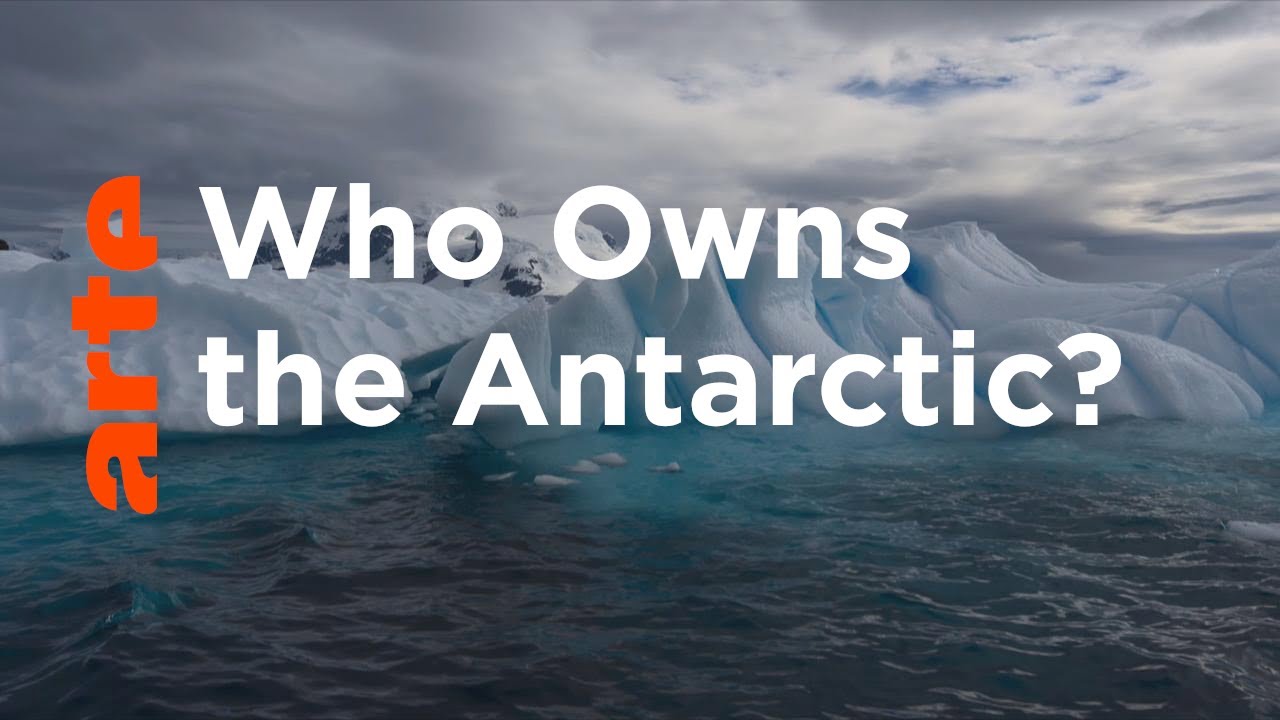
Antarctica's unique governance under international law faces challenges from geopolitical interests of nations like the United States, Russia, and China amid climate change threats.
Naturalness problems suggest that some properties of the universe appear oddly specific, raising questions about the fundamental constants that govern it.
For seven decades, chemists searched for element 43, which was eventually created in 1937 by Italian physicist Emilio Segrè using a particle accelerator.
Dr. Chuck from Nanyang Technological University uses a ground station to achieve GPS accuracy within a few centimeters for augmented reality street gaming.
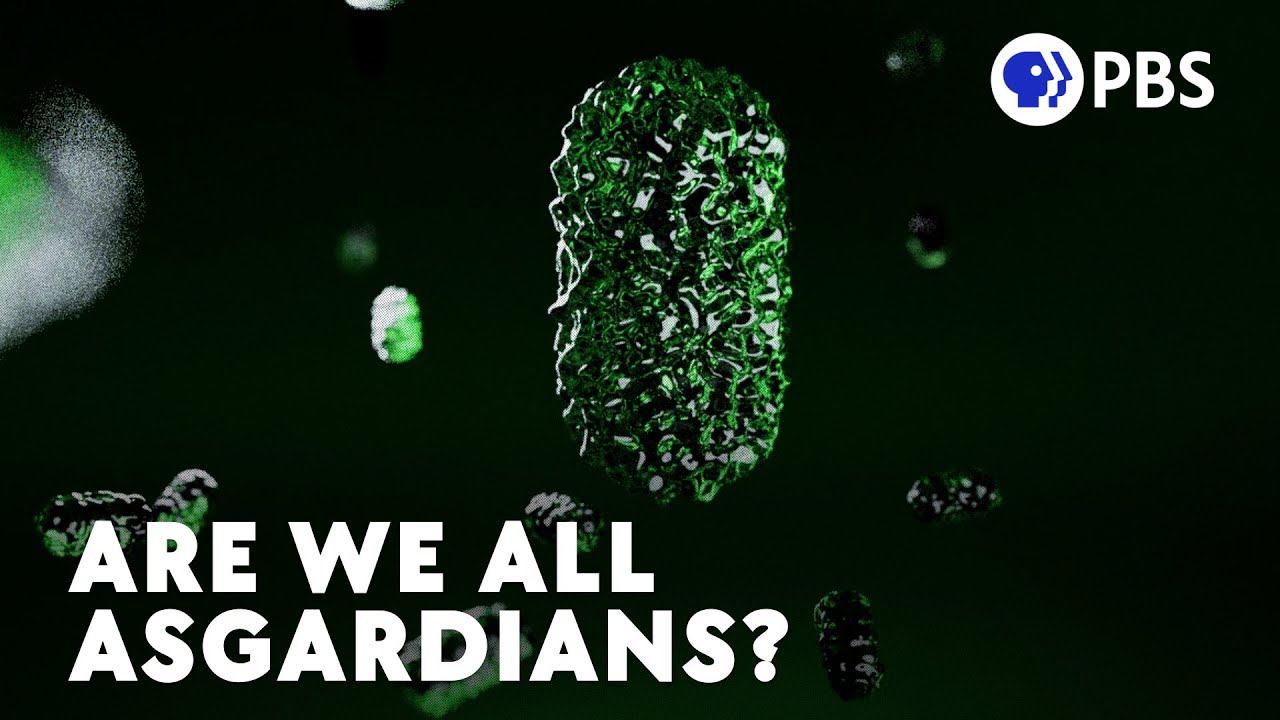
Archaea, a newly recognized domain of life, reveals surprising connections to humans and a group known as Asgard, challenging previous biological classifications.
A scientific race to develop a malaria vaccine has intensified over 50 years, with the RTS,S candidate nearing commercialization and insights from Bill Gates.
The search for extraterrestrial life examines planets similar to Earth and the implications of recent discoveries on humanity's understanding of the universe.
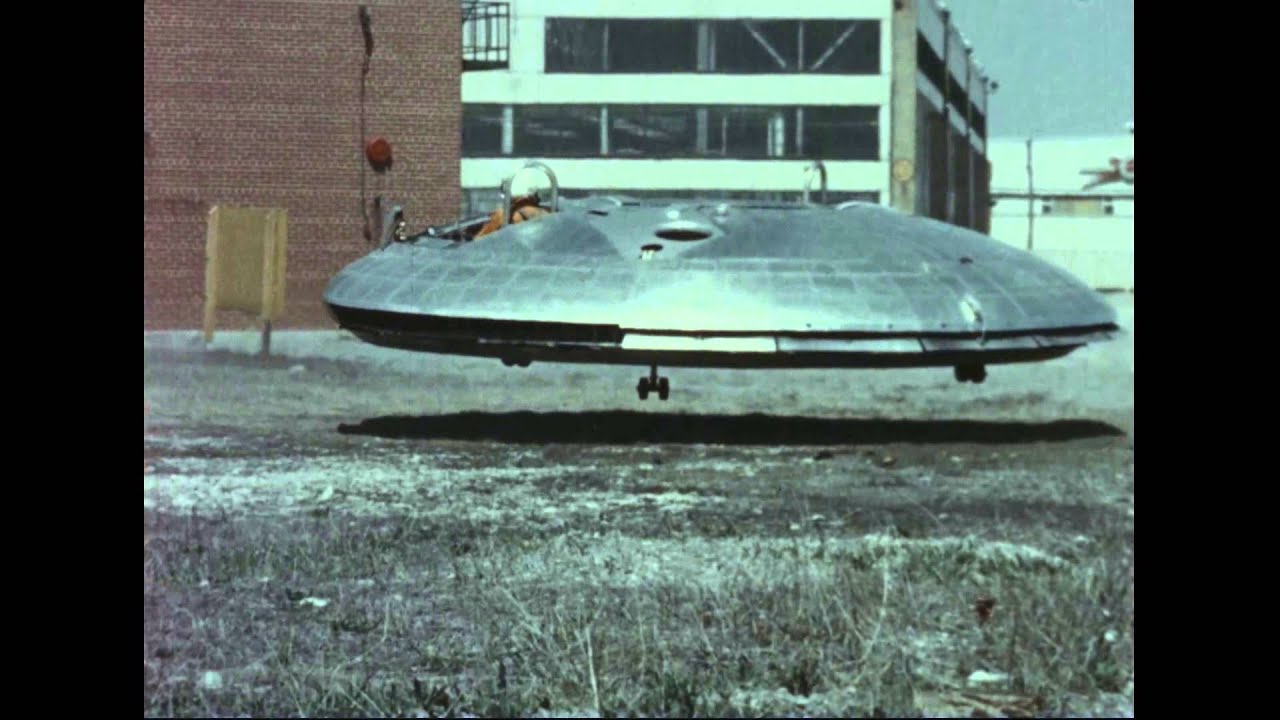
A four-hour static test program measured lift, thrust, and control moments to assess the Avrocar's performance after modifications.
The video highlights Endeavour's final flight and Mark Kelly's retirement from NASA.
Bethany Ehlmann, a planetary geologist and Emerging Explorer, directs NASA's Curiosity rover to study Mars' ancient rocks and environment.
A congenital amputee reflects on the evolution of prosthetics, from early hooks to advanced bionic limbs that can be customized to individual preferences.
A gamma-ray burst from a galaxy 3.8 billion light-years away lasted four and a half hours, challenging previous understandings of black hole formation.
A mini-black hole, measuring six trillionths of a meter in diameter, could potentially power a spacecraft for interstellar travel.
Astronomers use Fermi and Swift to explore black holes and the high-energy universe.
Atlantis's mission showcases the ascent into space and the intricate descent of solid rocket boosters, highlighting advancements in space travel technology.
Heat generated in the Sun's core races toward Earth as electrified plasma towers.
Carbon nanotubes are being explored for their potential to combat heart disease by targeting and eliminating plaque responsible for heart attacks.
CRISPR gene editing therapy is applied in a groundbreaking experiment on living humans, demonstrating significant potential to reverse blindness.
The amphitheater at Pozzuoli measures 149 meters long and 116 meters wide and could seat 20,000 spectators during gladiator games.
Eyewitnesses recount experiences of alien abduction, including physical examinations and the discovery of inexplicable metal implants in their bodies.
Scientists contemplate extending human lifespan through genetic research and advancements.
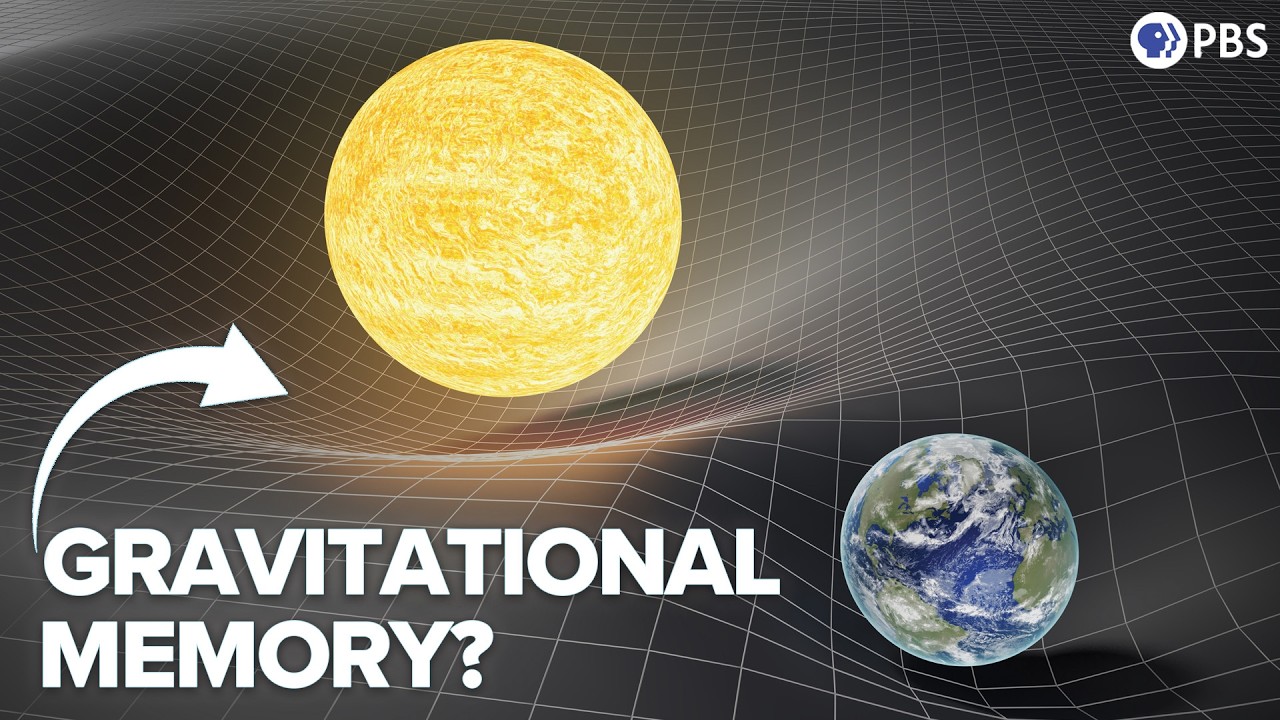
Gravitational waves, first detected in 2015, ripple through spacetime, leaving permanent changes that may reveal new insights into the universe.
A cuttlefish participates in a modified version of the Stanford Marshmallow Test, challenging existing notions of intelligence and self-control in marine life.
Research at the University of California, San Francisco investigates the feasibility of creating universal blood types to meet global transfusion demands.
Scientists armed with advanced tools seek breakthroughs to save coral reefs worldwide.
Fritz Zwicky proposed in 1961 a method to move the Sun using a giant particle accelerator that would shoot pellets at it at near-light speed.
275 stations are covered in a 19-hour attempt to set a world record for visiting every London Tube station in a single day.
Mythbusters tests various weapons purported to be effective in a Zombie Apocalypse scenario, evaluating their survival potential against the undead.
Biological nanobots represent a groundbreaking advancement in cancer treatment, showcasing innovative approaches to targeting and eliminating cancer cells.












![Documentary backdrop image for BREAKTHROUGH: Scientists Reverse Blindness [CRISPR Technology] (2021)](https://i.ytimg.com/vi/rbVvu_104Pg/maxresdefault.jpg)