From over 100,000 films, discover the handful you'll love.
Free or premium access to the world's largest documentary library.
2331 films(Page 8 of 49)
A tornado measuring more than two and a half miles wide struck Moore, Oklahoma, in May 2013, producing winds that reached 300 miles per hour.
In 1900, Max Planck tackled the mystery of why a heated light bulb filament changes color, sparking the birth of quantum mechanics.
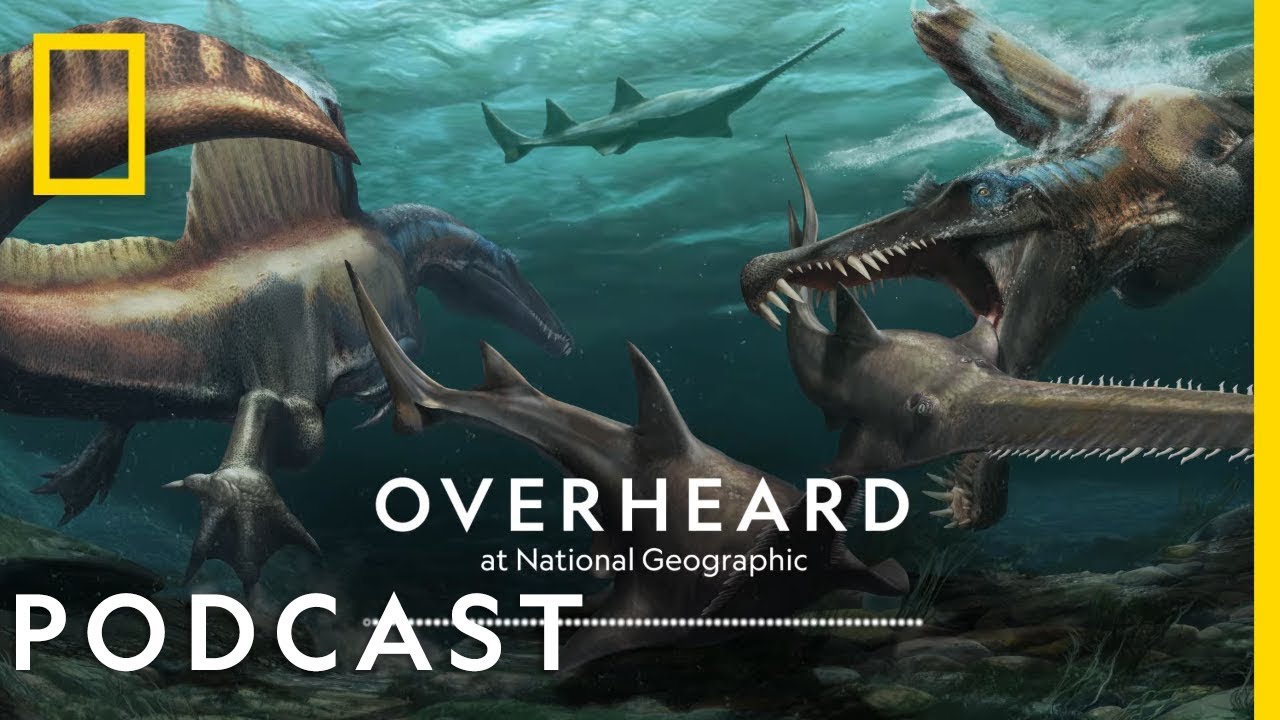
Only one known skeleton of Spinosaurus exists, discovered in 2013, but recent excavations in Morocco have revealed additional bones that could change its history.
Tony Robinson and Phil Harding explore America's dinosaur capitals, participating in digs with experts like Jack Horner and examining the lucrative dinosaur tourism industry.
The James Webb Space Telescope has captured images and data from over 13 billion years ago, enhancing our understanding of the universe since 2021.
Chris Horsley inspects Katla in Iceland to install an early warning system for the volcano.
One in 5,000 boys is born with muscular dystrophy, a condition that affects Gabriel, who relies on medical advancements like CRISPR for hope.
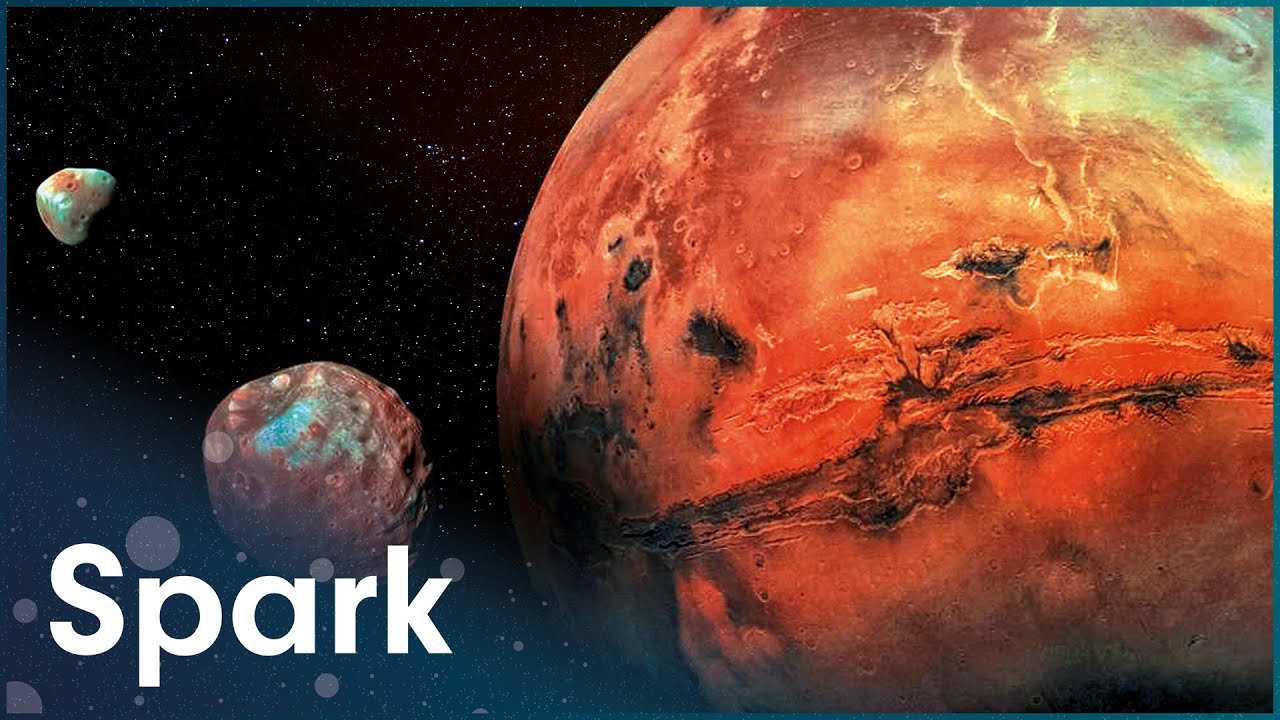
Mars presents extreme challenges for human survival, prompting discussions on genetic evolution and technological advancements from figures like Nikola Tesla and NASA's robotic missions.
Neanderthals were physically superior but became extinct, revealing their complex relationship with modern humans.
A 25,000-mile arc of tectonic activity stretches from the glaciers of Alaska to the deserts of Chile, shaping the Earth's surface through earthquakes and volcanic eruptions.
There are an estimated one trillion planets in the Milky Way galaxy, many of which could potentially support life.
Explore the unique challenges of life, love, and sex in space as astronauts navigate daily routines and relationships beyond Earth.
Robert Oppenheimer and Werner Heisenberg compete during World War II to harness physics for the creation of the atomic bomb, shaping modern warfare.
In the 21st century, UFOs have transitioned from fringe science to mainstream interest, with advanced technology enabling a new generation of UFO hunters and government investigations.
Authentic footage of a full-body apparition is presented, captured by investigator Craig Powell during a government-sanctioned paranormal investigation in Australia.
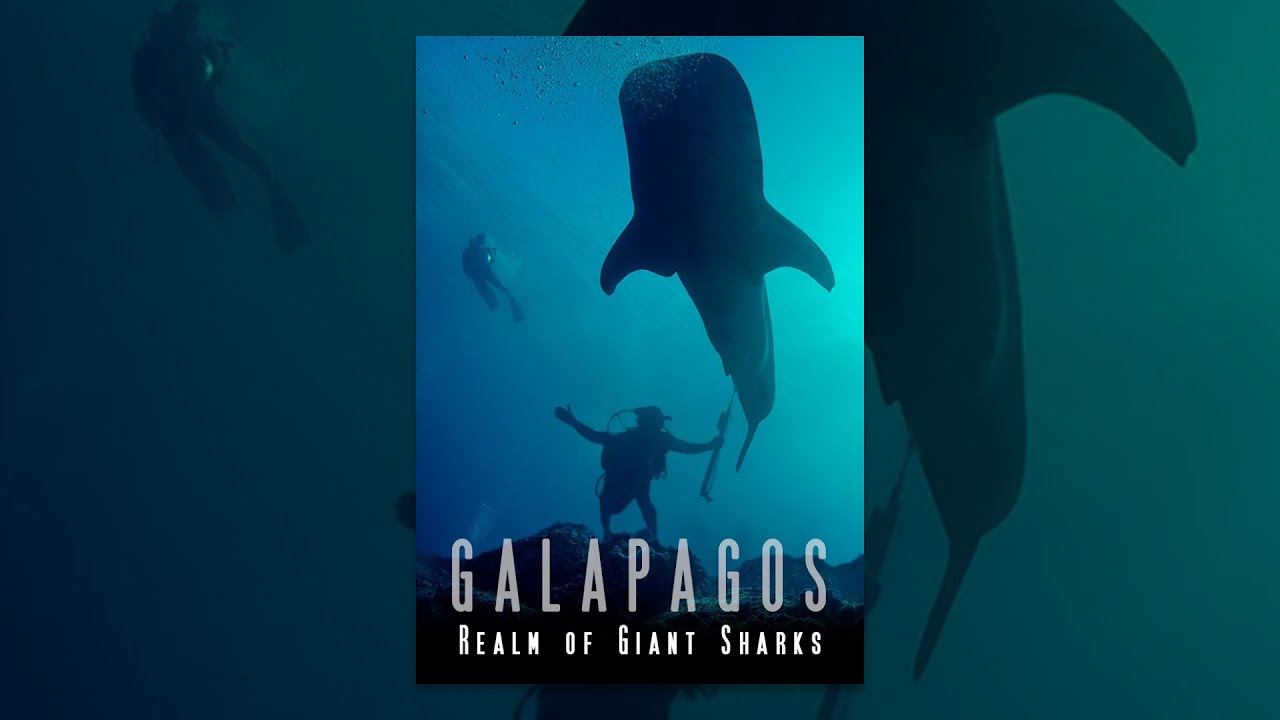
In the Galapagos archipelago, researchers track pregnant female whale sharks at Darwin Island to understand their migration patterns and ecological significance.
NASA's Lucy spacecraft is set to explore eight asteroids near Jupiter, providing insights into the formation of the solar system and the origins of Earth's water.
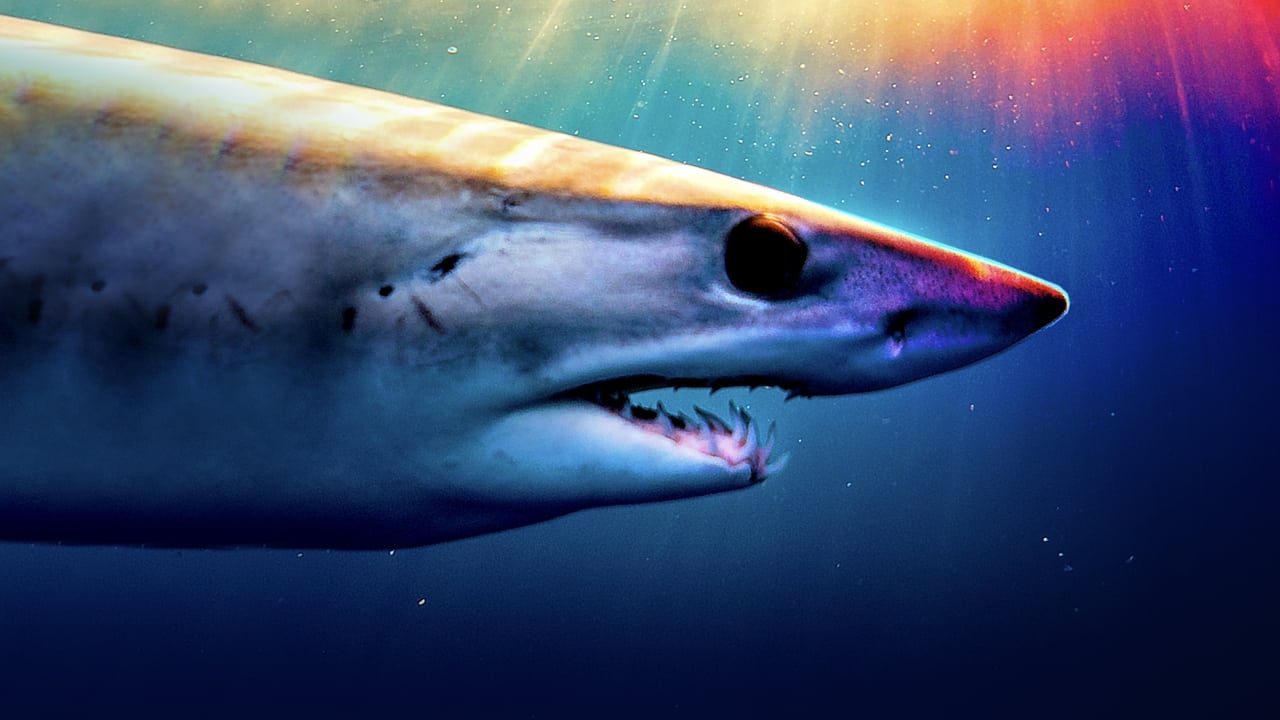
Two teams of experts investigate the speed and bite force of sharks in a 44-minute documentary that takes shark science into the wild.
Viral videos of sharks attacking boats prompt Dr.
Since 1995, astronomers have discovered more than 100 planets orbiting distant stars, raising hopes for finding a new home for humanity.
NASA's Kepler space probe, launched in 2009, revealed that there are billions of Earth-like exoplanets in our galaxy alone.
Marie Antoinette's censored letters to Axel de Fersen reveal hidden truths in Paris, 1791.
The sum of the Drake equation currently stands at one plus, indicating humanity as the only known intelligent life in a galaxy of a thousand stars.
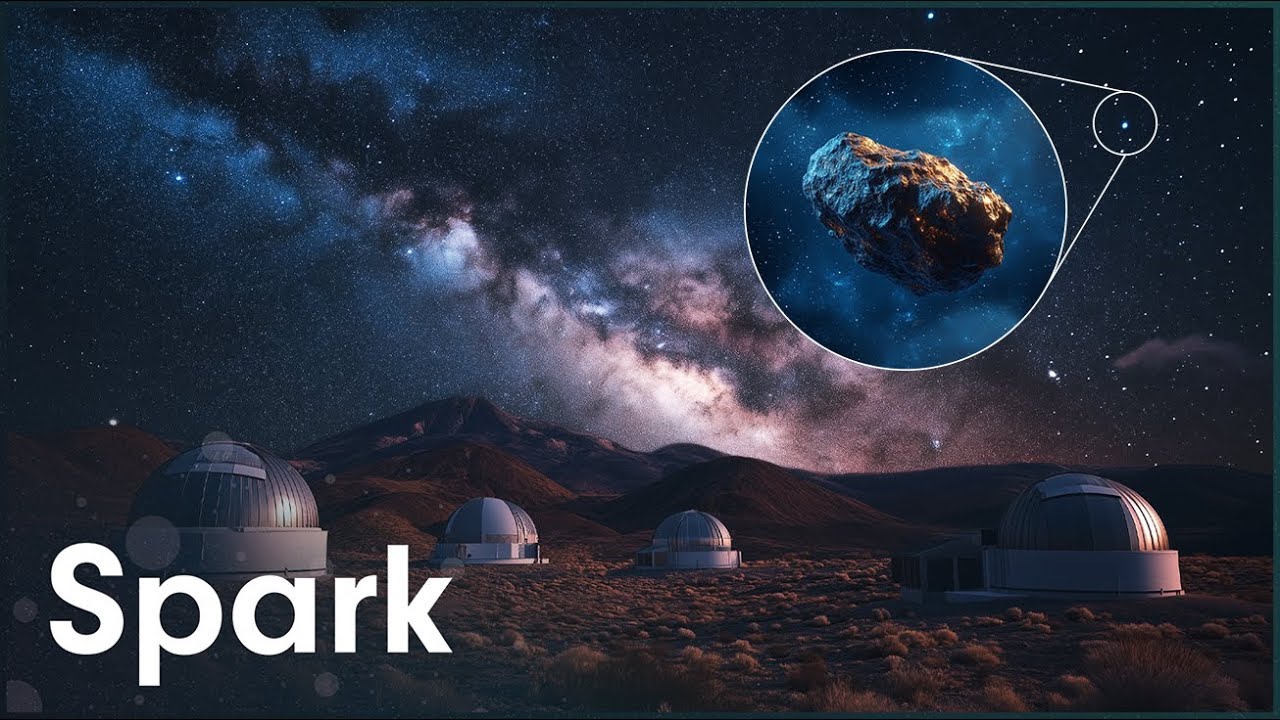
Asteroids have silently roamed the solar system, threatening Earth with catastrophic impacts.
Eyewitness accounts of mysterious phenomena, including UFO sightings and unexplained encounters, are examined alongside expert analysis and evidence in this compilation.
A storm surge of 10 meters above normal inundated Gulfport, Mississippi, during Hurricane Katrina, one of the deadliest storms in U.S. history.
Karl de Smedt cares for 144 unique sourdough cultures in Saint Vith, Belgium, preserving a vital part of baking heritage at his Sourdough Library.
400 million tons of plastic worldwide releases about 800 million tons of carbon dioxide into the air each year.
The Artemis program aims to return humans to the moon, utilizing the Orion spacecraft and focusing on lunar resources like water for future exploration.
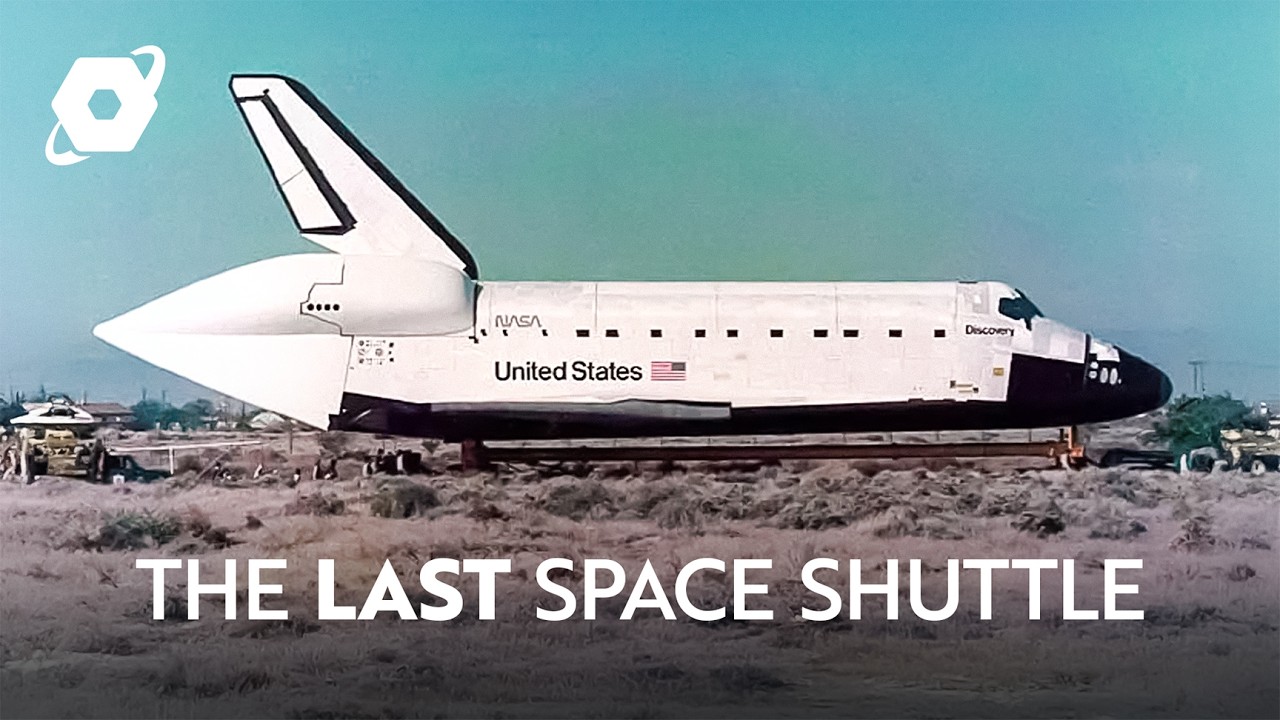
NASA's space shuttle Discovery, with over 27 years of service and 148 million miles traveled, completes its final flight to the Smithsonian National Air and Space Museum.
Investigators use forensic science to solve murders by cold-blooded spouses in this double episode.
Jupiter's atmosphere is examined through data from the Juno mission, building on insights gained from the Cassini spacecraft and Huygens lander.
The conquest of the Arctic and Antarctic has evolved from exploration to a focus on studying climate change and the causes of ice melting in these regions.
In May 1980, Mount St Helens erupted in Skamania County, Washington, causing the largest subaerial landslide in recorded history and altering the landscape significantly.
On August 15, 1977, a powerful radio signal lasting 72 seconds was detected by Ohio State University's Big Ear telescope, suggesting a possible extraterrestrial source.
Over 600 witnesses have validated claims that the U.S. Air Force recovered a UFO and nine human-shaped bodies following the Roswell incident in 1947.
In 1665, the Great Plague devastated London, leading the village of Eyam in Derbyshire to quarantine itself in a bid to halt the outbreak's spread.
The origin of life on Earth is examined through the lens of mathematics and natural laws, questioning whether existence arises from chance or a deeper order.
Chris Horsley investigates a dangerous fracture in Congo after Mount Nyiragongo's eruption.
A janitor in Vancouver discovered a burned body in a dumpster in July 1991, leading to a complex investigation involving DNA evidence.
The solar orbiter has traveled over 2.5 billion kilometers since its launch in 2020, studying the Sun's atmosphere and solar winds.
Compelling theories and evidence suggest extraterrestrial influence on human genetics, including topics like mystery blood types and Peter Khoury's hybrid DNA.
An Indonesian legend claims monkeys can speak, yet they choose silence over communication.
Asteroids present both a potential resource frontier and a threat to Earth, prompting advancements in detection and diversion technologies by private companies.
Olympus Mons on Mars rises to a height of 24 kilometers from its base, making it the tallest peak in the solar system.
The James Webb Space Telescope, launched by NASA in December 2021, captures images of the Cosmic Dawn, revealing insights into the universe's early history.
Around 3.5 to 3.7 billion years ago, primitive anaerobic bacteria emerged on Earth, marking one of the earliest forms of life known to scientists.
Dr. Louis Turi claims to have made hundreds of accurate predictions, including major events like 9/11 and the Asian tsunami, based on his astrological insights.