From over 100,000 films, discover the handful you'll love.
Free or premium access to the world's largest documentary library.
2331 films(Page 13 of 49)
3,700 known exoplanets have been identified, yet no signals indicating extraterrestrial life have been detected in nearly 60 years of searching.
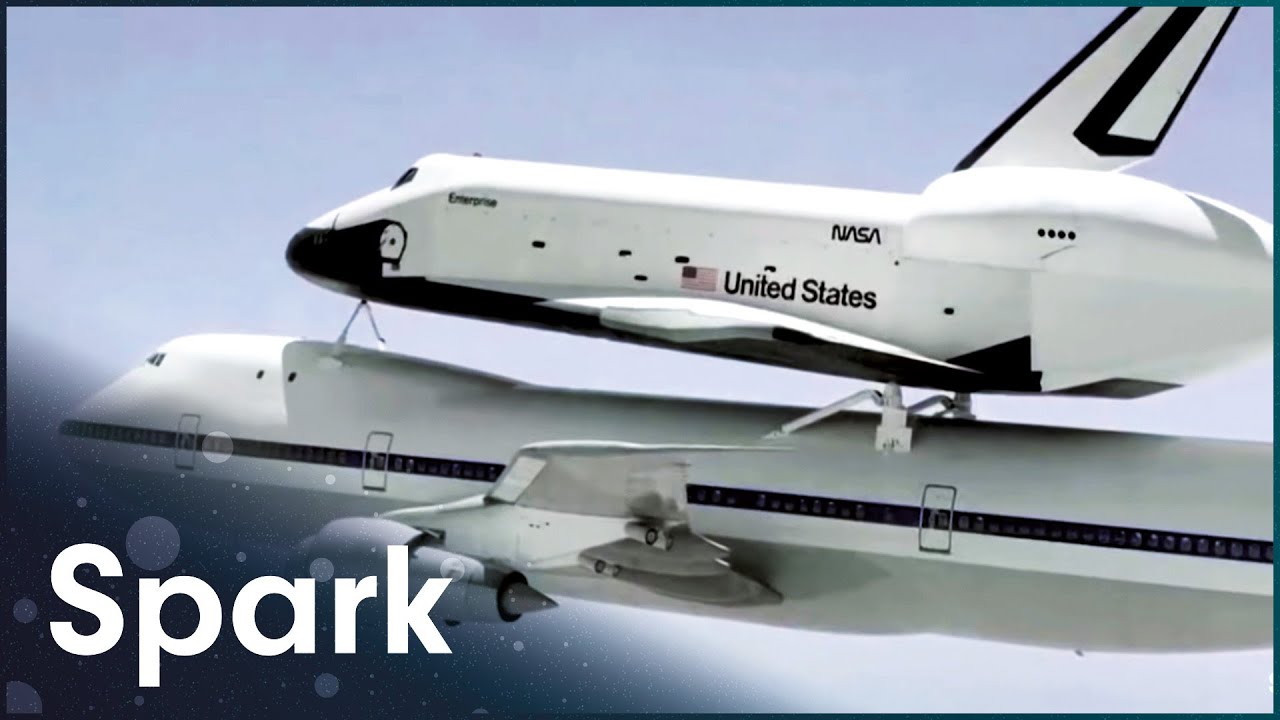
The space shuttle program completed 133 missions and transported nearly 150 astronauts, significantly advancing human space flight and scientific research.
Supercars exemplify cutting-edge automotive engineering, utilizing advanced materials and innovative designs to achieve remarkable performance and efficiency.
In the Western Baltic Sea, divers from Baltic Sea Divers conduct a mission to safely remove unexploded WWII munitions, including a 300-kilo aerial bomb.
The Milky Way's beauty serves as a backdrop for exploring cosmic wonders and the potential for life across the universe's vast expanse.
Research by experts like Martin Blaser indicates that microscopic events during childbirth can have lasting effects on children's health through the microbiome.
Milestones in space exploration are examined, highlighting the Apollo program's achievements, Europe's IXV re-entry vehicle, and the challenges faced by Galileo satellites.
Mercury and Venus, the two innermost planets of the solar system, are examined for their extreme environments and proximity to the sun.
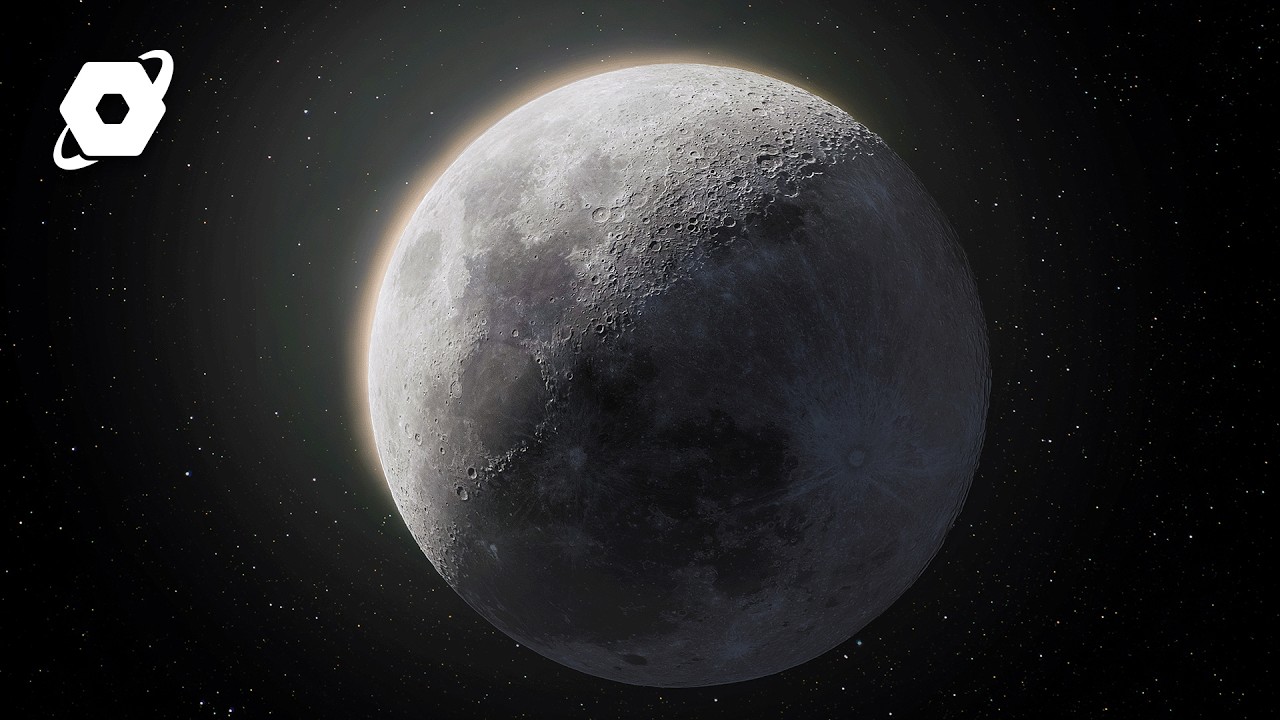
The Moon is 239,000 miles from Earth and is being considered as the first potential home for humanity beyond our planet.
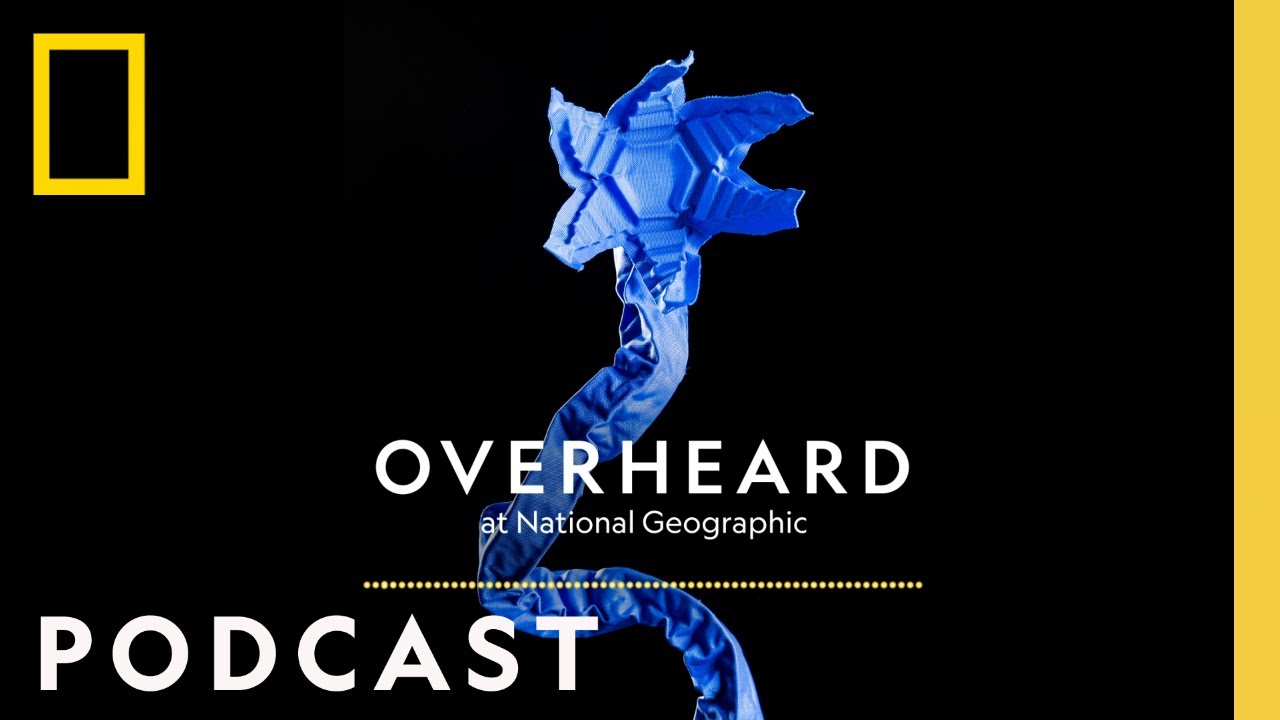
Origami's mathematical principles are being applied by scientists and engineers, including roboticist Shuguang Li, to innovate technologies like shape-shifting robots and artificial organs.
More than 100 planets orbiting distant stars have been discovered since 1995, raising hopes for finding a new home for humanity.
Russian cosmonauts Oleg Novitskiy and Anton Shkaplerov conduct a 7.5-hour spacewalk to enhance the Nauka Multipurpose Laboratory Module at the International Space Station.
The universe is 13.8 billion years old, and understanding its origins requires knowledge of elementary particles and quantum processes.
A coronal mass ejection in 1859 sent over a billion tons of solar particles toward Earth, causing widespread disruptions in telegraph systems.
Today, many records from The Space Race and The Hubble remain unsurpassed in space exploration.
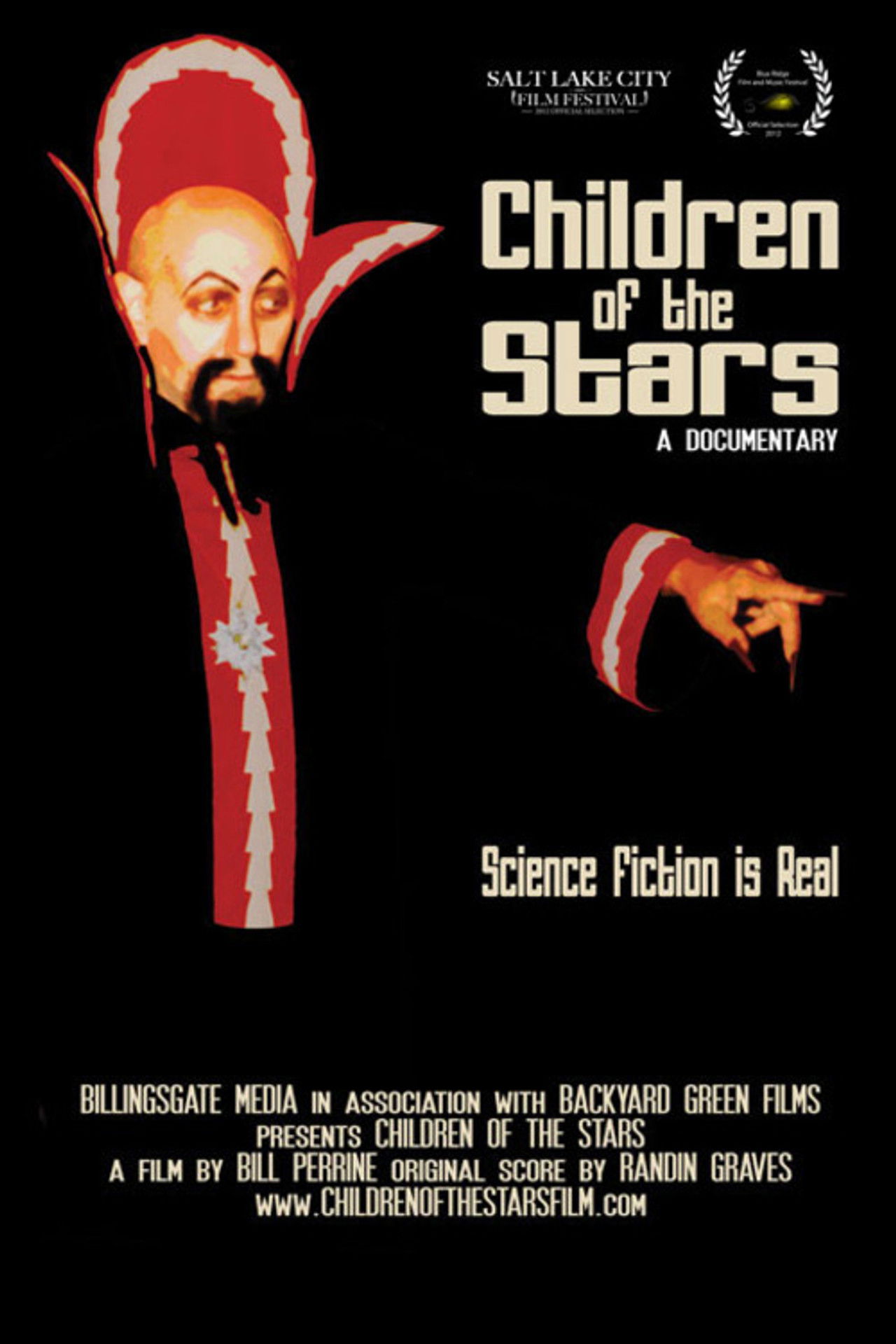
Ruth Norman, known as Archangel Uriel, established a 67-acre site in 1973 as a landing area for extraterrestrial beings called the Space Brothers.
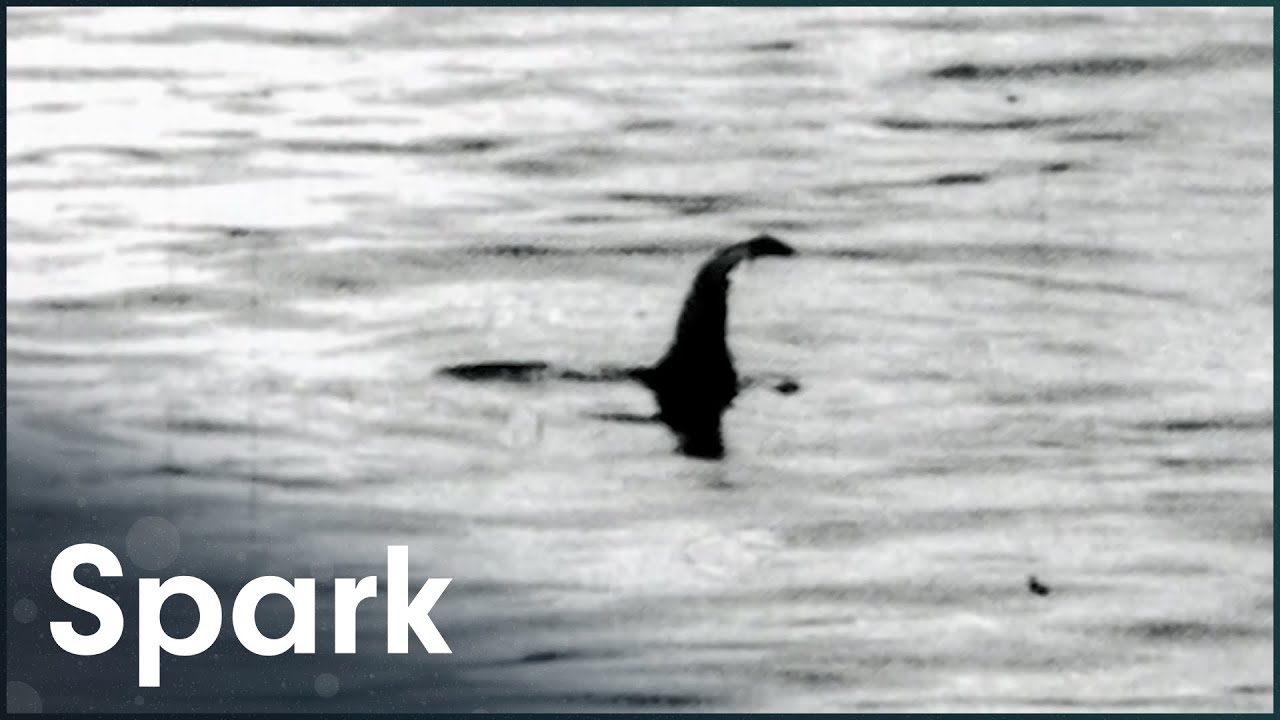
More than a thousand eyewitnesses have reported sightings of the Loch Ness monster, yet no bones or carcasses have ever been found.
The Hubble Space Telescope has revealed that the Milky Way contains 100 million times the number of stars visible to the naked eye.
A beam of light takes one year to travel 10 trillion kilometers, illustrating the vast distances in interstellar space.
The Apache Longbow can detect and attack multiple targets using its 30 mm cannon and precision-guided Hellfire missiles.
LIGO's measurement of gravitational waves from a black hole merger and the Event Horizon Telescope's image of a black hole represent major advancements in astrophysics.
Morag, the elusive loch monster, is believed to inhabit Loch Morar in Scotland.
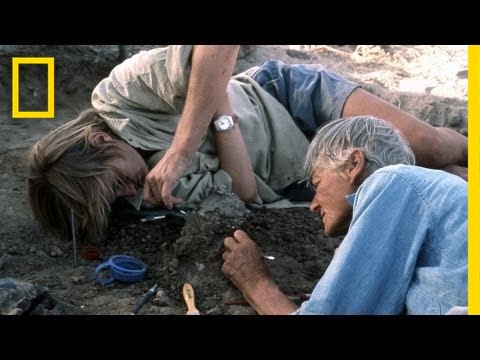
Meave Leakey continues her family's legacy of researching human origins by excavating ancient fossils in East Africa, contributing to the understanding of human ancestry.
A 21-day launch window allowed NASA to send the Lucy spacecraft to study Trojan asteroids, which have remained untouched since the Solar System's formation.
Professor Jim Al-Khalili traces the development and significance of quantum physics, highlighting its profound impact on modern scientific understanding.
Hundreds of experiments are conducted each year aboard the International Space Station, contributing to advancements in aerospace and bioengineering.
The Morandi Bridge Collapse in Genoa, the Grenfell Tower Fire in London, and the Eschede Train Disaster in Germany highlight critical engineering failures and their tragic consequences.
Nutritional studies often promote ineffective weight loss methods, as highlighted by the viral fake chocolate diet, leading to widespread dieting failures.
Apollo's lunar missions faced declining public interest and technological complications, marking the transition to the end of the program and the era of manned moon landings.
Twelve astronauts walked on the moon between 1969 and 1972, facing significant technical challenges and personal sacrifices during the Apollo missions.
The manufacturing process of the Volvo A60, the world's largest articulated hauler, is examined from raw steel to the completed vehicle, showcasing its engineering.
On October 4, 1957, the Soviet Union launched the first man-made satellite, marking the beginning of the Space Age and prompting the creation of NASA.
SETI, the Search for Extraterrestrial Intelligence, employs radio and optical telescopes to scan the cosmos for potential signals from alien life.
Microscopic elements of nature, including pollen grains, leaf cells, and insect anatomy, reveal intricate structures and vibrant colors essential to ecosystems.
Project Mercury marks the beginning of NASA's first manned space program, alongside the European Space Agency's Mars Express and Russia's Soyuz launch system.
Project Gemini's advancements, Cassini's complex missions at Saturn, and Mars exploration efforts highlight key milestones in space exploration.
At 2 feet 9 inches tall and weighing just under a stone and a half, Aditya 'Romeo' Dev is recognized as the world's smallest bodybuilder.
The Hubble Space Telescope captures images of planetary nebulae and galaxies, highlighting their structures and the potential for new star formation.
The "Sentinel 6 Michael Freilich" satellite, launched by SpaceX from California, aims to enhance ocean observation and measure sea level rise.
13.8 billion years ago, the Big Bang initiated the formation of the universe and the building blocks of life found throughout it.
In Clermont-Ferrand, the Puys volcano range, a UNESCO World Heritage site, poses a significant risk of eruption, with potential lava flows threatening the surrounding region.
On April 10, 1912, the RMS Titanic set sail from Southampton to New York City, but struck an iceberg four days later, leading to over 1,500 fatalities and ongoing investigations into the disaster's preventability.
NASA launched twin satellites in 2006 to study solar storms and sunspots, which affect Earth's climate and technological systems.
Alan Lightman examines modern scientific findings to explore humanity's place in the cosmos, featuring insights from astronomer Dan Snow.
Astrophysicists Gordon Walker and Bruce Campbell, pioneers in exoplanet detection, reveal their groundbreaking techniques and the search for Earth-like planets.
Neil Armstrong's historic moon landing in 1969 marked a pivotal moment in the space race, leading to further lunar missions and future exploration plans.
More than a million pictures of weather conditions have been sent back by satellites, aiding in accurate storm predictions and daily forecasts.
A Voyager air tanker can refuel a Typhoon jet in about 10 minutes, playing a key role in Britain's air defense for the next 30 years.