From over 100,000 films, discover the handful you'll love.
Free or premium access to the world's largest documentary library.
2331 films(Page 30 of 49)
Leishmaniasis is a deadly tropical disease affecting millions, with rising drug resistance.
NASA's Kepler telescope has identified thousands of exoplanets, with one in five potentially capable of supporting life.
Linda Greenlaw, former captain of the Hannah Boden, transitions from swordfishing in the North Atlantic to crab fishing in the Bering Sea, showcasing her adaptability.
Lobotomy, a controversial psychiatric procedure popularized in the early 20th century, significantly altered mental illness treatment before its decline in the 1950s.
A 98-year-old participant in a longevity study at the Albert Einstein College of Medicine shares insights on the genetics of aging and health.
Around 4 billion years ago, Jupiter and Saturn's alignment triggers asteroid bombardment on Earth.
In the constellation Sagittarius, NASA's Spitzer Space Telescope reveals a dragon-shaped cloud of dust where baby stars are rapidly forming alongside the Omega Nebula.
The Hubble Space Telescope tracks impressive magnetic energy from a distant galaxy.
NASA's rover Opportunity, initially intended for a nine-month mission, has spent over six years exploring Mars, analyzing craters and rocks.
The Mars rover Opportunity operates for Nine Years, exploring Endeavour Crater's geology.
Mars Odyssey, operational since 2001, has mapped the planet and detected hydrogen, leading to the confirmation of frozen water by NASA's Phoenix mission in 2008.
Planetary scientists reveal that ancient Mars had a warmer, wetter environment than today.
NASA's MAVEN orbiter shows how solar wind erodes Mars' atmosphere in real-time.
Engineers at Johnson Space Center design a Deep Space Habitat for living on Mars.
A 24,000 lb telescope has captured hundreds of thousands of photographs of star formations and distant galaxies, revealing images invisible to the naked eye.
Scientists test mechanical jaws modeled after Acrocanthosaurus on a Borealopelta replica.
Ramiro Matos reflects on the Inca Road and his Quechua heritage in Loen.
Ted Schultz highlights Brazil's unique ant diversity and the significance of international collaboration in scientific research.
Karen Neves studies ant phylogenetics as a Smithsonian fellow using advanced DNA sequencing.
Milton García captures between 1,200 and 1,300 images from a fixed-wing drone flying at 290 meters above Barro Colorado to create an ortho mosaic of the island.
José Loaiza explains how the Asian tiger mosquito rapidly colonized Panama.
David de Santana leads a project on electric fish at the Smithsonian's National Museum of Natural History.
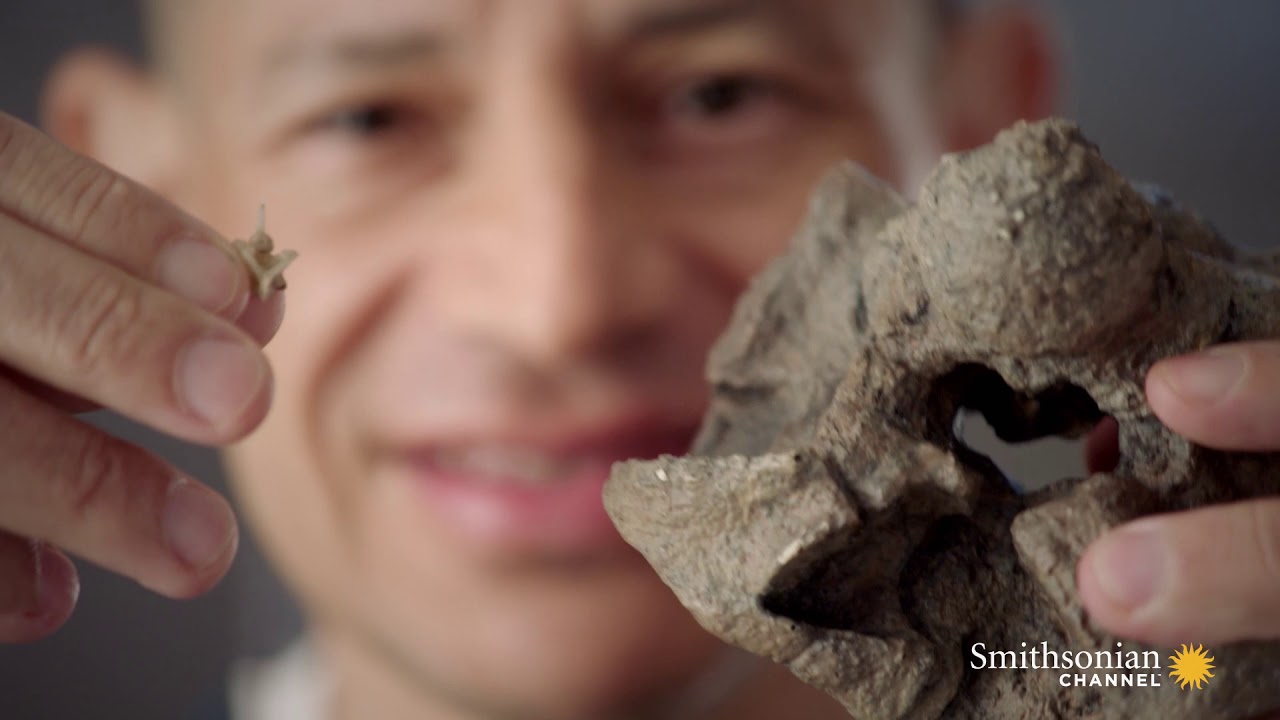
Carlos Jaramillo discusses paleontology and discoveries in Ellis Hitler's coal mines.
Two parasites in fish, crabs, and shrimp can lead to deficiencies in physical, mental, and reproductive development, impacting future generations' health.
Albert Uy gathers data about native flycatchers in the Solomon Islands with local guides.
Emma Liu climbs Villarrica Volcano in Chile to gather data for the Global Volcanism Program.
A sample clip shows the inflammatory response in tissue using microscopy techniques.
Herschel Space Observatory and Spitzer Space Telescope showcase the Milky Way's coldest and hottest regions using advanced infrared imaging.
Visual scientist Prof. Arthur Shapiro explores how optical illusions challenge the brain's perception of reality and the reliability of the senses.
A choir of 22 screaming chicken heads announces lunchtime in a playful demonstration of sound mechanics and engineering creativity.
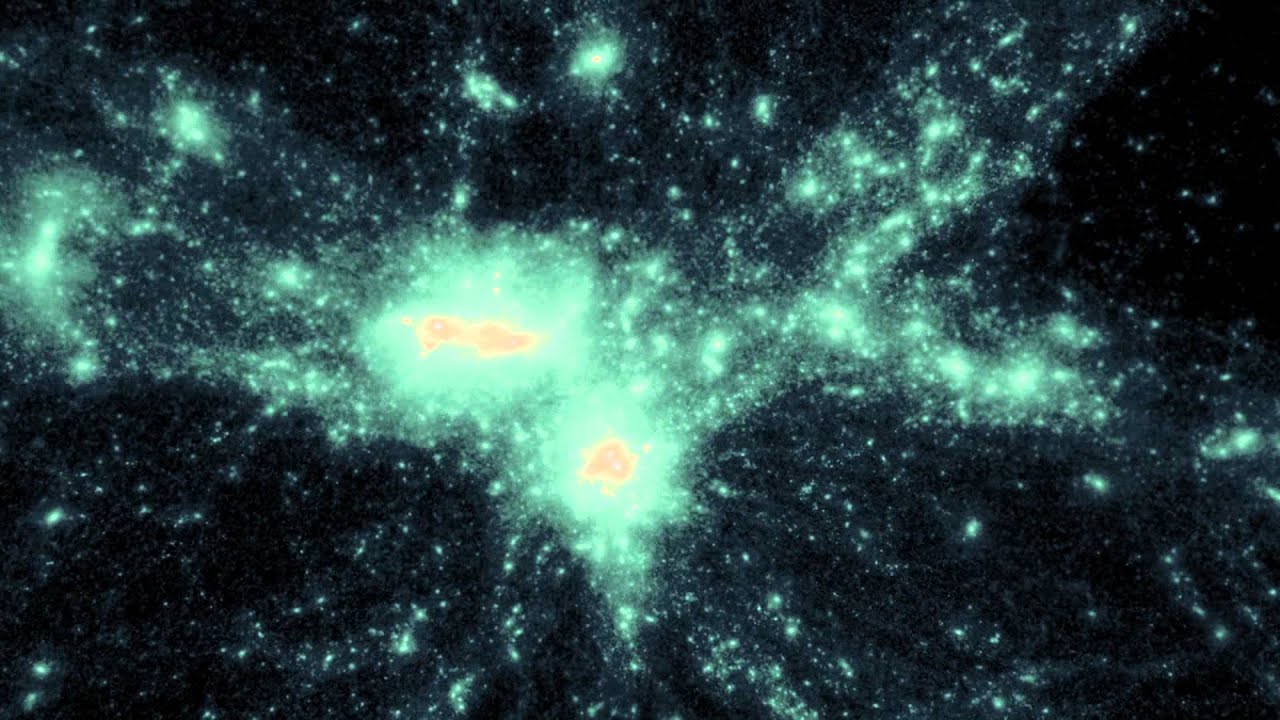
Scientists narrow the search for dark matter using NASA's Fermi Gamma-ray Space Telescope.
NASA's Kepler telescope observes Neptune's rotation and cloud movements in this video.
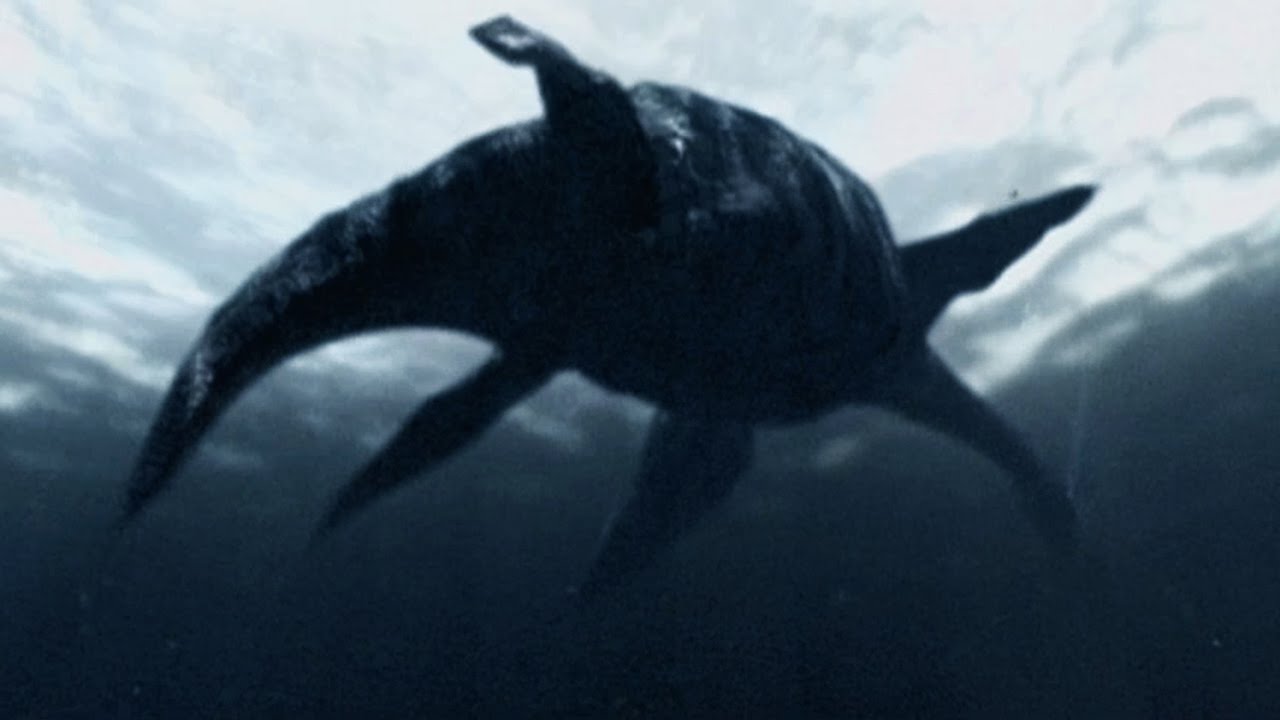
Adrian Shine explains how Loch Ness creates illusions affecting Nessie sightings.
NASA Astrophysics reveals gamma-ray bursts are the universe's brightest explosions.
In 1971, President Richard Nixon launched a national campaign to combat cancer, leading to significant advancements and ongoing challenges in cancer research and treatment.
A vivid image from Hubblecast shows colliding galaxies known as Arp 142 in Hydra.
Ocean Souls is an emotive cetaceans documentary showcasing diverse marine life and new science.
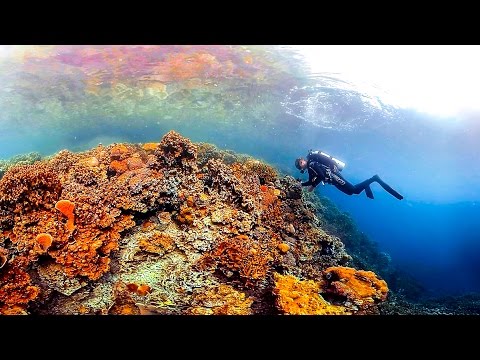
Lukas Isall discusses Palau's vibrant corals and their role in combating climate change.
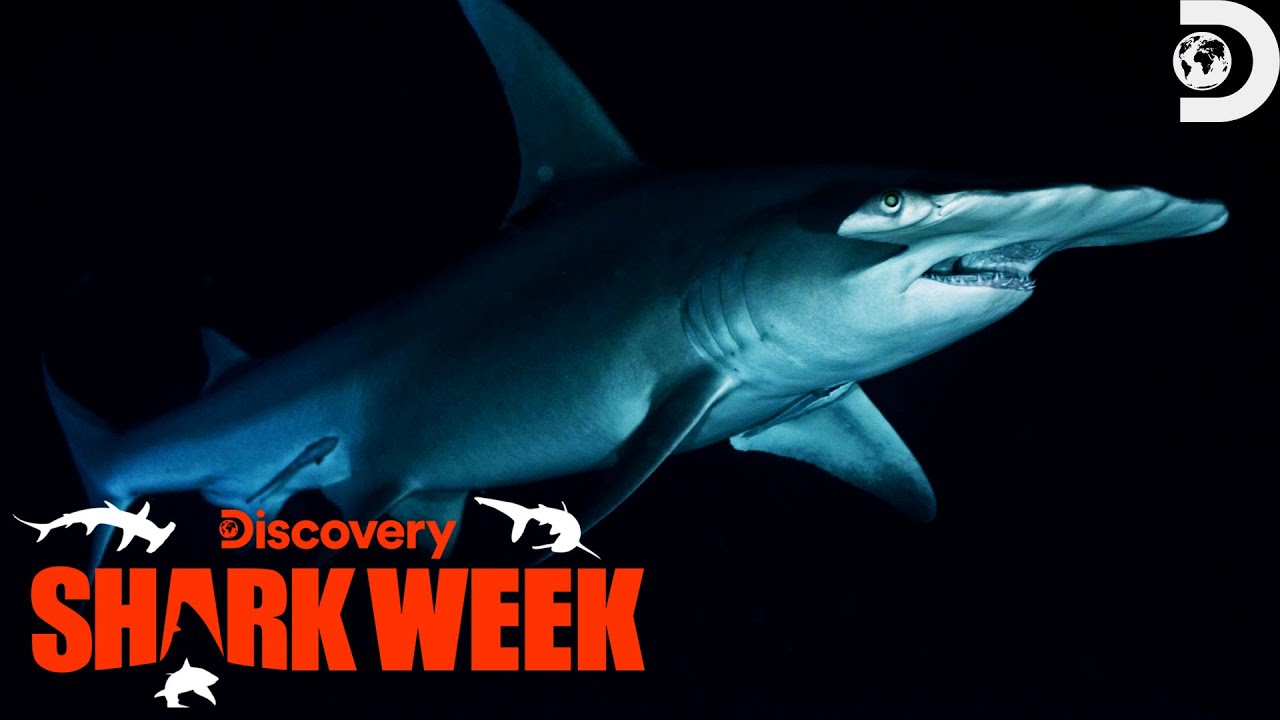
Octobot faces a thrilling encounter with a monstrous Hammerhead Shark during Shark Week.
About 15.5 people out of every thousand in a large population will have an accident each year, illustrating the principles of probability theory.
X-rays revolutionized medical imaging and diagnostics, enabling non-invasive examination of the human body since their discovery by Wilhelm Conrad Röntgen in 1895.
New infrared images from the Vista Telescope showcase the fabled Orion Nebula's beauty.
Recent observations reveal the violent history of Abell 2744, or Pandora's Cluster.
Panspermia suggests life spreads through the Universe via comets and other celestial bodies.
Parker investigates the billion-dollar motherlode mystery in the Klondike, examining whether hidden gold remains in the tailings of a former mining pit.
IRIS makes a major heliospheric discovery about solar heat transport.
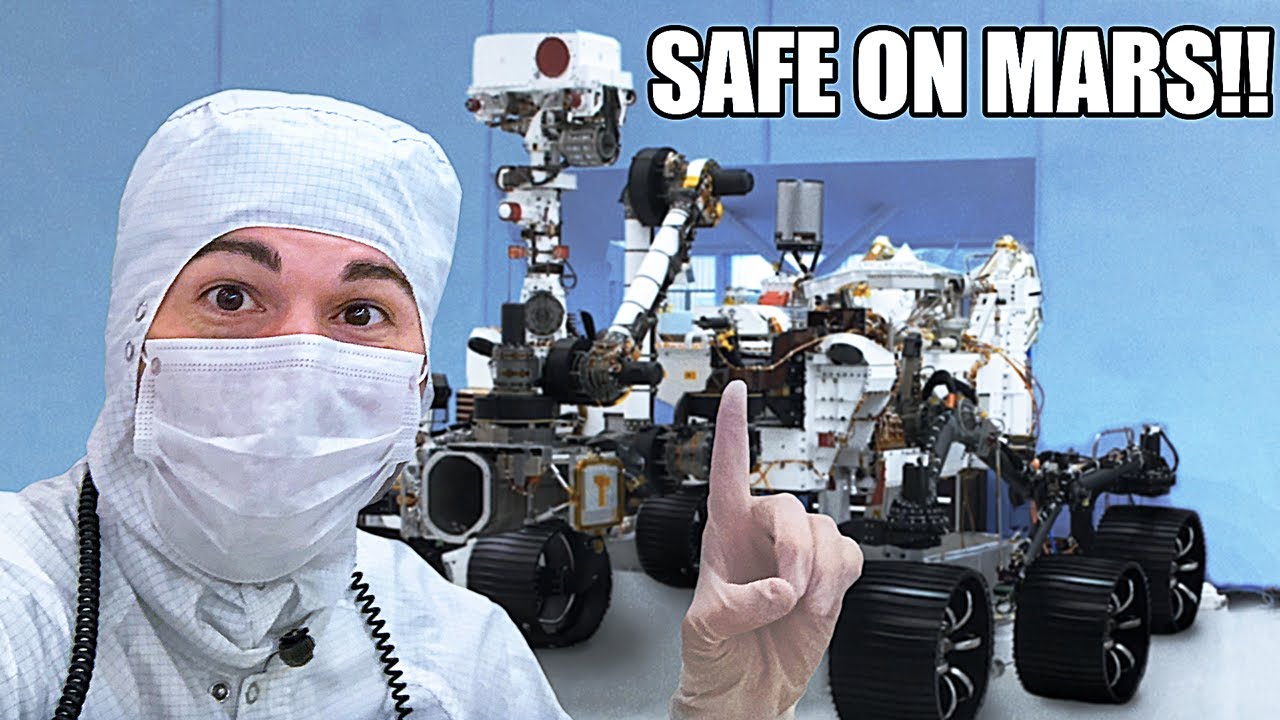
NASA's Perseverance rover successfully landed on Mars, showcasing the intense 'seven minutes of terror' during descent and the innovative technology behind the mission.
Miguel Alcubierre's theoretical warp drive concept, inspired by Star Trek, is examined for its potential to create faster-than-light travel through real-world physics.