From over 100,000 films, discover the handful you'll love.
Free or premium access to the world's largest documentary library.
2331 films(Page 36 of 49)
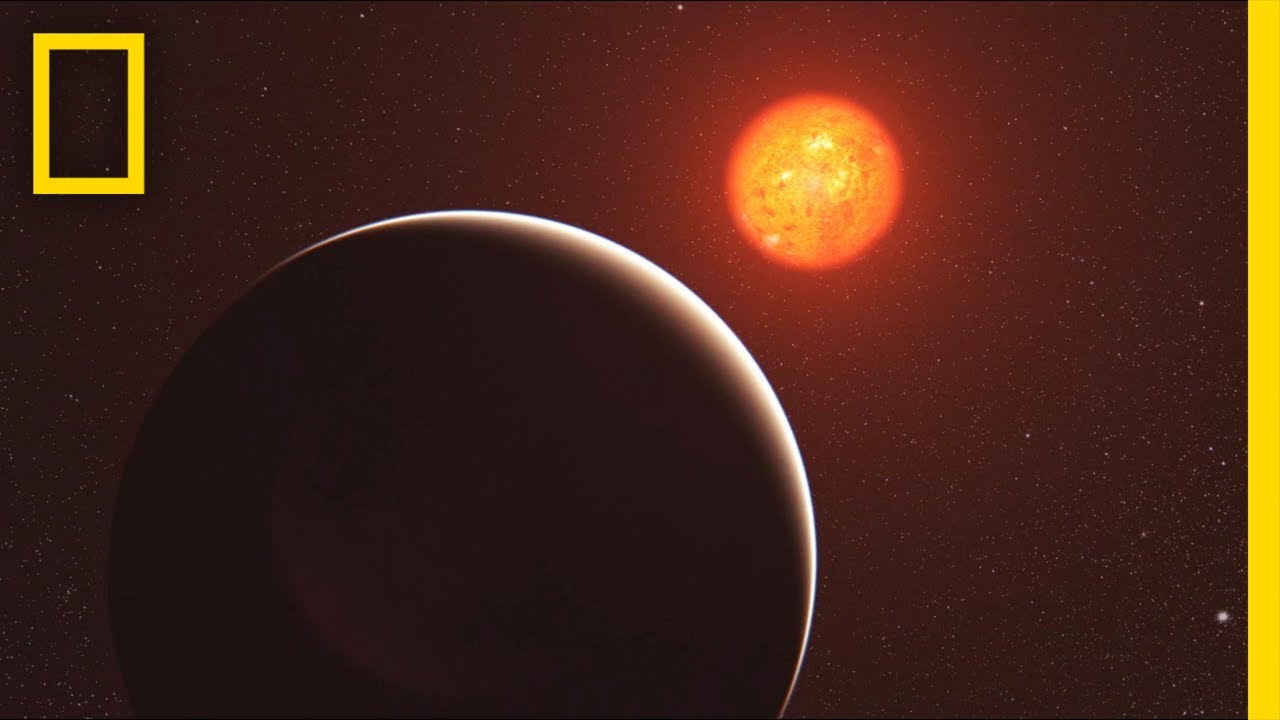
One out of every two stars has a potentially habitable planet, according to findings from the Kepler mission, which has transformed the field of astronomy.
The mass of an electron's classical electrostatic field has a mass equivalent 20,000 times larger than the measured mass of the electron.
Two clones are created in a thought experiment to illustrate the Many Worlds interpretation of quantum mechanics and its implications for probability.
Many physicists now propose that our three-dimensional universe may be an inward projection from an infinitely distant boundary, akin to a hologram.
On November 29th, PBS Space Time offers a 20% discount on merchandise, including themed apparel and puzzles for physics enthusiasts.
Over 15,000 stars combine to create the observable universe, which may operate like a game of 20 questions, constantly adapting its reality.
Dolphin intelligence is showcased through their ability to learn English symbols and collaborate in hunting strategies, as captured by photographer Brian Skerry.
Jean-Patrice Keka and his team have launched five rockets in the Democratic Republic of the Congo, aiming to establish a unique African space program.
A patient with a skin burn at Mass General Hospital received the first cell therapy in 1981, using their own cells grown outside the body.
Seven times, participants in a dream manipulation experiment changed their preferences without being aware of the influence on their decisions.
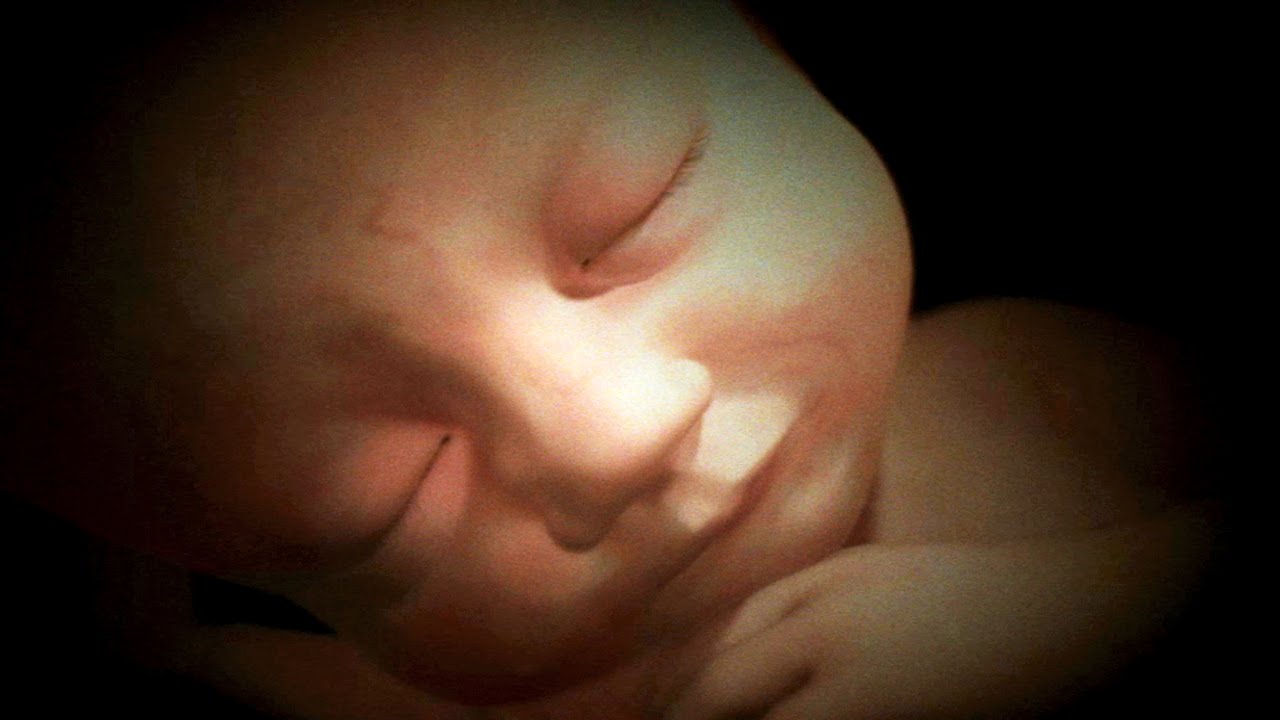
At 33 weeks, a fetus spends approximately 90% of its time asleep, engaging in REM sleep while preparing for the challenges of life outside the womb.
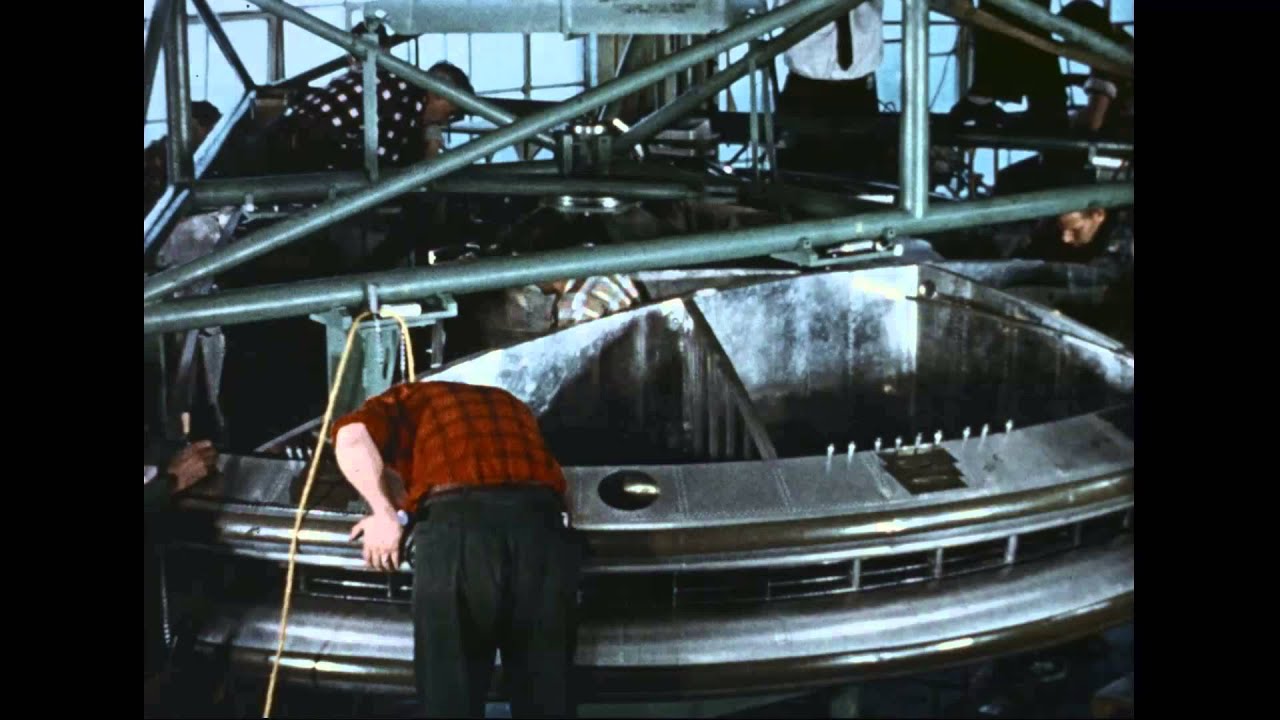
An 18-foot diameter test vehicle, designed for vertical takeoff, was constructed as part of a research program for the United States Army from 1958 to 1959.
20 years of planning and construction culminate in LIGO's first search for gravitational waves, marking a new era in the study of the universe.
This video discusses gravitational lensing and Einstein's rings from Hubblecast's intriguing episode.
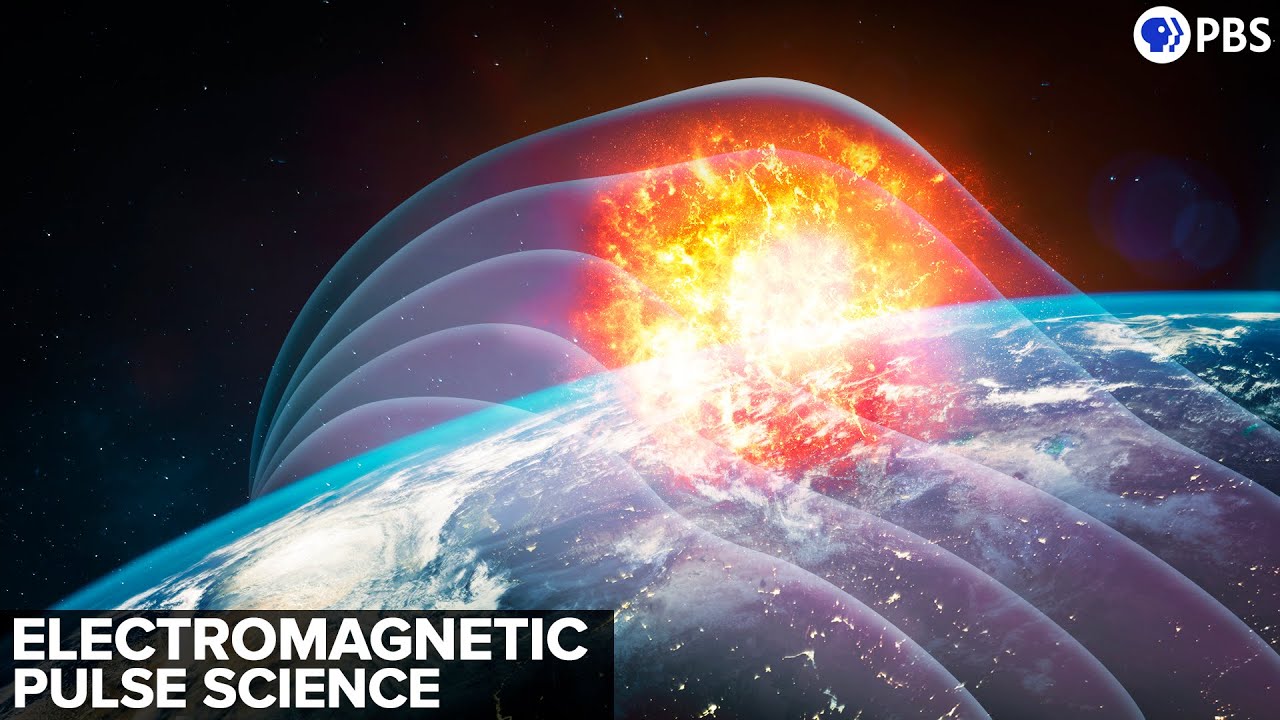
A third of all low Earth satellites were destroyed due to the electromagnetic pulse generated by the Starfish Prime nuclear test in 1962.
Astronomers predict that the universe will eventually chill down to absolute zero in a scenario known as the 'Big Freeze.
Glaciologist Erin Pettit communicates with glaciers to interpret their signals regarding sea level rise and the impacts of climate change.
NASA's Dart probe's collision with the asteroid Dimorphos on 26 September 2022 sets the stage for the European Space Agency's Hera mission to study its aftermath.
The Mars Reconnaissance Orbiter can perceive features as small as a dinner plate, providing unprecedented detail of the planet's surface.
Over two years, Explorers Thomas Peschak, Fernando Trujillo, Thiago Silva, and Julia Tavares studied the Amazon River Basin across six countries.
30 horses and llamas carry 1,500 pounds of food and gear for a team of scientists aiming to install a weather station at 20,000 feet in Peru.
Mike Rowe challenges the heat of a Carolina Reaper pepper, which measures over 1.6 million Scoville heat units, in Fort Mill, South Carolina.
Freddy Dodge and Juan Ibarra provide expert strategies to enhance gold recovery efficiency for struggling mine owners in the gold mining industry.
200,000 miles from Earth, Apollo 13's crew faced a catastrophic explosion that left them without power and guidance during their mission to the moon.
The Earth's outer layer's origin and mobility are examined through diagrams and unique volcanic footage, illustrating its cyclical activity.
A 60-knot wind and rising seas threaten to capsize the Saga as the crew scrambles to secure their catch before the storm hits.
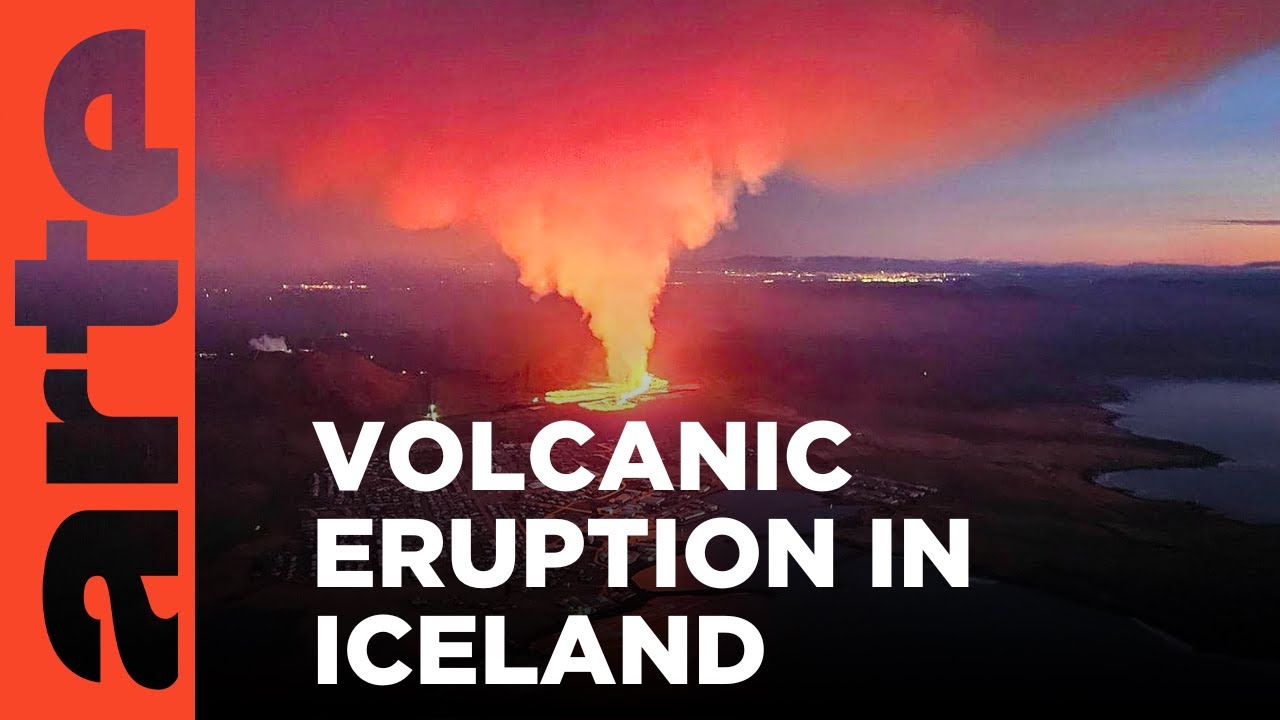
The January 2024 volcanic eruption in Iceland threatened Grindavik, prompting journalists and the public to capture the event while examining volcanic risks.
The video showcases supersonic testing of the fastest rocket sled, achieving Mach 2.5.
Billions of migratory birds across the Western Hemisphere are being tracked through DNA analysis from feathers, enhancing conservation efforts led by the Bird Genoscape Project.
On April 24, 1990, the Hubble Space Telescope launched but soon faced a malfunctioning high-gain antenna that halted operations.
Planet hunters, including Swiss astronomers Michel Mayor and Didier Queloz, utilize advanced techniques to identify exoplanets and assess their potential for life.
NASA's search for extraterrestrial intelligence covers more astronomical territory in its first few minutes than all previous searches combined over 30 years.
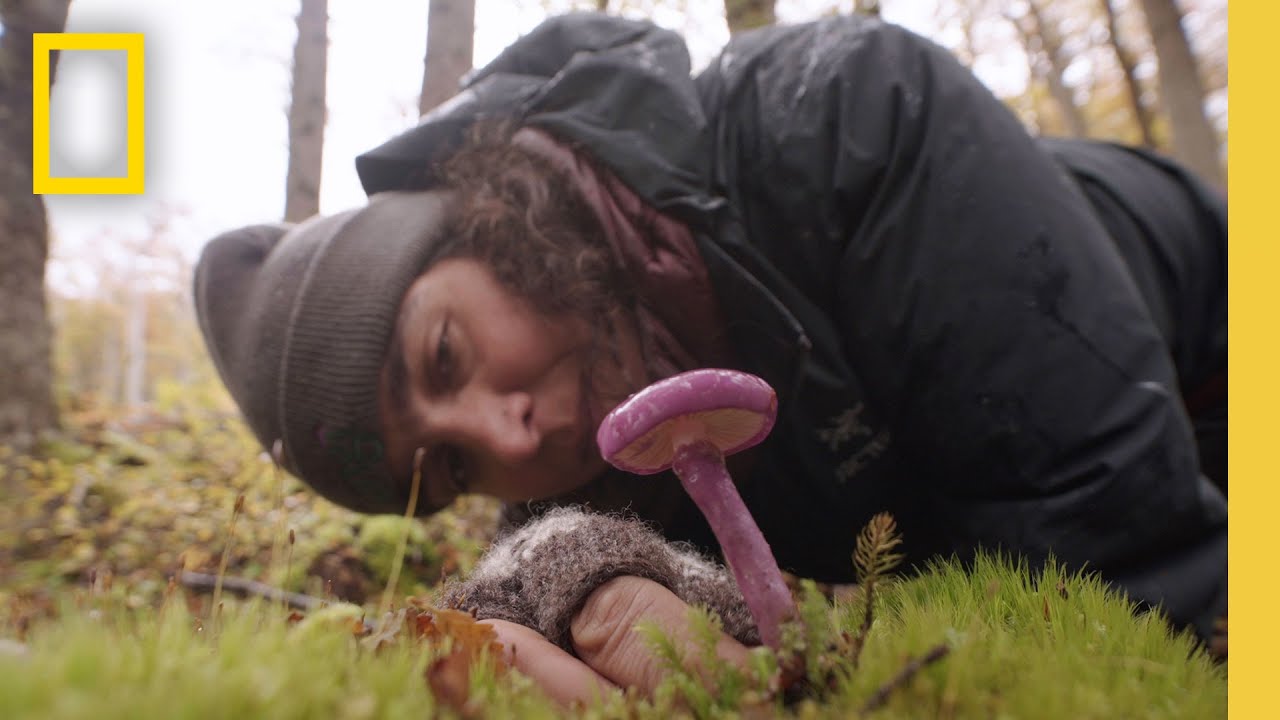
Three scientists survey fungal diversity in Tierra del Fuego, arguing that without fungi, plants and animals cannot survive.
In South Florida, black bear biologist Shelby Shiver and her all-female team from the Florida Fish and Wildlife Conservation Commission capture and tag bears to assess population connectivity and conservation needs.
Rodrigo Medellin has studied bats for 46 years and aims to document the elusive greater false vampire bat in the Yucatan rainforest.
In the Arctic forests of Norway, Nellie Nilsen explores plant life cycles and challenges common misconceptions about fruit in the BBC Earth series From Plant To Planet.
Three lost species of sharks were last seen off the southeast coast of South Africa, where over a third of the world's shark species converge.
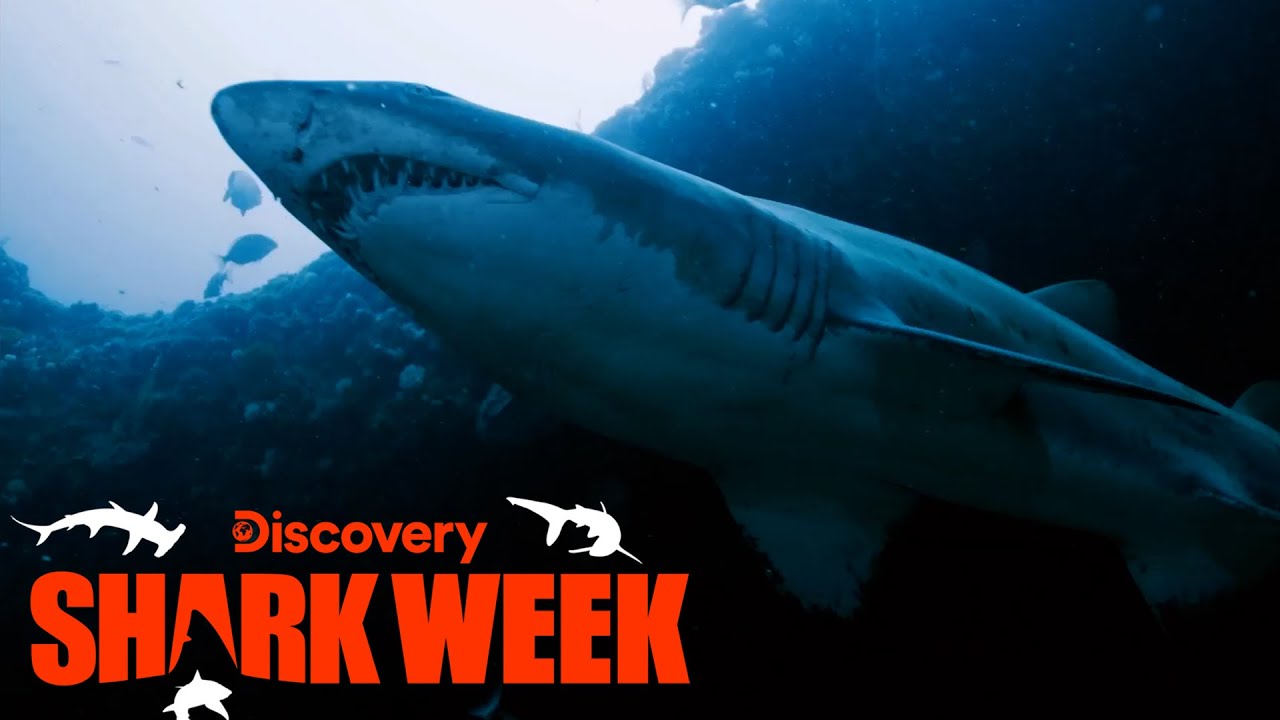
A 12-foot sleeper shark is filmed at the ocean's surface, marking a rare encounter with this elusive species during Shark Week 2023.
Freddy and Juan have less than five days to get the Addams Family plant producing at least 15 ounces of gold a week to sustain their mining operation.
Freddy Dodge and Juan Ibarra assist struggling mine owners by implementing innovative strategies to significantly increase their gold recovery in Alaska.
The arena in Verona, dating from the first century AD, originally held 30,000 spectators and remains in use today, particularly during the summer opera season.
On December 5, 2022, scientists at Lawrence Livermore National Laboratory achieved fusion ignition, producing 3 megajoules of energy from 2 megajoules of input.
Many Americans still believe in literal biblical creation despite Enlightenment influences.
NASA’s Parker Probe Plus is exploring the Sun's outer atmosphere to enhance understanding of its power and the effects on Earth.
In 2003, microbiologists identified giant viruses that challenge existing concepts of microbial life and evolution, prompting a reevaluation of what it means to be alive.
Giant galaxy clusters help Hubble look deeper into the Universe using gravitational lensing.
An artificial intelligence language model has been integrated into a physical robot, showcasing advancements in robotics and machine learning by ColdFusion.
Ninety-five percent of the universe is thought to be dark energy and dark matter, which do not emit light and remain largely unseen.













![Documentary backdrop image for Google Just Put an A.I. Brain in a Robot [Research Breakthrough] (2022)](https://i.ytimg.com/vi/Jy3zjXK4ao4/maxresdefault.jpg)
