From over 100,000 films, discover the handful you'll love.
Free or premium access to the world's largest documentary library.
2331 films(Page 33 of 49)
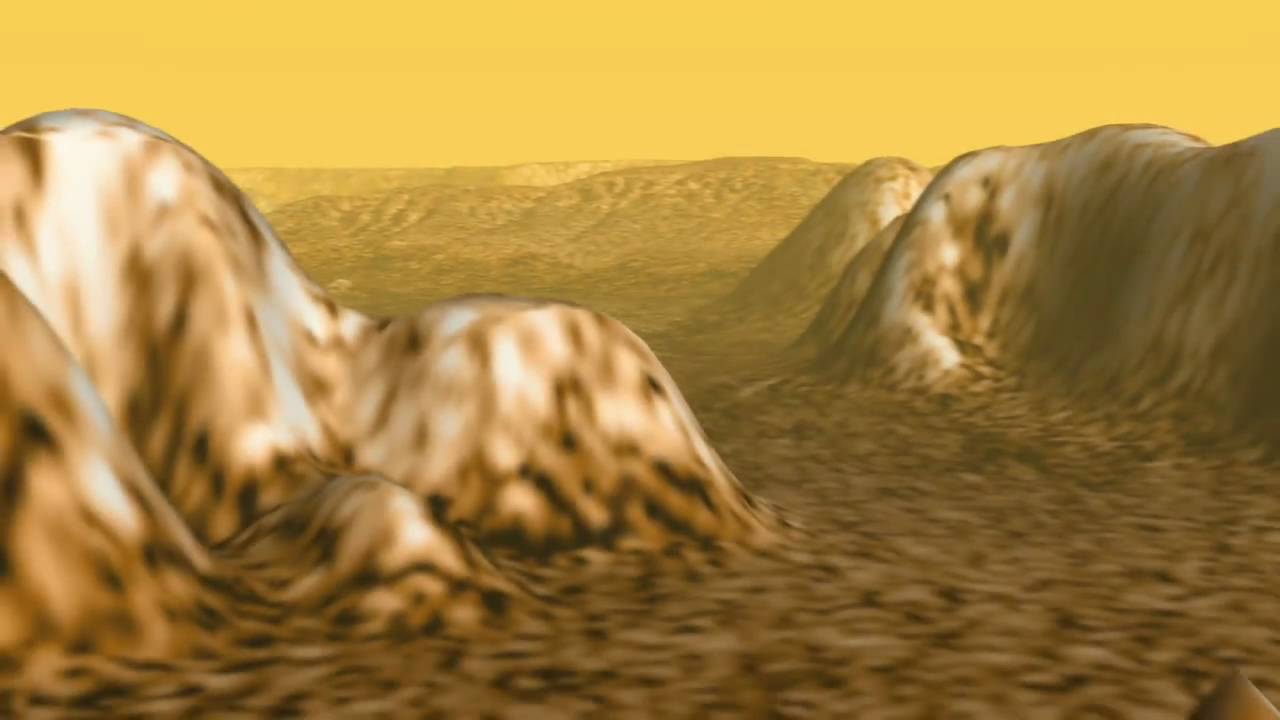
Radar data reveals that Titan has areas of carst topography similar to places on Earth like Jamaica and Puerto Rico, formed by liquid methane.
Titan, Saturn's largest moon, features a complex weather system with liquid hydrocarbons like methane and ethane, challenging our understanding of planetary atmospheres.
The titanoboa, a prehistoric monster snake, could swallow prey whole, even motorcycles.
Barry's crew prepares to catch a shark named Harrison by using a hook and a satellite tag bolted to the dorsal fin after drilling holes in it.
Dust devils form on Earth and Mars, visible due to the dust they lift from the ground.
The Barcode of Life initiative aims to catalog plant and animal species to enhance medical research and promote biodiversity conservation.
This feature documentary reveals the tukdam phenomenon among Tibetan Buddhists after death.
The Hubble Space Telescope reveals the Twin Jet Nebula's intricate shells and fast-moving gas jets extending from a central star system.
In the Mendip Hills of the UK, paleo climatologist Gina Mosely studies calcite crystals in Shatter Cave to reveal climate changes over the last 600,000 years.
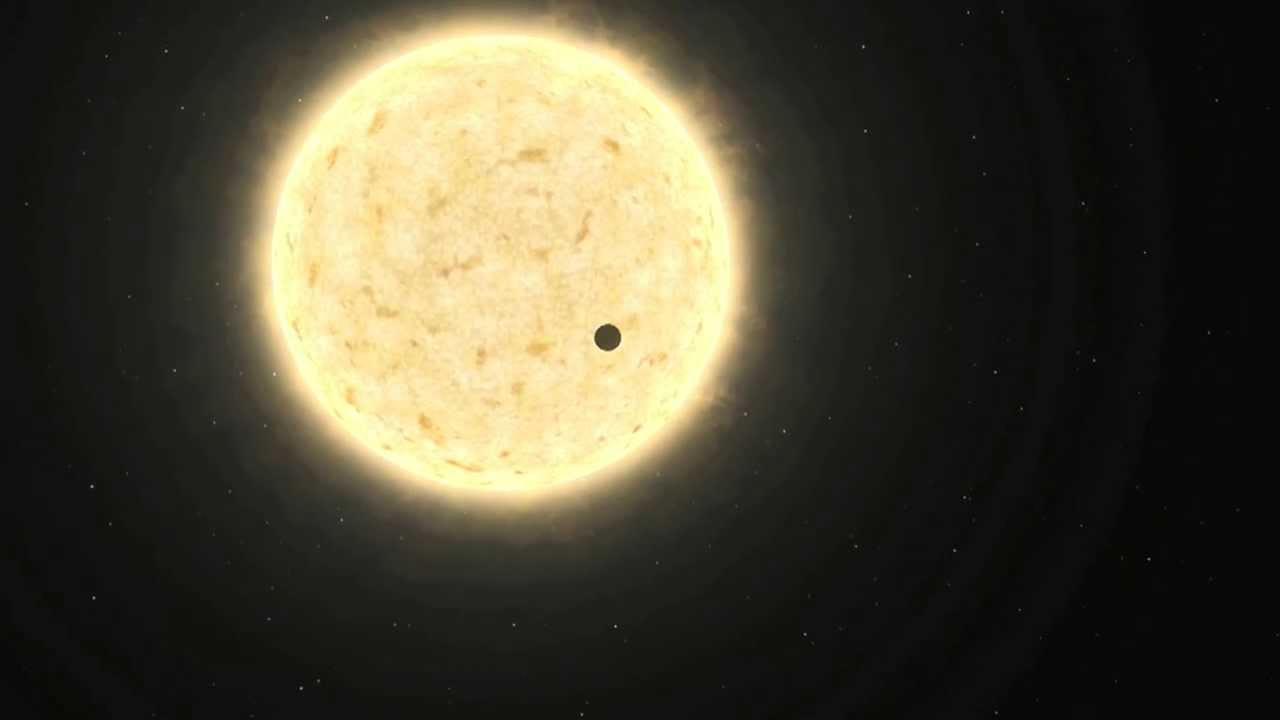
Three newly identified exoplanets orbiting stars in the Messier 67 cluster, including a solar twin, highlight the prevalence of planetary systems beyond the Solar System.
The NASA Swift team reveals the power of giant black holes in active galaxies like quasars.
Advancements in biotechnology enable scientists to print human tissue and organs using 3D printing technology, reflecting concepts from Star Trek.
More than 8 million people die every year from smoking tobacco, while a vaping-related outbreak in the U.S. has led to over 2,600 hospital cases.
Newborn stars fire jets of matter, revealing insights into the Sun's formation 4.5 billion years ago.
Vlatko Vedral explains to Aleks Krotoski that reality is fundamentally information.
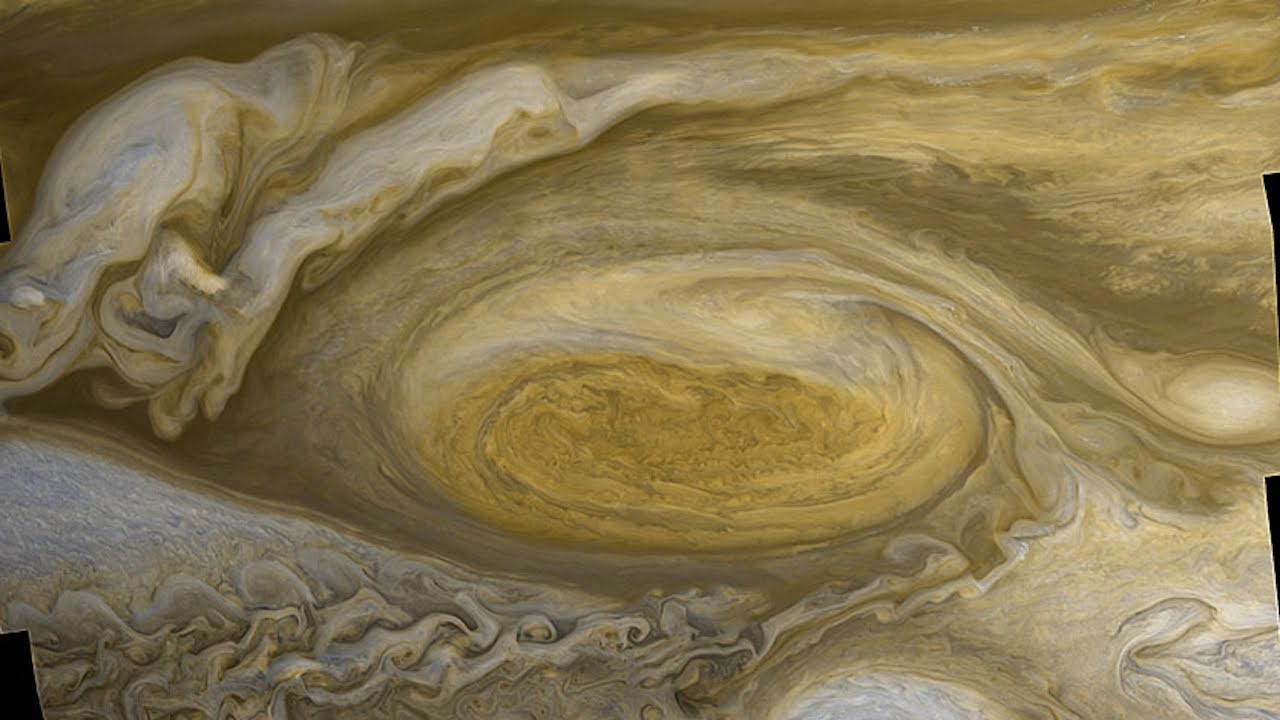
NASA's Voyager spacecraft, launched in 1977, reveal unexpected findings such as active volcanoes on Io and a potential ocean beneath Europa's icy crust.
Microbes, including bacteria, are essential for composting and enriching soil for plants.
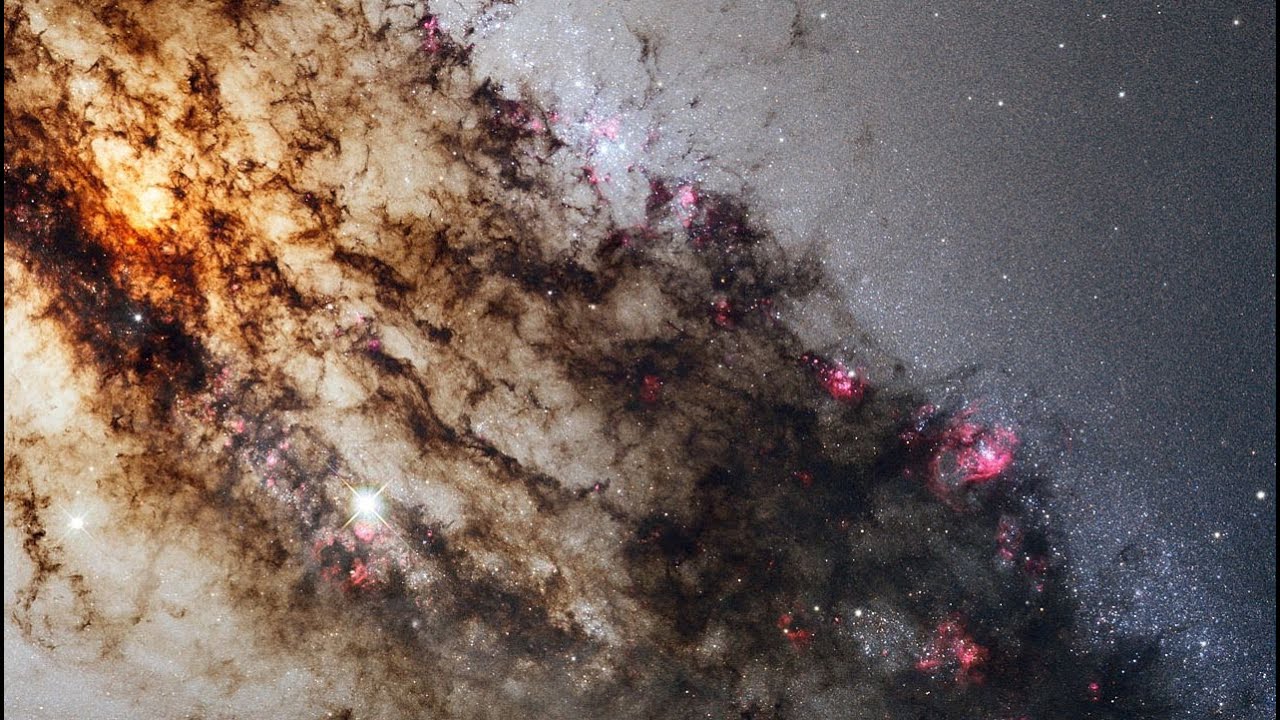
Hubble Space Telescope reveals detailed view of the galaxy Centaurus A's dust lanes.
Dr. Dirk Teuwen travels to the Congo for 1960s tissue samples to trace HIV's origins.
The video discusses how the universe began with a big bang and connects us to outer space.
Scientists in rainforests and bat caves explain how viruses like Covid-19 spill over from wildlife to humans and the necessary steps to prevent future pandemics.
The Drop Tower in Bremen generates microgravity for 9.3 seconds, enabling scientists to study matter's behavior without Earth's gravitational influence.
Josh Gates examines the destruction of Sodom and Gomorrah at Tall el-Hammam through scientific research.
NASA's Apollo missions returned lunar samples that revealed the Moon and Earth share a common origin, supporting the giant impact theory and highlighting the Moon's influence on ocean tides.
The Stanford Prison Experiment: Unlocking the Truth streams on Disney+ and Hulu now.
ArcAttack in Austin, Texas, combines music and science using a Tesla coil to create sound.
Humans spend roughly one-third of their lives asleep, with modern lifestyles leading to less sleep than a century ago.
Comets, such as Hale-Bopp and Halley's Comet, are small icy bodies in the Solar System that form visible comas and tails as they approach the Sun, with significant insights gained from missions like ESA's Rosetta.
Antimatter, a key concept in particle physics, is explored through its creation from energy and its role in the universe, including its fictional use in Star Trek.
Nuclear fusion offers a clean, unlimited energy source amid rising global energy demands.
The possibility of intelligent alien life is examined through scientific theories and astronomical research, highlighting the vastness of the cosmos.
A 6-month-old fetus may survive outside the womb, raising ethical questions in Britain.
Scientists reveal that The Earth and visible matter comprise only five percent of the universe.
Hair reveals a person's toxic exposure history, aiding forensic toxicology investigations.
In 1961, archaeologists in southern Israel uncovered documents that reveal the significant social status and agency of Nabataean women in first-century Petra.
Ingenuity is defined as doing anything new that has intrinsic societal value, according to various winners of the Ingenuity Awards.
Biased perceptions linking body size to health have led to the dismissal of scientific findings that challenge the conventional understanding of BMI.
X-ray technology in shoe stores once led to hazardous practices, paralleling other unsafe trends like doctors endorsing smoking and children playing with radioactive toys.
Exploration of cosmic phenomena raises questions about the origins of extraterrestrial life and the potential sources of alien civilizations.
In 1905, Albert Einstein published his special theory of relativity, demonstrating that time passes differently based on the relative motion of objects.
Ice rinks can maintain a temperature of 24 degrees Fahrenheit, allowing them to stay frozen even in warmer conditions.
Scientists maintain excitement for Pluto's mysteries and unique features in our solar system.
Genghis Khan's vast military conquests lead to 16 million living descendants today.
Decades of research into Alzheimer's show little progress in finding a cure despite billions spent.
A scientist in Denmark studies the effects of prolonged standing, linking it to crucifixion.
Dr. J. from EsoCast discusses the runaway universe discovery and its implications.
Ed Carr discusses China's rise as a world leader in science and global concerns about it.
Striking observations from Hubble Space Telescope show x-ray winds stripping a galaxy's entrails.