
Why does time pass?
Synopsis
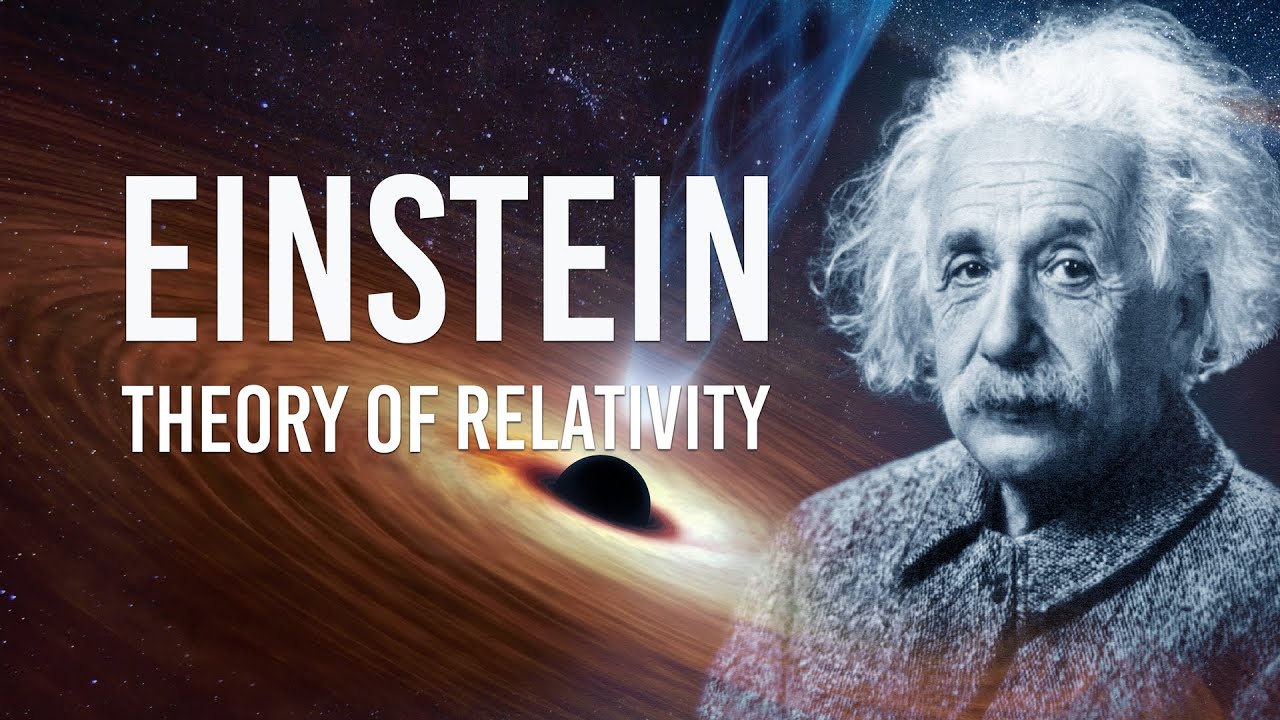
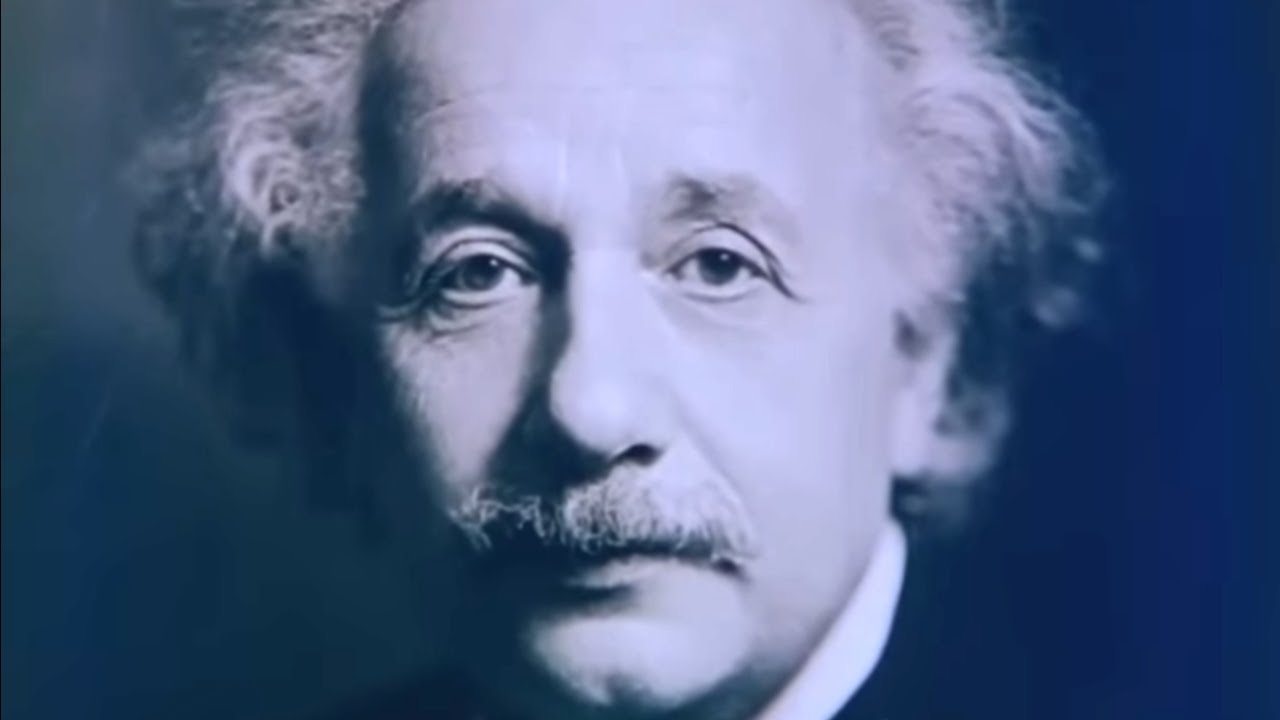
In 1905, Albert Einstein published his special theory of relativity, demonstrating that time passes differently based on the relative motion of objects.
Synopsis
Albert Einstein's special theory of relativity, published in 1905, reshaped the understanding of time. The film discusses how time is not a fixed entity but varies based on the relative motion of objects. John Archibald Wheeler's insights illustrate time's role in preventing simultaneous events. The documentary also touches on the theoretical concept of wormholes, which may allow for time travel but face significant scientific challenges. Ultimately, it concludes that time moves in one direction, a mystery that remains unsolved.
Deep Dive
Why Watch
- Find out how Einstein's theory changed our view of time.
- See how time is woven into the fabric of space.
- Discover the implications of traveling close to the speed of light.
- Meet the challenges of creating and using wormholes.
Did You Know
- Albert Einstein published his special theory of relativity in 1905.
- Time passes differently depending on how fast an observer is moving.
- Einstein's theory suggests that the faster one travels, the slower time goes for them.
- Wormholes are theoretically possible but considered highly implausible.
- The arrow of time appears to move in one direction only.
Perfect For
Frequently Asked Questions
What did Albert Einstein publish in 1905?
Albert Einstein published his special theory of relativity in 1905.
How does time pass differently according to Einstein's theory?
Einstein demonstrated that time passes differently in different places depending on how those places are moving with respect to one another.
What is a significant insight from Einstein's theory of relativity?
One of Einstein's great insights was that time is woven into the very fabric of space itself.
What are people saying?
Play More Like This




Browse more like this


Related Films
Is this your film?
If you made this film or hold the rights to it, we'd like to talk. We can license it and pay you a share of what it earns.
Comments