From over 100,000 films, discover the handful you'll love.
Free or premium access to the world's largest documentary library.
25 films
Over 2,000 years ago, Democritus proposed that matter is made of tiny, indivisible particles called atoms, a concept later confirmed by modern science.
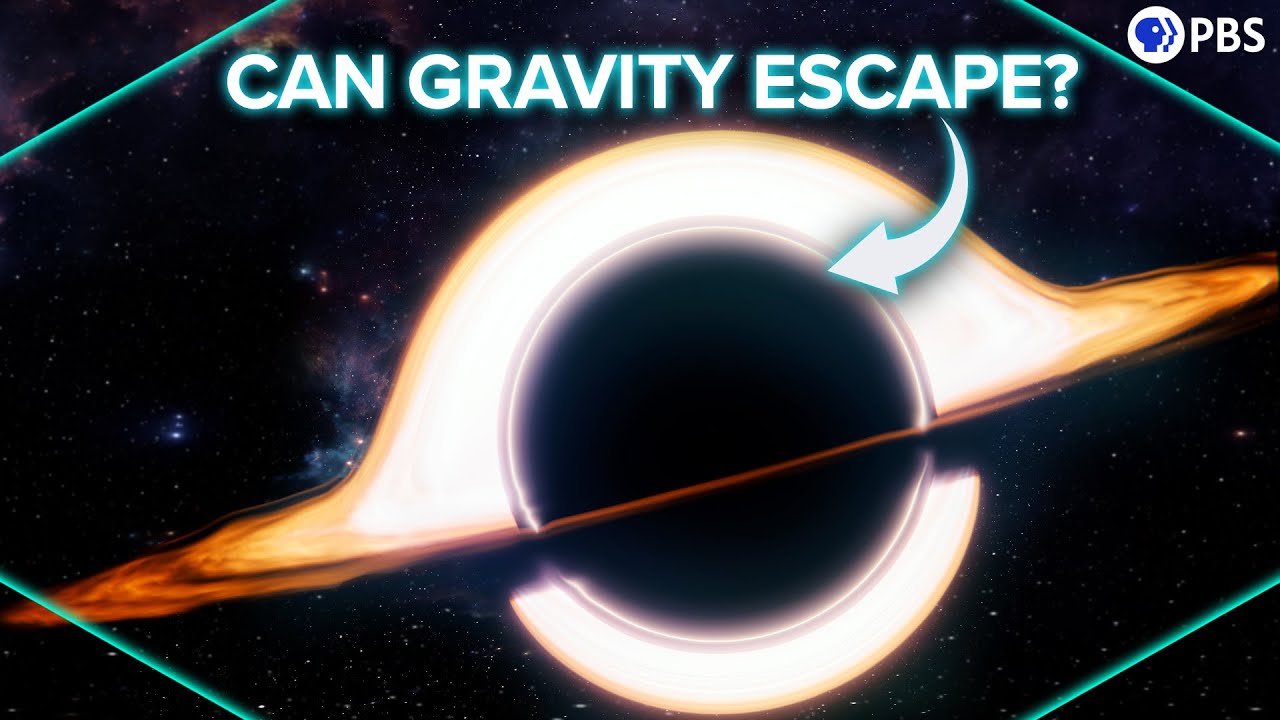
A black hole is born when a large star dies in a supernova explosion, which can be as bright as a billion billion suns.
A black hole can be orbited safely from just 30 kilometers away, according to astrophysicist Janna Levin in a discussion about cosmic phenomena.
500 years passed before a manned vessel emerged from a wormhole near Neptune, with its crew long dead and the ship barely functioning.
General relativity, a theory developed 100 years ago, transformed the understanding of gravity and the relationship between space and time.
Physicists explore the quantum realm, investigating the fundamental nature of existence and the potential of hidden dimensions in this thought-provoking documentary.
Jim Al-Khalili explains how gravity shapes the universe and affects daily life.
Ancient photons from distant stars provide insights into the universe's origins, while experts explore the dual nature of light and its connection to Einstein's theories.
Black holes, known for their destructive power, may also serve as vast energy sources capable of meeting humanity's energy needs for millions of years.
A black hole named Sagittarius A, located over 27,000 light years away, is imaged for the first time, revealing a ring of light surrounding darkness.
In June 2023, scientists from the North American Nano Hertz Observatory for Gravitational Waves detected a background of gravitational waves throughout the universe.
Dark matter, which makes up about 80% of the universe's mass, is examined for its potential connection to black holes and their gravitational effects.
20 years of planning and construction culminate in LIGO's first search for gravitational waves, marking a new era in the study of the universe.
A black hole called Sagittarius A*, located 27,000 light years away, was photographed for the first time by astronomers in 2019.
PBS Member Stations rely on support to explain black holes and gravity's role in them.
Rocket Money sponsors a video on atomic nuclei and personal finance management today.
13.7 billion years is the age of the cosmic microwave background radiation, the most distant light humanity can observe from the universe.
PBS Member Stations rely on viewer support for programming and community engagement.
Scientists confirm space-time is smooth, supporting Einstein's predictions about gravity.
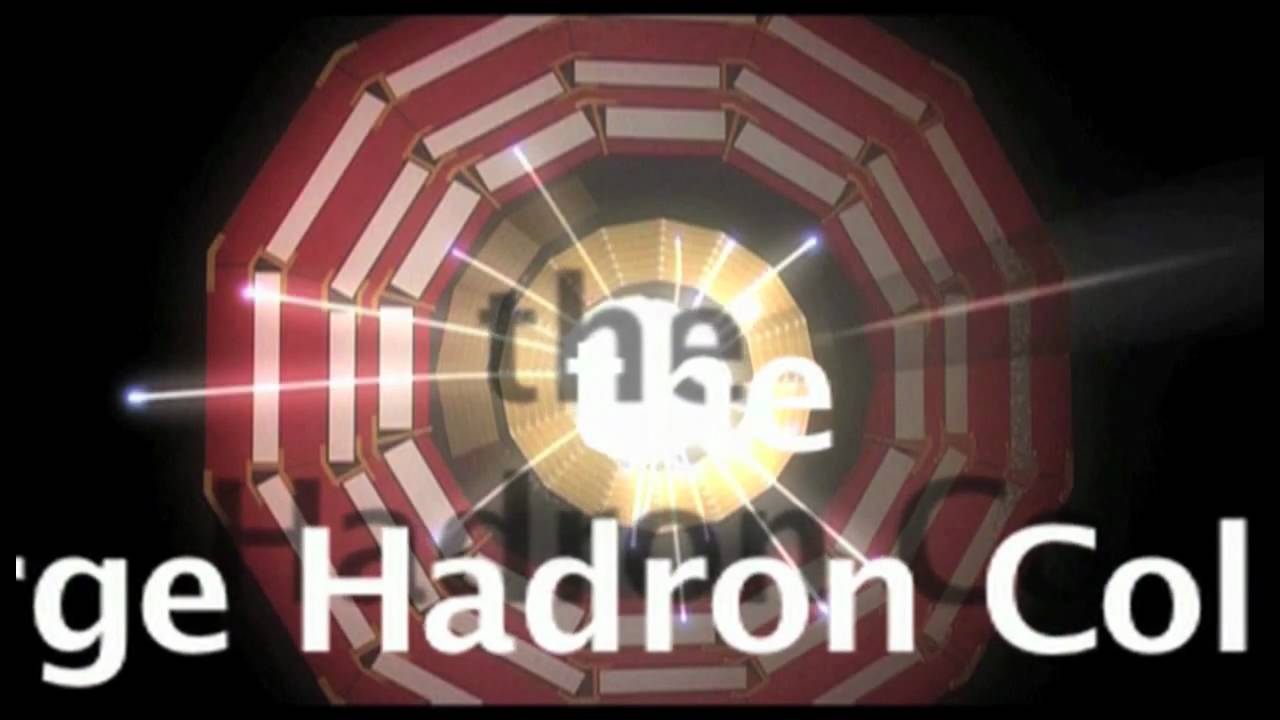
Two billion protons collide every second inside the Large Hadron Collider, recreating conditions from less than a billionth of a second after the big bang.
Matt answers space time community questions on February 10th at 5pm EST.
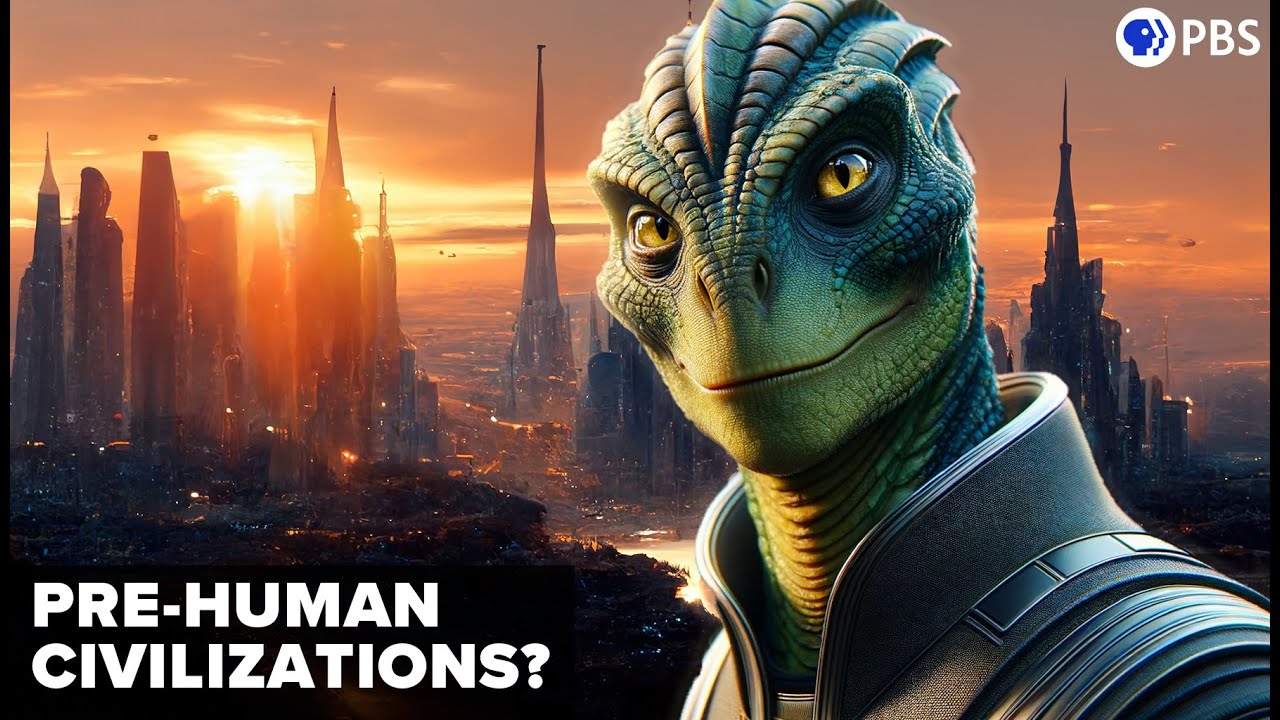
The video questions if humans are Earth's first civilization while promoting Hoverpens with discounts.
Recent work suggests that the universe may not have a beginning, challenging the traditional view of a singularity at time t=0.
Antimatter engines, once considered science fiction, are explored as a feasible technology that could be developed and launched within the next few decades.
In 1905, Albert Einstein published his special theory of relativity, demonstrating that time passes differently based on the relative motion of objects.