From over 100,000 films, discover the handful you'll love.
Free or premium access to the world's largest documentary library.
2331 films(Page 16 of 49)
In 1654, Anna Feldmans was accused of witchcraft and sentenced to burn at the stake, reflecting the era's struggle for truth amid fear and superstition.
By the end of the century, sea levels are expected to rise as much as 1 meter, inundating coastlines around the world.
Launched aboard an Ariane 5 rocket, the James Webb Telescope orbits one million kilometers from Earth, aiming to reveal the universe's early galaxies.
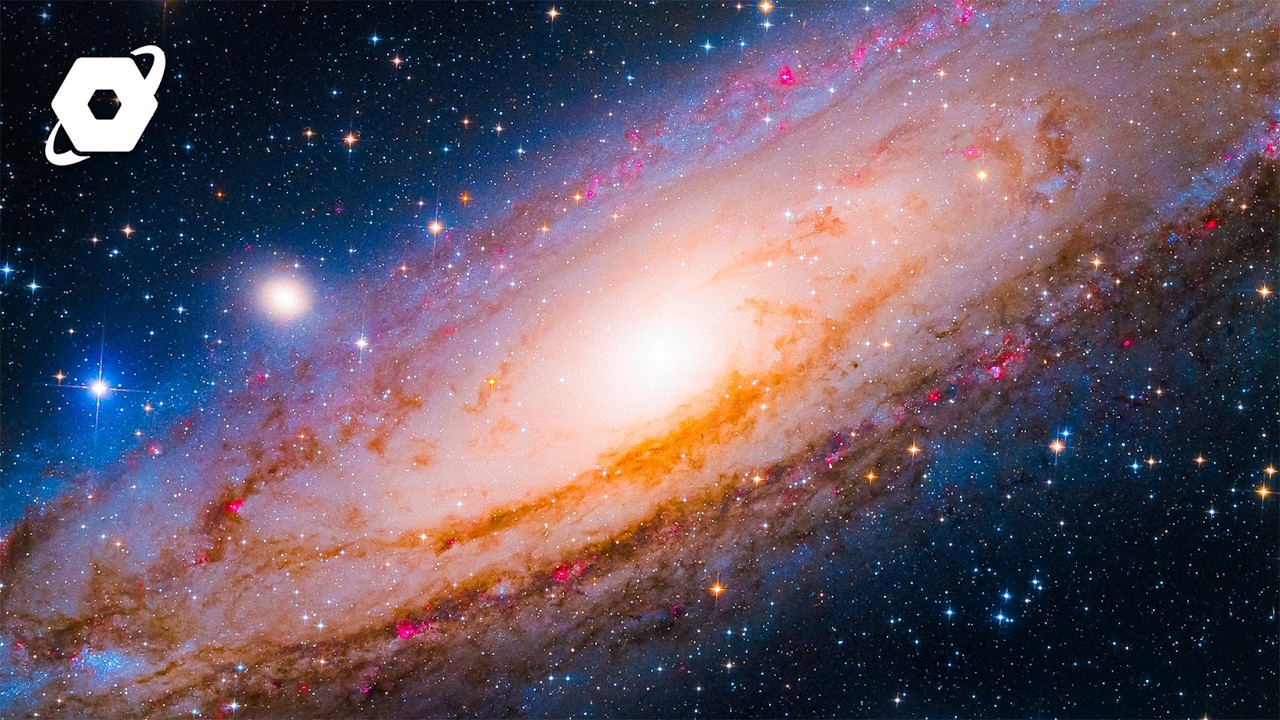
Astronomers discovered that supermassive black holes, weighing three billion times the mass of the Sun, exist at the core of every large galaxy.
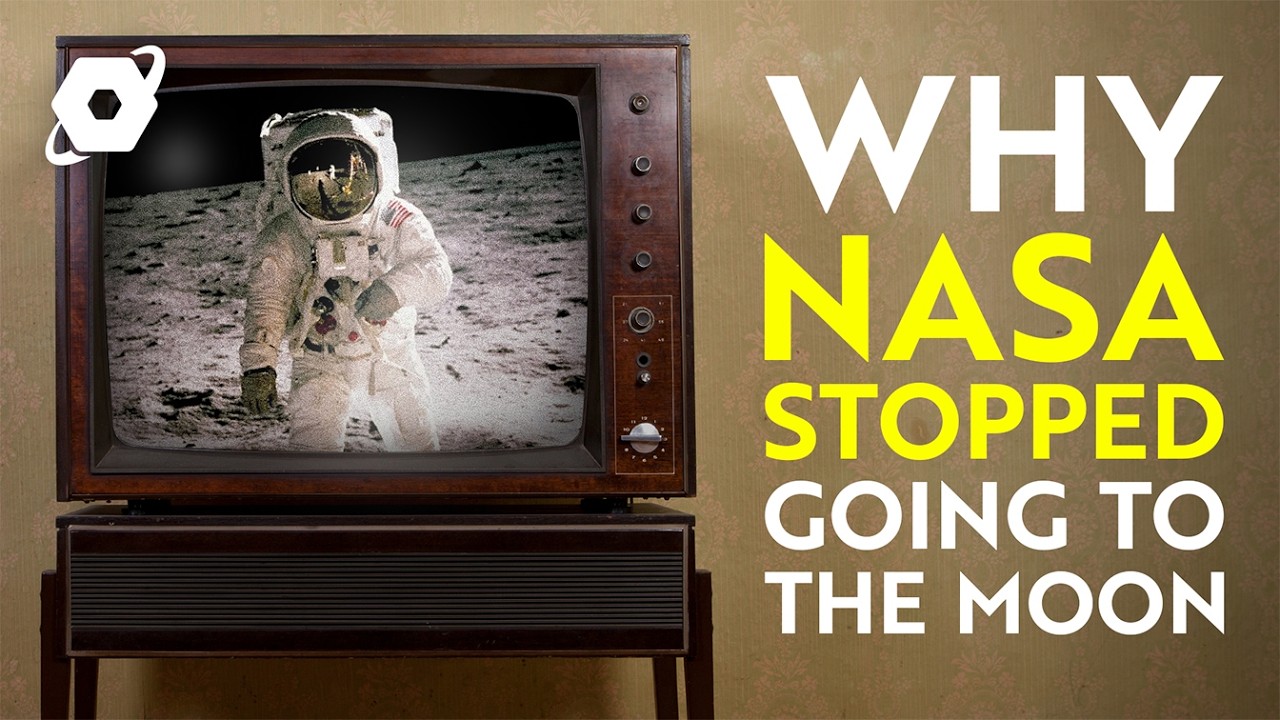
NASA's Apollo program faced political and public pressure as it concluded its lunar missions, raising questions about the future of human space exploration.
A demolition team faces setbacks while trying to attach a 35-ton jaw to their equipment, risking delays on a tight schedule.
Mega Transports reveals how to move a 300-tonne mining vehicle safely across roads.
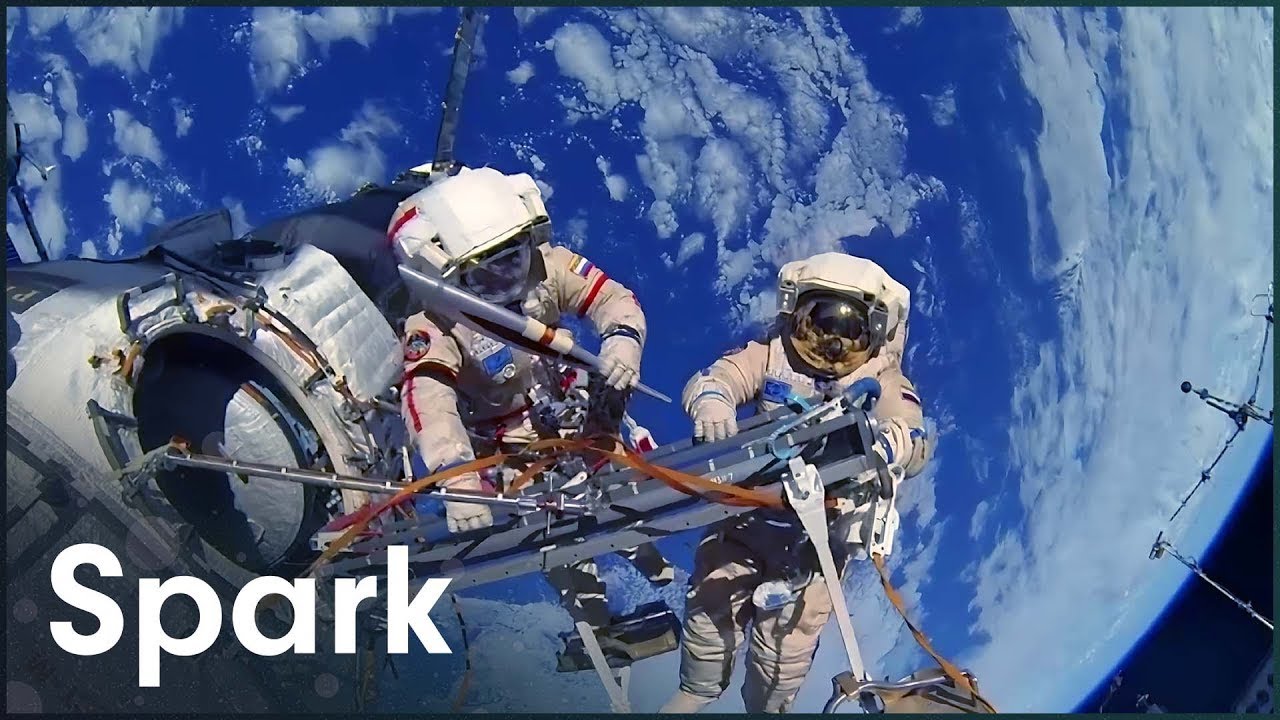
The International Space Station orbits the Earth every 90 minutes, serving as a platform for scientific research and international collaboration.
A test dummy simulates injuries from improvised explosive devices to train combat medics in realistic medical scenarios.
Astronomers are studying the supermassive black hole at the center of the Milky Way galaxy by tracking stars orbiting it at extraordinary speeds.
Colossal vessels navigate complex lock systems with precision and teamwork, showcasing the logistics and engineering required for global shipping operations.
Only 450 deep coal miners remain in Britain as Kellingley Colliery prepares to close, marking the end of an era in the country's coal mining industry.
Sky History presents official UFOs as real with hosts Craig Charles and Sarah Cruddas.
HMS Prince of Wales, a $3 billion aircraft carrier, showcases the Royal Navy's advanced modular assembly and global logistics in naval engineering.
Özlem Türeci and Uğur Şahin, co-founders of BioNTech, are honored with the Axel Springer Award in 2021 for their contributions to cancer research and the COVID-19 vaccine.
Recent scientific advancements in longevity research, featuring insights from Edward Norton and experts like Tony Robbins and Wim Hof, explore potential methods to slow aging and extend human lifespan.
Since the launch of the first Sputnik satellite in 1957, more than 10,000 satellites have been sent into space, with half still active today.
2,000 cubic meters of concrete are crushed and removed as demolition teams tackle the challenges of bringing down buildings across New Zealand.
Only 5% of male mammals actively engage in caregiving, a fact examined through the experiences of fathers during pregnancy and early parenting.
The influenza pandemic of 1918 killed more people worldwide than the total number of military deaths in World War I.
Mega Projects around the world require extensive planning and coordination to transport oversized cargo, highlighting the challenges faced by engineers and logistics teams.
The 1918 influenza pandemic killed more people worldwide than combat during World War One.
Cosmic rays, originating from exploding stars, are examined by scientists at CERN and observatories in Spain and Argentina for their role in shaping life on Earth.
Baltic Sea Divers undertake complex salvage operations to recover a 30-meter climate change measuring mast and a 60-kilo sonar from freezing depths.
NASA's Apollo missions returned lunar samples that revealed enough water locked inside the moon to cover its surface in a layer 1 meter deep.
Galileo's experiments on gravity, recreated by Professor Jim Al-Khalili, highlight their historical significance and foundational role in modern scientific inquiry.
Edwin Hubble demonstrated that the Milky Way is one galaxy among countless others, reshaping our understanding of the universe's vastness.
Nobel Laureate Mario Molina and Emerging Explorer Iain Couzin explore the links between locust swarms and ozone depletion.
In just over fifty years, the urban middle class in Victorian England grew from 2.5 million to over 9 million, filling their homes with dangerous innovations.
Three billionaires, Elon Musk, Jeff Bezos, and Richard Branson, are competing in a new space race to make space travel accessible and colonize Mars.
Solar research has advanced significantly since the 1859 observations by Richard Carrington and Richard Hodgson, with the Parker Solar Probe providing crucial insights into the Sun's corona.
Asteroids and meteorites are examined across Argentina, Chile, and Colombia, highlighting their potential to impact life on Earth and the significance of sites like Campo del Cielo.
The Singapore Sports Hub project costs over a billion dollars and features a unique national stadium.
A six-month residency at the Science Museum features the Collider exhibition, which aims to answer fundamental questions about the universe.
Evidence from South Australia’s deserts supports the theory that Earth was once entirely covered in ice, raising questions about future climate implications.
The Brain Fitness Program reveals the brain's ability to adapt and learn throughout life.
Parallel worlds and multiverses are explored through discussions with leading thinkers, examining the possibility of intelligent life beyond Earth.
Explosives engineers and demolition specialists, including a bomb disposal unit, coordinate the 2024 demolition of a 19th-century railway bridge in the UK.
Depression affects around 20% of people globally, with insights from experts at the World Health Organization examining its biological, psychological, and social causes.
Building Stuff with NOVA features live engineering content hosted by Dr. Nehemiah Mabry, an experienced engineer and educator from Raleigh, North Carolina.
Water in the main belt of asteroids may explain how Earth acquired its water, which is essential for the emergence of life.
The launch of Sputnik by the Soviet Union ignited the Space Race, leading to NASA's Apollo program and the historic Moon landing by American astronauts.
Betty Hill's clothing is analyzed for alien DNA by scientists investigating her abduction claims, while livestock killings suggest a demon wolf in the Midwest.
Twelve Americans walked on the moon during six successful lunar landing missions between 1969 and 1972, marking a key achievement in the space race.
New Horizons traveled 3 billion miles over nine years to conduct a flyby of Pluto, revealing a geologically active world with cryovolcanoes.
NASA's mission to Mars drives advancements in nanotechnology, focusing on microscopic robots and nanomedics that aim to revolutionize disease detection and treatment.
A team of international astronomers, led by Dr Shep Doeleman, aims to capture the first image of a black hole, a feat that has never been accomplished.
Humanity's connection to the cosmos is explored through insights from scientists and scholars, including Brian Thomas Swimme and Mary Evelyn Tucker.