From over 100,000 films, discover the handful you'll love.
Free or premium access to the world's largest documentary library.
2332 films(Page 26 of 49)
10,000 years is the estimated time it took 'Oumuamua to cross the solar system, leading Harvard professor Avi Loeb to suggest it may be an artificial object.
Kilauea, the world's longest erupting volcano, has been active since 1983 and recently began erupting again, prompting reflection among local communities.
Rebecca Meade interviews Amy Smith about technology solutions in Haiti, Senegal, and Ghana.
93% of animal experiments fail to translate to human applications, prompting nearly two-thirds of people to support phasing out animal testing.
Dr. Elliot Pelman, a rheumatologist, leads NFL's brain injury committee despite lacking expertise.
More than 700 brains have been collected with consent for research aimed at addressing trauma in the black community in Baltimore.
Two doses of the Pfizer and Moderna COVID-19 vaccines are expected to be administered to Americans starting within weeks, with efficacy rates over 90%.
Dr. John Ioannidis emphasizes the necessity of accurate data and reliable studies to guide public health decisions during the COVID-19 pandemic.
In 2005, six major pharmaceutical companies spent $20 billion on research and development but produced zero new FDA-approved drugs.
This report warns of a major earthquake threat to Japan, particularly around Tokyo.
RTS report details rising drone threats and defense discussions in Copenhagen.
Simon Mundy discusses Fusion Energy and the ITER project in France for clean energy solutions.
Facial recognition technology in China is employed by the government to monitor citizens, raising significant concerns about privacy and state control.
This tutorial clarifies how DNA and the genetic code work through practical examples.
Frank Russo's team at JFK intercepts Fentanyl in international packages during Christmas.
Allegations of misconduct by senior staff at the Max Planck Society reveal significant challenges faced by young scientists within Germany's elite research institution.
Heidelberg University has collaborated with Chinese physicist Pan Jian-Wei on quantum research for two decades, raising concerns about academic freedom and national security.
In 2020, experts discuss how satellites, including NASA's Landsat program, have transformed our understanding of Earth and the implications for future space technology.
Guinea faces a chaotic Ebola outbreak response with Doctors Without Borders leading efforts.
Bolivia's lithium reserves may boost its economy or become a lost opportunity.
The number of compounds in the pharmaceutical industry's pipeline has increased compared to five years ago, according to Dan Vasella, CEO of Novartis.
Approximately 250,000 Chinese individuals were infected with deadly pathogens developed at a secret Japanese facility during World War II.
55 years after Watson and Crick discovered DNA's structure, Linda Avey and Anne Wojcicki discuss the rapid advancements in genetics and personal data access.
At London Zoo, a team conducts a postmortem on a juvenile female common dolphin to investigate the causes of its stranding in North Devon.
Redemption Hospital becomes a treatment center for Ebola patients under Dr. Muhammad Sango's leadership.
Alan Smith and Kenneth Field discuss mapping disease spread during Covid-19 using Nightingale's methods.
4,500 police officers are deployed to manage the March for the Alternative protest against government spending cuts in London.
On May 1, the No Expo group protests in Milan against Expo 2015's corporate influence.
Anton Kolomitsyn discovers a dangerous Stalin-era bunker in Russia's countryside.
Scientists link Hurricane Harvey and California fires to climate change through rapid studies.
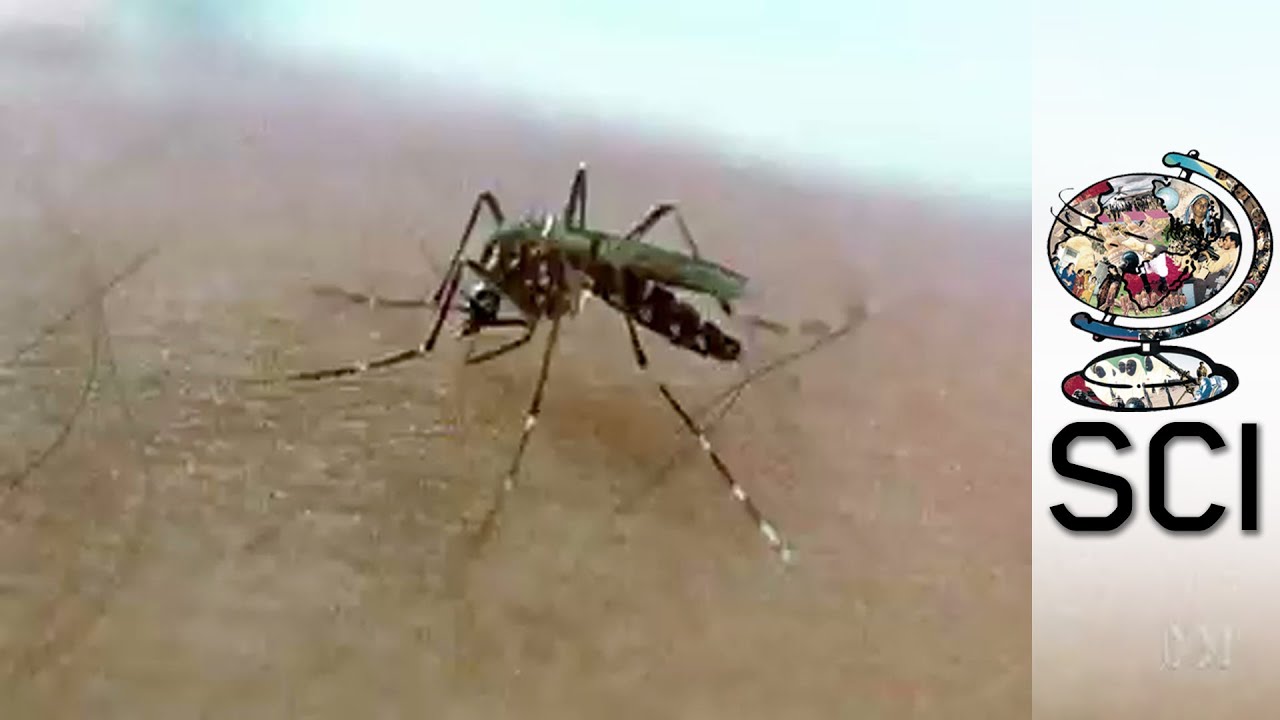
Upwards of 50 to 100 million infections of dengue occur every year, prompting researchers to find ways to reduce transmission rates through innovative methods.
Only 17 villagers evacuated from the Macedonian mountains during the conflict, as many feared for their homes and safety.
On October 17, Tristan Roberts injected himself with an experimental gene therapy in an attempt to cure his HIV after stopping conventional medications.
Seven to nine hundred cages hold various research animals at a Johns Hopkins University facility, where trials for synthetic cornea implants are conducted.
The Department of Defense shapes military portrayal in films through script approval.
Among 360,000 vaccine study volunteers, only 40,000 are minorities, reflecting deep-seated medical mistrust in Black communities.
A Chinese researcher claims to have created genetically edited babies, Lulu and Elana, sparking ethical debates.
Next week, an Ariane 5 rocket will scream skyward with the James Webb Space Telescope on board.
Keisha Supernet uses ground penetrating radar to find unmarked graves of indigenous children.
Over 270 vaccines are currently under development, raising concerns among Amish communities about the loss of their religious exemption to vaccination.
Congress held its first public hearing on UFOs in over 50 years, as the Pentagon investigates unidentified aerial phenomena.
The economy is booming as businesses open back up, but disparities remain for Black Americans.
Blockchain technology underpins the cryptocurrency revolution, offering a decentralized and secure method for recording transactions in digital currencies.
Researchers assess white-nose syndrome's impact on bats and the economy in Michigan.
Jennifer Doudna, a Nobel Prize-winning scientist, discusses the limitations of AI in medicine and the impact of CRISPR on gene editing with Emily Chang.
Retired players sue the NFL over concealed dangers of brain injuries in football.
A team of scientists plans to create a mammoth-like species by replacing 60 or more genes in Asian elephants, with a goal of achieving this by 2027.
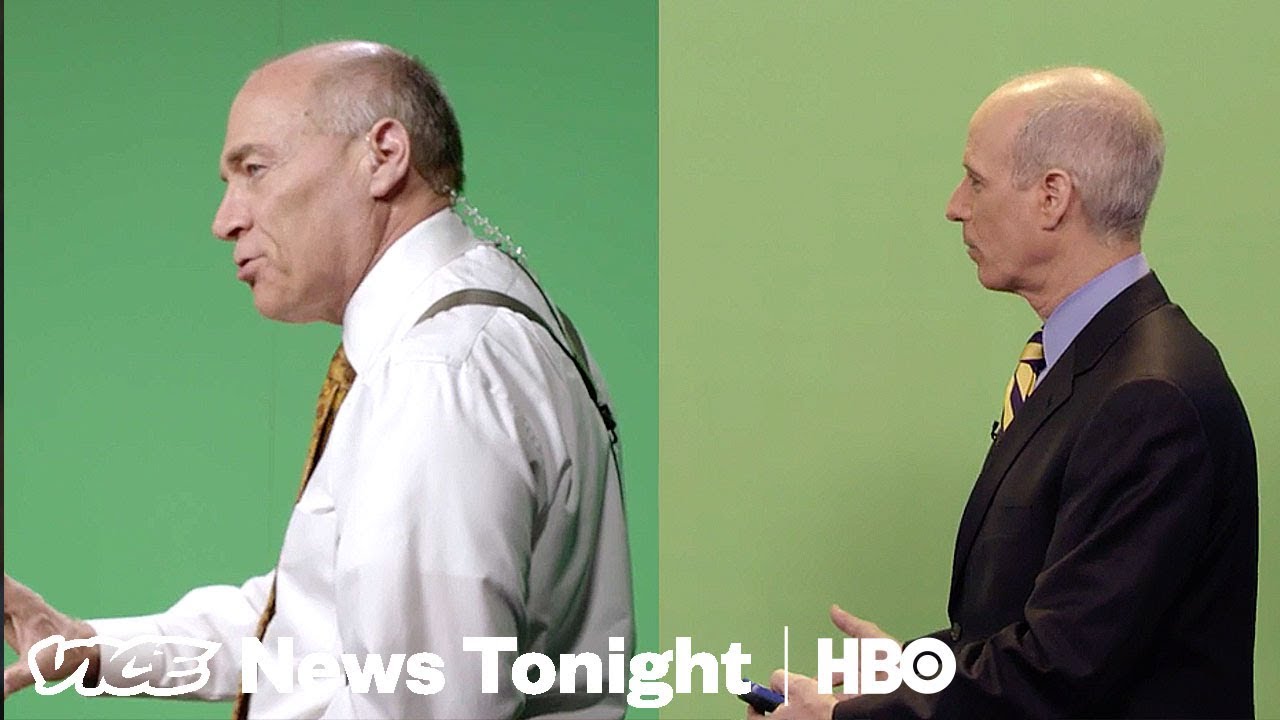
James Spann discusses weather education but avoids climate change on air in Alabama.