From over 100,000 films, discover the handful you'll love.
Free or premium access to the world's largest documentary library.
2331 films(Page 46 of 49)
Watch The Full Documentary Now about the controversial Biomedical Primate Research Center in Europe.
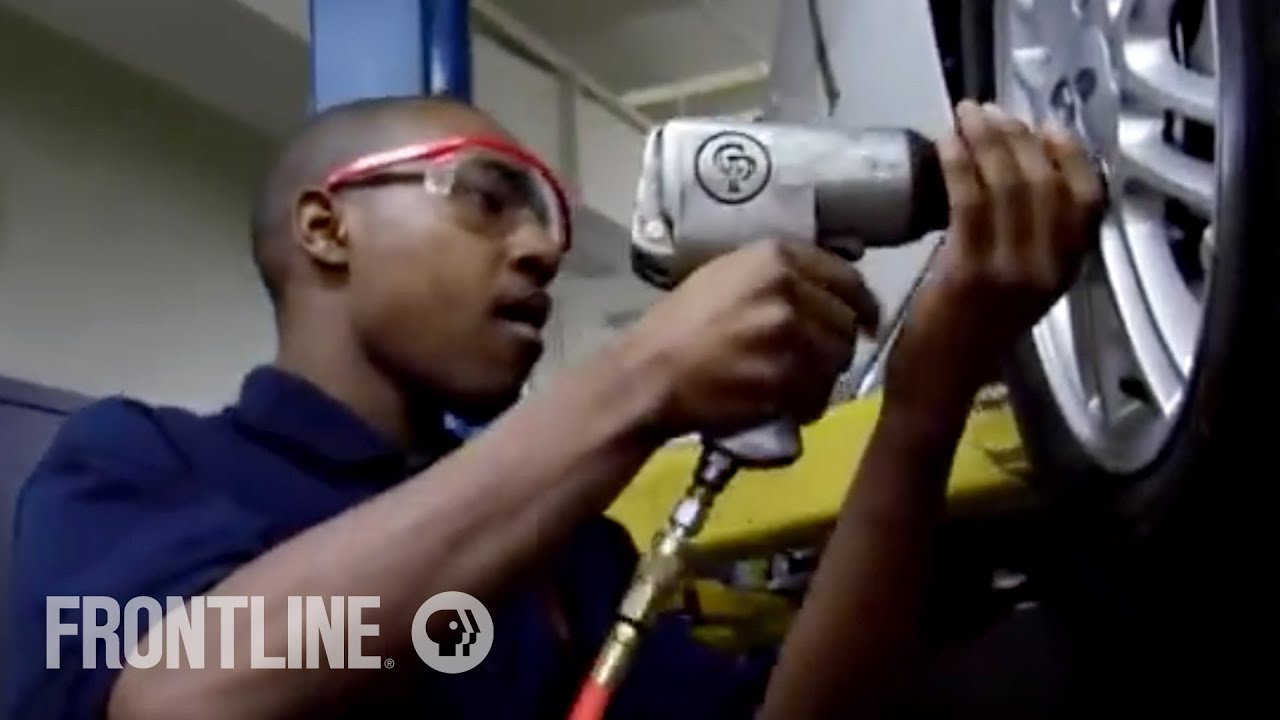
A group of high school students aims to build a hybrid sports car that accelerates from 0 to 60 in under 5 seconds to win a $10 million prize.
Max Meehan experiences memory issues after using what he thought was heroin in 2012.
At Blind Frog Ranch, a team investigates an abandoned mine for signs of gold while exploring the potential of AI in their search.
The Health and Safety Executive promotes exciting chemistry experiments for classrooms.
Vanilla, a chimp, sees open sky for the first time after 28 years in captivity in Florida.
After nine shark attacks in South Africa, experts seek answers with Gibbs Kuguru and Zandi Ndhlovu.
George Hotz demonstrates his room-mapping robot on the Today Show in 2004.
Watch the team search for the 6000 Lb Shark and get showered by a shark on July 9.
National Geographic offers $10 off subscriptions with a bonus issue and free Nat Geo Map Tote.
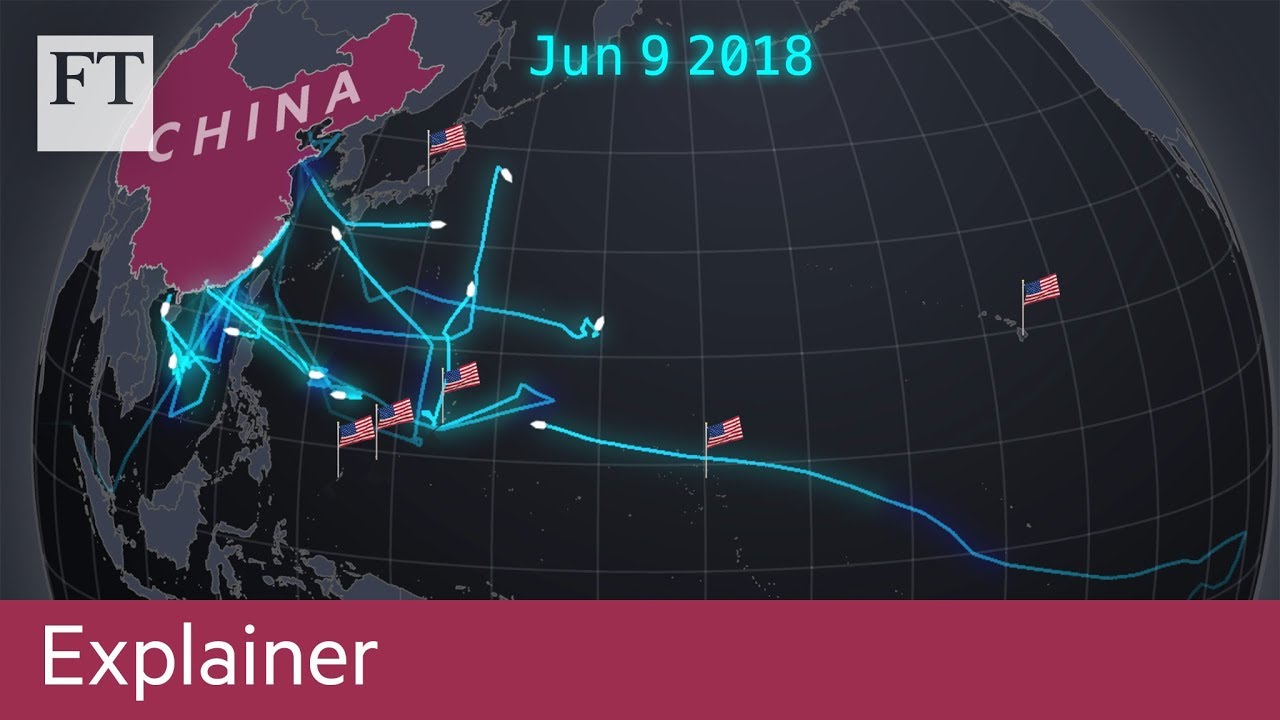
Chinese research vessels increasingly operate between the Philippines and Hawaii for military and mineral exploration.
Kate Carter reviews popular GPS watches from Nike, Garmin, and Polar for runners.
Recent findings from the Chandra X-Ray Observatory and Rossi X-Ray Timing Explorer reveal a pulsing 'heartbeat' from the binary star-black hole system GRS-1915.
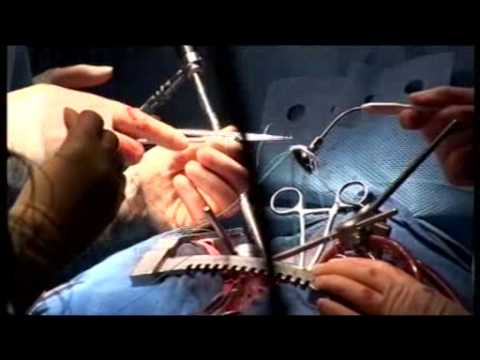
A London audience watches live open heart surgery at the Wellcome Collection event.
Graphene's limitless potential is explored at the University of Manchester and the new National Graphene Institute.
Explosives engineers plan and execute the demolition of a high-rise building, managing structural supports for a safe and controlled collapse.
Lawrence Livermore National Laboratory achieves fusion ignition on December 5, 2022.
Europe's largest 3D-printed building uses advanced technology for efficient construction.
Researchers grow human brain tissues to understand unique brain development and neuron production.
Apollo 13 astronauts Fred Haise, Jack Swigert, and Jim Lovell face a life-threatening crisis.
Scientists capture the very first image of a black hole at the center of Galaxy M87.
In rural Northern Syria, video activist Ahmed Muhammad uses mobile technology to document the regime's crimes and support the Rebel struggle during the civil war.
The James Webb Space Telescope, launched over a year ago, provides images with 100 times the sensitivity of the Hubble Space Telescope, enhancing cosmic understanding.
More than a third of people now get their news through smartphones, prompting a need to break out of news bubbles and diversify sources.
Hubble Space Telescope marks 25 years of revealing the Universe's secrets with stunning images.
Newcastle University scientists have successfully created 3D printed human corneas using a bio-ink solution made from stem cells, alginate, and collagen.
In the swamps of the United States, explorer Josh Gates and the Expedition X team utilize a heat sensing drone to investigate reports of a mysterious creature.
Grindavik in Southwest Iceland is evacuated as volcanic eruption fears rise after 800 earthquakes.
India's Vikram Lander aims to be the first to land on the Moon's South Pole.
India's Chandrayaan 3 spacecraft successfully lands on the moon's South Pole, marking a historic achievement for the Indian Space Research Organisation and the nation.
An Indian amateur astronomer locates the Vikram lander crash site nearly three months after its loss.
Temperatures at the Mars Desert Research Station in Utah regularly drop to minus 110 degrees Fahrenheit as young aerospace engineers simulate life on Mars.
The Darwin Centre at the Natural History Museum in London features a 65-meter cocoon structure, allowing public engagement with scientists and 20 million specimens.
Kim Stanley Robinson reflects on his childhood fascination with space, his experiences with astronomy, and the significance of understanding Earth's place in the universe.
Chris Horsley visits Mount Etna to examine its recent volcanic activity and eruptions.
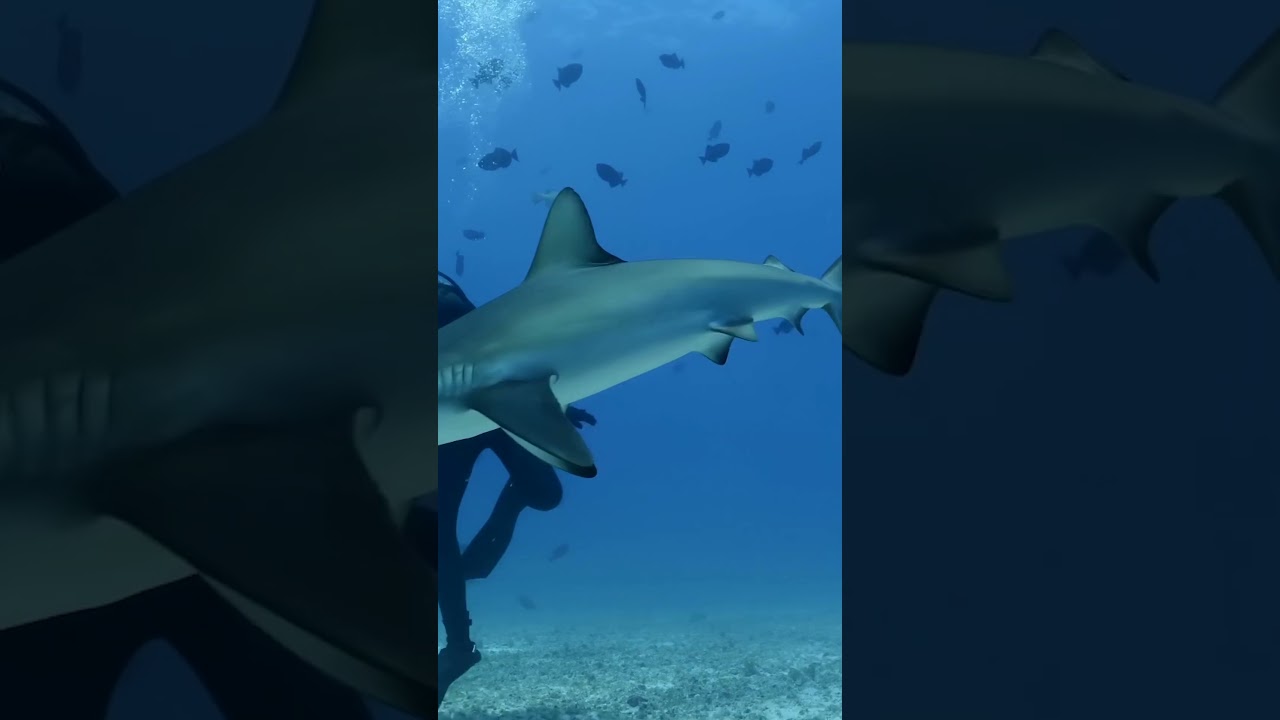
Caribbean black tip reef sharks exhibit impressive hunting techniques in shallow waters, showcasing their agility and passive nature despite their fearsome reputation.
Josh Gates notices red flags in the Titan sub and prioritizes safety during the dive.
Adam Thorn and Rob Alleva continue their exploration of pain by encountering dangerous animals and insects, including a bite from a Mexican beaded lizard.
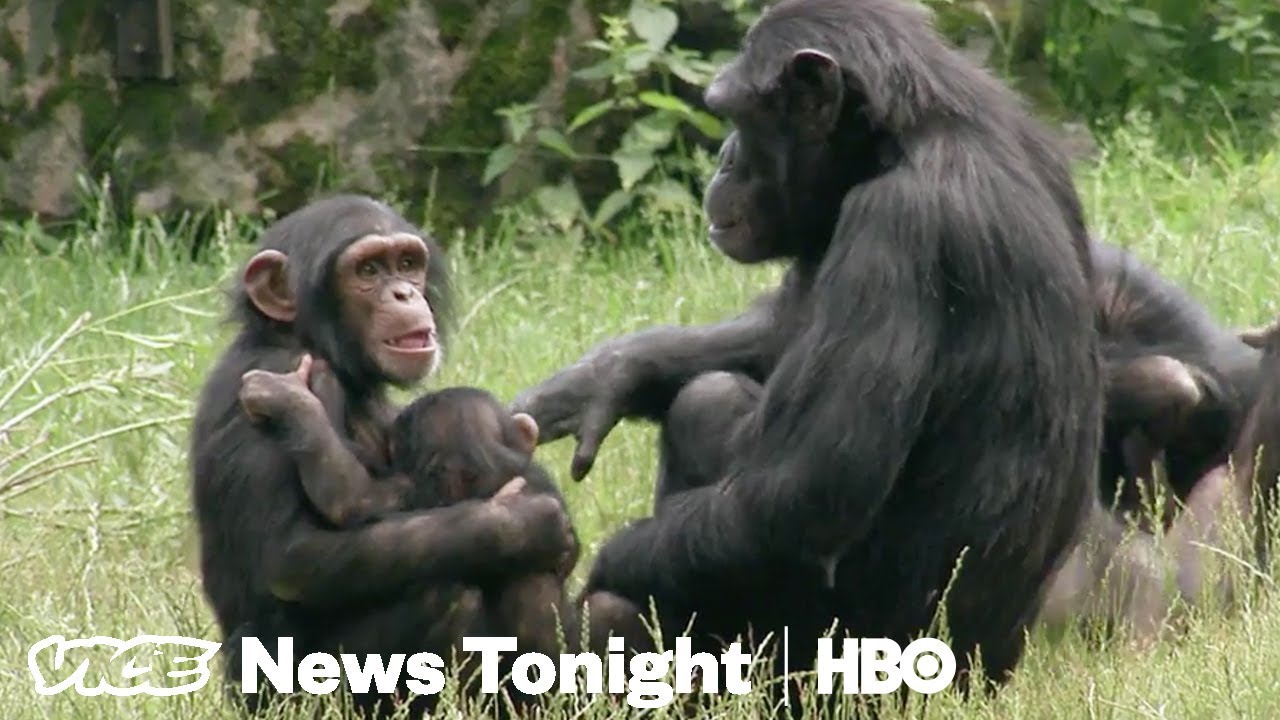
James Anderson discusses the retirement of lab chimps to Chimp Haven after NIH research ends.
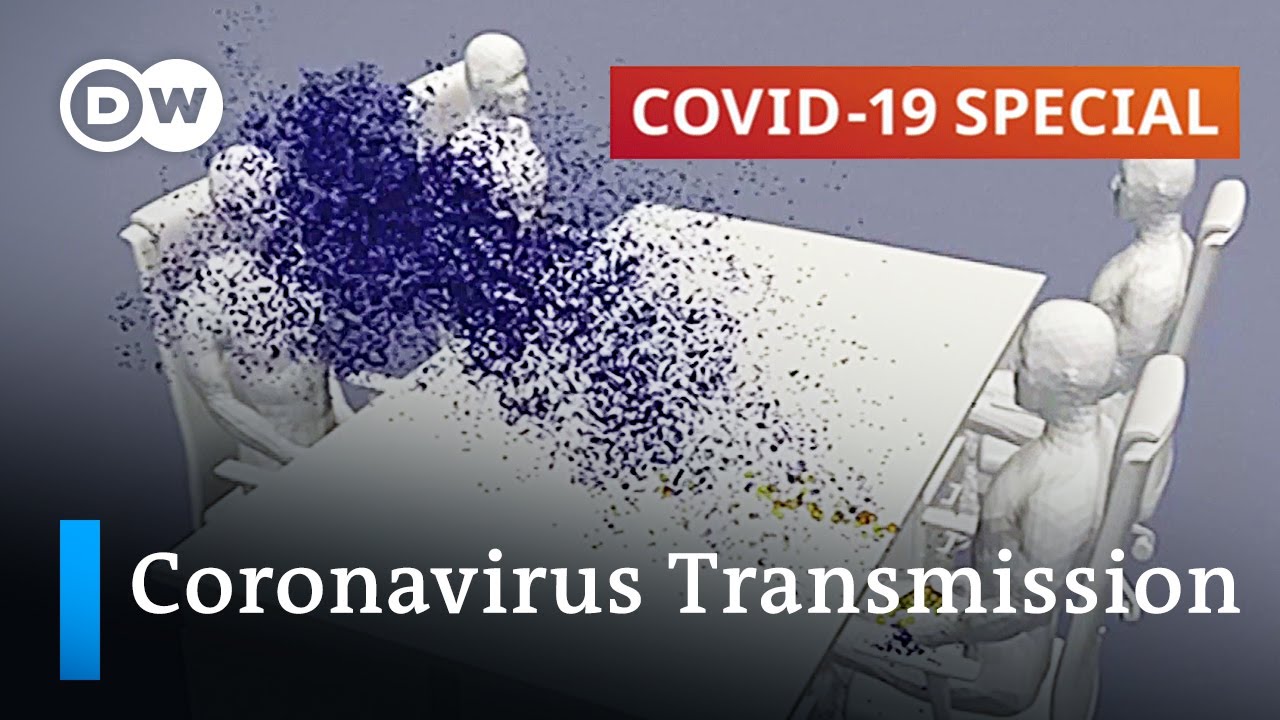
Japanese researchers simulate viral particle movement to show how we get infected with COVID-19.
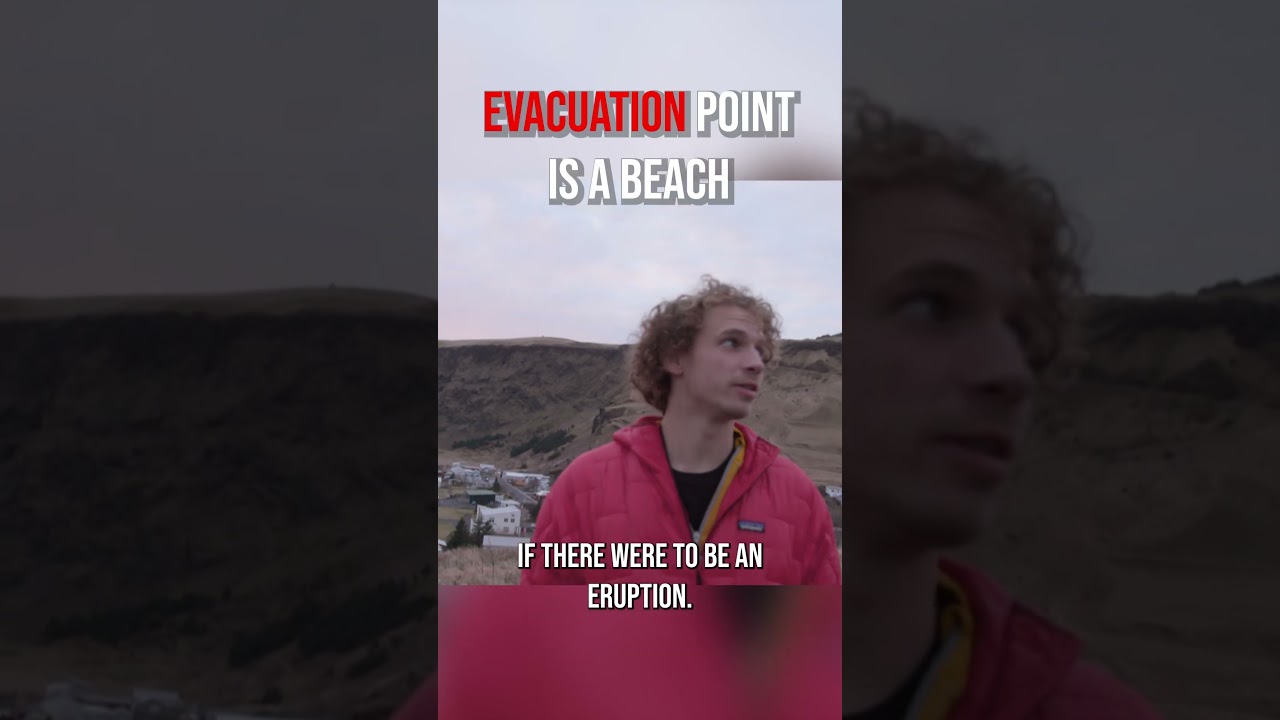
Chris Horsley installs an early warning system at Katla, a dangerous volcano in Iceland.
A German research team discovers living fossils at the Great Barrier Reef in Australia.
Tanya Gold experiences life without modern technology, navigating daily tasks and interactions while reflecting on society's increased reliance on tech since 2009.
A teen shifts from printing fake IDs to relying on counterfeit money for income.
Scientists in Berlin develop hair follicles from stem cells, offering hope for hair loss.
Railroads have significantly influenced the development of the United States from the East Coast to the West Coast since 1810, as illustrated by cartographer Steve Bernard using GIS data.
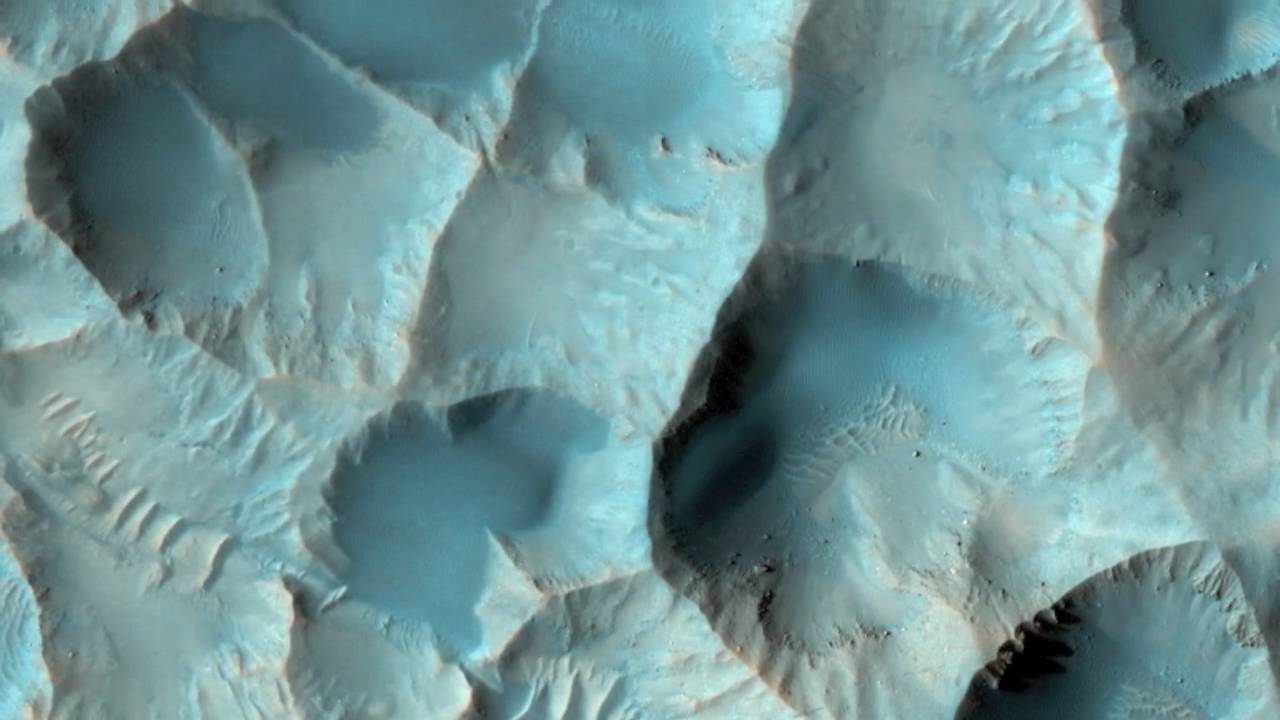
Images from the Mars Reconnaissance Orbiter's HIRISE camera reveal frost patches and crater floors, showcasing the collaboration between NASA, JPL, and the University of Arizona.
Thomas Deuel creates the encephalo phone to turn brainwaves into music for therapy.