From over 100,000 films, discover the handful you'll love.
Free or premium access to the world's largest documentary library.
2331 films(Page 4 of 49)
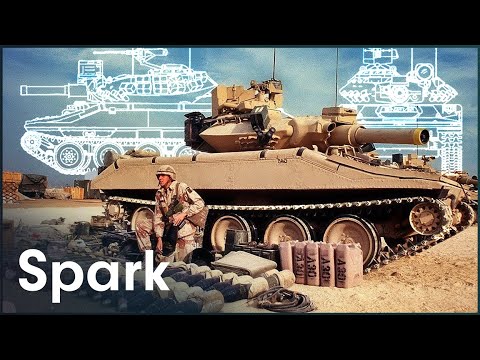
Nearly 50,000 M4 Sherman tanks were built during World War II, becoming a crucial asset for the Allies in their military campaigns.
Nearly 1,000 sperm whales gather every summer off the Azores, where a team uses advanced technology to study their behavior and interactions with giant squid.
A bullet can travel at speeds exceeding 1,100 feet per second, evolving from simple lead balls to advanced smart technology designed to never miss.
Approximately 13.8 billion years ago, the Big Bang marked the birth of the universe, giving rise to space, time, energy, and matter.
Microscopic organisms have posed a persistent threat to humanity, prompting advancements in medicine as a crucial defense against disease and death.
A meeting of leading scientists and scholars challenges the traditional views of evolution and creationism in the ongoing debate about life's origins.
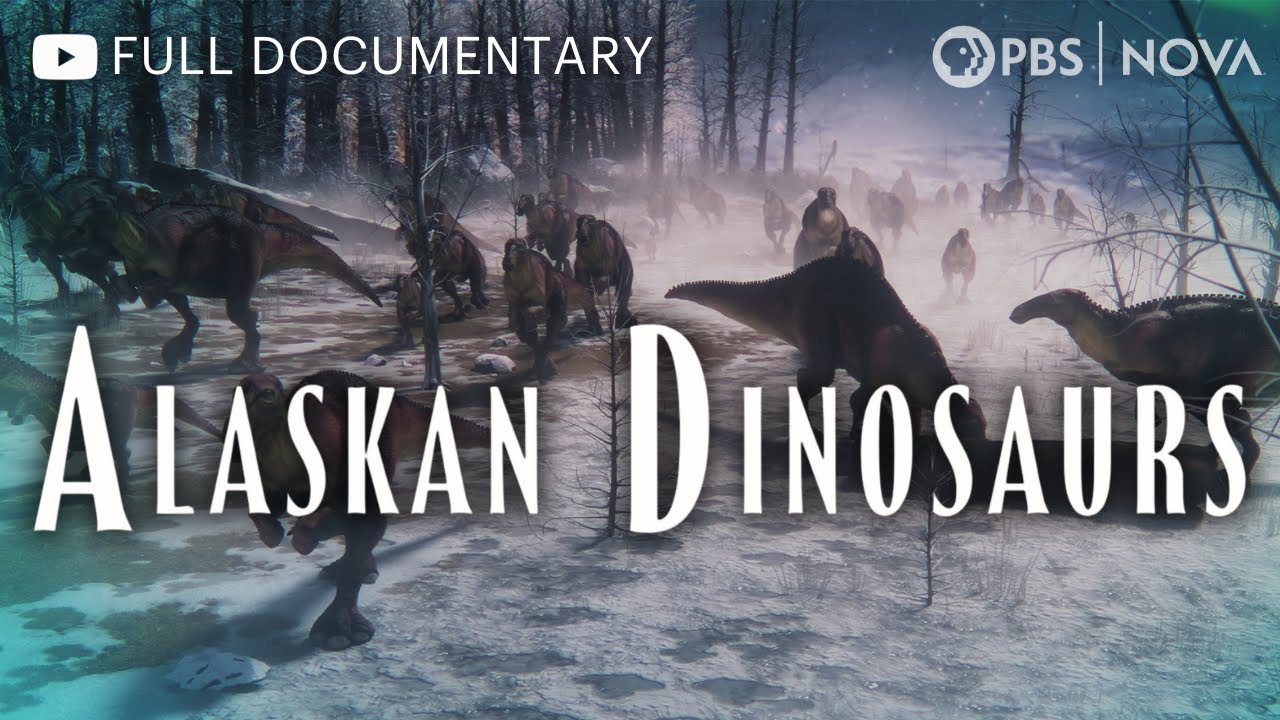
Paleontologists explore the Arctic Circle to study how dinosaurs thrived in extreme cold and darkness during the Cretaceous period.
Creating a traversable wormhole may require energy equivalent to converting the entire mass of Jupiter into energy.
Since the 9th century, explosives have evolved for both construction and warfare in China.
A team of leading scientists at the University of Texas' McDonald Observatory guides Peter Ustinov through the principles of Einstein's theory of general relativity.
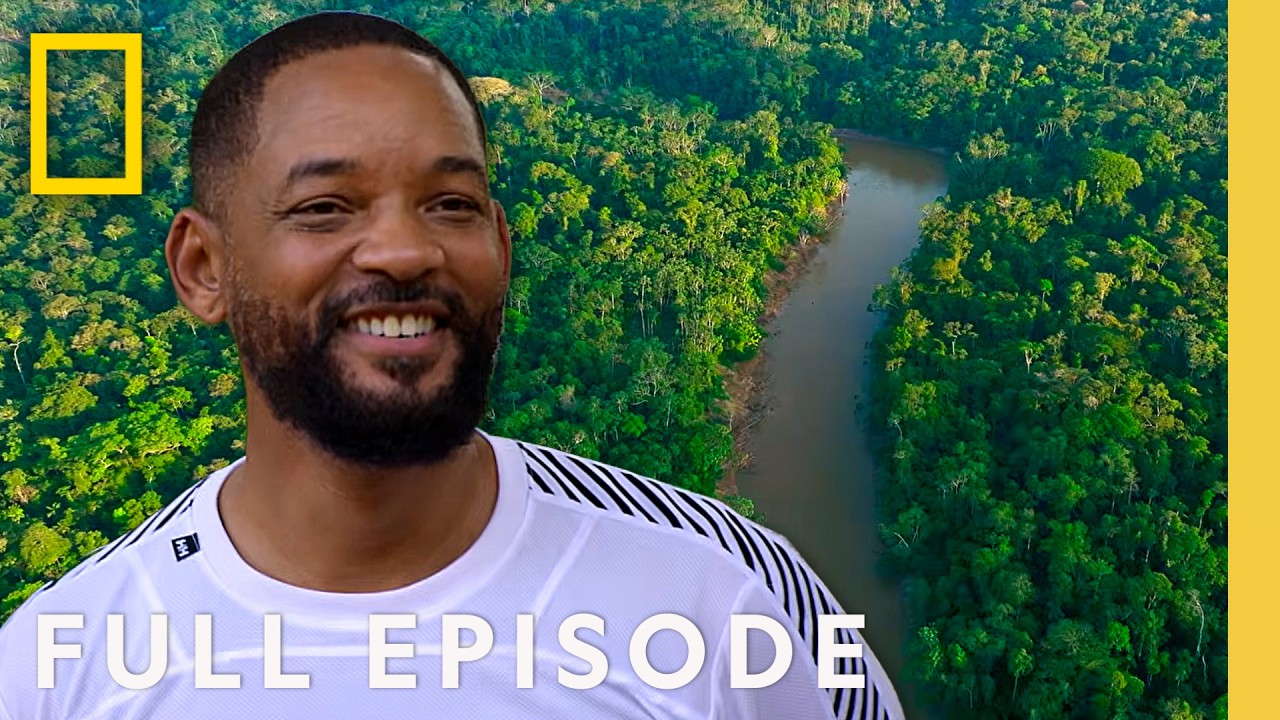
In the Amazon rainforest, Will Smith collaborates with Waorani elder Penti Baihua to locate the giant green anaconda and collect genetic samples for research.
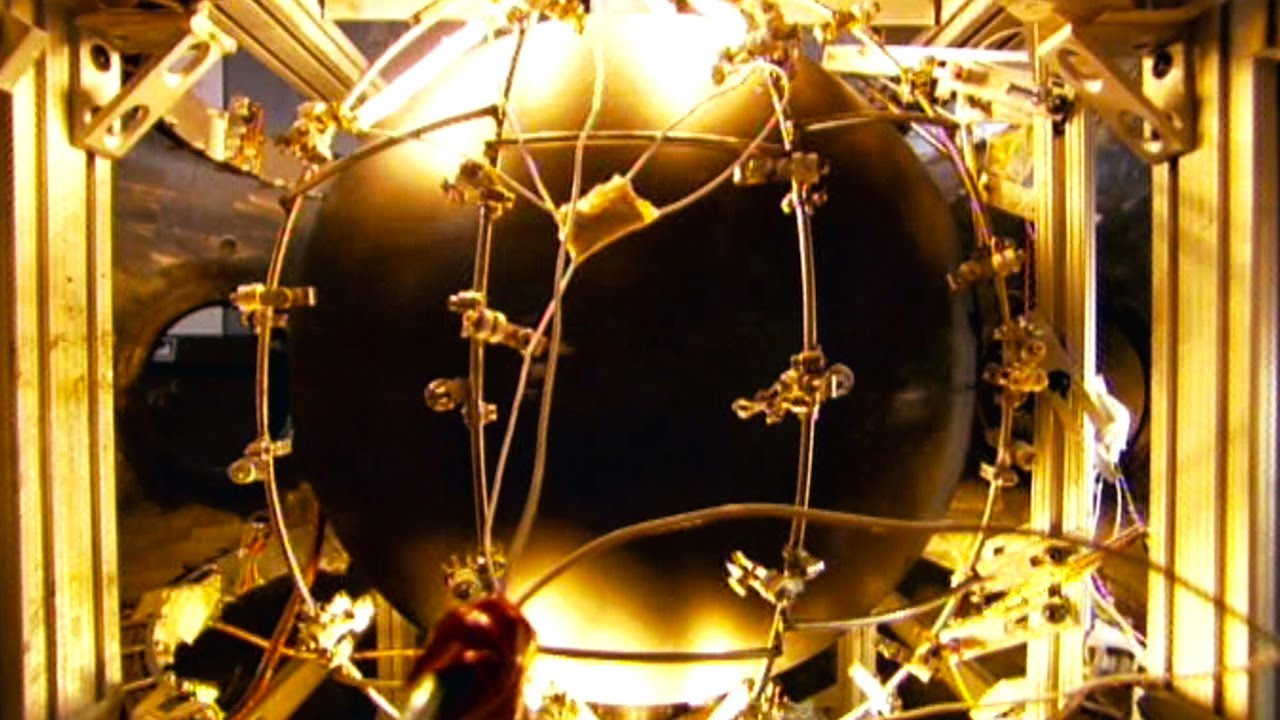
In Utah's Uinta Basin, a team conducts rocket launches to gather data on the unexplained anomaly believed to be centered above the infamous Triangle.
Gravity governs the solar system, with the Sun's mass influencing planetary orbits.
Almost 99% of the human body is made up of air, water, coal, and chalk, raising questions about how such simple elements form complex life.
Astronaut Scott Kelly spent 520 days in space across four missions, providing insights into the challenges of long-duration space travel.
Recent research reveals that over 450 animal species, including dolphins and killer whales, engage in homosexual behavior, challenging traditional views on sexuality in nature.
Venus's double-eyed vortex measures 1,800 meters wide, featuring hurricanes that whirl around each other in its turbulent atmosphere.
At 12:25 a.m. on March 8, 2014, Malaysia Airlines Flight MH370 took off from Kuala Lumpur with 227 passengers on board, bound for Beijing.
There is a place on Earth that we have never seen, crucial for our survival.
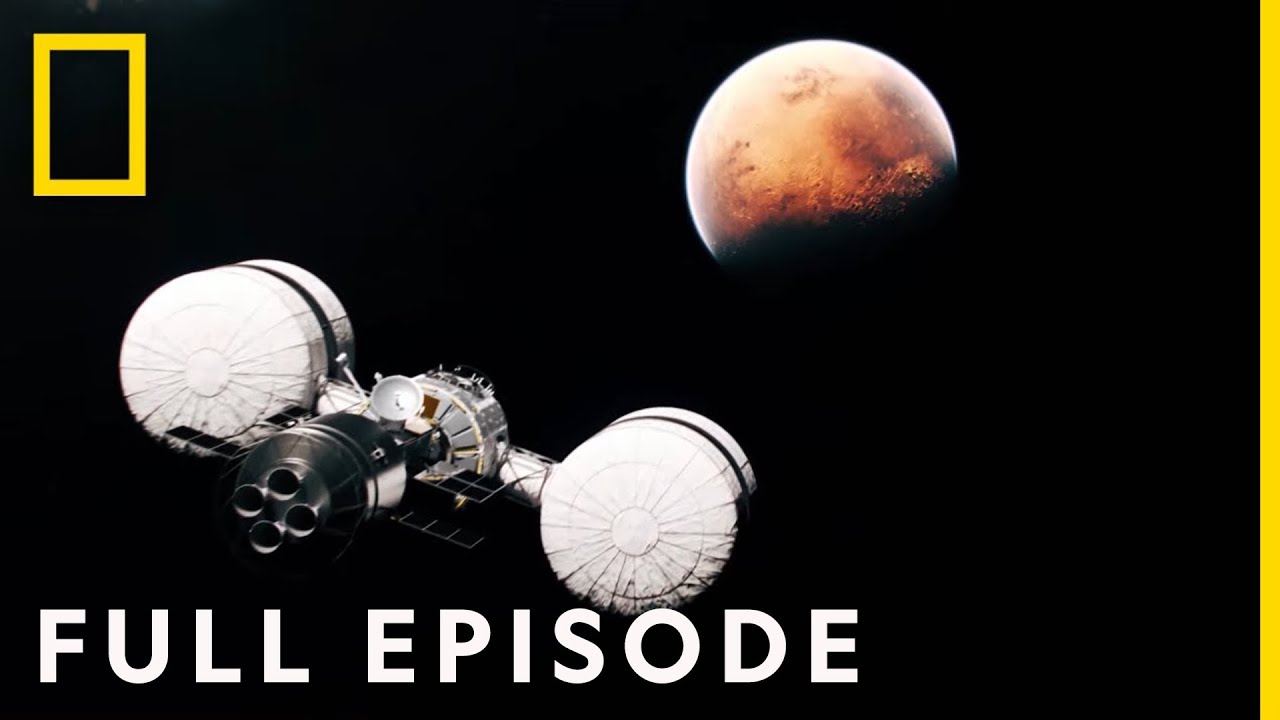
Mars, once resembling Earth, is explored through probes and rovers, while Saturn's rings are studied via the Cassini probe to understand solar system evolution.
Humanity's exploration of the universe is examined through insights from scientists and rich narratives of achievements and challenges in space exploration.
A large-scale crash test conducted by scientists from NOVA and PBS analyzes driver behavior and vehicle safety during a staged multi-vehicle pileup.
A team of scientists carries 4,100 kilos of equipment to the Matarombeo Massif in Sulawesi, aiming to document its unique biodiversity for the first time.
Oumuamua, the interstellar object identified by astronomer Robert Weryk using the Pan-STARRS telescope in Hawaii, raises questions about its true nature as a comet, asteroid, or possibly an artificial probe.
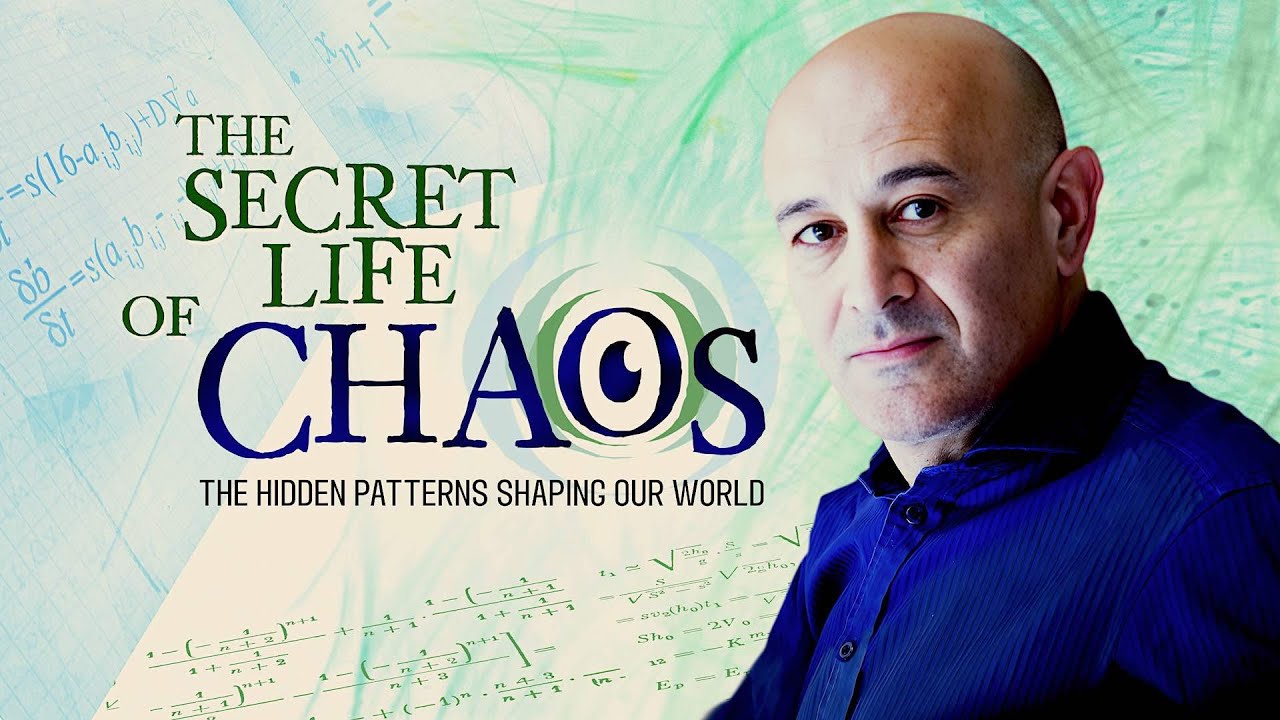
Benoit Mandelbrot's groundbreaking work on fractal geometry at IBM transformed mathematical understanding and has since influenced various fields, including science and medicine.
Venus has a surface temperature of 900°F, making it inhospitable and drastically different from Earth despite their similar beginnings.
A gamma ray burst recorded by the Swift satellite in March 2011 lasted four and a half hours and originated from a galaxy 3.8 billion light years away.
8,000 homing pigeons are released in Southern England, capable of flying up to 700 miles back to their lofts at speeds of 60 miles per hour.
Carl Zeiss opened his first workshop in Jena, Germany, on November 17, 1846, starting a company that now drives innovations in optics and microscopy.
Zero, introduced thousands of years after the birth of mathematics, revolutionized calculation and enabled advancements in science and technology.
Two megawatts of power, enough for around two thousand homes, fuel the Paranal Observatory in Chile, a key site for studying dark energy.
The construction of the Jang Bogo Antarctic Station involved five years of site investigations and two seasons of challenging building in extreme Antarctic conditions.
NASA's Juno mission explores Jupiter's extreme environment, revealing its massive ocean of liquid metallic hydrogen and the technology that enables this research.
For more than 1,500 years, Christians viewed the Bible as the primary source of knowledge until the Scientific Revolution began to challenge this belief.
A duck hunter discovers human skeletal remains on Gilbert Island, leading to a decade-long investigation to identify the victim known only as Jane Doe.
Joe Nickell, a seasoned paranormal investigator, explores the Roswell UFO incident by engaging with believers and skeptics on its 1947 anniversary.
California's San Andreas Fault poses a significant risk of a catastrophic earthquake.
The London Underground's rail lines are still growing, enhancing urban transportation capacity.
A small cylinder just outside Paris, France, influences every aspect of our lives.
China is a country that has been rapidly changing to lead in modern science and technology.
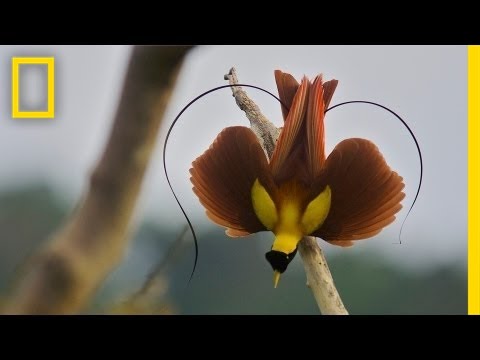
Tim Laman and Ed Scholes collaborate with the Cornell Lab of Ornithology to document the unique courtship behaviors of birds of paradise in Papua New Guinea.
Physicist Jim Al-Khalili connects quantum mechanics to biological mysteries in nature.
A Saturn 5 rocket, weighing about 6 million pounds, was designed to place the Apollo spacecraft in the vicinity of the Moon during the 1960s.
An investigation into tornadoes examines their scientific characteristics, recent events, and a hypothetical mega tornado with unprecedented impact.
In the wild, animals like the inland taipan, blue-ringed octopus, and stonefish utilize potent toxins as lethal weapons, influencing both survival and medical advancements.
A delta 4 heavy rocket, with a thrust equivalent to around 50 million horsepower, successfully launched the Orion spacecraft into Earth orbit.
Earth's oceans may hold clues to extraterrestrial activity as researchers investigate deep-sea mysteries and unexplained phenomena related to intelligent life.
Twelve astronauts walked on the moon between 1969 and 1972, leaving behind footprints and equipment that will last for millennia.