From over 100,000 films, discover the handful you'll love.
Free or premium access to the world's largest documentary library.
2331 films(Page 35 of 49)
Experts assess hard drives and CDs as potential long-term memory storage solutions.
In the tepuis of South America, climber Mark Synnott collaborates with ecologist Bruce Means to explore unique biodiversity and identify a new frog species.
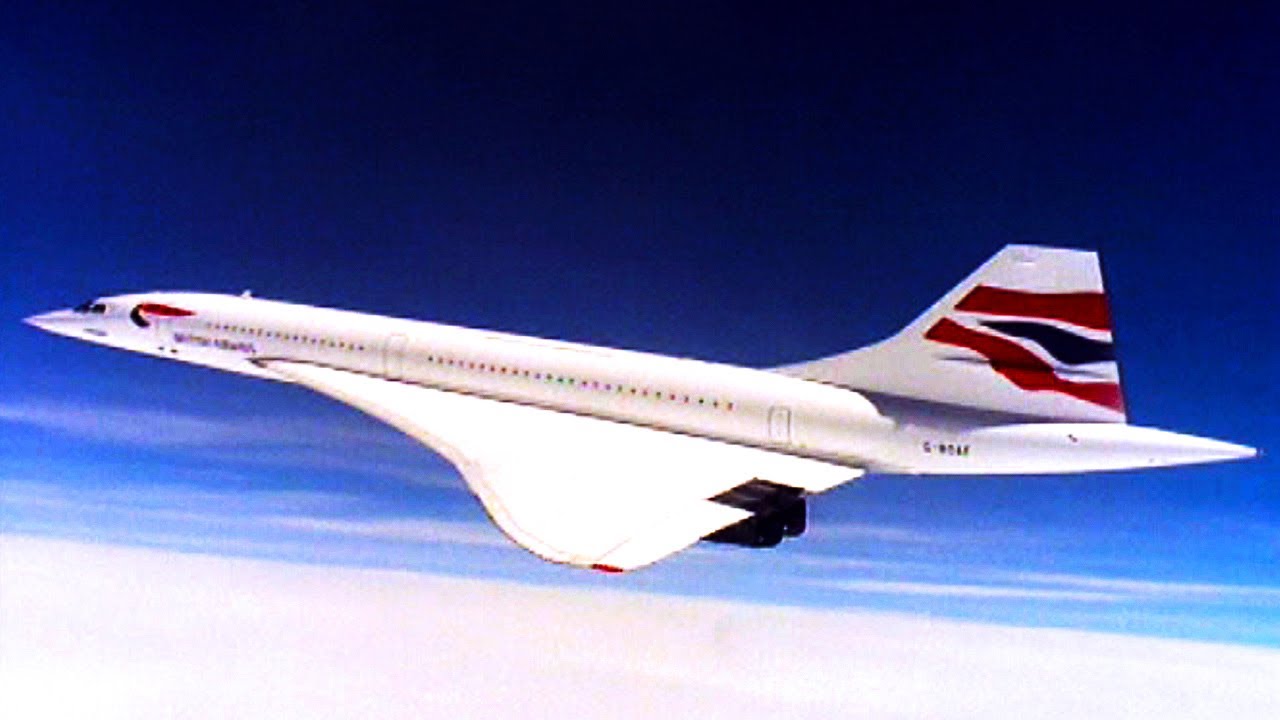
Concorde first smashed through the sound barrier on October 1, 1969, with a sonic boom audible 20 miles away.
Professor J.
On October 7, 1842, George and Rebecca Latimer arrive in Boston, where they hope to live free after escaping slavery in Virginia.
Fellow Corey Jaskolski and his team develop innovative technologies, including color night vision, to enhance exploration capabilities.
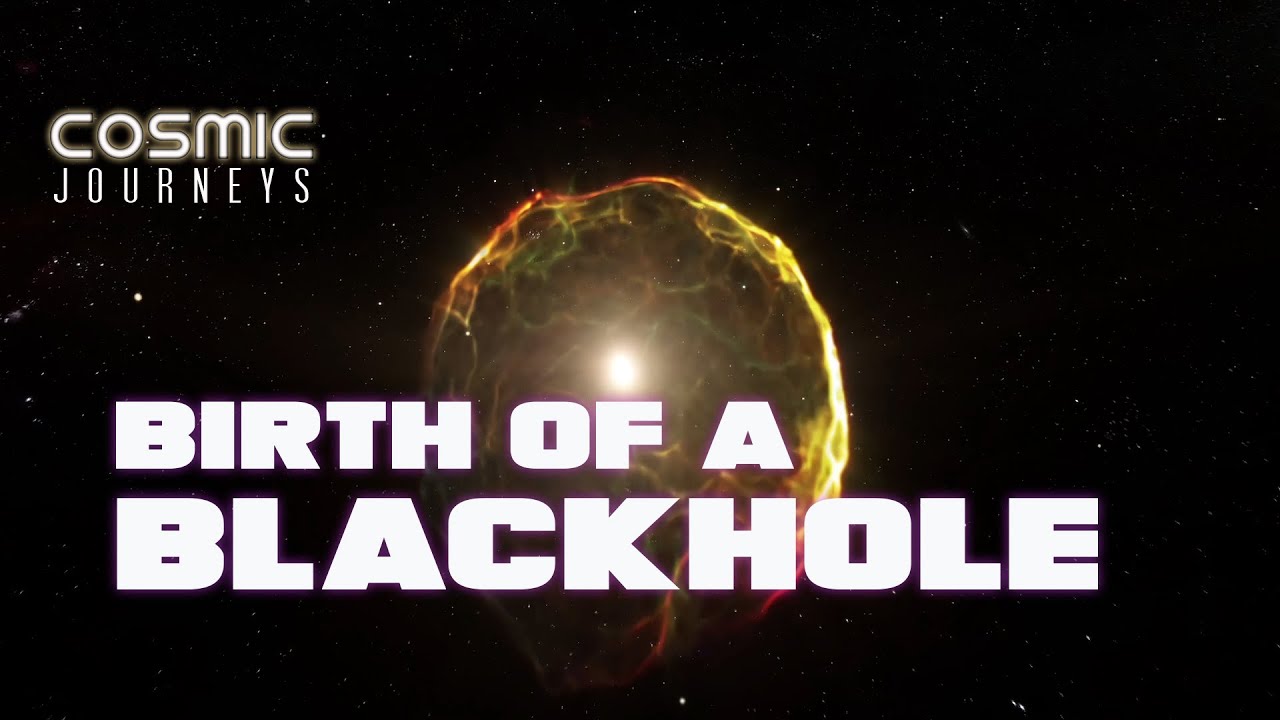
A gamma ray burst lasting four and a half hours signals the violent birth of a black hole as a massive star collapses and is torn apart.
46 attempts to send spacecraft to Mars since the 1960s have resulted in over half failing at launch or upon arrival.
A crew of astronauts boards the space shuttle Endeavor for its 134th flight, carrying the alpha magnetic spectrometer to study antimatter in the universe.
Over 60,000 jellyfish were born in space during a NASA mission in the 1990s to study their orientation in microgravity.
In June 2023, scientists from the North American Nano Hertz Observatory for Gravitational Waves detected a background of gravitational waves throughout the universe.
A grappling hook is tested from a distance of 30 feet to determine if Luke Skywalker and Princess Leia could realistically swing across a chasm.
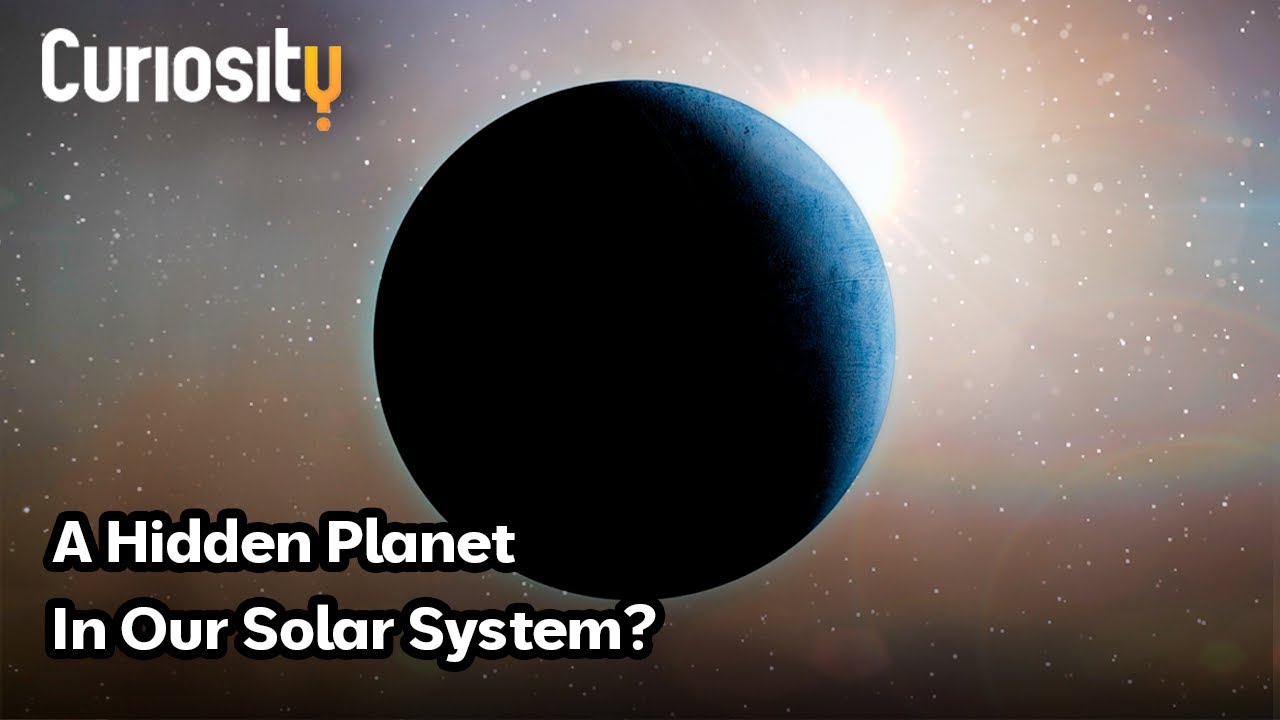
Astronomers are investigating the potential existence of a hidden planet, often called 'Planet Nine,' within the solar system, using advanced techniques and analyzing elusive clues.
Scientists highlight the potential to manipulate weather amid climate change challenges.
Cassini's mission ended on September 15, 2017, when the spacecraft crashed into Saturn, providing crucial data about the planet and its rings.
A Russian mission plans to deploy seismic detectors on the moon to monitor moonquakes and study heat flow from the lunar core.
Edie underwent 12 rounds of chemotherapy and multiple surgeries before the age of two to treat her stage four neuroblastoma.
Six unidentified phenomena are captured on camera flying above Mount Sorei, exhibiting propulsion capabilities that defy conventional physics.
In the Arctic, seasoned fishermen face treacherous waters and brutal conditions in their relentless pursuit of cod, risking everything for a lucrative catch.
In Pulpí, Spain, and the Naica crystal cave in Mexico, remnants of mining facilities reveal the stunning beauty and ongoing growth of crystals.
Curiosity rover finds ancient river rocks and beds on Mars, revealing past water flow.
Curiosity finds evidence of ancient conditions for life in Yellowknife Bay on Mars.
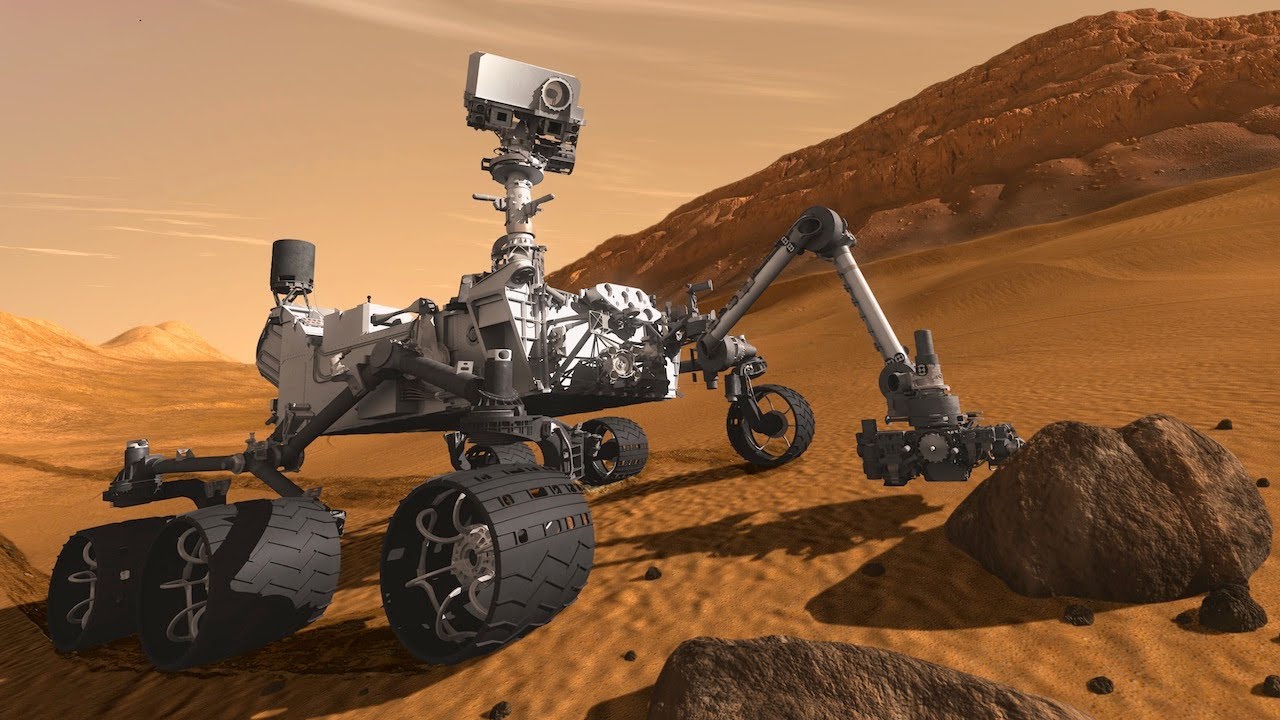
The Rover Curiosity landed on Mars to analyze its surface and search for signs of life.
More than 10,000 kilometers per second is the speed at which some distant galaxies are receding, revealing the universe's expansion driven by dark energy.
Astronomers using the Hubble Space Telescope reveal a giant dark matter filament extending 60 million light-years.
A traveling microscope once owned by Charles Darwin sold for £480,000 at Christie's auction, marking a significant moment in scientific history.
Scientists prepare for the Day of the Asteroid and the risks of future impacts on Earth.
A supernova can release energy equivalent to the output of the sun over its entire lifetime in just a few seconds.
Anglerfish in the deep sea exhibit unique mating behaviors, revealing insights about their immune systems and potential implications for human medicine.
Deep oceanic parasites, examined by marine biologist Jaida Elcock and experts, may indicate the health of marine ecosystems rather than being purely harmful.
Cosmic rays pose significant challenges for human space travel as Earth faces potential threats like ice ages and pollution, necessitating the search for new habitats.
A group of 12 travelers, including Buzz Aldrin, journeys to the South Pole, a region where ice is over 1,000 meters thick.
Three cranes, each weighing 1,000 tons and standing 80 meters tall, are demolished in a controlled explosion over five days in Birkenhead, England.
Catarrhine primates, including African and Asian monkeys, apes, and humans, uniquely lack the alpha-gal sugar molecule found in other mammals.
Asteroids may have played a crucial role in the origin of life on Earth, according to research presented by Eons for PBS Digital Studios.
The team embarks on a daring quest to test Benjamin Franklin's kite experiment with electricity.
A biologist in Soviet Moscow conducts bizarre livestock experiments to boost food production.
At 8:54 a.m. on February 1, 2003, the crew of Space Shuttle Columbia lost communication with Mission Control just moments before the shuttle disintegrated during re-entry.
22 seconds into the launch of Space Shuttle Discovery, a pressure transducer reading indicated a dangerous overpressurization, prompting urgent responses from NASA engineers.
A $100 million deep space probe spirals out of control and crashes after a critical failure in its parachute system.
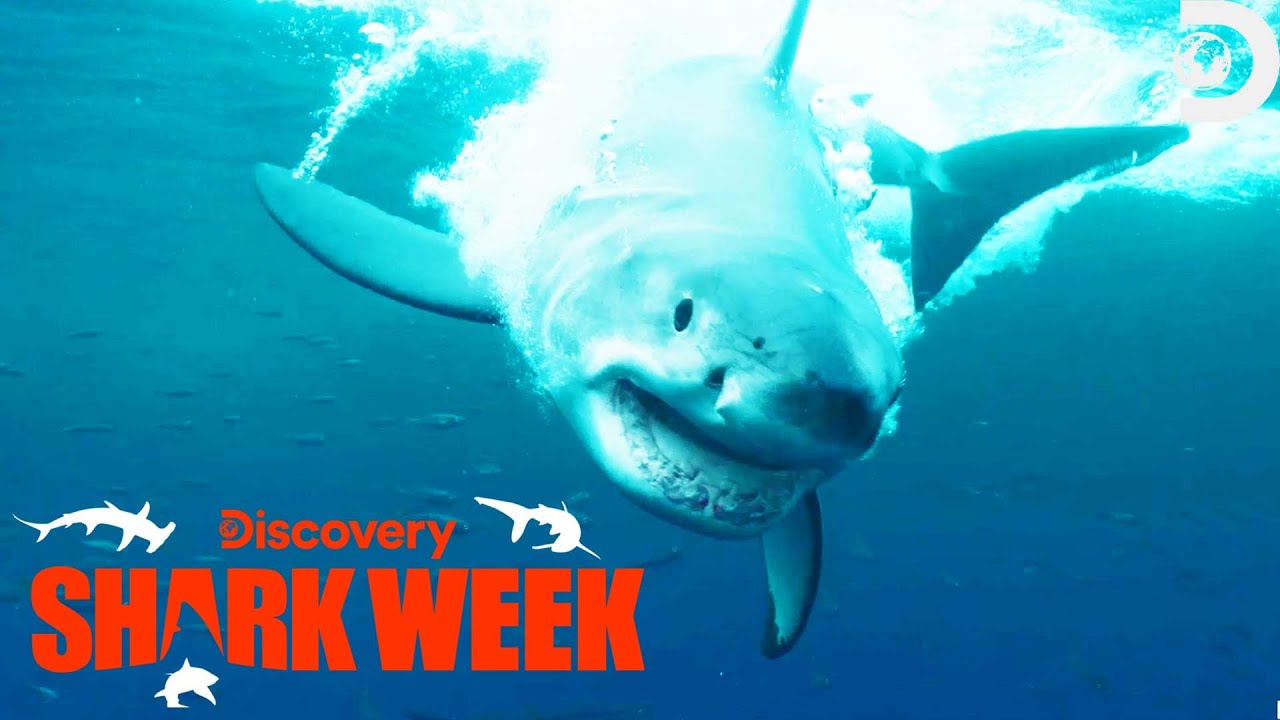
A 16-foot female great white shark is identified as the perfect candidate for a touchless ultrasound in an innovative research platform called Shark Dome.
Stellar black holes can be 10 to 50 times the mass of the Sun, while supermassive black holes weigh millions to billions of times the Sun's mass.
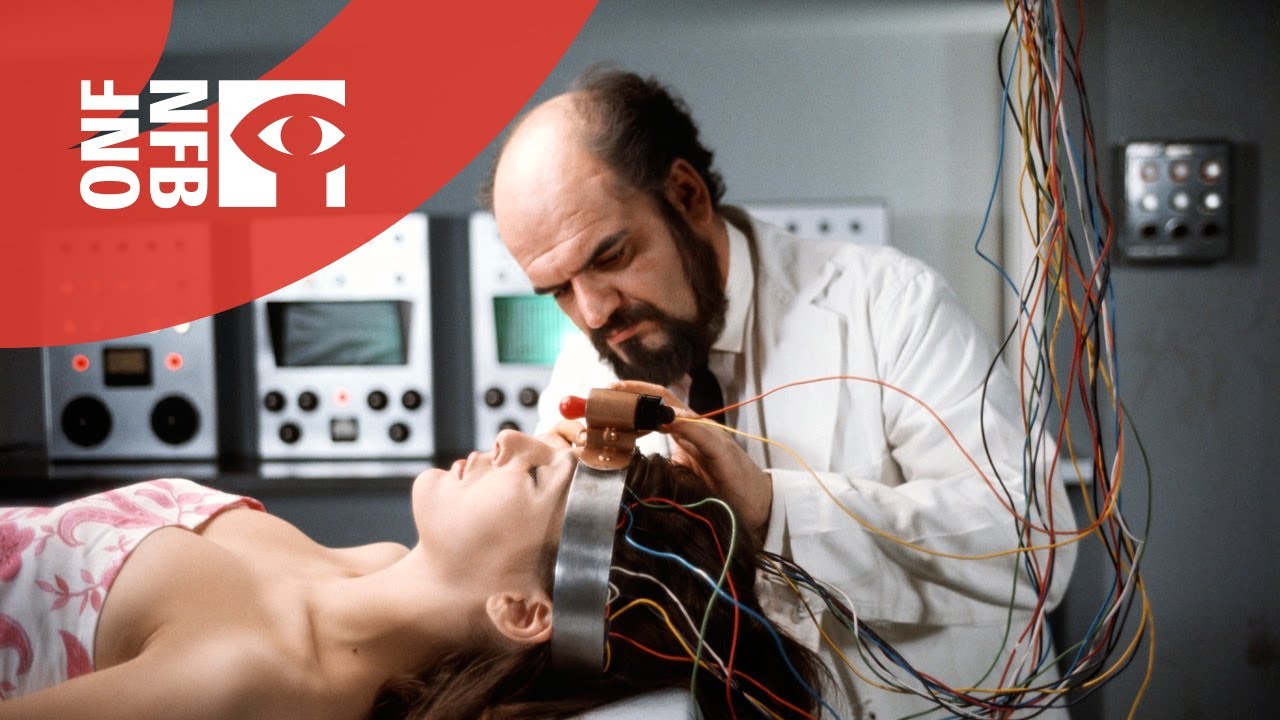
A scientist conducts brain research by examining electrical signals, seeking alternative communication methods beyond muscle use.
Musicians have larger gray matter volumes in areas of the brain related to motor planning and auditory processing compared to non-musicians.
Since 1962, almost 300,000 sharks have been tagged in research efforts, raising questions about the need to kill sharks for scientific purposes.
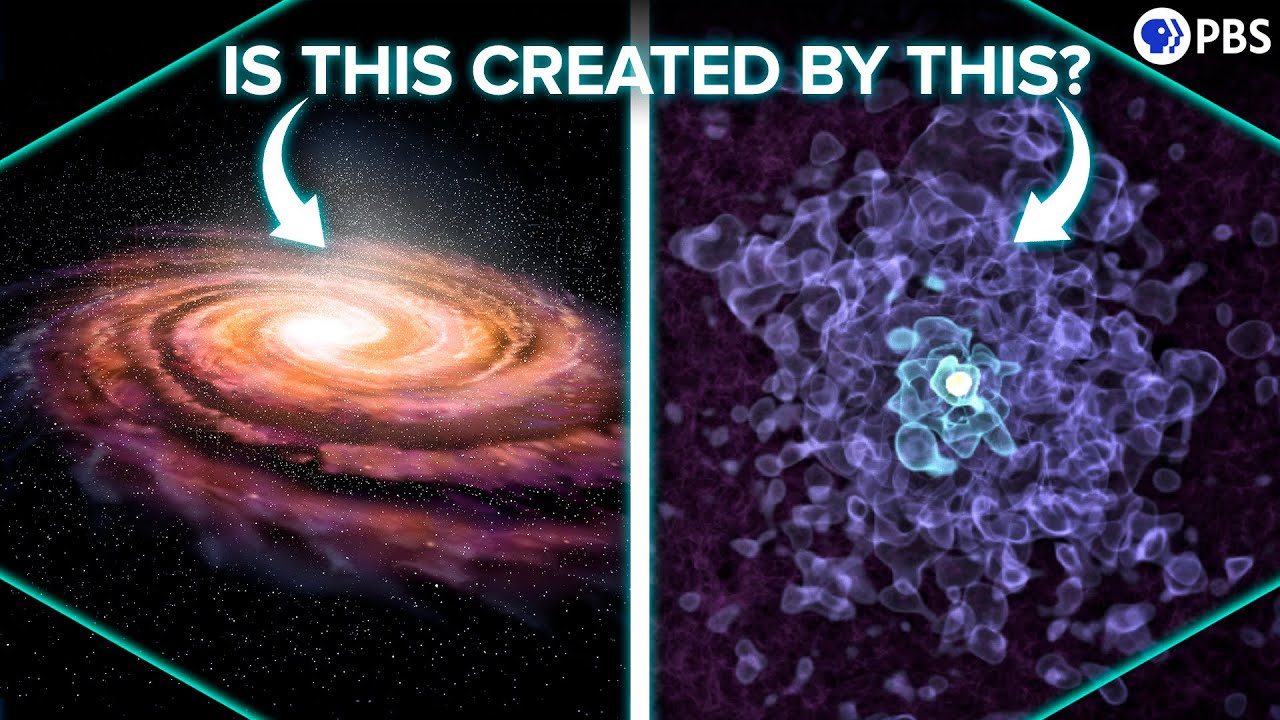
Dark matter, which makes up about 80% of the universe's mass, is examined for its potential connection to black holes and their gravitational effects.
Physicists at CERN conducted a lengthy experiment to determine whether antimatter falls down or falls up in relation to Earth's gravity.
Quantum mechanics is examined for its role in understanding astrophysical phenomena, including superfluids and the interiors of collapsed stars.