From over 100,000 films, discover the handful you'll love.
Free or premium access to the world's largest documentary library.
2332 films(Page 11 of 49)
Directed by Thomas Lucas, this 23-minute film examines black holes, their formation, and theories about their nature using advanced computer-generated imagery.
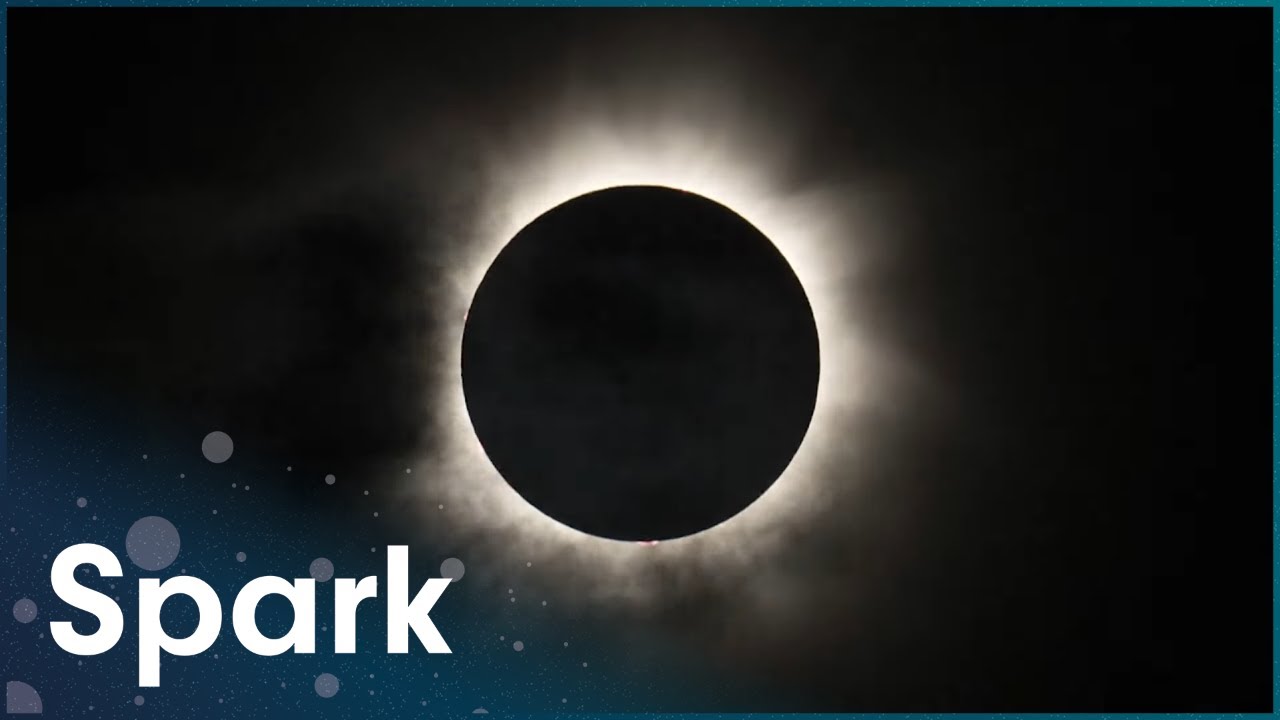
Season Five of Cosmic Vistas examines how solar and lunar eclipses reveal critical information about Earth's atmosphere, climate, and geological processes.
Only 18 men returned from Ferdinand Magellan's expedition, which set sail in 1519 with five vessels and 239 crew members, completing the first circumnavigation of the globe.
Seventy-five years of UFO encounters are examined through expert analysis, revealing the interplay of government disinformation, cultural beliefs, and technological secrecy.
In Texas, residents report a series of mysterious flashing lights on New Year's Eve, while a French doctor claims an alien craft healed his injury without contact.
In Missouri, a group of 500 residents reports sightings of bright lights and strange crafts, while a cigar-shaped object targets a family in Nova Scotia.
Alan Lightman recalls a moment when he felt as if he were merging with the stars while alone on a boat in the quiet waters off a Maine island.
The Concorde, a product of British and French collaboration, was the world's only supersonic airliner, achieving Mach 2 passenger flight for three decades.
About 30,000 ocean-going vessels, including the Marstal Maersk, call at the Port of Rotterdam each year, reflecting the scale of global trade.
In the animal kingdom, various species employ unique and unconventional mating strategies to attract partners and ensure the survival of their offspring.
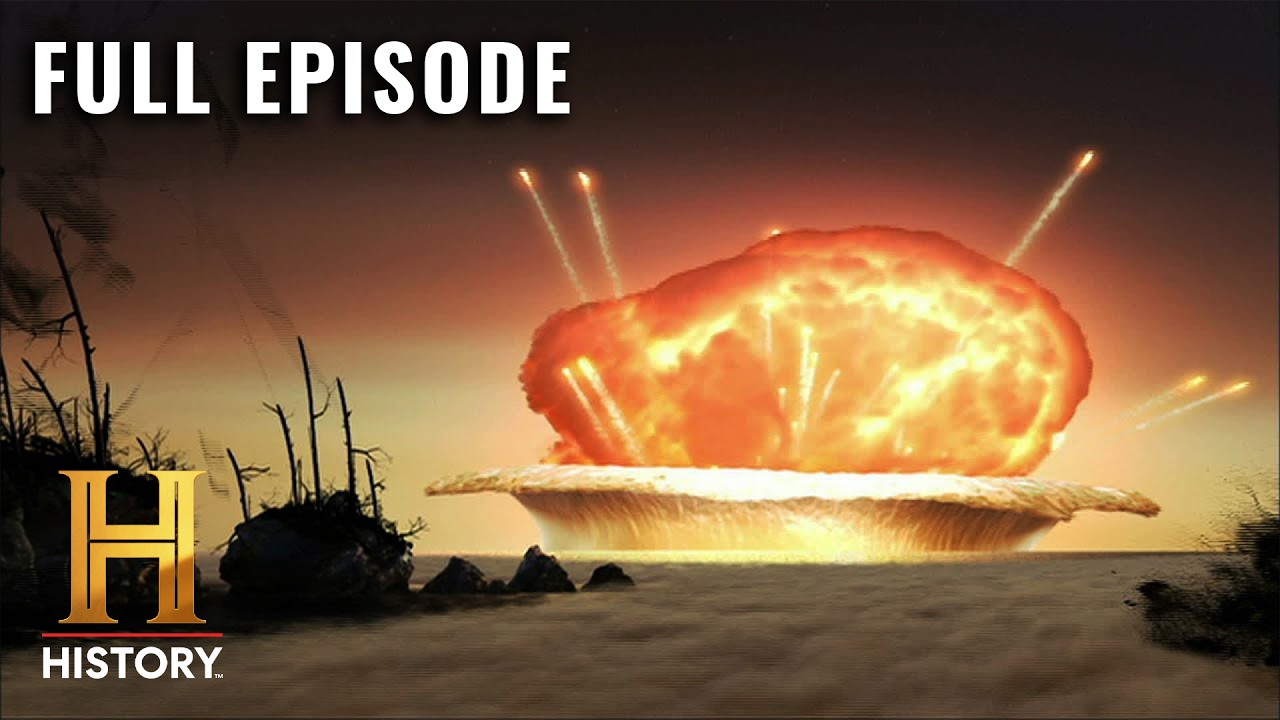
A massive three-mile wide comet that struck the Indian Ocean 4,800 years ago may have caused the Biblical Great Flood, as explored in Season 2, Episode 1 of Mega Disasters.
Four twenty-somethings in Britain confront severe dental issues that affect their daily lives, while top dentists provide advanced treatments to restore their confidence.
Brandon Prestwood lost his left arm in a conveyor belt accident in May 2012, and researchers are working to restore his sense of touch with a prosthetic arm.
The Japanese Asteroid Sample Return Mission prepares to collect samples from an asteroid.
The Fourth Great Revolution merges AI, biotech, and nanotech, transforming our future by 2050.
NASA's Apollo program faced challenges from budget cuts and public disinterest, culminating in the critical Apollo 13 mission that tested engineering limits and teamwork.
The video presents 10 episodes from The New Frontier series about outer space mysteries.
An estimated 60 million people lived under the Islamic Empire, which governed the largest territory in the world over a thousand years ago.
Experts from NASA, the United Nations Office for Outer Space Affairs, and the SETI Institute explore the implications of potential first contact with intelligent extraterrestrial life.
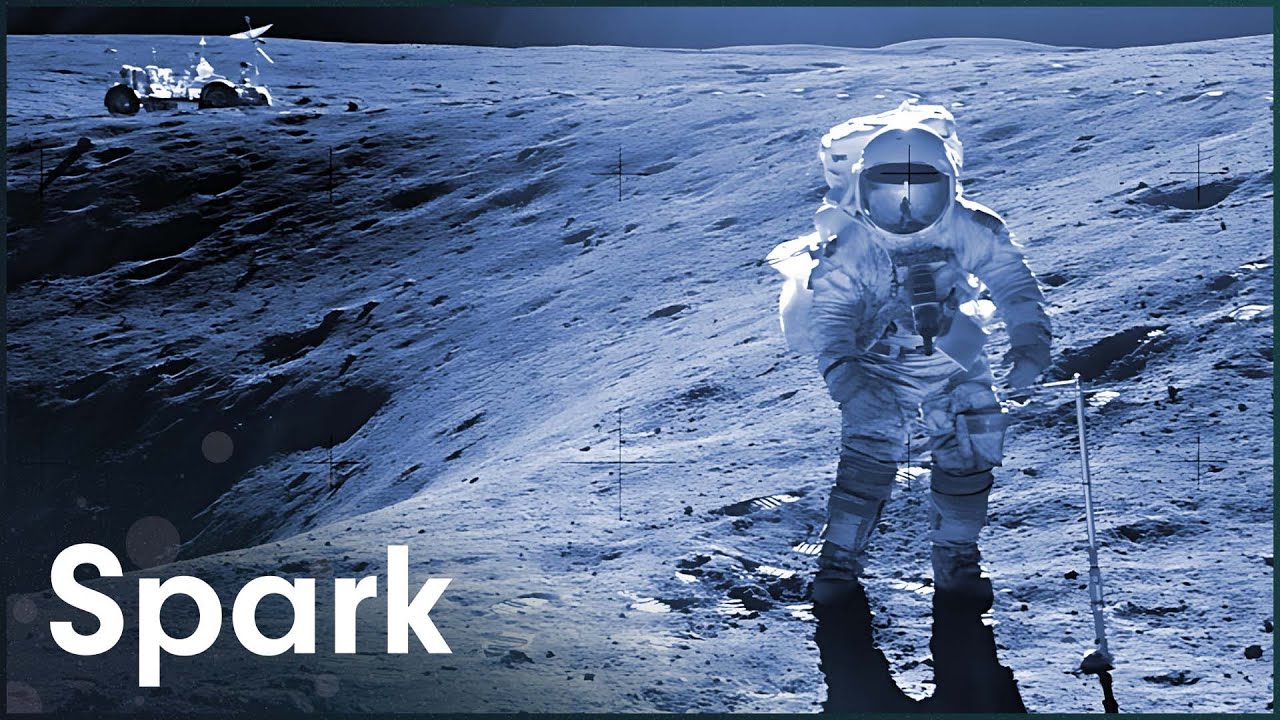
Apollo 16's crew accumulated more memories during their 11-day flight than most people acquire in a lifetime.
Two advanced space probes, one from NASA and the other from Europe, are studying the Sun's atmosphere and solar winds from within Mercury's orbit.
In the Grand Bahama Bank, Professor Sam Gruber studies the unique behaviors of pregnant lemon sharks and white-tip reef sharks using modern technology.
1903 marked the year when Swedish chemist Svante Arrhenius proposed the theory of panspermia, suggesting life may have originated in space.
Wind turbines have become a prominent solution for harnessing renewable energy, raising important questions about their effectiveness and environmental impact.
Students from around the globe compete in local science fairs for a chance to advance to the prestigious International Scientific and Engineering Fair (ISEF).
Three astronauts aboard Apollo 8 became the first humans to orbit the moon in 1968, paving the way for future lunar exploration and potential settlements.
What would happen to Earth and the solar system if the Moon suddenly disappeared, alongside explorations of light speed and cosmic objects?
25,000 man hours are required for a complete overhaul of the Airbus A330-300, ensuring it meets safety standards before returning to service.
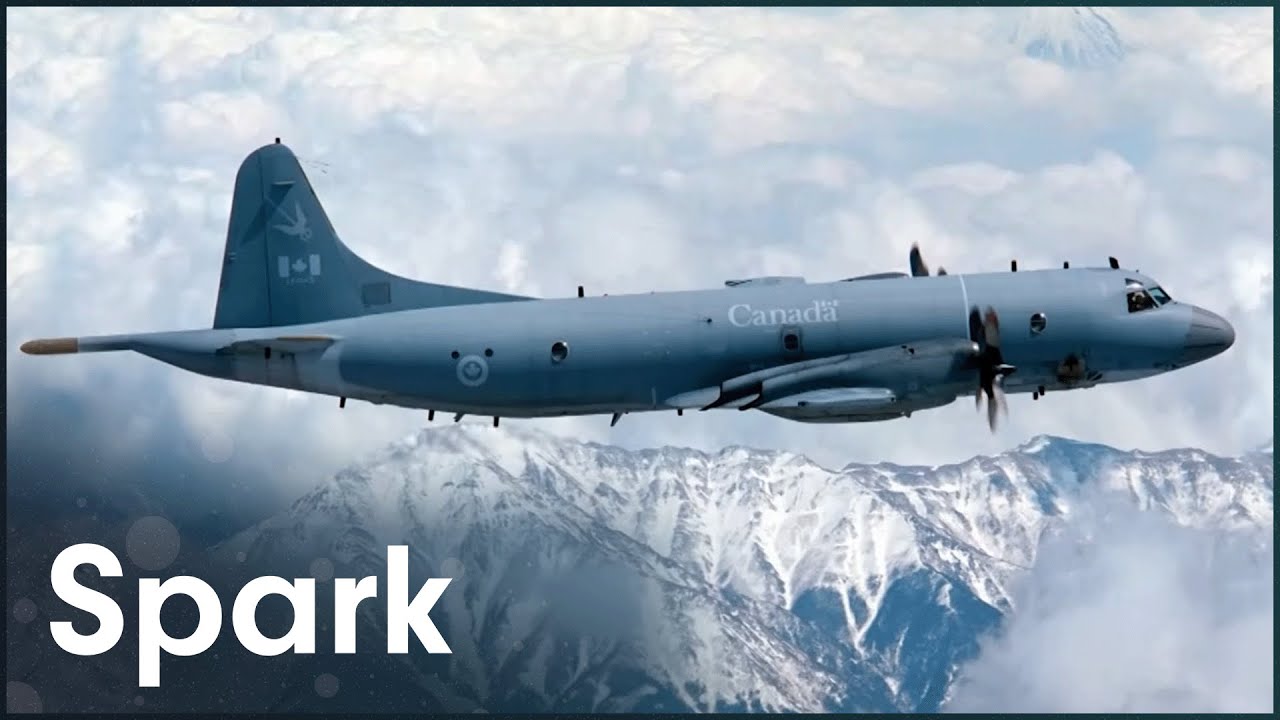
A CP-140 Aurora aircraft must locate and eliminate a mock submarine target in a 145 square kilometer ocean range off British Columbia's coast.
In 2016, a team of scientists undertook a massive operation to relocate the Halley VI Research Station in Antarctica 23 kilometers away from a threatening ice chasm.
The episode reveals how we accurately keep time and triangulate location through history.
Approximately 95 percent of the universe consists of dark matter and dark energy, yet their true nature remains unknown to scientists.
Christine Wilkinson studies large carnivores like spotted hyenas in Kenya, while Rüdiger Ortiz-Álvarez records soundscapes in the Canary Islands.
This episode reveals how science fuels warfare during the Cold War and shapes global politics.
New projects advance slowly, moving hardware into testing for Mars exploration missions.
A team of scientists tests rocket components aboard helium balloons at an altitude of 30 kilometers in Fairbanks, Alaska, to advance space travel technology.
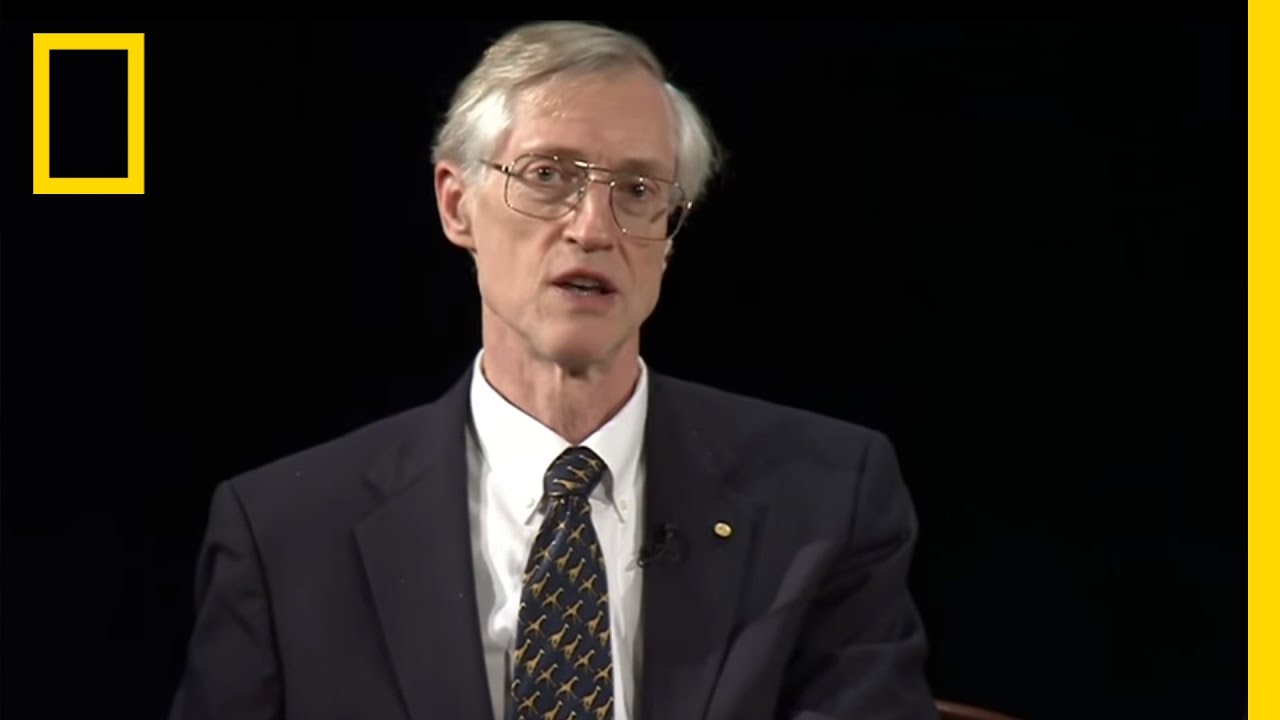
Nobel Laureate John Mather and Nat Geo Explorer-in-Residence Robert Ballard discuss the role of technology in expanding the limits of the known universe.
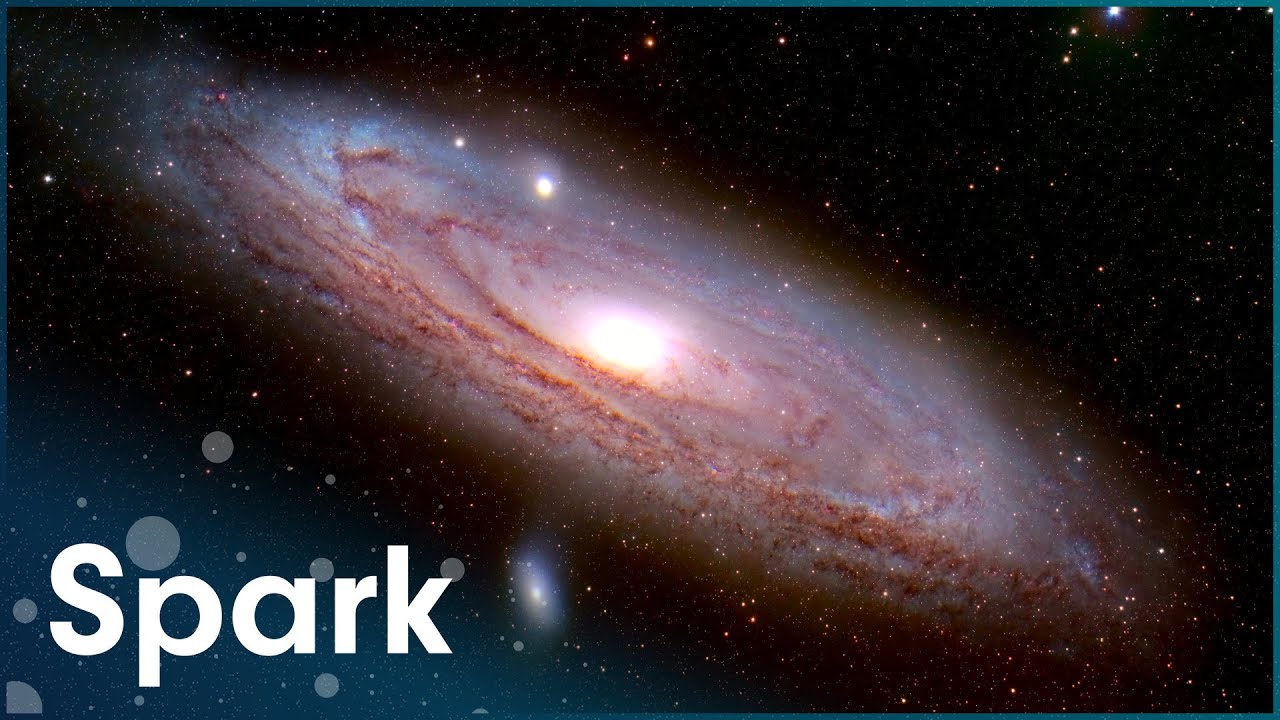
Current estimates suggest there are approximately two trillion galaxies in the observable universe, each containing around 100 billion stars.
Seven new stars form each year within the Milky Way, driven by events like supernova explosions and interactions with other stars.
Zika virus, linked to severe birth defects in babies, has spread globally for decades, prompting urgent research into its origins and potential long-term effects on health.
Stars, fueled by nuclear fusion, undergo a life cycle marked by intense energy production and dramatic transformations, culminating in their eventual demise.
Explore the rigorous training and challenges of becoming an astronaut through the insights of Prof. Dr. Ulrich Walter and stories of legendary space explorers.
Colonel Joseph Kittinger ascended nearly 20 miles into the atmosphere in 1960 to test human endurance at high altitudes during a key military mission.
More than 200 moons orbit planets in our solar system, each with unique characteristics and potential for primitive life.
After 13 years of orbiting Saturn, the Cassini probe's final plunge to the planet's surface significantly advanced scientific understanding of its rings and moons.
At the 2019 Explorers Festival, scientists present their efforts to study and protect lesser-known species from around the globe.
On August 6, 1945, the atomic bomb dropped on Hiroshima, a weapon made possible by the discovery of nuclear fission, which Lise Meitner helped to develop.
Satellites equipped with advanced sensor and camera technology provide critical Earth observation data, transforming how information about the planet is gathered and utilized.