From over 100,000 films, discover the handful you'll love.
Free or premium access to the world's largest documentary library.
2331 films(Page 3 of 49)
A global search reveals pairs of doppelgängers who undergo scientific tests at St Thomas' Hospital to explore their genetic and visual similarities.
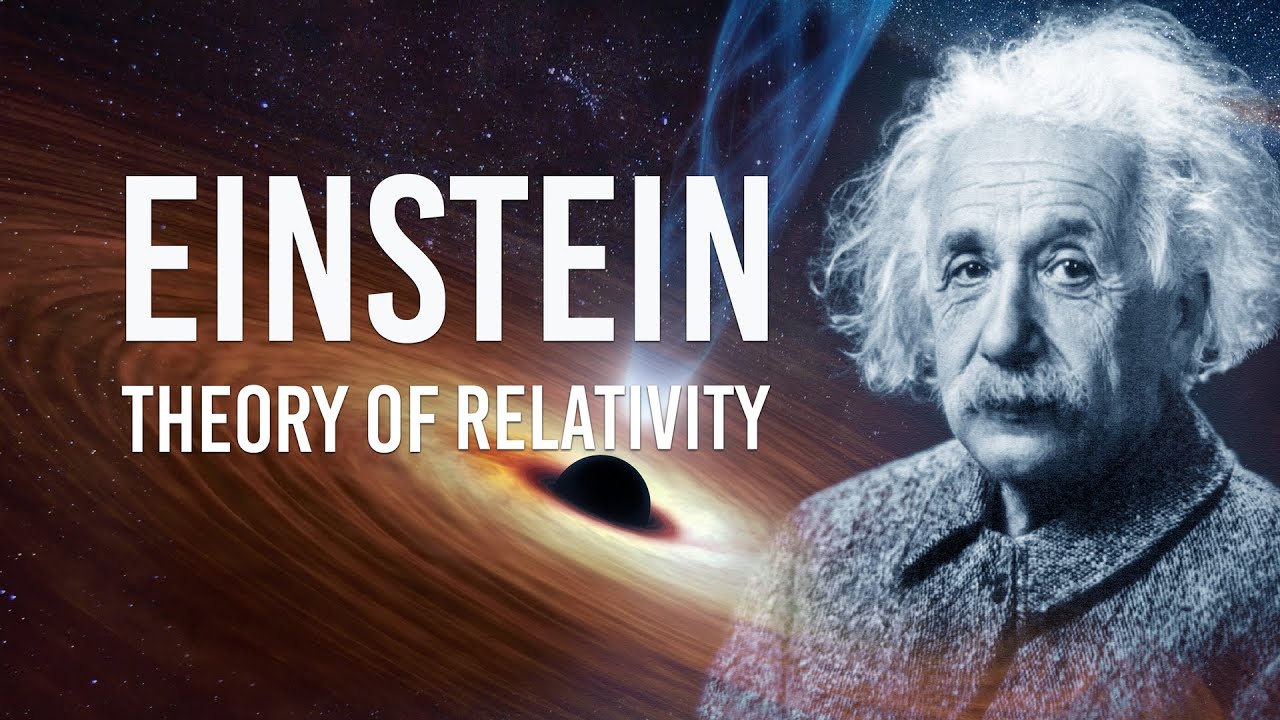
General relativity, a theory developed 100 years ago, transformed the understanding of gravity and the relationship between space and time.
Advancements in modern astronomy, including giant telescopes and computer modeling, provide insights into the universe's potential infinity and cosmic history.
Fossils of Reponomimus, a mammal the size of a wolf, were found in volcanic ash in Liaoning, China, dating back 130 million years.
Bree, one of the smallest primordial dwarfs in the world, is 16 years old, weighs 16 pounds, and measures just over two feet tall.
Eight astronauts with over 1,000 days in space discuss the challenges of leaving Earth and the need for a potential colony on another planet.
An earthquake of magnitude 8 or higher releases as much energy as a billion tons of TNT, threatening millions living near major fault lines.
The study of hormones is just over 100 years old, yet it remains one of the most important and least understood areas of medical science.
A 45.52-carat diamond, known as the Hope Diamond, is one of the largest and most valuable diamonds ever discovered, worth around $250 million.
Over 200 billion stars exist in the Milky Way galaxy, yet it is just one of an estimated 100 billion galaxies in the universe.
A Soviet space probe named Luna 3 captured the first images of the Moon in 1959, marking a significant milestone in space exploration.
Katherine Johnson was born on August 26, 1918, and her calculations were essential for NASA's early manned space missions and the Space Shuttle program.
One mathematical sentence from Albert Einstein's 1915 work on general relativity explains the entire universe on the largest scales.
Albert Lin investigates the historical events that may have inspired the biblical narratives of the parting of the Red Sea and the destruction of Sodom and Gomorrah.
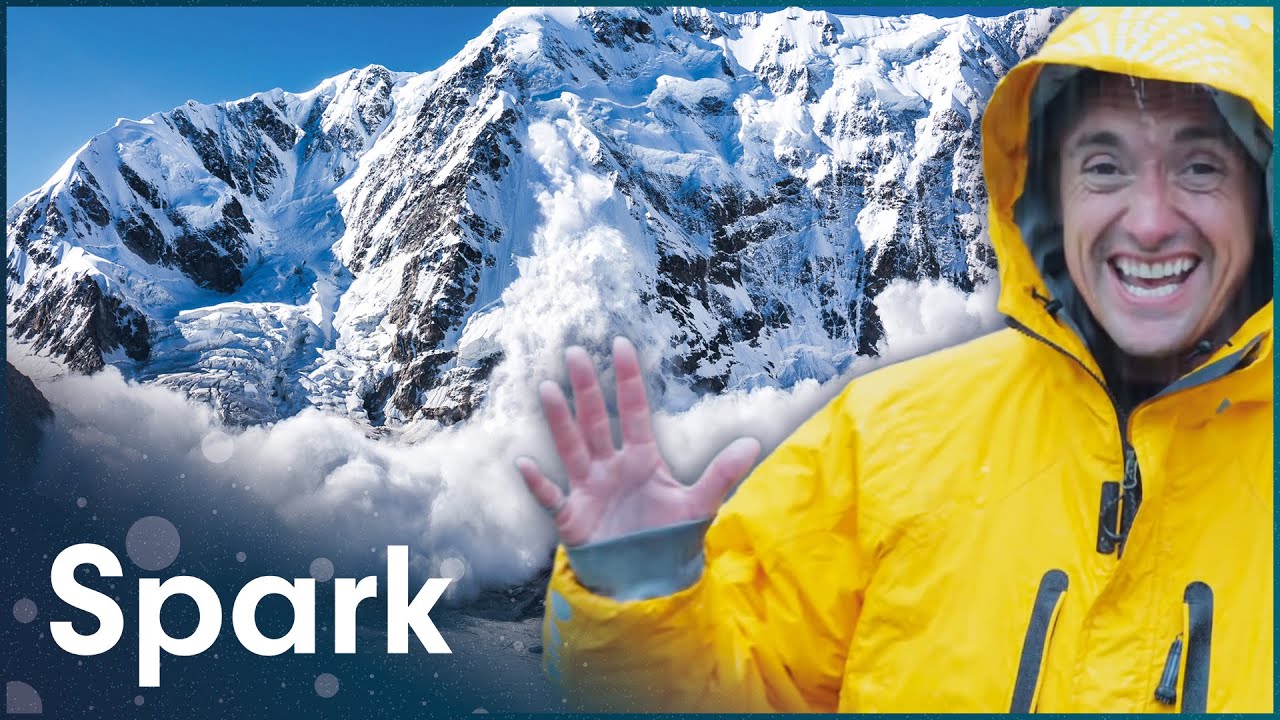
An avalanche can move four times faster than the fastest flash flood ever measured, demonstrating the powerful effects of water in nature.
Swarm intelligence shows how groups outperform individuals in decision-making and coordination.
Astronomers are mapping the positions of galaxies across the sky, linking their evolution to conditions that existed at the dawn of time.
NASA engineers built and launched the James Webb Space Telescope, the most complex astronomical instrument ever created, to explore the universe's earliest galaxies and exoplanet atmospheres.
600 million barrels of oil were discovered offshore from Ghana in 2007, raising hopes for jobs and infrastructure in local fishing villages.
Neutrinos, the universe's most abundant yet elusive particles, are the focus of an international team aiming to capture a fourth form and challenge the Standard Model of physics.
Around 300 years ago, humans developed machines capable of processing extraordinary amounts of energy to perform previously unimaginable tasks.
August 6, 1945, marked the day the United States dropped an atomic bomb on Hiroshima, signaling the start of a nuclear arms race with the Soviet Union.
Neanderthals reigned for 300,000 years before their extinction, possibly linked to a super volcano's catastrophic eruption.
Just 0.1% of animals are thought to use tools, yet octopuses demonstrate advanced problem-solving skills that challenge existing views on animal intelligence.
Orson Welles quotes H.G. Wells, stating that in the early 20th century, Earth was being watched by intelligences greater than man's.
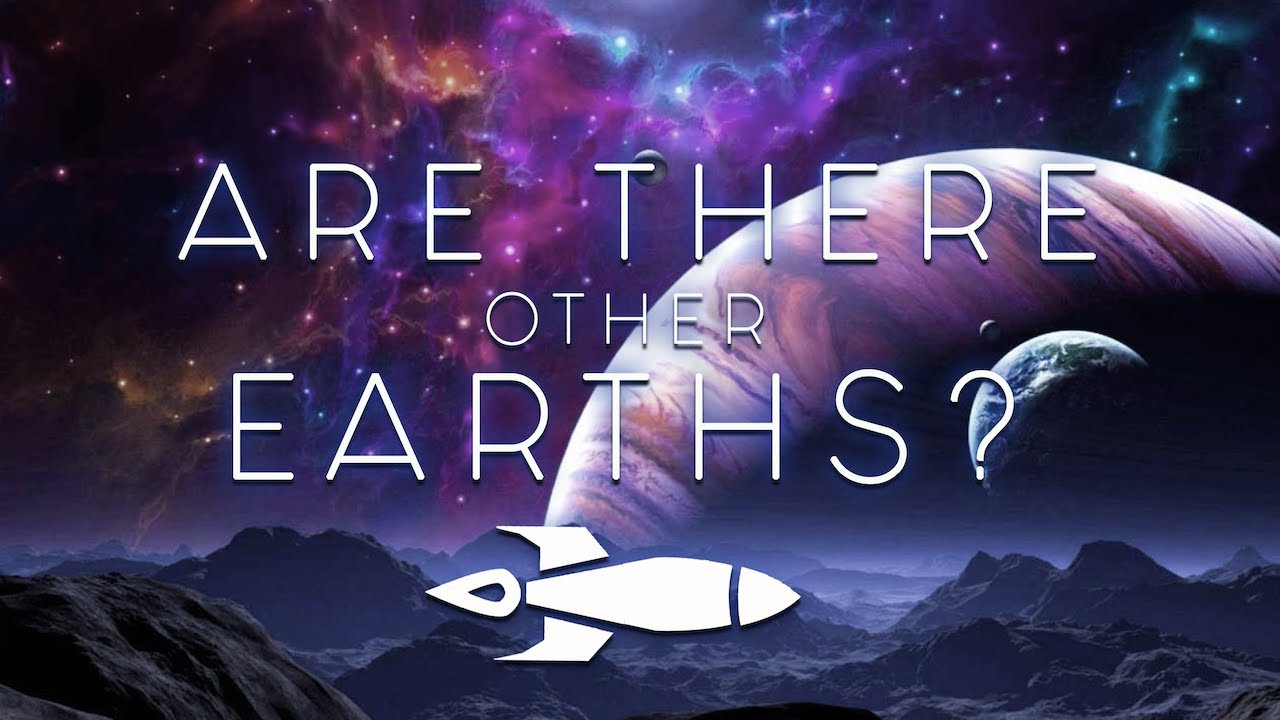
Up to a billion planets similar to Earth may exist in the galaxy, according to scientists featured in this 50-minute documentary.
Hartsfield-Jackson Atlanta Airport's operations are examined, highlighting air traffic control, baggage handling, and wildlife management in a complex, high-traffic environment.
The Apache Longbow helicopter can detect and attack multiple targets simultaneously, marking a significant shift in modern combat tactics.
Astronauts collected 382 kilograms of lunar rocks during the Apollo missions, which scientists now study to understand the moon's history and its link to Earth.
In the past 60 years, volcanic eruptions have killed at least 27 scientists while they studied these powerful natural events.
The Thunder Boat, Tonnerre, serves multiple roles for the Marine Nationale during crises.
Around 300 years ago, the dream of creating machines that mimic human actions became a reality with the invention of automata.
Two sets of remains, one belonging to a human and the other to a Paranthropus, were found at Kromdraai, dating back 2.5 million years.
Eight hydrophones record orca calls in the coastal waters between Alaska and Canada, as researchers seek to understand the animals' communication patterns.
Two patients die in a Virginia cardiac care unit amid an epidemic of unexpected deaths, prompting an investigation into possible foul play.
A 40,000-ton aircraft carrier, the Charles de Gaulle, is the largest ship in the French Navy, carrying around 30 combat aircraft.
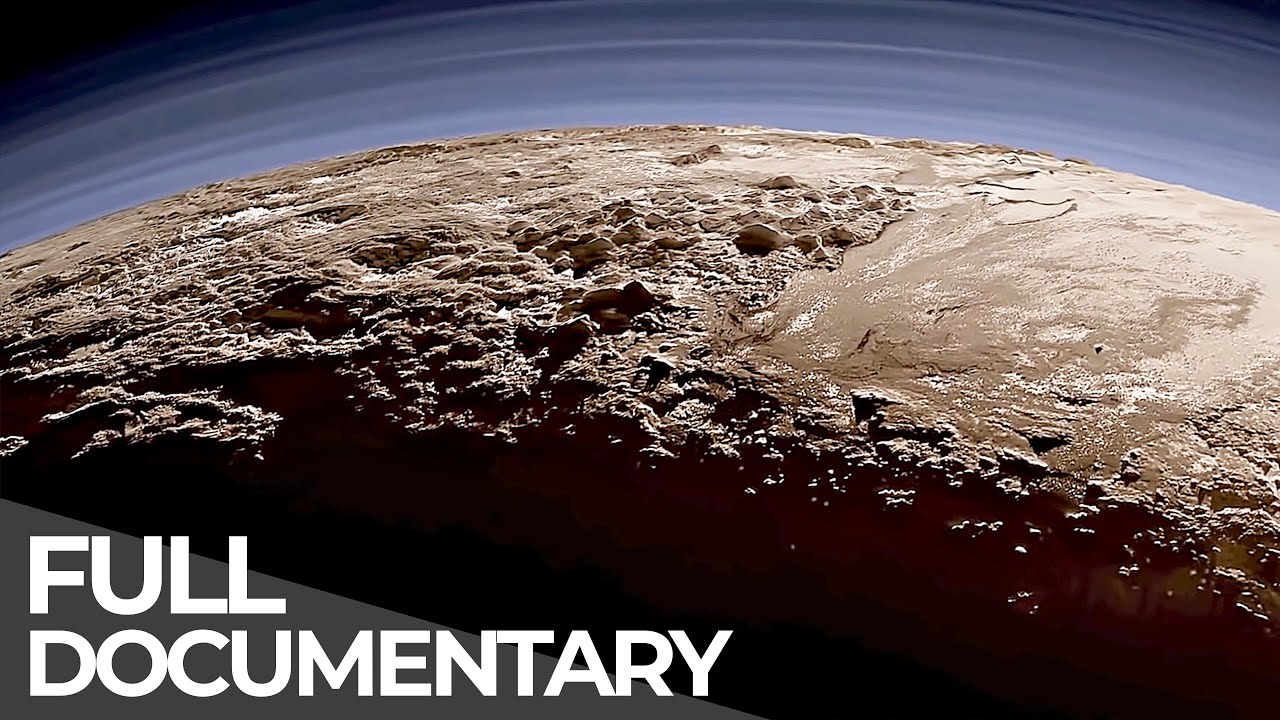
The evolution of spacesuit design is examined alongside the exploration of rocky planets and asteroids in the solar system, highlighting key probes and their findings.
In April 2024, a total solar eclipse will traverse the United States from Texas to Maine, marking the last occurrence of such an event until 2044.
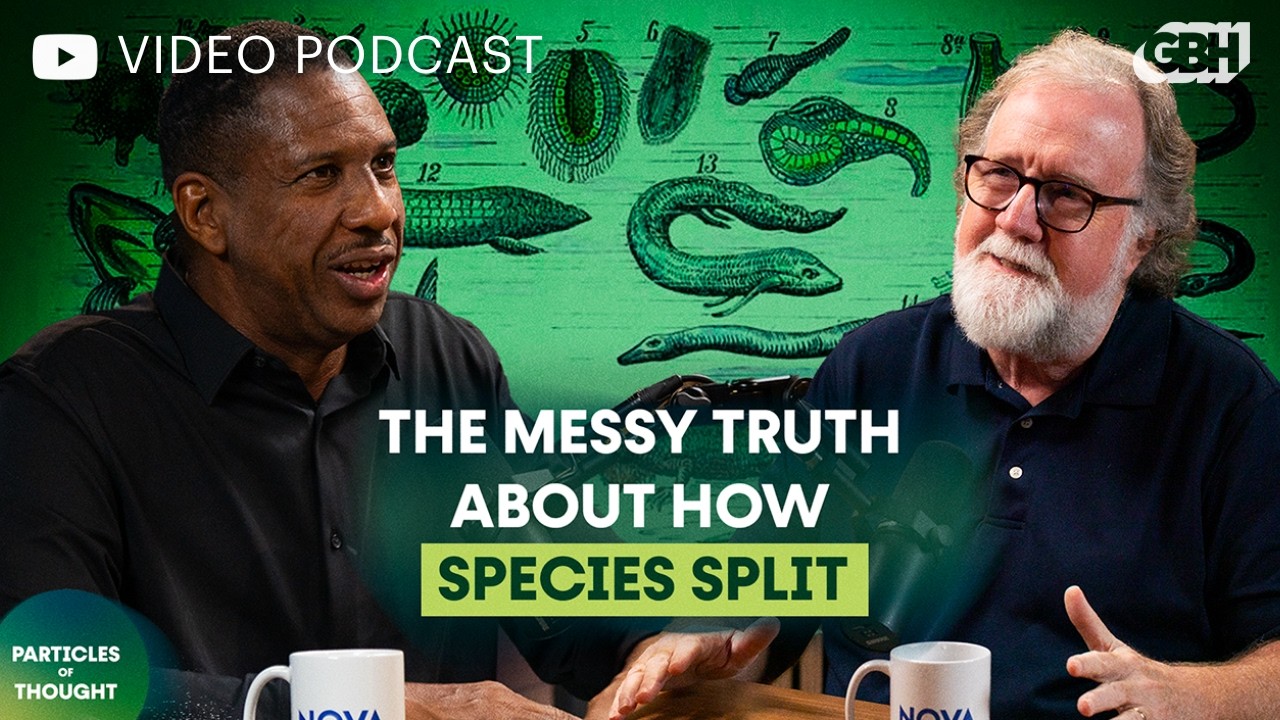
Change over time is the essence of evolution, according to evolutionary biologist Sean B. Carroll, who discusses genetic mechanisms behind new species.
National Park spans 244,000 acres and is home to the American bison, which weighs up to 2,000 pounds and engages in annual rutting battles.
Over 130 pyramids have been discovered in Egypt, with teams of archaeologists investigating the origins and secrets of these ancient structures.
Energy transfer in the universe is explored through phenomena such as colliding stars and Earth's largest explosions, revealing the immense power scales at play.
Scientists detect planets around thousands of stars, exploring potential for life beyond Earth.
If 99% of the world's population were wiped out, millions could still survive, resembling the population levels of the Bronze Age.
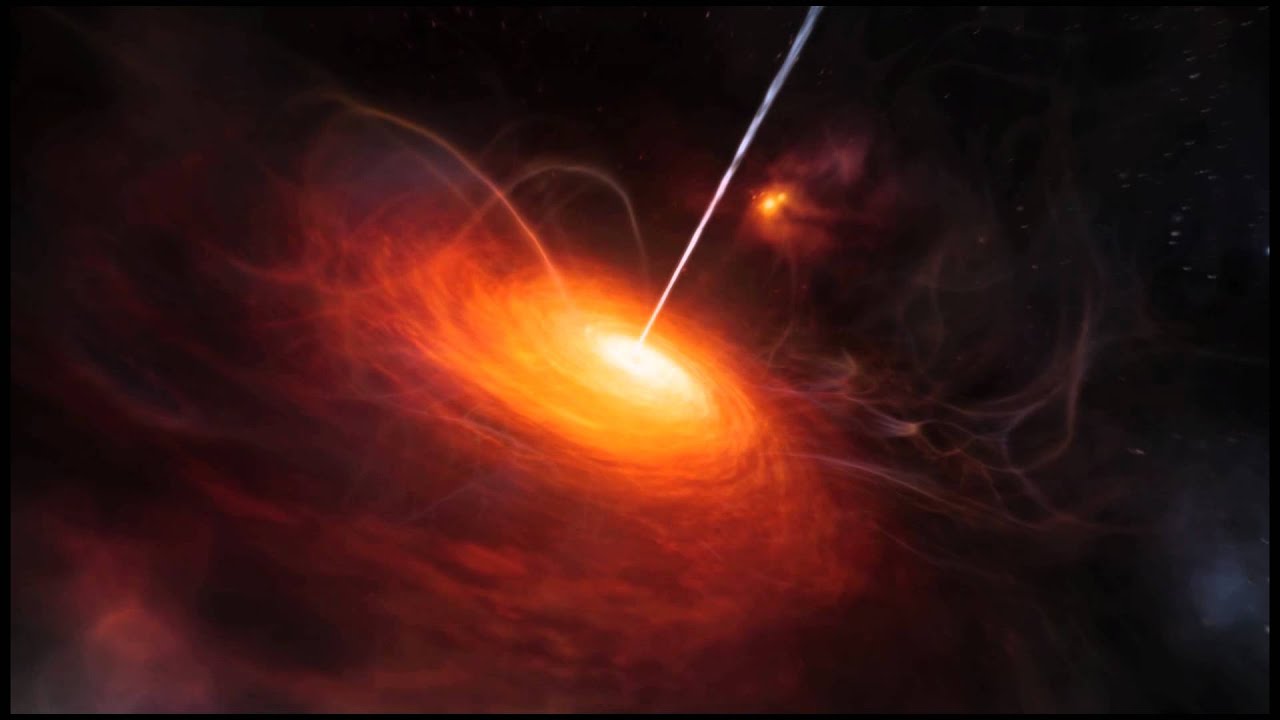
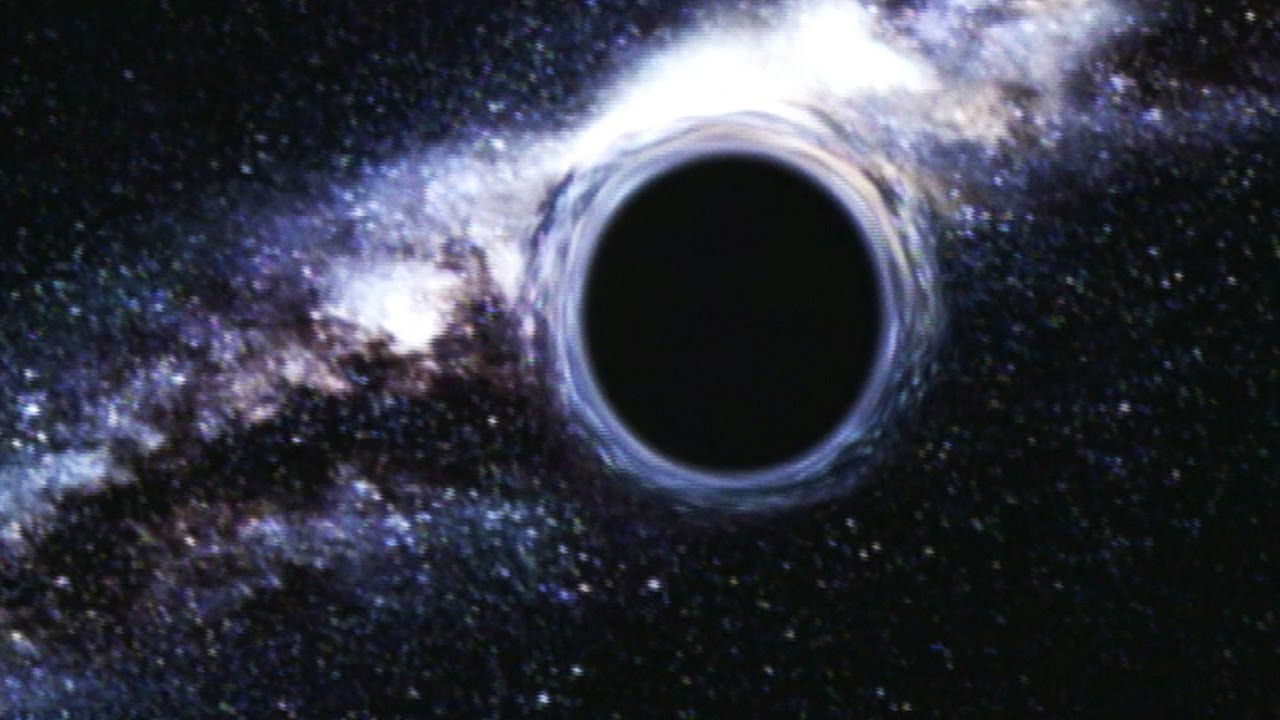
Black holes, regions of spacetime with immense gravitational pull, are explored through their structure, formation, and impact on the universe.
Fifteen receivers were placed around Maui to track the movement patterns of tiger sharks and investigate their unusual seasonal gathering.
Perseverance entered the Martian atmosphere at a speed of 5.3 km/s in February 2021, marking a significant milestone in space exploration.
Hagia Sophia's dome soars 180 feet high and has survived centuries of earthquakes since its completion in 537 AD, transforming from church to mosque to museum.