From over 100,000 films, discover the handful you'll love.
Free or premium access to the world's largest documentary library.
2332 films(Page 37 of 49)
Ninety-five percent of the universe is thought to be dark energy and dark matter, which do not emit light and remain largely unseen.
Emerging Explorer Gregg Treinish connects outdoor enthusiasts with scientists to gather vital data from remote locations for conservation efforts.
Fewer than 150 specimens of Sylvia's leaf frog have been recorded, a species identified by Andrew Gray after studying its significant differences from the Splendid leaf frog.
In Würzburg, a society tests supernatural claims for a 10,000 euro prize.
A new infrared image of the Horsehead Nebula reveals delicate wisps of gas that are usually obscured by thick dust, marking Hubble's 23rd anniversary.
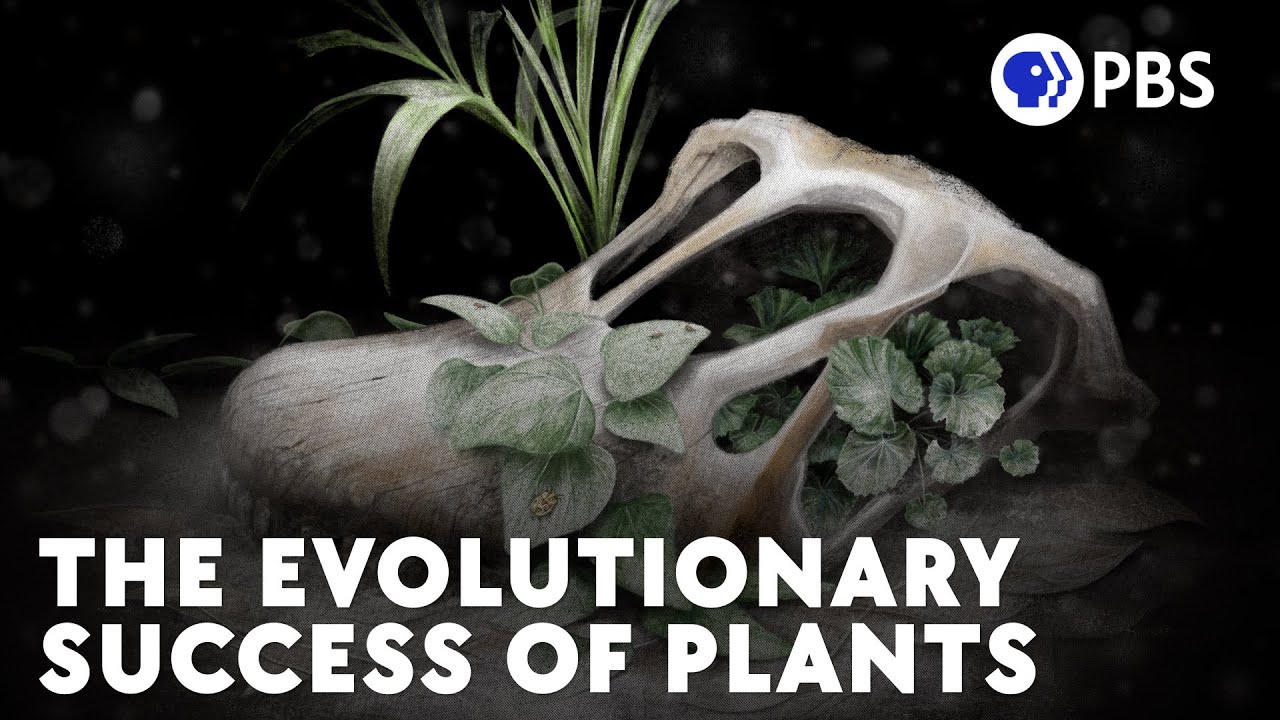
In the aftermath of the K-Pg extinction, research by Franz Anthony highlights how certain plants adapted by increasing their DNA content to survive ecological upheaval.
Philo Farnsworth, a teenage sharecropper from Top, Idaho, revolutionized entertainment by inventing television in 1921, challenging the dominance of radio.
A body was sliced into 1-millimeter sections to create a high-resolution digital cadaver for medical education and training.
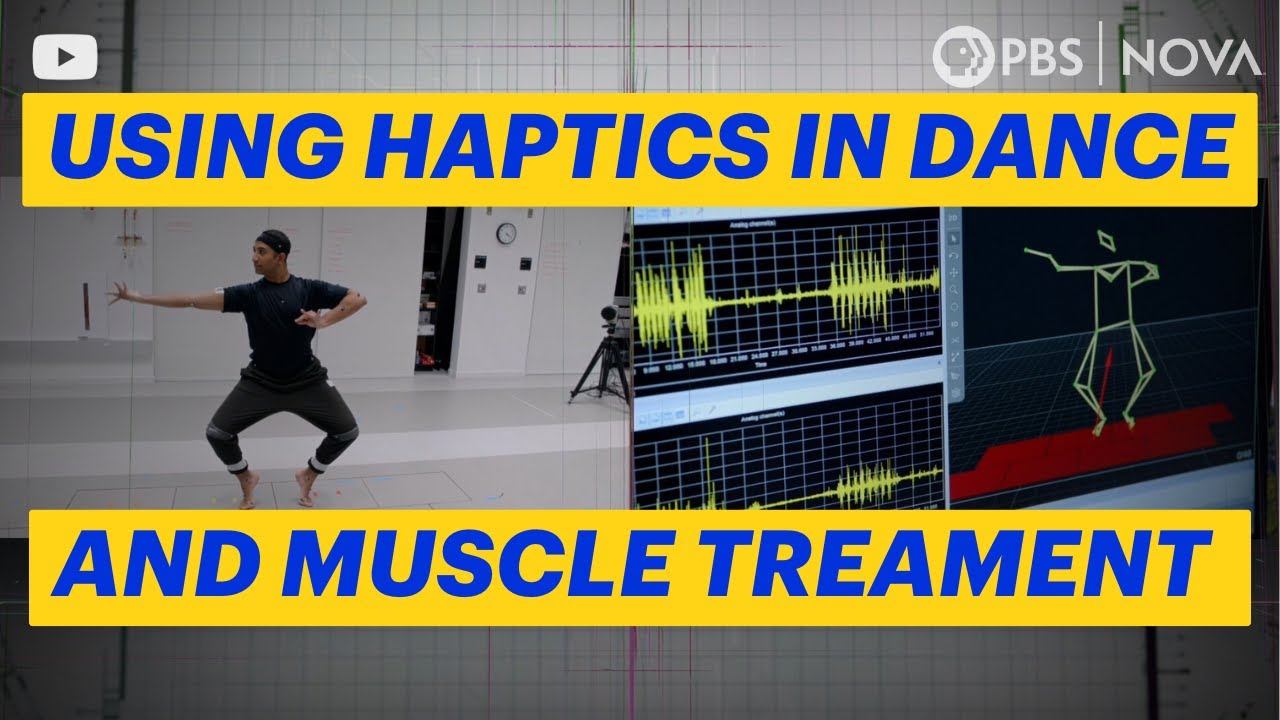
Harvard scientists are utilizing sensory feedback techniques to aid patients with muscle spasticity in achieving smoother movements and improved mobility.
Making The Goods shows how factories manufacture our favourite weekend items like BBQs and snacks.
Only negatively charged electrons flow in electrical circuits, but quasiparticles, like electron holes, also play a crucial role in modern technology.
550 tons of chains support the Clifton suspension bridge, a 19th-century engineering feat designed by Isambard Kingdom Brunel.
A black hole called Sagittarius A*, located 27,000 light years away, was photographed for the first time by astronomers in 2019.
Phil Tro's research group received FDA permission to implant a network of wireless stimulators into the brain of a blind participant, Brian Busard.
Scientists face challenges in storing renewable energy efficiently for reliable use.
Captain Sophia Bob Nielsen must find a new home for $140,000 worth of bairdi crab after her vessel's freshwater system fails.
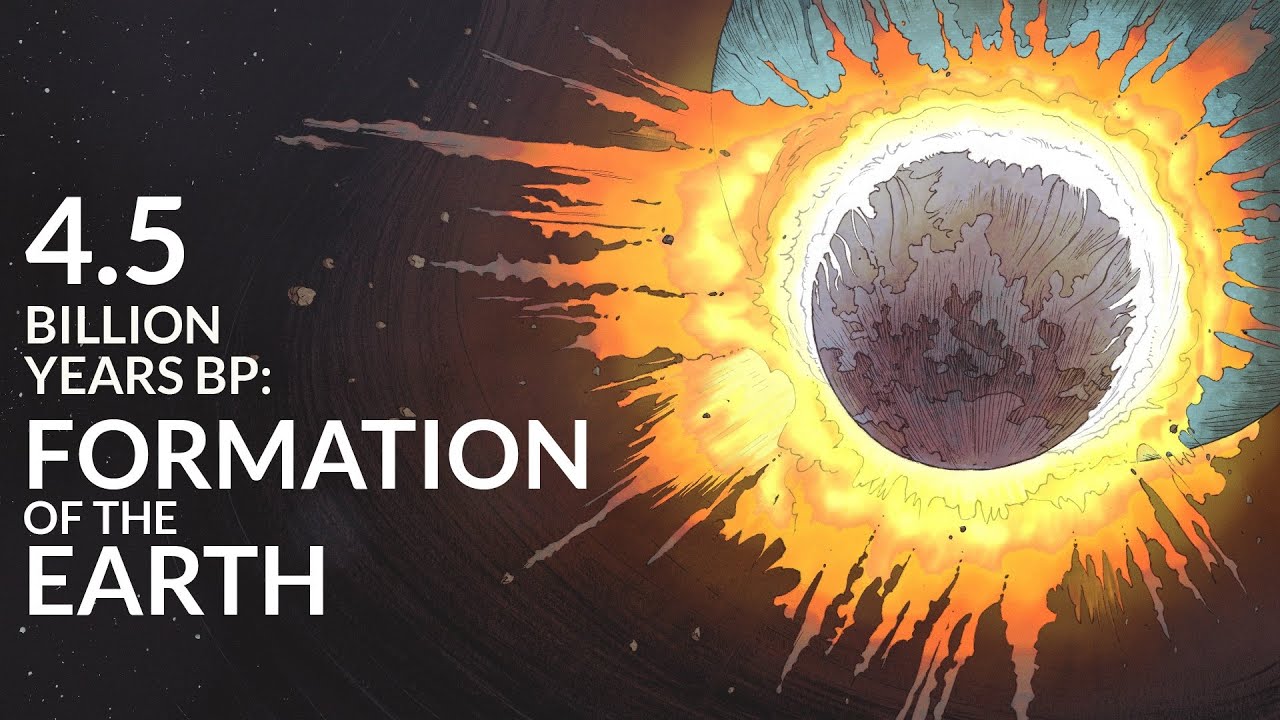
The formation of Earth and the solar system is explained through the process of fractionation and the characteristics of gas giants like Jupiter and Saturn.
Scott Steedman reveals how Londons underground spaces and Olympic Stadium are built.
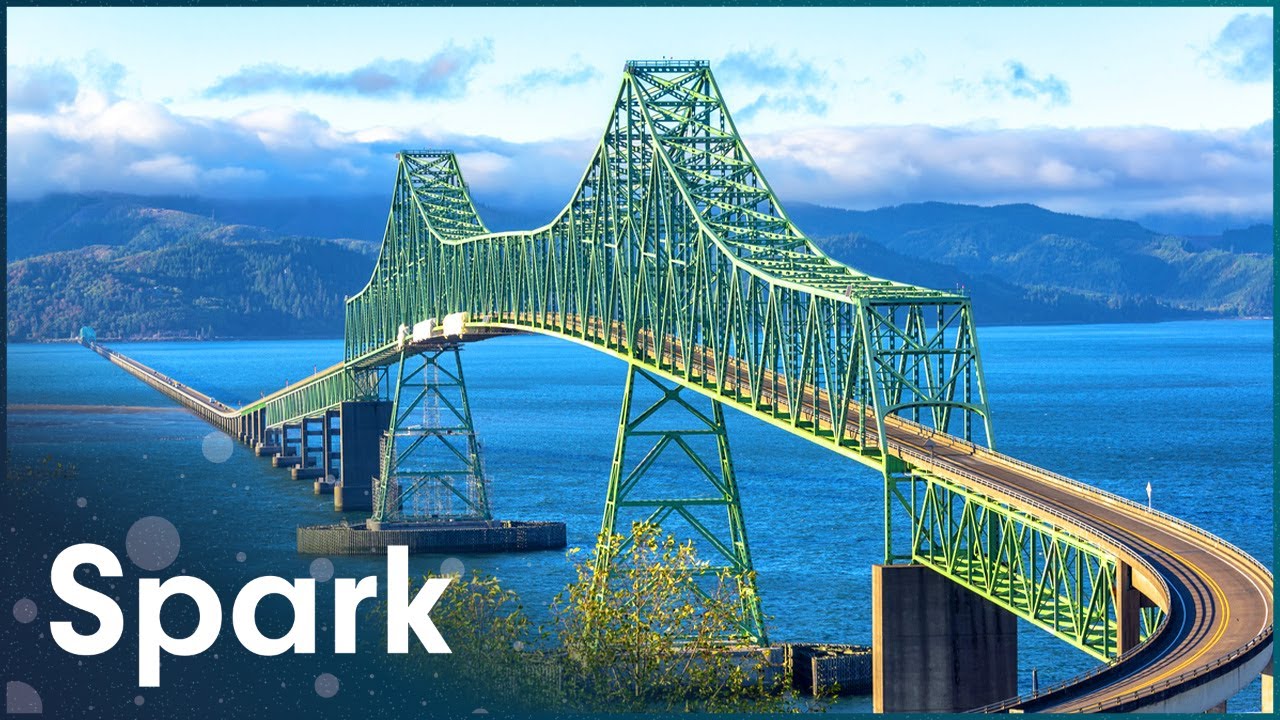
Cantilevers play a crucial role in bridge construction by supporting massive loads while ensuring structural integrity through innovative engineering techniques.
Three-quarters of New Zealand's electricity comes from renewable sources, as scientists work to develop biofuels from wood to reduce reliance on fossil fuels.
7.7 gigawatt hours of energy is produced annually by the world's most successful wind turbine, enough to power 1,500 homes.
Protons in an atomic nucleus repel each other with enough electromagnetic force to lift a medium-sized labradoodle off the ground.
Dolly the Sheep, cloned in 1996, marked a pivotal moment in genetic research, leading to the development of CRISPR technology and its implications for biology and health.
Ingenuity completed its first controlled powered flight on Mars in April 2021, paving the way for future drone missions in space exploration.
Homo naledi, a newly discovered human ancestor, is prompting a reevaluation of human origins, as explained by biological anthropologist Marina Elliott.
Scientists map the moon's gravity patterns and study Saturn and Mars in Cosmic Vistas.
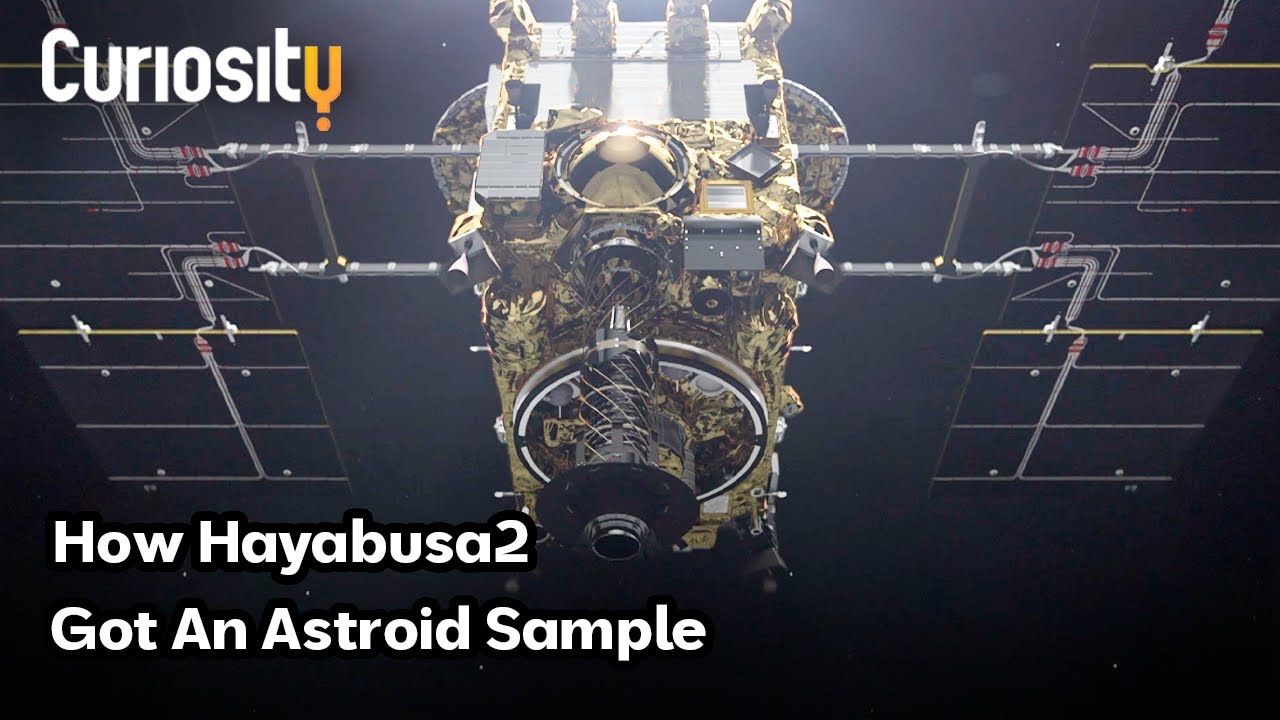
Hayabusa2 successfully extracted subsurface samples from the asteroid Ryugu, marking a significant achievement in understanding the solar system's origins.
A major European survey found that stress rates among young employees using information and communication technologies are significantly higher than their elders.
Accidental inventions like the telephone changed the world of communication forever.
In a series of unconventional experiments, soldiers explore bizarre scientific phenomena, including the ability to unlock a van with one's head.
Mushrooms continue to grow after being picked, while laboratory glassware takes over a million years to decompose, and the first British launderette opened in 1949.
The video discusses how large telescopes help us see deeper into the universe on clear nights.
Leonard Kleinrock's work with ARPA during the Cold War was instrumental in developing the foundational technologies that led to the birth of the internet.
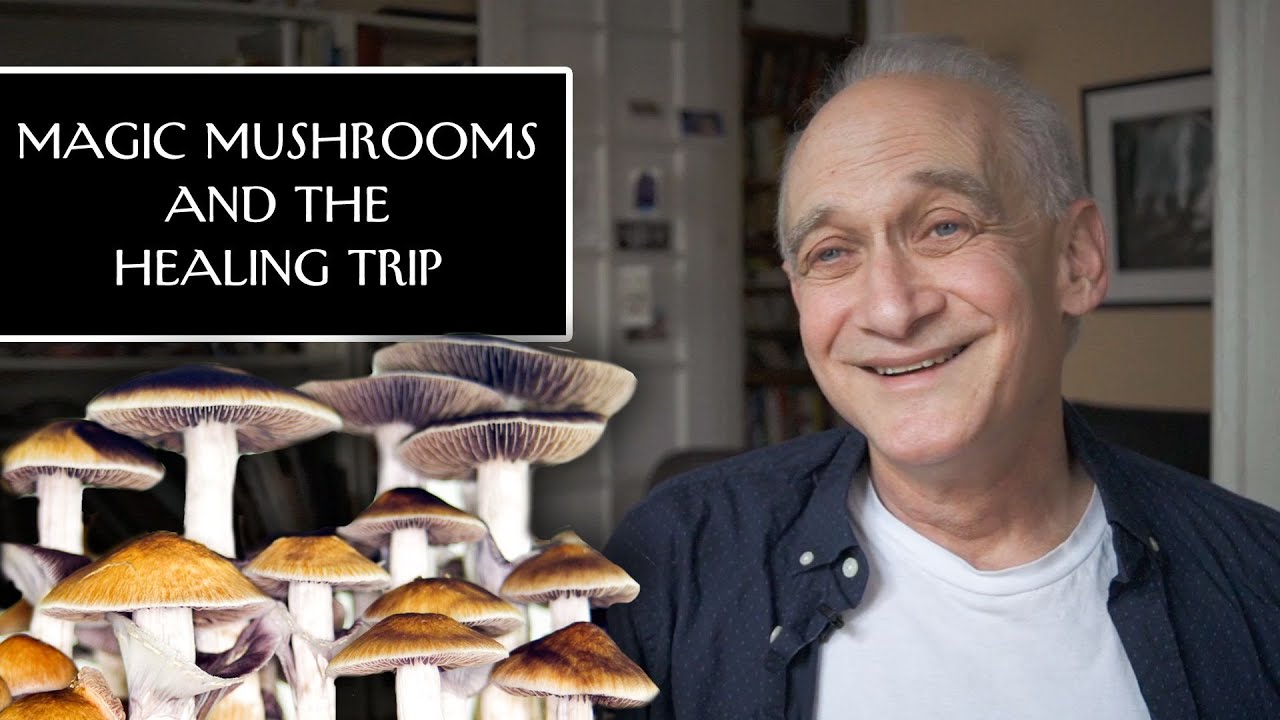
Psilocybin, the psychoactive component in magic mushrooms, shows potential in alleviating anxiety and depression in terminal cancer patients facing existential distress.
In the Jurassic period, insect pollination evolved twice, highlighting the changing relationships between plants and insects, as explored by experts like Dr. Conrad C. Labandeira.
A $700 item, a pair of high-tech sports gear, is designed by New Zealand researchers to enhance performance and comfort for athletes worldwide.
NASA's Kepler spacecraft is capable of detecting Earth-like planets, paving the way for future telescopes to analyze their atmospheres for signs of life.
A 12-year-old boy in South Sudan benefits from 3D printing in the medical world.
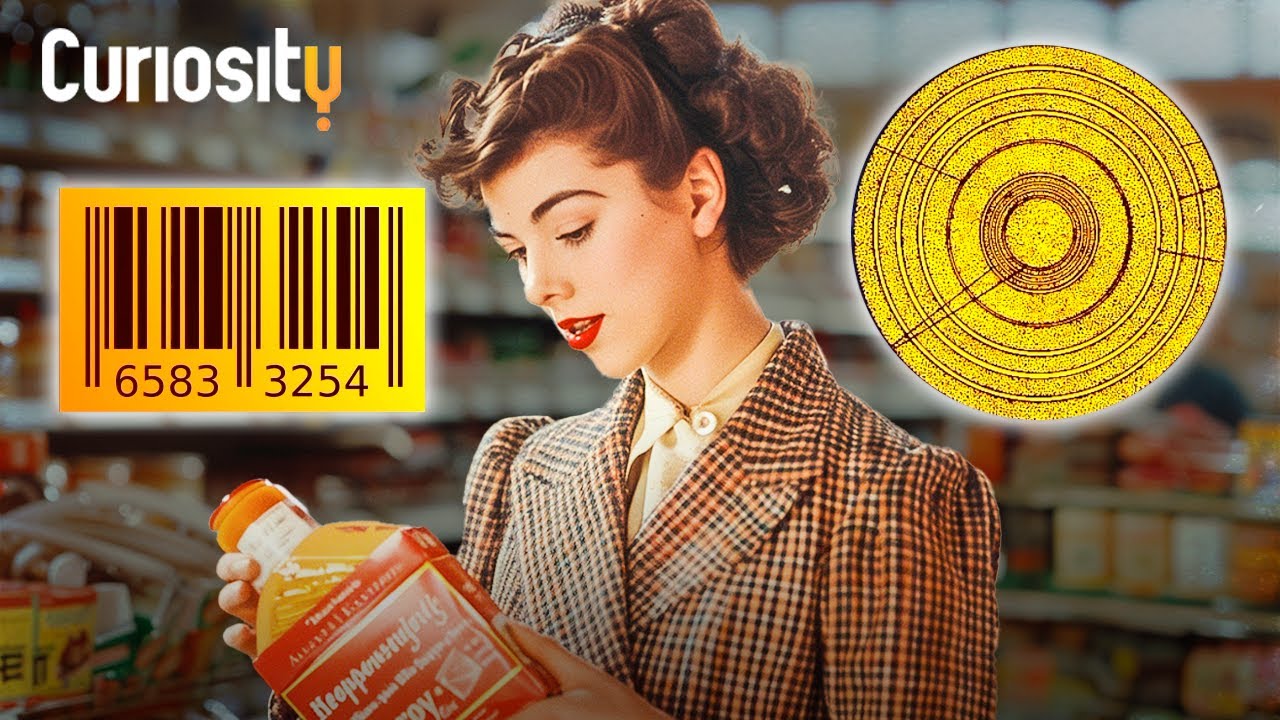
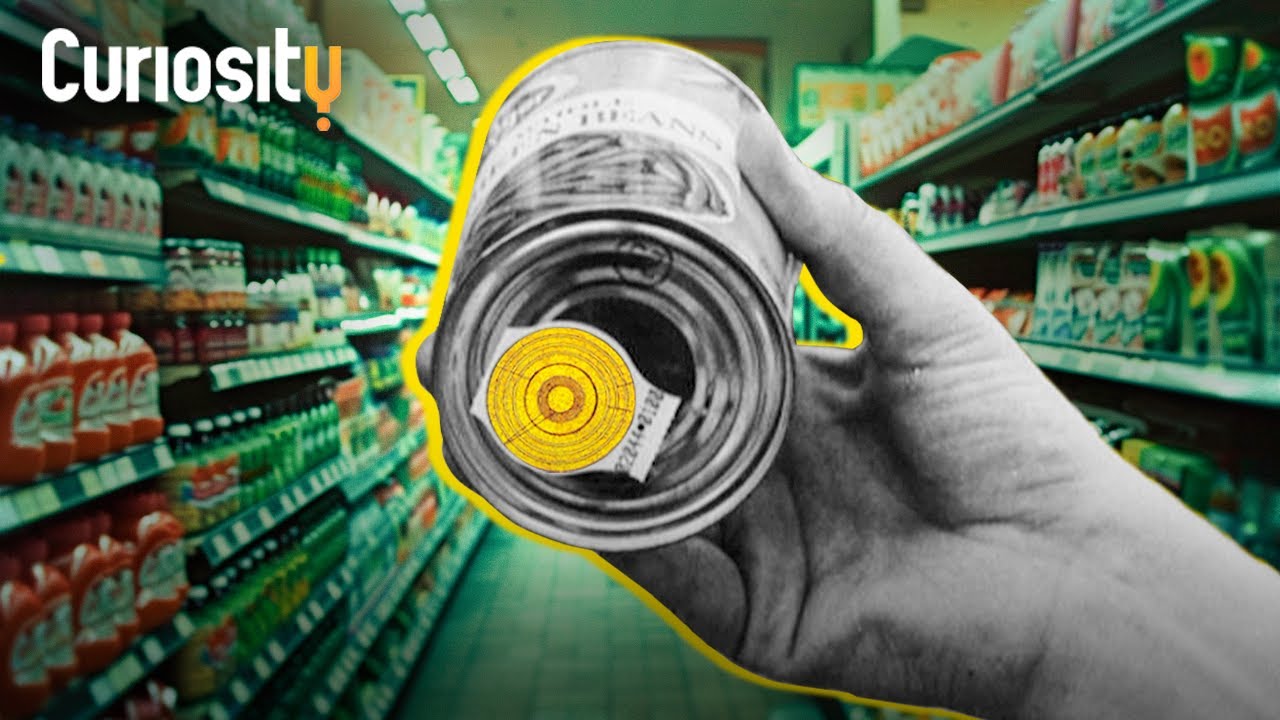
In 1949, Joseph Woodland sketched the first barcode design in the sand on Miami Beach, leading to a technology that transformed modern commerce.
In 1949, Joseph Woodland began sketching the first barcode design in the sand on Miami Beach, leading to the creation of the universal product code.
One in three births in the United States is now delivered by Cesarean section, making it the most common major surgery in the country.
One fruit fly mutation resulted in legs growing in place of antennae, leading to significant discoveries about the genetic basis of animal development.
Fermilab physicists announced on April 7 that the mass of the W boson is 0.1% heavier than previously expected, raising questions about particle physics.
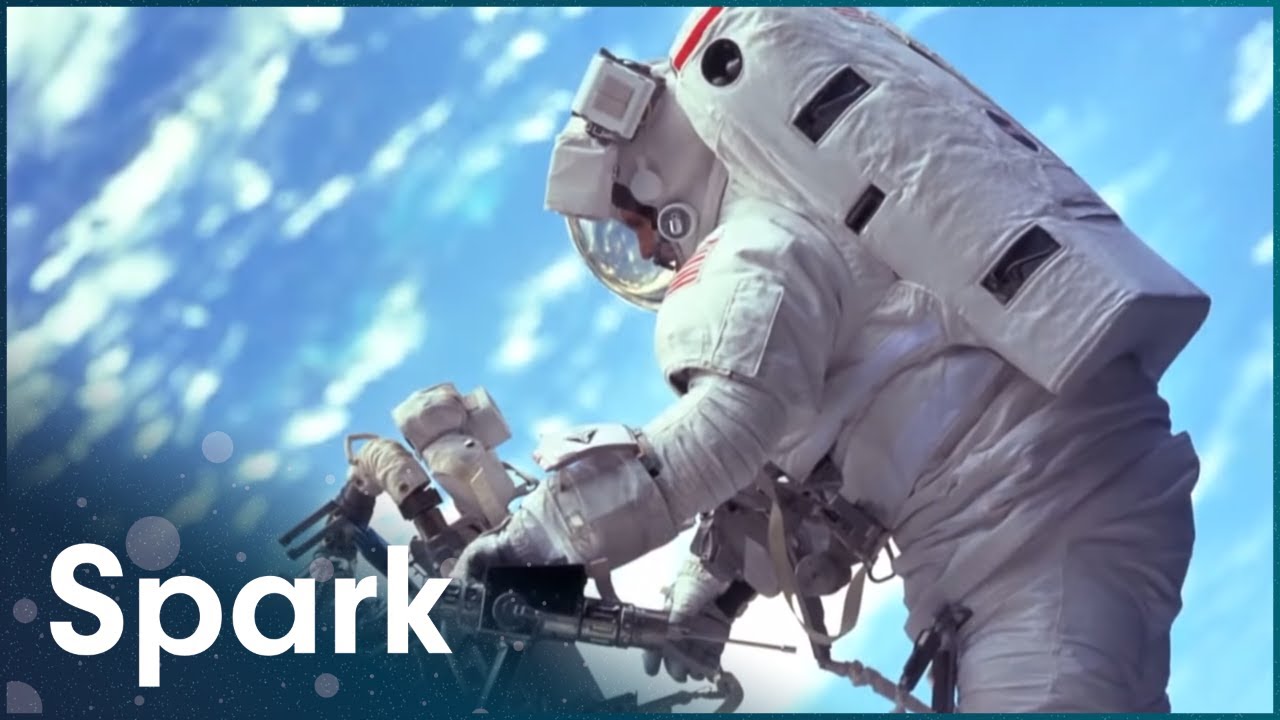
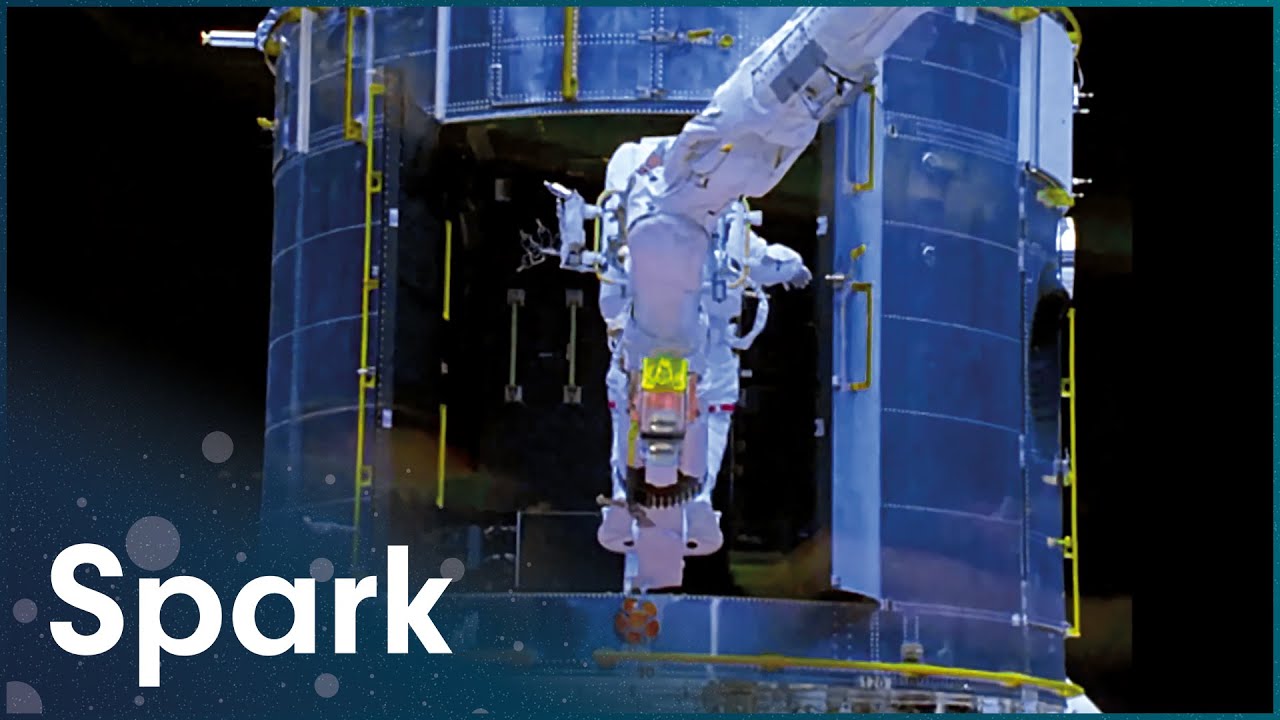
In May 2009, Atlantis completed five spacewalks to refurbish the Hubble Space Telescope, restoring its functionality after years of critical repairs.
In 1941, astronomer Erik Holmberg conducted one of the first universe simulations using 37 light bulbs to represent billions of stars.
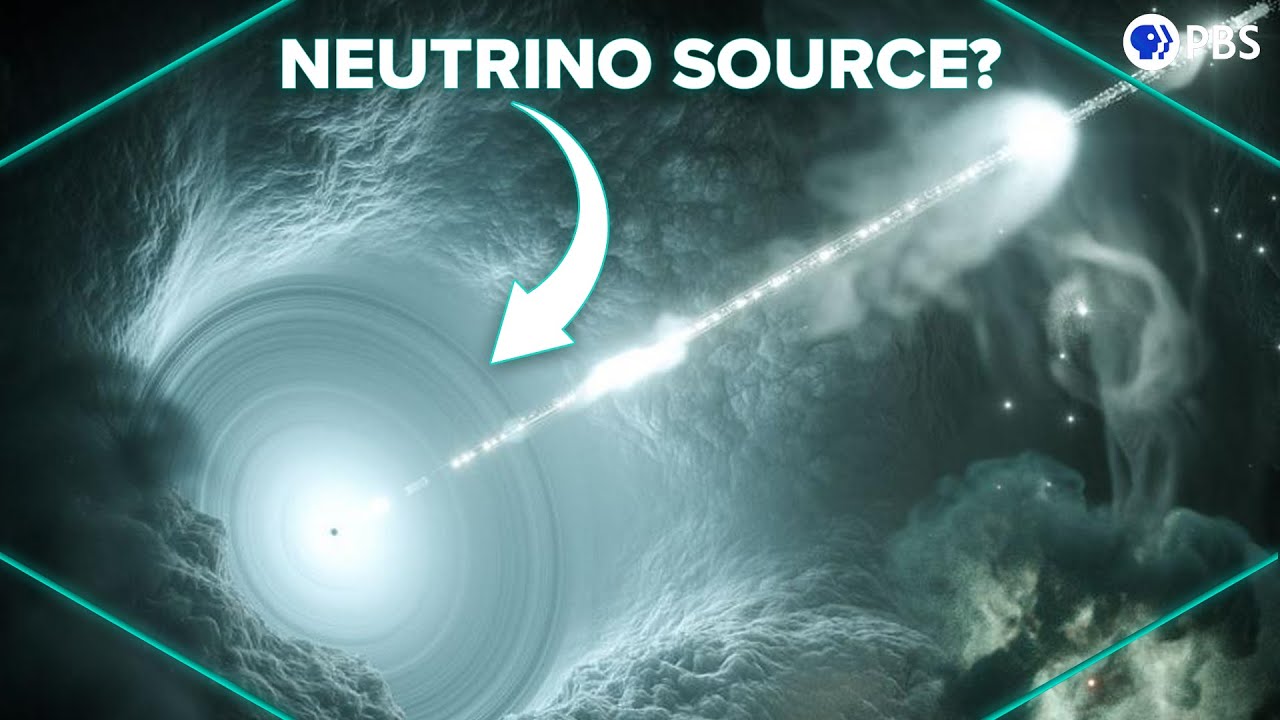
The Sun produces 10^38 neutrinos every second, which can be used to study black holes and their surrounding environments.
PBS Member Stations rely on viewer support for programming and community engagement.
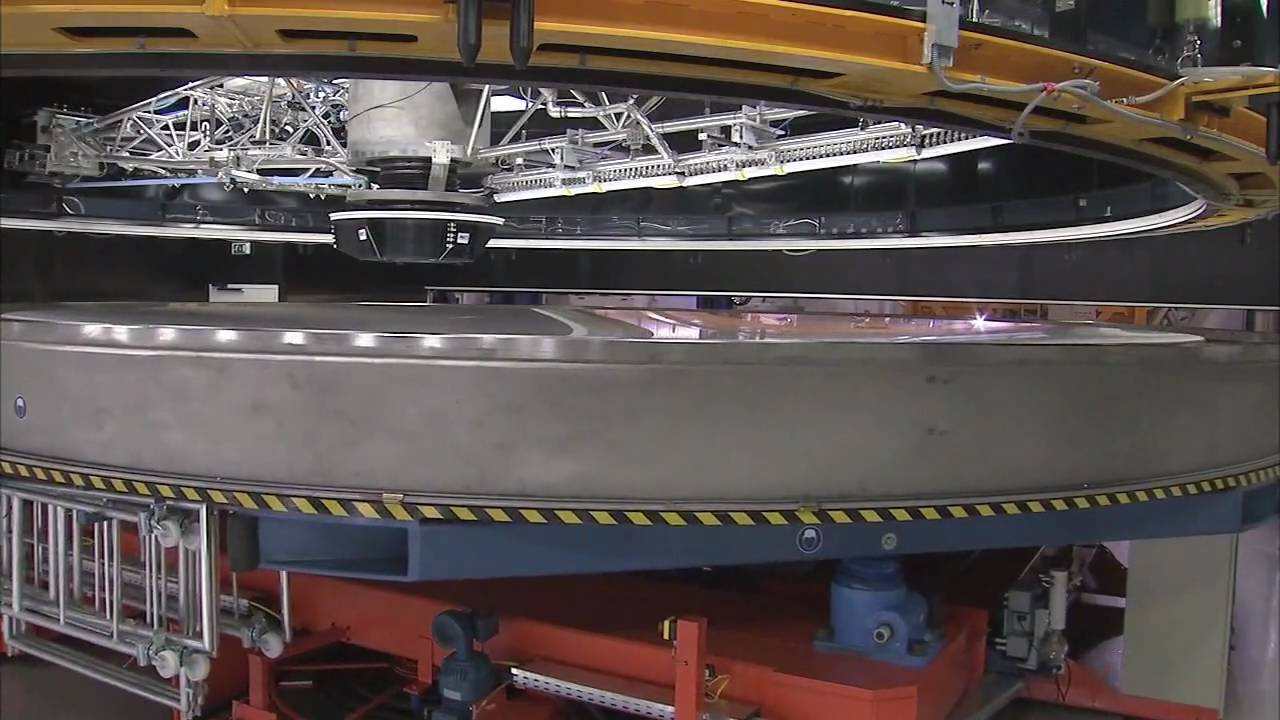
A 50-ton telescope mirror is carefully removed from the Very Large Telescope in Chile for cleaning and recoating to ensure optimal performance.