
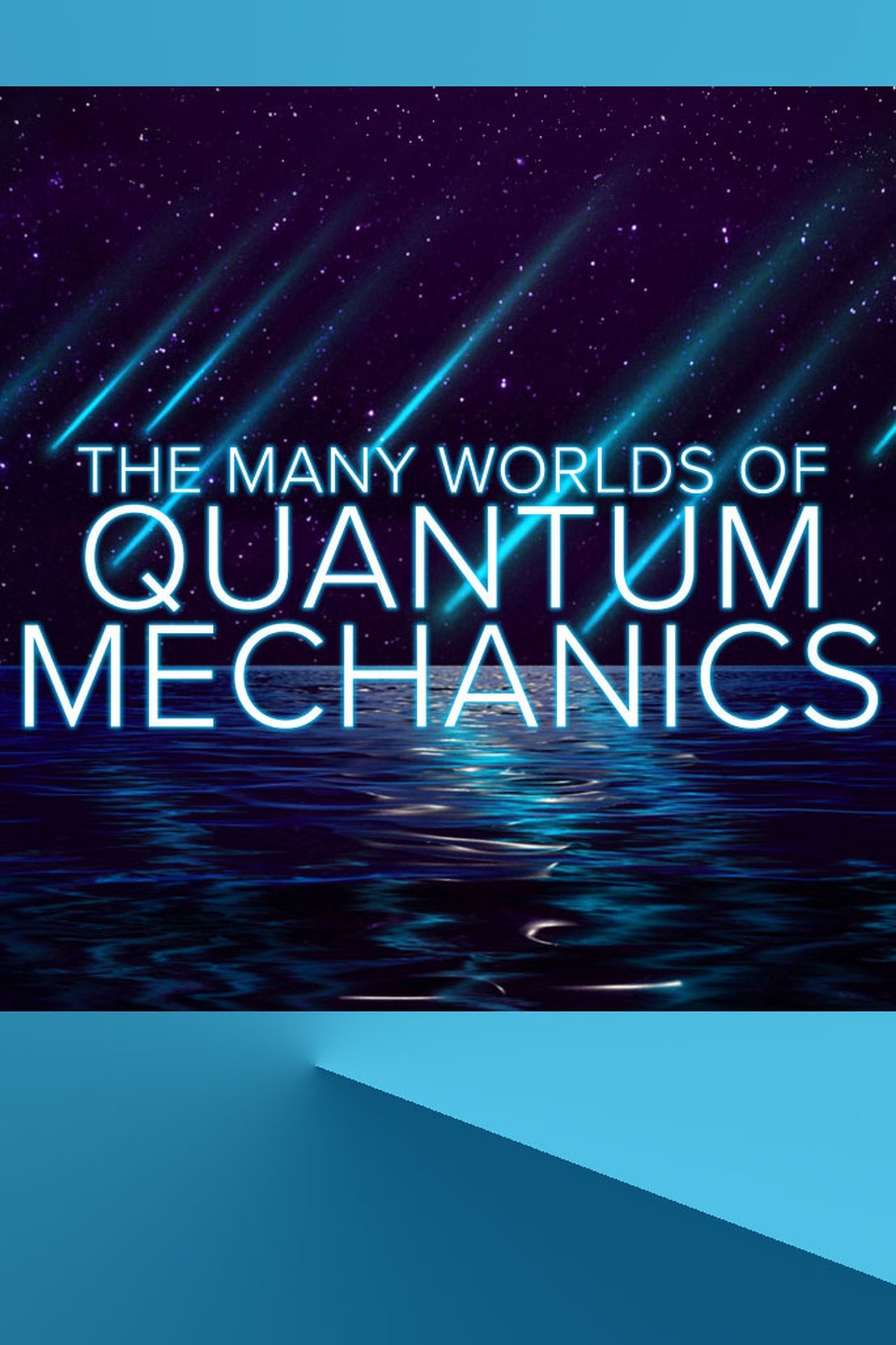
Does Many Worlds Explain Quantum Probabilities?
Synopsis
Two clones are created in a thought experiment to illustrate the Many Worlds interpretation of quantum mechanics and its implications for probability.
Synopsis
A researcher poses a question about probability to a participant in a cloning experiment. The participant, having been split into two clones, must determine the likelihood of being in Los Angeles or New York. The discussion leads to the Measurement Problem in quantum mechanics, focusing on the transition from superposition to a definite state. The Many Worlds interpretation is presented as a potential solution, with references to the Born Rule and the PBS Principle of Indifference. The episode also promotes a new merch store with a discount for December.
Deep Dive
Why Watch
- Find out how cloning helps explain quantum probabilities.
- See the unique approach of Many Worlds to quantum mechanics.
- Meet the researchers tackling the Measurement Problem.
Did You Know
- The Many Worlds interpretation suggests an endless branching of Space Time.
- The probability of finding yourself in a specific quantum timeline can be calculated.
- The Measurement Problem in quantum mechanics is considered one of the most mysterious issues in physics.
- The Born Rule is derived from the Many Worlds interpretation without needing additional axioms.
Perfect For
Frequently Asked Questions
What is the probability of being in LA after a cloning experiment?
There is a 50% chance of being in LA, as there are two copies of you, one in LA and one in NY.
What does the Many Worlds interpretation of quantum mechanics explain?
Many Worlds provides a direct path to finding probabilities without needing to bake it into the theory by axiom.
What is the Measurement Problem in quantum mechanics?
The Measurement Problem refers to the mystery of how a quantum superposition transitions to a definite state upon observation.
What are people saying?
Play More Like This





Where else to watch





Related Films
Is this your film?
If you made this film or hold the rights to it, we'd like to talk. We can license it and pay you a share of what it earns.
Comments