From over 100,000 films, discover the handful you'll love.
Free or premium access to the world's largest documentary library.
2305 films(Page 40 of 49)
An ancient Spanish burial site hidden within caves is explored by Josh Gates as part of Expedition Unknown, revealing insights into a long-lost civilization.
A 90-foot hole is drilled to investigate a potential Nazi tunnel complex buried beneath an open field in Lubon.
Tutankhamun's life and afterlife reflect his vital role in ancient Egyptian religion, particularly in ensuring the sun god Ra's daily rise.
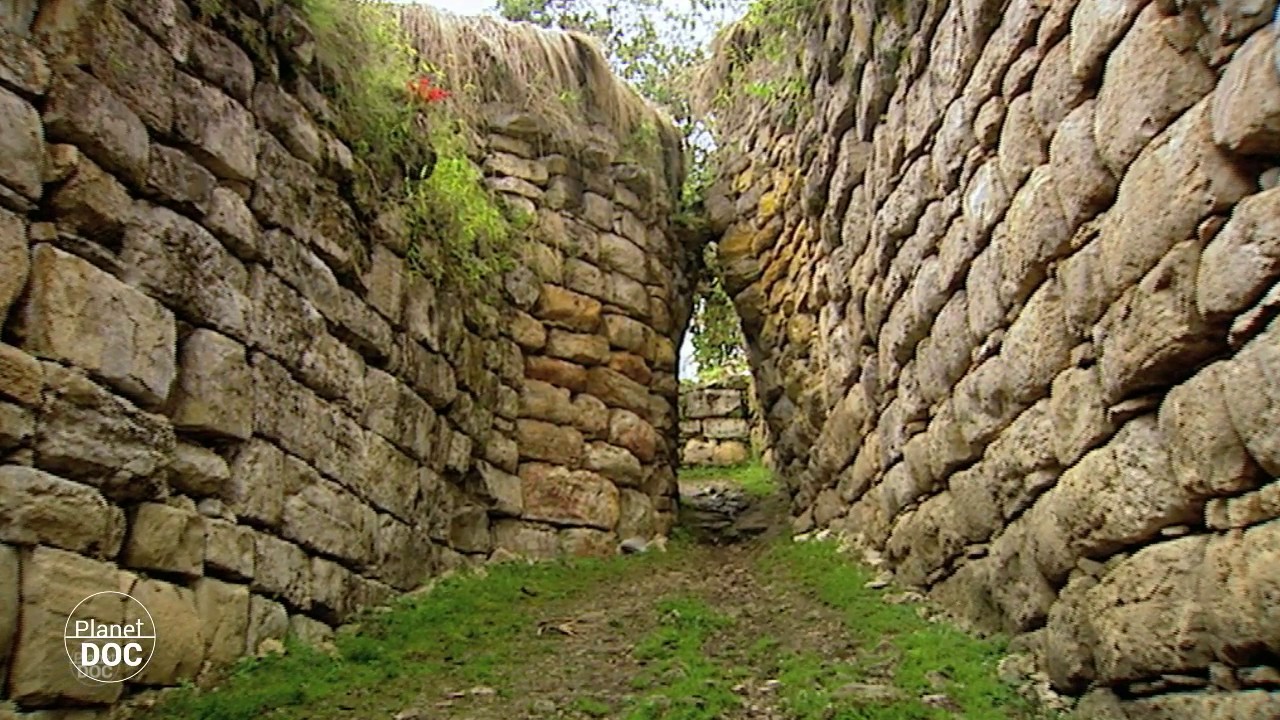
Kuelap is an ancient fortress in Peru, home to the Chachapoyas Indians.
The Loch Ness Monster remains one of history's most infamous mysteries despite centuries of sightings.
Ramiro Matos reflects on the Inca Road and his Quechua heritage in Loen.
Incredibly preserved mummies, including Ötzi, are examined by scientists using modern forensic techniques to reveal their historical significance and cultural contexts.
Descriptions of the mythical land of Ason, claimed by the Aztecs as their original homeland, bear striking similarities to the legendary city of Atlantis.
No Egyptian pharaoh was ever found in a pyramid, with their mummies located instead in vaults at the Valley of the Kings in Luxor.
Watch New Episodes Fridays on History, featuring the mysteries of Stonehenge.
An unexplained underwater structure off the coast of California raises questions about ancient civilizations and their potential maritime capabilities.
World-class scientists, photographers, and filmmakers showcase the wonders of wildlife, ancient civilizations, and hidden worlds through National Geographic's lens.
Neanderthals and modern humans coexisted in Europe and Asia, competing for resources and adapting to changing environments over thousands of years.
Archaeologists rebuild the colossal statue of ancient Egyptian King Psamtik I from 1,900 pieces.
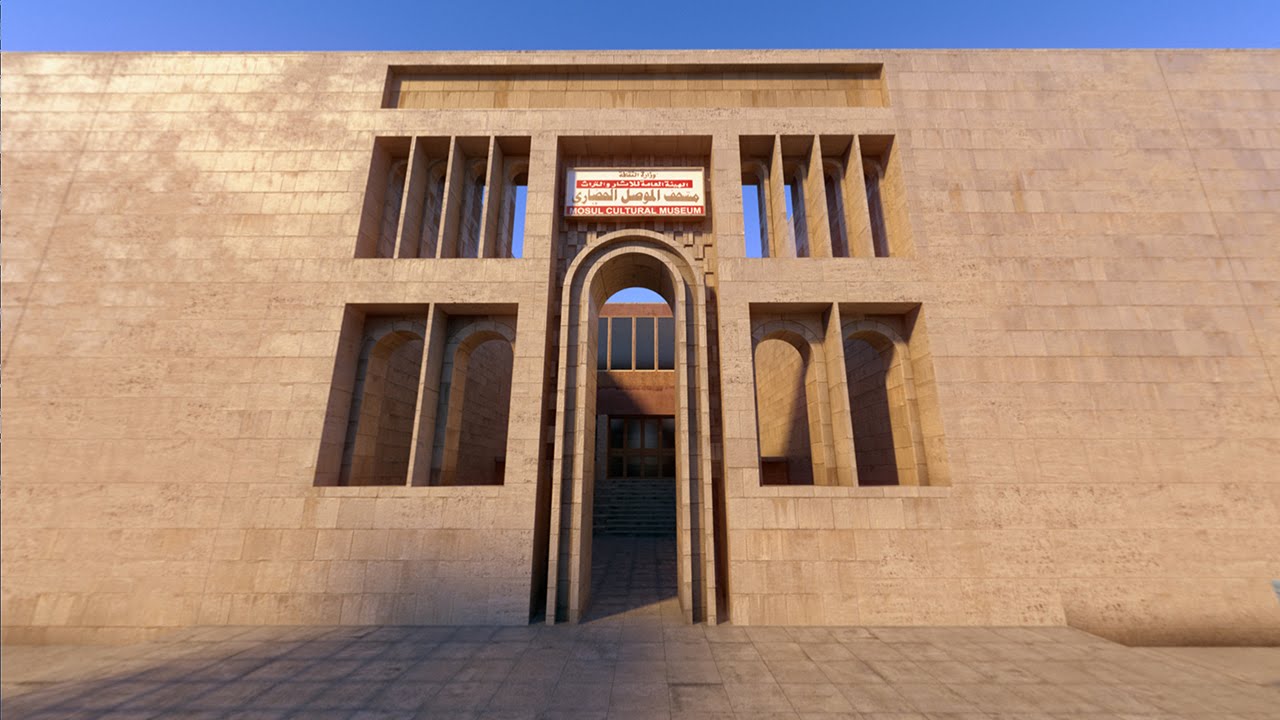
On February 26, 2015, the Islamic State posted a video showing the destruction of an Assyrian winged Bull from the 9th century BC near Mosul.
A scientist recreates a Stone Age cremation, achieving temperatures like a modern crematorium.
Phil and Jess join Eduardo Castillo to explore Yucatan's cenotes and Maya secrets.
Fifteen stelae at Copan depict the 13th ruler, nicknamed 18 Rabbit, embodying the sky god Chanta through intricate carvings and glyphs.
Ancient Sodom, as described in the Bible, is examined through archaeological findings that highlight its historical significance and relevance in biblical texts.
The video questions if a statue represents a 'space man' in Ancient Aliens Special Presentation.
Josh Gates joins an expert in Petra to date an ancient tomb using OSL technology.
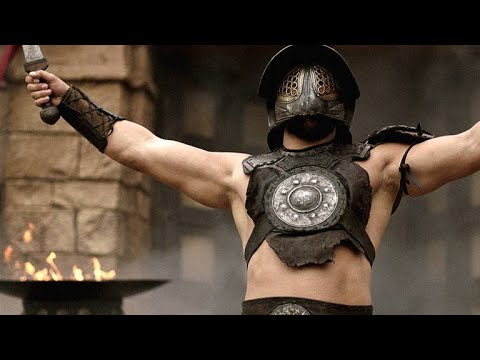
Gladiators primarily consumed a vegetarian diet consisting of beans and barley, which provided essential protein and carbohydrates for their training.
Advanced technology reveals hidden narratives within ancient artifacts, focusing on the Herculaneum Scrolls from the Roman settlement lost during Mount Vesuvius's eruption.
The Biblical City of Sodom, known for its historical and religious significance, raises questions about its existence and the events described in ancient texts.
Cappadocia in Turkey reveals its underground secrets in this short documentary.
Copper is vital for constructing The Great Pyramid in ancient Egypt and its transport to Cairo.
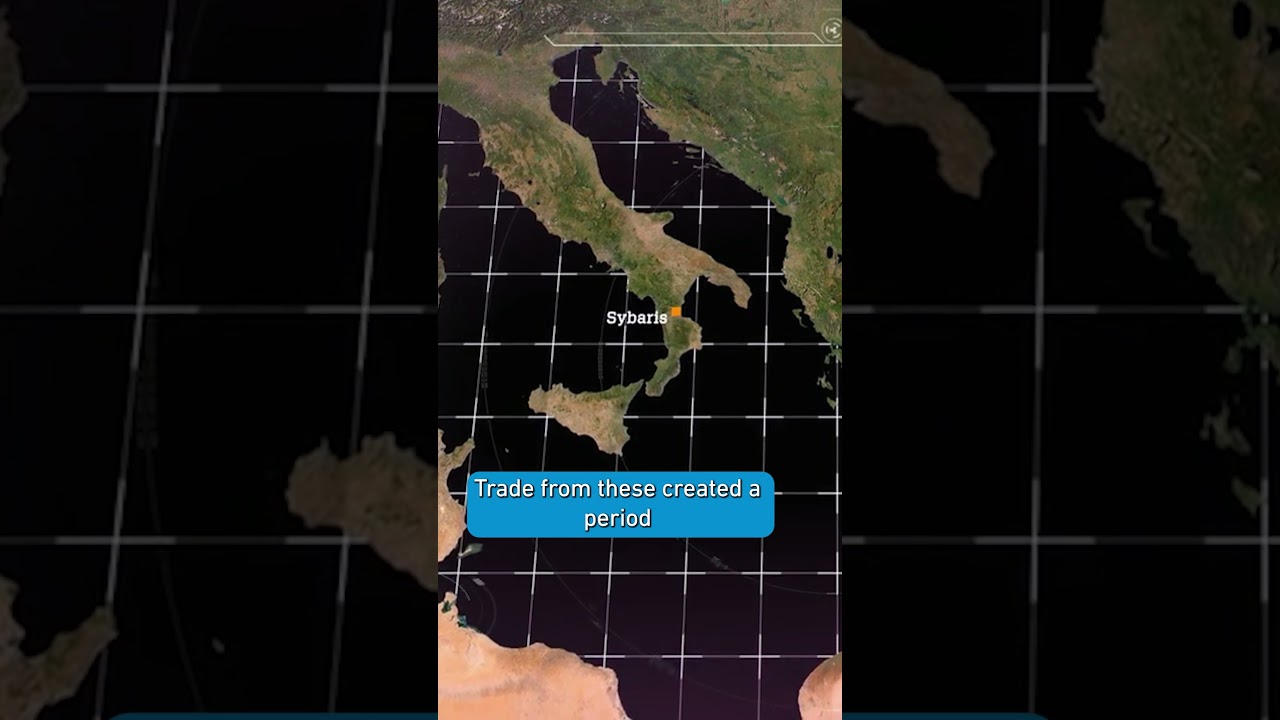
Neapolis thrives as a Roman trading hub, known for its fish sauce production and trade.
The Great Pyramids may be hiding something more than just tombs, according to Ancient Aliens.
The Vinland map's authenticity is questioned after a dealer showed it, revealing hidden signs.
Signe, a 10th century female Viking, rises from tragedy in Birka after her father's murder.
Megalithic structures in Peru raise questions about their origins, exploring whether they were constructed by the Inca civilization or extraterrestrial beings.
The episode presents compelling arguments for Ancient Astronauts in Peru's megalithic structures.
The search for the Ark of the Covenant raises intriguing historical questions.
Genghis Khan's vast wealth and the treasures that vanished after his death continue to intrigue historians and treasure hunters, prompting ongoing searches for these missing riches.
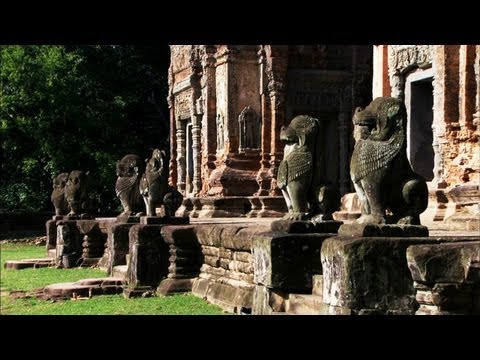
New data from French archeologists reveals the mystery of Angkor's royal palace.
Building the Cahokia Mounds required moving 55 million cubic feet of earth by hand, creating what is now the largest known prehistoric earthwork in the Western Hemisphere.
Paul Kosok discovers lines in the Peruvian Pampa, linked to the Nazca and Paracas cultures.
King Thutmose IV uncovers the Great Sphinx, gaining kingship through this legendary discovery.
The Castro De Barona challenges assumptions about its Celtic origins and purpose.
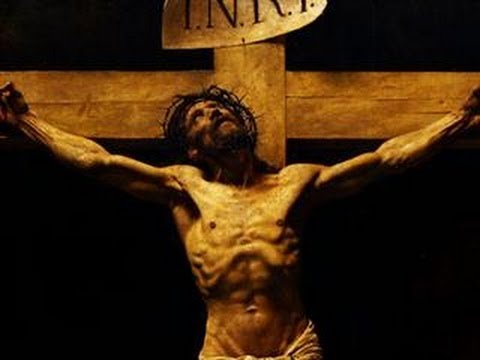
A 6-foot-long cross may have been used in the crucifixion of Yohanan Ben Kagakul, whose ankle bone was found pierced by a nail in Jerusalem.
Lake Guatavita in Colombia is central to the legend of El Dorado, where a chief would jump into the water to wash off gold dust.
Sir Thomas Malory wrote his definitive work on King Arthur while imprisoned in the Tower of London around 1469, shaping the legend of the knight in shining armor.
On an island off the east coast of Maryland, a stone spearpoint suggests that humans may have arrived in North America 5,000 years earlier than previously thought.
Evidence suggests the Tower of Babel really existed, linked to an ancient brick discovery.
On the opening day of the Colosseum, the gladiatorial fight between Priscus and Verus ended in a draw, surprising the audience of thousands.
Travelers have visited the Grand Canyon's Osiris Tower and Temple of Ra, named after ancient Egyptian deities, for centuries.
The Temple of Poseidon at Helike, an ancient Greek site, reveals insights into the civilization that thrived before its mysterious disappearance.
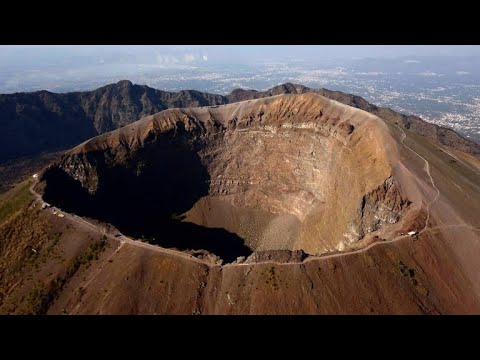
Experts reveal that the Vesuvius eruption may have been a gradual process lasting hours.