From over 100,000 films, discover the handful you'll love.
Free or premium access to the world's largest documentary library.
2305 films(Page 5 of 49)
In Sudan, David Adams explores the Nile's historical significance while reflecting on the region's ancient fortresses and its violent past.
In Northamptonshire, 111 medieval peasant skeletons were found buried beneath an outbuilding at Glendon Hall, revealing insights into their harsh lives and possible origins.
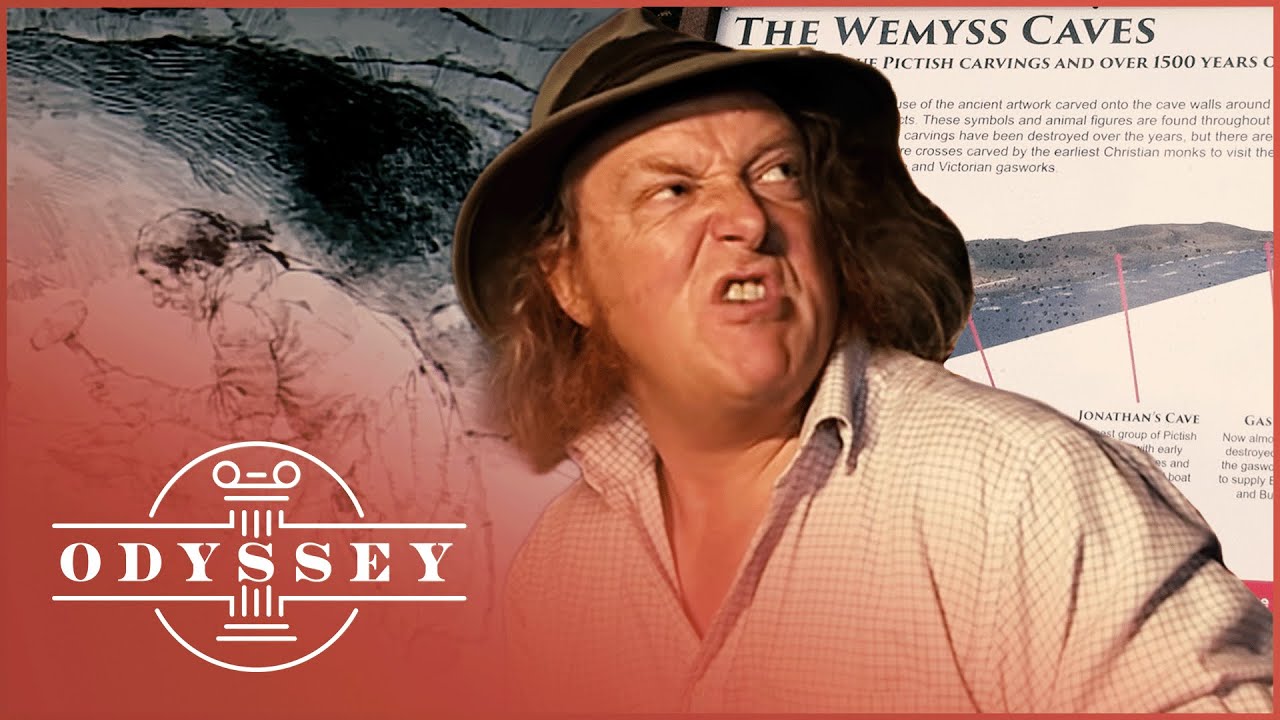
Wemyss Caves, located on the Firth of Forth, are believed to contain ancient Pictish artefacts and face significant erosion threats from rising sea levels.
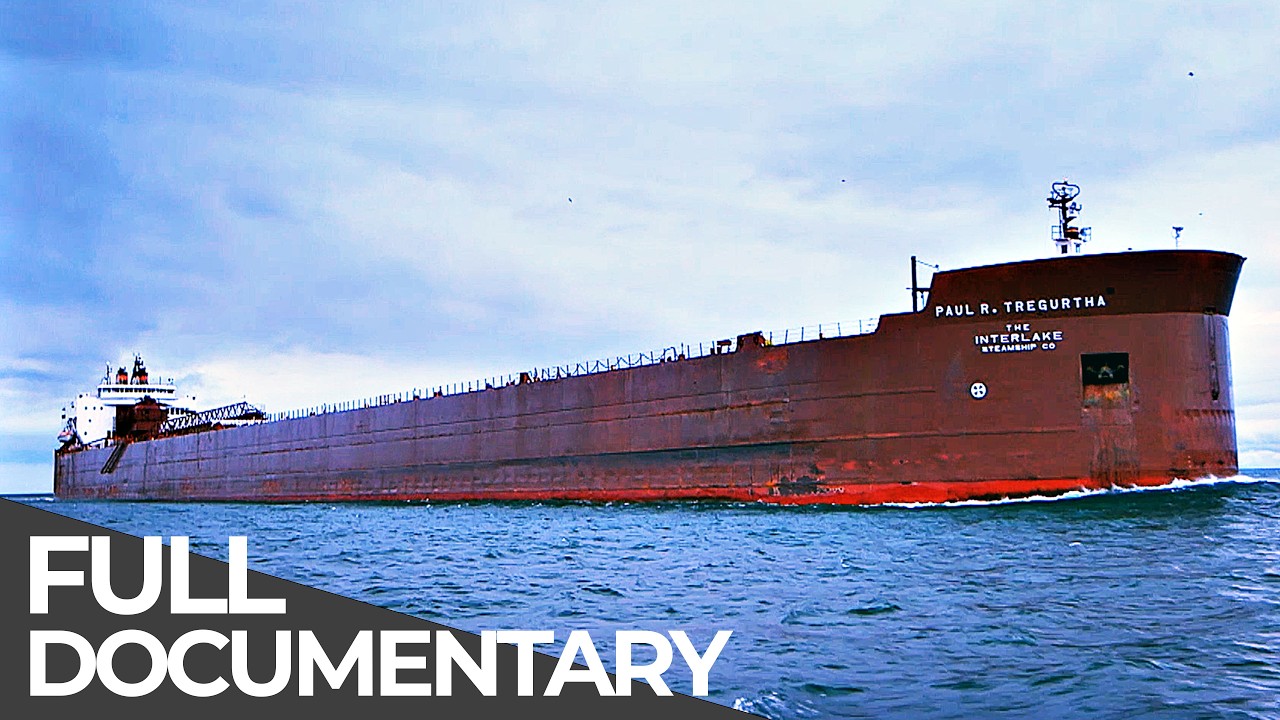
In the Great Lakes region, Holly Morris explores the historical significance of these waterways, from Detroit's rum-running trade to modern shipping practices.
Almost 900 feet long, the Yamato was the largest battleship ever built, launched by the Imperial Japanese Navy in 1941 and lost in October 1944.
In 1500, England's population had dropped to 2.5 million due to the Black Death, while monasteries controlled much of the farmland and influenced daily life.
Oak Island's legendary treasure shaft is explored through the investigations of brothers Marty and Rick Lagina, revealing clues and dangers within its depths.
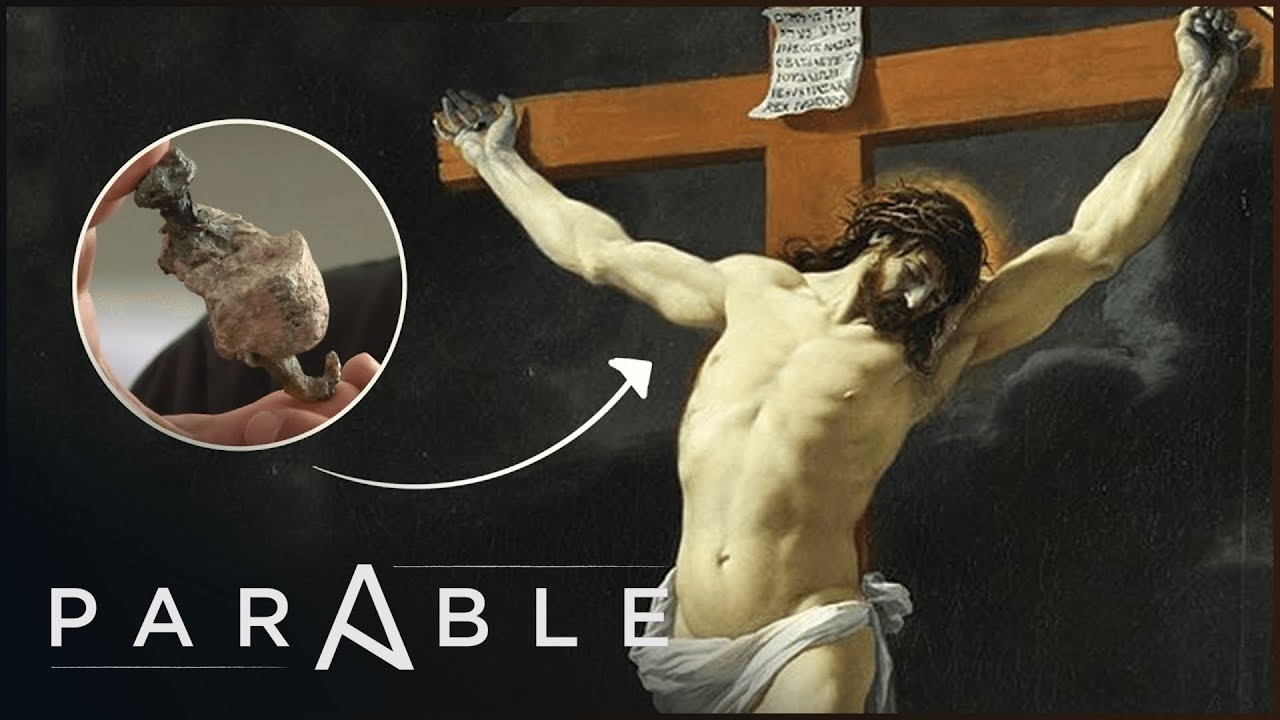
The tomb of High Priest Caiaphas, linked to the trial of Jesus, was excavated in Jerusalem in 1990, revealing artifacts that have since vanished.
In 1812, Swiss explorer Johann Ludwig Burkhardt discovered the ancient ruins of Petra, hidden in the valley known as Wadi Musa in Jordan.
More than 40 human skeletons were found in two boat graves in Estonia, dating back to at least 100 years before the first recorded Viking raid.
Cheddar Gorge, a site of significant archaeological interest, is explored by Tony Robinson and the Time Team to investigate its role as one of the UK's earliest human habitats.
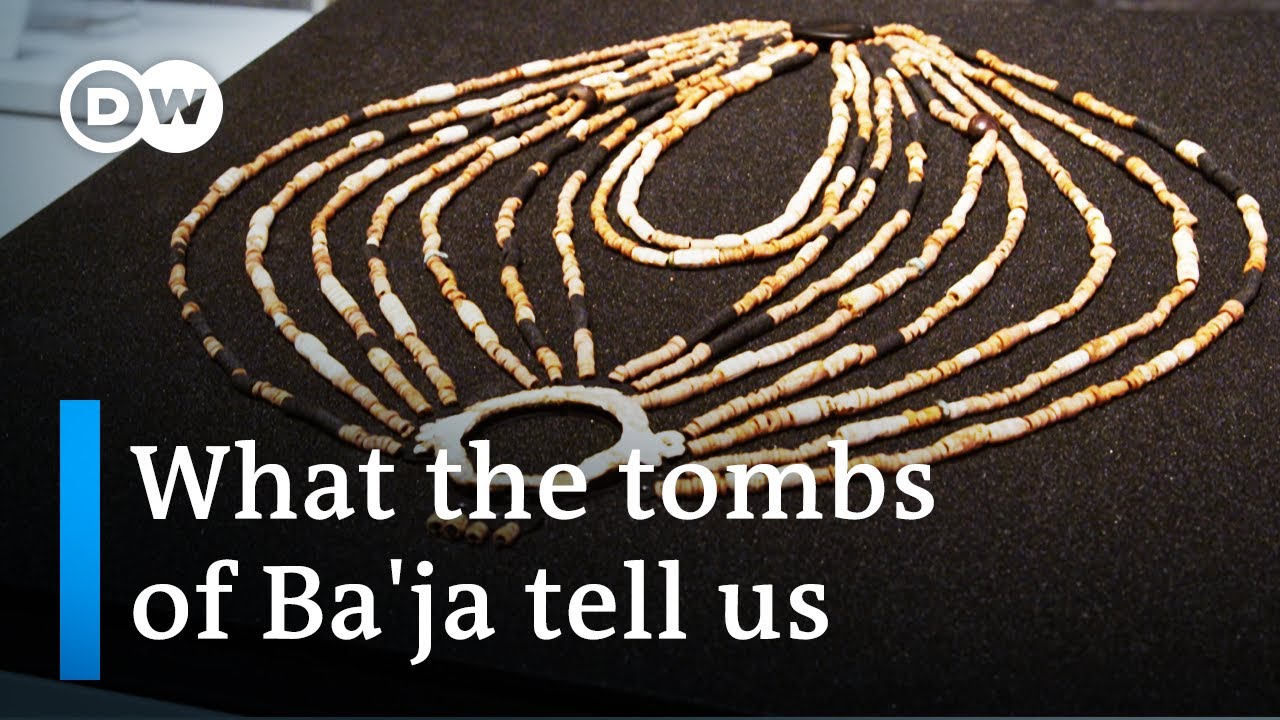
An elaborate grave containing the remains of an eight-year-old girl named Jamila was discovered in Ba'ja, a Neolithic settlement in Jordan, dating back 9,000 years.
In July 1361, King Valdemar II of Denmark launched an invasion of Gotland, leading to a battle that decimated the local population and changed the island forever.
Burial sites in Ireland reveal that ancient pre-Christian beliefs, including concepts of the undead, persisted well into the Christian era through scientific analysis.
Researchers excavate 78 mummies from a crypt beneath the altar of Sacramento Church in Lisbon, revealing a complex history intertwined with local legends.
Archaeologists have unearthed a perfectly preserved bathhouse in Pompeii, revealing insights into the daily lives of its 15,000 inhabitants before the eruption.
Three historians and archaeologists work on a Tudor monastery farm, cultivating crops and raising livestock while facing the challenges of medieval peasant life.
First-century Judea is examined through the lens of daily life, healthcare, and legal systems, highlighting the context surrounding the events of the Christian Bible.
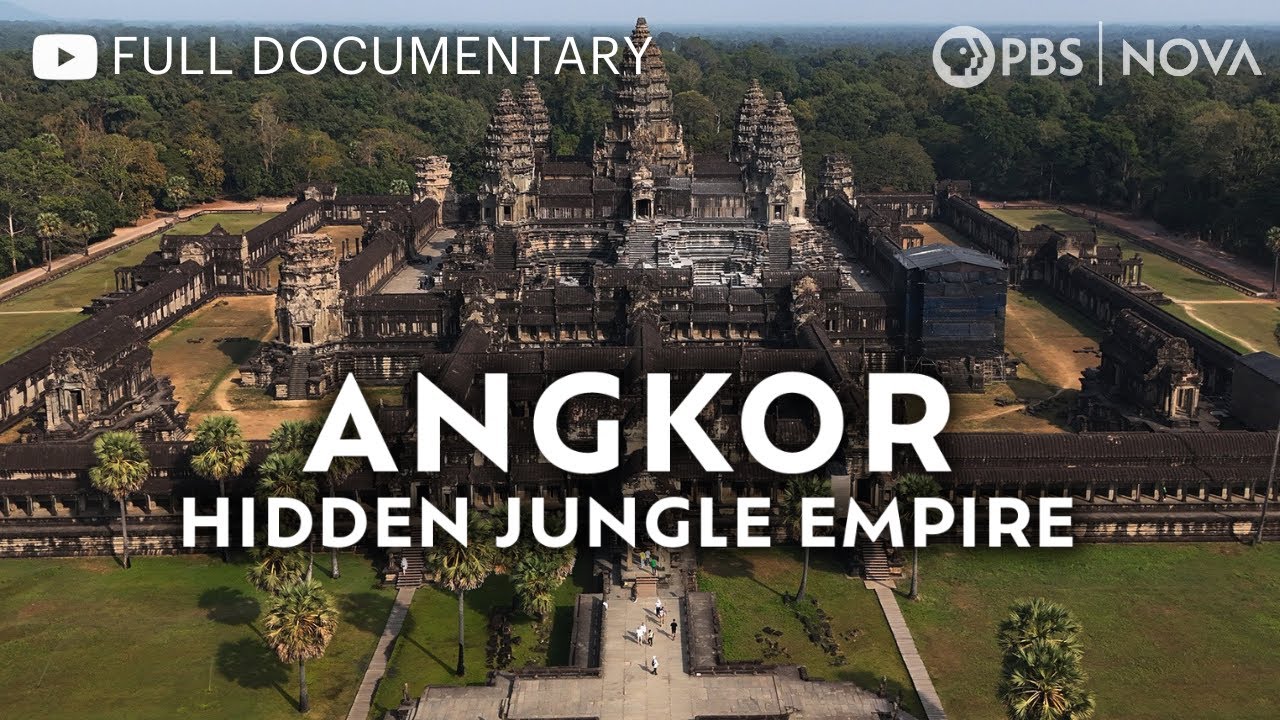
Around 1300, the city of Angkor, home to over 1,000 temples, was largely abandoned, leaving archaeologists to investigate the reasons behind its decline.
Ancient civilizations such as Egypt, Rome, Greece, and the Mayans are explored through their monumental achievements and cultural legacies.
In the Three Gorges region of China, ancient human remains dating back over two million years provide insights into the possible origins of the Chinese people.
Between 950 AD and 1290 AD, the Kingdom of Mapungubwe governed from a hilltop and became a major trade hub in southern Africa.
1,500-foot-long crop circles appeared overnight in England, drawing thousands of tourists and sparking debate about their origins and creation.
A German U-boat, U-455, was discovered off the coast of Italy at a depth of 400 feet, nearly intact and resting vertically on the seabed.
The tomb of the First Emperor covers 22 square miles, making it larger than Egypt's Valley of the Kings and one of the greatest burial complexes in the world.
At Tadcaster Castle in Yorkshire, experts analyze a 700-year-old skeleton of a medieval woman, revealing insights into her life and the historical context of women in that era.
The Basilica of Saint-Denis near Paris amazes locals with its Gothic architecture in 1144.
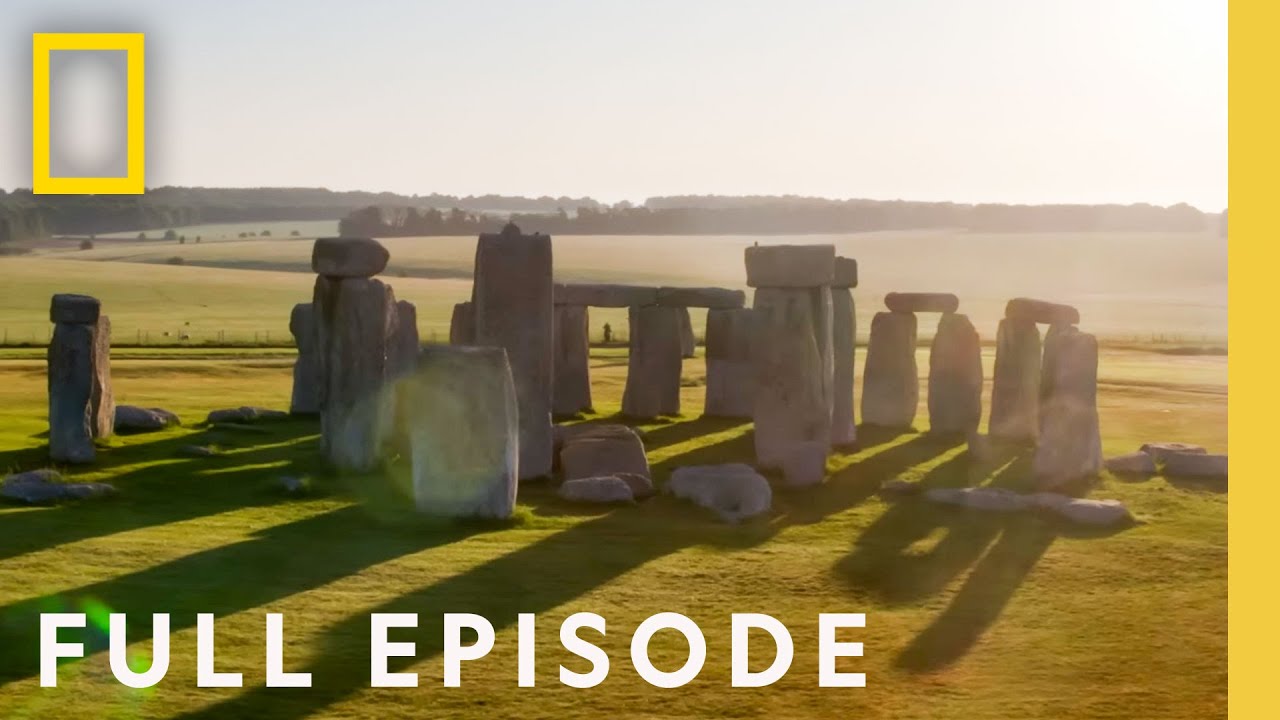
5,000 years ago, settlers from mainland Europe built Stonehenge, a monumental structure that required significant time, labor, and resources.
An expedition in the jungles of Guatemala seeks to locate Site Q, a lost ancient city that has eluded researchers since the 1960s.
In Oxfordshire, archaeologists investigate a potential medieval castle site believed to be linked to Empress Matilda during the Anarchy period of English history.
A live dig at a ruined Norman church in Norfolk reveals numerous archaeological finds, including a brutally murdered skeleton and artifacts from various historical periods.
A carved stone disc measuring over 3 meters in diameter, depicting a decapitated goddess, was discovered beneath the streets of Mexico City in 1978.
31 men, 14 horses, and 11 laptops are deployed in Mongolia to search for the long-lost burial site of Genghis Khan.
A hidden box in a British manor may contain evidence about the Titanic disaster.
Neanderthals reigned for 300,000 years before their extinction, possibly linked to a super volcano's catastrophic eruption.
Ancient China, known for its remarkable achievements and powerful dynasties, is explored through its unification, cultural heritage, and iconic sites like the Terracotta Army.
A thousand miles up the Nile, David Adams sails through Sudan, reflecting on the ancient civilization of the black Pharaohs that once ruled the region.
A three-year expedition in the Black Sea led by archaeologists revealed a perfectly preserved 2,000-year-old Roman cargo ship and an ancient Greek vessel from 500 BC.
An archaeological find in Ireland reveals mutilated bodies that may be linked to political terrorism or ritual killings, challenging the origins of vampire legends.
A marble block weighing one ton is hoisted 150 meters up the rocky slope of the Acropolis for the restoration of the Parthenon.
In the Three Gorges region of China, ancient human remains known as 'Dragon Bone' provide evidence suggesting human existence over two million years ago.
An intact tomb from 1906, undisturbed for over 3,000 years, holds the mummies and belongings of a working man named Carr and his wife Merit.
In a cave outside Bristol, archaeological evidence reveals the human sacrifices and cannibalistic practices of Iron Age Britain.
Harvard researchers announced in February 2018 that the genetic signature of the ancient builders of Stonehenge vanished almost entirely from the British Isles.
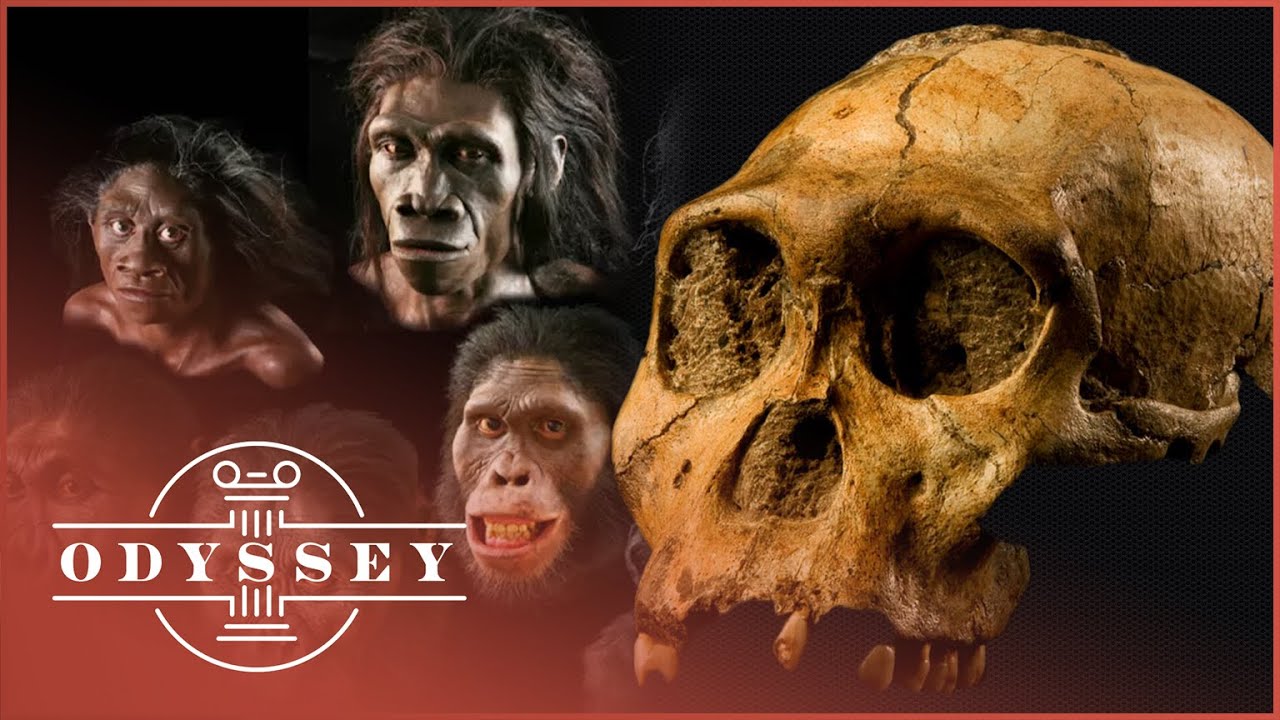
In July 2001, a Franco-Chadian expedition led by paleoanthropologist Michel Brunet discovered a seven-million-year-old fossil skull in the Djurab Desert, pushing back the timeline of hominid evolution.
Alexander the Great's body may have been in Venice since the 9th century, disguised as St. Mark the Evangelist in a church crypt.
In the ancient city of Petra, Tristan Hughes explores the engineering marvels and cultural influences of the Nabataean civilization, highlighting their mastery of desert trade and water management.
50,000 spectators once filled the Colosseum, a monumental structure completed in 80 AD, as archaeologists investigate its historical significance.