From over 100,000 films, discover the handful you'll love.
Free or premium access to the world's largest documentary library.
2305 films(Page 31 of 49)
Masada, a Herodian palace in the desert, was the site of a legendary last stand by 1,000 Jews against the Roman 10th Legion in 70 AD.
Tyrannosaurus rex and Triceratops are analyzed through fossil evidence and expert insights to determine the true nature of these iconic prehistoric predators.
In 865 AD, the Great Heathen Army, led by the sons of Ragnar Lothbrok, invaded England, significantly impacting its history through conquest and violence.
National Geographic celebrates its 135th anniversary with a behind-the-scenes look at the technology and people that drive its ocean research and artistic projects.
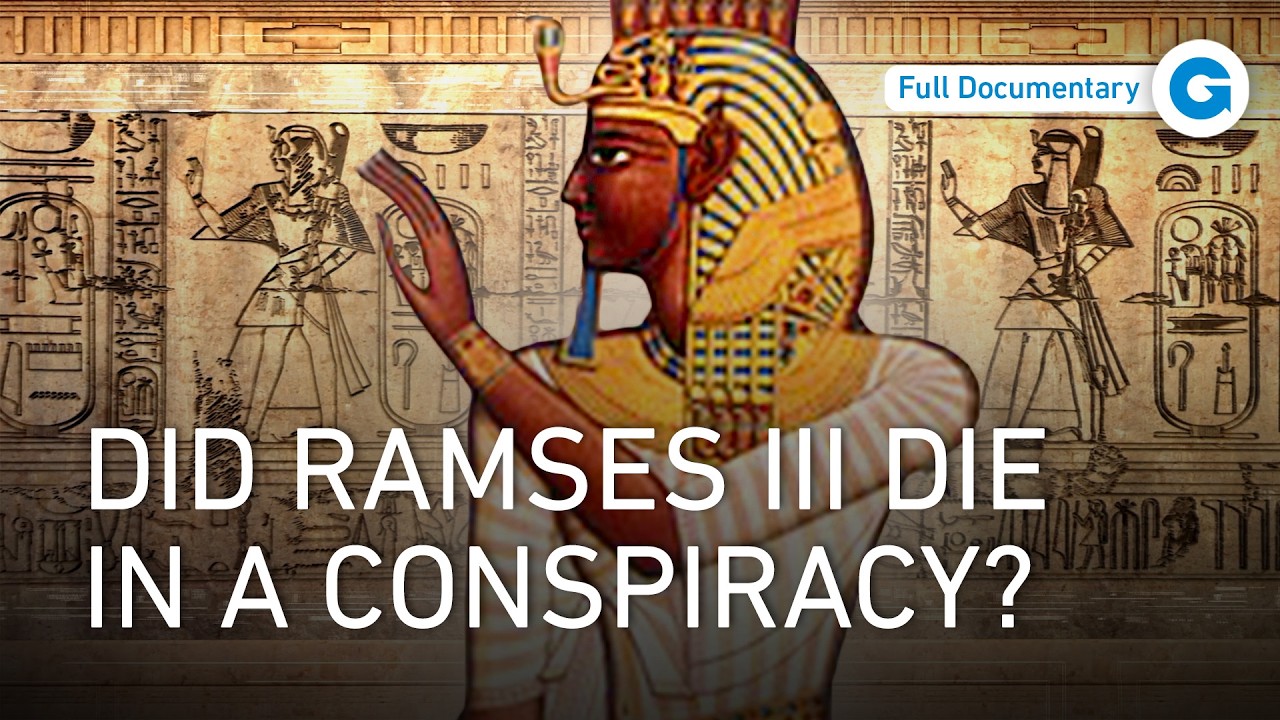
Ramses III, the Egyptian pharaoh, was found to have a fatal neck wound, leading to allegations that his harem conspired against him amid a power struggle.
Massive stone structures and energy-emitting spheres around the globe raise questions about the motivations behind ancient man's monumental constructions.
Ancient Biblical plagues and disasters are examined by historians to assess their historical accuracy and impact on ancient civilizations.
In 1200 BC, the era of the Trojan War and the Bronze Age Collapse, the origins and historical context of Homer's "The Odyssey" are examined through archaeology and storytelling.
On the Giza plateau, the Sphinx and the two other main pyramids provide insights into the builders and the broader context of Ancient Egypt.
In modern Jerusalem, Arne Kislenko explores the historical and legal context of the trial of Jesus Christ, which occurred two thousand years ago.
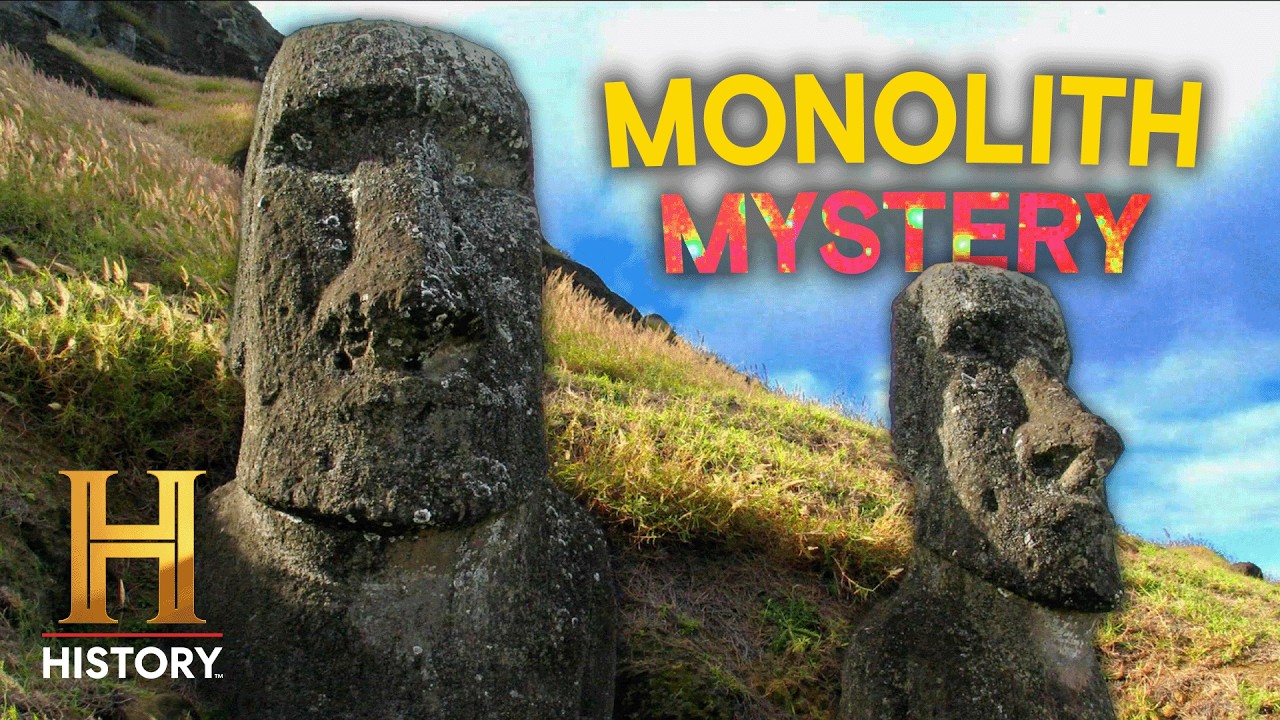
1,043 colossal stone statues, known as moai, are found on Easter Island, with one unique figure depicted in a kneeling posture and sporting a beard.
York's hidden Viking city is explored through its ancient streets, historical landmarks, and the evolution of British towns, as presented by historian Alice Roberts.
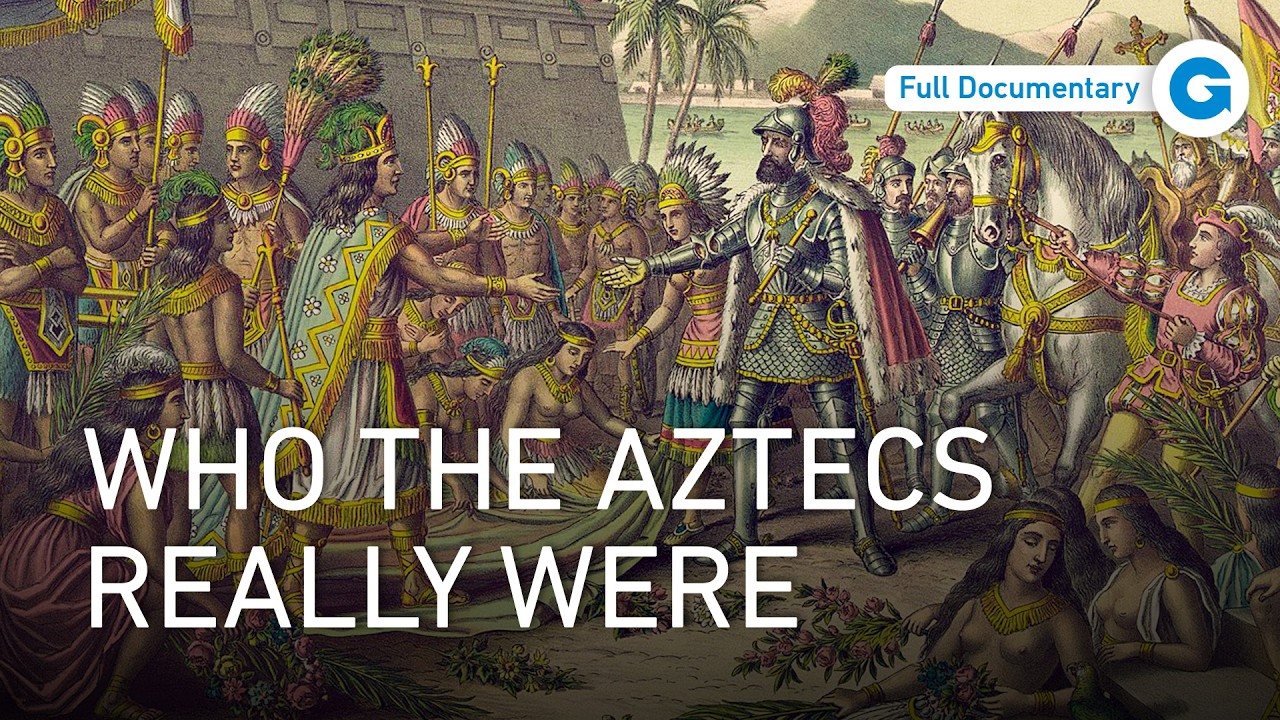
In April 1519, Hernán Cortés and 500 Spanish conquistadors landed on the coast of the Aztec Empire, drawn by the wealth of Tenochtitlán.
The Knights Templar, a medieval Christian military order, are examined through controversial theories and historical narratives in this exploration of their rise and fall.
Ramses III ruled Egypt for over 30 years before his death in 1156 BC, which modern forensic examinations suggest may have been a murder.
University of Pennsylvania researcher Alexei Vranich investigates the transportation of stones for the American Stonehenge across Lake Titicaca using totora reed boats.
The Great Pyramid, built around 2580-2560 BCE, stands 481 feet tall and consists of 2.3 million blocks, some weighing as much as 50 tons.
Egypt's Great Pyramid at Giza, built 4,500 years ago, remains the only intact structure of the Seven Ancient Wonders of the World.
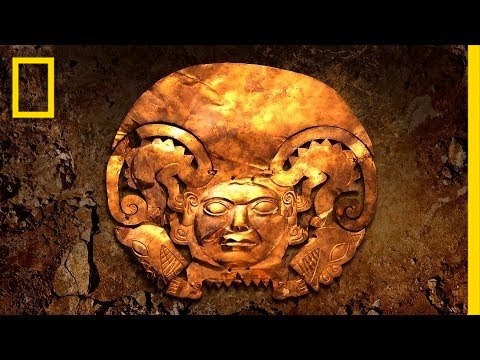
Fredrik Hiebert explores Peru's pre-Inca heritage, highlighting the craftsmanship and historical significance of its gold and silver treasures.
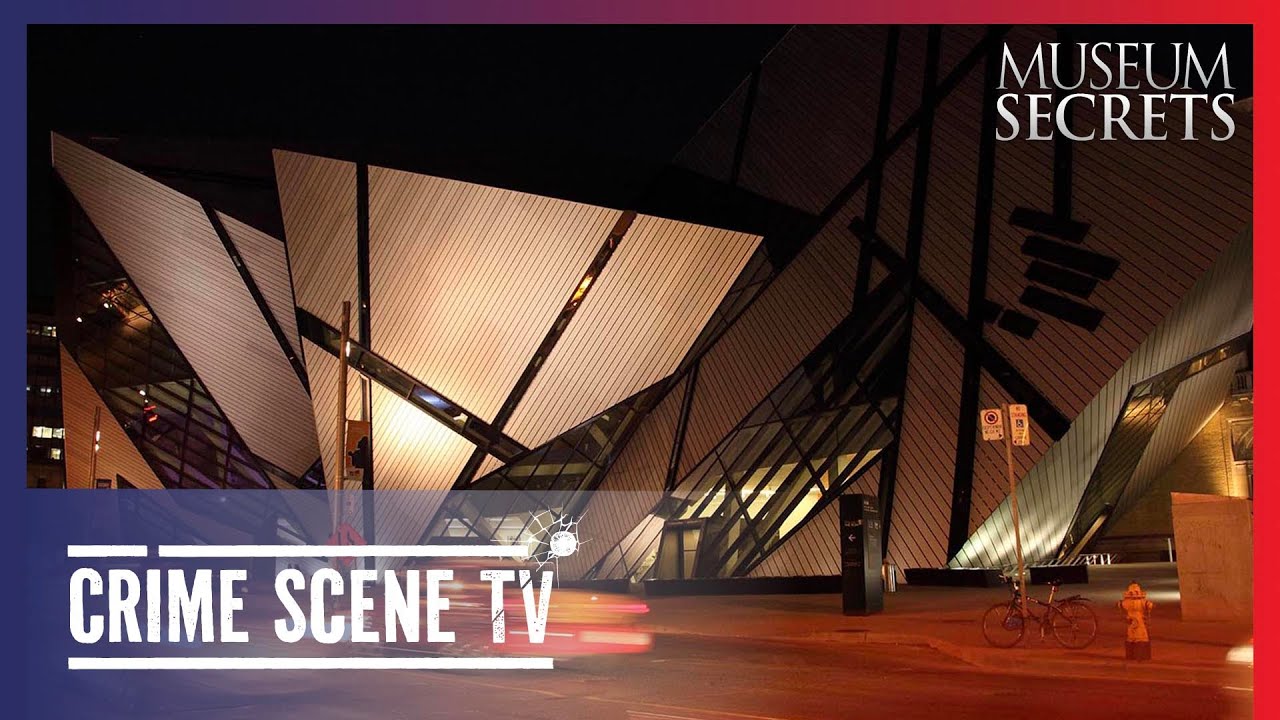
The Royal Ontario Museum in Toronto showcases a range of artifacts, including a medieval hand-grenade and an extremely rare dinosaur fossil.
A thigh bone belonging to a dinosaur measuring at least 20 meters from nose to tail was discovered in Queensland, reshaping the understanding of Australia's prehistoric life.
On the eve of the American Civil War, 1.6 million Irish-born individuals lived in the U.S., with 35 families' stories illustrating their emigrant experiences.
Forensic geologist Scott Wolter investigates the historical and geological evidence suggesting the Ark of the Covenant may have been brought to America.
Archaeological evidence from Jericho and other sites is examined by renowned archaeologist John Romer to trace the historical roots of the Bible and the rise of Israel.
In the Black Sea, principal investigator Jon Adams conducts a 95-metre dive to retrieve a 10th century amphora from a Byzantine shipwreck.
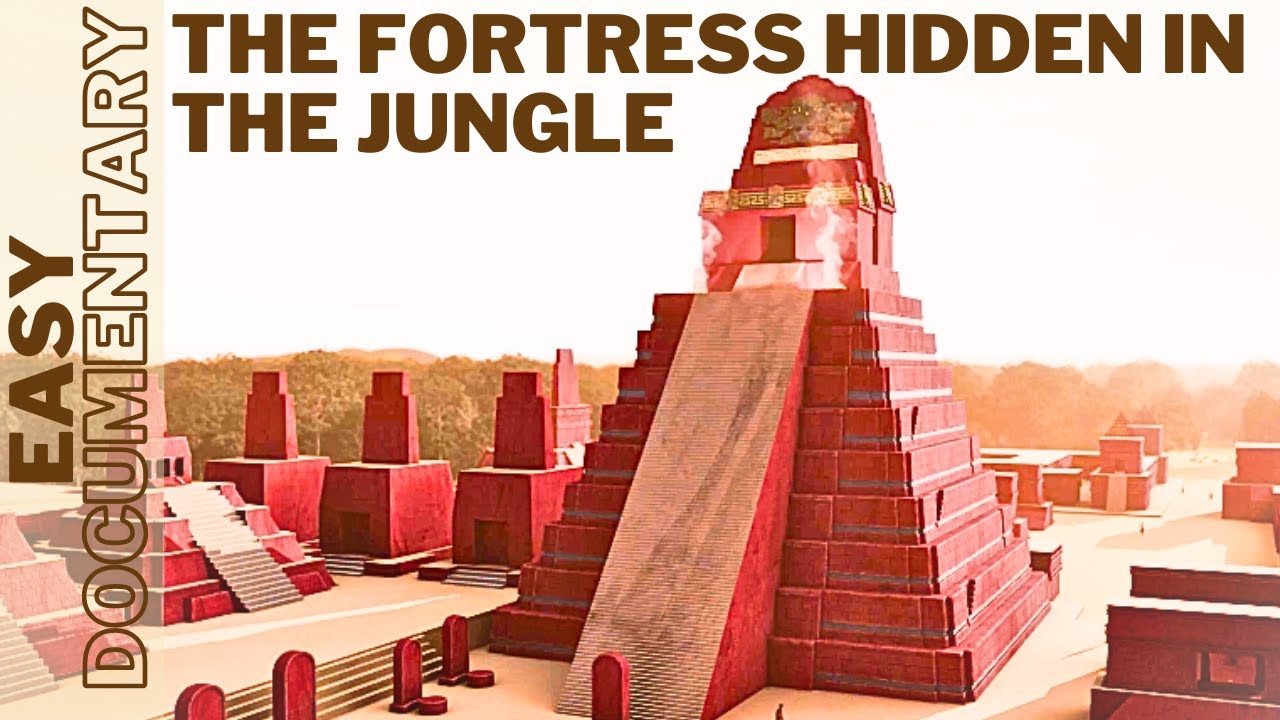
Tikal, an ancient Maya city in Guatemala, reveals its complex urban design and defensive structures through advanced LIDAR technology and archaeological analysis.
The American Museum of Natural History in New York showcases a dinosaur embryo linked to a murder mystery and a spacecraft that captured a comet's tail.
In the Rhône River, archaeologists and scuba divers investigate a mysterious 4th-century Roman shipwreck near Arles, revealing insights into the era's upheaval and treasures.
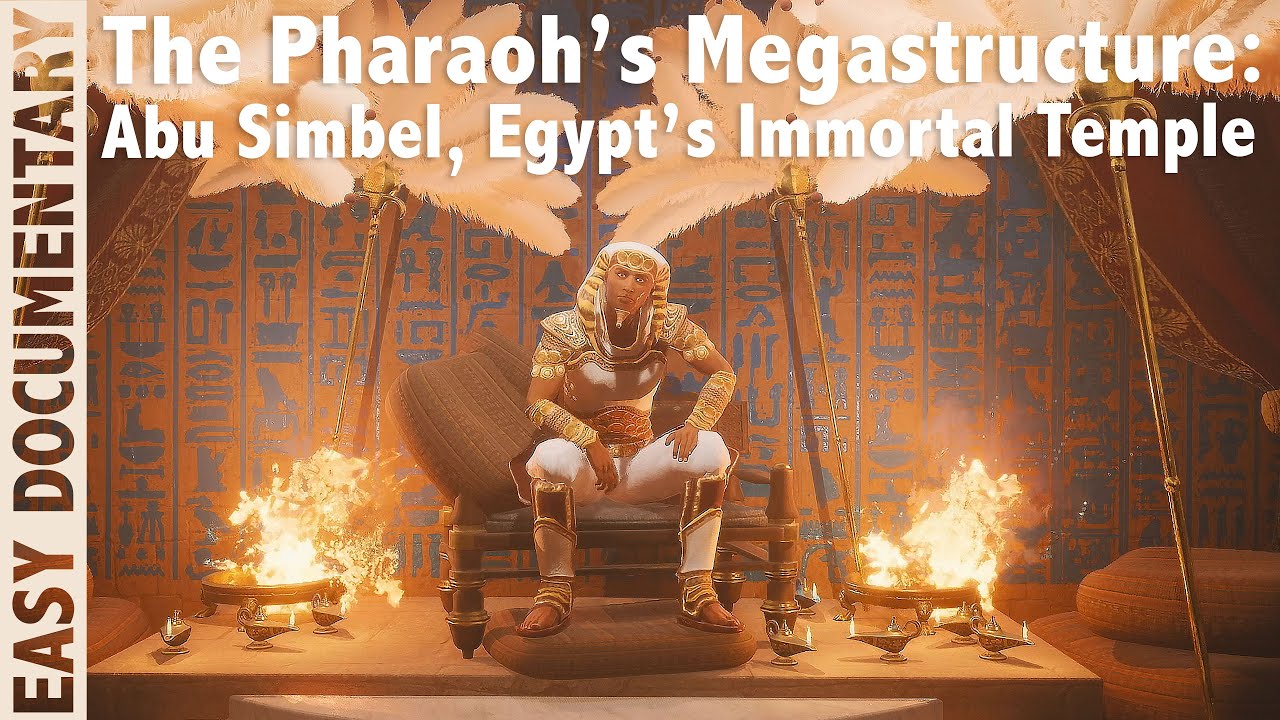
Abu Simbel, built by Pharaoh Ramses II over 3,000 years ago, showcases ancient engineering prowess and modern preservation efforts against the Aswan High Dam's threat.
Percy Fawcett's 1925 expedition in the Amazon jungle to find the mythical city of gold, "Z," ended in mystery when he and his companions vanished without a trace.
Hadrian's Wall, built under Emperor Hadrian's orders in 122 AD, served as the northern frontier of Roman Britain, spanning over 73 miles between the North Sea and the Irish Sea.
In Obernkirchen, Northern Germany, paleontologist Annette Richter and her team study a unique set of Deinonychosaur tracks, suggesting a significant evolutionary center for dinosaurs.
Rome's hidden empire and the underground worlds of the Vikings are explored through tunnels, chambers, and strongholds that shaped these civilizations.
British explorer Colonel Percy Fawcett dedicated his life to finding the legendary city of gold, El Dorado, believed to be hidden in the Amazon jungle.
3,500 shipwrecks are known to have sunk with cargoes of precious metals, revealing the potential of underwater archaeology in gold mining.
's Explorer's Symposium features leading explorers like Joel Sartore, Sandesh Kadur, Bethany Ehlmann, and Jason De León sharing their fieldwork experiences.
A 67-million-year-old dinosaur specimen, known as Dakota, is studied using advanced imaging techniques to reveal insights about its life and environment.
Inside the Pergamon and Neues Museums in Berlin, curators tackle complex puzzles and explore artifacts from ancient civilizations.
Forensic geologist Scott Wolter investigates the Heavener Runestone in Oklahoma and other sites to provide evidence of Viking exploration in the United States.
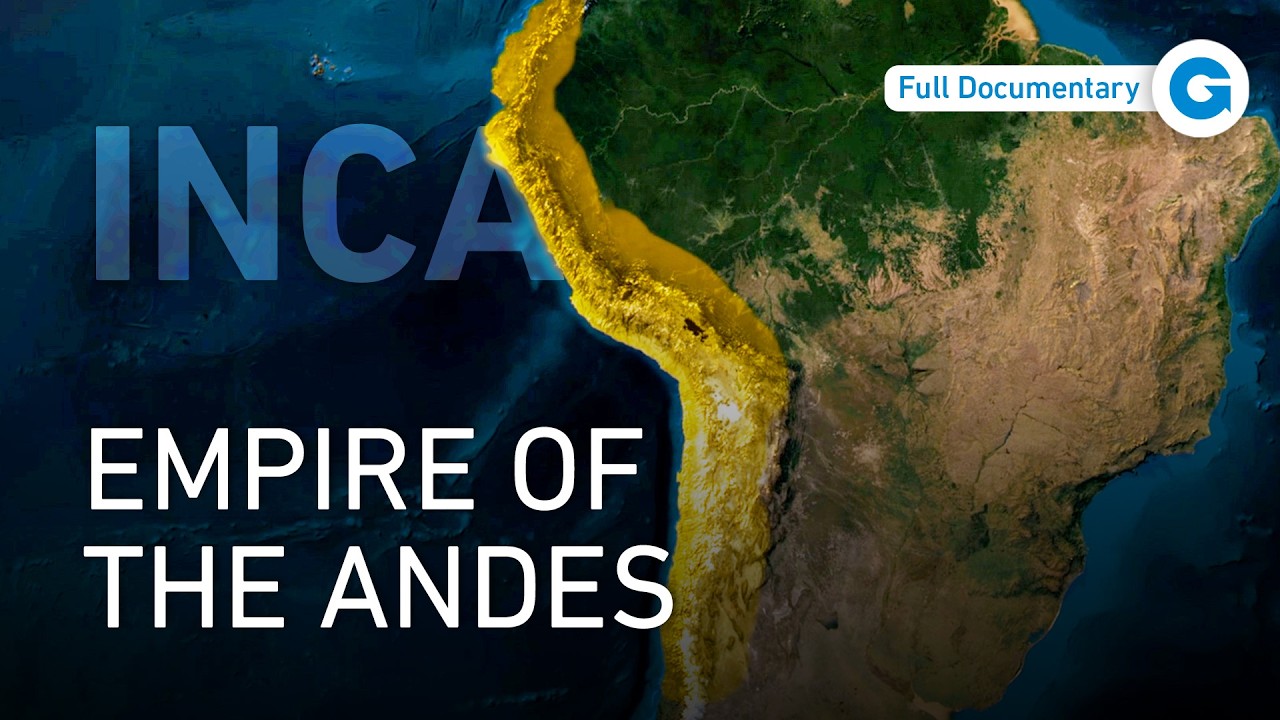
Inca civilization rapidly expanded to become the largest empire in the world during the 15th century, only to be dismantled by a small Spanish force led by Francisco Pizarro.
Nearly 3 million visitors per year flock to Mont-Saint-Michel, a tidal island fortress in Normandy, France, known for its medieval architecture.
A perfectly preserved Iron Age village in Britain reveals advanced technology, while the search for a lost WWII Spitfire highlights the story of Flight Lieutenant Alistair Gun.
In Salem, New Hampshire, forensic geologist Scott Wolter investigates a 4,000-year-old megalithic site, exploring evidence of ancient trans-Atlantic travel.
In the vast landscapes of Montana, Tony Robinson and Phil Harding search for dinosaur fossils, exploring excavation sites and the science behind extinction.
Controversial theories and suppressed historical events are examined through expert interviews and investigations, challenging established beliefs about history.
A team of experts has 15 days to locate a secret tunnel and recover a 60-foot flamethrower used during the Battle of the Somme in 1916.
Dozens of churches claim to possess the Holy Grail, the cup used by Jesus during the Last Supper, but its true identity remains unknown.
The Bardo Museum in Tunisia showcases artifacts from ancient gladiators and highlights the cultural connections between Tunisia and the Star Wars franchise.