From over 100,000 films, discover the handful you'll love.
Free or premium access to the world's largest documentary library.
2305 films(Page 2 of 49)
Over 250 T-shaped megalithic obelisks have been found at Karahan Tepe, a site that may predate Göbekli Tepe and reshape understanding of early civilization.
A team of soldiers and archaeologists excavates a Saxon burial site on Salisbury Plain, uncovering artifacts like brooches and beads from the 6th century.
Written records of human history span only the last 2% of our species' existence, raising questions about the many lost cultures and civilizations.
Four flights and over 28 hours of travel lead Albert Lin to Micronesia, where he investigates the ancient city of Nan Madol built by the Sou Dynasty.
Two mysterious sarcophagi found beneath Notre Dame after the 2019 fire prompt archaeologists and historians to investigate their origins and significance.
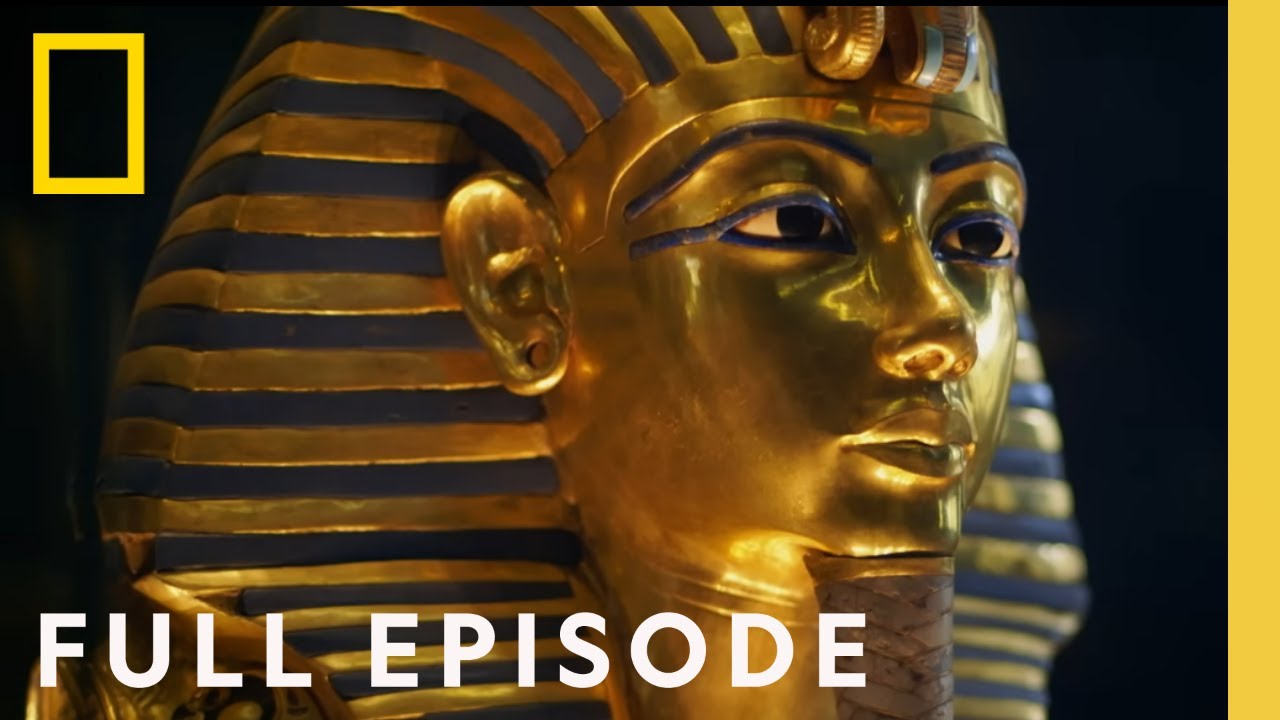
Nefertiti's bust, over 3,000 years old, was discovered in 1912 by German archaeologist Ludwig Borchardt and has been a source of controversy regarding its authenticity.
Significant archaeological findings in Northern Britain reveal a 5,000-year-old ritualistic center at the Ness of Brodgar, alongside a Roman fort and Viking burial.
The Celts, an ancient civilization known for their mastery of iron and semi-nomadic lifestyle, left a lasting linguistic legacy in Scotland, Ireland, Wales, and Brittany.
Dr. Jen Heinik's files contain unexplained UFO sightings from 140 countries, revealing a widespread phenomenon often ignored by the U.S. government.
The Great Pyramid of Giza stands over 140 meters tall and serves as the final resting place of King Kufu, symbolizing ancient Egypt's architectural achievements.
Around 1200 AD, Abd Al-Latif Al-Baghdadi traveled across the Sinai Desert to the Nile, documenting the ancient pyramids and local interactions.
Rain the color of blood fell from the skies during a climate catastrophe in 536 AD, leading to famine, plague, and the collapse of civilizations.
In 536 AD, a climate catastrophe caused by a volcanic eruption led to widespread famine and plague, marking it as one of the worst years in history.
A DNA match confirmed the identity of the skeletal remains found in 2012 as belonging to King Richard III, the last English king to die in battle.
An unidentified circular object measuring 180 feet in diameter was discovered nearly 300 feet below the Gulf of Bothnia in June 2011.
Over 20 feet below the surface in Alexandria, archaeologist Pepi Papakosta discovers a marble statue believed to be of Alexander the Great.
Ötzi, found in 1991 on a 10,000-foot glacier near the Austria-Italy border, is the oldest and most complete human specimen ever discovered.
Neanderthals survived for about 300,000 years in harsh ice age conditions, adapting their physical traits to endure extreme cold and low sea levels.
10,000 soldiers and officials could be housed in the massive forts built by Egyptian Pharaohs to protect their civilization and control trade.
In northeast Brazil, archaeologists Paul Bahn and Jean-Loïc Le Quellec investigate 50,000-year-old rock art and hearths at Serra da Capivara, challenging the "Clovis First" theory.
3,000 years ago, the Hittites ruled a vast empire in Anatolia before their decline and eventual disappearance from history.
Three and a half thousand years ago, a tightly packed community thrived in a village on Luxor's west bank, revealing the lives of ordinary ancient Egyptians.
In 407, the last Roman troops left Britain, marking the beginning of a period that Francis Pryor argues was not one of chaos but of cultural strength and diversity.
A total volume of 19 cubic miles of pyroclastic material could have caused tsunamis that devastated the coast of Egypt, linking ancient events to biblical stories.
David Adams embarks on a 200-mile pilgrimage through Ethiopia, searching for the legendary Ark of the Covenant and its cultural significance.
Arthur Evans' exploration of Crete revealed a sophisticated Bronze Age civilization that provides insights into the origins of the Minotaur legend.
Celtic Princes founded towns in Northern Europe and traded goods across Europe 2500 years ago.
100 meters below the Black Sea lies evidence of a long-lost civilization that thrived before rising sea levels submerged its coastal settlements.
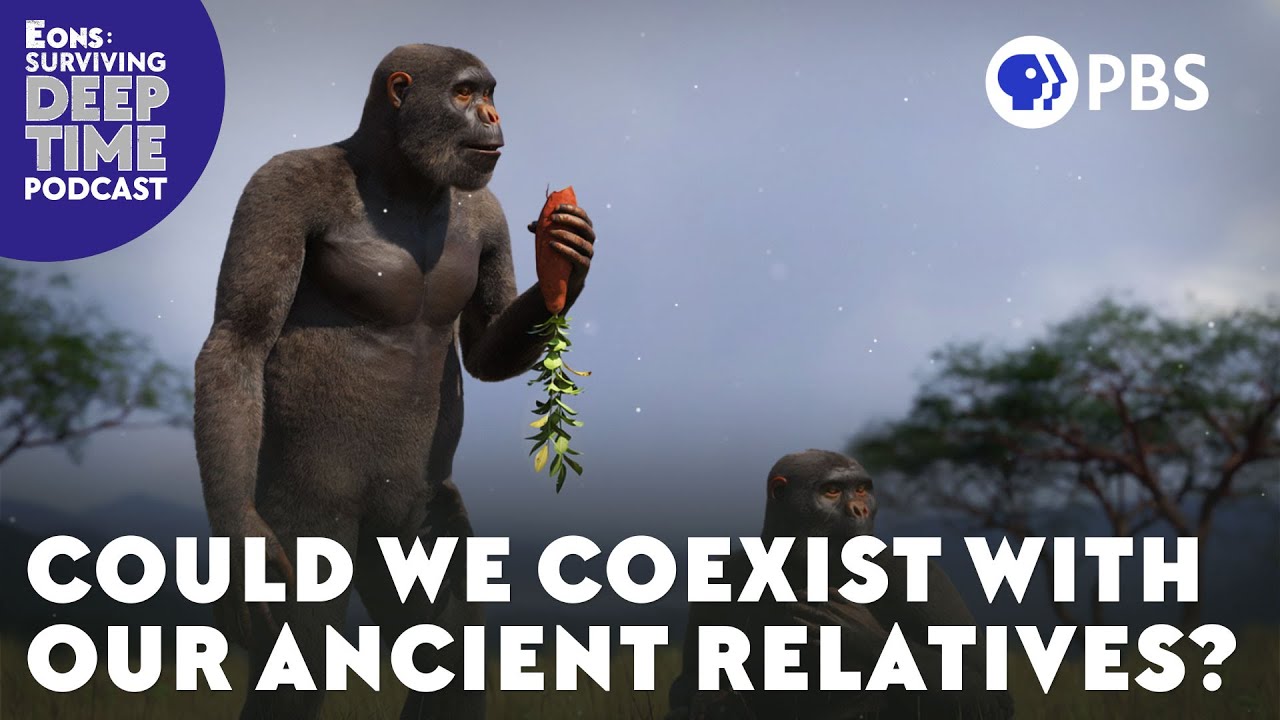
In the Early Pleistocene Epoch, various hominin species coexisted with Homo sapiens, raising questions about survival strategies and social interactions among them.
A 3,500-year-old gold image, possibly carved by an eyewitness to the biblical Exodus, is claimed to be hidden in plain sight.
Tristan Hughes tracks the Ninth Legion's history across the British Isles in this first episode.
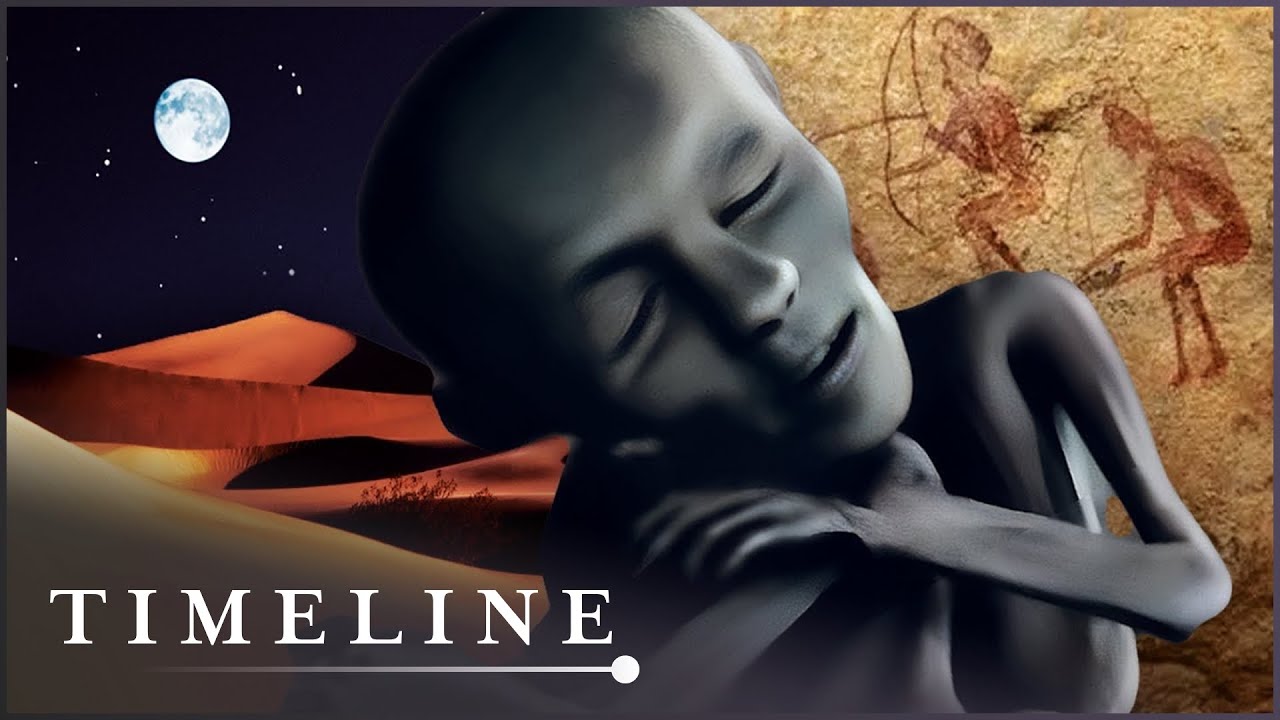
A two-and-a-half-year-old mummified boy, discovered in a Libyan rock shelter, predates Egyptian mummies and reveals a previously unknown African culture.
Ancient civilizations such as Rome, Egypt, and Greece are explored through their remarkable histories and cultural achievements in a series of engaging documentaries.
The Book of Thoth, an ancient Egyptian text of spells, raises questions about its historical significance and the truths behind its legendary status.
Over 4,500 years ago, the Great Pyramid of Giza was built for King Khufu, marking the beginning of ancient Egyptian civilization.
Around 8000 BC, the first settlers arrived in Ireland, transitioning from a hunter-gatherer lifestyle to early agricultural practices.
A fleet of boats, buried six miles from the Nile, reveals insights into Egypt's original Valley of the Kings.
A flame that has burned continuously for nearly 2,500 years is found in a Zoroastrian sanctuary deep in the mountains of Iran.
In Indonesia, French scientists investigate the Rinjani-Samalas supervolcano, believed to be the source of the largest volcanic eruption in human history, which disrupted global climate and societies.
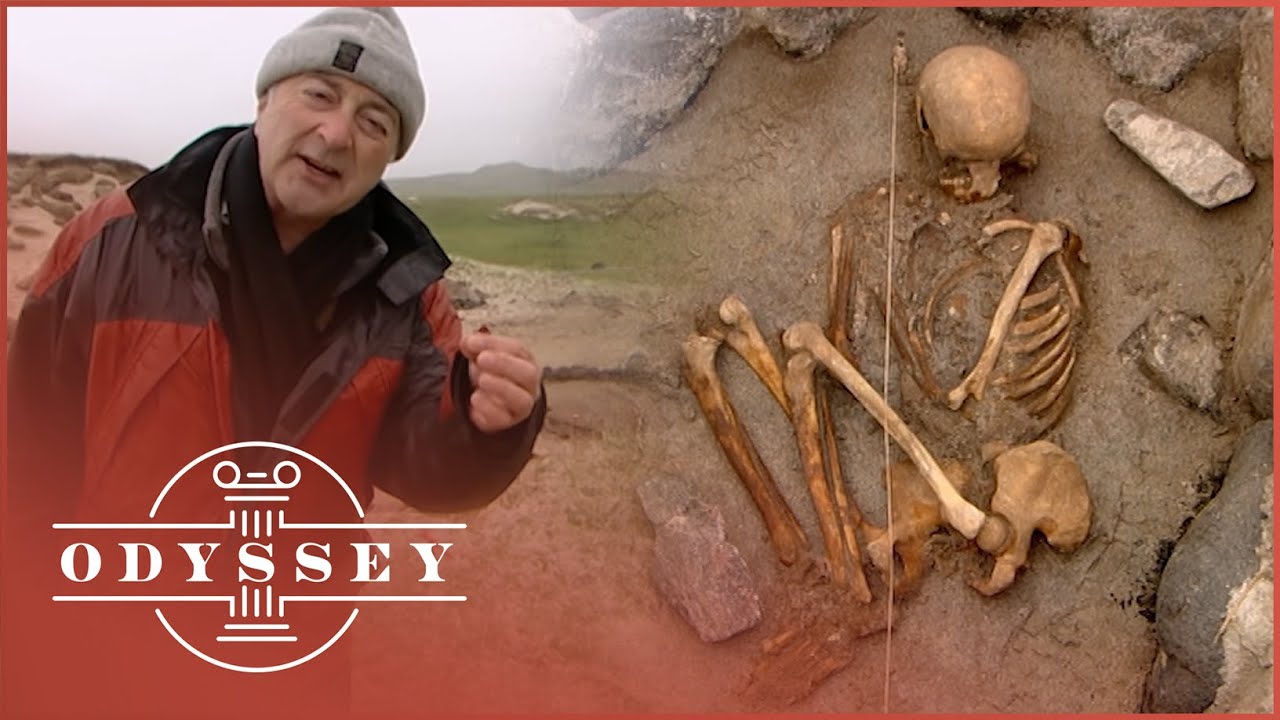
In 2005, a storm at Allasdale, Barra, revealed ancient cists and human remains, prompting a rescue dig by archaeologists Mike Parker Pearson and Keith Branigan.
Over 300 feet of sea level rise transformed the Black Sea from a freshwater lake into a vast inland sea, possibly inspiring ancient flood legends.
The origins of the Roman Empire are explored through its early history, examining how Rome evolved into one of the most powerful empires in antiquity.
Season 2 of Hidden Realms reveals the Hopi Nation's cosmic mysteries in Arizona.
Around 800 years ago, Polynesians arrived in New Zealand, marking it as the last significant landmass colonized by humans.
Scargill Castle, a 12th-century medieval site in Yorkshire/Durham, is examined by archaeologists Niall and Caroline to reveal its historical significance and original structure.
The episode investigates the existence of King Solomon's Mines and the Ark of the Covenant.
The Amazon covers about two-and-a-half million square miles, yet recent discoveries reveal it was home to complex civilizations and advanced agricultural systems.
Ancient footprints in New Mexico's White Sands National Park provide evidence that Ice Age humans coexisted with giant ground sloths and mammoths much earlier than previously believed.