From over 100,000 films, discover the handful you'll love.
Free or premium access to the world's largest documentary library.
2305 films(Page 3 of 49)
Homer's epic narrative of Odysseus' return from Troy intertwines with the historical realities of the Late Bronze Age Mediterranean, shaped by archaeological findings and ancient cultures.
30,000 tons of stone are quarried and shaped as a team of historians and archaeologists work on a 25-year castle construction project in France.
Ancient Egypt, shaped by the Nile River and its agricultural bounty, is explored from its predynastic roots to the late period, highlighting key historical milestones.
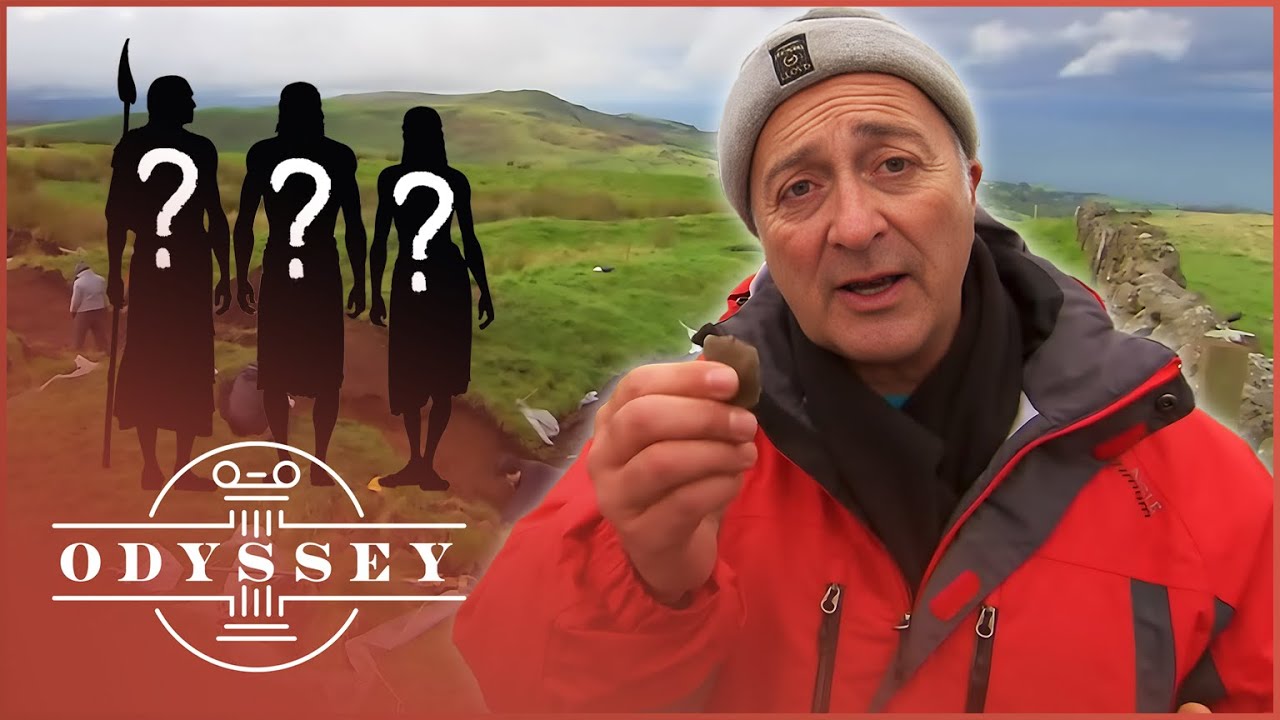
Bodmin Moor hosts an archaeological dig led by Time Team, aiming to date a potential Bronze Age village and investigate a 500-metre-long stone structure.
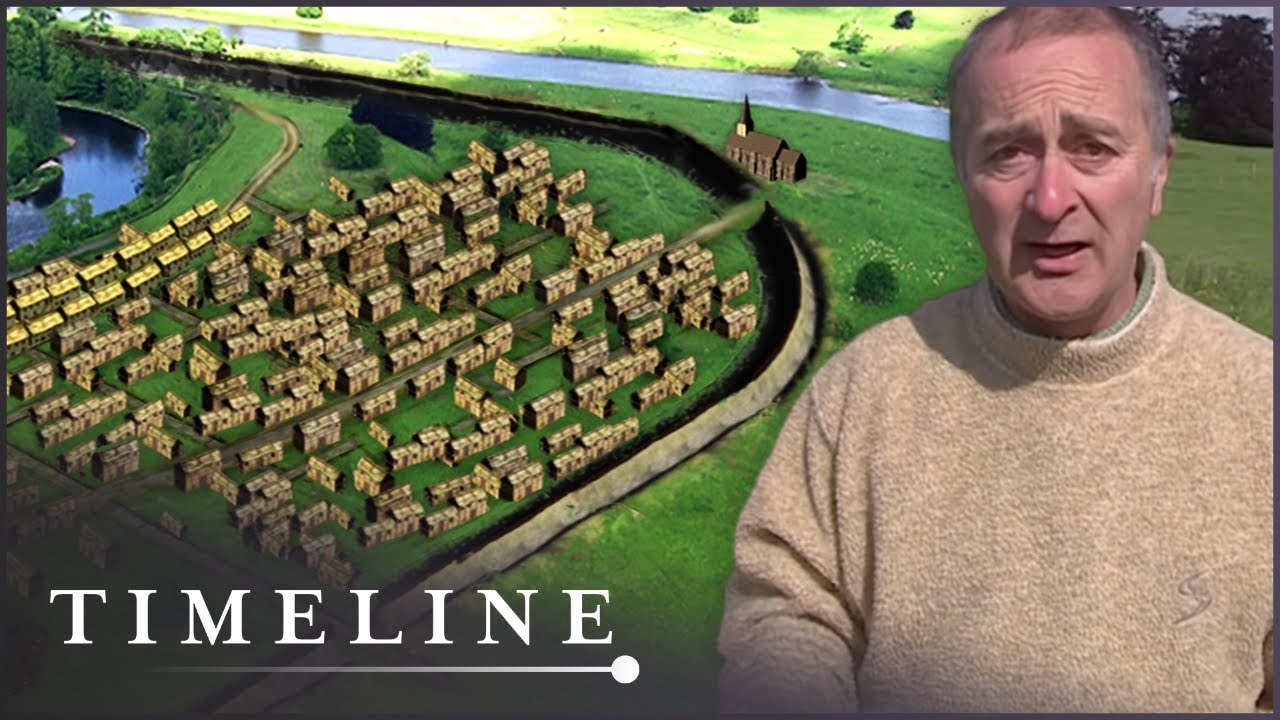
In the Durham countryside, archaeologists excavate the well-preserved medieval village of Ulnaby, revealing insights into Britain's historical landscape.
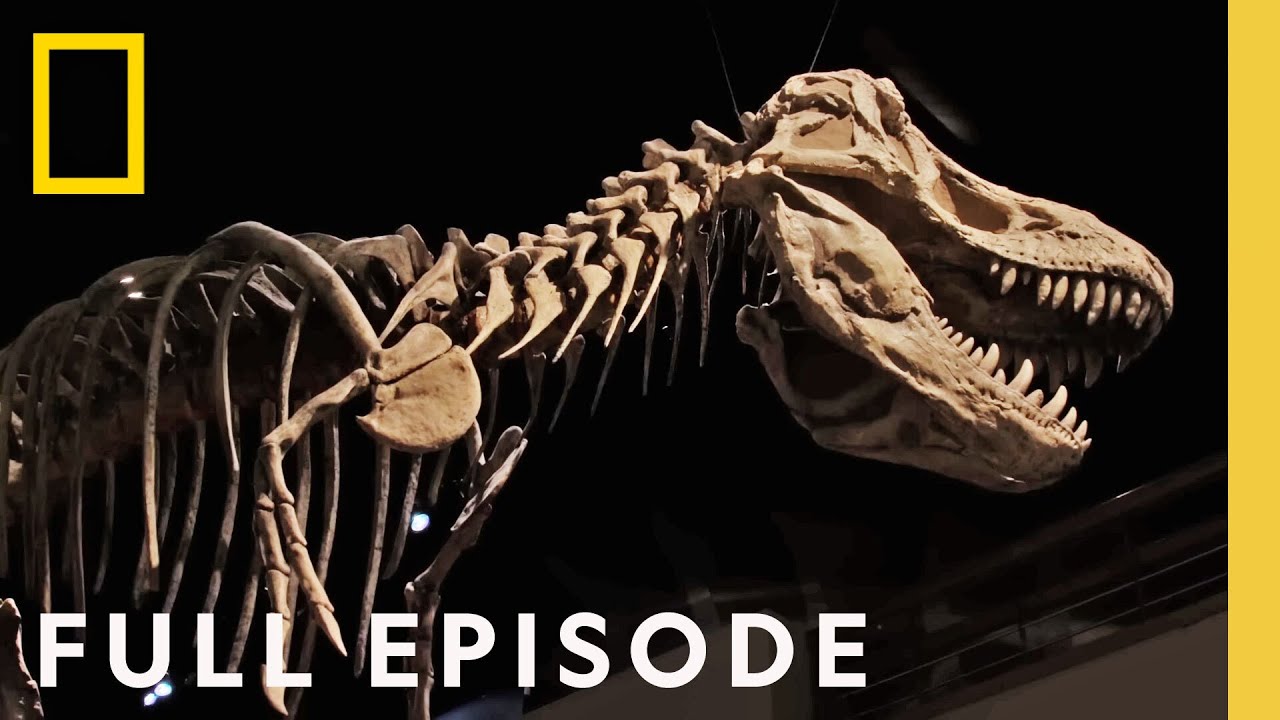
66 million years ago, dinosaurs roamed the Americas, and recent fossil discoveries are reshaping our understanding of their behavior and intelligence.
In the Late Carboniferous Period, the emergence of amniotes marked a significant evolutionary step as they adapted to life on land amidst giant insects.
In Viking tombs of Sweden and Neolithic settlements of China, archaeologists reveal that ancient women were military leaders and primary providers for their tribes.
Four to five hundred meters of Arctic ice contain layers of history that reveal the environmental impact of the Roman Empire.
The Akkadian Empire, established in 2334 BCE across Mesopotamia, thrived for 140 years before its mysterious collapse, prompting archaeological investigations in the region.
Three days of excavation at Upton Castle reveal the foundations of a Norman chapel, challenging assumptions about the site's medieval origins.
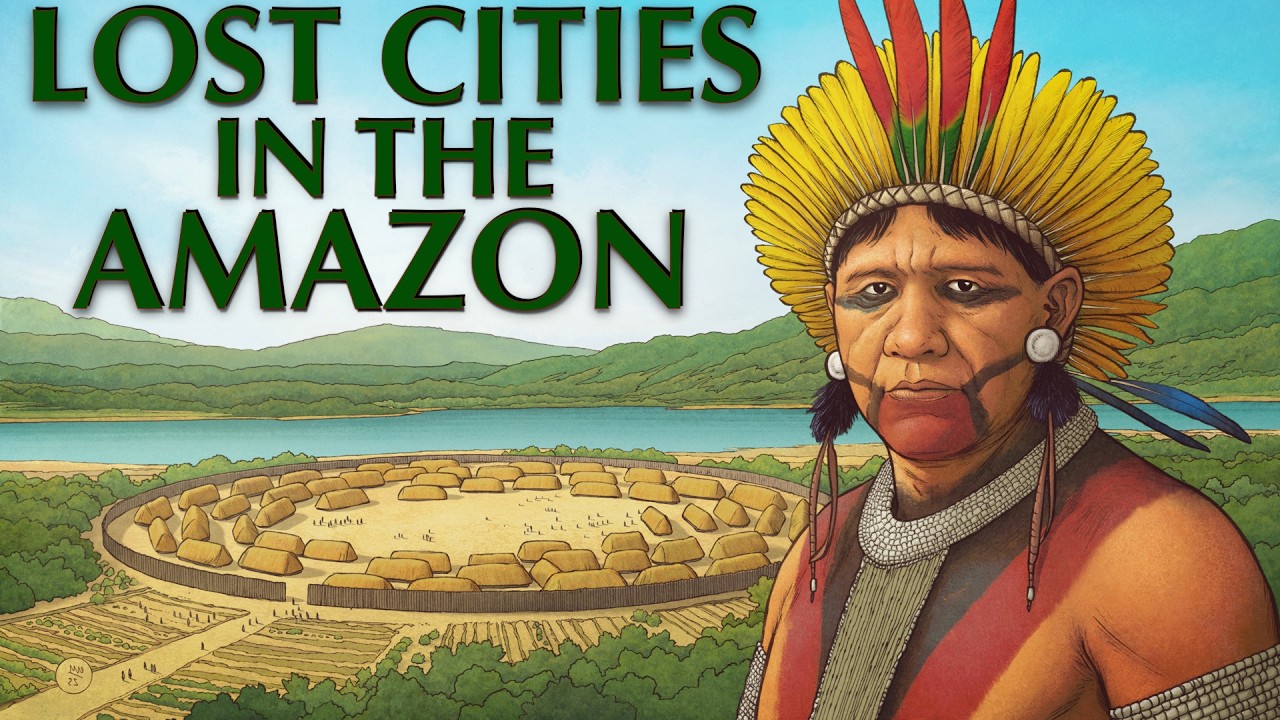
Prehistoric Amazonia reveals the archaeological significance of ancient urbanism and anthropogenic landscapes, highlighting discoveries in the Upano Valley and the Xingu region.
At the Severn estuary, Time Team excavates 15 cubic metres of silt to recover rare Mesolithic artefacts before the tide washes them away.
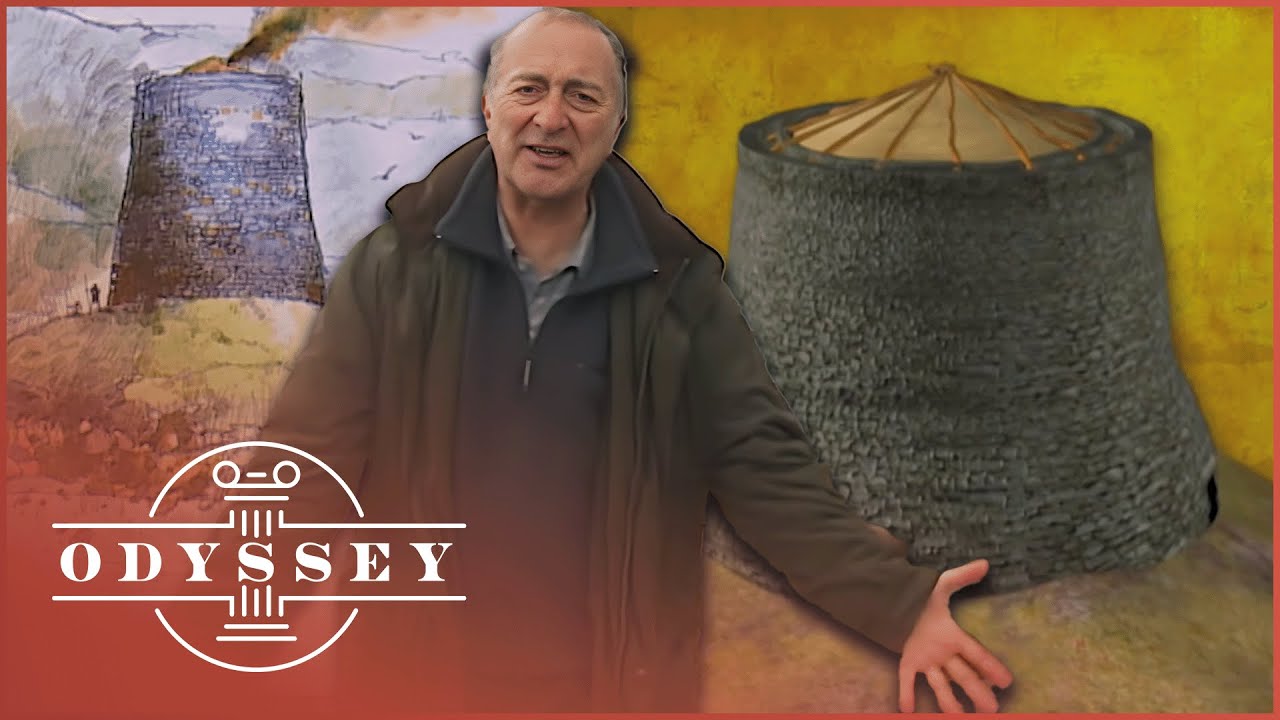
In Applecross, a team excavates a broch, one of the largest Iron Age structures in Britain, believed to be buried under a hill in Scotland.
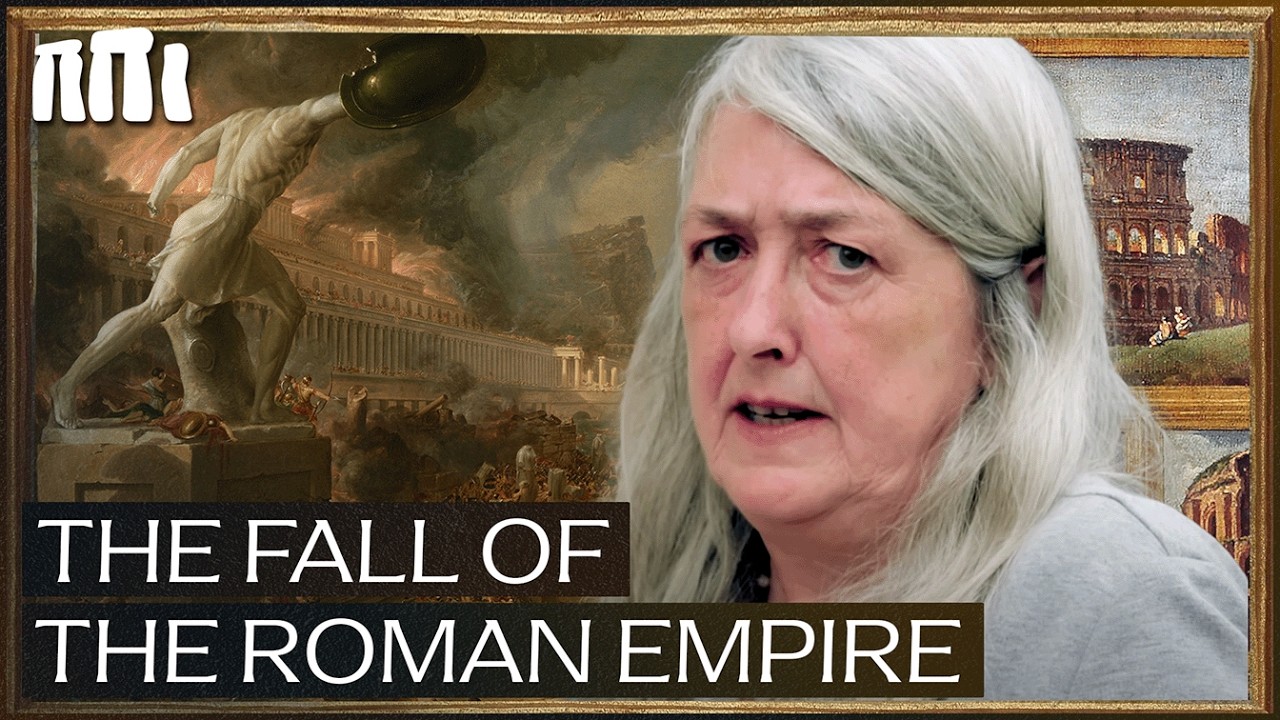
In Britain and Germany, Mary examines the pressures faced by the Roman Empire, exploring the factors that contributed to its decline and fall.
A massive Bronze Age promontory fort in Britain reveals the remains of a sophisticated society, prompting urgent excavation by Tony and his team.
Hadrian's Wall, a 115-kilometer-long structure built in the second century A.D., symbolizes the Roman Empire's struggle to control its borders amid internal and external pressures.
Near Thornton Abbey in North Lincolnshire, archaeologists found a mass grave of 48 individuals, confirming the Black Death as the cause of death.
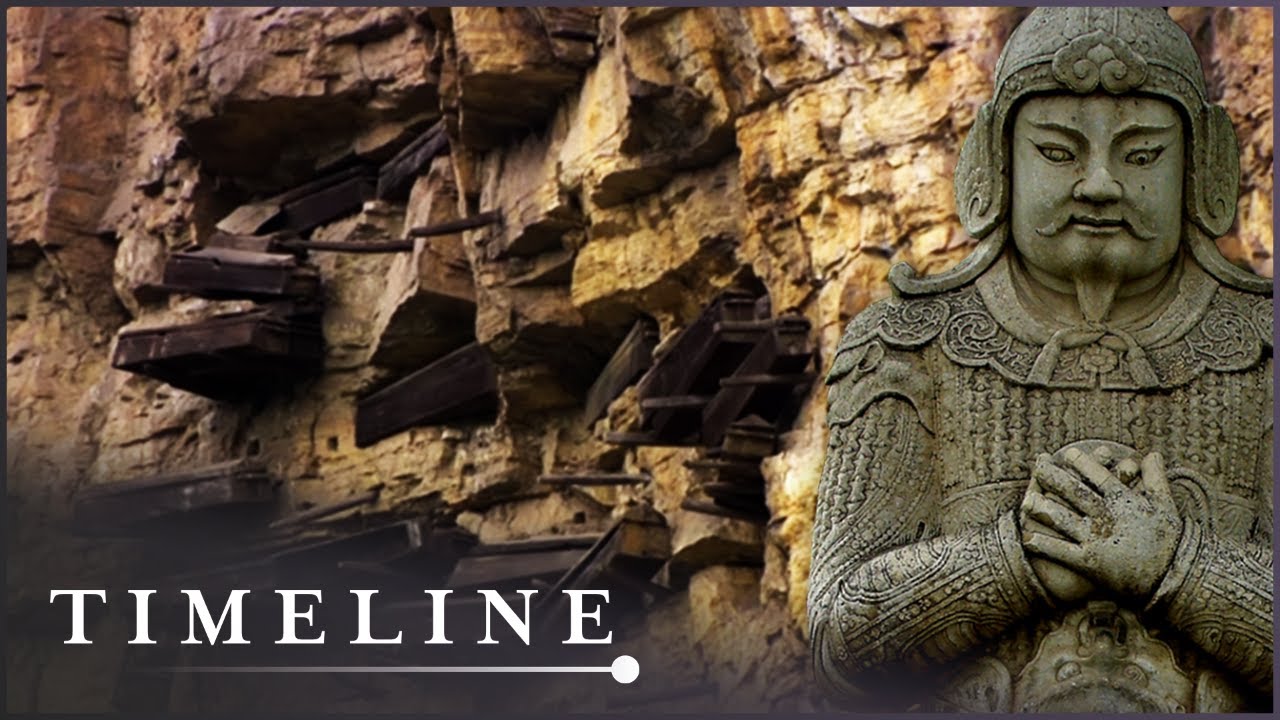
Ancient wooden coffins hang from cliffs in Sichuan Province, revealing burial mysteries in China.
440 square miles of restricted airspace surround Area 51, a military base in the Nevada desert confirmed by the CIA in 2013.
A funerary temple spanning over 86 acres is excavated at the Colossi of Memnon, revealing the grandeur of Amenhotep III's reign in ancient Egypt.
Recent archaeological findings in Hallstatt, Austria, reveal the advanced societal organization, trade networks, and cultural practices of the Celts.
800 years ago, a renegade knight from Somerset built a castle in Dundrum, Northern Ireland, which now holds many historical mysteries.
A tomb measuring over 10 meters in length and 12 meters in width was discovered in 1983 in southern China, containing a jade burial suit.
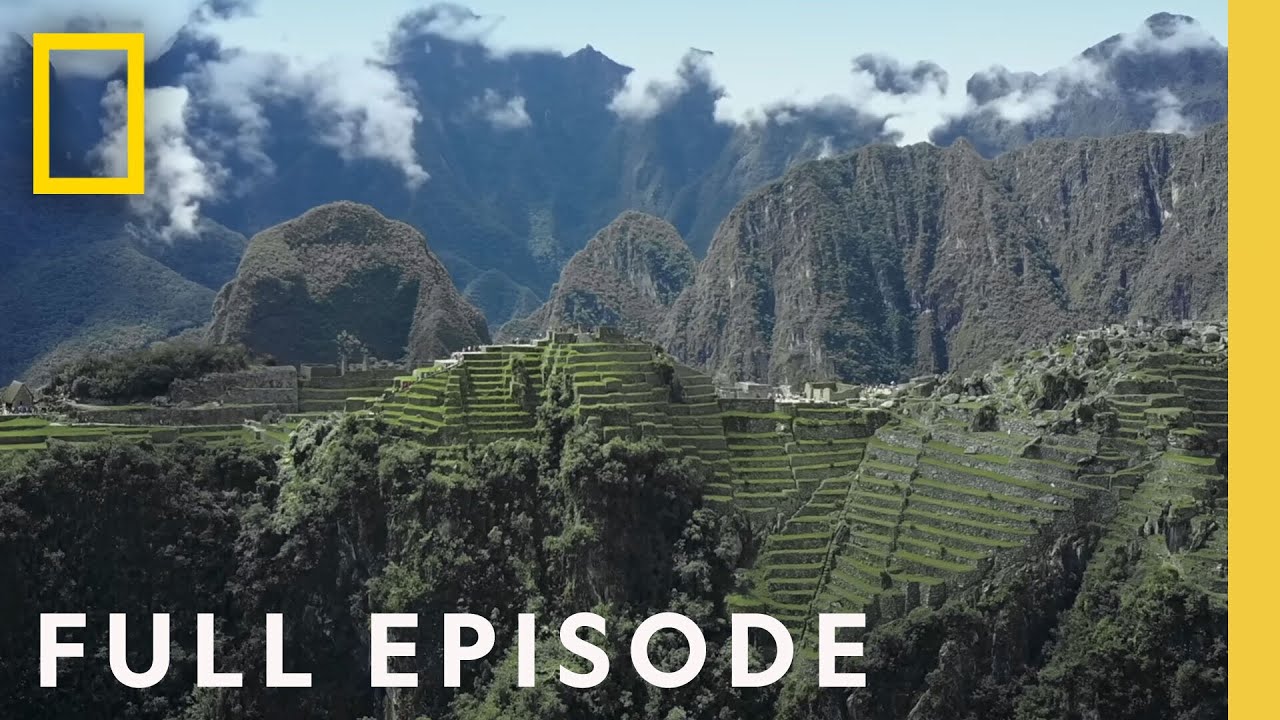
In Peru, Explorer Albert Lin investigates ancient civilizations that predated the Inca, utilizing advanced archaeological techniques.
Over 80 pieces of gold were recovered from a single burial site in Colombia, revealing traces of the ancient Tyrona civilization.
Anglesey, once a stronghold of the Druids, faced Roman invasion aimed at dismantling their influence amid accusations of magical rituals and human sacrifice.
In a Cotswold field, Tony Robinson and archaeologists Roger Box, David Neal, and Richard Reece investigate Roman mosaics revealed by moles.
In 1980, a bulldozer in Jerusalem revealed a first-century tomb containing ossuaries inscribed with names including Jesus son of Joseph and Mary Magdalene.
A volcanic eruption could have generated tsunamis up to 100 feet high, potentially influencing the biblical story of the parting of the Red Sea.
A 2,000-year-old stone tablet suggests the existence of a messiah who dies and rises after three days, predating the story of Jesus.
Sir David Attenborough leads a team investigating a significant archaeological site in southern England, revealing mammoth bones and Neanderthal artifacts from over 200,000 years ago.
3,600 years ago, a volcanic eruption on Santorini contributed to the decline of the Minoan civilization on Crete, revealing hidden archaeological treasures.
Albert Lin searches for the Knights Templar's treasure in the ancient city of Acre, once a key Crusader outpost in the Holy Land.
Archaeologists have mapped 32,000 acres of ancient groundworks, including 70 cisterns and 28 dams, that supported the city of Petra.
The year 476 AD marks the end of the Western Roman Empire, replaced by Germanic kingdoms and tribes across Europe from the North Sea to Africa.
In 1967, UFO sightings at Malmstrom Air Force Base coincided with the malfunction of U.S. nuclear missiles, raising national security concerns.
Caerwent in South Wales, known as Britain's best-preserved Roman town, features significant archaeological sites including a basilica, forum, and potential villa remains.
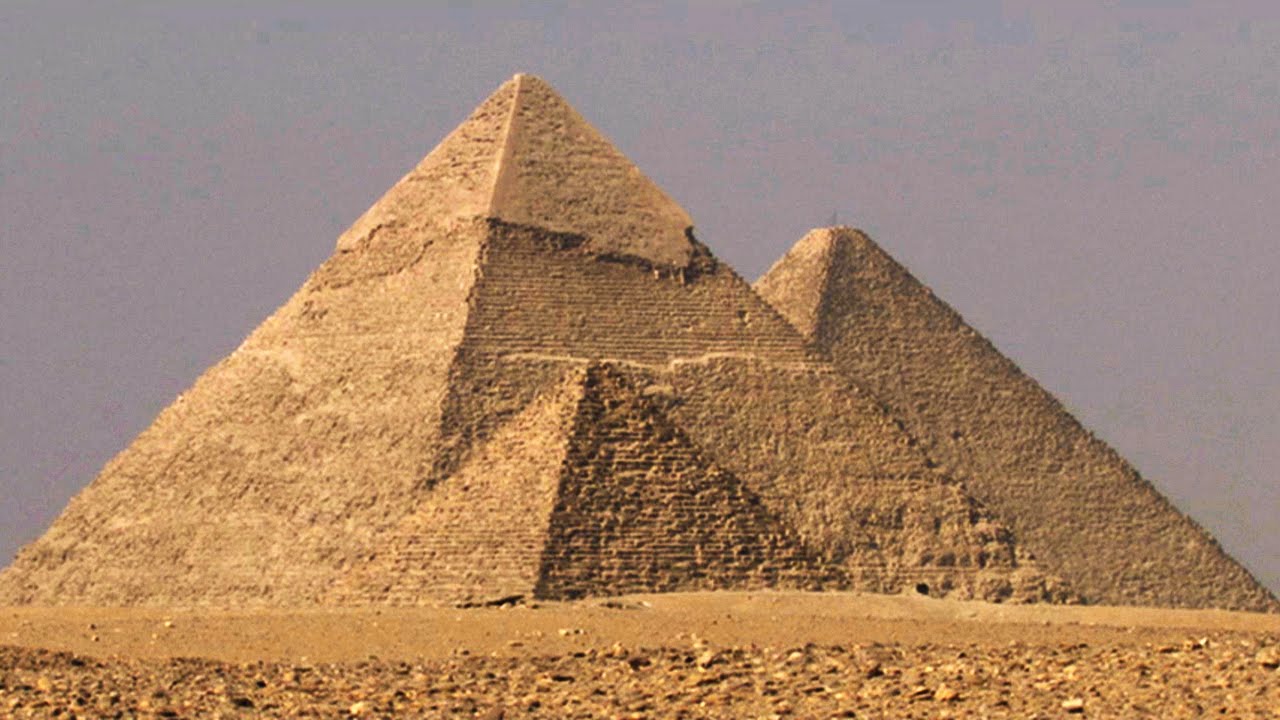
The Great Pyramid of Giza, completed over 4,500 years ago, was built from more than 2 million sandstone blocks, each weighing more than a car.
The lighthouse of Alexandria rose 140 meters into the sky, serving as a landmark and symbol of the city's power in the ancient world.
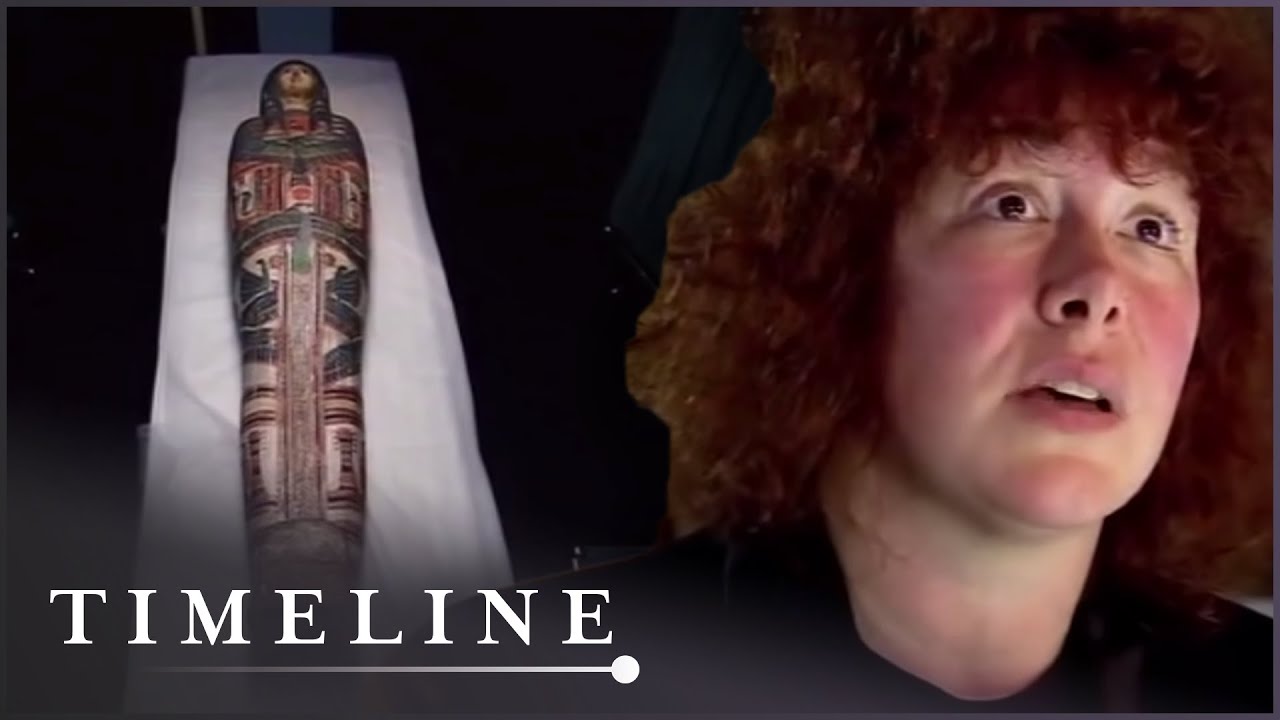
A female mummy, sealed in an intricately painted coffin, was found to have been murdered by a knife attack to the abdomen, complicating her afterlife.
410 marks the year when Roman troops left Britain, leading to a period often mischaracterized as a descent into barbarism.
A Spinosaurus vertebra recovered in 2008 showed signs of having been bitten in half, suggesting fierce competition among large predators.
Jesus Christ's life is explored through key events such as his years in the wilderness and his ministry, providing insight into his humanity.
A mile long and half a mile wide, the site of Roxburgh was once one of Scotland's wealthiest cities before it vanished without a trace.
500 degrees Celsius is the temperature reached by the pyroclastic flow that killed many residents of Pompeii during the eruption of Mount Vesuvius in 79 AD.
The Great Pyramid of Giza, built over 4,500 years ago, stands 481 feet tall and weighs nearly six million tons, consisting of 2.3 million stone blocks.
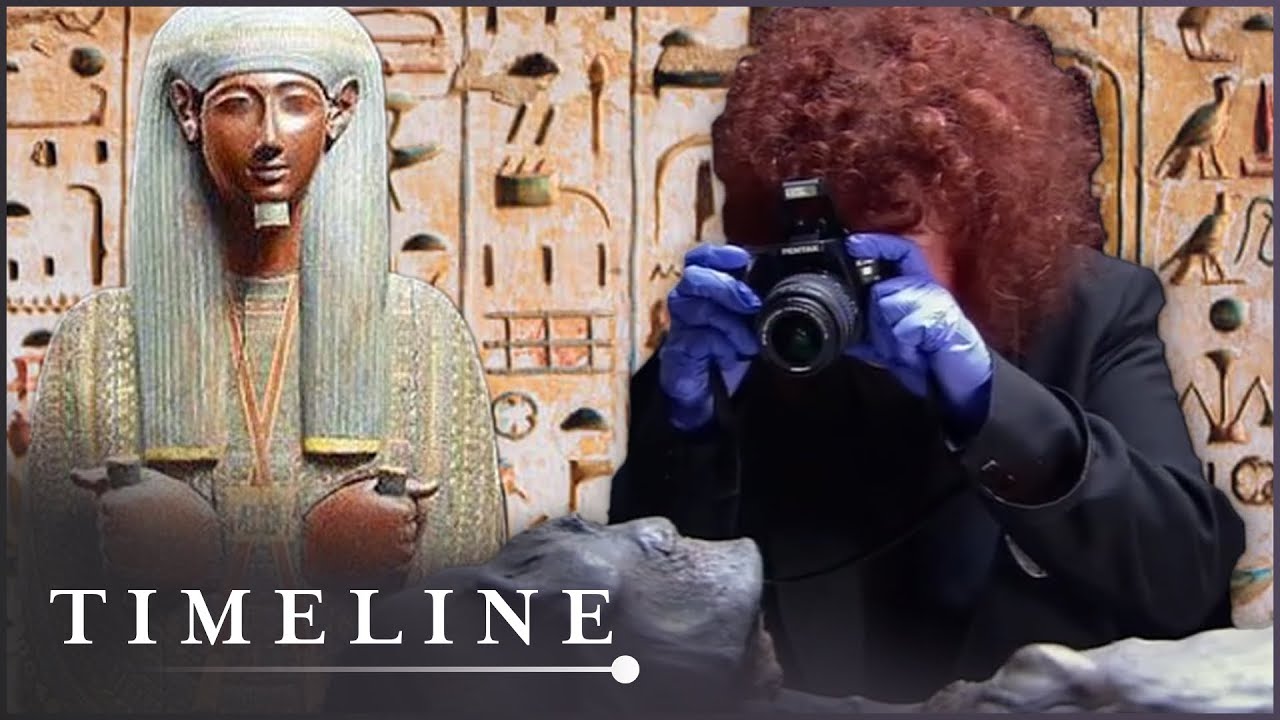
A mummy with an overbite and missing genitals is found in a coffin too large for its body, prompting an investigation into its identity and unusual condition.