From over 100,000 films, discover the handful you'll love.
Free or premium access to the world's largest documentary library.
2305 films(Page 26 of 49)
A Peruvian mummy known as the "Screamer" is examined by Dr. Joanne Fletcher and forensic specialists, revealing evidence of ancient trans-oceanic contact.
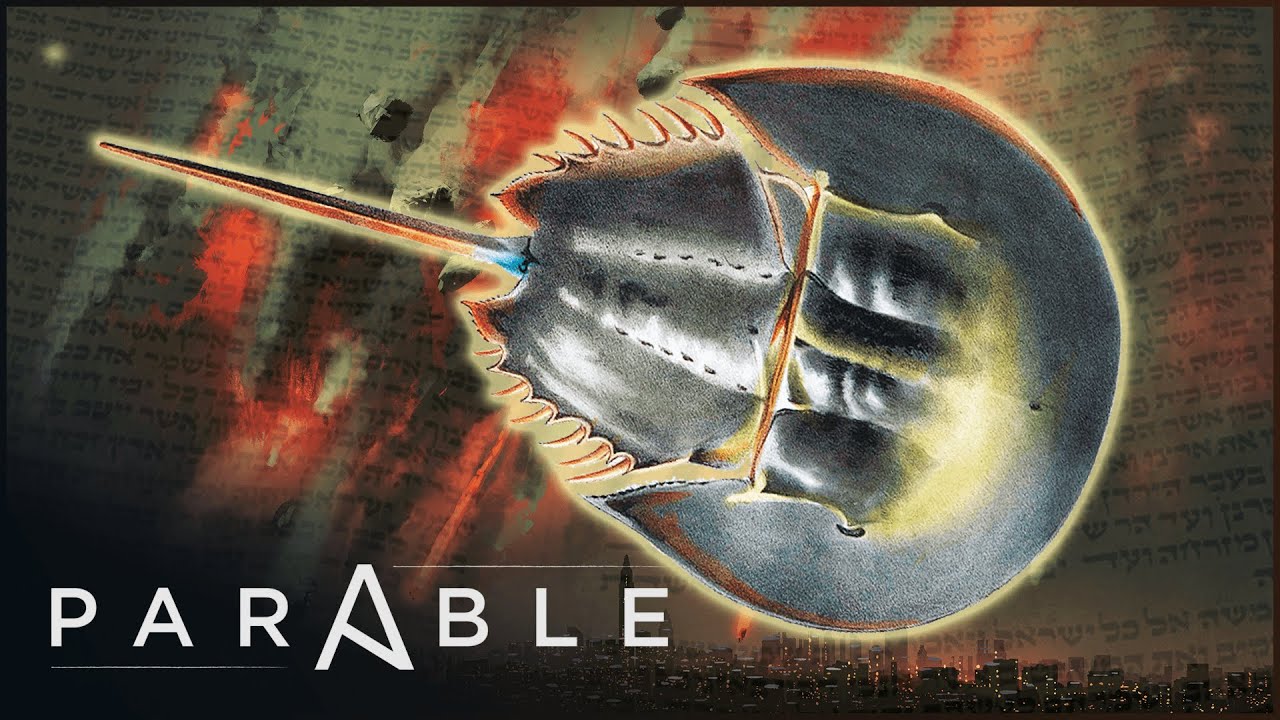
The Hillazon, a creature described in the Bible as part fish and part snake, is linked to end-of-the-world prophecies and the source of ancient Jewish blue dye.
20,000 archaeological finds are reported each year to Norwich Castle Museum, revealing significant insights into Britain's ancient history.
In northwestern Turkey, archaeologists excavate the ancient site of Hisarlik to investigate the historical basis of the Trojan War as depicted in Homer's Iliad.
California's Channel Islands reveal a 13,000-year history, featuring Ice Age Pygmy Mammoths, the Chumash ocean empire, and the Lone Woman of San Nicolas.
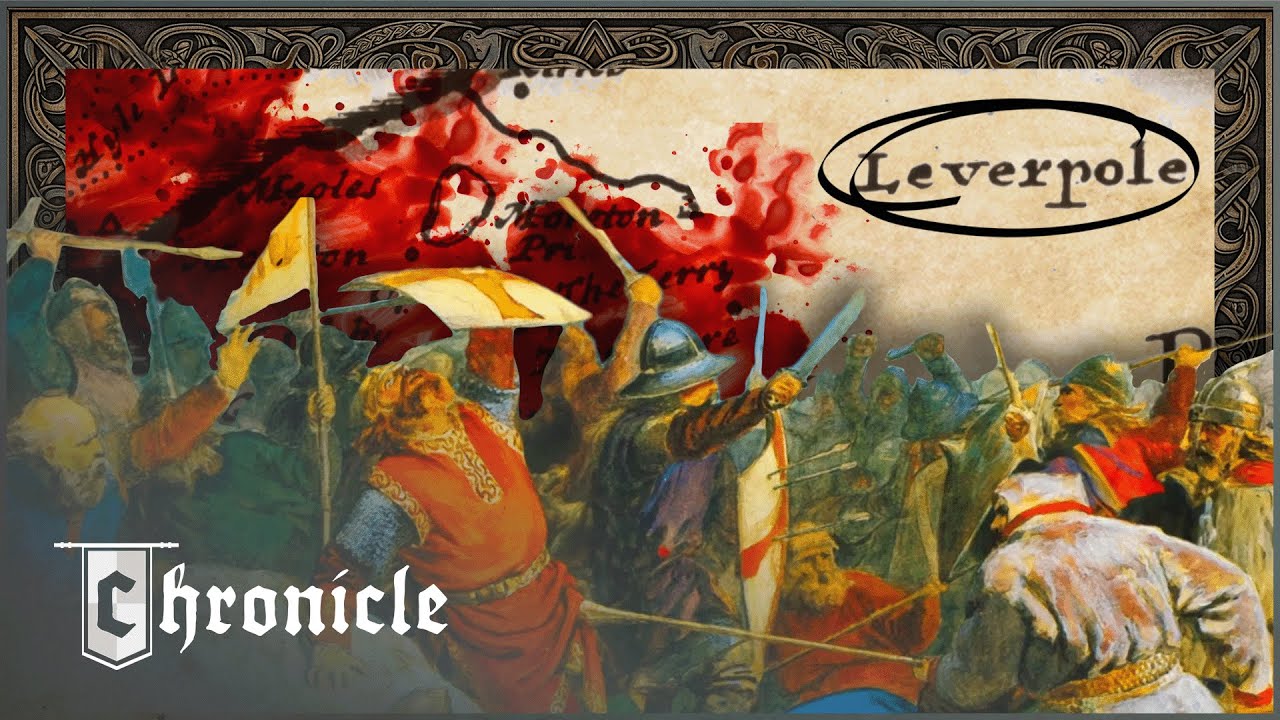
In Liverpool, archaeologists reveal new evidence of a significant Viking battle site and a buried ship beneath a pub while a replica longship faces challenges at sea.
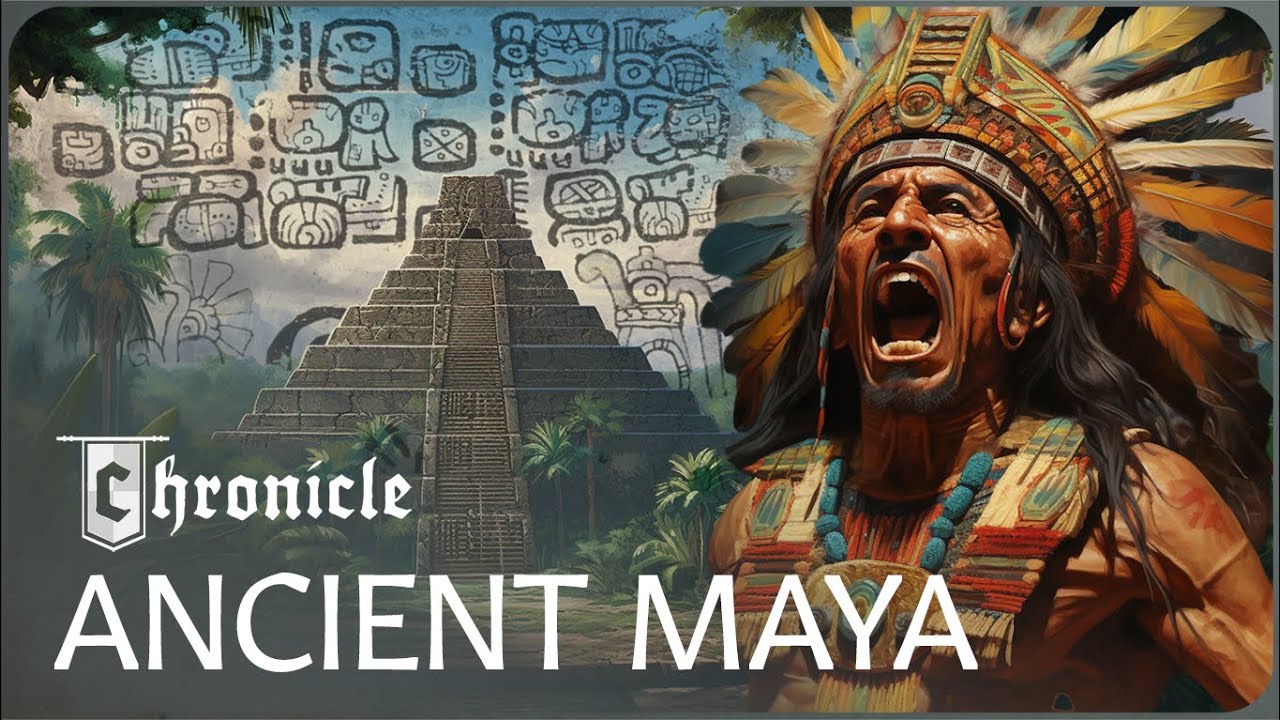
Ancient Mayan civilization, once governed by astronomer-priests, is examined through the lens of Yuri Knorosov's breakthrough in deciphering their hieroglyphic writing.
Recent excavations in England and France reveal that Roman soldiers led ordinary lives, challenging the perception of them as legendary warriors.
Archaeological research in ancient sites, including the potential remains of the oldest known leper, provides new insights into the history and impact of leprosy.
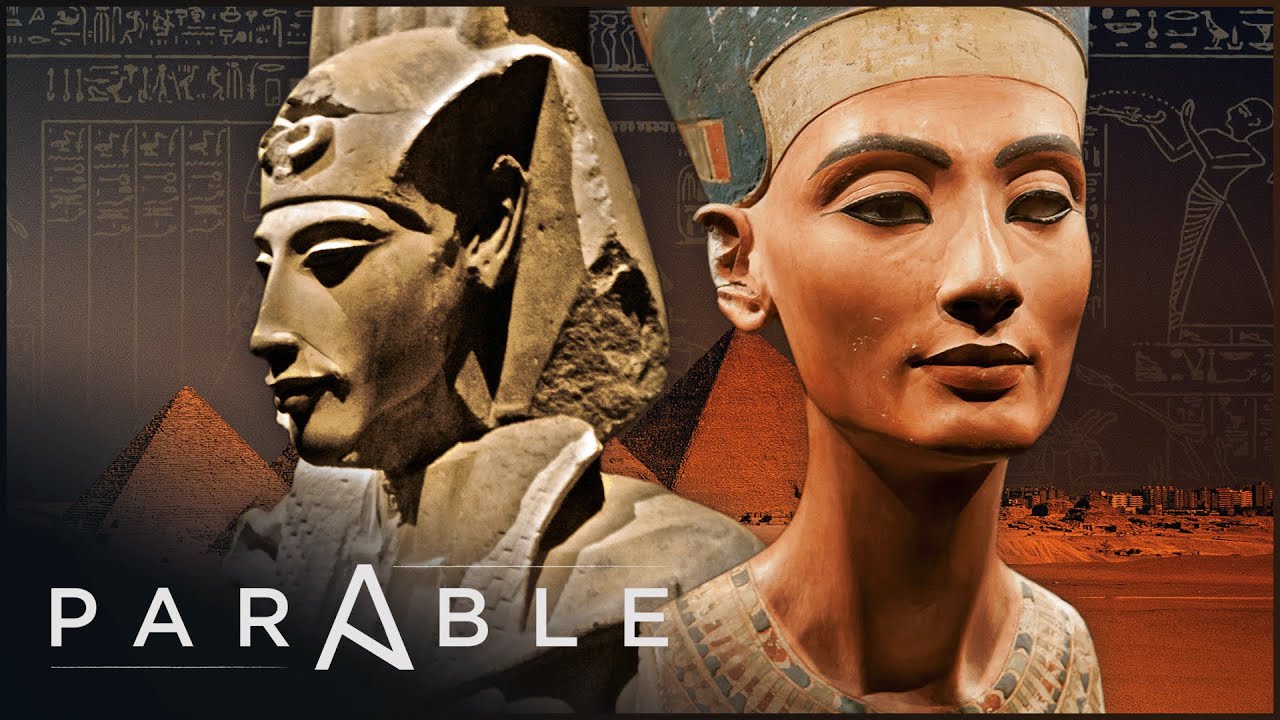
Pharaoh Akhenaten's reign in ancient Egypt, alongside Queen Nefertiti, raises questions about his leadership and the influence of his queen on the kingdom's fate.
Underwater archaeology reveals that 3 million shipwrecks, including 3,500 with valuable cargoes, raise questions about the rights to recover sunken treasure in the world's oceans.
In ten coastal areas of Italy, local enthusiasts, farmers, and archaeologists share their deep connections to nature and tradition, showcasing the region's rich biodiversity and cultural heritage.
Hieroglyphs found in the tombs of Saqqara reveal Ancient Egyptian religious beliefs and rituals aimed at granting immortality to the deceased.
Persian King Cambyses led an army into the desert 2,500 years ago, and their disappearance remained a mystery until evidence was found in 1996.
In Tennessee, forensic geologist Scott Wolter applies advanced 3D microscopic technology to analyze the Bat Creek Stone, suggesting its Paleo-Hebrew inscription is authentic.
Puma Punku, a site in Bolivia dating back nearly 14,000 years, features ancient ruins that continue to perplex researchers and historians alike.
In Utah, Australia, and Spain, modern-day cave dwellers illustrate the deep human connection to subterranean environments and their role in coping with heat.
Grassroots investigators and activists track stolen medieval artifacts looted from Eastern temples, exposing the multi-billion-dollar black market and its ties to elite auction houses.
Windsor Castle transformed under Edward III into a symbol of regal power and a center for the cult of chivalry, including the recreation of King Arthur's Knights of the Garter.
Researchers have discovered 250 obelisks featuring animal figures at Karahan Tepe, suggesting it may be much older than the 12,000-year-old Gobekli Tepe.
Ancient Greek civilization, often regarded as the cradle of Western culture, is examined for potential extraterrestrial influences on its monumental architecture.
Archaeological remains of three sets of gates in ancient cities may provide evidence supporting the biblical narrative of King David's kingdom.
Archaeological findings in Kent and Devon, including a cliffside villa and a burial of 97 infants, challenge existing narratives about life in Roman Britain.
German adventurer Heinrich Schliemann claims to have found King Priam's treasure while searching for the legendary city of Troy in the 19th century.
Alexei Vranich tests his theory on how Tiwanaku's monoliths were constructed.
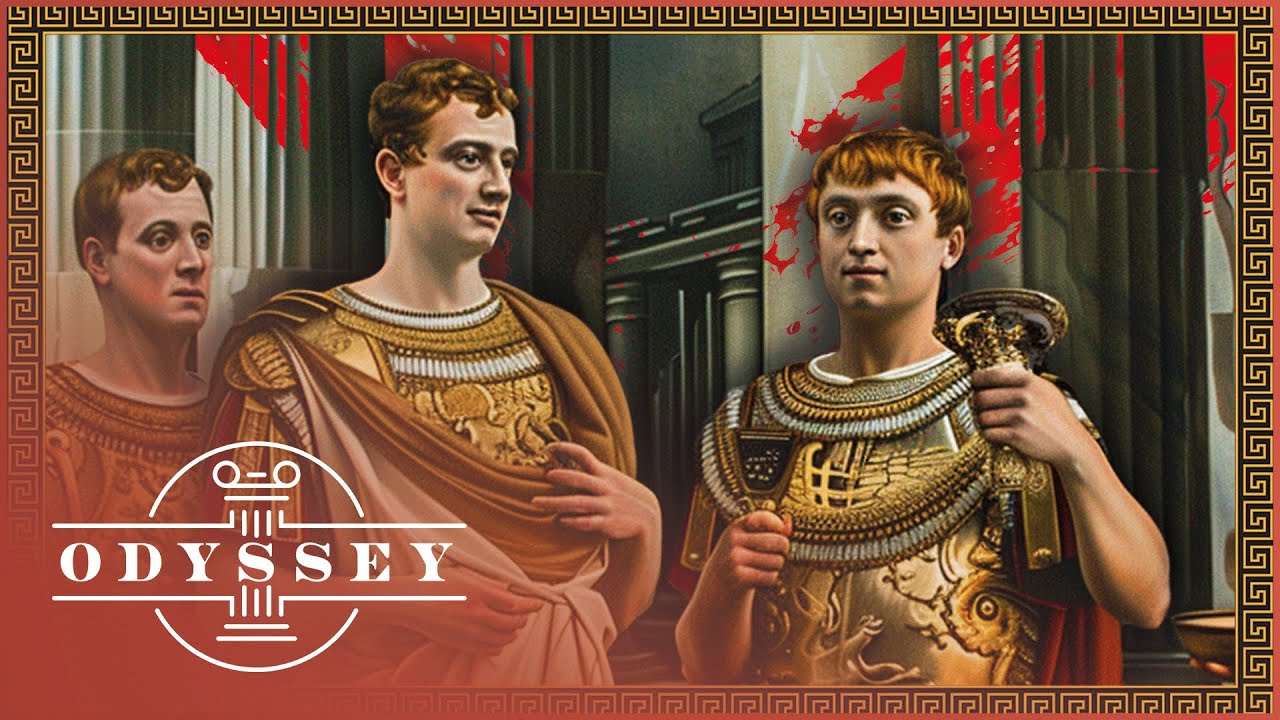
Gaius Julius Caesar Augustus, Ramesses II, and King Leonidas are examined for their significant contributions to leadership and military strategy in ancient history.
In medieval England, monasteries functioned as vibrant communities where farming, artistry, and religious practices intertwined, as explored by historian Ruth Goodman and archaeologist Peter Ginn.
Construction of the Appian Way began in 312 BC, connecting Rome to southern Italy and serving as a vital route for trade and military movement.
Alice Roberts explores significant archaeological finds in Scotland, including a prehistoric site, a Roman bathhouse, and an Iron Age chariot burial in East Yorkshire.
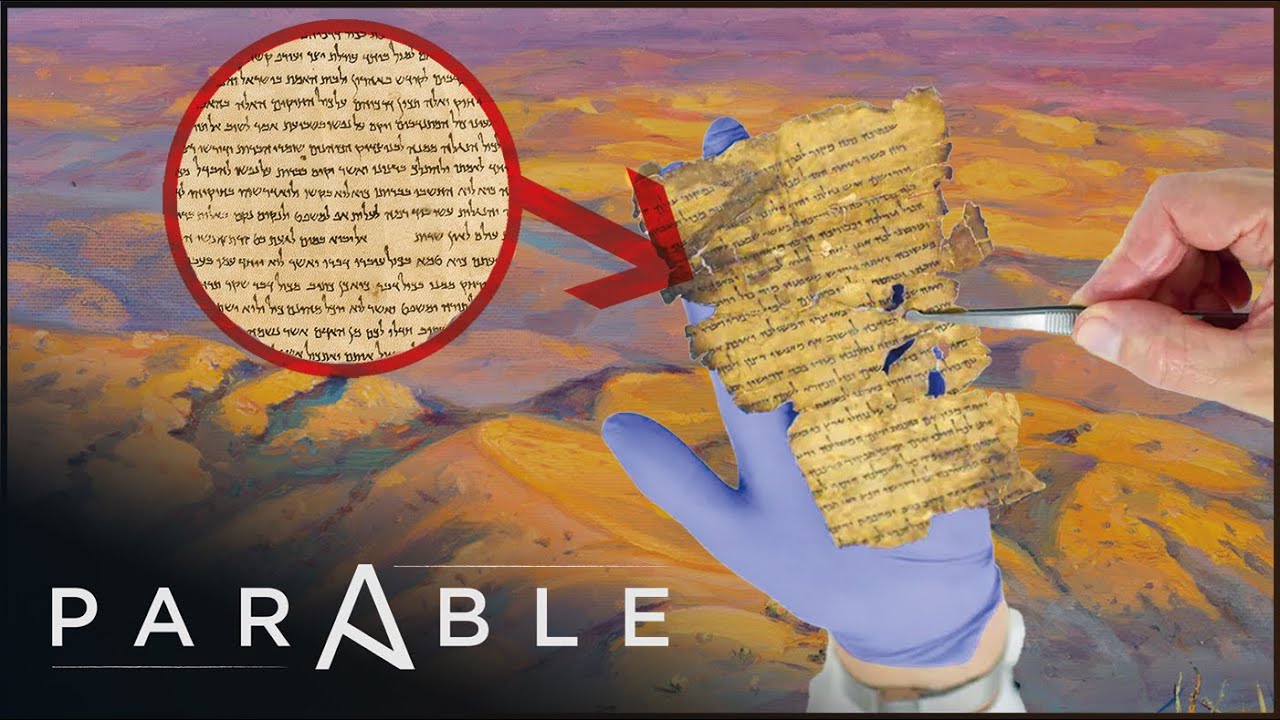
Jim Charlesworth, a professor and Dead Sea Scroll Hunter, collaborates with archaeologists and scholars in the ongoing search for undiscovered scrolls.
Paul Bevon found a Roman coin in a field in Sish, Gloucestershire, leading to the discovery of numerous artifacts over five years of excavation.
A 128-kilometer aqueduct built by the Romans is one of the many artifacts displayed in Tunisia's Bardo National Museum, revealing the region's ancient history.
In the late 1800s, a series of artefacts found in Michigan, inscribed with ancient scripts, sparked debate over their authenticity and implications for North American history.
Lugdunum, the ancient capital of the Gauls, showcases monumental Roman architecture built between the first century BC and the second century AD in present-day Lyon.
At midnight, death claims the lives of all firstborns in Egypt, marking the climax of the struggle between Pharaoh and Moses.
A 13th-century Gaelic Market Town near Lough Key, Ireland, reveals a powerful society led by the McDermot Lords, showcasing extensive trade and cultural traditions.
Jean-François Champollion's groundbreaking work in the 1820s led to the first successful deciphering of Ancient Egyptian hieroglyphics, unlocking a key to understanding ancient civilization.
Angkor Wat, built in the 12th century, took 37 years to complete and is the largest temple in the Angkor archaeological site in Cambodia.
Over 15,000 students attend the University of Cambridge, a city known for its rich antiques heritage and the annual Town and Country Fair.
In 1692, the Salem witch trials in Massachusetts resulted in the execution of 20 individuals and the imprisonment of many others amid widespread hysteria.
In the shadows of Stonehenge, forensic analysis and archaeological methods are employed to investigate a Roman murder mystery.
Ancient murder mysteries are examined through the lenses of criminal psychology and forensic anthropology by historians Dan Snow, Suzannah Lipscomb, and Matt Lewis.
Alexandria, founded by Alexander the Great, became a monumental hub of trade and culture, renowned for its grid layout, defensive walls, and the iconic lighthouse.
Herod the Great ruled Judea for 37 years, transforming it into an international trading state while facing deep-seated opposition from the Jewish population.
The River Nile enabled Ancient Egypt to flourish as a civilization, shaping its culture and providing sustenance in a landscape dominated by deserts.
Renowned archaeologist John Romer examines the authorship and historical context of the Bible through archaeological evidence from sites like Jericho and Jerusalem.
Viking exploration across Europe and North America is examined through satellite technology and expert analysis, challenging established views on their settlements.
In the aftermath of the fall of Rome, monks in Scotland and Ireland played a crucial role in preserving Christianity, paving the way for Charlemagne and the Holy Roman Empire.