From over 100,000 films, discover the handful you'll love.
Free or premium access to the world's largest documentary library.
2305 films(Page 39 of 49)
Mutilated remains found in Wharram Percy are analyzed through carbon dating to investigate medieval executions and the justice practices of that era.
Santorini's volcanic landscapes and ancient ruins are central to the exploration of historical and archaeological evidence connecting the island to Atlantis.
The Sphinx could be older than humankind, challenging historical timelines and narratives.
Viktor Fredbäck, a Swedish collector, seeks a crucial pair of jeans from 1880 to complete his extensive collection that chronicles denim history.
The Franklin Expedition, which set out in 1845 to navigate the Northwest Passage, faced extreme conditions that led to speculation about cannibalism among its crew.
Could some higher power have built the pyramids according to Ancient Aliens Special Presentation?
The Sea Peoples, a confederation of maritime raiders, are examined for their potential role in the widespread collapse of Bronze Age civilizations around 1200 BCE.
Dinosaurs lived in the Gobi desert 250 million years ago, as shown in this Spanish video.
Dinosaurs lived in the Gobi Desert 250 million years ago, now explored in Full Documentaries.
A tiny obsidian blade, far from its volcanic source, suggests that the site may have served as a refuge for fleeing Maya.
Scientists today use DNA to preserve knowledge lost in natural disasters throughout history.
These obelisks may commemorate alien visitations, according to Ancient Aliens.
Castell Dinas Bran in North Wales is examined by archaeologists using advanced technology to investigate its potential connections to Arthurian legend.
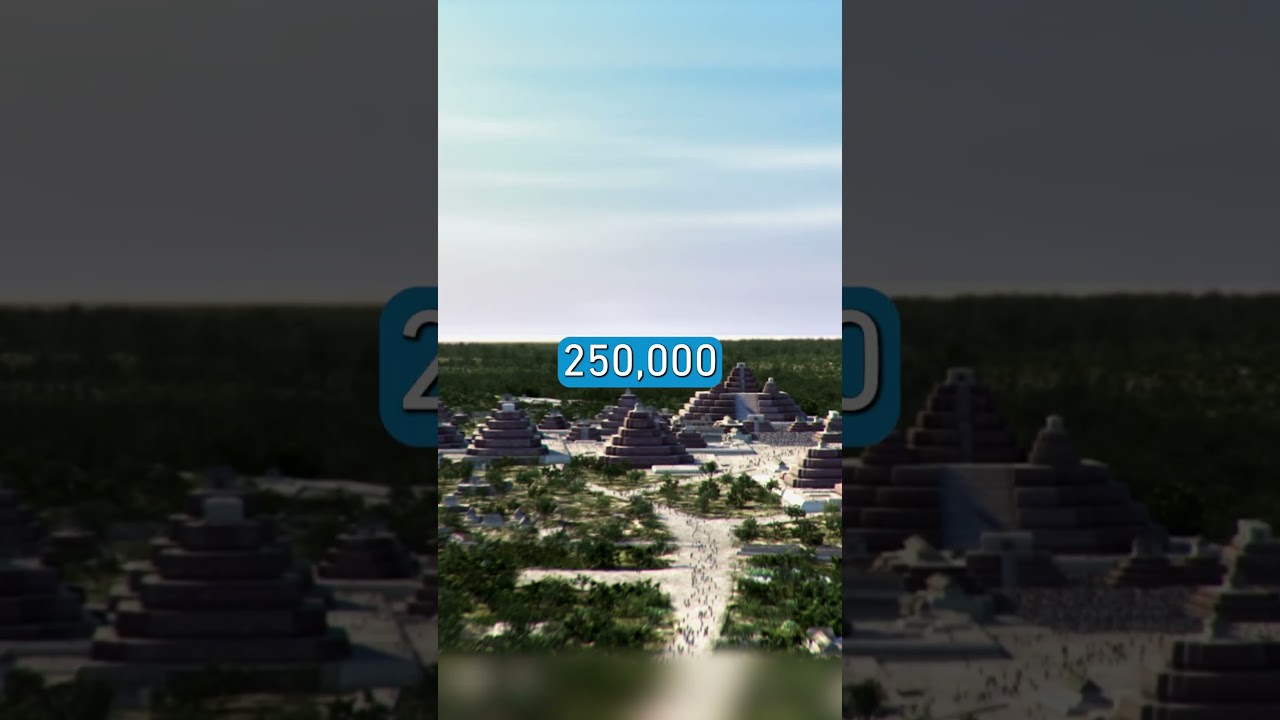
El Mirador, an ancient Mayan city in Guatemala, showcases its monumental architecture and explores its cultural significance in the Maya civilization's development.
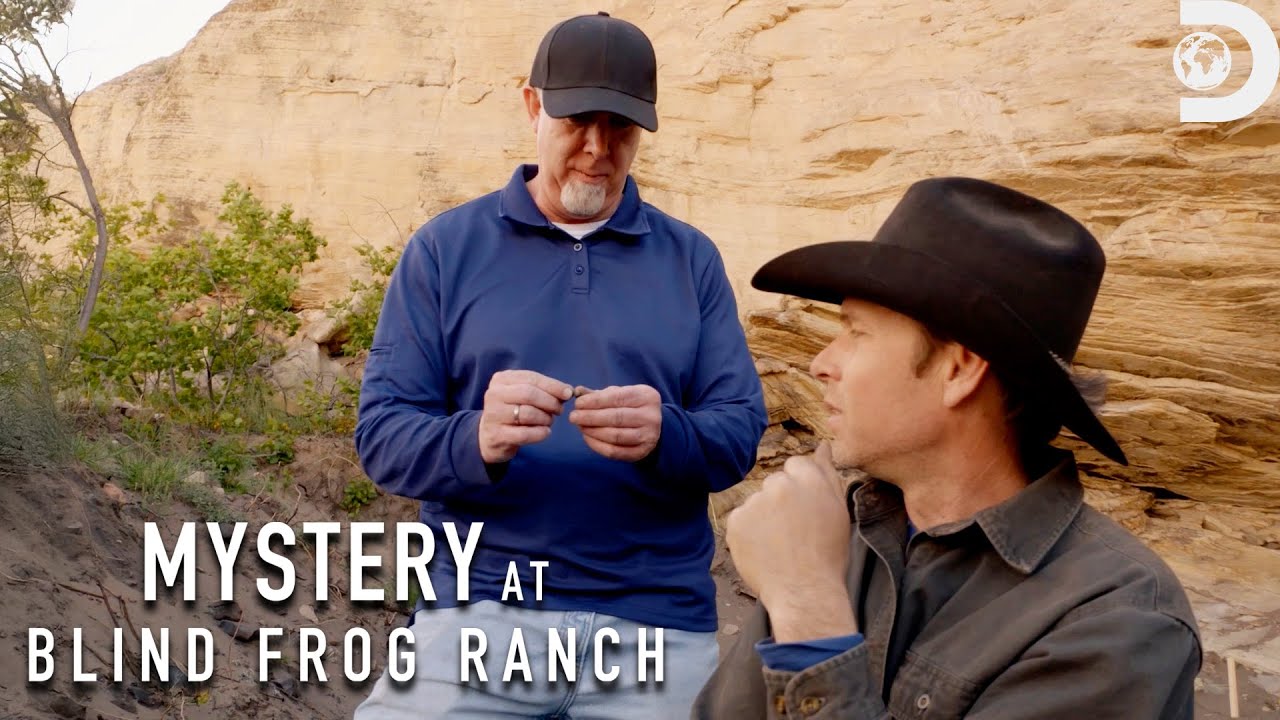
Duane and treasure hunter Josh Feldman investigate a bead site in Utah, revealing copper beads that may link the area to ancient Aztec trade routes.
Scientists have confirmed Stonehenge was a Neolithic cemetery with peaceful burials.
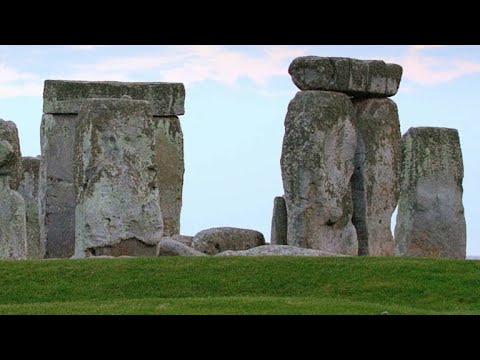
Stonehenge highlights the ancient engineering skills used to transport and erect its massive stones, remaining a significant historical site today.
Josh Gates explores a gift shop in search of a Ptolemaic bronze coin linked to Alexander the Great, featuring Zeus and an eagle on its surfaces.
Archaeologists from the University of California, Los Angeles, document an extensive network of ancient Maya earthworks in Central America, revealing their societal complexity.
A 450-year-old codex illustrates the Aztec homeland, suggesting their origins may extend beyond Utah to a site near Crow Creek in Mexico.
A Bronze Age settlement in Britain, predating the Romans by a millennium, reveals a wealth of artifacts that illustrate everyday life 3,000 years ago.
Haraldskær Woman traveled hundreds of miles from home before her death, revealing insights into ancient ritual practices through strontium isotope analysis.
The Great Pyramid of Giza, built for Pharaoh Khufu around 2580-2560 BC, is examined for its construction techniques and cultural significance in ancient Egypt.
Dimitrios Katsikis revives ancient Greek armor, showcasing his work in museums across Greece.
Over 60 dogs were buried in the ancient Egyptian cemetery at Hierakonpolis, indicating their important roles in hunting and protection.
This video takes a look at the real history behind popular Halloween costumes today.
New Episodes Thursdays showcase HISTORY as the leading destination for original series.
Almost 110,000 statues, some reaching 56 feet in height, are housed within the Longmen Grottoes along China's Yi River.
A wax model is crafted by a local artisan to replicate a Muisca chieftain, demonstrating traditional methods used in creating the Golden Raft of El Dorado.
In the desert of Abydos, Egypt, Egyptologist Kim Reiholt analyzes a fragmented papyrus kings list that may confirm the existence of the previously unknown pharaoh Senebkai.
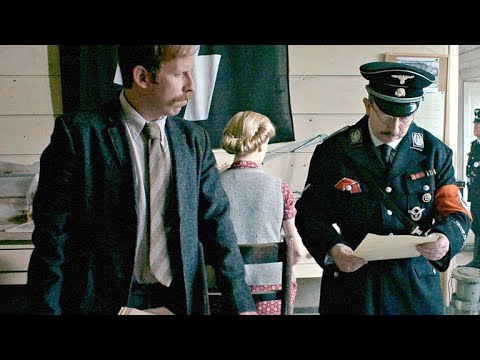
In 1935, Heinrich Himmler established an elite SS unit to search for evidence of the Aryans' origins in Atlantis, intertwining myth with Nazi ideology.
A 20-foot-high, 900-foot-long, and 650-foot-wide core of clay forms the foundation of Monk's Mound, the largest earthen structure in the Western Hemisphere.
In the year 1001, Leif Erikson and his crew reached Newfoundland after sailing for five days from Greenland.
Wealthy residents of Pompeii took measures to protect their valuables, including a Roman strongbox.
In 1906, Charles Lang Freer purchased an ancient Greek codex containing the four New Testament gospels for $7,750, marking a significant biblical discovery.
More than 420,000 stone blocks were used to construct the Bayon temple, which features 52 towers and over 2,000 feet of intricate relief carvings.
In 1952, archaeologists near the Dead Sea found The Copper Scroll, prompting a four-year effort to develop a method for unrolling it without damage.
In 1948, archaeologist Graham Clark led a dig at Star Car, uncovering one of the best Mesolithic settlements in Europe, preserved for 10,000 years.
Humanoid stone structures, such as the Moai of Easter Island and the statues of Göbekli Tepe, reveal insights into ancient civilizations and human development.
Excavations at Aztalan State Park have uncovered burnt human bones in fire pits, suggesting evidence of human sacrifice among prehistoric Native Americans.
On the north Kent coast, Dr Tori Herridge and her team investigate one of the oldest shipwrecks in the world, revealing its historical significance.
Theologian Ralph Lee discusses the Ark of the Covenant's fate and its possible location in Ethiopia.
The Ark of the Covenant's possible location in Jerusalem is examined through various historical and religious perspectives, highlighting its significance in the region.
The Inca Maiden, a 500-year-old mummy discovered in the Andes, is examined for her preservation and the emotional responses she elicits from visitors.
A Roman aqueduct, built over 2,000 years ago, connects to a grotto in Caesarea Philippi, a site of early Christian significance.
Greek waters are notorious for their shipwrecks, which hold significant historical value and present dangers comparable to the Bermuda Triangle.
Josh Gates investigates a mysterious shipwreck, exploring its history and the legends surrounding it in a quest for answers about its enigmatic past.
The first confirmed remains of King Nastasen were found in his tomb, including a toe cap that may contain traces of human bone.