From over 100,000 films, discover the handful you'll love.
Free or premium access to the world's largest documentary library.
2305 films(Page 33 of 49)
In 2020, archaeologists near Luxor revealed the remains of Aten, a well-preserved ancient city founded during the reign of Amenhotep III, challenging existing narratives of Egyptian history.
An American gemologist travels through Afghanistan, revitalizing ancient lapis lazuli mines that date back over 6,000 years to the time of the pharaohs.
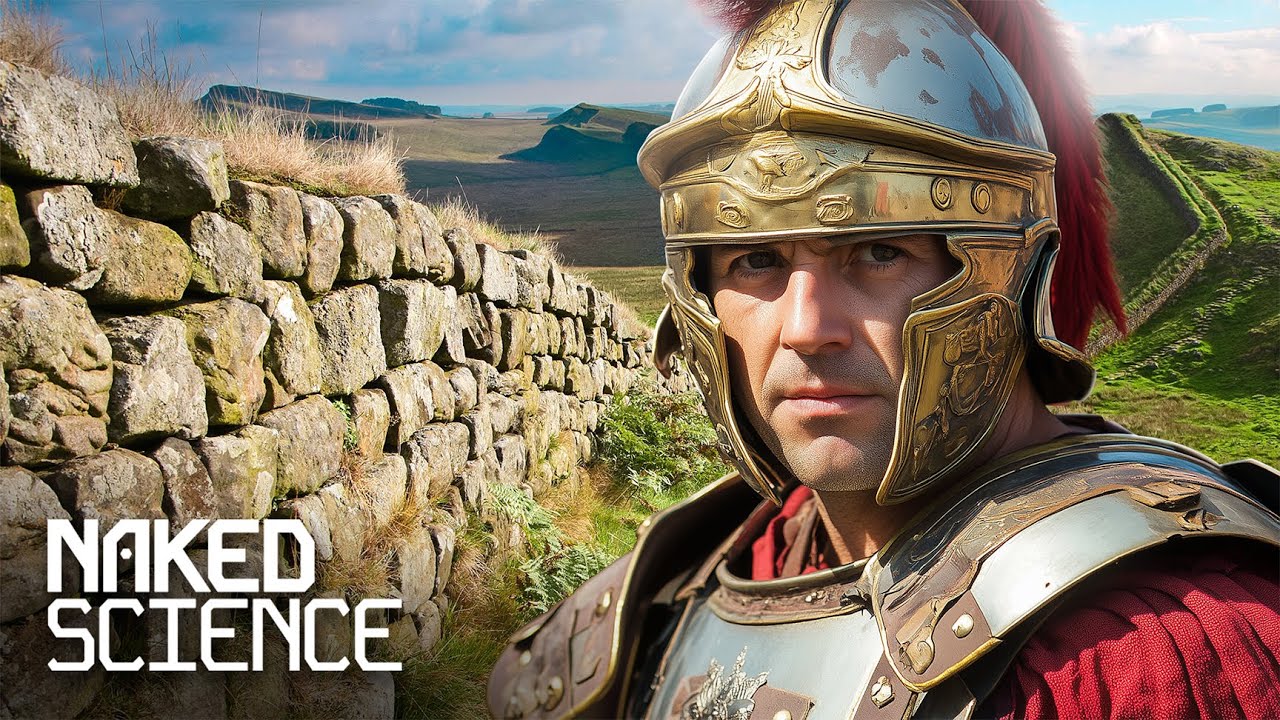
Hadrian's Wall, a significant Roman structure, is explored by Robson Green as he walks its length, meeting locals and examining its historical context.
The exhibition features 450 objects, including a carbonized wooden table from Herculaneum and plaster casts of residents preserved by the eruption of Mount Vesuvius.
Researchers found evidence of 10 women buried with hunting toolkits across 107 burial sites in the Americas, suggesting female participation in big game hunts.
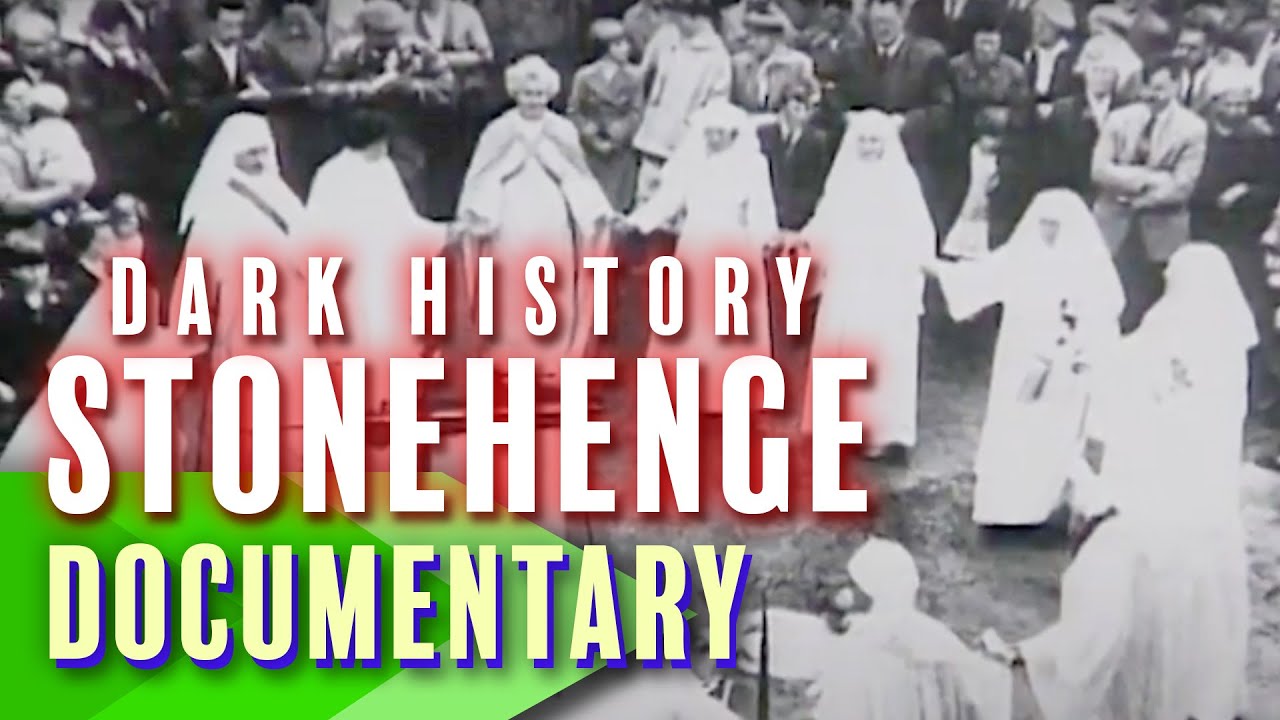
Stonehenge, a prehistoric monument in Wiltshire, England, is analyzed for its historical significance and the mysteries of its construction.
Jerusalem's architectural evolution over 3,000 years showcases monumental achievements by Roman engineers, Emperor Constantine, and Islamic builders, reflecting faith and innovation.
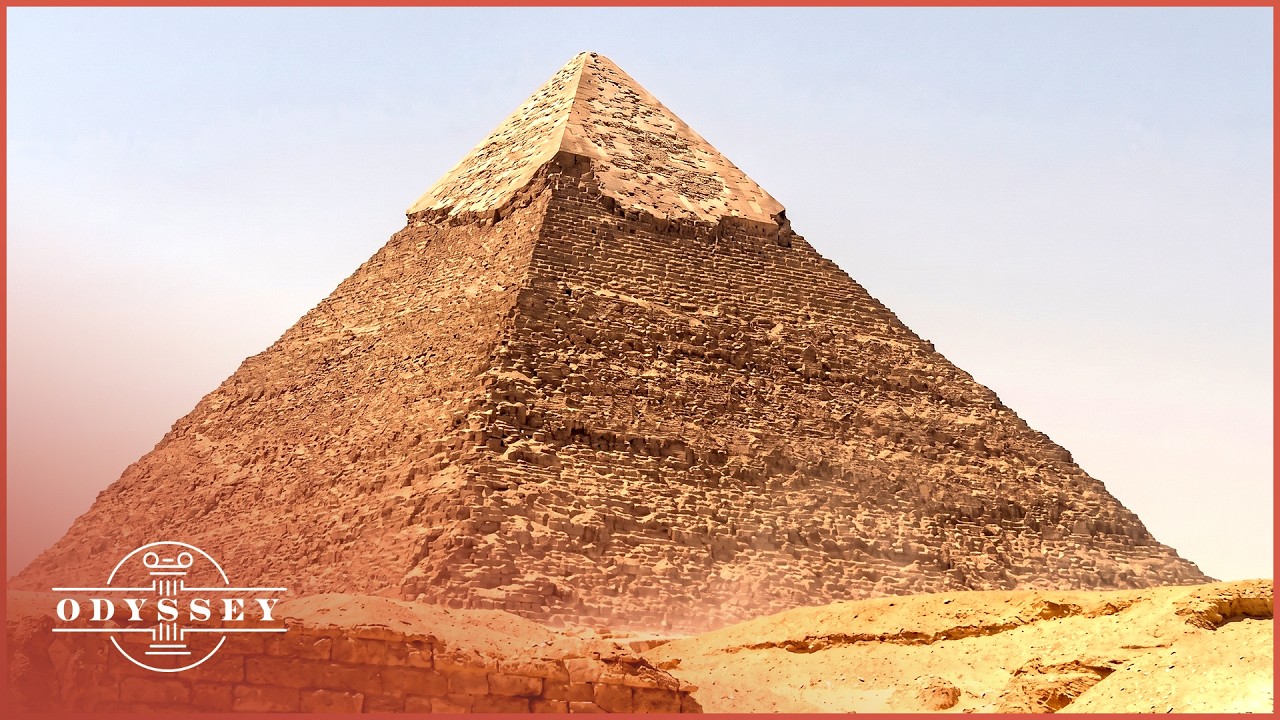
Khufu, the powerful pharaoh of Egypt’s Old Kingdom, orchestrated the construction of the Great Pyramid of Giza, a monumental achievement still studied today.
Ancient biblical feasts are examined through archaeological findings and modern culinary practices as Simcha Jacobovici shops in Jerusalem for biblical ingredients.
Hieroglyphs carved into the tombs of the Valley of the Kings may hold the key to understanding the ancient Egyptians' burial practices and beliefs.
Ancient cities reveal gladiator arenas, hidden tunnels, and barbarian strongholds that shaped some of history's fiercest battles in this marathon from Cities of the Underworld.
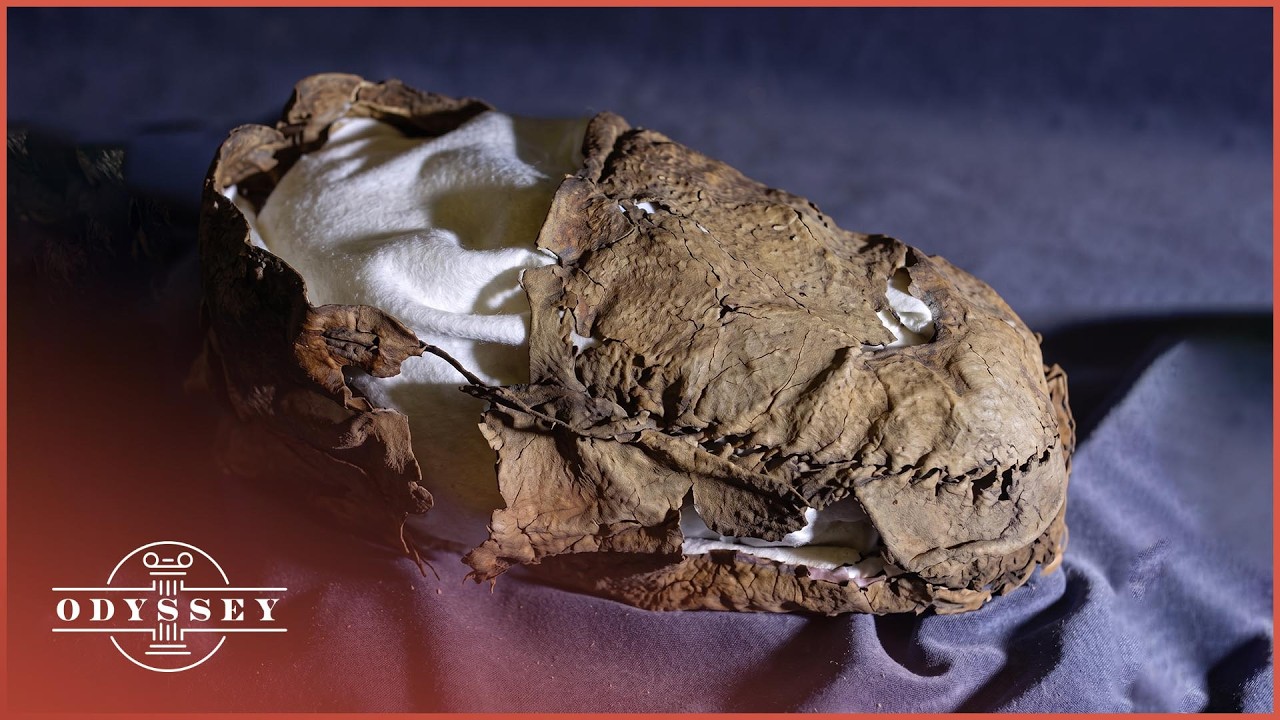
A South American mummy with visible wounds raises questions for the Mummy Research Team about the possibility of violent crime in ancient times.
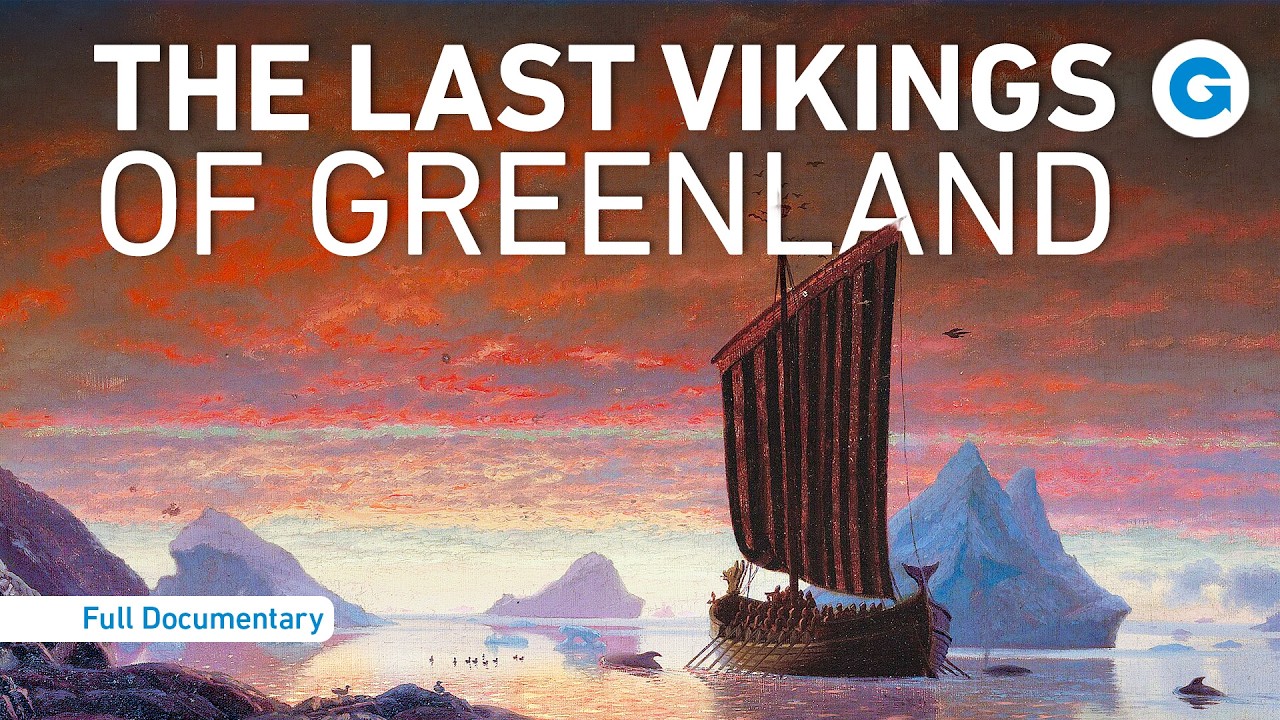
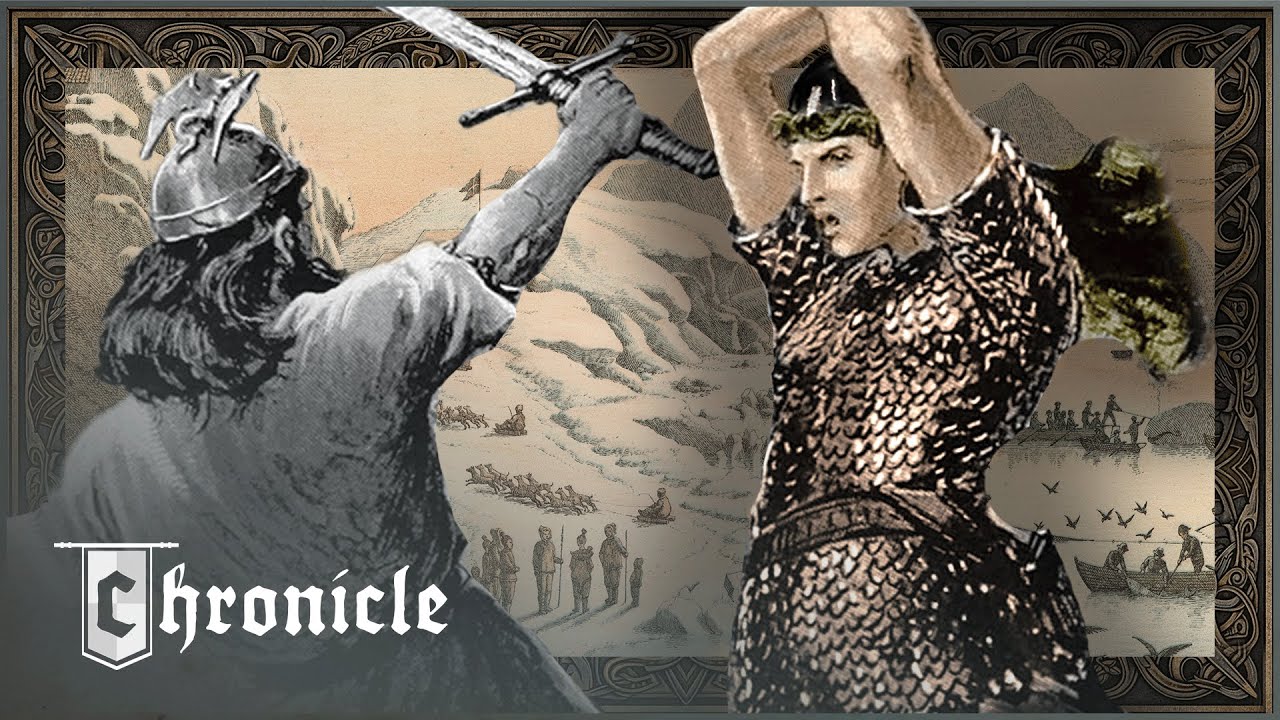
In 985 AD, Erik the Red led Vikings to establish two settlements in Southern Greenland, which thrived for centuries before mysteriously vanishing by the 15th century.
Archaeological research challenges the traditional view of prehistoric gender roles, revealing the significant contributions of women in ancient societies across various cultures.
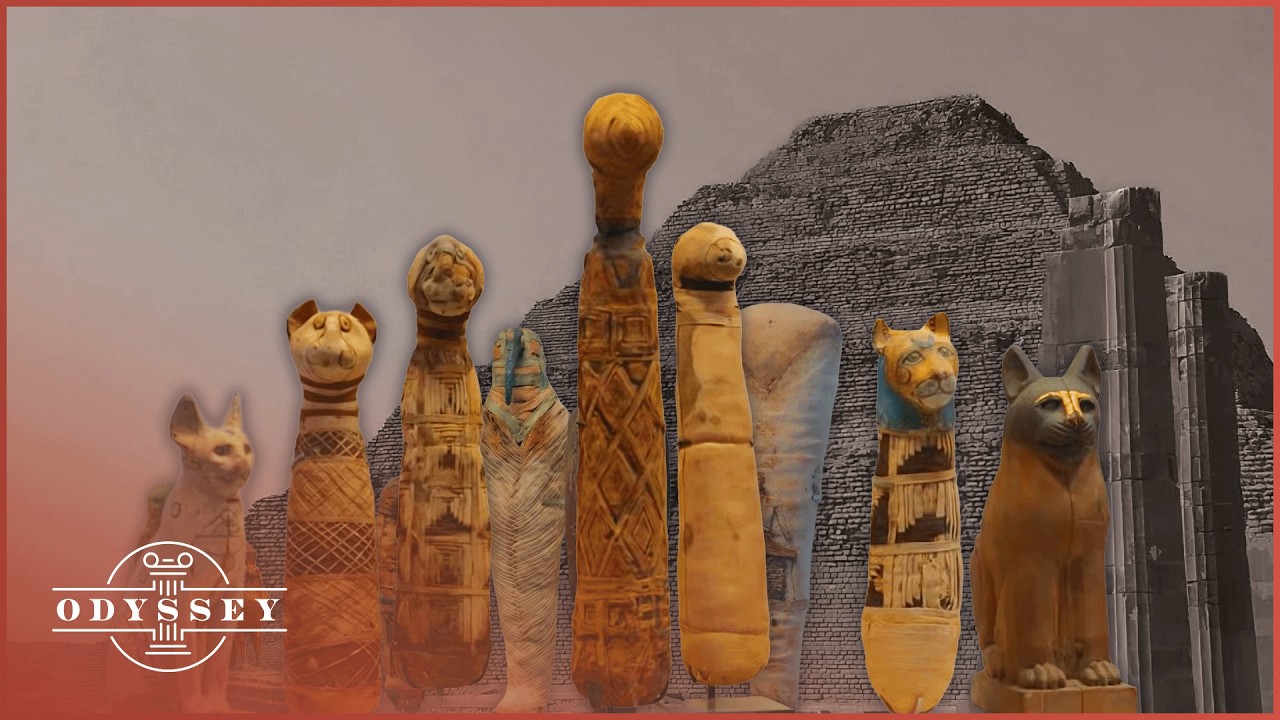
Djoser, an Old Kingdom pharaoh, commissioned the Step Pyramid at Saqqara around 2,650 BC, revolutionizing ancient Egyptian architecture with Imhotep's innovative designs.
Ancient Egyptian irrigation of the River Nile and modern plans to terraform Mars illustrate the critical link between agriculture and the development of civilization.
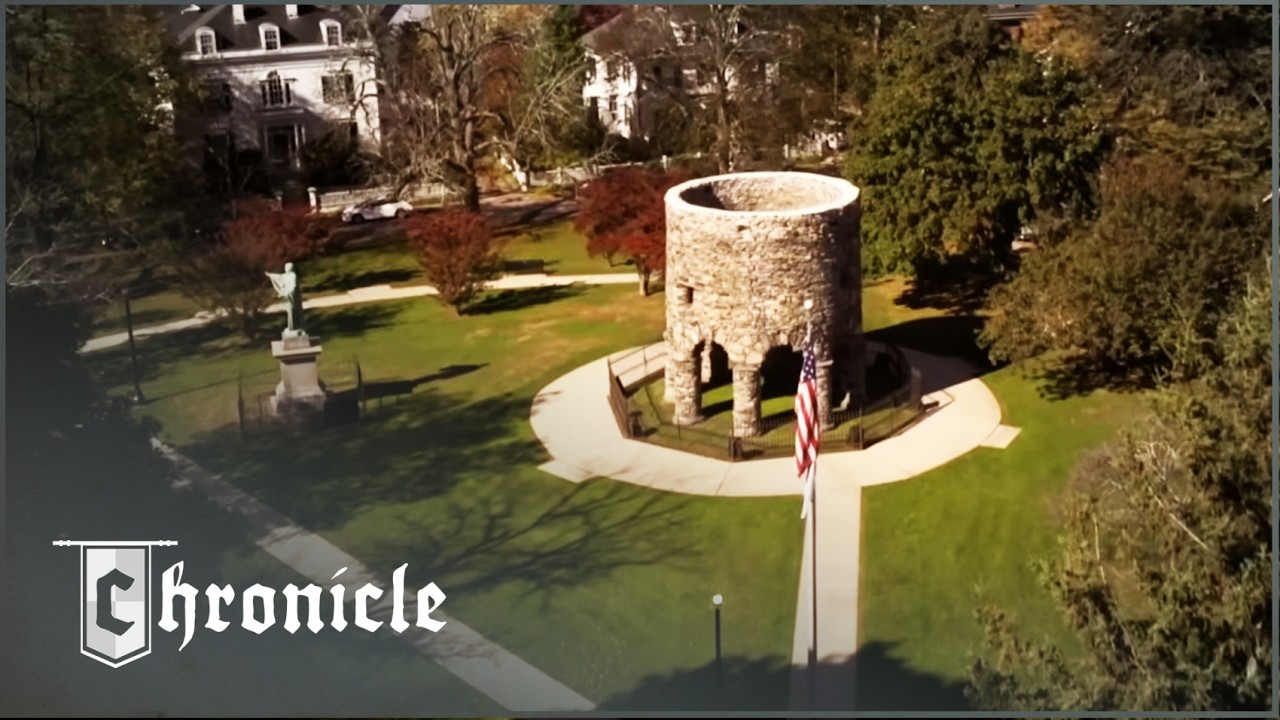
Scott Wolter investigates the Newport Tower in Rhode Island, exploring theories that the Knights Templar reached North America before Columbus.
Cleopatra’s Needle, a 3,500-year-old Egyptian obelisk commissioned by Pharaoh Thutmose III, was transported to New York through a significant engineering effort funded by the Vanderbilts.
Petra, the ancient city in southern Jordan, showcases the Nabataeans' advanced hydraulic engineering and architectural prowess in a harsh desert environment.
Jesus' crucifixion, the death of Neanderthal Shanidar 3, and their historical implications are examined through modern forensics and experimental archaeology.
Between 400 and 500 Canadian and British soldiers sought refuge in a newly discovered underground cavern near Vimy Ridge during World War I.
Ancient ice patches in the Yukon and Norway are revealing well-preserved artifacts and human remains, prompting archaeologists to collaborate with local communities.
Maryam Henein investigates the hypothesis that the Ark of the Covenant functioned as an ancient battery or capacitor.
Ancient civilizations, from Mesopotamia to Rome, established foundational structures that shaped the course of human history and governance.
Gough’s Cave in Cheddar Gorge is the site of significant archaeological research on "Cheddar Man," the oldest complete skeleton found in Britain, dating back nearly 10,000 years.
Ancient Egyptians achieved immortality through body preservation and names, with modern techniques like CT scans revealing insights into their burial practices and identities.
Britain's oldest towns, including sites from Roman settlements to the Industrial Revolution, are explored through their rich histories and cultural significance.
Chichén Itzá, a once-thriving Maya city in Mexico, showcases remarkable structures like El Caracol and El Castillo while exploring the reasons behind its sudden decline.
Beneath a man-made mountain in Shaanxi, China, lies the unopened tomb of Qin Shi Huang, guarded by 8,000 life-sized Terracotta Warriors.
In Georgia, the Track Rock site reveals architectural similarities to Mayan ruins, supported by forensic geologist Scott Walter's LiDAR technology and X-ray diffraction analysis.
Stacy Keach investigates the historical significance and mysteries of ancient Maya tombs and temples across Central America.
Human evolution highlights the development of language, art, and governance from Africa to the Americas, illustrating key milestones in societal complexity.
The looting of the Iraq Museum in 2003 resulted in the theft of thousands of invaluable artifacts, fueling a global black market for stolen antiquities.
A painting attributed to Willem de Kooning could be worth $500,000, but experts ultimately determine it is a forgery.
Viking women played a crucial role in society, as evidenced by archaeological findings from the Oseberg burial and their unique legal rights in Medieval Europe.
The Voynich Manuscript, housed at Yale's Beinecke Rare Book and Manuscript Library, remains undeciphered despite extensive analysis and speculation about its origins.
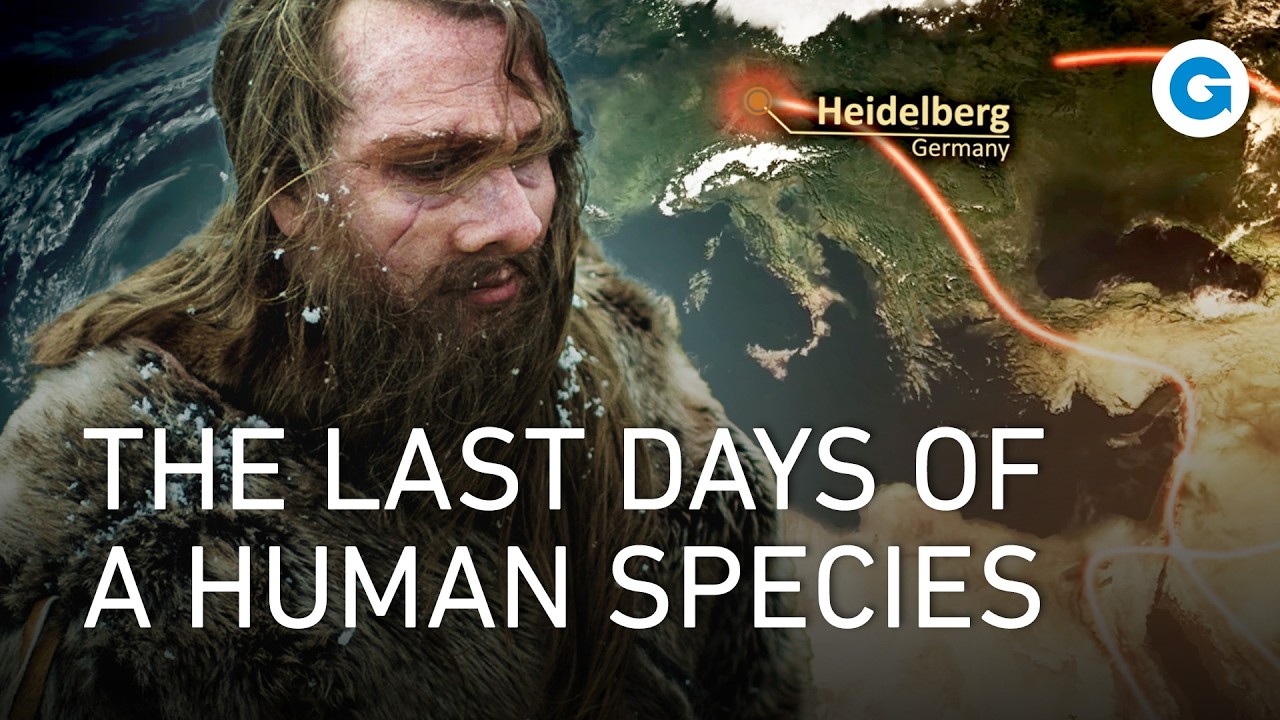
Neanderthals lived for 300,000 years, but they vanished from the Earth around 24,000 years ago, leaving behind clues in caves along the Mediterranean coast.
Tenochtitlan, the Aztec capital in modern-day Mexico City, showcases the civilization's religious practices, agricultural innovations, and cultural heritage.
In rural Ontario, a team of archaeologists led by Dr. Ron Williamson excavates the largest Huron Indian village, dating back to 1500-1530 A.D.
In Salme, Estonia, archaeologists excavate two 1,300-year-old Viking burial ships containing human remains and a wealth of grave goods, reshaping the understanding of Viking culture.
Controversial theories and suppressed historical events are examined through expert interviews and investigations, challenging established narratives about the past.
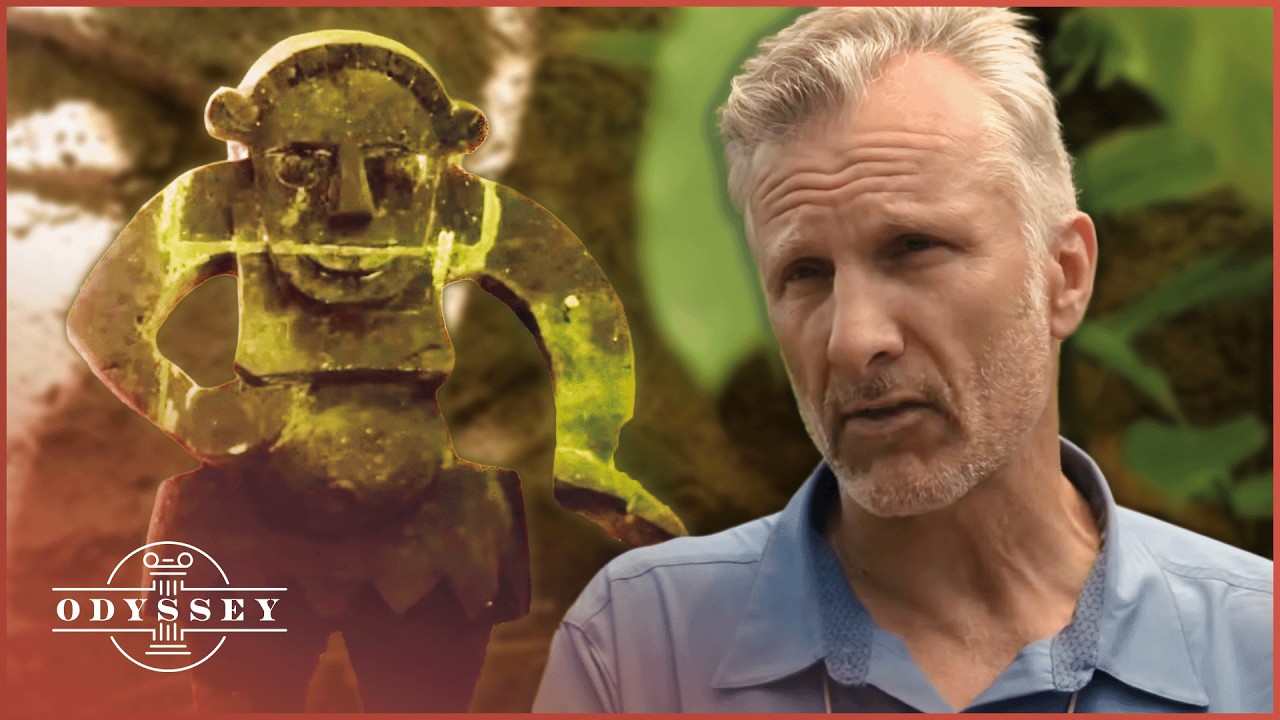
In Hawaii, forensic geologist Scott Walter investigates the legend of the Menehune, a race of "little people" believed to have built ancient stone structures.
Britain's transition from Roman rule to the rise of Anglo-Saxon kingdoms, Viking invasions, and the Norman Conquest is examined through historical figures and archaeological finds.
Scott Wolter investigates a 226kg boulder inscribed with a bull symbol, exploring its potential connection to ancient Egyptian human sacrifice rituals.
A 600-year-old Peruvian mummy, identified as a high-status warrior leader of the Chancay civilization, reveals insights through advanced forensic analysis.
Castros in Galicia, Spain, reveal a unique Celtic heritage through archaeological findings, including stone sculptures and pottery, alongside influences from Mediterranean cultures.
Machu Picchu, built by the Inca civilization in the 15th century, showcases advanced engineering with its intricate drainage systems and precise stonework at 2,400 meters above sea level.
261 meters deep, an international team of scientists searches the Black Sea for shipwrecks that may date back 3,000 years to ancient seafaring civilizations.