From over 100,000 films, discover the handful you'll love.
Free or premium access to the world's largest documentary library.
2305 films(Page 13 of 49)
In 1980, a bulldozer in Jerusalem revealed a first-century tomb containing ossuaries inscribed with names including Jesus son of Joseph and Mary Magdalene.
Alexander the Great's successful conquest of ancient Afghanistan is examined in the context of the region's historical resistance to foreign powers.
In Portsmouth, archaeologists investigate the remains of a medieval hospital on Governors Green, revealing insights into the city's historical landscape.
Palaeontologists in the Badlands reveal new insights into the T-Rex's power, speed, social behavior, and the possibility of feathers, challenging long-held beliefs.
The Draken Harald Hårfagre, a modern recreation of the largest Viking longship, showcases ancient shipbuilding techniques and aims to retrace Viking exploration routes.
Ancient traditions and unexplained phenomena at sacred sites around the world fuel theories of extraterrestrial influence throughout human history.
Machu Picchu, a UNESCO World Heritage Site in the Peruvian Andes, is examined through advanced technology to reveal its architectural significance and hidden history.
Japan's history includes the Jomon period, which dates back to 10,000 BC, when nomadic hunter-gatherers first inhabited the islands.
A Spanish monk named Avendano stumbled upon the ruins of Tikal in 1695, a city that had once ruled a vast empire of the Maya civilization.
A massive palace and urban dwellings in ancient Bactra, home to tens of thousands, lay undetected for over 2,000 years in Afghanistan's sacred River Valley.
Archaeologists in Lincolnshire have uncovered a previously unknown Anglo-Saxon cemetery, prompting Alice Roberts to explore significant archaeological sites across the UK.
An archaeological investigation at a site in England, partially beneath the Great Western Railway, seeks to determine the existence of a Roman villa and its mosaics.
In the English countryside, Time Team investigates a potential Roman villa, revealing insights into the living conditions of Roman Britons before the empire's decline.
New archaeological evidence suggests that the origins of the Vikings may date back earlier than previously believed, challenging established narratives of their history.
A budget of 25 million Euros is allocated for the restoration and preservation of the Colosseum's facade and interior.
Alexander the Great's conquest through the Persian Empire and into India is explored alongside the remnants of ancient civilizations that shaped this region.
Dr. Joanne Fletcher studies three mummies from Ancient Egypt, including one woman whose coffin is described as a "fantastic preservation" after 3,000 years.
In rural Devon, 97 baby skeletons and a Roman cult figure were found buried near the Thames, revealing insights into ancient burial practices.
A young Bedouin shepherd discovered the first Dead Sea Scrolls in 1947, leading to a frenzy of scroll hunting and the search for hidden treasures.
In the Yorkshire Dales, Chris and Barbara Bradley's farm reveals evidence of a medieval estate linked to Fountains Abbey, highlighting 1,000 years of agricultural history.
In Blythburgh, Suffolk, a family's discovery of human skulls in their potting shed leads Tony Robinson and Time Team to investigate a hidden 12th-century Norman priory.
Paleontologists explore the early discoveries of dinosaurs, examining fossil evidence and the scientific advancements that shaped our understanding of these ancient reptiles.
In Somerset, a 10.5-meter Ichthyosaur fossil, the largest ever found in Britain, is excavated alongside a Knights Hospitaller manor and an Anglo-Saxon cemetery.
An archaeological site in Britain, located beneath a major military training facility, faces potential destruction as Time Team works to secure its protection.
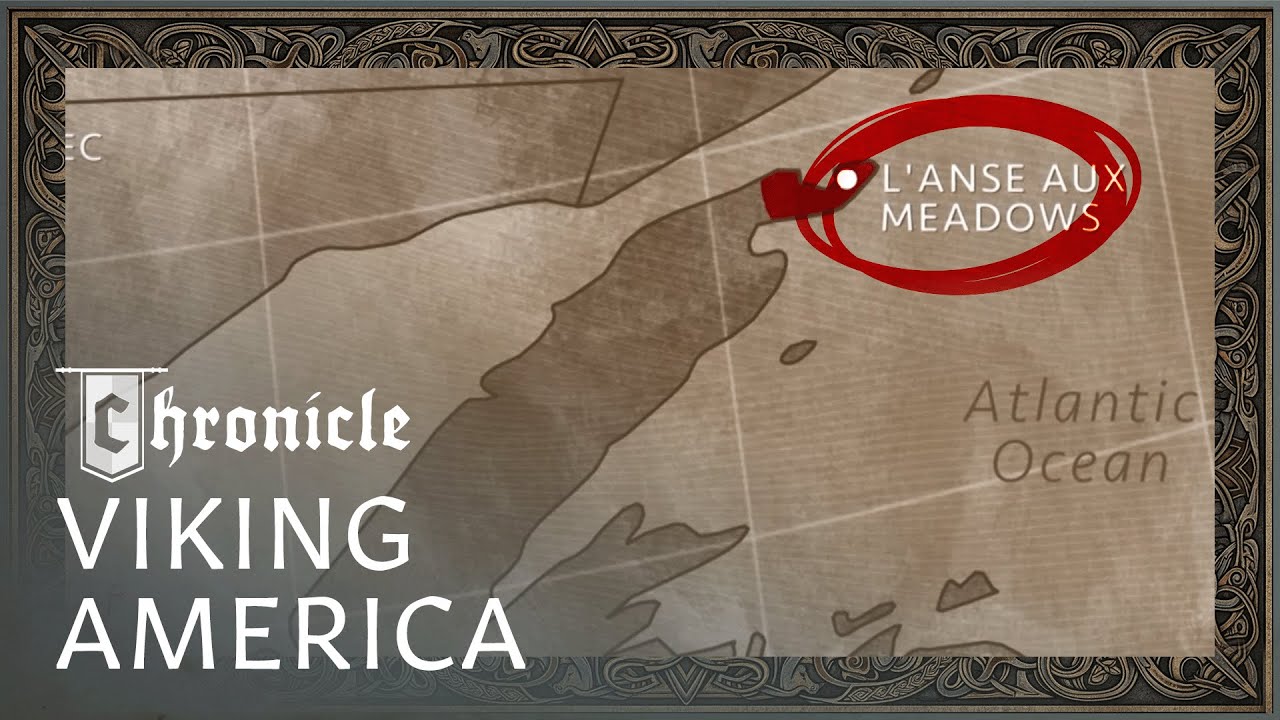
In 1021 AD, Vikings established a settlement at L'Anse aux Meadows, Newfoundland, and a modern expedition retraced their route to explore their potential reach in North America.
In Litlington, Time Team investigates a potentially significant Roman property, originally noted by a local vicar, to clarify the village's historical ties to its Roman past.
In Montana, Phil and Tony lead an expedition to search for dinosaur fossils, exploring both scientific research and commercial fossil sales.
Viking culture, characterized by skilled seafaring and warfare, shaped European history through extensive trade networks and the eventual integration into local societies.
Harold's Field in Wales, rumored to be the site of King Harold Godwinson's 11th-century hunting lodge, is excavated by Time Team with historians and archaeologists.
Iona Abbey, a historic monastery in Scotland, is examined by Alice Roberts and a team of archeologists for evidence of its significance as a pilgrimage site.
Mount Vesuvius's eruption in AD 79 devastated Pompeii and Herculaneum, with modern archaeology revealing new insights into the victims' final moments.
Tony and the Team investigate Roman building remnants in Bedford Purlieus Wood, Cambridgeshire.
The Time Team excavates Ribchester, Lancashire, revealing Roman military engineering from AD 100.
King Solomon and the Queen of Sheba are central figures in the exploration of the origins and existence of their legendary treasures and gold mines.
In 75 BCE, Spartacus rises from an enslaved gladiator to a formidable rebel leader, challenging the power of the Roman Empire and igniting a significant uprising.
Ancient Egypt's role in the biblical story of Exodus is examined through new excavations revealing a lost palace and temple reliefs from a prominent pharaoh.
In Canada's badlands, renowned paleontologist Dr. Philip J. Curry leads teams of experts as they excavate dinosaur fossils and investigate ancient mass extinctions.
Tony and the Team investigate ruins in Clipstone linked to Robin Hood and Bad King John.
Approximately 12 million tons of Allied shipping were sunk by German U-boats during World War I, significantly impacting naval warfare.
In 2015, a C-47 Skytrain that led the D-Day invasion was discovered in a scrapyard, prompting efforts to restore the historic aircraft for its return to flight.
The Trojan War, a pivotal event in ancient mythology, is examined for its historical accuracy and the blend of myth and reality surrounding it.
Orkney's Neolithic tombs, dating back 5,000 years, are explored through archaeological excavations that reveal insights into Scotland's prehistoric past.
During a season of excavations, archaeologists search for clues to Ramses II's success, including a temple believed to be the first built during his reign.
Ancient Roman Britain is examined through archaeological findings, including shipwrecks and evidence of invasions, revealing daily life during this historical period.
Oak Island, located off the coast of Nova Scotia, is the focus of ongoing investigations by brothers Marty and Rick Lagina as they seek buried treasure and explore its enduring mysteries.
King Arthur, a central figure in British mythology, is the focus of two men's quest to locate his bones while exploring legends of a lost gold mine and the Garden of Eden.
Dozens of human bones from at least 20 individuals, including seven newborns, were discovered in a cave in Derbyshire, dating back nearly 5,000 years.
A live cavalry reenactment involving 30 modern riders attempts to stage a Roman tournament that has not been seen for over 1,600 years.