From over 100,000 films, discover the handful you'll love.
Free or premium access to the world's largest documentary library.
2305 films(Page 20 of 49)
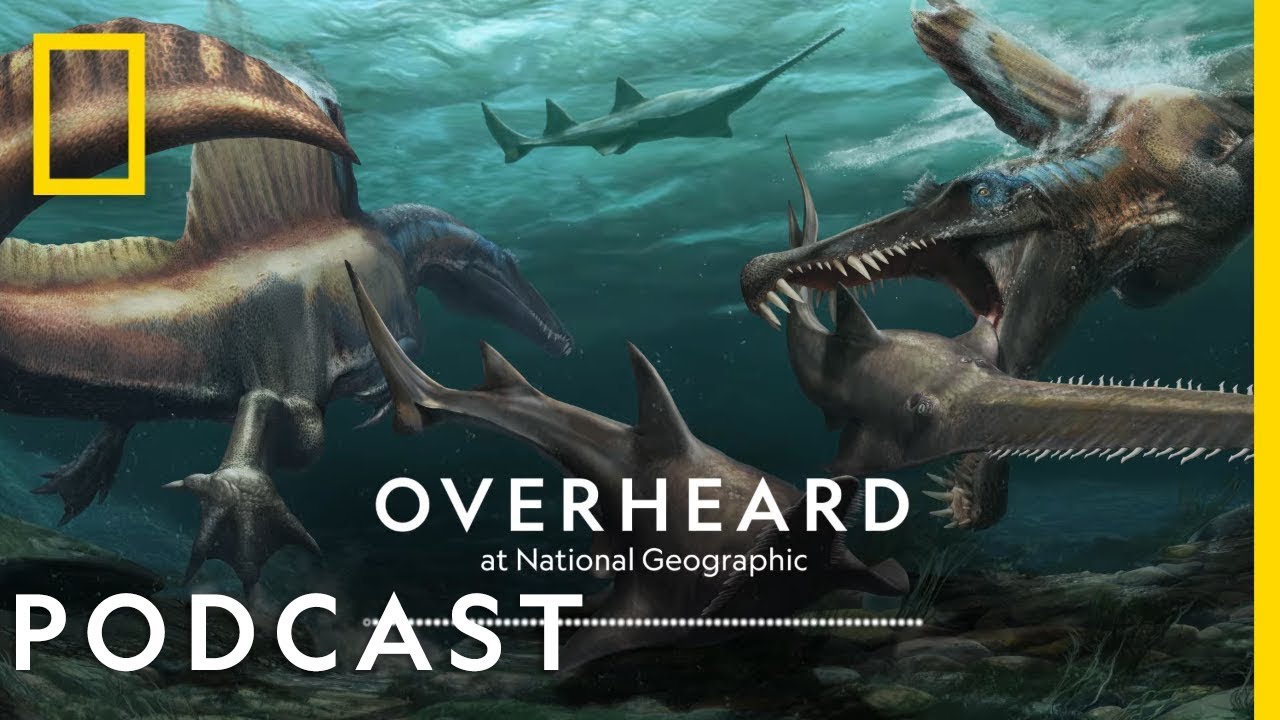
Only one known skeleton of Spinosaurus exists, discovered in 2013, but recent excavations in Morocco have revealed additional bones that could change its history.
Tony Robinson and Phil Harding explore America's dinosaur capitals, participating in digs with experts like Jack Horner and examining the lucrative dinosaur tourism industry.
2,834 constructions stand on the archaeological site of Bagan, which was the capital of the first Burmese empire from the 11th to the 13th century.
Phoenician culture, known for innovations like the alphabet and navigation, faces scrutiny over allegations of child sacrifice and the impact of Roman propaganda.
Moche culture, which thrived on the northern coast of Peru from 100 BC to 600 AD, is explored through the archaeological work of Walter Alva and recent discoveries.
At the end of World War II, Allied forces uncovered vast treasures hidden by Hermann Göring, prompting experts like Robert Edsell and James Holland to investigate the fate of these missing artifacts.
King Midas' tomb in Turkey is examined as scientists analyze the funeral feast and top chefs recreate ancient dishes and beverages, including a mysterious elixir.
Ancient accounts and scientific theories suggest a potential connection between extraterrestrial visitors and human DNA, raising questions about humanity's genetic origins.
Wu Zetian's reign as China's only female emperor is reexamined through archaeological findings that highlight her political acumen and the complexities of her rule.
In Ancient China, jade suits served as prestigious grave goods for the elite, symbolizing their status and beliefs about the afterlife.
This episode reveals how the Nile shaped Ancient Egypt and its lasting cultural legacy.
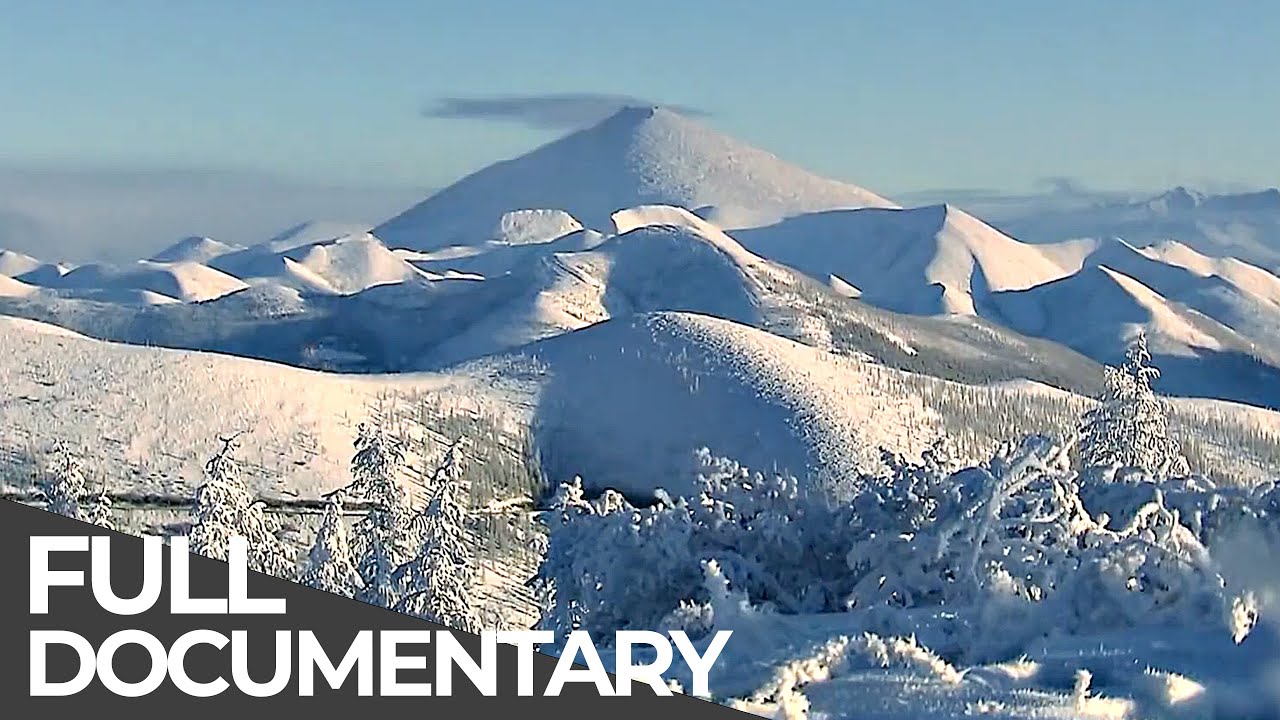
In Siberia, the harsh living conditions of the world's coldest inhabited place are examined alongside the mysteries of the San Bernardo mummies in Mexico.
Viking warriors, known for their craftsmanship and strategic prowess, are examined through new discoveries that challenge traditional views of their history and lifestyle.
At Richmond Castle, a community dig reveals medieval artifacts, World War I conscientious objector evidence, and a rare silver penny of William the Conqueror.
Hadrian's Wall, a monumental structure spanning 73 miles, was built starting in 122 AD to separate Roman Britain from the tribes to the north.
A skeleton found in the UK reveals evidence of syphilis, prompting forensic experts to apply advanced techniques to solve historical mysteries.
Antarctica's Transantarctic Mountains serve as the backdrop for scientists Dr. Nate Smith and Dr. Patty Ryberg's expeditions that reveal the continent's rich dinosaur history.
Cleopatra, Ancient Egypt's most renowned queen, remains a mystery as experts search for her lost tomb across the Egyptian landscape.
Gauls were a sophisticated civilization in ancient Europe, known for their advanced craftsmanship, trade networks, urban centers, and distinct cultural practices.
A 5,000-year-old book of magic, said to contain spells that can predict the future, is central to the quest for understanding its historical significance.
Ancient aliens are theorized to have left behind evidence of their presence on Earth, including advanced technology and construction techniques.
Ancient rock art in Utah, including the 'Tassel Martians' and dinosaur figure, is analyzed by archaeologists Paul Bahn and Jean-Loïc Le Quellec using advanced scientific techniques.
Beneath the streets of modern Paris lies Lutetia, an ancient Roman metropolis that reveals the city's historical depth and architectural legacy.
The Great Pyramid of Giza rises over 140 meters and serves as the final resting place of King Khufu, built more than 4,500 years ago.
Alexander the Great traveled almost 7,000 kilometers from Greece to the eastern borders of Afghanistan, revealing traces of a lost civilization along the River Oxus.
Archaeologists across Britain, from the Isle of Harris to York, are revealing the extensive influence of the Viking Empire through significant archaeological finds.
20,000 British soldiers died on the first day of the Battle of the Somme due to hidden German fortifications that withstood heavy bombardments.
In Istanbul, the ancient harbor of Theodosious, built during the reign of the last unified Roman Emperor, has been unearthed amid a billion-dollar transportation project.
William Shatner investigates ancient mysteries, including the "Star Child" skull, Peruvian Ica stones, and the Saqqara Bird, suggesting extraterrestrial connections.
Archaeologist Mike Pitts investigates the 3,000-year-old remains of a beheaded individual found in a shallow grave at Stonehenge.
In Newmarket, the birthplace of horseracing, archaeological excavations reveal the remains of Charles II's racing stables and his 17th-century palace.
In Lincolnshire, a lavish 7th-century cemetery reveals elite Anglo-Saxon burials, while the Harpole Treasure near Northampton showcases a noblewoman's gold cross.
Asia's extreme landscapes, from fiery volcanoes and vast deserts to ancient civilizations, reveal the continent's untamed beauty and hidden wonders.
The Hilazon, a rare crustacean, holds significant religious importance for Orthodox Jews due to its color intensity and the lost recipe for Royal Blue.
Ancient civilizations, from Mesopotamia to Rome, present a range of enigmas that continue to intrigue historians and archaeologists alike.
The National Archaeological Museum of Athens showcases artifacts such as Greek ships, Alexander the Great's armor, and ancient gadgets used for divination.
Hadrian's Wall, built in 122 AD, marks the northern edge of the Roman Empire and is central to understanding life on its frontier.
Vinland, the only known Norse settlement in North America, was authenticated at l'Anse aux Meadows in Newfoundland by Drs.
Mount Sinai's true location is explored through archaeological evidence and expert analysis, challenging long-held beliefs about the biblical site associated with Moses.
Maritime archaeologists have discovered a mysterious artifact on the sea floor off the coast of Sicily, linked to a naval battle that changed Ancient Rome's history.
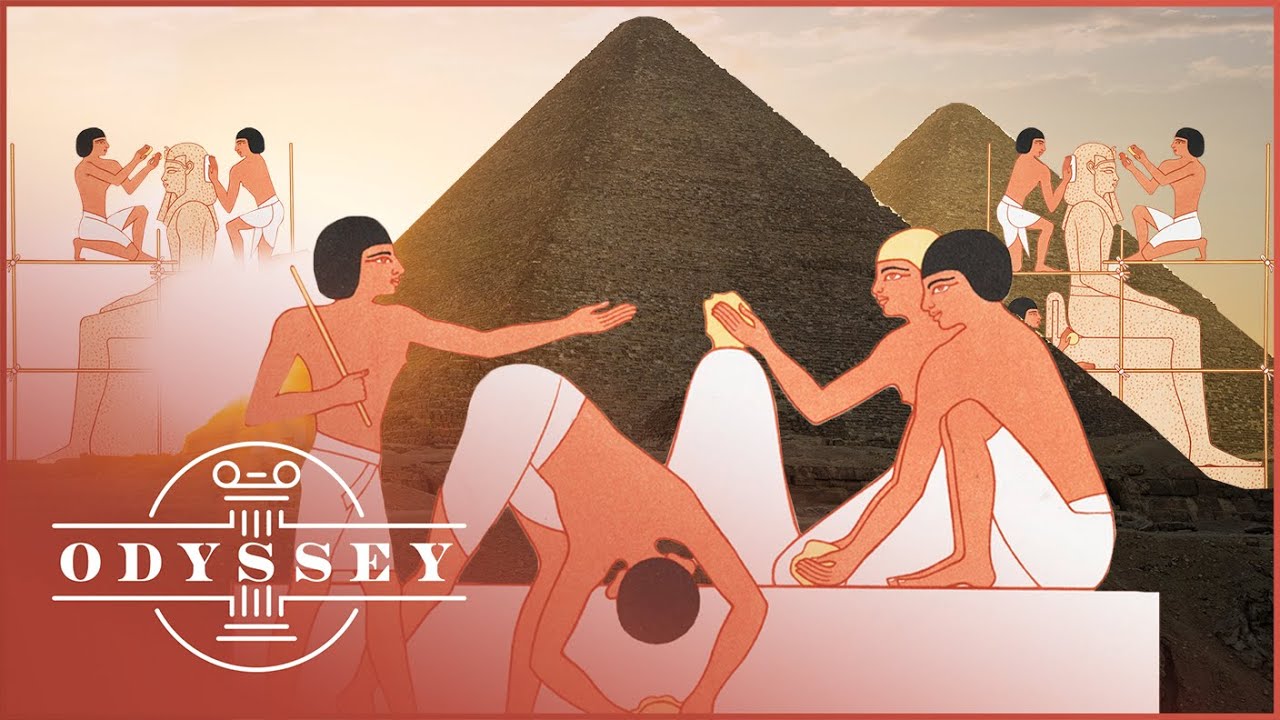
Ancient Egypt's pyramids, monumental achievements of engineering, are examined for their true origins and the labor force behind their construction.
Tristan Hughes explores South Shields Roman Fort and Corbridge, highlighting their significance as key sites near Hadrian's Wall in the Roman Empire.
In East Yorkshire, archaeological investigations reveal a previously unknown settlement that spans 6,000 years, highlighting the impact of the "Harrying of the North."
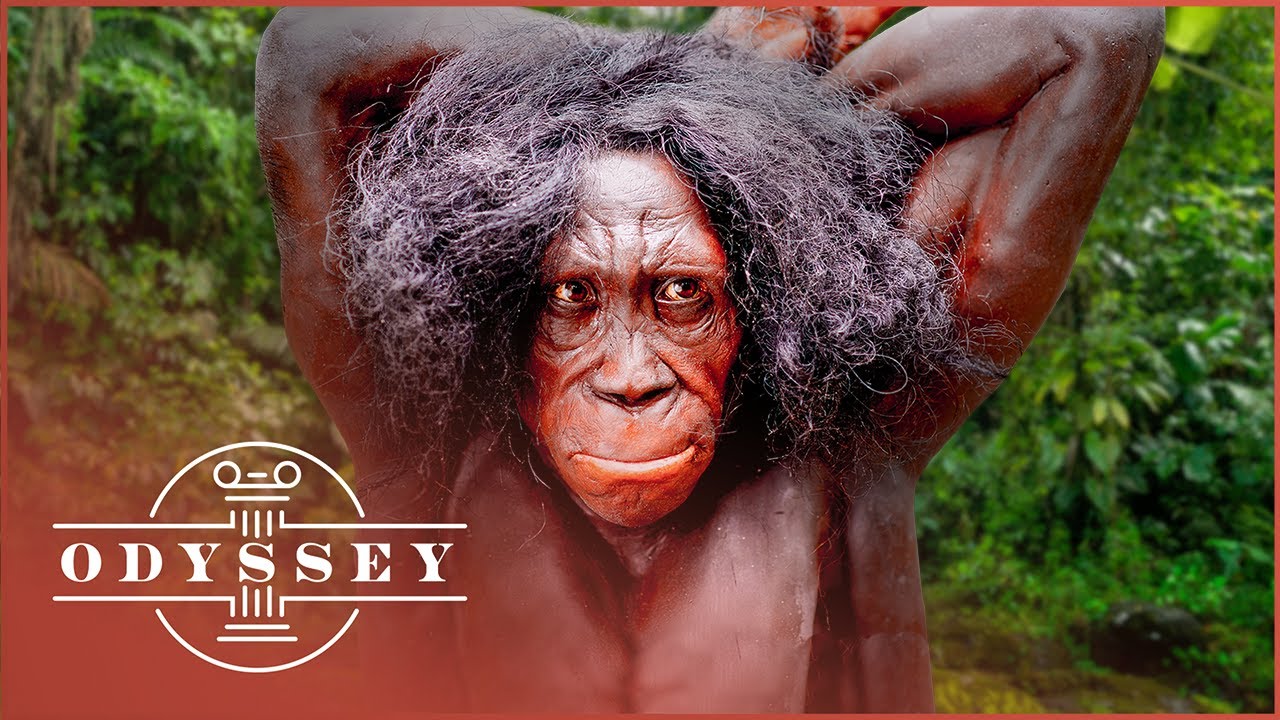
In 2000, the discovery of a pivotal fossil in Ethiopia provided new insights into the characteristics of early human ancestors and their evolution from apes.
In the 1960s, a multi-national alliance undertook an ambitious engineering project to relocate ancient Egyptian temples threatened by the Aswan High Dam.
A wreck measuring about 110 feet off the North Carolina coast may be the Ingomar, a yacht that vanished in 1931 under mysterious circumstances.
Ramesses II, known for his military conquests and monumental architecture, also married five of his daughters, shaping a unique dynastic legacy in ancient Egypt.
In 1819, Thomas Beale buried a treasure in Virginia worth tens of millions of dollars, leaving behind a coded message that remains unsolved.