From over 100,000 films, discover the handful you'll love.
Free or premium access to the world's largest documentary library.
2305 films(Page 12 of 49)
Excavations in Orkney and Devon reveal early Viking presence in Britain, highlighting cultural influences, Norse place names, and the St. Brice's Day Massacre.
A crannog built in the late 9th century was destroyed around 916 AD, serving as a base for a Welsh king in Llangorse Lake, Wales.
A 13-meter deep shaft discovered in Saqqara, Egypt, reveals an ancient embalmer's cachette used for mummification tools and vessels.
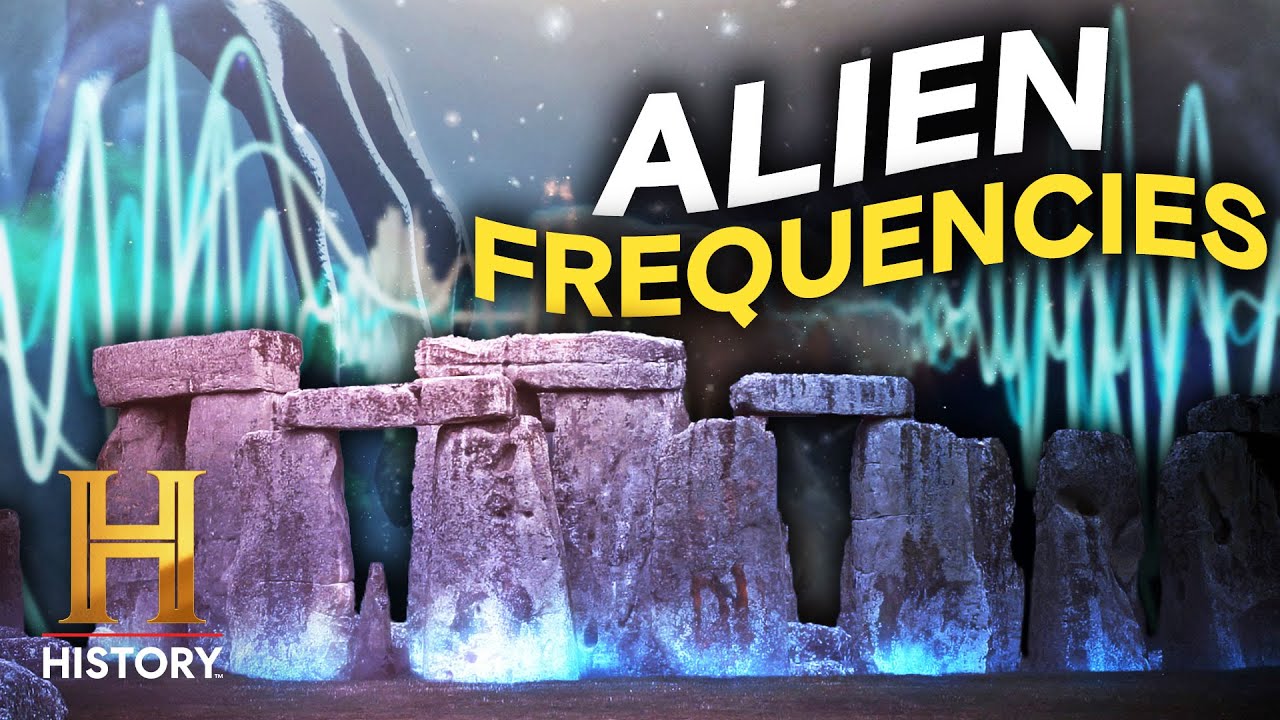
Hidden tunnels and caverns around the world are examined for evidence of extraterrestrial influence on human history in Season 2, Episode 4 of Ancient Aliens.
Archaeologists in Stoke Mandeville have revealed a Roman treasure trove beneath a Norman church, including life-sized stone busts and a glass urn.
A young man's skeleton shows he died from a weapon wound, revealing the violence of the Anglo-Saxon period after the Romans left Britain in 410 AD.
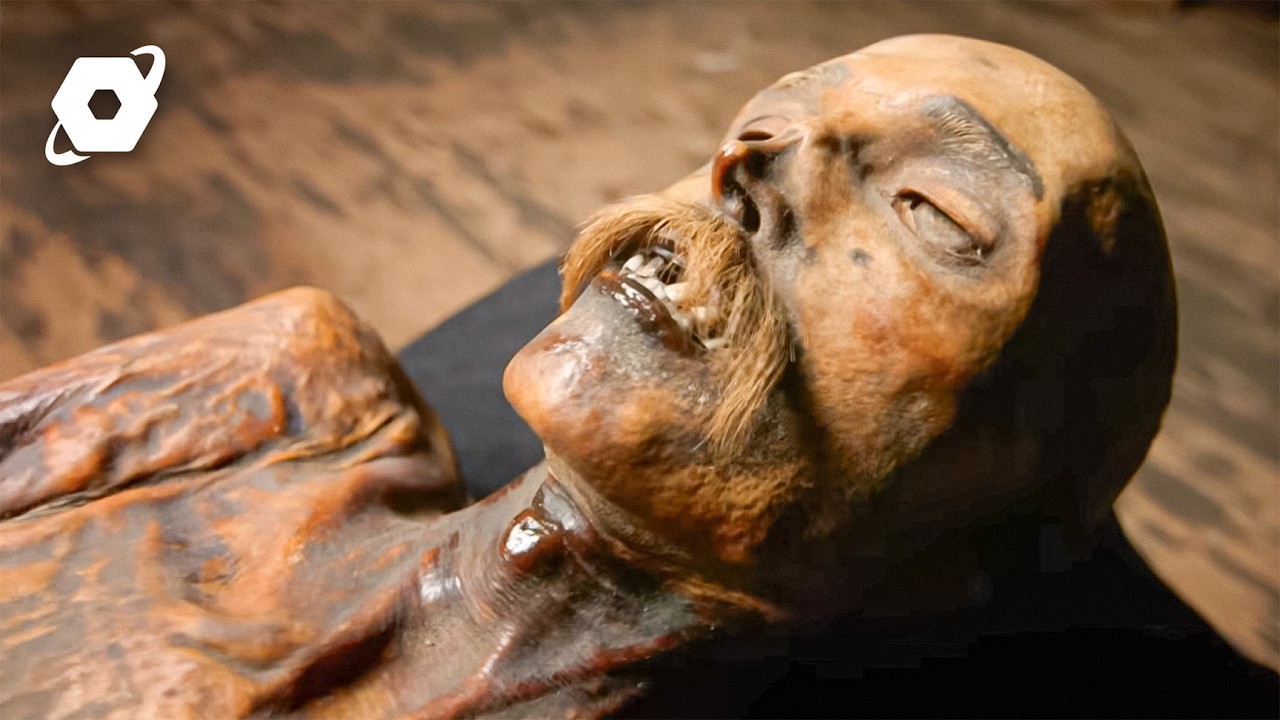
Ulla Lohmann documents the mummification of Gemtasu, a village elder, as part of a tradition that preserves ancestors in cliffside galleries.
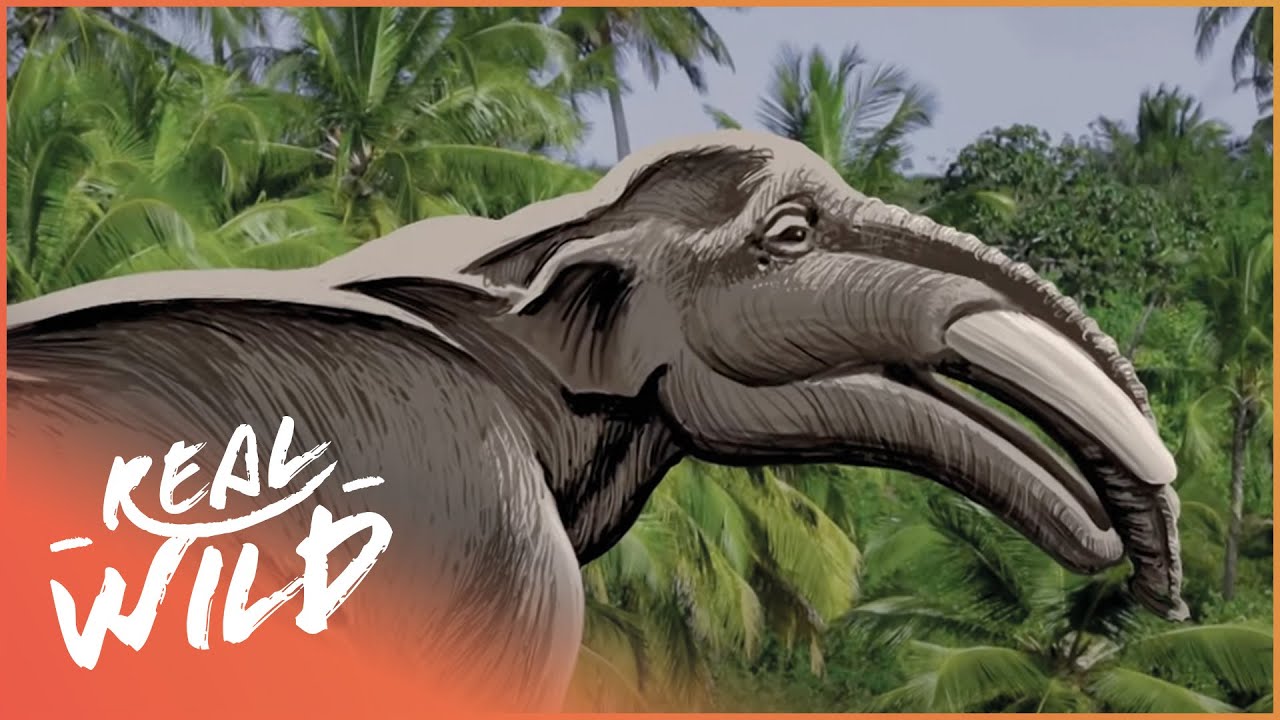
In south-central Nebraska, paleontologists explore ancient fossils, including a four-tusked elephant, revealing the region's rich prehistoric ecosystem.
Simcha Jacobovici investigates key questions about Jesus Christ, including his historical voyages and the authenticity of relics like the nails from the True Cross.
In the Malapa region of South Africa, Professor Lee Berger and his son unearthed fossils of a new ape-like species, shedding light on human evolution.
In the Money Pit area of Oak Island, Rick Lagina and his team encounter a surprising piece of concrete during a tense excavation.
In ancient Athens, archaeological investigations reveal the origins of democracy, highlighting early voting systems, civil strife, and the societal inequalities of the time.
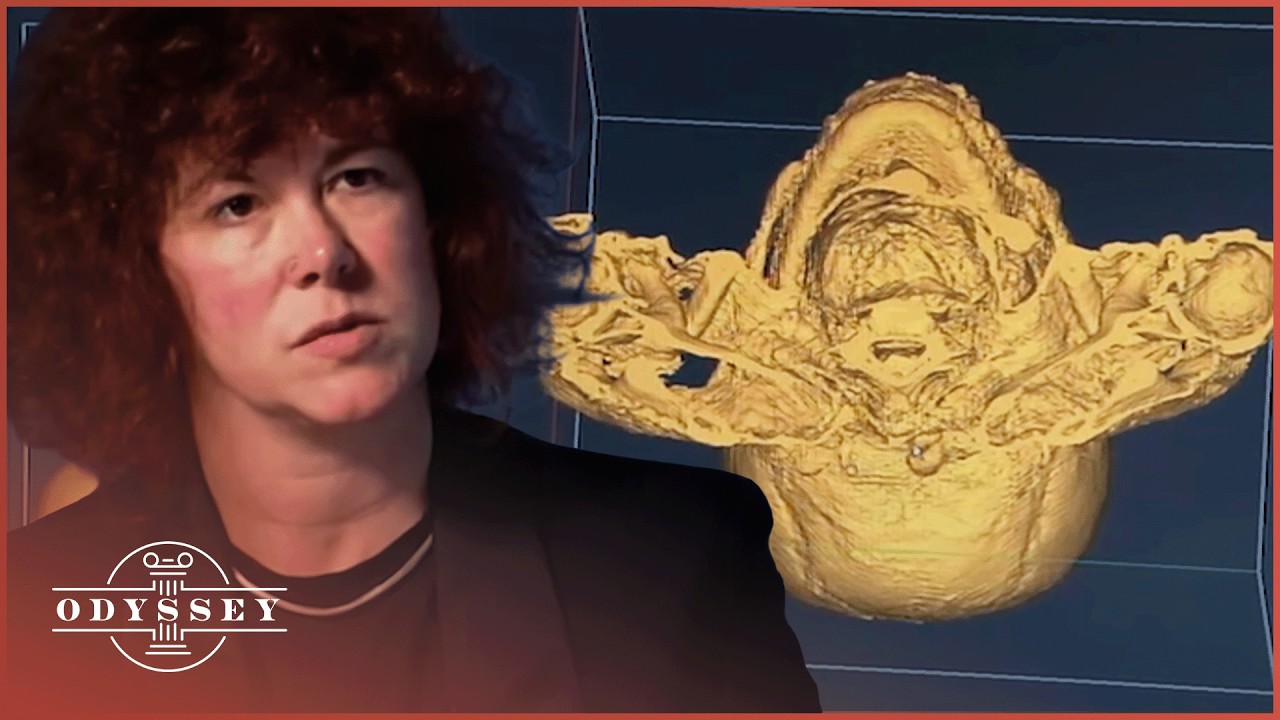
Dr Joann Fletcher and the Mummy Investigation Team at York University analyze a female mummy with a removed throat using X-ray and CT scans without opening the coffin.
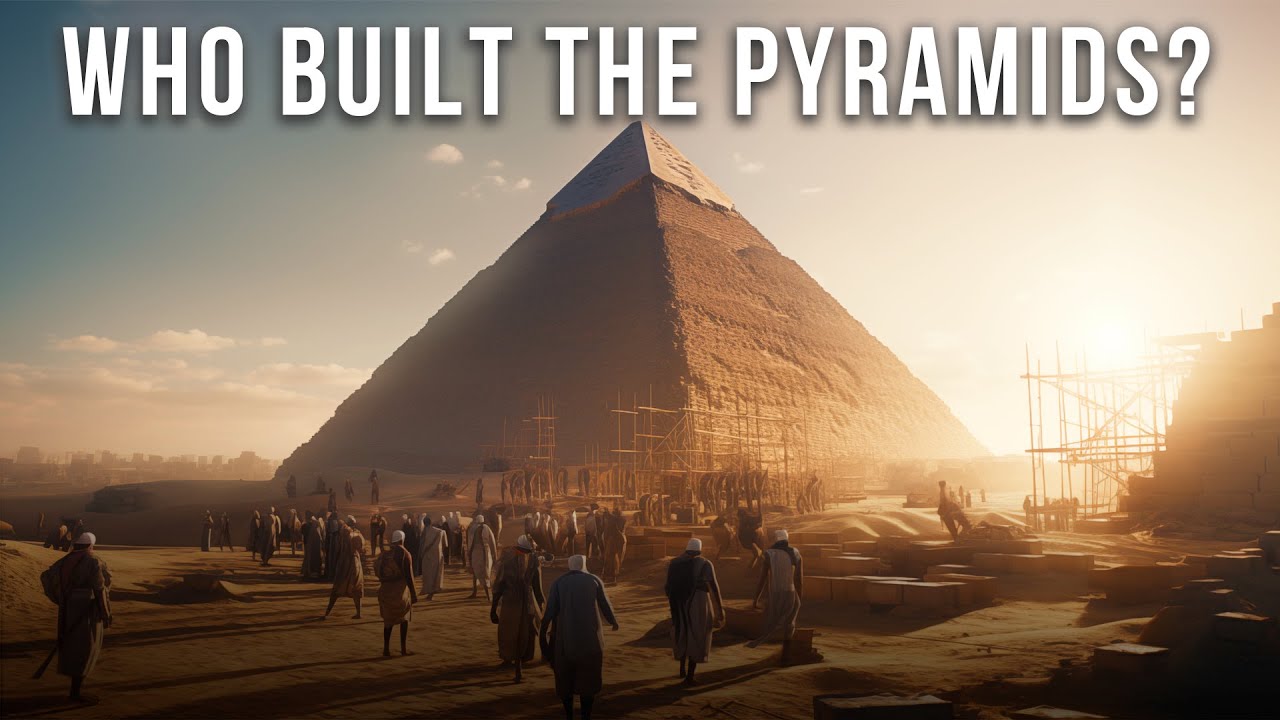
The Great Pyramid of Giza, built with 2.3 million stone blocks, weighs nearly six million tons and was the tallest building on Earth for 3,800 years.
A 130-year-old mummy found in the American West reveals insights into crime, justice, and survival, potentially linked to an outlaw's identity.
In July 1361, an invasion force led by King Valdemar II of Denmark landed on Gotland's West Coast, pillaging farms and villages on its march to Visby.
Simcha Jacobovici employs ground-penetrating radar and robotic cameras to investigate a 1st century tomb in Jerusalem, revealing significant archaeological findings.
More than 7,000 skeletons were found in the Hal-Saflieni Hypogeum, a prehistoric burial site in Malta dating back about 6,000 years.
Ancient Egypt's mysteries are explored through the insights of archaeologist Miriam Cooke and Egyptologist Dominic Montserrat, focusing on Tutankhamun's tomb and the pyramids of Giza.
Akhenaten, the heretic Pharaoh of Ancient Egypt, faced the erasure of his legacy, prompting investigations into the whereabouts of his lost tomb and body.
In Standish, Gloucestershire, archaeological finds such as Roman brooches and coins suggest the existence of a nearby villa that remains undiscovered.
Hidden beneath Oak Island, a series of secret stone structures and features may provide clues about their builders and the purpose behind their construction.
The eruption of Mount Vesuvius on 24 August 79 AD is reconstructed hour by hour using the latest evidence from volcanology.
Around 180,000 soldiers died on the icy front of the Alps during World War I, where melting glaciers now reveal artifacts from that brutal conflict.
Caerleon, a renowned Roman fort in South Wales, is examined by Tony and a Cardiff University team to reveal its significance beyond a military outpost.
In Northamptonshire, Morris and Pat Jones unearthed an Anglo-Saxon skeleton, complete with a knife, ceremonial pottery, and a valuable buckle, while digging in their garden.
In Jerusalem, five extraordinary artifacts from the Israel Museum provide new insights into Roman crucifixion and biblical history.
Ancient biblical sites in Greece, narrated by David Suchet and featuring historian Dr. Michael Scott, highlight the historical context of early Christianity.
Castleford, a Yorkshire mining town, is investigated for its potential significance as one of Roman Britain's most important settlements and the treasures it may hold.
Antarctica's prehistoric past reveals a lush, forested continent during the early Jurassic period, home to unique dinosaurs like Cryolophosaurus and Glacialisaurus.
In 1942, the Vemork Power Plant in Norway produced 1,000 kilos of heavy water, a crucial component in Nazi Germany's nuclear ambitions.
Tutankhamun died around 1324 BCE after only a decade on the throne, and his tomb contained lavish gold and grave goods.
At the Military Intelligence base in Chicksands, archaeologists investigate a 13th-century Gilbertine monastery, revealing medieval structures and the nuns' Cloister.
Ffrith, a village in North Wales, is examined for potential remnants of a Roman mining town, with archaeologist Chris Martin and historian David Mason leading the excavation.
Thirty-two vessels were lost in Alaska's frigid waters over the span of one week, revealing the dangers faced by early explorers.
Spain's 1588 attempt to conquer England through the Spanish Armada failed, revealing how English forces appropriated naval technology to expand their empire.
Some stones at Sacsayhuamán weigh as much as 125 tons and were moved from a quarry at least three miles away.
A mass animal grave, created during the 2001 foot and mouth outbreak in the UK, reveals evidence of a potentially significant Iron Age settlement.
In Cambridgeshire, a 3,000-year-old Bronze Age village reveals insights into ancient home design, food storage, and community life.
In Gloucestershire, Time Team investigates one of the largest Roman villas in Britain, revealing insights into the luxurious lifestyles of the elite.
Amenhotep III's reign is examined through the construction of the Colossi of Memnon and the lives of workers involved in the Valley of the Kings project.
Surviving sections of Nero's Golden House are buried up to 13 feet deep, posing a risk of collapse as archaeologists work to preserve its remains.
Marty and Rick Lagina continue their investigation of the buried treasure mystery on Oak Island, Nova Scotia, revealing new artifacts and clues.
Temple Mount, a sacred site for Jews, Christians, and Muslims, is examined through archaeological findings that illuminate its historical significance and ongoing conflicts.
August Gisler spent 17 years searching for pirate treasure on Cocos Island, a place shrouded in myth and rumored to hold millions in gold and jewels.
85 massive stones, some weighing more than 40 tons, form Stonehenge, a prehistoric monument in England that dates back to around 3000 BC.
Ivan the Terrible's secret library, hidden beneath the Kremlin, becomes the focus of a 20th-century archaeologist's perilous quest amid Stalin's regime.
Atlantis, described by Plato 2,500 years ago, is believed to have sunk into the ocean 12,000 years ago, sparking ongoing debates about its existence.