From over 100,000 films, discover the handful you'll love.
Free or premium access to the world's largest documentary library.
2305 films(Page 34 of 49)
Chichen Itza and Uxmal, two prominent Mayan cities in Mexico, showcase remarkable architecture and rich cultural heritage from ancient civilizations.
24,000 years ago, Neanderthals thrived in Gibraltar, a stronghold where their population persisted longer than anywhere else in Europe.
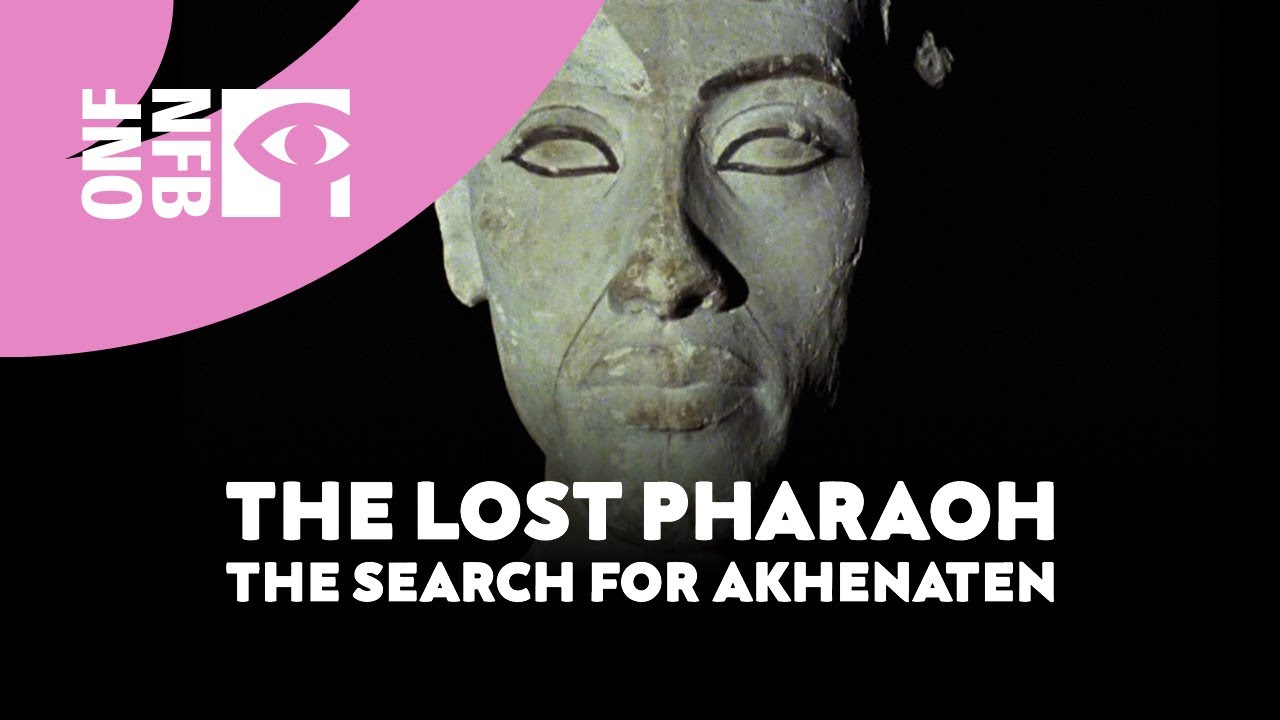
Ancient pharaoh Akhenaten's legacy is explored through the archaeological work of Dr.
A 65-kilometer drive across ice leads to Mawson's Huts, a historic base camp from the 1911-1914 Australasian Antarctic Expedition.
Ancient Mesoamerican and Andean cultures, including Teotihuacan and Tiwanaku, revered the Sun, a practice reflected in modern education in Bogotá and advanced astronomy in the Canary Islands.
A massacre at a Swedish fortified castle, the brutal execution of a man from Eisenberg, and the mysterious death of Tutankhamun raise questions about historical violence.
Nearly 3,000 years ago, the Kelts emerged as a dominant civilization in northwest Europe, mastering iron and influencing the arts that persist today.
In Cornwall, a group of explorers investigates the region's forgotten mines, highlighting themes of community and self-discovery amidst their adventure.
Tikal, an ancient metropolis in Guatemala, showcases advanced engineering and astronomical knowledge but ultimately succumbed to a devastating drought that led to its collapse.
Inside the restricted vaults of the Smithsonian Institution, ancient artifacts reveal the connections between historical advancements and modern society.
After Alexander the Great's death, a fierce power struggle ensued over his empire and the mystery of his mummified remains, potentially hidden in Alexandria.
Excavations at Masada reveal the tragic fate of Jewish rebels during the Roman siege in 74 AD, highlighting the brutal efficiency of Roman warfare techniques.
Tutankhamun's final 100 days are examined, revealing his daily life, the panic following his sudden death, and the discovery of his gold-filled tomb.
Jerusalem's sacred sites, including the Western Wall and the Dome of the Rock, are examined for their historical significance and cultural heritage.
Rocks shaped the architectural achievements of ancient civilizations, influencing the construction of Egypt's pyramids, Greece's Parthenon, and Rome's Colosseum.
Easter Island's Rapa Nui people constructed nearly 900 moai statues between the 13th and 17th centuries, showcasing advanced engineering techniques and cultural heritage.
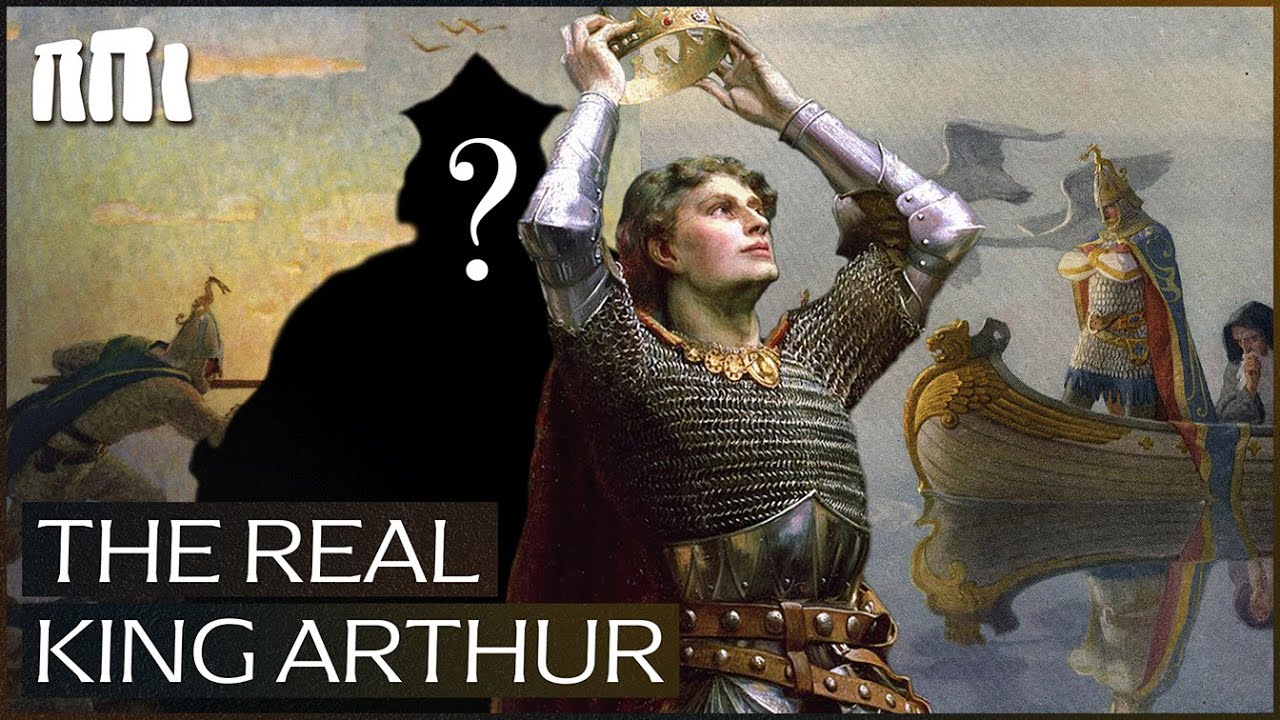
The legend of King Arthur, rooted in a 6th-century Romano-British warlord, evolved through Geoffrey of Monmouth's 12th-century writings and archaeological evidence.
Ancient civilizations, from the dawn of Mesopotamia to the fall of Rome, shaped the foundations of power in a world influenced by nature's dual role.
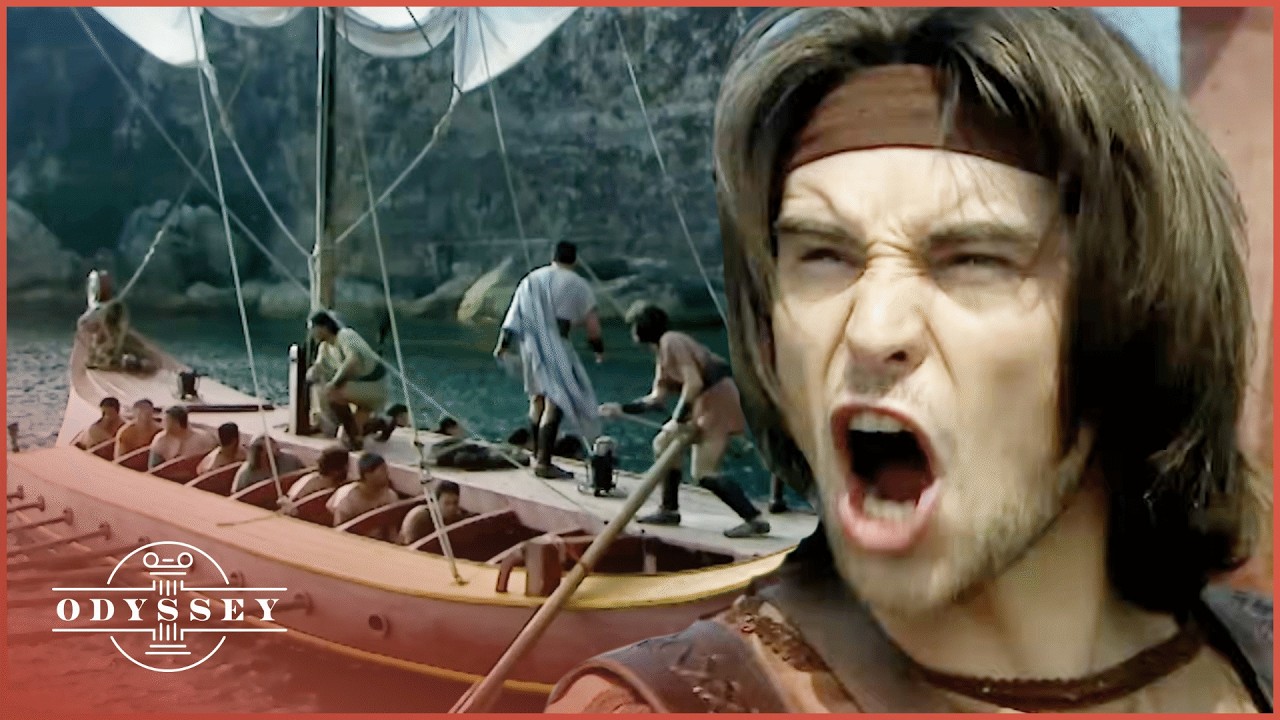
The legend of Jason and the Argonauts is examined for its historical accuracy, exploring the quest for the Golden Fleece through dramatic reconstructions.
The Kingdom of Kongo, an influential African Empire along the Atlantic Ocean, thrived a century before the 15th century and is explored in this historical documentary.
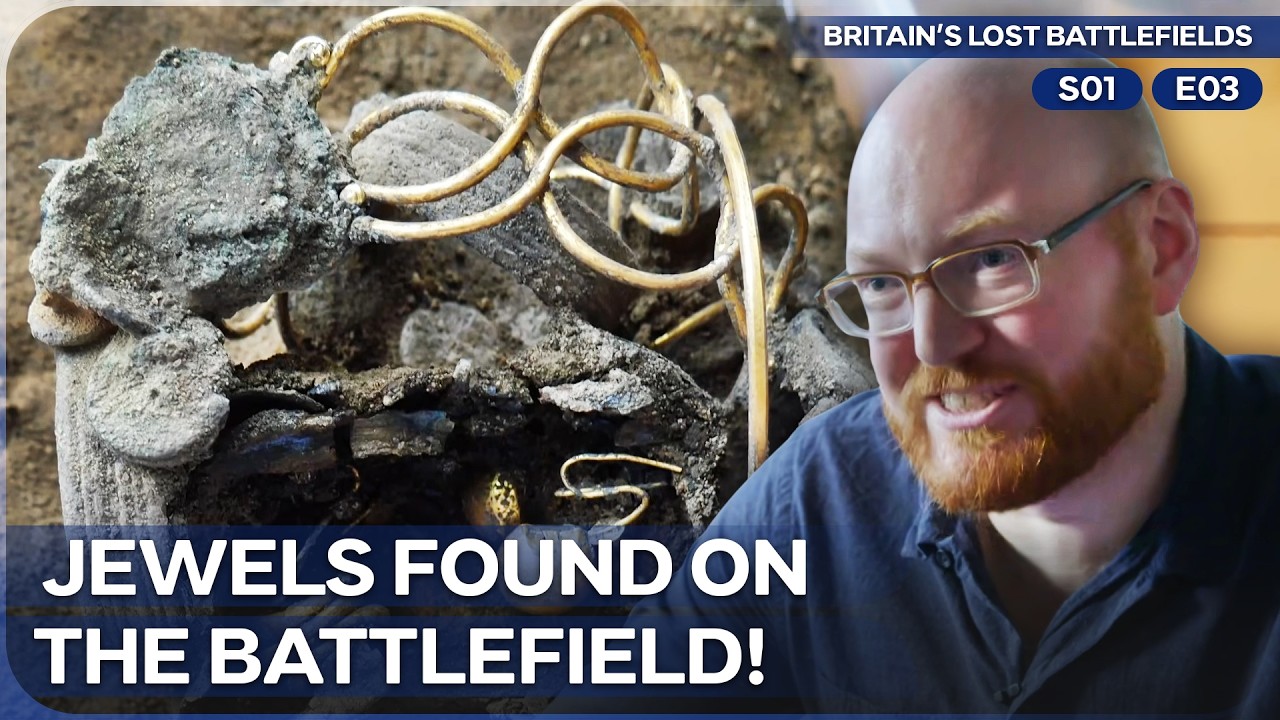
The Battle of Watling Street, fought around 61 AD, marked a bloody clash between the Roman army and Celtic tribes in central England.
The collapse of the Roman Empire is examined through the interplay of military victories, administrative efficiency, and societal decadence in this documentary.
The Lady of Cao, the first known female ruler of pre-Columbian Peru, governed the Chicama valley around 1700 years ago, as revealed through archaeological interviews and historical recreations.
Bibracte, an ancient fortress city in Burgundy, France, reveals the advanced engineering of the Aedui tribe through archaeological studies and LIDAR technology.
Lee Hart and Sonia Gray trace their DNA from Ireland to Zimbabwe, revealing ancestral connections that date back to the Stone Age.
In the Alps, salt mining transformed a village into one of Europe's wealthiest centers 2,000 years ago, highlighting the life of "The Salt Princess" and the harsh conditions faced by miners.
The Tollund Man, a 2,400-year-old bog body discovered in Denmark, is re-examined by a homicide detective and a geneticist to investigate his ritualistic death.
The geological evolution of the European continent is traced from its fiery beginnings to the lush Carboniferous forests, highlighting tectonic shifts and mass extinctions.
Ancient myths and legends, including the Beast of Gévaudan, werewolves, Pharaoh's Curse, and the lost city of Atlantis, are examined through modern archaeological and scientific perspectives.
Scott Wolter investigates the potential connections between the megalithic site in New Hampshire and the Phoenicians, suggesting America may have its own Stonehenge.
Petra, the ancient city in Jordan, is examined through controversial theories and archaeological anomalies that challenge established historical narratives.
Two ancient tombs in Jerusalem are investigated by filmmaker Simcha Yakobovich and his team, who use a robot to explore a sealed tomb linked to the "Jesus family tomb."
Experts from various fields, including archaeology and astrophysics, provide new insights into the historical significance and mysteries surrounding the Bayeux Tapestry.
New archaeological findings suggest that the legendary Trojan horse may not have been a horse at all, prompting a reevaluation of this iconic myth.
In medieval England, forensic archaeologists use advanced techniques to analyze the remains of an African man, revealing insights into his identity and life.
Alaska's secret pyramid is examined alongside global alien archaeology through insights from experts like Linda Moulton Howe and Richard C. Hoagland.
The inaugural episode features a discussion about the original signed Declaration of Independence and its portrayal in the 2004 film National Treasure.
Qin Shi Huangdi's reign marked the unification of China's warring states, revealing the human cost of monumental projects like the Great Wall and the mysteries of his tomb.
Forensic archaeology experts in the UK utilize DNA analysis and isotopic testing to examine human remains, revealing identities and historical narratives from ancient burials.
Archaeologists and weapons experts examine the historical significance of England's lost king, whose remains were found beneath a car park in Leicester.
Archaeologist Richard Miles examines the historical significance and authenticity of the Holy Nails, exploring their impact on biblical archaeology over 2,000 years.
In Burgundy, the Cluny Abbey, built by medieval monks, was the largest church of its time, showcasing innovative architecture that influenced Gothic design across Europe.
In the Egyptian desert, archaeologists investigate the mysterious disappearance of King Cambyses' army of 50,000 men over 2,500 years ago.
Federal penitentiary inmate case files at the National Archives provide unique biographical details for genealogical research, covering records from Alcatraz to Atlanta.
Wooden posts arranged in large circles across Central Europe are analyzed by archaeologists employing high-tech methods to reveal their historical significance.
In 1314, an estimated 8,000 Scots faced an English army of at least 12,000 men at the Battle of Bannockburn, a key conflict in Scotland's fight for independence.
Historic locations across the UK, including royal palaces and ancient estates, reveal hidden rooms and artifacts through the expertise of archaeologists and historians.
In Pompeii, Matera, Cremona, and Venice, restoration efforts highlight Italy's commitment to preserving its ancient architectural heritage against the ravages of time.