From over 100,000 films, discover the handful you'll love.
Free or premium access to the world's largest documentary library.
2305 films(Page 47 of 49)
Three locations in Turkey and Armenia have reported the discovery of unusually large human remains, raising questions about ancient folklore and history.
Prehistoric fossils may have influenced the creation of mythical monsters, as explored through various legends and the work of paleoartists like Julio Lacerda and Ceri Thomas.
In the Peruvian Andes, the Chachapoya civilization, known as the 'Warriors of the Clouds,' is explored through recent archaeological and genetic findings that illuminate their legacy.
In 2003, a nearly complete mammaliaform fossil found in a Chinese lakebed revealed insights into the diversification and extinction of Mesozoic mammals.
The Clotilda, measuring 86 feet long and 23 feet wide, was the last American slave ship to illegally transport enslaved Africans to Alabama in 1860.
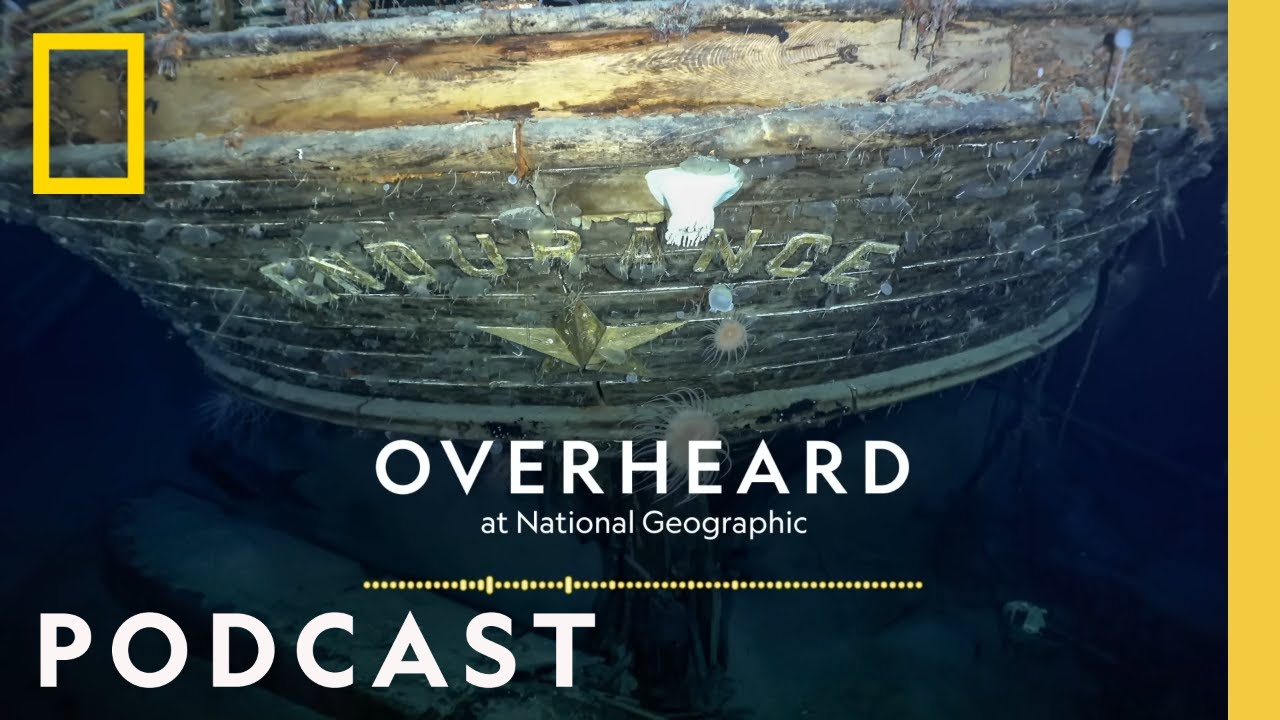
In 2022, a expedition located Ernest Shackleton's ship, Endurance, nearly two miles beneath the Southern Ocean, over a century after its sinking.
Ancient DNA retrieved from Greenland's permafrost reveals an ecosystem that thrived over 2 million years ago, offering insights into climate adaptation strategies.
The origins of humanity's beverage consumption are explored through an examination of the world's oldest drinks, revealing unexpected historical insights.
Cultural evolution has enabled ancient peoples to modify their own DNA, illustrating the profound impact of learned behaviors on human development.
Ancient weeds mimicked early crops during the agricultural revolution, leading to the accidental domestication of both beneficial and harmful plants.
During the Miocene epoch, apes thrived across Europe, but today, they are confined to small regions in Africa and Asia due to evolutionary changes.
The Tarkhan Dress, dating back to ancient Egypt, serves as a key piece of evidence in understanding the origins of clothing and human attire.
Fossilized feces and stomach contents from the Late Triassic Period provide insights into the diets and behaviors of ancient dinosaurs, shaping our understanding of their ecology.
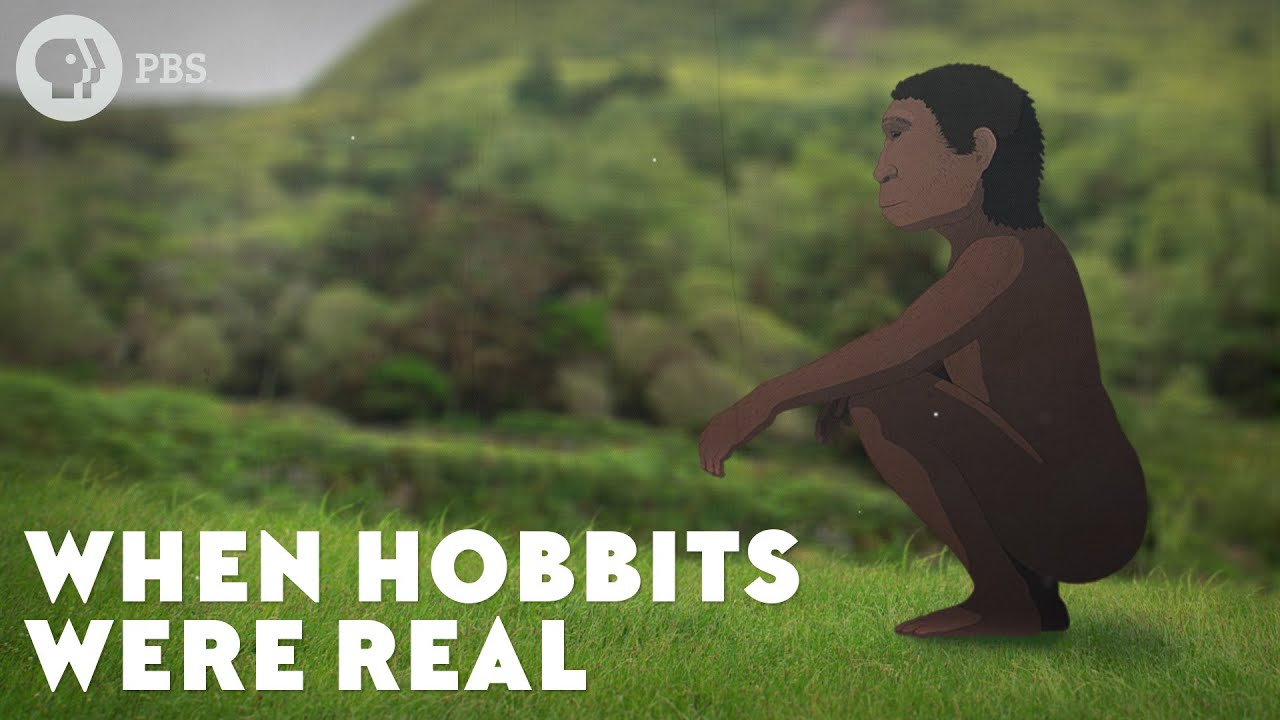
Homo floresiensis, often referred to as "the hobbit," raises significant questions about its classification as a distinct species or a variant of modern humans.
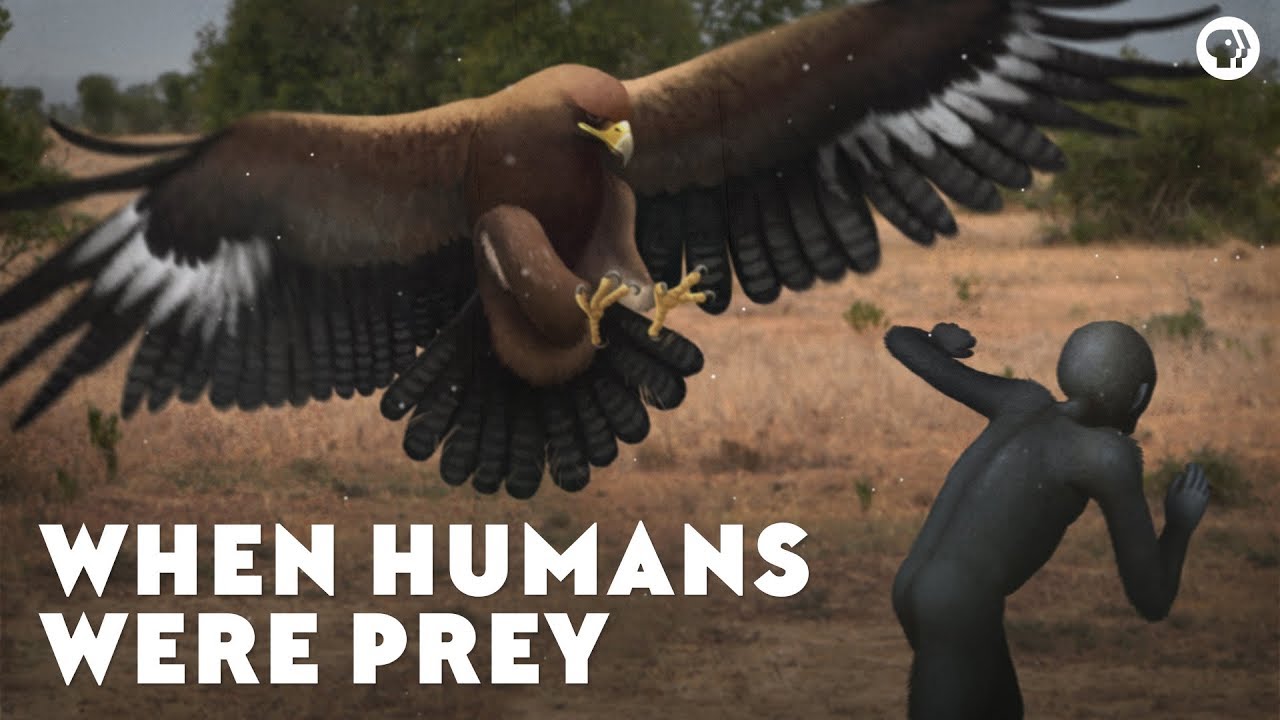
Early human ancestors faced constant predation, which significantly influenced their evolutionary adaptations and survival strategies.
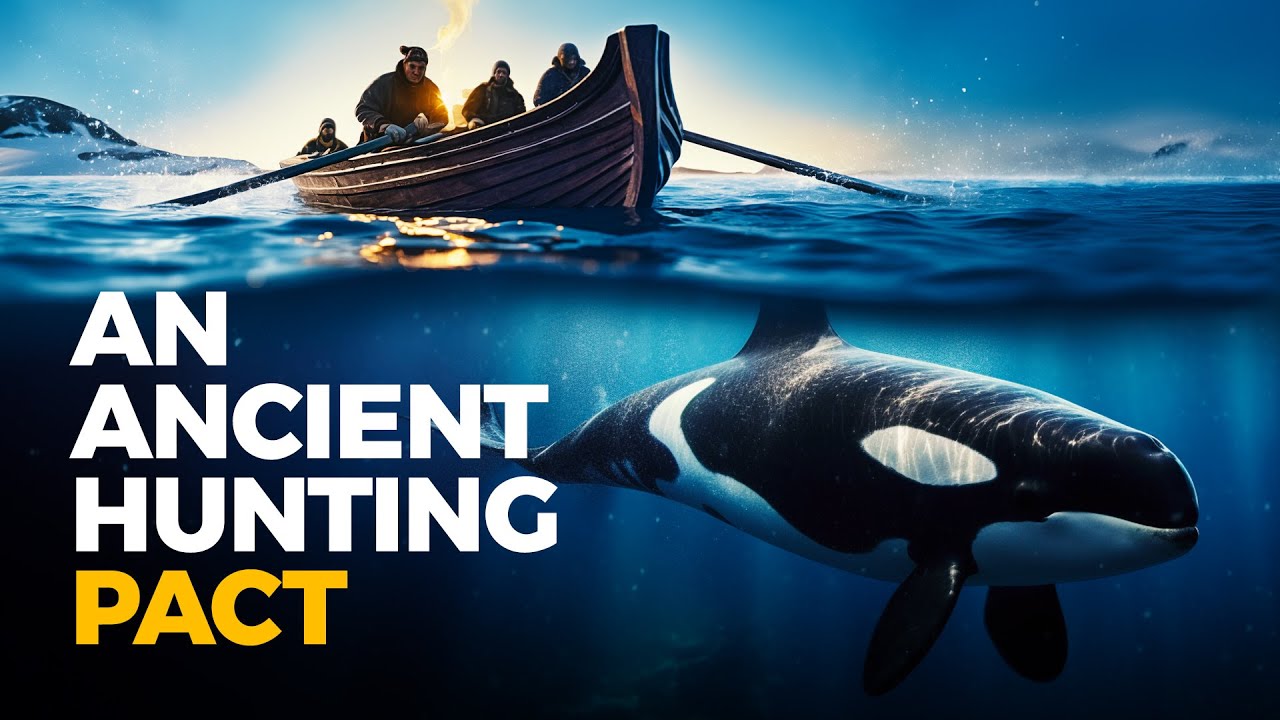
In the Arctic, Indigenous hunters and killer whales have formed a unique partnership to collaboratively hunt for shared prey.
Research on mammalian fossils and dinosaur biology challenges the long-held belief that dinosaurs were diurnal while mammals were exclusively nocturnal.
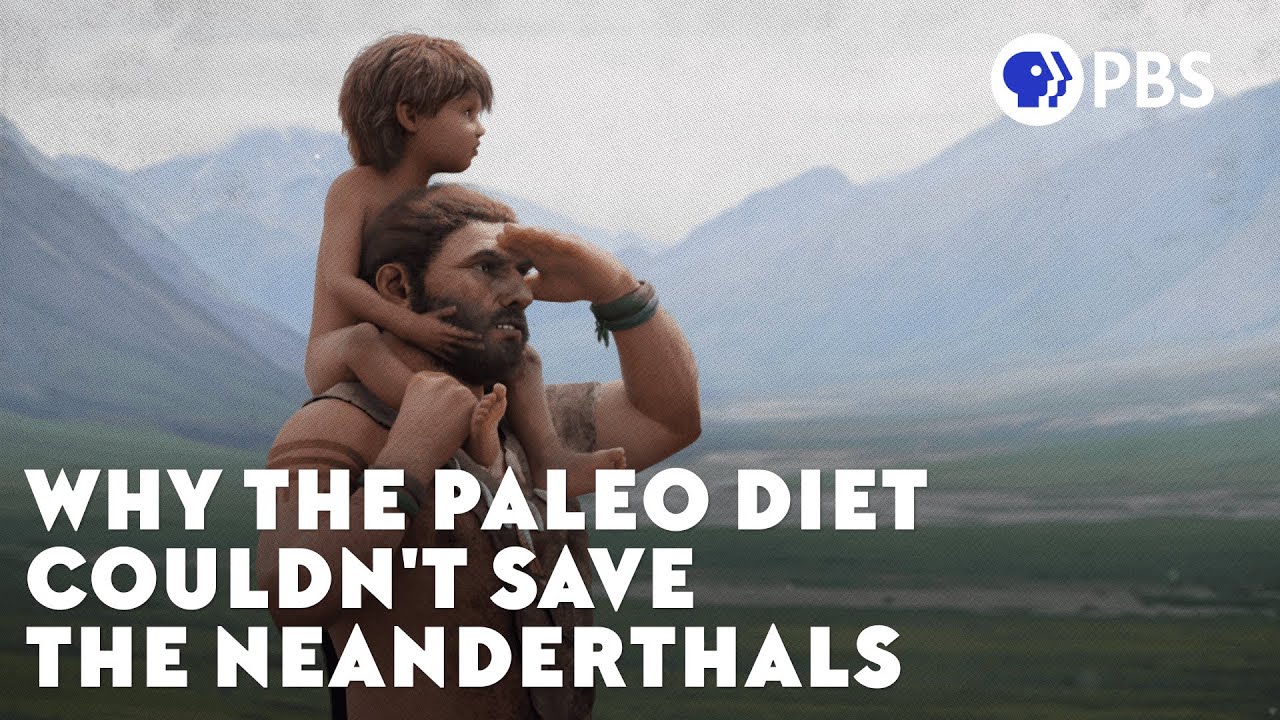
Neandertals' rise to the top of the Eurasian food chain highlights their remarkable evolutionary success, yet this dominance may have contributed to their extinction.
The Sahara was once a lush environment that supported diverse wildlife and human habitation, contrasting sharply with its current arid climate.
The creation of early stone tools by hominins marks a significant milestone in human technological evolution and the development of our species.
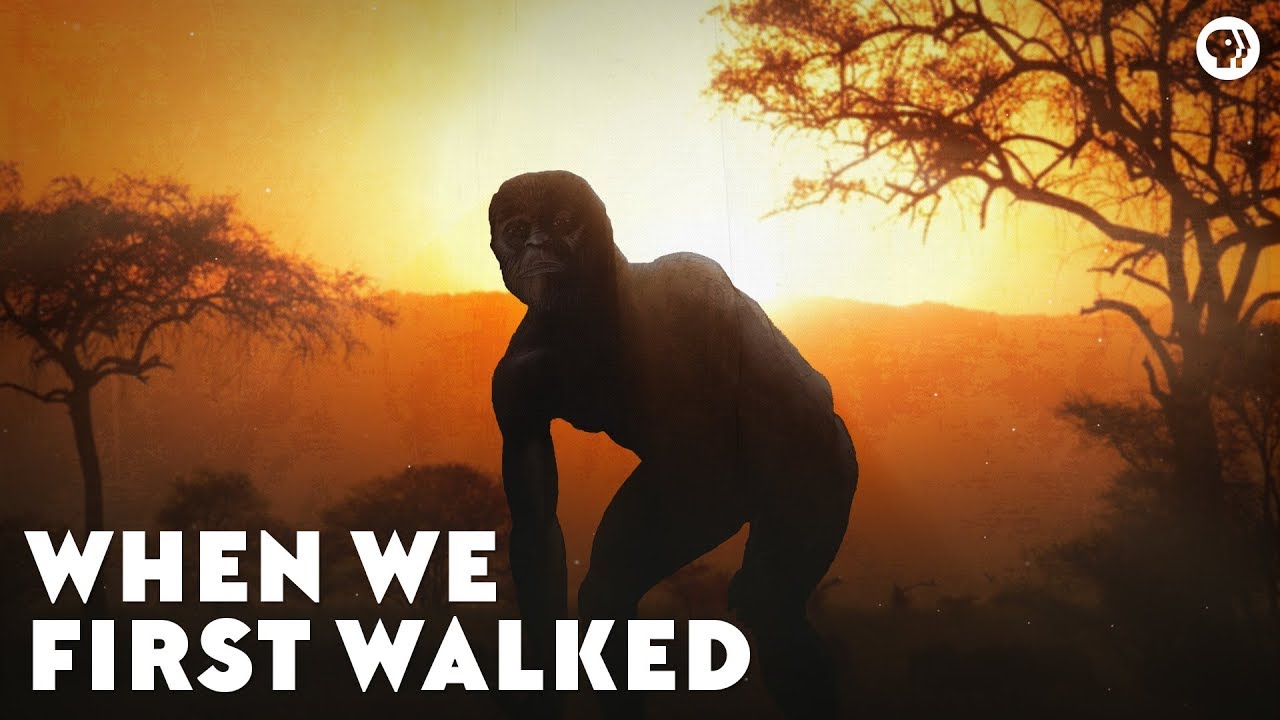
Fossilized footprints in Laetoli, Tanzania, provide evidence that human ancestors were walking on two legs 3.6 million years ago, raising questions about early bipedalism.
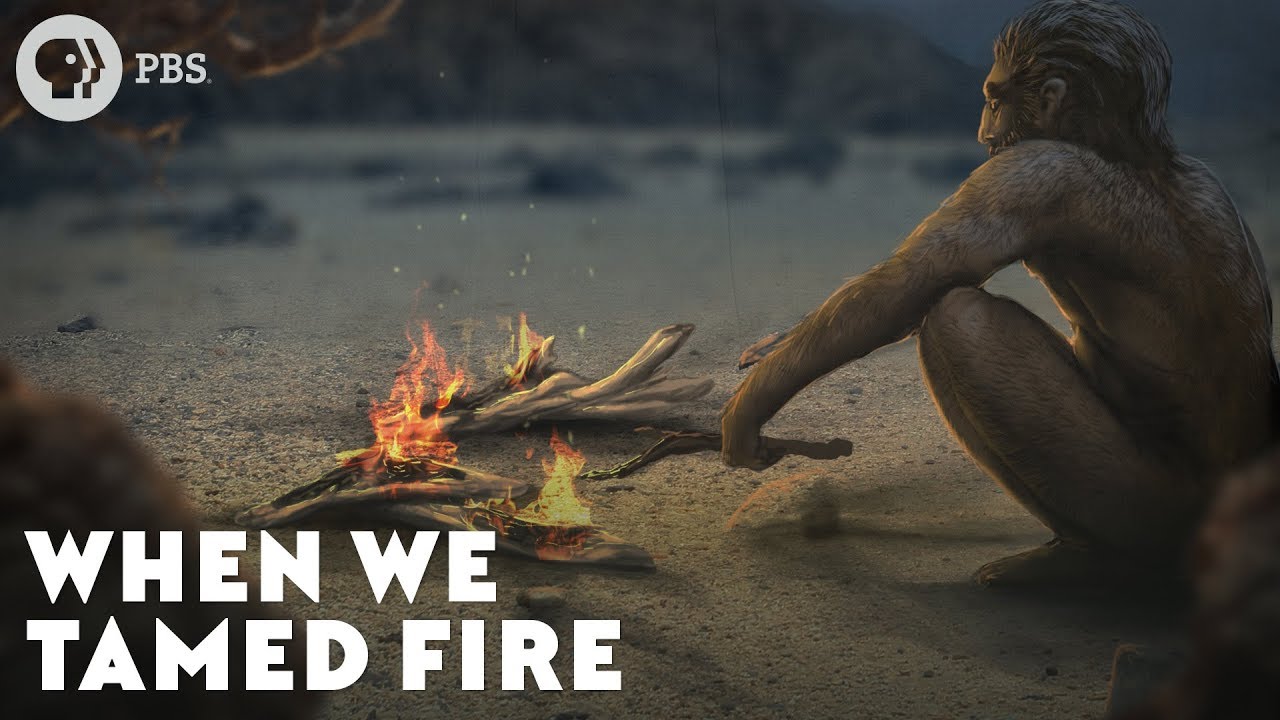
The ability to make and use fire has significantly influenced human evolution, shaping physical and social development throughout history.
New evidence suggests humans arrived in America 100,000 years earlier than thought.
Miriam and Dominic investigate the mysteries of pyramid locations in the Nile Valley.
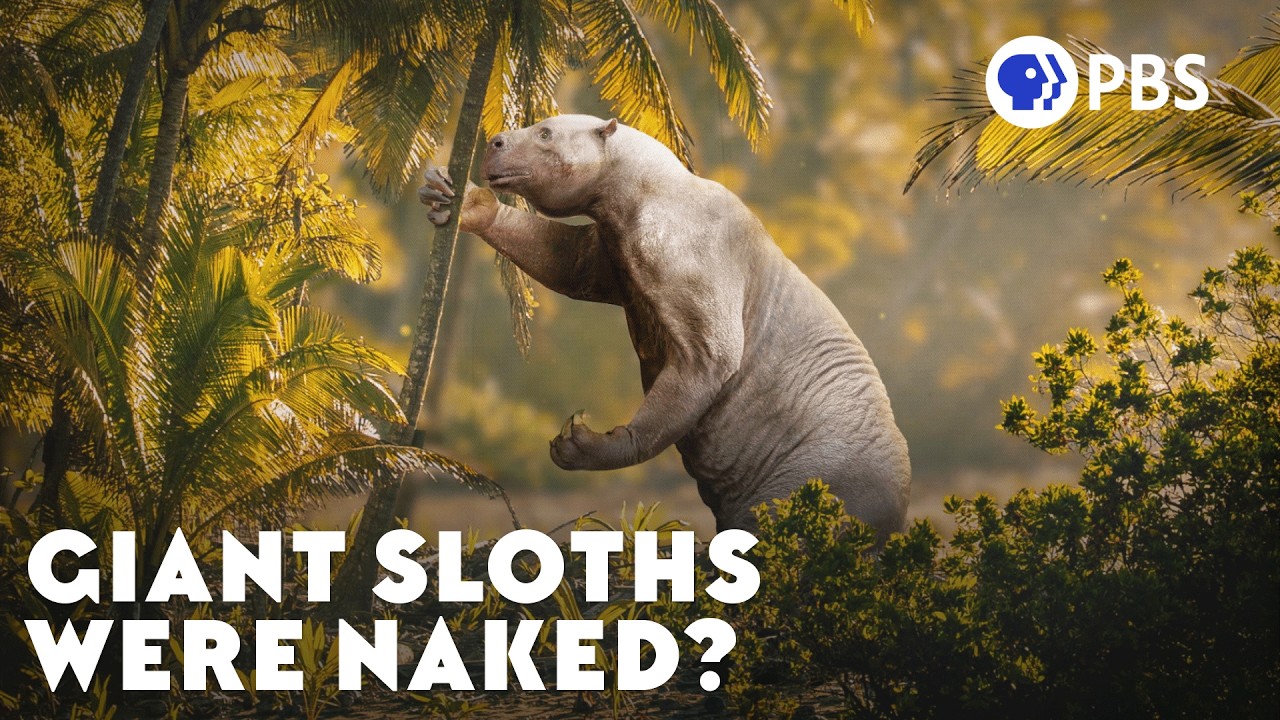
Giant sloths, once familiar to ancient peoples, have left a gap in human knowledge regarding their biology and behavior that remains largely unexplored today.
Identifying the sex of dinosaurs has remained a significant challenge for paleontologists, despite advancements in understanding their biology and behavior.
Spinosaurus, a dinosaur once thought to be semi-aquatic, is re-evaluated by paleontologists as new fossil evidence raises questions about its swimming abilities.
Neanderthals, who thrived in Eurasia for over 300,000 years as skilled toolmakers and hunters, faced decline potentially due to competition with early humans.
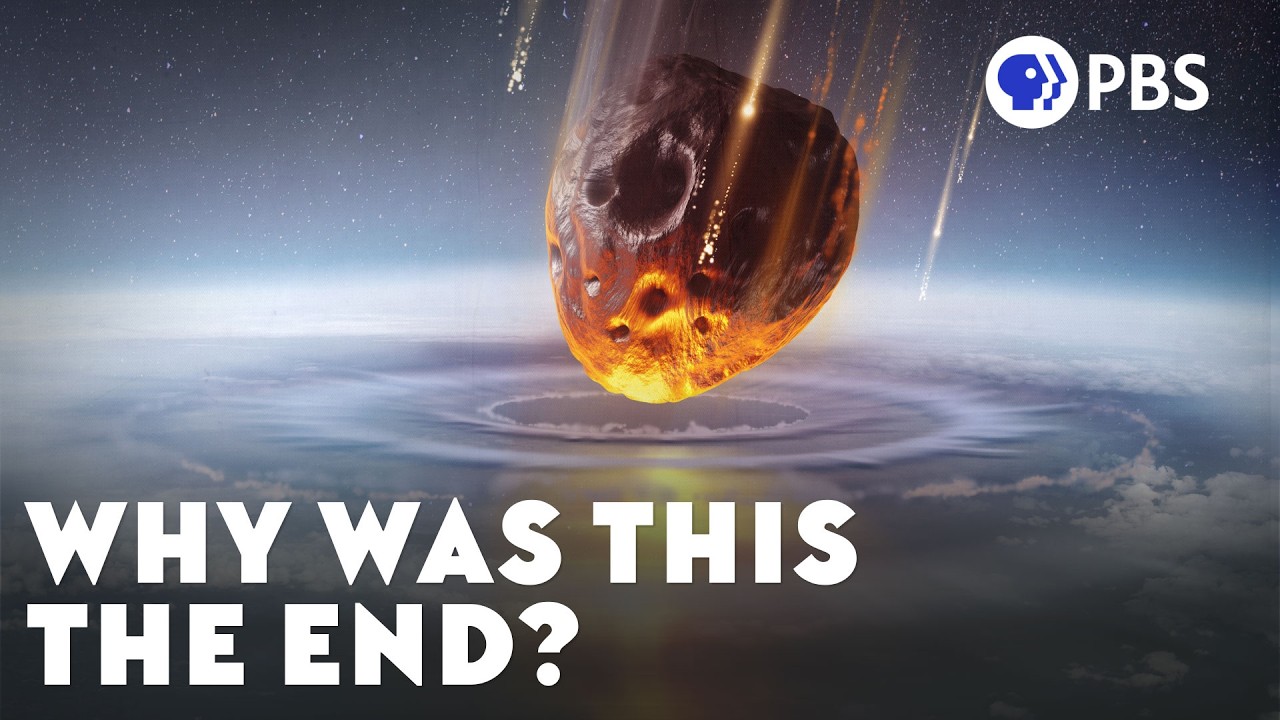
The K-Pg mass extinction event, caused by an asteroid impact, led to the decline of non-avian dinosaurs and raised questions about the subsequent dominance of mammals.
Ten ancient civilizations, including the Indus Valley and Atlantis, are examined for their myths and mysteries in a 25-minute exploration of lost cultures.
Purgatorius, a small mammal from the Paleocene epoch, is one of the earliest known ancestors of modern humans, illustrating key developments in primate evolution.
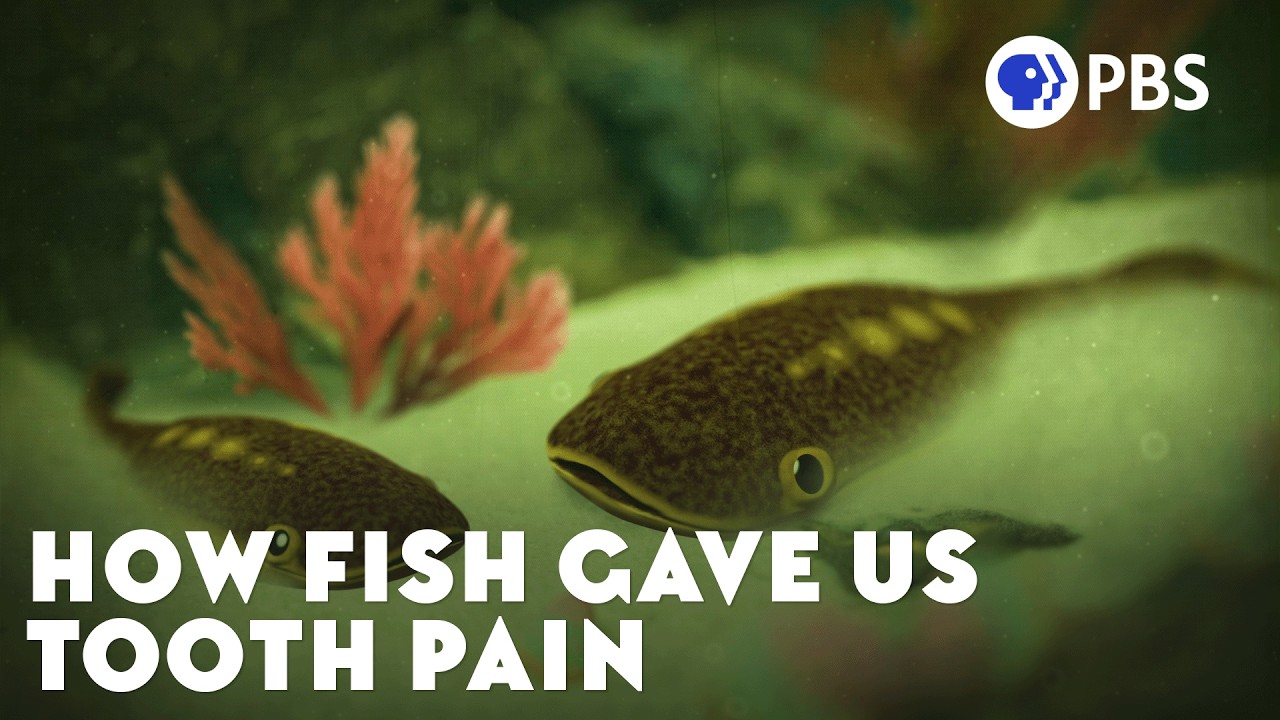
Teeth evolved from the armored skin of ancient fish, serving as an oversensitive alarm system for dental pain throughout human history.
Zed's family remains in Petra, Jordan, relying on tourism at this World Heritage Site.
Over a thousand miles away, Greece demands the return of the Elgin marbles, taken by a British Lord in the 19th century.
The new series premieres on November 19 and focuses on the mystery and allure of Oak Island's treasure hunt that has captivated readers since 1965.
Watch New Episodes Tuesdays on History featuring a 1600s spike found on Oak Island.
Gary finds a rare 16th-century ramrod guide on Oak Island during The Curse of Oak Island.
A routine dive off the coast of Greece uncovers ancient artifacts, including pottery and tools, revealing insights into early human settlements.
In 2017, remote sensor technology uncovers hidden structures and significant findings about the ancient Mayan city of Tikal.
In New Mexico, a family fights the US government for over 80 years to recover a $28-billion treasure while Alex finds human bones in a treasure chamber!
In the Iron Age pits of Danebury, archaeologists find 25 bodies showing signs of violence, suggesting ritual human sacrifice in ancient society.
Watch new episodes of The Curse of Oak Island Tuesdays at 9/8c on HISTORY.
Rick questions the authenticity of a 1700s Spanish Fleet gold coin on Pawn Stars.
A boy stumbles upon mysterious ancient scrolls while herding his goats.
A 1,055-foot cruise ship requires 45 minutes to maneuver into Valletta's medieval harbor, with only 200 feet of clearance on either end.
A 4,000-year-old mummy named Shamai is removed from his coffin, revealing new insights into ancient Egyptian family power dynamics.
Excavations in Dahshur reveal a newly-discovered pyramid with a passage leading to a tomb, raising questions about its 4,500-year-old contents.
Fawcett uncovers a mysterious document about the Lost City of Z in History's Greatest Mysteries.