From over 100,000 films, discover the handful you'll love.
Free or premium access to the world's largest documentary library.
2305 films(Page 19 of 49)
Ancient accounts from civilizations such as the Inca and the Maya suggest that advanced extraterrestrial visitors may have influenced early urban societies.
In the UK, Dr Alice Roberts explores significant archaeological sites, including a Roman settlement, a gladiator cemetery, and wartime relics, revealing Britain's rich history.
In Bognor Regis, Sussex, archaeologists from Time Team investigate a potential site of the largest Roman villa in the region, exploring back gardens for evidence.
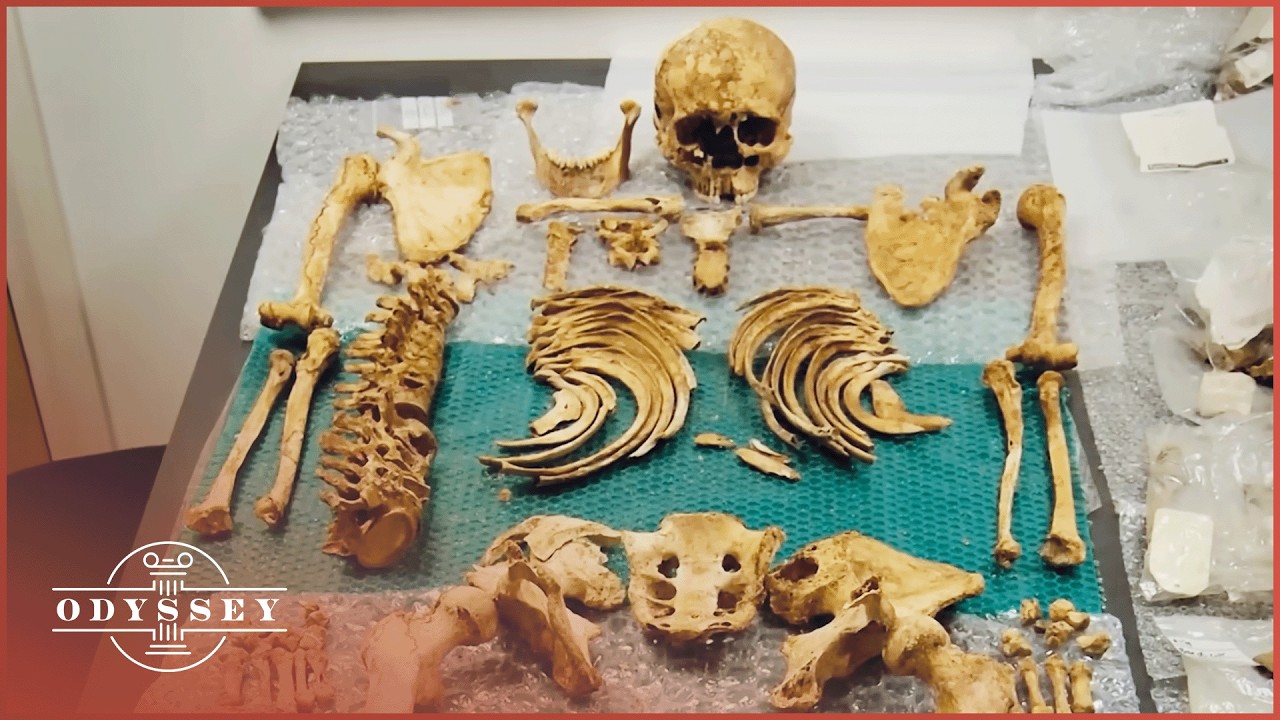
Recent archaeological digs in the UK reveal significant findings, including a medieval leprosy hospital and ancient Bronze Age burial sites.
A hurricane packing 90 miles per hour winds reveals submerged artifacts that illustrate the historical impacts of storms on America's coastlines.
Mohenjo-daro's destruction, ancient nuclear blasts, and the Brahma weapon are examined for potential links to advanced extraterrestrial technology.
In the last 25 years, paleontologists have made discoveries that have changed the understanding of dinosaur evolution and their relationship to birds.
In July 1969, NASA conducted a secret experiment involving six men in the PX-15 submarine, exploring the depths of the Gulf Stream for 30 days.
30,000 American lives were lost in the Hürtgen Forest, the site of the longest and bloodiest battle in U.S. Army history during World War II.
Ramesses II's military campaigns against the Hittites solidified his reputation as one of ancient Egypt's most formidable and ambitious pharaohs.
Athens, the cradle of Western culture, played a pivotal role in the development of democracy and remains unmatched in its historical significance.
Carthage evolved from a Phoenician trading base into a powerful center of trade and seafaring, ultimately rivaling Rome for dominance in the Mediterranean.
A modern Viking ship, the Draken Harald Hårfare, was built using historical methods to test ancient shipbuilding theories, revealing challenges faced by Vikings.
Dr. Neil Brodie leads an expedition to find Site Q, a lost Mayan city, where exquisite carved limestone panels were looted in the 20th century.
Star Carr, an archaeological site in North Yorkshire, reveals insights into Mesolithic life through artifacts and structures dating back 11,000 years.
Witnesses reported UFO sightings in the days leading up to the 2011 Fukushima disaster, suggesting possible extraterrestrial involvement in averting a larger catastrophe.
Over a billion Muslims pray five times a day towards Mecca, but new research suggests the true origins of Islam may lie elsewhere.
Green Island is investigated for evidence of a lost Iron Age port, revealing artefacts that suggest it may have housed Britain's earliest Iron Age forge.
The construction and transatlantic voyage of the Draken Harald Hårfagre, the largest authentic Viking ship replica, connects Norway to Newfoundland.
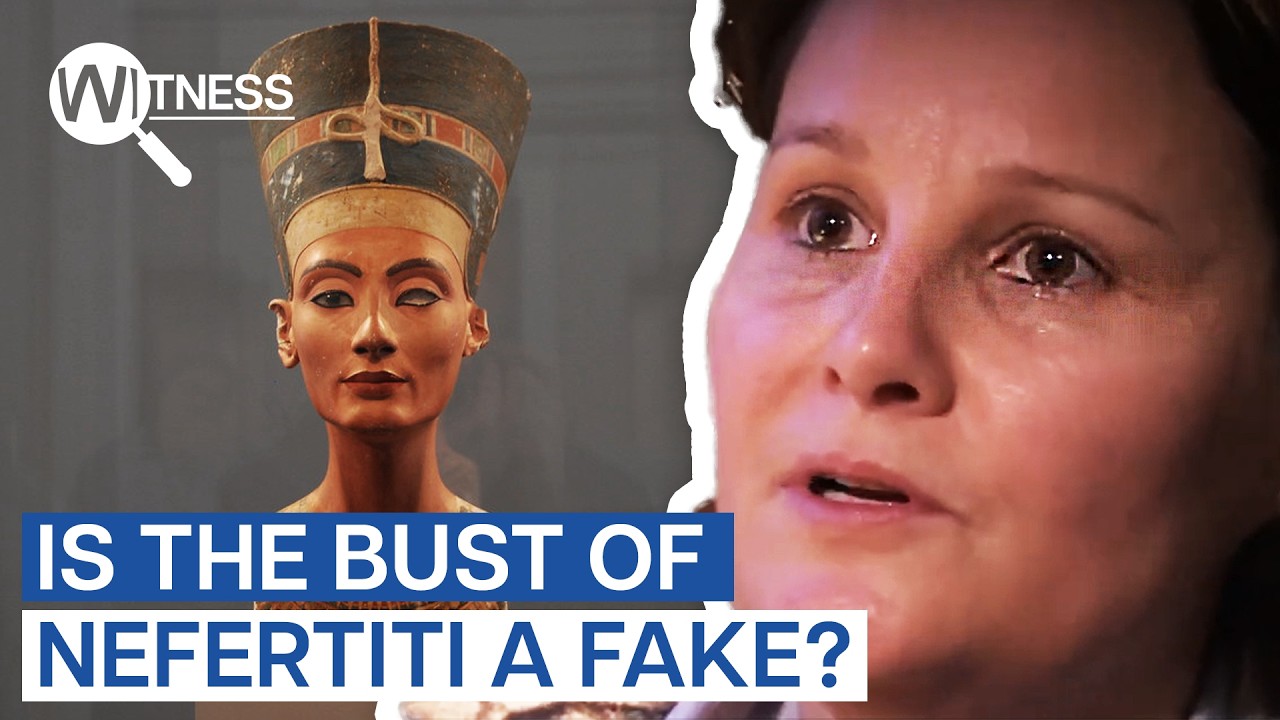
Queen Nefertiti's iconic bust, unearthed in 1912 by Ludwig Borchardt, is at the center of a modern controversy involving claims of forgery and demands for its return to Egypt.
Daily life for Roman soldiers involved protecting city borders during peacetime and is illustrated through ancient artefacts from the Roman Empire.
Oak Island's treasure hunt faces challenges as brothers Marty and Rick Lagina navigate flooding tunnels and swampy terrain in search of buried secrets.
Time Team explores significant Bronze Age archaeological sites across the UK, revealing insights into the lives and deaths of ancient Britons.
In Maryport, a Roman altar dedicated to Jupiter, carved in the 2nd century, is unearthed as part of the coastal defenses linked to Hadrian's Wall.
Jesus Christ's appearance has been a subject of speculation for centuries, with the Veil of Veronica being a focal point in the search for his true likeness.
The Temple of Karnak is the largest religious structure from Pharaonic Egypt, located near Luxor.
Explorers and historians investigate ancient artifacts, including the Book of Thoth, crystal skulls, and the Minotaur's Labyrinth, to reveal historical truths.
Swiss historian Henri Stierlin argues that the iconic bust of Queen Nefertiti, housed in Berlin's Altes Museum, may be a modern forgery rather than an ancient artifact.
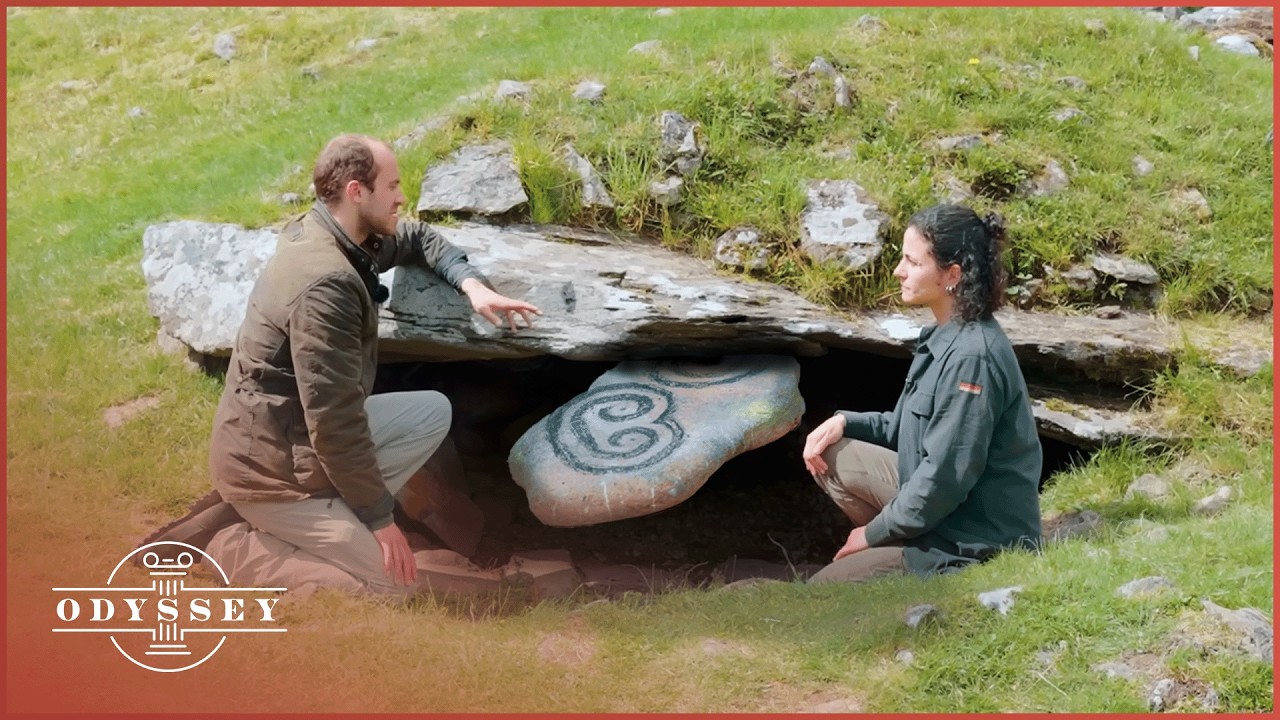
In Orkney, Tristan Hughes investigates 5,000-year-old Neolithic tombs and the archaeological significance of Scotland's ancient past.
Roman Carthage, built on the ruins of the ancient city, reflects significant cultural shifts and historical developments in the Mediterranean following its destruction.
Gateholm Island, once thought to be an early Christian monastery, reveals a complex prehistoric site with Iron Age fortifications and Roman artifacts.
In Ancient Egypt, the desert served as a symbol of death, associated with tombs, mummies, and the dark god Seth, contrasting sharply with the life-giving Nile.
Debates surrounding the racial identities of historical figures like Cleopatra and Socrates raise questions about Egypt's influence on ancient Greece and Western civilization.
Ancient civilizations are examined for potential influences of advanced extraterrestrial technology, raising questions about their remarkable achievements and enduring mysteries.
In Winchester, archaeologists from Time Team locate the remains of a 12th-century leper hospital, revealing a chapel, cemetery, and notable graves.
Ancient Egypt's monumental pyramids, advanced technologies, and myths are examined alongside theories of extraterrestrial influence and human-animal hybrids.
Restoration of the Colosseum requires a budget of 25 million euros to preserve its facade and create a welcome center for visitors.
The Beowulf epic is examined through animation, interviews, and location footage, highlighting the Anglo-Saxons' culture and potential connections to ancient fertility cults.
DNA analysis from the petrous bone reveals that Mesolithic hunter-gatherers had dark skin and provides new insights into ancient migration patterns.
The search for the Holy Grail, a legendary relic sought by knights and archaeologists alike, is examined by a team of experts revealing its historical significance.
Flavius Josephus, a first-century historian, is examined for his accounts of Jesus' time, raising questions about their accuracy and supporting archaeological evidence.
In 146 BCE, Romans destroyed Carthage, massacring its people and erasing the city from existence in an act described as a Roman holocaust.
The Bat Creek Stone, discovered in 1889 in a Tennessee burial mound, features an inscription in an ancient form of Hebrew.
Ancient Mayan civilization, once perceived as peaceful, is revealed to have engaged in blood sacrifices, as explored through the work of linguist Yuri Knorosov.
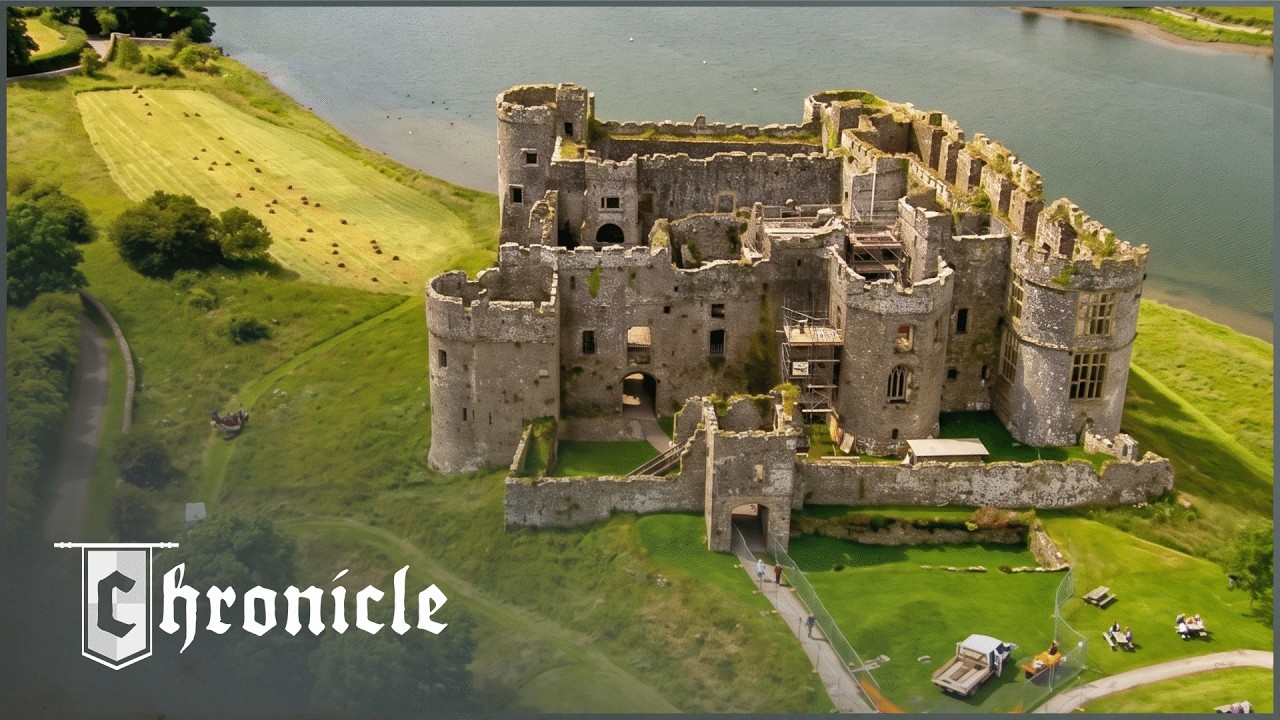
Snodhill Castle, a long-overlooked stronghold in the borderlands of England and Wales, reveals a fortified design featuring a double-portcullis and a 14th-century panic room.
Upton Castle in Pembrokeshire, South Wales, is examined for its origins as either a medieval fortress or a Victorian replica, revealing significant archaeological findings.
Ancient aircraft, divine weapons, and sky temples are examined as Ancient Aliens investigates the possibility of advanced technology existing thousands of years ago.
The Seven Wonders of the Ancient World are explored alongside the remarkable civilizations of the Aztecs and Maya in this examination of ancient empires.