From over 100,000 films, discover the handful you'll love.
Free or premium access to the world's largest documentary library.
2305 films(Page 25 of 49)
Pavlopetri, located off the southern coast of Greece, is the oldest submerged city in the world, revealing insights into ancient civilization through advanced technology.
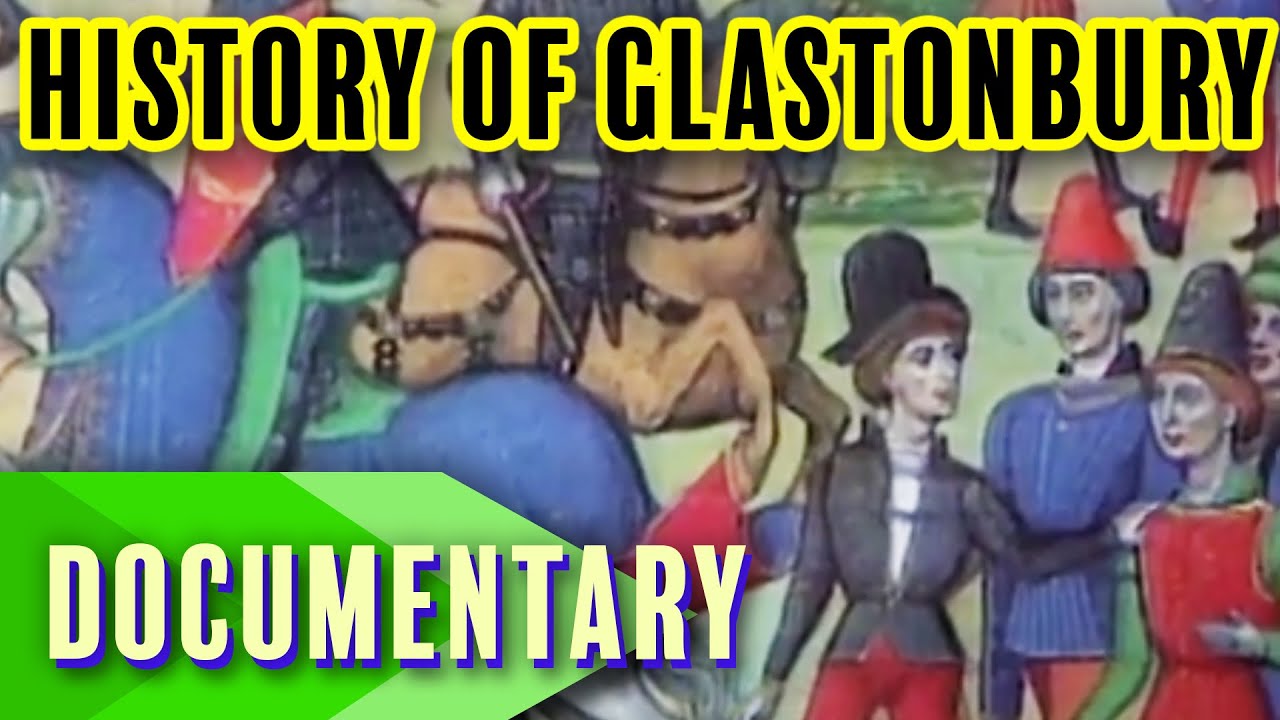
In 1191, monks at Glastonbury Abbey claimed to have discovered King Arthur's grave, which contained a lead cross identifying the bones as his.
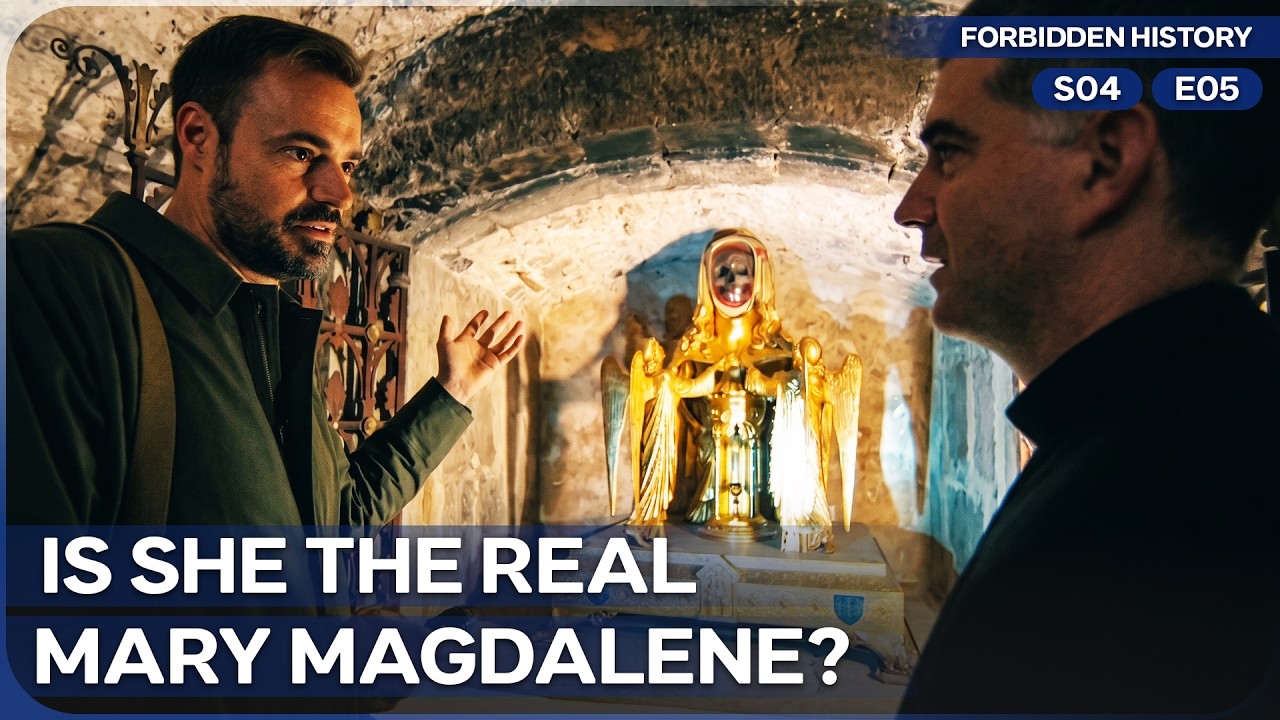
Forbidden History examines controversial theories and suppressed historical events through expert interviews and investigations, challenging established narratives.
Ancient Alexandria's geometric design attracted over 1 million residents and significantly influenced urban planning and Greek scholarship.
In Rutland, England, a 13-acre Roman villa complex reveals exquisite mosaics and ancient heating systems, alongside insights from an 11,000-year-old Mesolithic island.
Minoan civilization, known for its advanced art and architecture on the Aegean islands, faced abrupt decline around 1550 BCE due to a catastrophic explosive event.
Engineers at the Spitfire Factory undertake the meticulous restoration of a Mark 9 Spitfire, while a secret dig recovers a Hawker Hurricane from 1940.
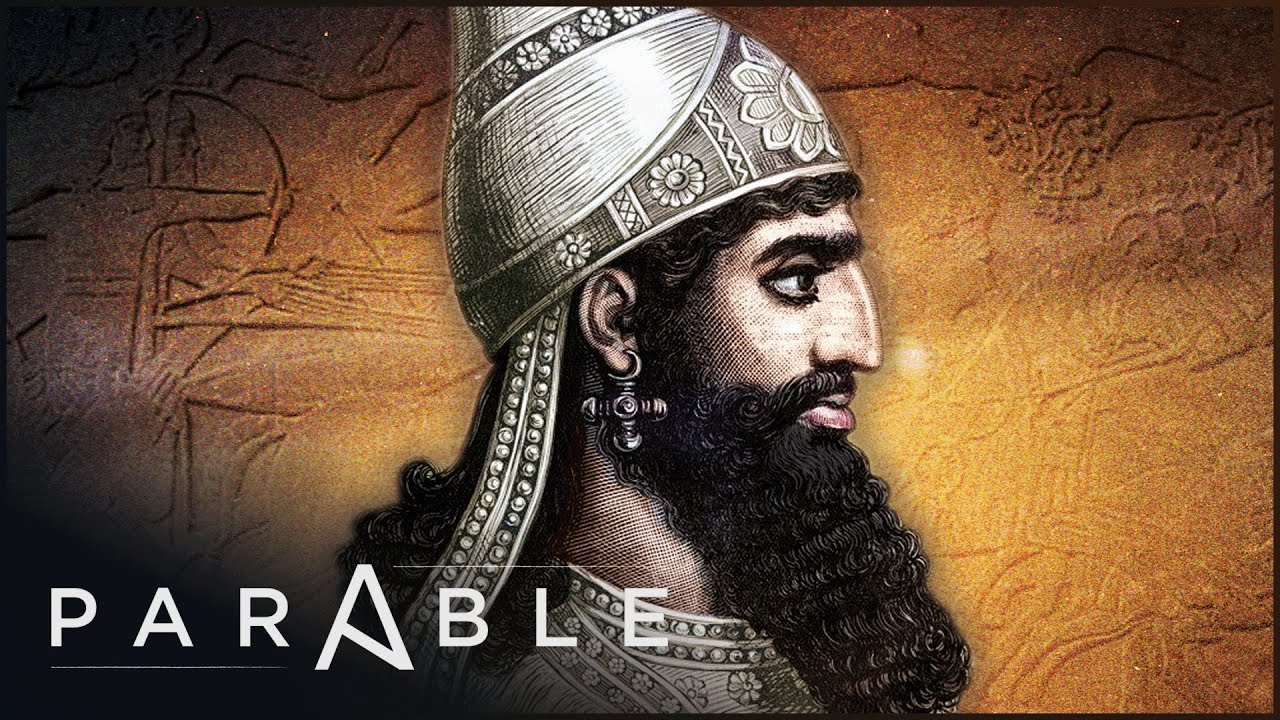
In 701 BCE, the Assyrian army's sudden withdrawal from Jerusalem, attributed to divine intervention in the Bible, has remained a historical mystery for centuries.
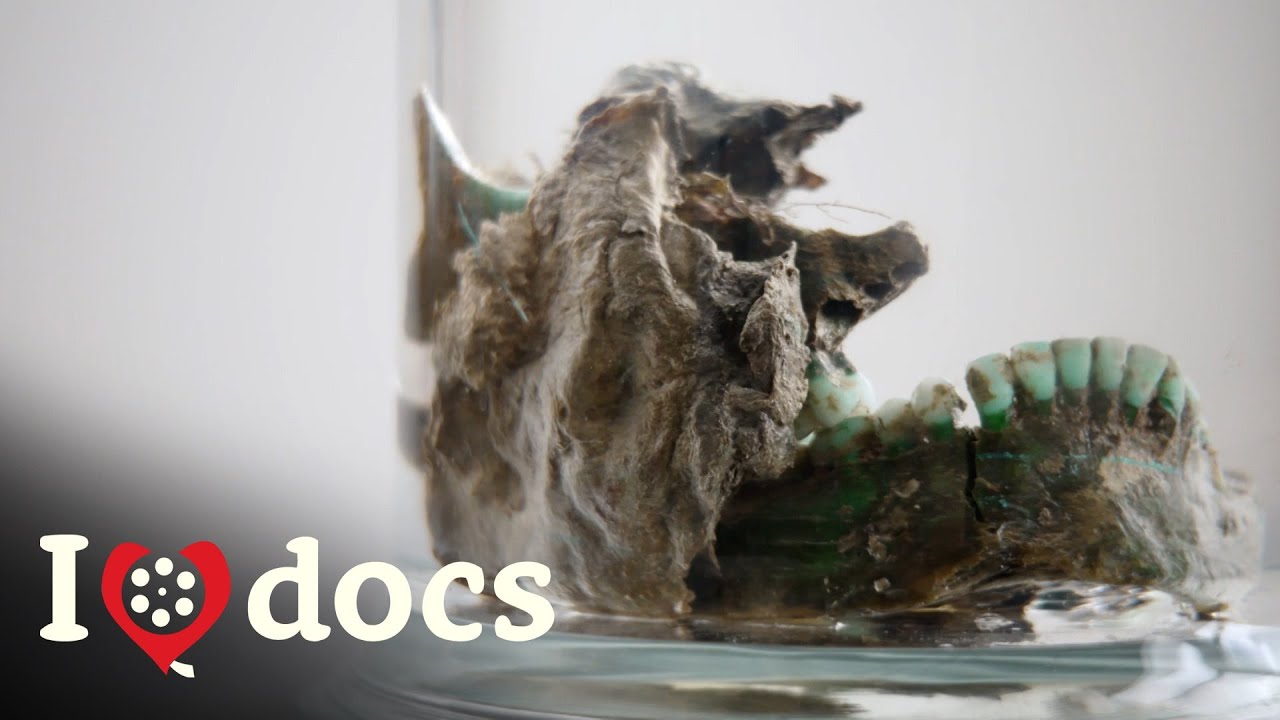
Forensic archaeology experts utilize DNA analysis and isotopic testing to investigate four bodies found in a 16-metre-deep pit in the UK.
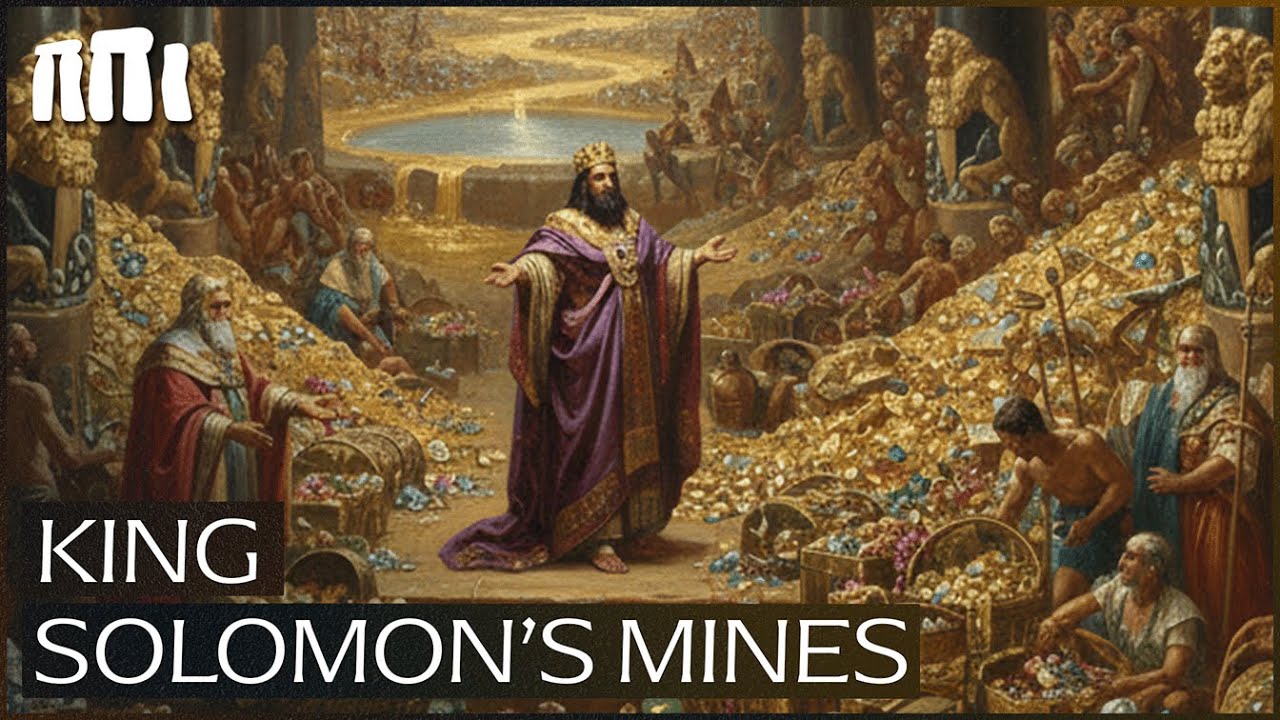
In Southern Africa, 19th-century German explorer Carl Mau searches for the legendary Ophir, believed to be the source of King Solomon's gold, and finds ancient stone ruins.
A silver-gilt sword pommel and a silver buckle are among the high-status Anglo-Saxon artifacts uncovered in a Cotswolds dig dating to the early 6th century.
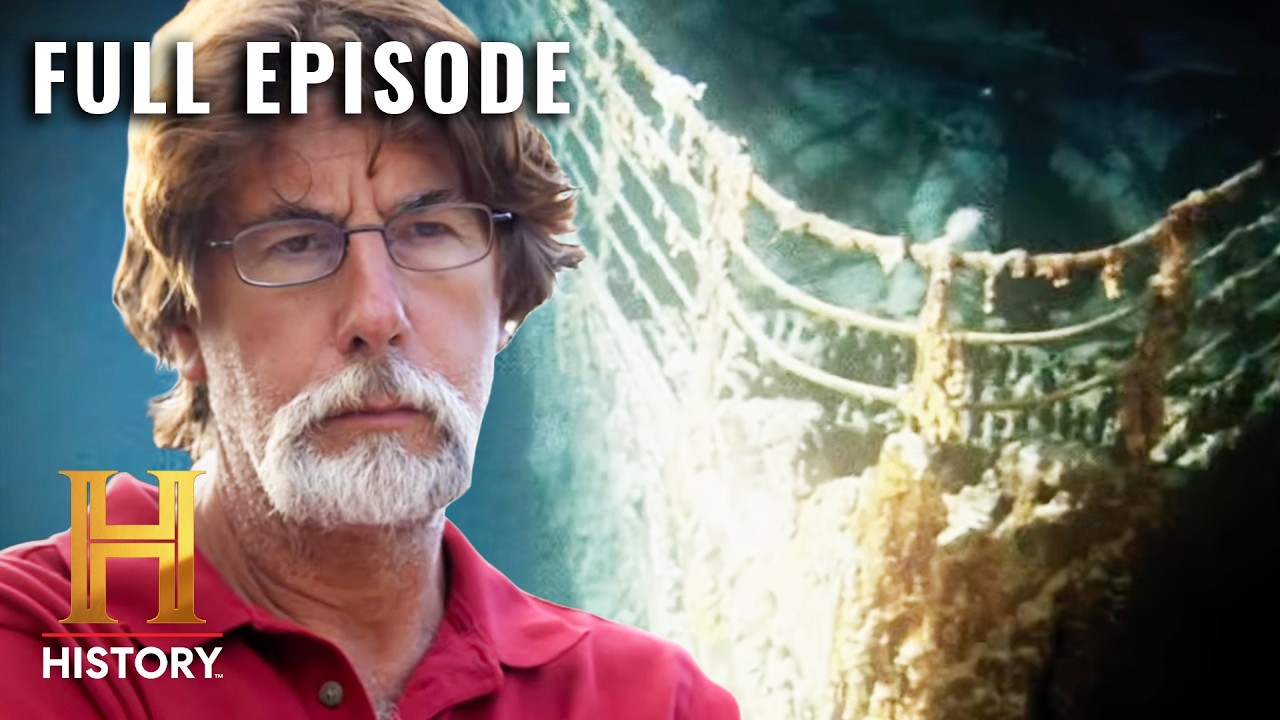
Rick and Marty Lagina, along with their team, make a significant find at the bottom of "10-X" on Oak Island, raising questions about the island's buried treasure.
Pit number one of the Terracotta Army in Xi'an contains more than 6,000 terracotta warriors, with an estimated 6,000 more still buried.
Howard Carter's 1922 discovery of Tutankhamun's tomb in the Valley of the Kings is examined through new footage, 3D imagery, and expert insights on its significance.
The discovery of the Aris Cemetery in Yorkshire offers evidence of a mysterious tribe of ancient immigrants who settled in Britain 2,000 years ago.
The Proof Is Out There reveals ancient mysteries and returns Friday, June 13 at 10/9c.
Ancient Egyptian civilization was profoundly influenced by its obsession with death and the afterlife, as evidenced by the vast majority of its relics dedicated to these themes.
Oak Island, located off the coast of Nova Scotia, is investigated for clues and artifacts that may link it to historical pirate activity and buried treasure legends.
The Colosseum, completed in 80 CE, could seat up to 50,000 spectators and hosted brutal games that lasted for three months, resulting in thousands of deaths.
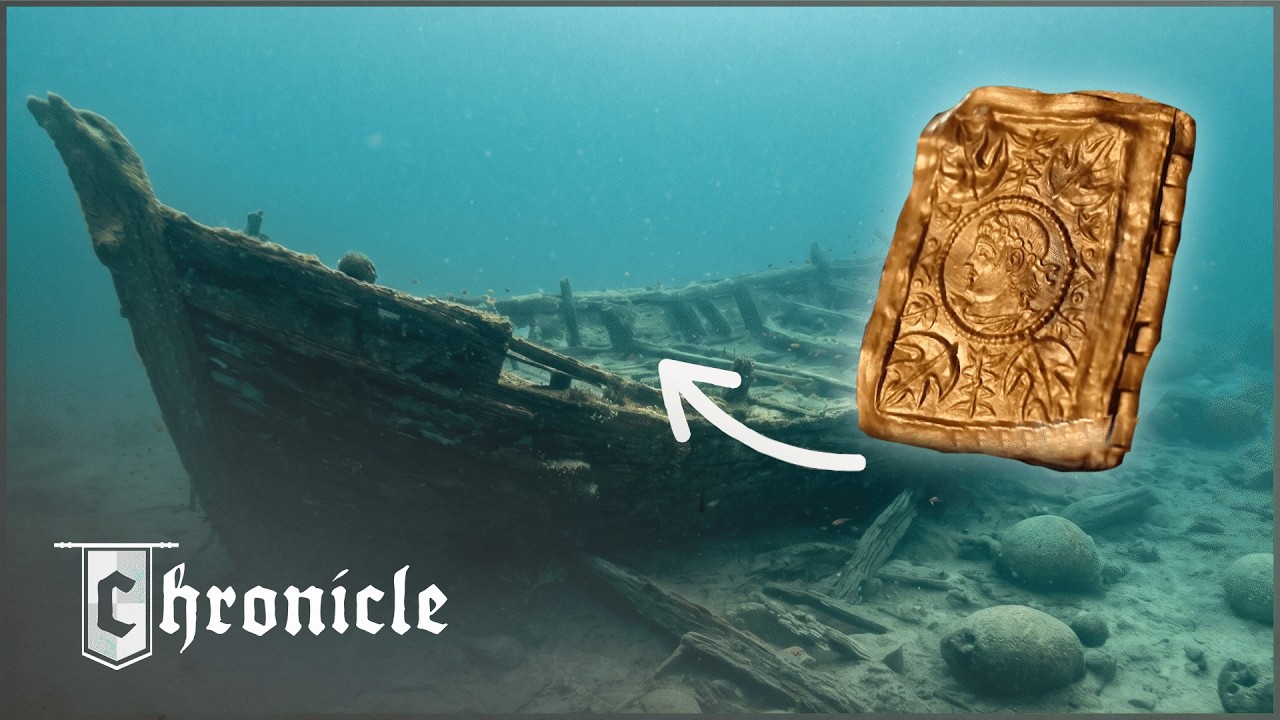
Beneath the Rhone River, the Arles-Rhone 24 shipwreck reveals a wealth of 4th-century Roman treasures, shedding light on ancient maritime trade practices.
In Nova Scotia, the Lagina brothers investigate hidden pathways and stone roads that may lead to buried treasure on Oak Island.
Three million Cambodians rely on Tonle Sap Lake, which floods and dries seasonally, shaping their way of life in floating villages.
Off the coast of Eastbourne, the Nautical Archaeology Society team investigates a 300-year-old sunken Dutch warship, revealing its identity and historical significance.
Archaeologists in ancient Roman military camps reveal remarkably preserved remains, including letters, toys, and weapons, illustrating the lives of legionaries.
At Loch Migdale in the Scottish Highlands, archaeologists investigate a potential Bronze Age crannog and an enigmatic earthwork, revealing insights into prehistoric habitation.
In Britain, significant archaeological finds include the oldest Iron Age gold in Staffordshire, Roman writing tablets in Londinium, and a Bronze Age weapons hoard in Scotland.
Australopithecus afarensis and Homo habilis illustrate key stages in human evolution, highlighting adaptations like bipedalism and tool use shaped by environmental changes.
Ancient Egyptian legends depict sky gods descending from the cosmos, influencing civilization long before the construction of the pyramids.
Colchester, known as Camulodunum, was a major settlement during Roman Britain, featuring one of the largest occupied sites in the region.
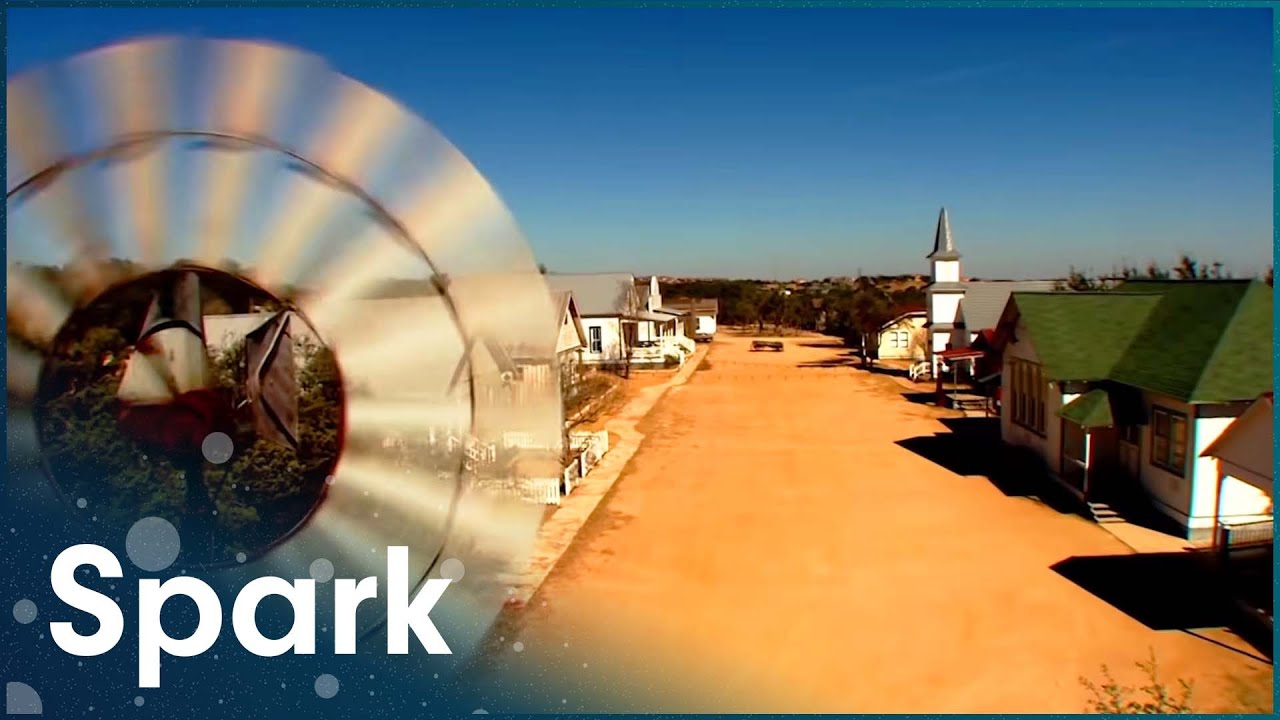
A 300-ton stone ranch is relocated across Texas as a son attempts to create a historic village called Star Hill for his mother.
In 1674, the discovery of two child-sized skeletons at the Tower of London reignited the debate over the fate of King Edward V and Prince Richard, the Princes in the Tower.
The National Archaeological Museum of Athens showcases artifacts like the golden mask of Agamemnon and an ancient device believed to predict the future.
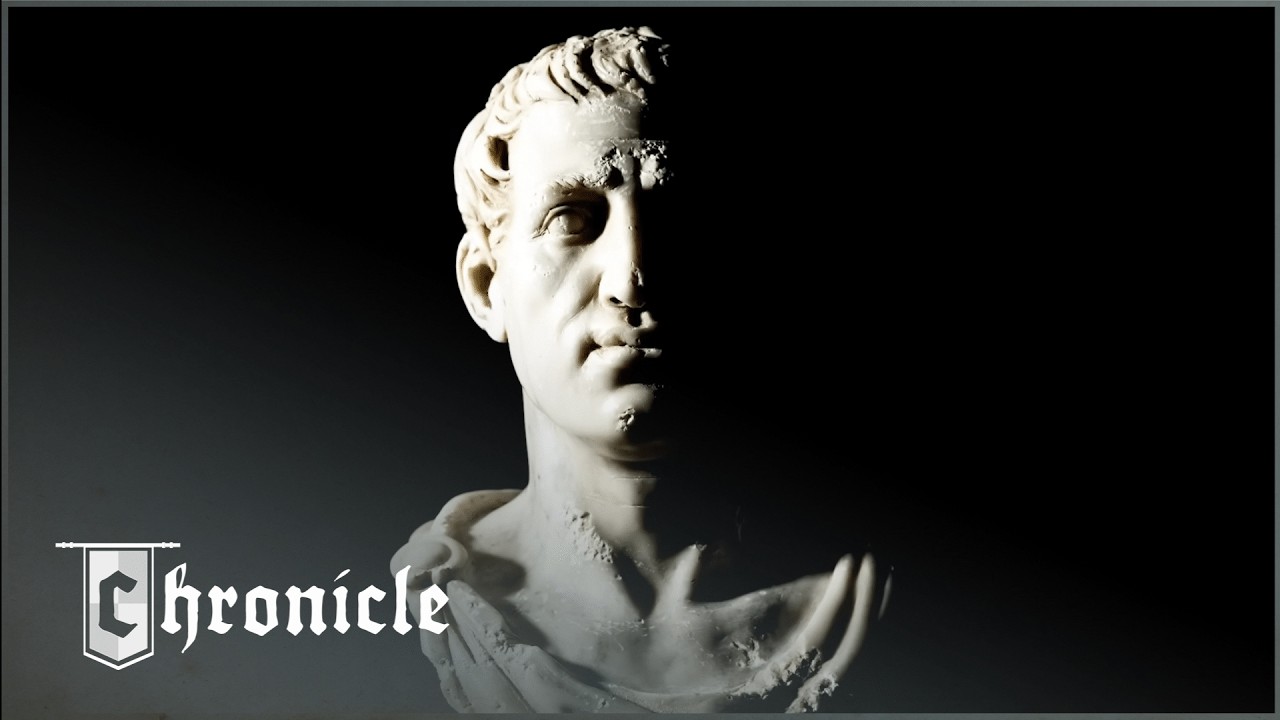
In 55 BC, Julius Caesar's invasions of Britain are examined through archaeological evidence and expert insights from historians and reenactors.
Ancient Sumerian tablets describe the Anunnaki, an alien race believed to have visited Earth to mine for gold, raising questions about their mission and potential return.
Cao Cao, a key figure in Ancient China's "Romance of the Three Kingdoms," is the focus of archaeological efforts to locate his burial site in Xuchang, Henan Province.
Ancient civilizations submerged beneath the Black Sea are examined through archaeological findings and historical analysis, revealing their lost cultures and societies.
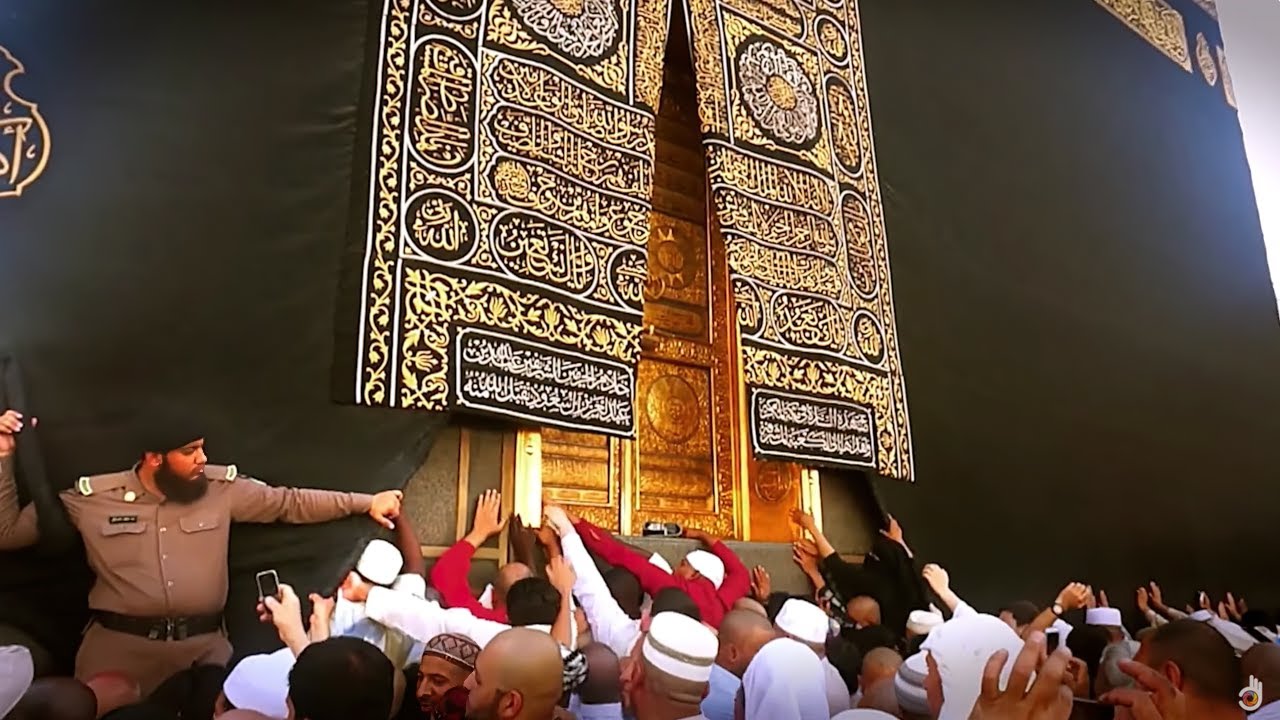
Over a billion Muslims pray five times a day towards a Black Rock in Mecca, while new research questions the city's historical significance in Islam.
Ancient Greek mythology's Minotaur, a creature of legend, is examined for potential historical roots beneath the palace of King Minos in Crete.
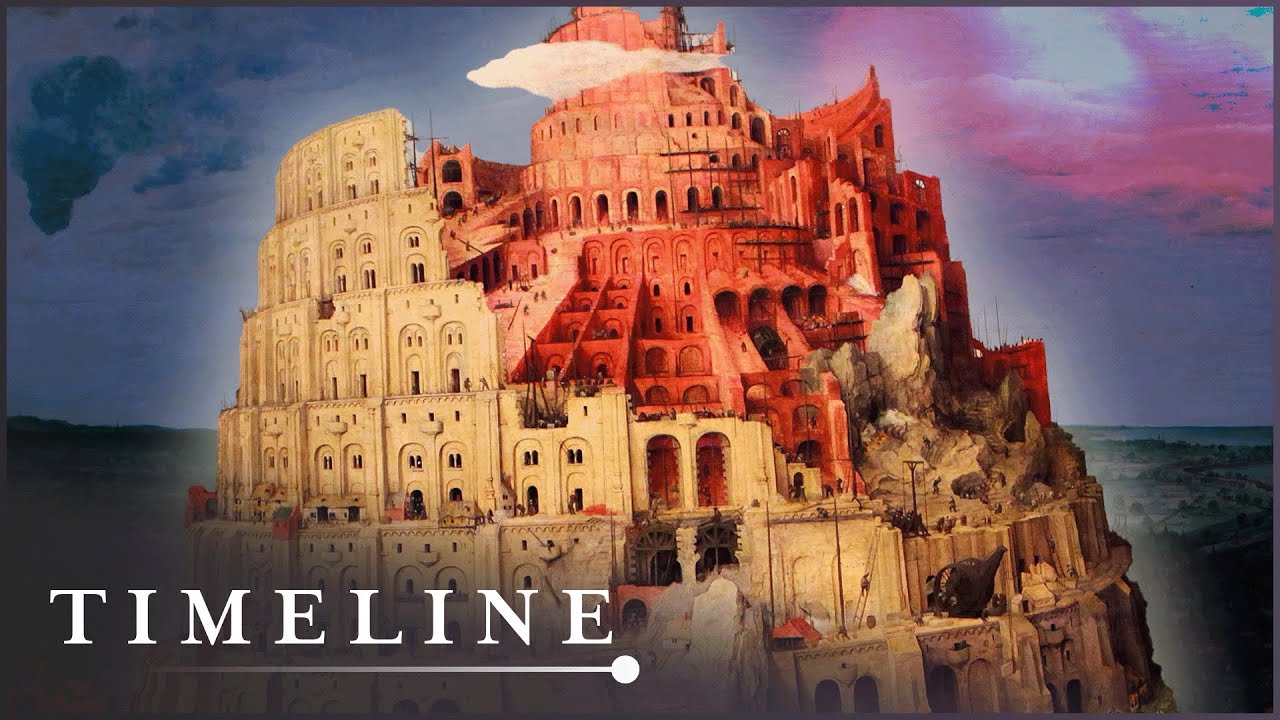
Ancient biblical mysteries, including the tower of Babel, are examined by historian Dan Snow and experts on History Hit, highlighting their historical significance.
Ancient civilizations across the Mediterranean, from Stone Age Turkey to Rome, were profoundly influenced by their interactions with water and geology.
A piece of wood displayed in a church in Rome is claimed to be the Titulus Crucis, bearing the inscription "Jesus of Nazareth, King of the Jews."
Viking society, often celebrated for its exploration, was also marked by human trafficking and slavery, as illustrated by the story of Irish monk Findan, who was enslaved in the 9th century.
Ancient China's Terracotta Army, discovered in 1974, is examined through new research from University College London and the Terracotta Army Museum, revealing advanced production techniques.
Glastonbury, often referred to as the Isle of Avalon, is explored for its connections to King Arthur, Glastonbury Tor, and the intertwining of history and legend.
Meïdoum, Egypt's least known pyramid, is examined for its architectural complexity and historical significance in the context of ancient Egyptian civilization.
Explorers Ran and Joe Fiennes navigate the Sahara Desert and explore underground tombs in El Minya, Egypt, as part of their archaeological pursuits.
A 55-metre dome, built in the 6th century, has allowed Hagia Sophia to withstand earthquakes for over 1,500 years in Istanbul, Turkey.
Saqqara's ancient embalming lab reveals insights into Egyptian mummification rituals and the advanced use of plants for achieving immortality.