From over 100,000 films, discover the handful you'll love.
Free or premium access to the world's largest documentary library.
2305 films(Page 46 of 49)
Mammoth fossils found on California's Channel Islands reveal a unique, smaller species that evolved due to isolation and environmental factors.
An abandoned gothic palace in Sintra, Portugal, reveals Knights Templar secrets in Season 3.
At the Solnhofen formation in Germany, over 500 fossils of 15 pterosaur species reveal complexities that challenge existing interpretations of their ecosystem.
The concept of a Missing Link in human evolution is examined, revealing that evolutionary processes do not support the existence of such a specimen.
Fifty thousand people were relocated to a new city built by Akhenaten, who abolished the old gods and declared a single deity to rule Egypt.
Thoatherium, a prehistoric relative of modern horses, thrived in an ecosystem that would not emerge for another 12 million years, raising questions about its adaptation.
Fossil records indicate that vertebrates adapted to land and air before exploring the deep sea, raising questions about their delayed aquatic evolution.
960 defenders held off 15,000 Roman soldiers for almost two years at the mountain fortress of Masada during the Jewish rebellion in 66 AD.
Shanidar IV, a Neandertal burial site in Iraq, provides insights into the social and cultural practices of early humans regarding death and community.
Neandertals, once viewed as primitive beings, are shown to have exhibited complex behaviors and emotions, particularly through findings at Shanidar Cave in Iraq.
La Brea Woman, the only human excavated from the La Brea Tar Pits in Los Angeles, raises questions about her origins and the circumstances of her burial.
A burial site in Siberia from 2500 years ago contained a mummified body initially believed to be a boy, but DNA analysis revealed it was a girl.
A nationwide search in China in 1982 sought children with extraordinary abilities, including psychic powers and telekinesis.
Around 3,500 BC, the Scorpion King ruled Upper Egypt, marking the beginning of a complex society that would lead to the construction of the pyramids.
Over a period of 175 years, a mysterious group known as the Sea Peoples launched destructive incursions against ancient Syria, Egypt, and Libya.
In early October 2017, Turkish police recovered a 500-year-old medieval copy of the Seal of Solomon, a ring said to control jinn.
Approximately 35,000 ships transported 12.5 million Africans to the Americas, with only a handful of wrecks properly documented.
In 1856, a skeleton found in the Neander valley near Dusseldorf sparks a debate on human origins.
More than 4 billion years ago, life emerged on Earth despite extreme conditions, as revealed by research into early microbial existence.
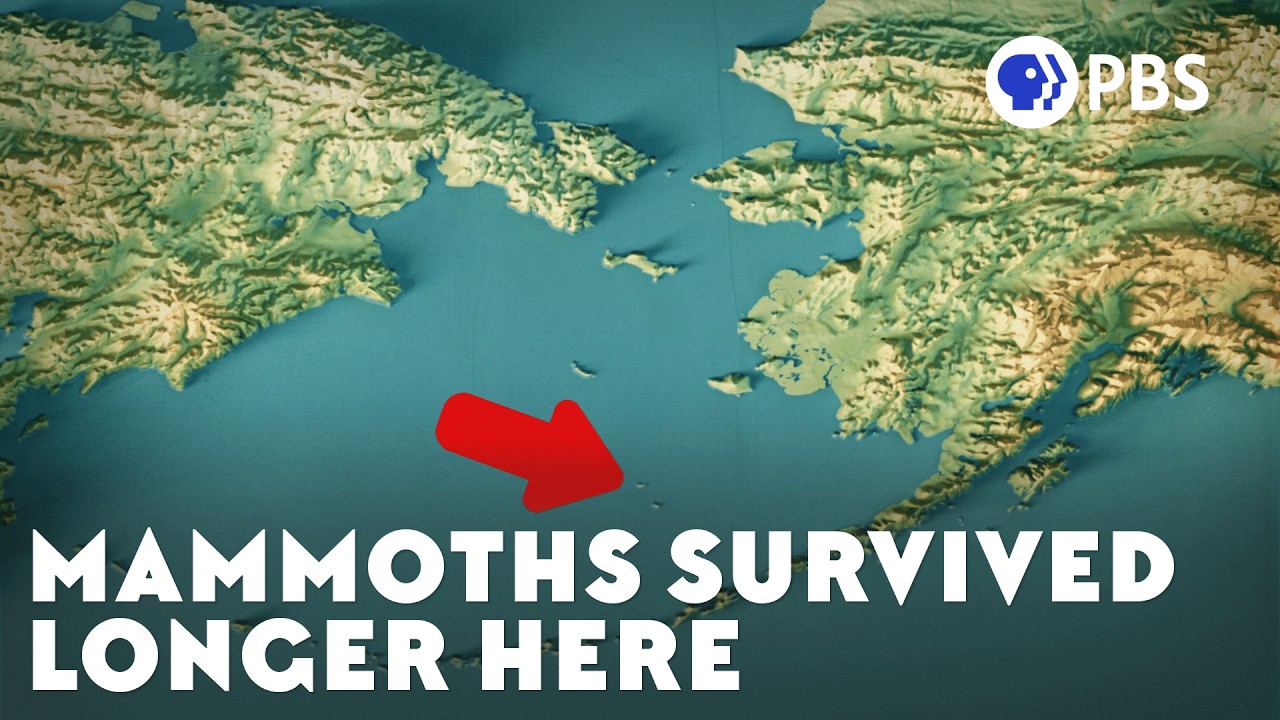
About 5,700 years ago, a herd of woolly mammoths roamed a treeless tundra on St. Paul Island, Alaska, marking one of the last chapters of their existence.
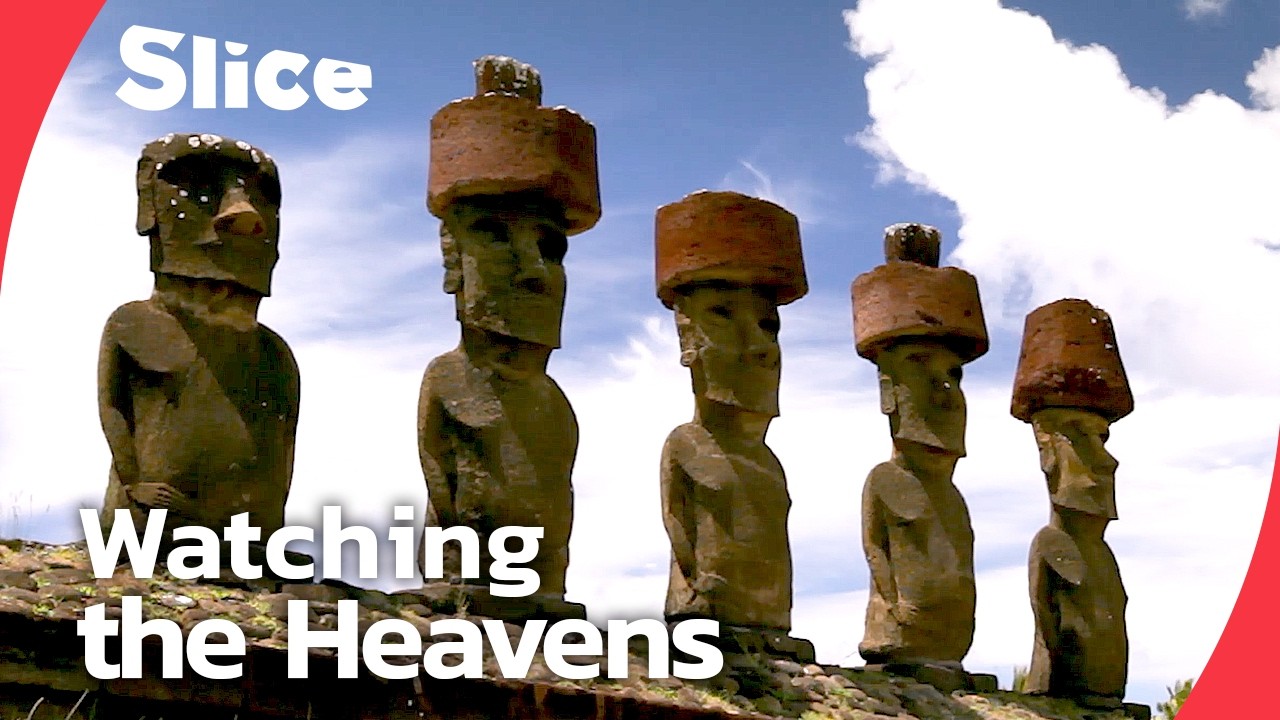
On Rapa Nui, also known as Easter Island, ancient priests and astronomers like Edmundo Edwards and Leo Pakarati studied celestial events to guide navigation and rituals.
In Tanzania's Laetoli region, ancient hominin footprints provide crucial insights into early human bipedalism and the evolution of walking.
The evolution of feathers in flightless dinosaurs is examined through a unique paleontological experiment involving a robot dinosaur.
Vikings from Scandinavia, Poland, Ukraine, and Russia engaged in exploration, raiding, and trade, significantly influencing commerce and culture across Europe and beyond.
Two ancient humans, separated by time, contributed a small fraction of their genomes to all modern humans due to unique evolutionary circumstances.
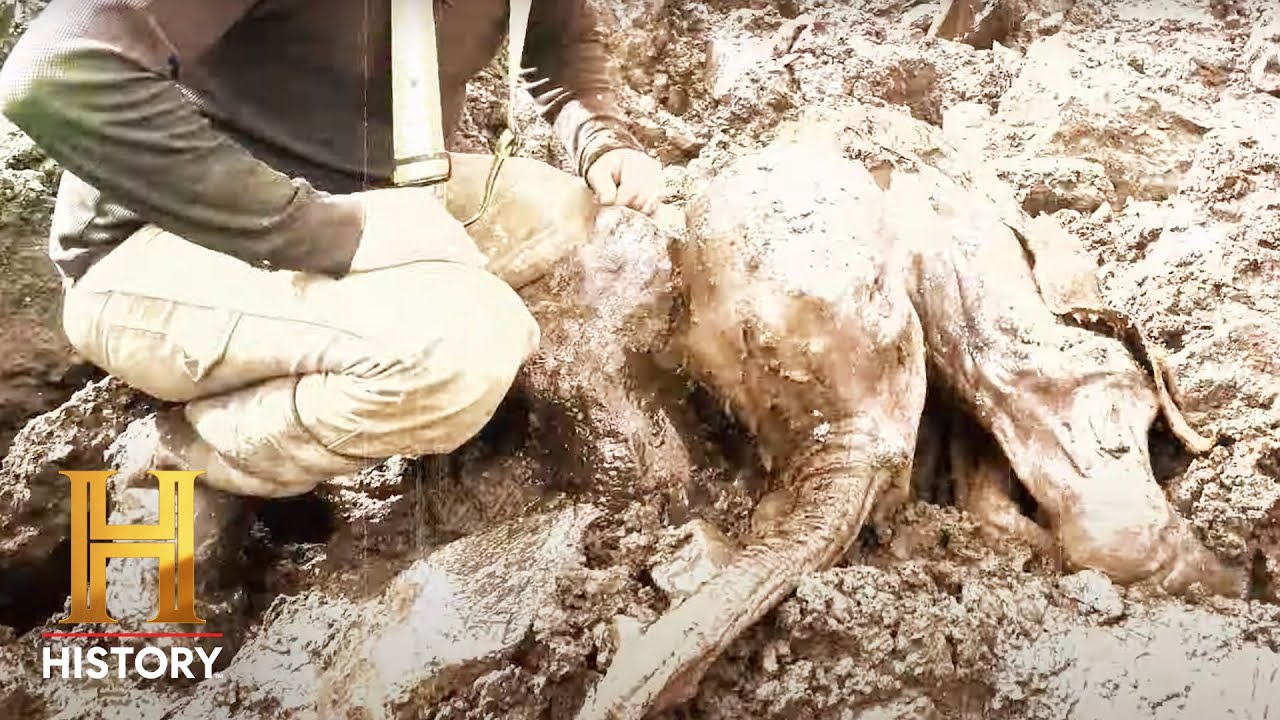
A miner in the Klondike goldfields of Canada's Yukon territory finds a 30,000-year-old woolly mammoth, linking ancient history to modern exploration.
L Griffon, a 45-ton ship built in 1679, vanished in the Lake Michigan Triangle without a trace, leaving its fate a mystery for over 340 years.
The Piltdown Man Hoax, a significant scientific fraud, misled the world for over 40 years regarding human evolution and remains a topic of intrigue in paleontology.
Neandertal DNA reveals complex gene flow between species, highlighting the shared genetic legacy that may influence modern human traits.
A group of scuba divers in the Atlantic Ocean seeks to find and document slave shipwrecks, revealing connections to their ancestral heritage.
Oscar Nilsson reconstructs the faces of the deceased using DNA from skeletal remains, revealing traits like hair and eye color.
In Season 21, Episode 4 of Ancient Aliens, two giant bones and a mysterious metal object challenge conventional timelines of ancient technology.
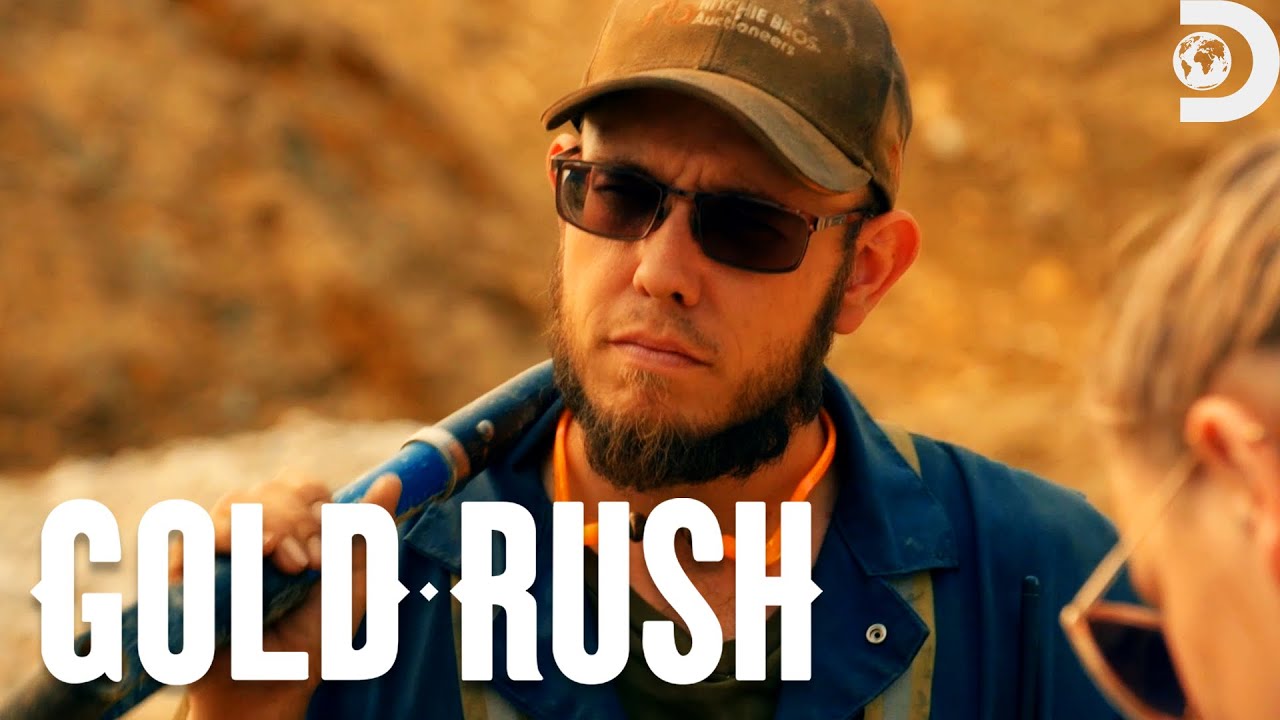
Tony and his crew pause their gold mining operation in America after finding jaw bones, prompting an assessment by a team of paleontologists.
A patent plate possibly from a musket, dating back to the 1790s, is among the significant discoveries linked to Samuel Ball on Oak Island.
The Akkadian Empire, formed in 2334 BCE, faced a sudden collapse due to potential warfare, abandonment, or natural disasters like El Niño.
The Proof Is Out There revisits viral UFO footage and unexplained phenomena that broke the internet.
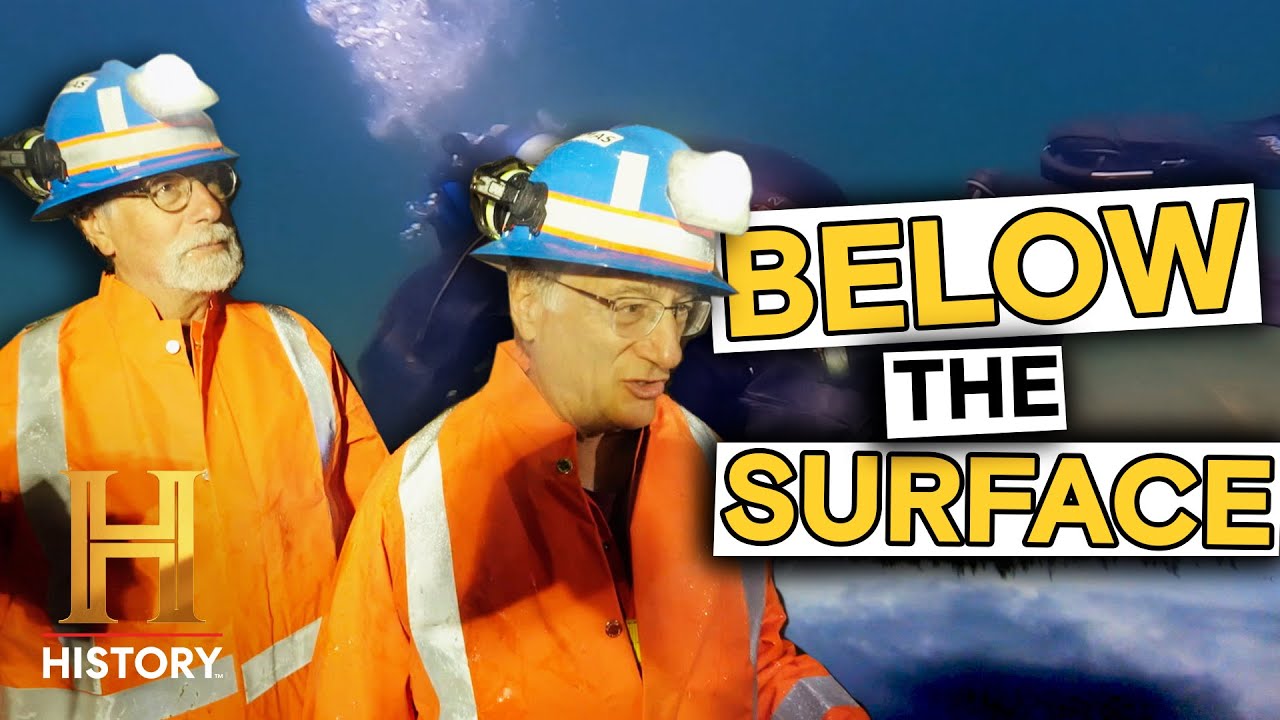
Tony Samson uses a metal detector to scan the seafloor for possible man-made structures near Oak Island, where treasure hunters have searched for over 200 years.
A fleet of mules pulls Alexander the Great's golden sarcophagus through Babylon in a grand funeral procession two years after his death in 323 BCE.
The Oak Island team has unearthed gun-related artifacts, including lead shot, that may date back to the 17th century on Lot 5.
The Stonehenge project reveals a Long Barrow burial site, marking Neolithic life around 3800 BC.
The Sphinx, an iconic monument in the Egyptian desert, is explored for its historical significance and the enduring mysteries it presents.
Experts on human history examine unresolved mysteries, including ancient ciphers and artifacts, highlighting ongoing archaeological efforts to decode their meanings.
A 2,300-year-old Scythian tomb in Mongolia is at risk of disappearing due to climate change, prompting an urgent archaeological expedition to study it.
In the late 1800s, paleontologists in Nebraska identified the fossilized structures known as Daemonelix, believed to be created by ancient burrowing beavers.
This episode features unsolved UFO mysteries from Costa Rica and Sweden's Triangle UFO sightings.
Lindsay Oakley, NARA’s Director of Heritage Science Research and Testing, presents the lab's vital role in preservation through various scientific projects.
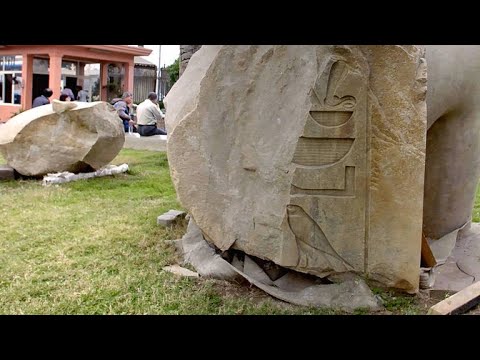
Psamtik I's importance as an Egyptian pharaoh is reassessed after a 2017 statue discovery.
A chamber in the Dikteon cave, identified as the birthplace of Zeus, contained an altar with offerings of honey and goat milk dating back 4,000 years.