From over 100,000 films, discover the handful you'll love.
Free or premium access to the world's largest documentary library.
2305 films(Page 43 of 49)
UFO sightings surge globally after World War II, raising fears of alien invasion.
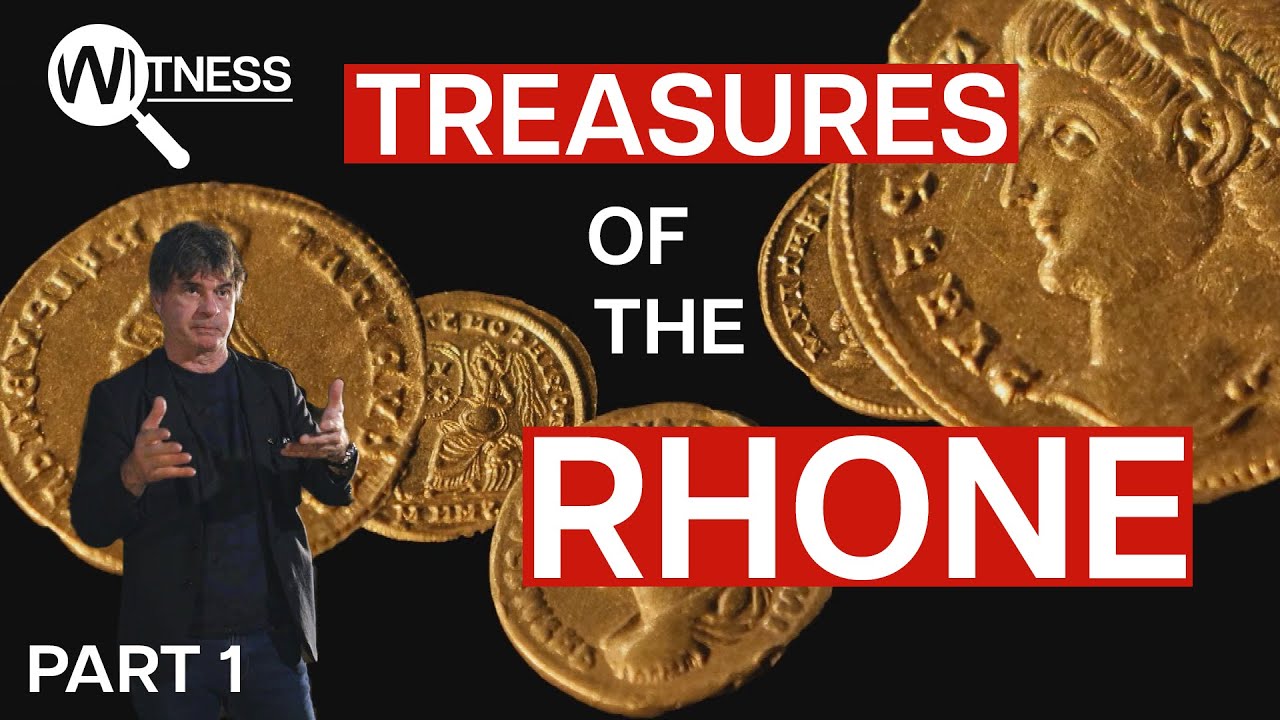
In the Rhône River near Arles, archaeologists and scuba divers investigate a 4th-century Roman shipwreck, revealing insights into the era's religious and political upheaval.
Lee Berger discusses the challenges faced by his team in recovering Homo naledi fossils and their implications for understanding human origins.
Tyrannosaurus rex, one of the most famous dinosaurs, may have been misnamed, prompting a reevaluation of its classification and historical significance.
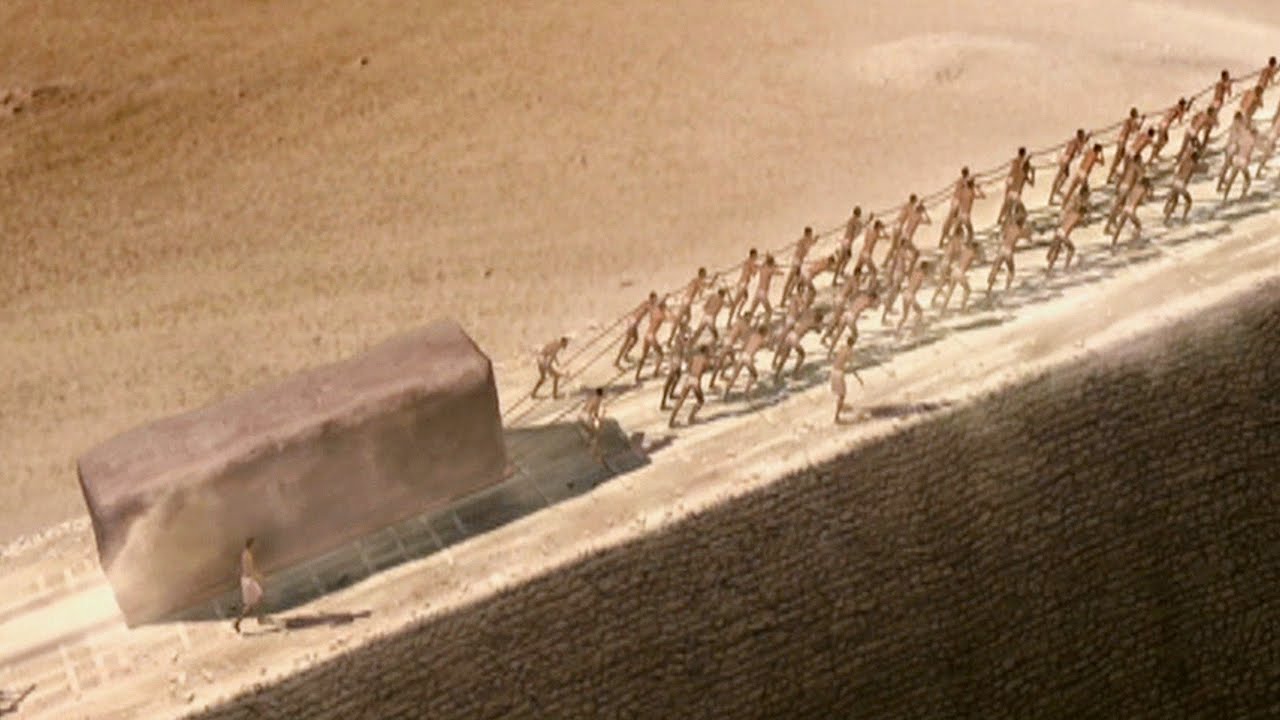
480 feet rise to the summit of the Great Pyramid of Giza, built with 2.5 tonne blocks using techniques that remain a mystery to modern archaeologists.
Five centuries after the arrival of the Spanish, the edifices of the Maya still dominate the town built directly on their monuments.
340 Spaniards and 4,000 indigenous people set out in 1541 to find the legendary city of gold, facing treacherous conditions in the Amazon rainforest.
In the Archaeological Museum in Lima, over 16,000 elongated skulls from the Nasca and Paraca cultures reveal the significance of cranial deformation in ancient Peruvian societies.
6,000 patients were housed at Volterra Asylum, where brutal treatments and a history of executions marked its dark past.
A 50 caliber projectile, likely fired from an aircraft, is discovered at Target 4, suggesting a possible battle between a German u-boat and Allied forces.
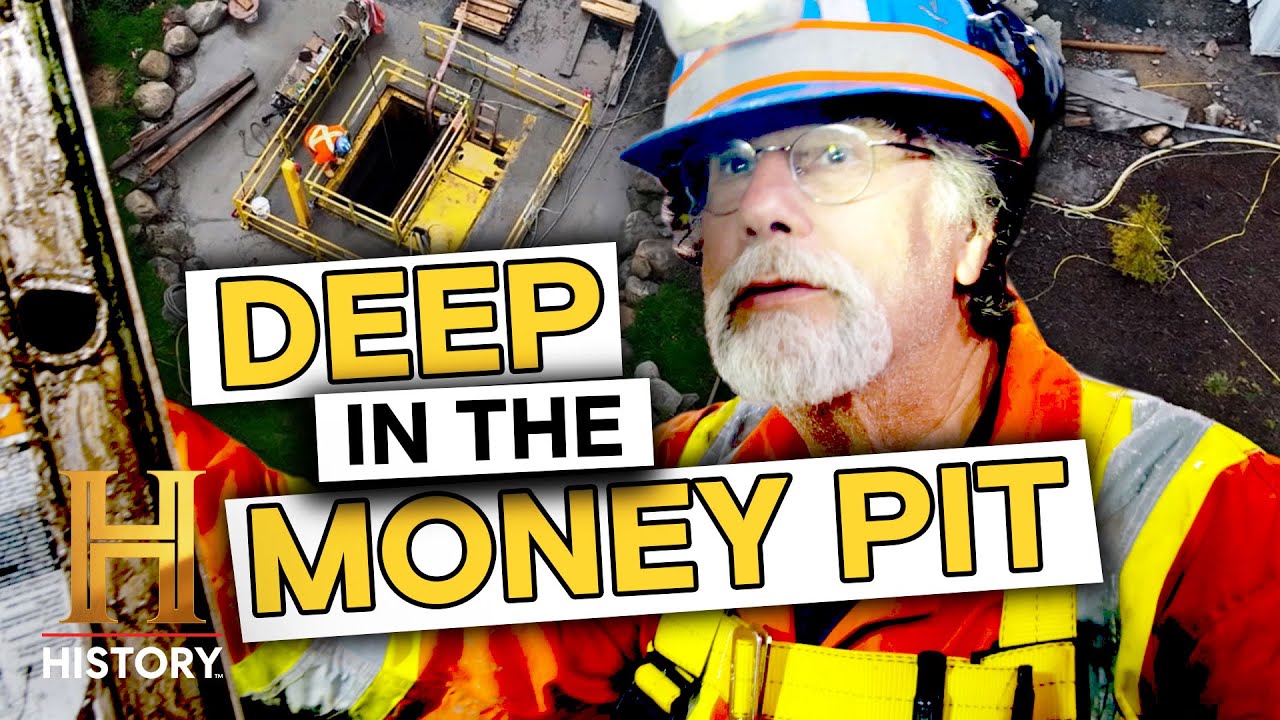
Wood samples from a newly excavated shaft on Oak Island have been dated to 1735 and show high trace evidence of gold.
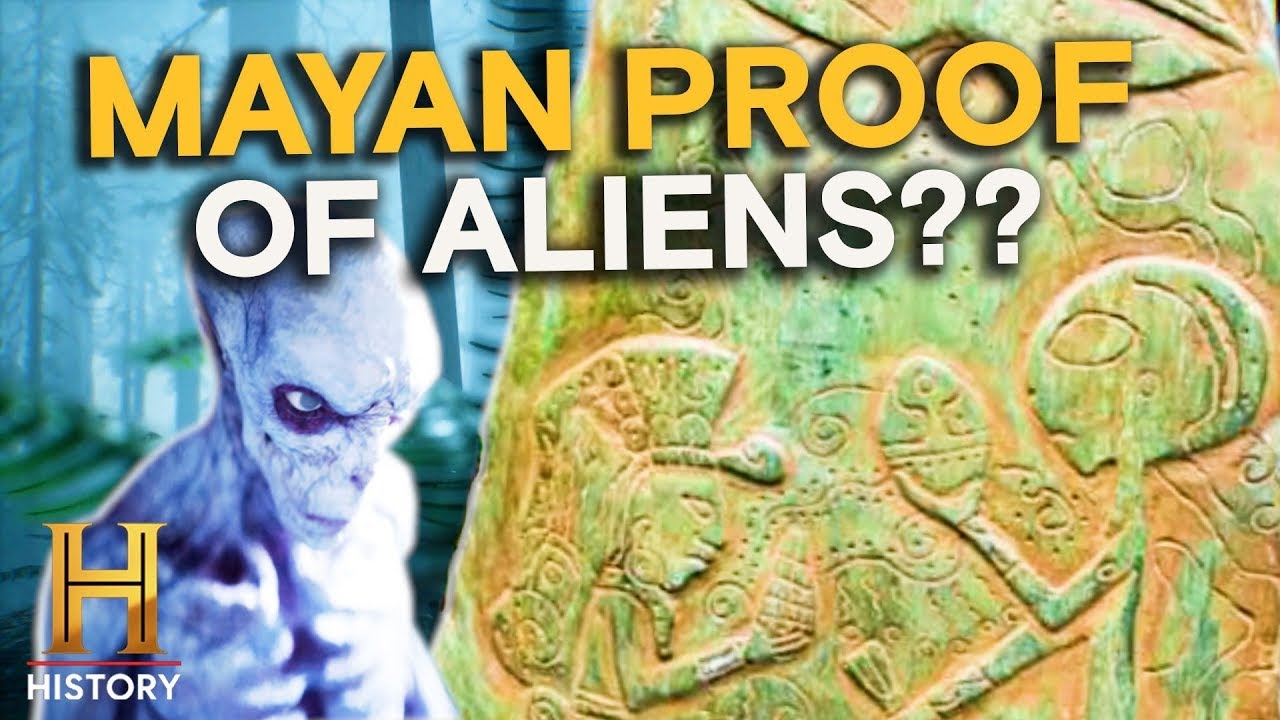
An investigator uncovers carvings in Mexico suggesting Maya contact with extraterrestrial beings.
Egyptologists unearth ancient archaeology secrets in this Channel 4 Documentary.
Ancient cultures have left behind a legacy of cursed objects, including a gilded wooden box and a miraculous healing cup, prompting an exploration of their historical significance and alleged powers.
On Oak Island, Rick and Marty Lagina, along with Gary Drayton, investigate metal targets, leading to the discovery of a large iron chunk and a blade-like artifact.
On February 18, 2022, a team retraced the steps of the first relief party that reached Donner Lake 175 years earlier to honor the survivors and their rescuers.
Two silver dollars minted between 1921 and 1928 are discovered at the site of the Ashley Homestead, linked to the notorious Ashley gang.
Dimitrios Katsikis revives ancient Greek armor in Spata, using self-made tools and simple materials to recreate historical artifacts.
Ancient Egyptian civilization's monumental pyramids, often viewed as burial sites, are explored for their potential role as 'resurrection machines' linked to celestial beliefs.
Brig Gen Frank Dorn awards the Distinguished Flying Cross to nine soldiers in Yunnanyi, China, while documenting the ruins of Lungling on November 10, 1944.
Colossal stone heads from the Olmec civilization weigh up to 50 tons and emit unusual magnetic anomalies, suggesting advanced knowledge of magnetism.
Giorgio Tsoukalos investigates megalithic walls in Ferentino, Italy, believed to be linked to ancient giants and extraterrestrial influences.
Every year, many grave robbers die while digging for treasures in Peru's coastal region, where fragile tomb walls often collapse on them.
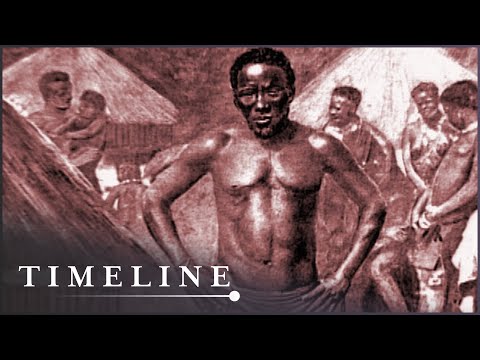
Great Zimbabwe reclaims its African heritage after being dismissed by racist explorers.
A mile-long line of stones discovered in Lake Michigan may be a prehistoric hunting structure known as a driveline, dating back 10,000 years.
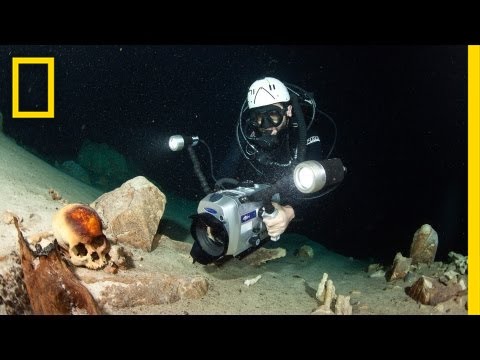
Guillermo de Anda explores remote flooded caves and cenotes in Mexico, searching for evidence of ancient Maya civilization.
The Herculaneum Scrolls, carbonized by the eruption of Mount Vesuvius in 79 AD, remain sealed shut, holding ancient texts that researchers aim to digitally read.
A treasure box containing the third key from a 40-year-old puzzle is presented to Byron Price's family in Boston, Massachusetts.
Ancient Aliens compiles insights on significant holy grail sites, exploring their cultural and historical contexts to enhance understanding of ancient civilizations.
The rise of the Tibetan plateau played a crucial role in the evolution of Homotherium, a unique and successful prehistoric cat species.
A sinkhole in North America has provided insights into the migration of a red panda relative, revealing historical connections between continents.
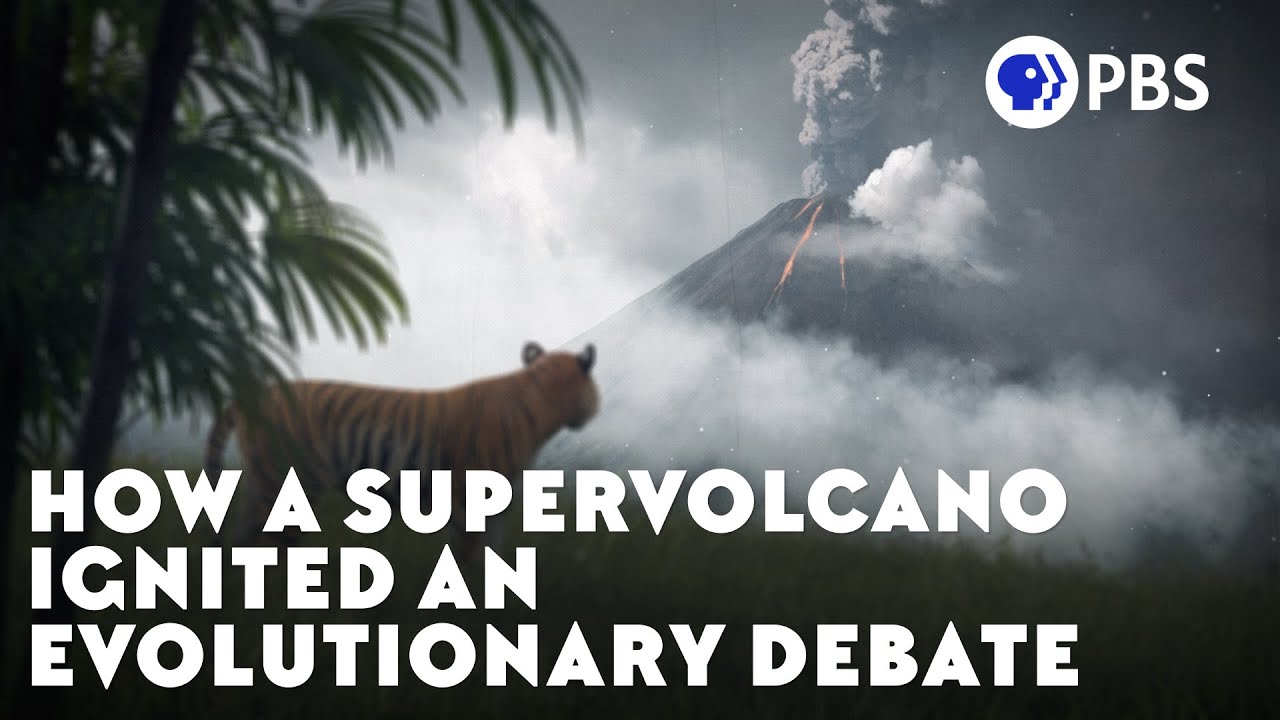
Toba supervolcano's massive eruption 74,000 years ago significantly impacted human evolution and the environment, as explored through scientific reconstructions.
Ancient rock art in Australia reveals depictions of megafauna, prompting researchers like Professor Bruno David from Monash University to explore their historical existence.
Tiny exoskeleton fragments may have enabled ancient microbes to travel across the ocean, significantly impacting Earth's ecological history.
The relationship between physical strength and cognitive ability has been intertwined throughout history, challenging the notion that they are mutually exclusive.
66 million years ago, the ability to chew food effectively may have enabled tiny mammals and lizard-like reptiles to survive the mass extinction caused by an asteroid impact.
Lucy, the famous fossil ancestor, is at the center of a decades-long debate regarding whether her death resulted from a fall from a tree, highlighting human evolutionary transitions.
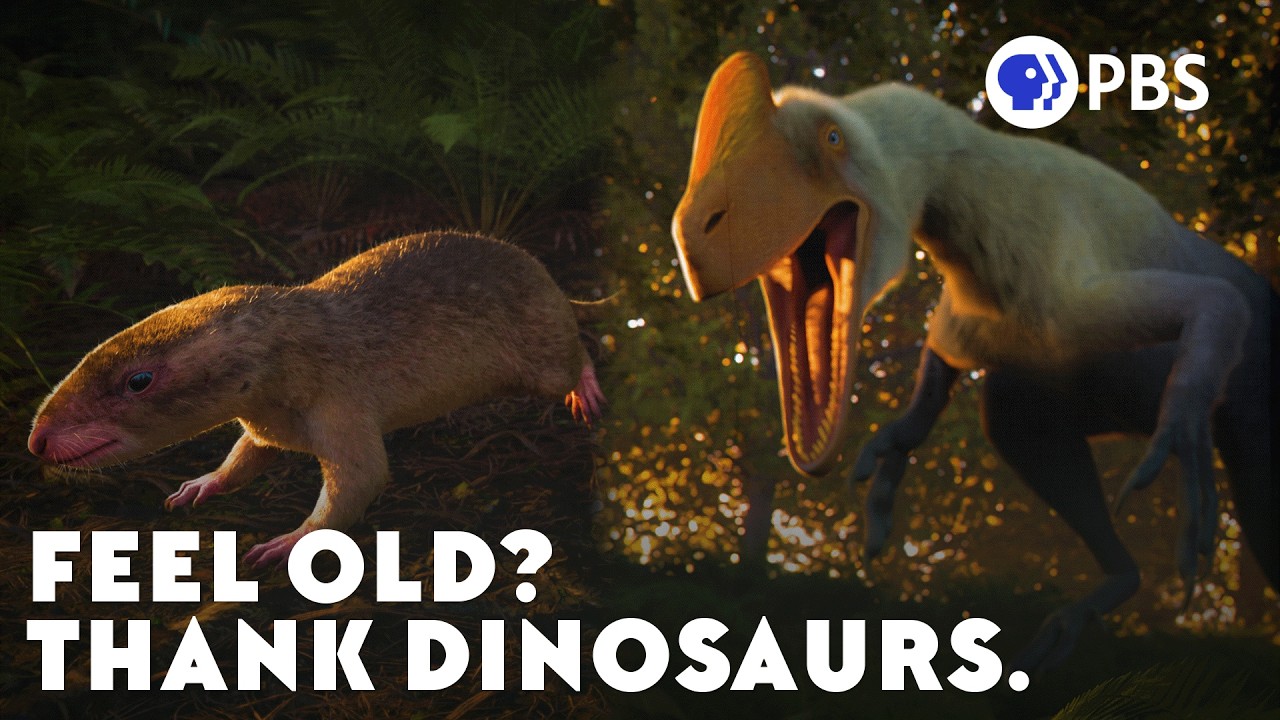
Dinosaurs may have influenced the aging process in modern vertebrates, suggesting a link between their extinction and the accelerated aging of species today.
Thousands of years of interactions between humans and wolves led to the domestication of dogs, shaping their genetics and anatomy into the companions known today.
Homo naledi, a newly discovered human ancestor, is prompting a reevaluation of human origins, as explained by biological anthropologist Marina Elliott.
The evolution of horses from food sources to companions is explored through evidence from art, archaeology, and ancient DNA, raising questions about their domestication.
During the golden age of sharks, diverse species thrived in Earth's oceans, but most of that remarkable variety was lost over time.
Long-jawed proboscideans evolved into modern elephants, mammoths, and mastodons as climate changes prompted adaptations like the flexible trunk for better survival.
This episode reveals the mysteries behind how Stonehenge was built in England.
Ediacaran life forms, once a mystery to scientists, were identified as early animals through the analysis of fossilized fat, revealing insights into Precambrian ecosystems.
Over 10,000 cattle mutilations have been reported in the U.S. over the last 50 years, leaving ranchers puzzled by the mystery behind these events.
Chaco Canyon Park in New Mexico features significant archaeological ruins that reveal insights into ancient civilizations and highlight the importance of cultural heritage preservation.
A 25,000-ton boulder in California's Mojave Desert, known as Giant Rock, has been a site of spiritual significance for local Native American tribes.